Heavy Machinery Logistics: Where Delays Usually Start
In heavy machinery logistics, delays rarely begin on the road—they start much earlier, in planning gaps, port bottlenecks, equipment coordination failures, and weak scheduling visibility. For project managers and engineering leads, understanding where disruption first appears is essential to protecting timelines, budgets, and operational continuity across complex global cargo movements.
Why heavy machinery logistics delays usually begin before transport starts
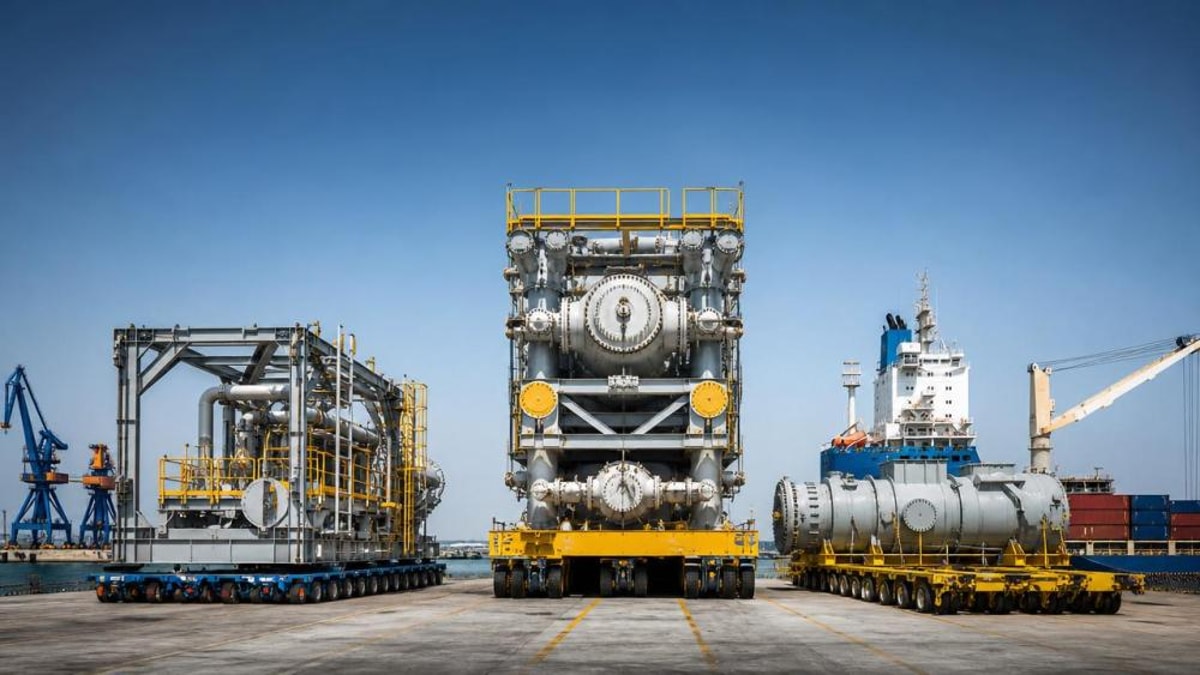
For oversized cranes, bulk handling systems, dredging equipment, terminal modules, and automated port assets, transport is only the visible phase of a much longer chain. The first delay often appears during cargo definition, route feasibility checks, lifting plan alignment, port slot booking, or inland interface planning. By the time the shipment is physically late, the root cause may already be weeks old.
This is why heavy machinery logistics requires more than freight execution. It depends on synchronized intelligence across suppliers, EPC teams, port operators, customs agents, marine coordinators, and site installation teams. PS-Nexus approaches this challenge from a maritime logistics and coastal economics perspective, tracking the operational relationships between terminal gear, automated container handling, bulk cargo flow, dredging support, and strategic port capacity.
For project leaders, the core question is not simply, “Which carrier will move the cargo?” It is, “Which node will fail first if visibility is poor?” In most heavy machinery logistics programs, the answer sits in one or more of the following areas:
- Incomplete technical cargo data, including actual dimensions, center of gravity, lifting points, or breakbulk handling constraints.
- Port interface mismatches, such as berth restrictions, crane reach limitations, storage congestion, or low-priority handling windows.
- Disconnected scheduling across factory release, export packing, vessel nomination, customs readiness, and site receiving conditions.
- Weak contingency planning for weather, draft limits, labor disruption, transshipment conflicts, or inland transport permit delays.
Where project managers should look first: the most common delay trigger points
The table below maps common early-stage failure points in heavy machinery logistics to their likely impact on engineering schedules and cost control. For project managers, this view is more practical than a generic shipping checklist because it connects logistics risk to execution consequences.
The key lesson is simple: heavy machinery logistics delays are usually systemic, not isolated. A single data gap at the cargo definition stage can cascade into berth changes, crane rescheduling, customs queries, and site installation disruption.
Why port intelligence matters more than many teams expect
Heavy cargo does not move through ports in the same way as standard container freight. Terminal throughput, equipment availability, yard design, automation maturity, and quay-side sequencing all affect whether a move is routine or fragile. PS-Nexus monitors these structural conditions across mega port terminal gear, specialized container handling, bulk machinery operations, and automated control systems, helping teams understand not just rates, but real operational feasibility.
For engineering leaders handling breakbulk modules, dredging assets, remote-controlled crane systems, or AGV-related project cargo, this intelligence supports earlier decisions on routing, discharge strategy, and staging logic. That is where schedule protection begins.
How different cargo profiles change heavy machinery logistics risk
Not all heavy machinery logistics moves fail in the same way. Risks vary depending on whether the shipment involves terminal cranes, conveyor systems, dredging pumps, automated yard components, or oversized structural assemblies. Matching the logistics model to the cargo profile is a procurement and planning decision, not just a transport one.
The comparison below helps project teams align transport planning with cargo behavior, handling complexity, and installation sensitivity.
This comparison shows why a one-size-fits-all freight plan rarely works. Heavy machinery logistics performs best when transport mode, packaging design, terminal interface, and commissioning schedule are treated as one integrated workstream.
Typical scenario mismatches that create hidden delay
- A project ships automation cabinets with mechanical structures under one timeline, even though customs processing and installation readiness differ sharply.
- A port equipment supplier books ocean freight before confirming whether the discharge terminal can support the required lifting geometry.
- A dredging package is planned around sailing availability, while ignoring weather exposure during barge transfer or nearshore receiving.
- An EPC team focuses on transport cost reduction but underestimates the schedule cost of split arrivals and incomplete installation kits.
What project managers should verify before booking heavy machinery logistics
If your project timeline is tight, the most effective control point is pre-booking verification. This is where teams can still correct assumptions at relatively low cost. Once cargo reaches port, options narrow and every change becomes expensive.
A practical pre-shipment checklist
- Confirm engineered cargo data, including net and gross weight, lifting point drawings, lashing requirements, packing dimensions, and center-of-gravity position.
- Verify port capability on both ends: berth draft, crane or shore handling limits, storage policy, heavy-lift access, and congestion pattern.
- Map the cargo arrival sequence against the site installation sequence so that critical modules arrive in the order they are needed.
- Check permit lead times for inland movement, escort requirements, route restrictions, and holiday or local authority delays.
- Review commercial and customs documentation early, especially invoice structure, packing list detail, origin documents, and product descriptions.
- Define escalation paths before shipment starts: who approves route changes, who owns port coordination, and who updates site stakeholders if a milestone shifts.
PS-Nexus adds value at this stage by connecting freight execution questions with wider intelligence: shipping node dynamics, terminal equipment constraints, automation trends, bulk handling throughput pressures, and strategic port behavior. That broader view often reveals risks that are invisible in a standard forwarding conversation.
Cost control in heavy machinery logistics: cheaper freight can create a more expensive project
Project managers are often pressured to optimize freight spend, but in heavy machinery logistics the lowest transport quote may create the highest total project cost. A lower rate can hide weaker port handling capability, higher transshipment risk, longer dwell time, or fragmented cargo arrival.
When evaluating options, it helps to compare cost not only by freight line item, but by schedule resilience and downstream operational impact.
For capital equipment projects, the right metric is total disruption cost, not freight price alone. That includes standby labor, vessel waiting, storage, crane rescheduling, permit renewal, and deferred commissioning revenue.
Compliance, documentation, and control systems: often underestimated, often decisive
In heavy machinery logistics, technical and documentary compliance can be just as critical as lifting capacity. Large cargo packages often cross multiple jurisdictions and interfaces, and each one may require different evidence of conformity, safe handling, or origin.
What should be reviewed early
- Cargo description consistency across packing list, commercial invoice, transport instruction, and customs declaration.
- Handling instructions for sensitive components such as control cabinets, sensors, actuators, hydraulic units, and marine-exposed assemblies.
- Applicability of common frameworks such as Incoterms, dangerous goods rules where relevant, local oversized road permits, and port safety procedures.
- Inspection and hold-point requirements tied to insurance, client approval, or third-party survey expectations.
PS-Nexus is especially relevant where logistics intersects with automated terminals and smart port systems. In those environments, delayed hardware does not simply postpone delivery; it can interrupt software integration, control system testing, low-latency communications setup, or AGV path-planning validation. The schedule impact is therefore both physical and digital.
FAQ: practical heavy machinery logistics questions from engineering teams
How early should heavy machinery logistics planning begin?
For large project cargo, planning should begin as soon as preliminary equipment dimensions and delivery sequence are known. Waiting until manufacturing is complete is usually too late. Early work should cover route feasibility, port capability, documentation logic, and installation-linked arrival priorities.
What is the most common mistake in heavy machinery logistics procurement?
The most common mistake is buying transport as a standalone service. Engineering cargo needs an integrated plan that combines handling method, terminal fit, inland movement, customs readiness, and site receiving conditions. A cheap booking without this integration often leads to delay claims and internal project conflict.
Which projects need the closest port-side monitoring?
Projects involving mega port terminal gear, specialized container handling units, bulk transfer machinery, and dredging packages need particularly close port-side monitoring. These cargoes are highly sensitive to berth allocation, yard congestion, heavy-lift availability, and weather-linked operational windows.
How can teams improve scheduling visibility across multiple logistics nodes?
Use milestone-based control rather than shipment-status reporting alone. Track factory release, packing completion, permit issuance, port acceptance, vessel loading, customs clearance, discharge readiness, and site delivery as separate checkpoints. This makes the first delay visible where it actually begins.
Why choose PS-Nexus for heavy machinery logistics intelligence and next-step planning
PS-Nexus supports project managers and engineering leaders who need more than transport updates. Our strength lies in connecting terminal equipment realities, automated handling trends, dredging engineering context, shipping node dynamics, and strategic port intelligence into one decision framework. That matters when your cargo is large, your installation window is narrow, and your delay cost is much higher than the freight line item.
If you are assessing heavy machinery logistics risk for a port expansion, bulk handling upgrade, automated terminal deployment, or marine engineering project, you can consult PS-Nexus for specific support areas such as:
- Cargo parameter confirmation for oversized or sequence-critical equipment.
- Routing and terminal fit review based on port capability and logistics node conditions.
- Delivery cycle evaluation for breakbulk, project cargo, marine transfer, or automated handling assets.
- Custom planning input for phased shipments, commissioning-linked arrivals, and inland permit constraints.
- Documentation and compliance discussion for multi-jurisdiction delivery and port-side handling control.
- Commercial insight for budget comparison, quote evaluation, and logistics strategy selection.
When delays usually start before the cargo moves, better visibility is not optional. It is a project control tool. PS-Nexus helps teams identify the first weak link early, compare options with operational context, and move from reactive freight management to informed logistics strategy.
Related News
Port Equipment Automation Maintenance Issues You Can Prevent Early
Port equipment automation maintenance starts with early detection. Learn how to catch sensor, drive, PLC, and network issues before they cause costly downtime and delays.
Marine Logistics Technology Suppliers: What Sets Them Apart
Marine logistics technology suppliers stand apart through automation, integration, and lifecycle support. Discover what helps ports and channel partners choose future-ready solutions.
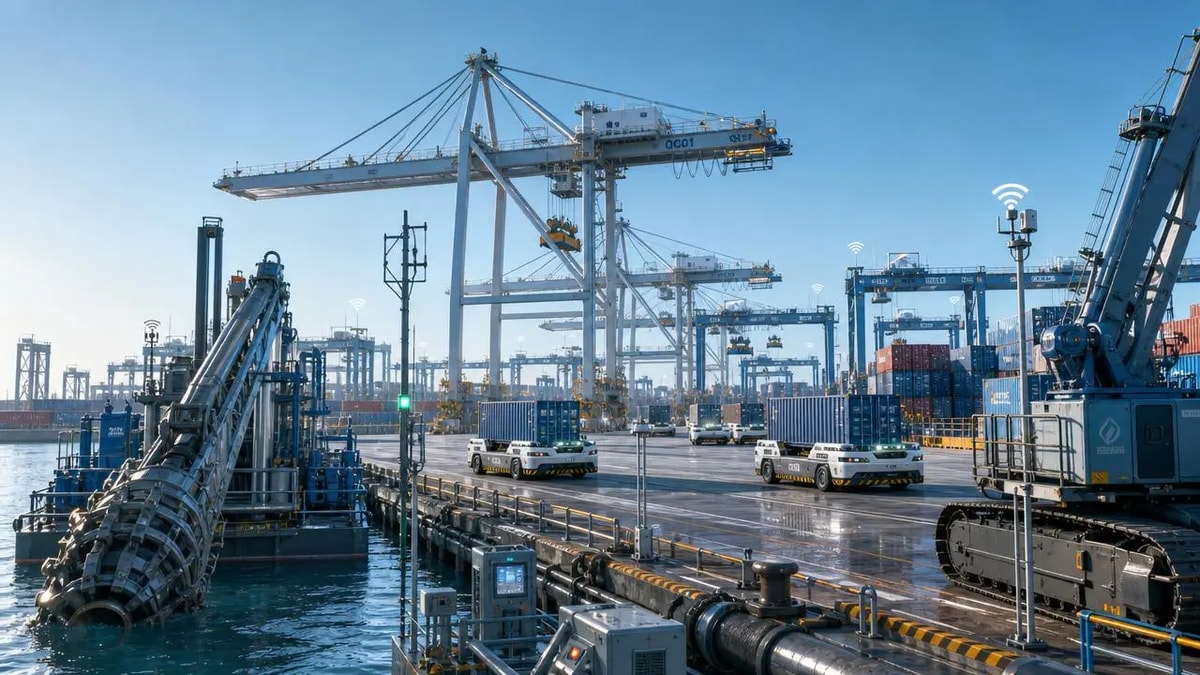
Port Technology Trends Worth Watching Before Your Next Upgrade
Port technology trends shape smarter upgrade decisions. Explore automation, remote crane control, predictive maintenance, and phased investment strategies to reduce risk and improve ROI.
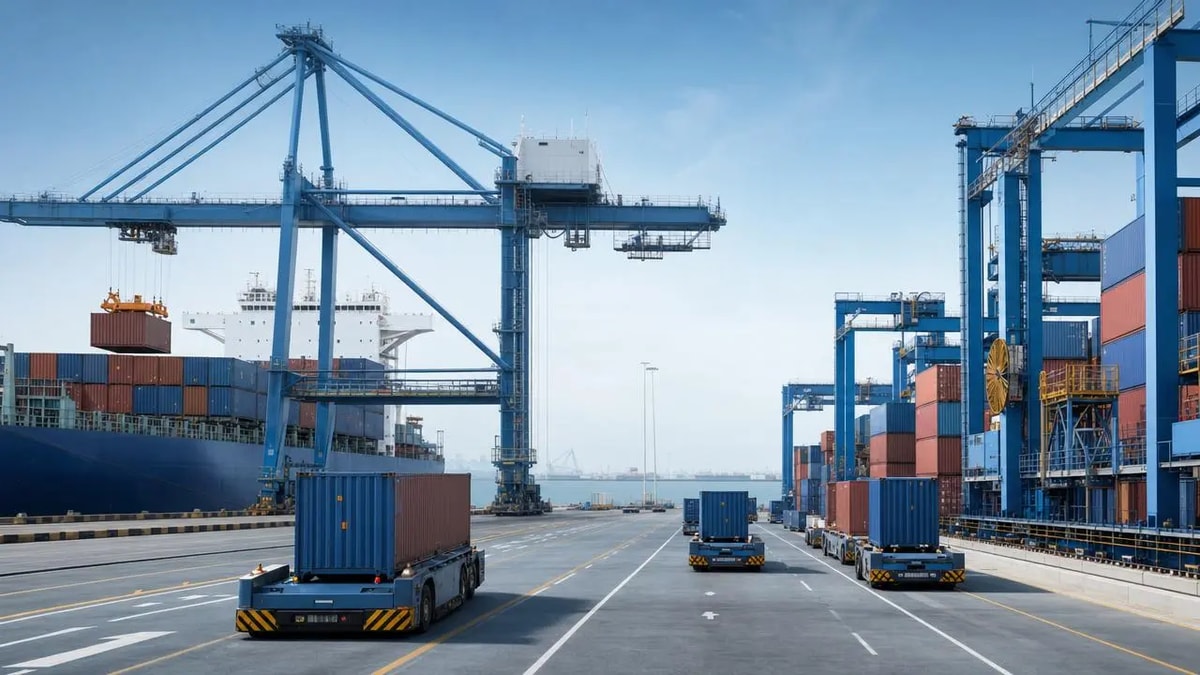
Automated Port Systems: Common Integration Problems to Expect
Automated port systems face real integration hurdles—from legacy equipment and data mismatches to network latency and safety conflicts. Learn what to check before approval.
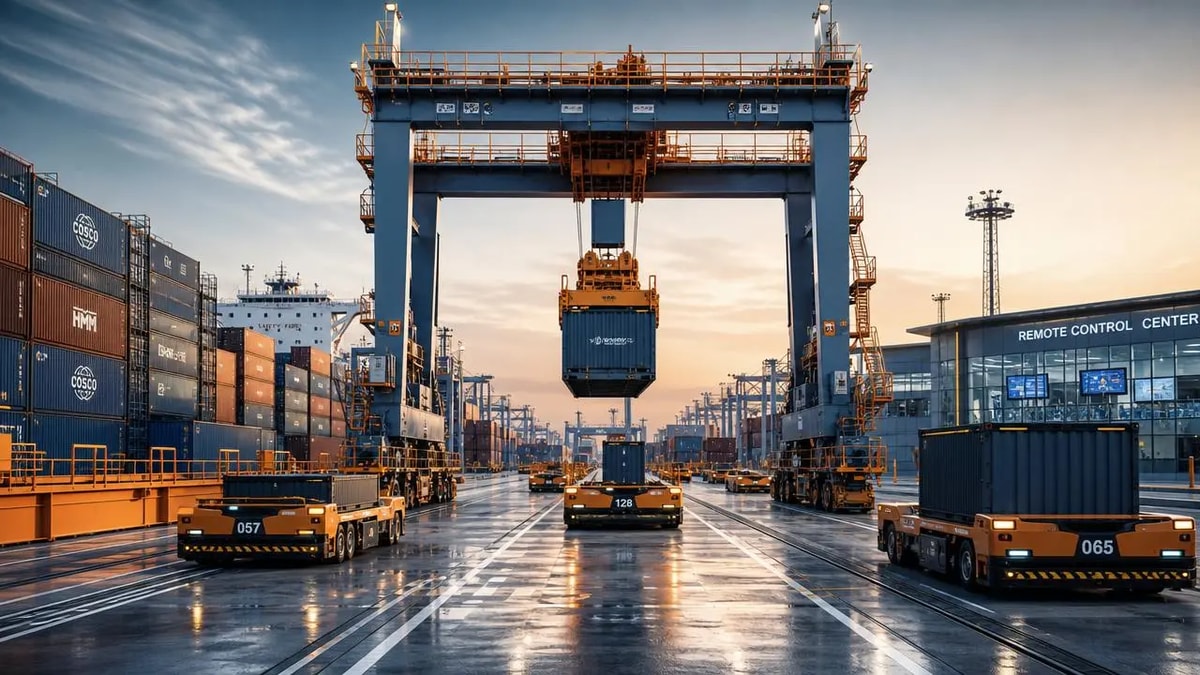
Port Automation Solutions That Reduce Manual Handoffs
Port automation solutions reduce manual handoffs, improve crane, AGV, yard, and control room coordination, and help terminals boost safety, speed, and operational efficiency.
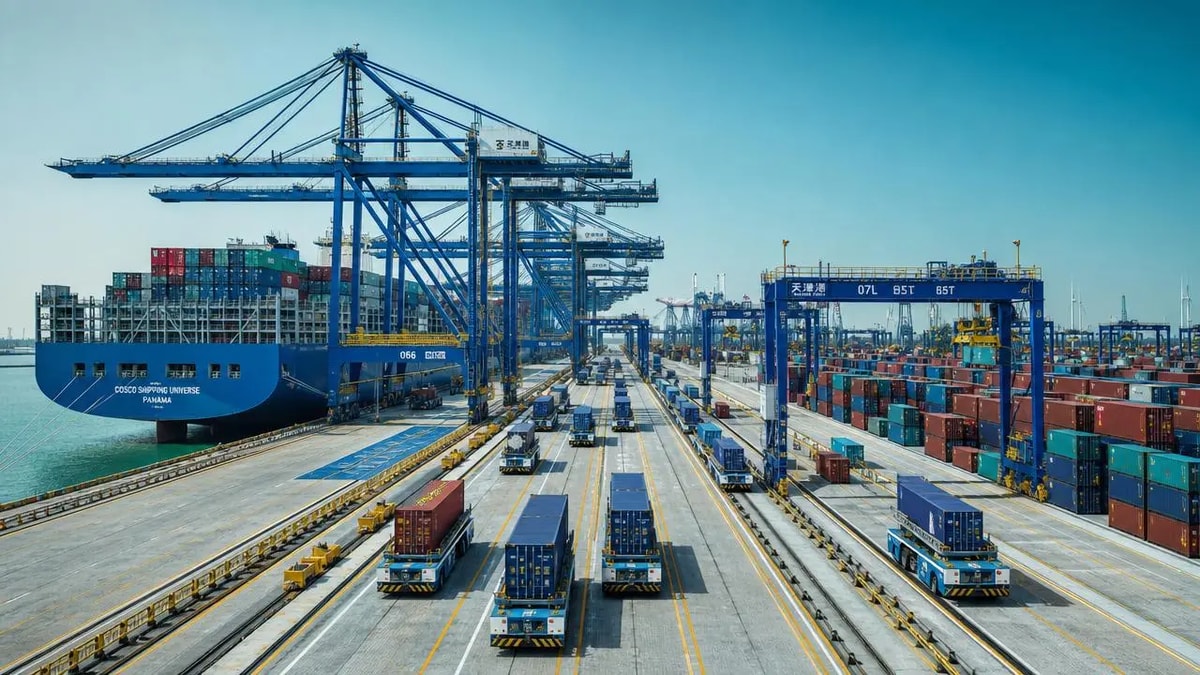
Smart Terminal Technology Trends Changing Port Operations
Smart terminal technology is reshaping port operations with AI, automation, predictive maintenance, and electrification. Discover which trends deliver the best ROI for different terminal scenarios.
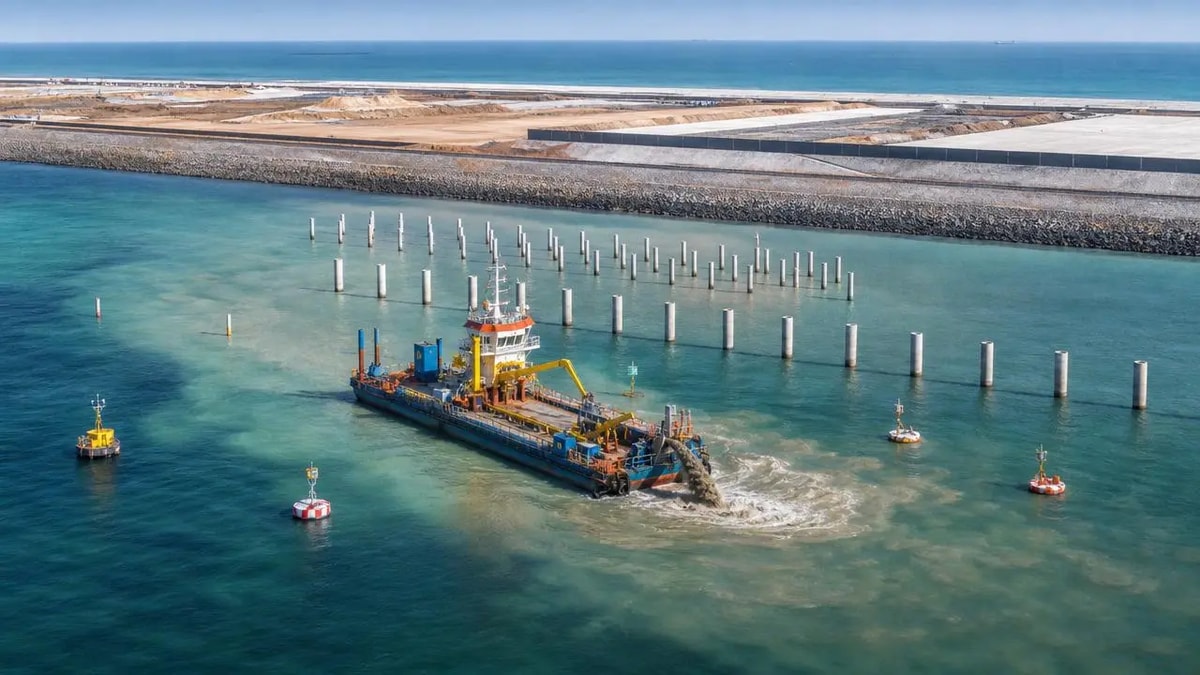
Marine Geotechnic Risks That Can Delay Coastal Projects
Marine geotechnic risks can quietly derail coastal projects with delays, rework, and compliance issues. Learn the warning signs and practical controls to protect schedule, safety, and budget.
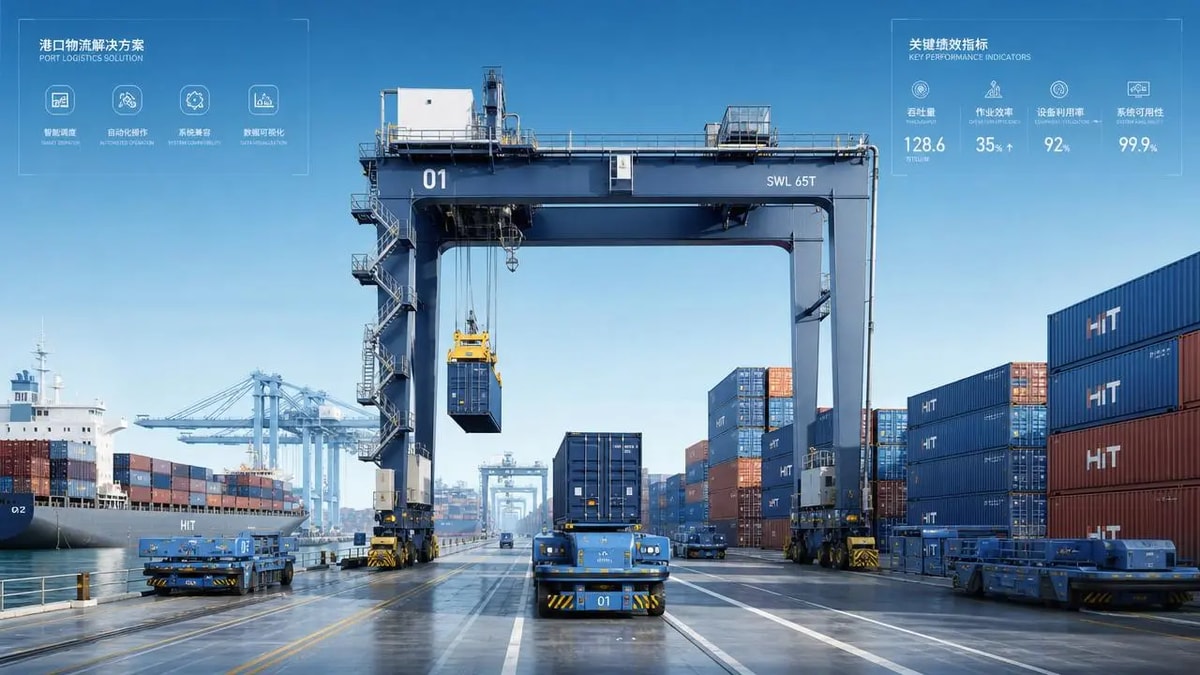
What to Compare Before Choosing Port Logistics Solutions
Port logistics solutions comparison guide: learn what to assess on throughput, compatibility, scalability, lifecycle cost, and automation readiness before choosing the right system.
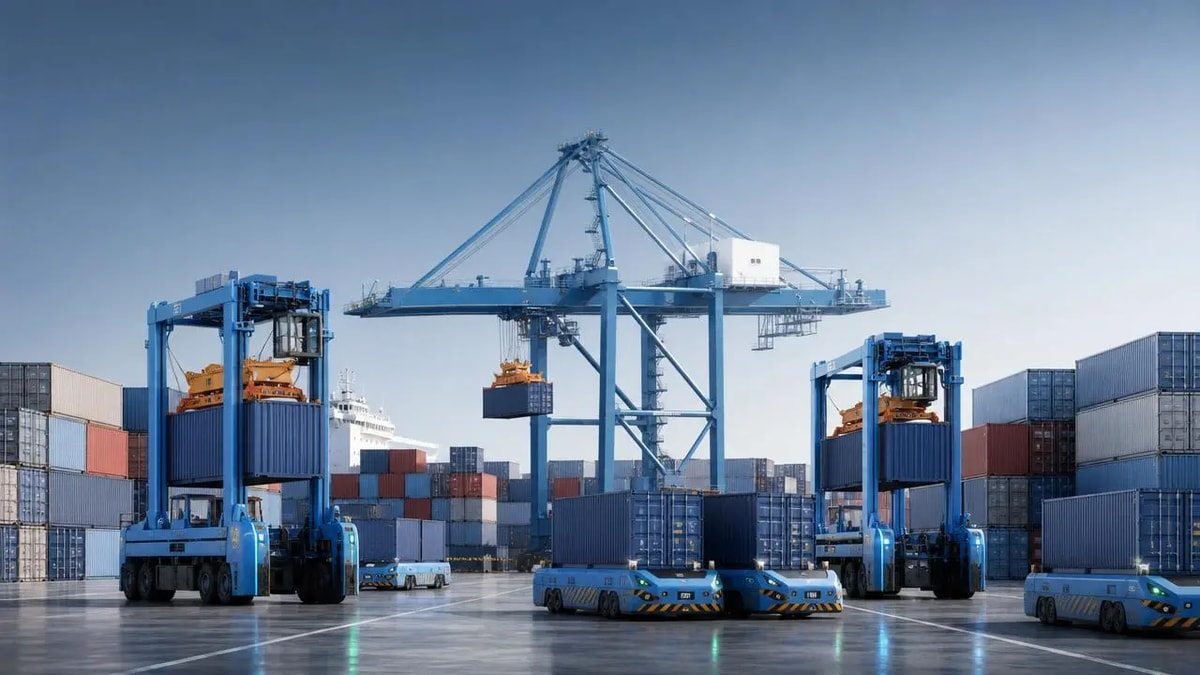
Port Terminal Equipment Costs Are Shifting in 2026
Port terminal equipment costs are shifting in 2026. Learn how automation, electrification, financing, and compliance reshape TCO, ROI, and smarter terminal investment decisions.