
Smart Terminal Technology Trends Changing Port Operations
Smart terminal technology is rapidly redefining how modern ports balance throughput, safety, and cost efficiency. For enterprise decision-makers, understanding these shifts is no longer optional—it is essential to staying competitive in a supply chain shaped by automation, real-time data, and low-carbon goals. This article explores the key technology trends transforming port operations and what they mean for long-term investment, asset performance, and strategic growth.
Why scenario differences matter in smart terminal technology decisions
For decision-makers, the value of smart terminal technology does not come from adopting the newest system first. It comes from matching the right tools to the right operational scenario. A high-volume container gateway, an energy bulk terminal, a river port under space pressure, and a greenfield automated terminal may all invest in digitalization, but their priorities are not the same. One may focus on crane cycle time, another on stockyard visibility, another on remote control safety, and another on dredging-linked berth availability.
That is why smart terminal technology should be assessed as a scenario-based operating model rather than a single product category. In practical terms, enterprise leaders need to ask where bottlenecks exist, how much process variability the terminal faces, what data quality is available, and whether labor, energy, and infrastructure constraints support automation at scale. The strongest investments are usually made where technology directly addresses real throughput constraints, vessel turnaround pressure, or rising compliance costs.
For a platform such as PS-Nexus, which tracks terminal gear, automated container handling, control systems, and dredging engineering, the strategic insight is clear: trends only become valuable when they are translated into operational fit. The following sections break smart terminal technology into real port scenarios so enterprise teams can judge where the strongest impact is likely to appear.
Where smart terminal technology is changing port operations first
Across global port infrastructure, smart terminal technology is advancing fastest in scenarios where asset intensity is high, operating windows are tight, and coordination costs are significant. These are not abstract innovation zones; they are practical environments where small gains in reliability or cycle time create measurable commercial returns.
- Large container terminals with dense yard operations and high truck-gate complexity
- Bulk cargo terminals handling coal, ore, grain, or energy materials with variable vessel schedules
- Automated or semi-automated terminals using AGVs, ASC systems, and remote-controlled cranes
- Ports expanding berth access through dredging, channel optimization, and digital marine coordination
- Legacy terminals seeking phased modernization without full infrastructure replacement
In each of these scenarios, smart terminal technology supports a different decision logic. Some ports need optimization software before robotics. Some need sensor-based equipment health monitoring before higher-level automation. Others gain the most from integrating terminal operating systems with vessel arrival data, gate scheduling, and yard allocation algorithms. The key is not to overgeneralize. Smart terminal technology performs best when aligned with the operational pain point that most limits margin, resilience, or service quality.
Scenario comparison: what different terminals should prioritize
The table below provides a practical comparison of how smart terminal technology priorities shift by port scenario. This helps investment teams compare needs before committing to a platform, control architecture, or equipment upgrade roadmap.
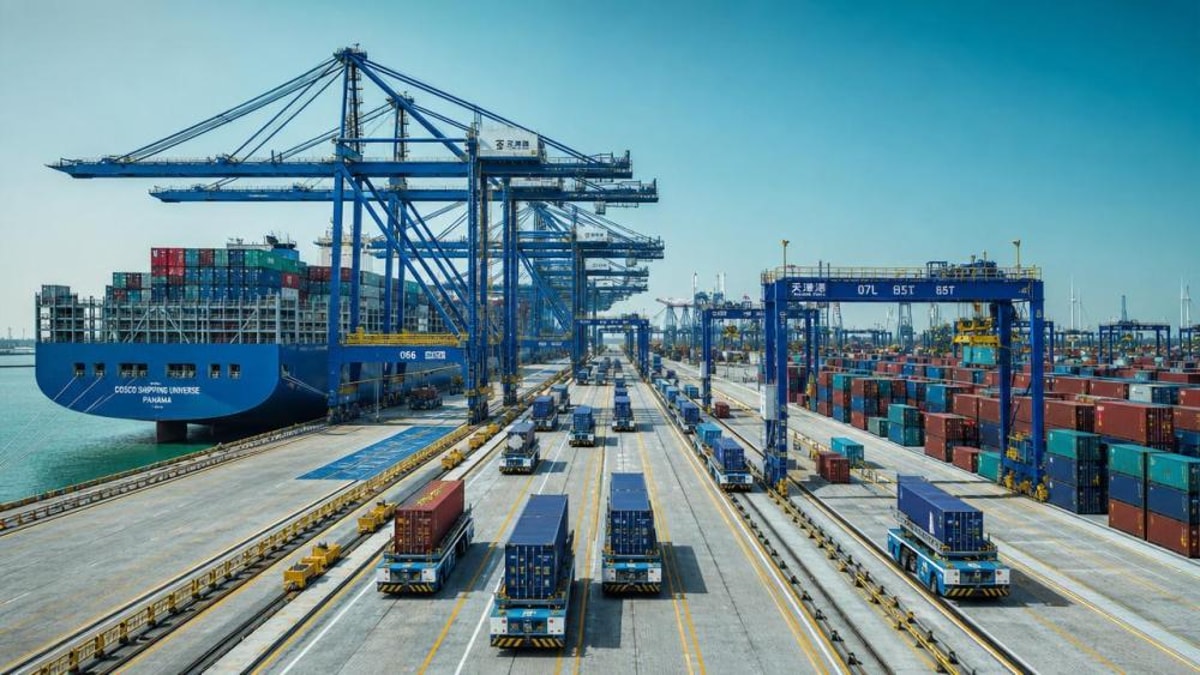
Five technology trends and the port scenarios where they create the most value
1. AI-based scheduling for terminals under congestion pressure
AI scheduling is one of the most visible smart terminal technology trends because it addresses a universal problem: too many interacting assets competing for time and space. In busy container terminals, AI improves berth planning, yard slotting, vehicle dispatching, and crane task sequencing. This is especially valuable where vessel bunching, truck surges, and transshipment complexity create daily volatility.
However, AI scheduling is not equally effective everywhere. It delivers stronger returns in terminals with reliable operational data, repeatable process rules, and sufficient volume to justify optimization depth. Smaller ports with unstable data inputs may benefit more from decision-support dashboards before adopting full algorithmic orchestration.
2. Remote-controlled and automated crane systems for safety-critical operations
Remote control and crane automation are transforming quay and yard operations where labor safety, consistency, and operating hours are strategic concerns. In large terminals, remote-controlled quay cranes can reduce operator fatigue and support standardized performance. In hazardous bulk handling environments, smart terminal technology can also reduce personnel exposure near moving machinery, dust zones, and complex nighttime operations.
The decision point for leaders is whether communication networks, operator training models, and exception protocols are mature enough. The system is only as strong as its latency tolerance, control room design, and incident response process. Technology alone does not create safe automation; operating governance does.
3. AGVs and autonomous yard flow in space-constrained terminals
Autonomous guided vehicles and related path-planning systems fit terminals where yard density and transfer frequency are high. In these environments, smart terminal technology helps reduce unproductive movement, balance equipment utilization, and improve transfer predictability between quay, stack, and gate. This trend is most relevant to ports aiming for tightly synchronized, low-error container handling.
Yet AGV adoption requires more than vehicle procurement. The yard layout, battery strategy, charging logic, safety zoning, and integration with terminal operating systems all determine business outcomes. For many brownfield terminals, partial automation of internal movement corridors may be more realistic than full autonomous conversion.
4. Predictive maintenance for heavy terminal gear and dredging-linked assets
Predictive maintenance is often the most practical entry point into smart terminal technology because it produces visible value without requiring complete process redesign. Ports using quay cranes, stackers, reclaimers, pumps, conveyors, or dredging support equipment can benefit from sensor-based monitoring of vibration, energy use, hydraulic performance, and component health.
This trend is highly relevant in scenarios where asset downtime directly affects berth availability or material flow continuity. For enterprise decision-makers, the appeal is simple: fewer breakdowns, better spare parts planning, and stronger life-cycle cost control. It also creates a data foundation for broader automation later.
5. Electrification and carbon-aware operations in ports facing ESG pressure
Net-zero pressure is pushing smart terminal technology beyond productivity into energy orchestration. Electrified cranes, hybrid yard equipment, shore power coordination, and carbon tracking systems are becoming strategic in ports serving global shippers with strict sustainability targets. This is especially important for gateway ports and infrastructure owners seeking premium positioning in future trade corridors.
In this scenario, the right question is not only whether equipment can be electrified, but whether the terminal can manage power peaks, charging windows, and operational resilience. A green technology investment that creates grid instability or throughput loss is not a strategic win.
How needs differ by business type and investment stage
Smart terminal technology decisions also vary by who is making them. Port authorities, terminal operators, equipment investors, engineering contractors, and logistics groups often look at the same trend from different angles. Understanding these differences avoids misaligned procurement and unrealistic project expectations.
- Port authorities often prioritize capacity resilience, safety standards, environmental compliance, and long-term competitiveness.
- Terminal operators focus more on cycle time, labor productivity, asset utilization, and service reliability.
- Infrastructure investors examine payback period, risk concentration, technology maturity, and vendor ecosystem stability.
- Engineering and EPC teams care about interoperability, retrofit complexity, implementation sequencing, and maintainability.
A useful rule is to align smart terminal technology with investment stage. Early-stage projects should focus on architecture, interoperability, and long-horizon scalability. Mid-stage upgrades should target bottleneck removal and measurable process gains. Mature terminals should shift toward optimization layers, predictive analytics, and low-carbon performance management. The same technology trend can be either a breakthrough or a distraction depending on readiness.
Common misjudgments when applying smart terminal technology
Many port digitalization projects underperform not because the technology is weak, but because the application scenario was misunderstood. One common mistake is assuming that more automation automatically means more efficiency. In reality, poorly sequenced automation can increase downtime, create handoff failures, and weaken frontline decision-making.
Another frequent error is underestimating data discipline. Smart terminal technology depends on accurate equipment states, consistent event definitions, and clean operational history. If these foundations are missing, even advanced analytics can produce low-trust outputs. Decision-makers should also avoid buying highly integrated systems before clarifying governance ownership across IT, operations, engineering, and safety teams.
Finally, some terminals focus too narrowly on equipment automation while ignoring adjacent constraints such as dredging access, truck appointment logic, customs interfaces, or energy infrastructure. Port performance is systemic. A local technology gain has limited value if the larger operating chain remains fragmented.
A practical scenario-fit checklist for enterprise decision-makers
Before selecting a smart terminal technology roadmap, leaders should pressure-test their scenario with a disciplined set of questions:
- Which bottleneck creates the greatest financial or service penalty today?
- Is the terminal a greenfield design, a phased brownfield retrofit, or a mixed operational model?
- Do current data systems support optimization, automation, or predictive maintenance reliably?
- What safety, labor, and training implications will the technology introduce?
- How will the new system interact with existing terminal operating systems, mechanical assets, and marine access constraints?
- Can the investment support both throughput growth and energy transition goals?
This checklist helps enterprises distinguish between technologies that are strategically necessary and those that are merely attractive. In a capital-intensive port environment, disciplined scenario fit is often the strongest predictor of investment success.
FAQ: scenario-based questions about smart terminal technology
Is smart terminal technology only suitable for large automated ports?
No. Large automated ports may use the most advanced systems, but smaller and mid-sized terminals can still gain value from targeted solutions such as equipment monitoring, digital dispatching, gate optimization, and remote support tools. The right scale depends on scenario, not prestige.
Which scenario usually sees the fastest return?
Brownfield terminals with repeated downtime, visible congestion, or weak asset visibility often see faster returns from predictive maintenance and workflow optimization than from full automation. These solutions improve operations without requiring complete terminal redesign.
When should a company be cautious?
Caution is necessary when infrastructure is old, data quality is poor, implementation governance is unclear, or the terminal lacks a realistic transition plan. In such cases, smart terminal technology should be introduced in layers, with measurable milestones and integration controls.
Turning technology trends into a port-specific action plan
For enterprise decision-makers, the next step is not to ask whether smart terminal technology is important. It clearly is. The better question is which combination of technologies fits your terminal scenario, cargo profile, asset base, growth ambition, and risk tolerance. The most resilient ports will be those that connect mechanical capability, algorithmic control, marine access, and low-carbon planning into one operating logic.
That is where strategic intelligence becomes essential. By examining terminal gear, automated handling, port control systems, and dredging-linked capacity as one connected ecosystem, organizations can move beyond fragmented upgrades and build a roadmap that supports throughput, safety, and competitive positioning together. For companies evaluating future-ready port operations, the smartest move is to assess smart terminal technology through the lens of real application scenarios, then confirm the right solution path with data, operating constraints, and long-term commercial goals in view.
Related News
Port Equipment Automation Maintenance Issues You Can Prevent Early
Port equipment automation maintenance starts with early detection. Learn how to catch sensor, drive, PLC, and network issues before they cause costly downtime and delays.
Marine Logistics Technology Suppliers: What Sets Them Apart
Marine logistics technology suppliers stand apart through automation, integration, and lifecycle support. Discover what helps ports and channel partners choose future-ready solutions.
Port Technology Trends Worth Watching Before Your Next Upgrade
Port technology trends shape smarter upgrade decisions. Explore automation, remote crane control, predictive maintenance, and phased investment strategies to reduce risk and improve ROI.
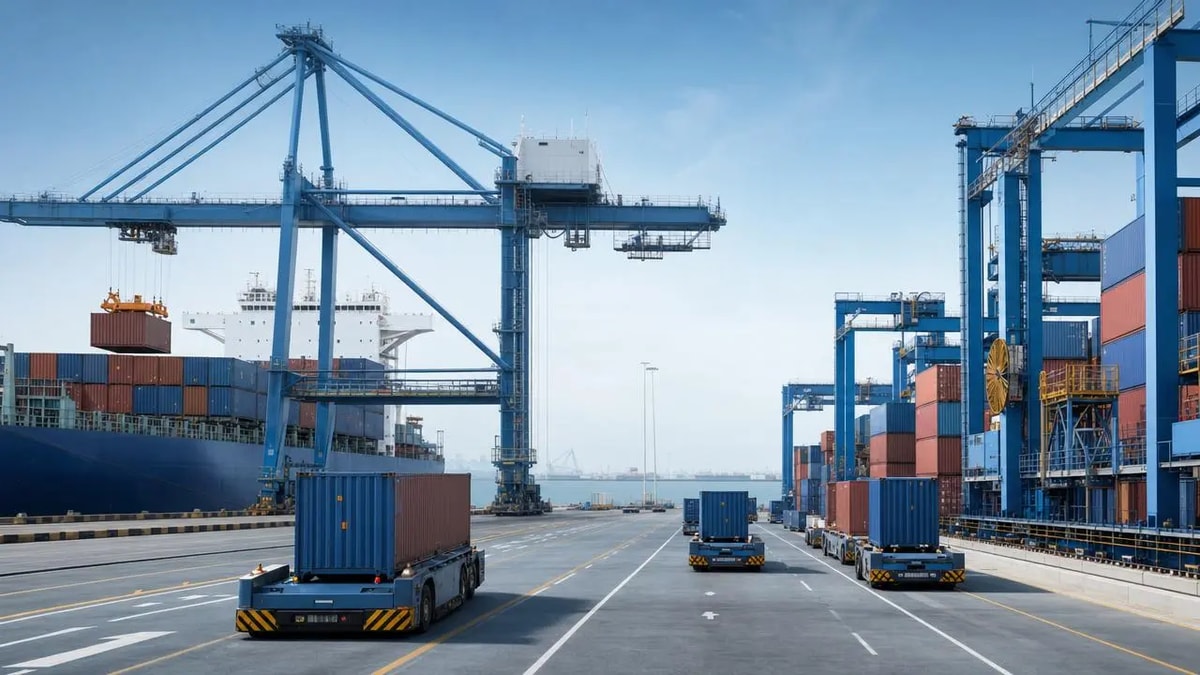
Automated Port Systems: Common Integration Problems to Expect
Automated port systems face real integration hurdles—from legacy equipment and data mismatches to network latency and safety conflicts. Learn what to check before approval.
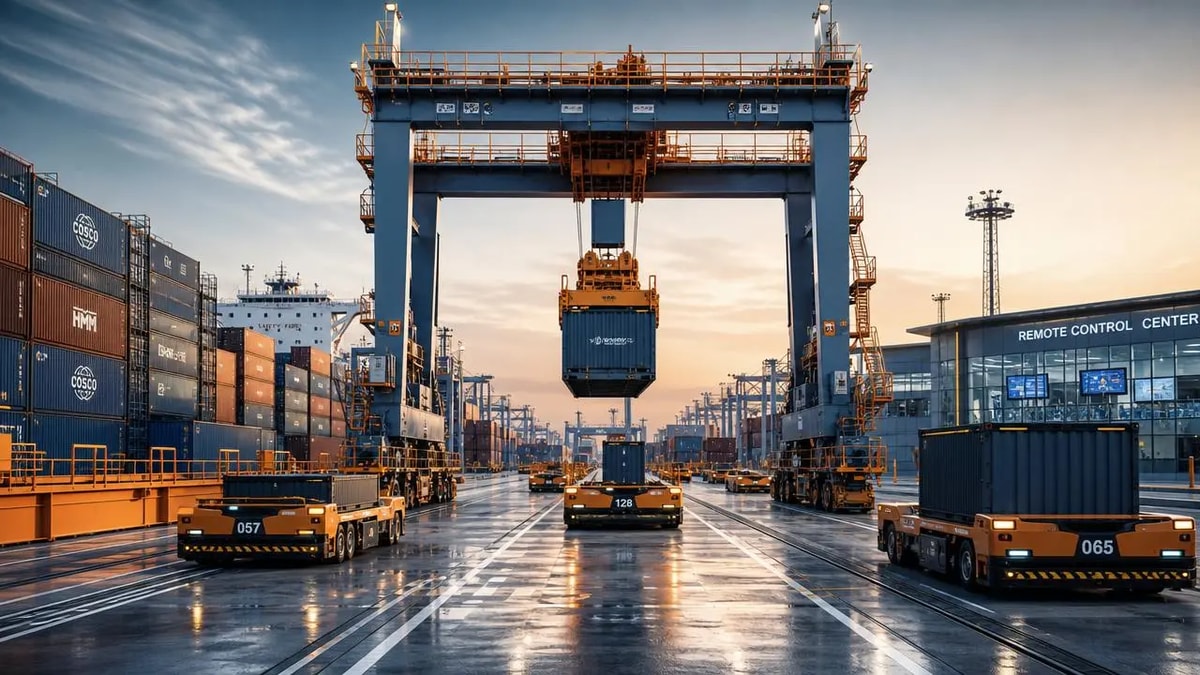
Port Automation Solutions That Reduce Manual Handoffs
Port automation solutions reduce manual handoffs, improve crane, AGV, yard, and control room coordination, and help terminals boost safety, speed, and operational efficiency.
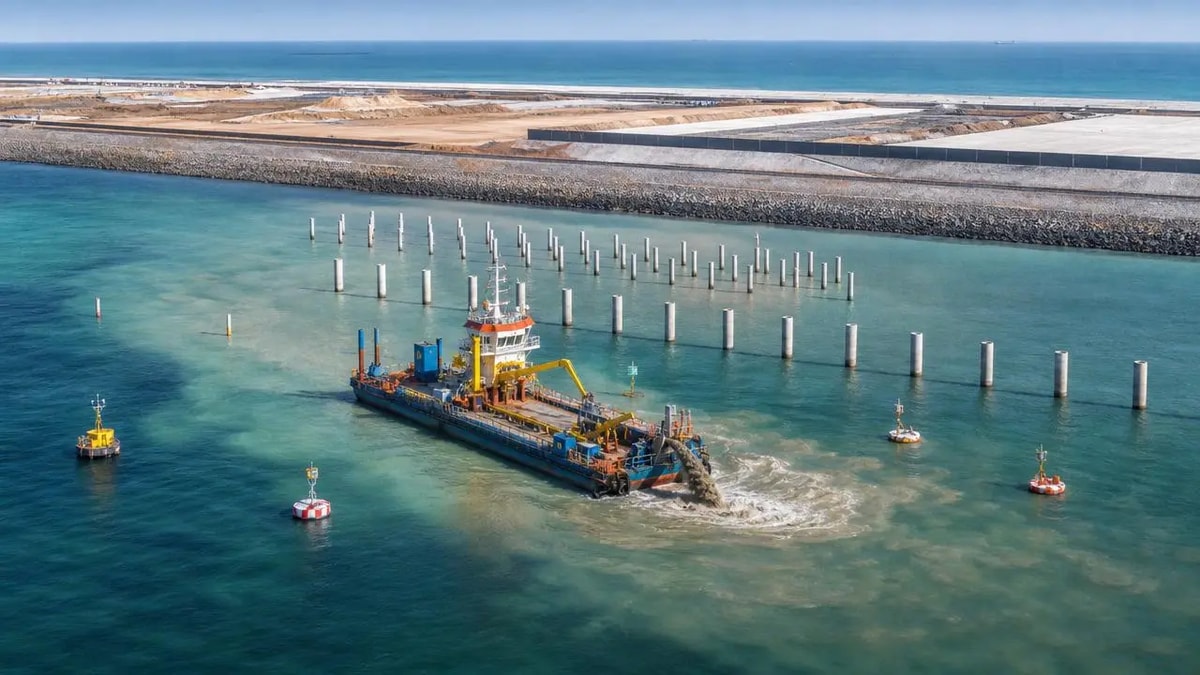
Marine Geotechnic Risks That Can Delay Coastal Projects
Marine geotechnic risks can quietly derail coastal projects with delays, rework, and compliance issues. Learn the warning signs and practical controls to protect schedule, safety, and budget.
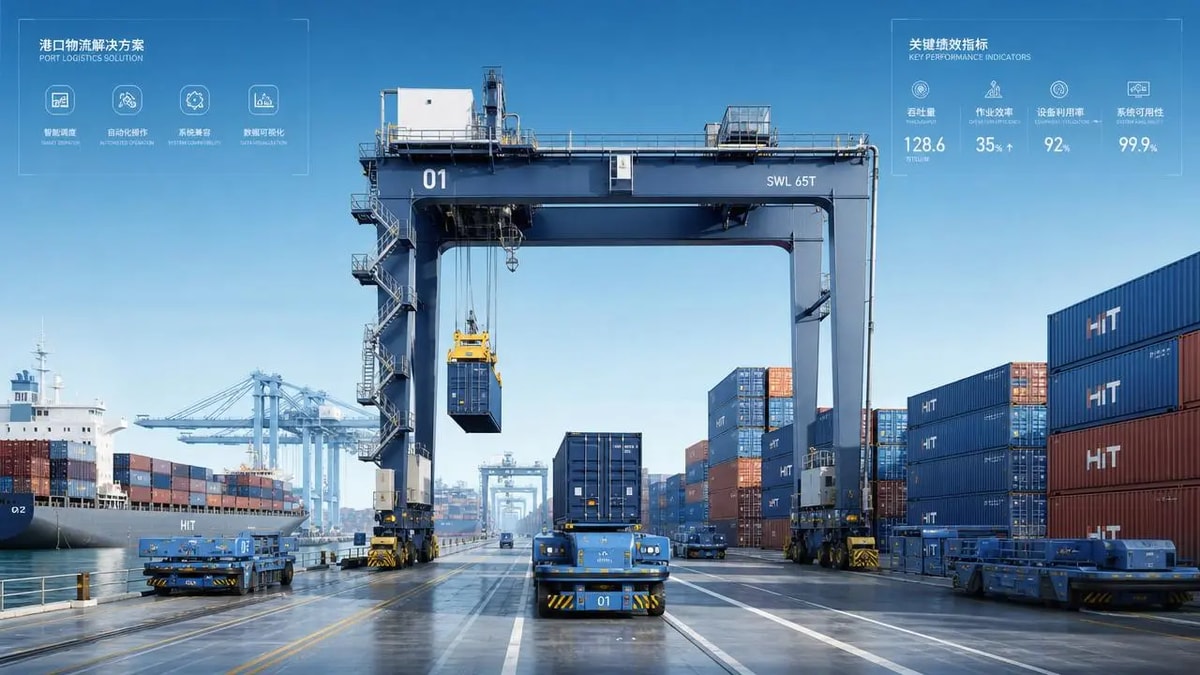
What to Compare Before Choosing Port Logistics Solutions
Port logistics solutions comparison guide: learn what to assess on throughput, compatibility, scalability, lifecycle cost, and automation readiness before choosing the right system.
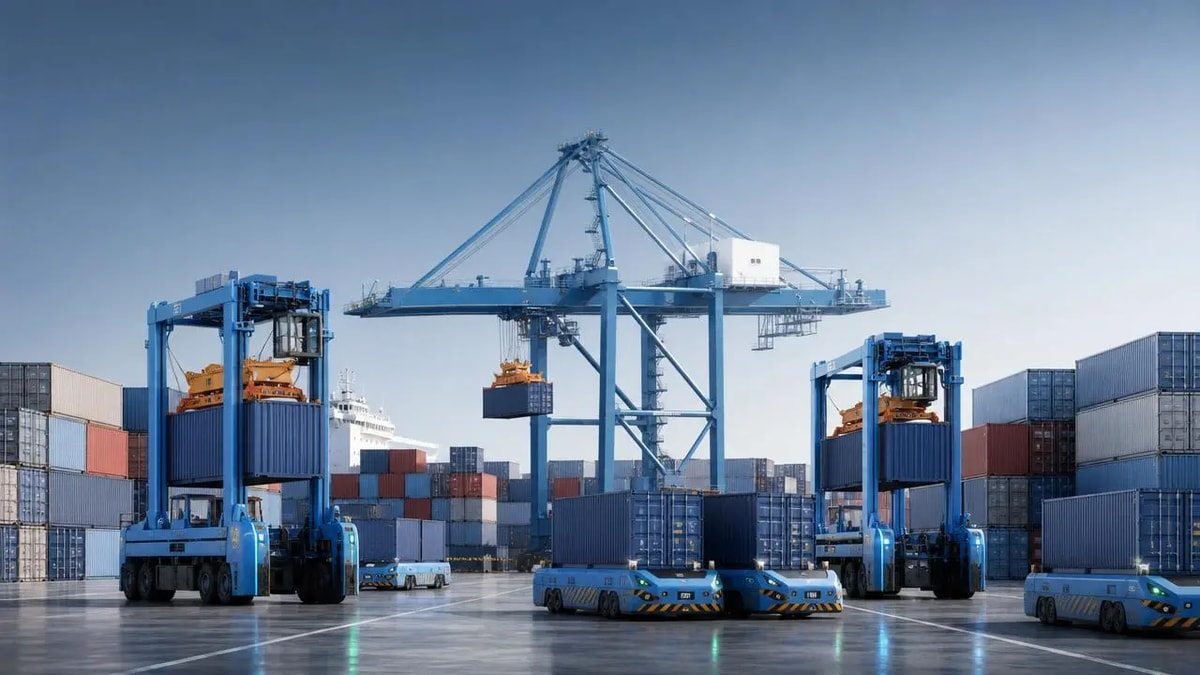
Port Terminal Equipment Costs Are Shifting in 2026
Port terminal equipment costs are shifting in 2026. Learn how automation, electrification, financing, and compliance reshape TCO, ROI, and smarter terminal investment decisions.
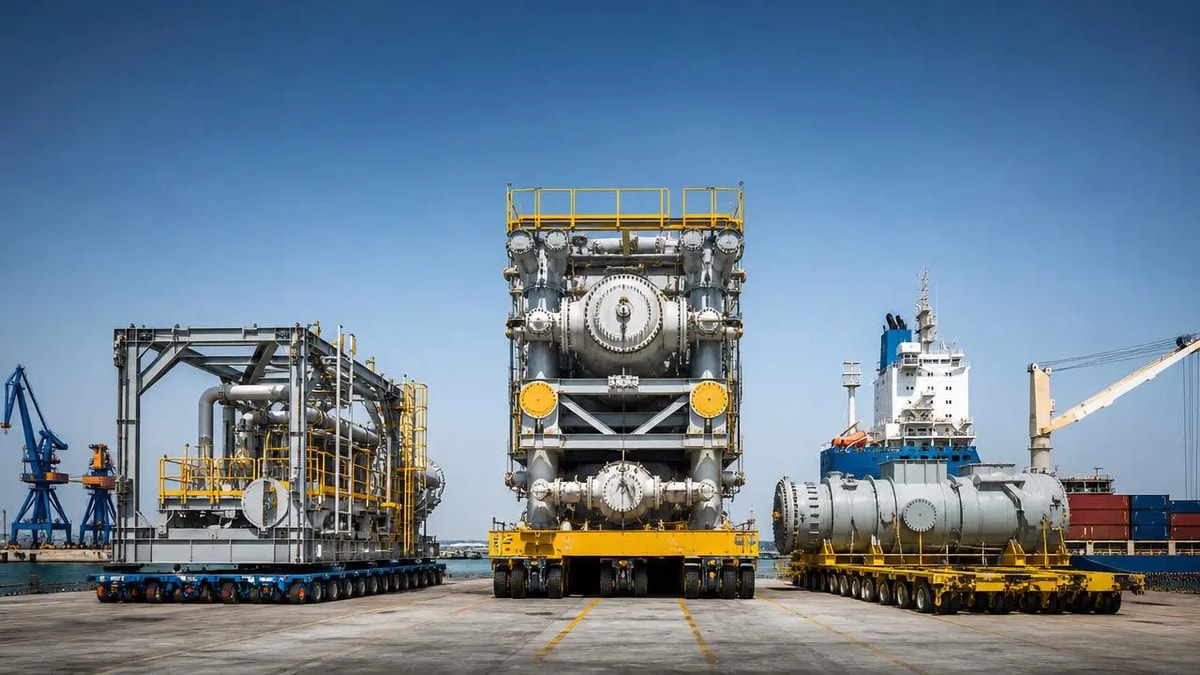
Heavy Machinery Logistics: Where Delays Usually Start
Heavy machinery logistics delays often start long before cargo moves. Learn the hidden trigger points, cut project risk, and protect budget, timing, and port-side execution.