Net-Zero Emissions Plans That Hold Up Under Budget Pressure
For business evaluators in maritime logistics and port infrastructure, net-zero emissions plans only matter when they remain credible under cost constraints. This article explores how operators, equipment buyers, and decision-makers can balance decarbonization goals with capital discipline, operational efficiency, and long-term asset value in a market shaped by automation, energy transition, and global trade volatility.
What makes a net-zero emissions plan credible when budgets are tight?
A credible net-zero emissions plan is not defined by ambition alone. It is defined by whether the pathway can survive procurement reviews, financing scrutiny, operating realities, and changing trade volumes. For business evaluators, the first test is simple: can the plan explain how emissions fall without weakening throughput, safety, or cash flow? In port terminals, bulk handling, automated yards, and dredging operations, emissions targets that ignore utilization rates or equipment cycles often collapse once budget pressure increases.
At PS-Nexus, this question matters because heavy terminal gear and automation systems are long-life assets. A quay crane, AGV fleet, ship loader, stacker, or dredging pump system may remain in service for many years. That means net-zero emissions planning must fit replacement cycles, digital control upgrades, and maintenance economics. The best plans usually combine three qualities: measurable baselines, phased investment logic, and operational flexibility. Instead of promising immediate full electrification everywhere, they rank projects by payback, carbon intensity, and system readiness.
In practical terms, credibility comes from sequencing. A terminal may begin with energy monitoring, idle-time reduction, remote operations, and power optimization before moving into battery equipment, shore power expansion, or alternative fuel infrastructure. This staged approach protects capital while still pushing toward net-zero emissions. It also gives evaluators evidence that management understands both decarbonization and balance-sheet discipline.
Why are net-zero emissions plans getting more attention in maritime logistics now?
The pressure is coming from several directions at once. Regulators are tightening expectations around carbon reporting, energy efficiency, and local air quality. Cargo owners increasingly ask whether logistics partners can support lower-emission supply chains. Investors want to know whether infrastructure assets face transition risk. At the same time, fuel volatility, electricity costs, and uncertain trade flows mean every capital program must justify itself more rigorously than before.
For ports and marine infrastructure, the issue is especially visible because emissions are distributed across equipment fleets, vessel interfaces, terminal buildings, and dredging or support operations. A port may not control every upstream or downstream source, but it can still shape major parts of its emissions profile through electrified handling systems, automated scheduling, better yard design, and lower-energy engineering practices. That is why net-zero emissions has moved from a sustainability slogan into a strategic operations topic.
Another reason is technology maturity. Remote-controlled cranes, automated dispatch systems, low-latency communications, digital twins, and equipment telemetry now make it easier to verify where fuel, power, and idle losses occur. This matters to business evaluators because carbon reduction becomes more auditable when data quality improves. The result is a stronger business case: operators can identify savings, benchmark assets, and prioritize upgrades with less guesswork.
Which companies or projects are best suited to phased net-zero emissions planning?
Not every operator should move at the same speed, but many can benefit from a phased plan. The strongest candidates usually share one or more of the following conditions: high electricity or fuel consumption, aging equipment due for replacement, strong customer pressure for sustainability disclosures, expansion projects that allow redesign, or automation initiatives already underway. In these cases, net-zero emissions planning can be integrated into broader modernization rather than treated as a separate expense line.
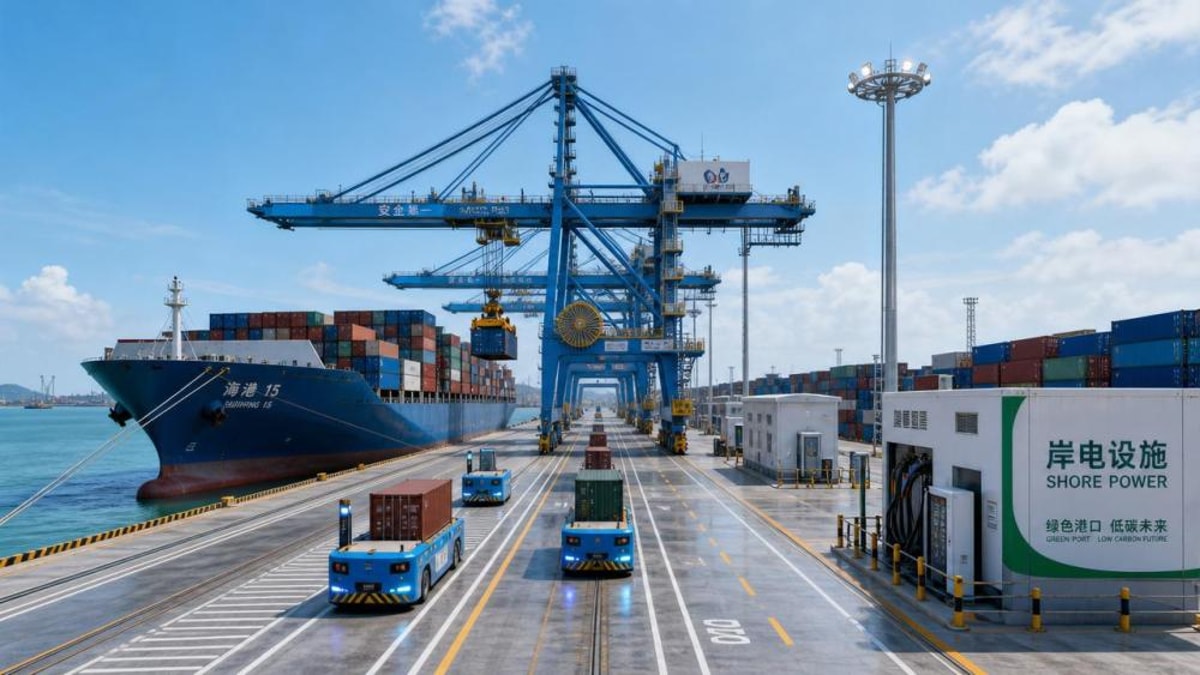
Container terminals are often good candidates because energy use can be addressed across cranes, reefer racks, lighting, and yard equipment. Bulk terminals may gain from conveyor optimization, dust-control efficiency, and lower-emission loading systems. Dredging-related operations can focus on engine efficiency, route optimization, pump monitoring, and digital maintenance controls. Even when full decarbonization is not immediately practical, targeted reduction measures can still improve economics and strengthen future readiness.
For evaluators, a useful screening question is whether the project can connect carbon reduction to an operational KPI. If reduced emissions also lower fuel burn, shorten cycle times, reduce maintenance hours, or improve asset availability, the plan is more likely to survive budget review. The objective is not to find the greenest concept on paper; it is to find the most resilient path to net-zero emissions under real commercial conditions.
What should business evaluators check before approving a net-zero emissions roadmap?
Business evaluators should test the roadmap across financial, technical, and governance dimensions. Financially, ask whether the baseline is clear, whether savings assumptions are realistic, and whether the capital schedule matches asset life and cash constraints. Technically, confirm that grid access, charging capacity, fuel supply, software integration, and workforce readiness have been examined. From a governance perspective, verify ownership: who tracks emissions, who approves changes, and how exceptions are handled when throughput spikes or energy prices change.
A common mistake is evaluating net-zero emissions plans only through total capital cost. A better approach is to compare lifecycle economics. Some electrified or automated systems cost more upfront but reduce maintenance complexity, idle time, and energy waste over time. Others may look attractive because of subsidies but create hidden dependency on fragile infrastructure or immature suppliers. Evaluators should therefore request scenario analysis, not just a headline payback figure.
The table below summarizes a practical review framework.
How can companies cut emissions without overspending on technology?
The most budget-resilient path usually starts with efficiency before full hardware substitution. In many maritime logistics settings, low-regret measures deliver immediate value: reducing idle running, optimizing crane movements, improving AGV routing, upgrading drives, installing energy management software, and using predictive maintenance to limit wasted power. These actions support net-zero emissions goals while protecting operating margins.
After quick wins, companies can move toward selective electrification or hybridization where utilization is high and duty cycles are stable. For example, yard equipment with predictable charging windows may be stronger candidates than assets exposed to irregular long shifts. Similarly, shore power and substation upgrades may make sense at high-volume terminals, while smaller facilities may prefer incremental improvements until power economics improve. The key is fit-for-purpose deployment.
Automation also plays a major role. Better scheduling can reduce waiting, unnecessary repositioning, and energy-intensive congestion. In this sense, net-zero emissions is not only about replacing engines; it is also about improving the intelligence layer that controls heavy assets. PS-Nexus closely tracks how low-latency communications, control systems, and digital monitoring contribute to lower-energy port operations. For evaluators, that means software and systems integration deserve the same attention as mechanical specifications.
What are the biggest mistakes companies make with net-zero emissions plans?
The first mistake is treating net-zero emissions as a branding exercise rather than an operating model transition. If targets are announced without data discipline, replacement logic, or cross-functional ownership, they quickly lose credibility. The second mistake is overcommitting to one technology pathway too early. In sectors linked to marine engineering and heavy equipment, technology maturity varies by use case. Locking into a solution before grid access, charging behavior, maintenance support, and supplier resilience are understood can create stranded investment.
A third mistake is ignoring whole-system trade-offs. A low-emission machine may underperform if yard layout, software logic, operator training, or energy supply are not adapted. The fourth is underestimating transition timing. Ports and terminals cannot simply stop operating while new systems are installed. Any serious net-zero emissions roadmap must show how retrofits, commissioning, and throughput continuity will be managed.
Finally, many plans fail because they do not distinguish between no-regret actions and speculative bets. Evaluators should encourage management teams to separate measures that are already justified by efficiency from those that depend heavily on incentives, carbon pricing, or future fuel availability. That distinction improves capital discipline and keeps the roadmap investable.
How should net-zero emissions plans be compared across suppliers, terminals, or projects?
Comparison should focus on evidence, not presentation quality. Start by normalizing assumptions: energy price forecasts, utilization rates, maintenance intervals, emissions boundaries, and residual value treatment. Then compare how each option performs across carbon reduction, uptime, scalability, integration complexity, and funding risk. In procurement-heavy environments, supplier claims should be supported by references from similar duty cycles, not generic marketing data.
It is also important to compare transition flexibility. A stronger net-zero emissions plan often allows staged adoption, partial retrofits, or modular upgrades. This matters in volatile trade conditions because ports may need to defer, accelerate, or resize investments. A rigid design can look efficient in a static model but become expensive under changing demand. Evaluators should therefore value optionality alongside emissions performance.
For PS-Nexus audiences, another differentiator is intelligence quality. Projects supported by robust operational analytics, engineering insight, and commercial scenario testing tend to outperform those based only on technology aspiration. Net-zero emissions planning becomes stronger when the decision framework connects machinery performance, automation architecture, and blue-economy market signals.
What should teams clarify first before moving into procurement, partnerships, or implementation?
Before the next meeting, tender, or investment committee review, teams should align on a short list of critical questions. What emissions sources are actually material today? Which assets are due for replacement anyway? Where can software, controls, or maintenance changes reduce energy use before hardware spending begins? What infrastructure constraints could delay the plan? Which KPIs will prove the roadmap is working without hiding cost overruns?
They should also ask suppliers and partners how their solution performs under realistic duty cycles, what integration burden it creates, how service support is structured, and what fallback options exist if assumptions change. In budget-sensitive environments, the best net-zero emissions plans are not the boldest promises. They are the ones that combine decarbonization, throughput resilience, and disciplined capital timing.
If further validation is needed, it is wise to prioritize discussions around baseline data quality, phased implementation milestones, grid or fuel readiness, automation compatibility, maintenance implications, and total lifecycle economics. Those are the questions most likely to separate durable net-zero emissions strategies from plans that fail once financial pressure intensifies.
Related News
Port Equipment Automation Maintenance Issues You Can Prevent Early
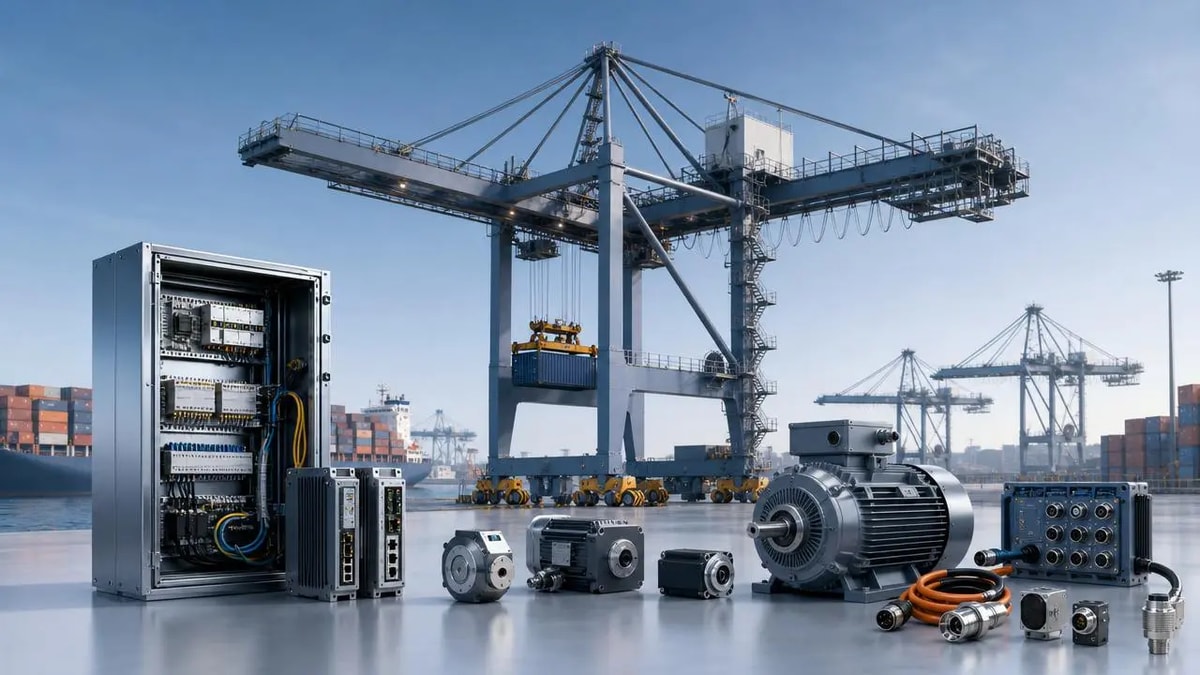
Port equipment automation maintenance starts with early detection. Learn how to catch sensor, drive, PLC, and network issues before they cause costly downtime and delays.
Marine Logistics Technology Suppliers: What Sets Them Apart
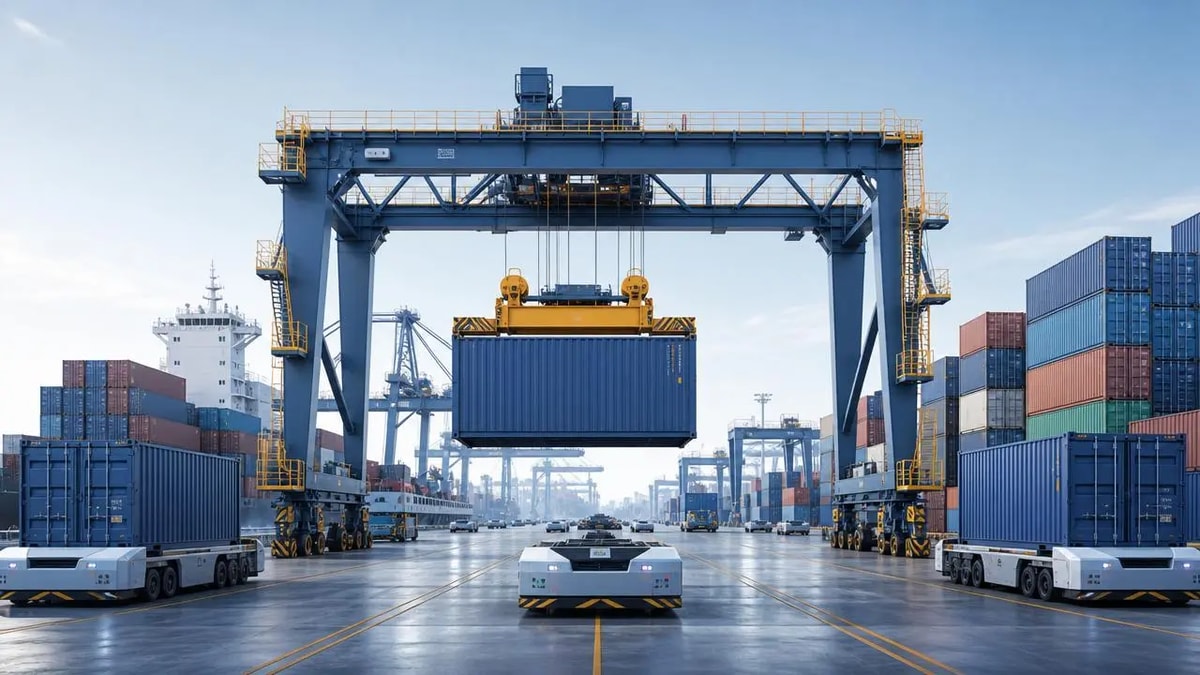
Marine logistics technology suppliers stand apart through automation, integration, and lifecycle support. Discover what helps ports and channel partners choose future-ready solutions.
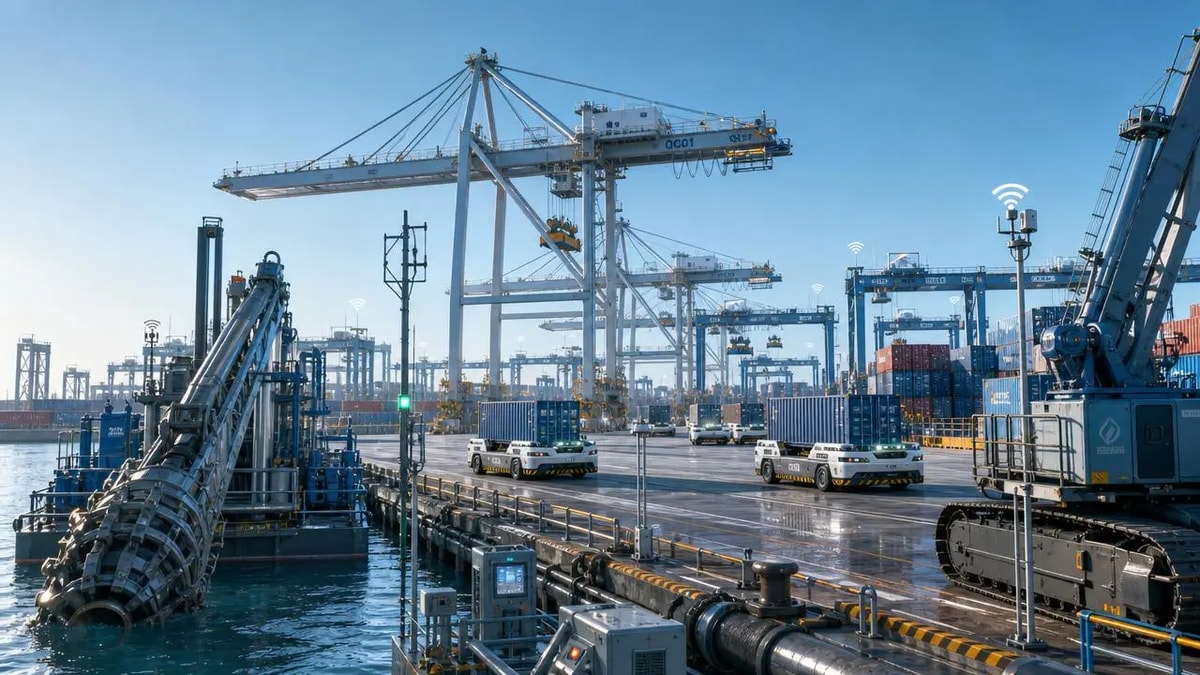
Port Technology Trends Worth Watching Before Your Next Upgrade
Port technology trends shape smarter upgrade decisions. Explore automation, remote crane control, predictive maintenance, and phased investment strategies to reduce risk and improve ROI.
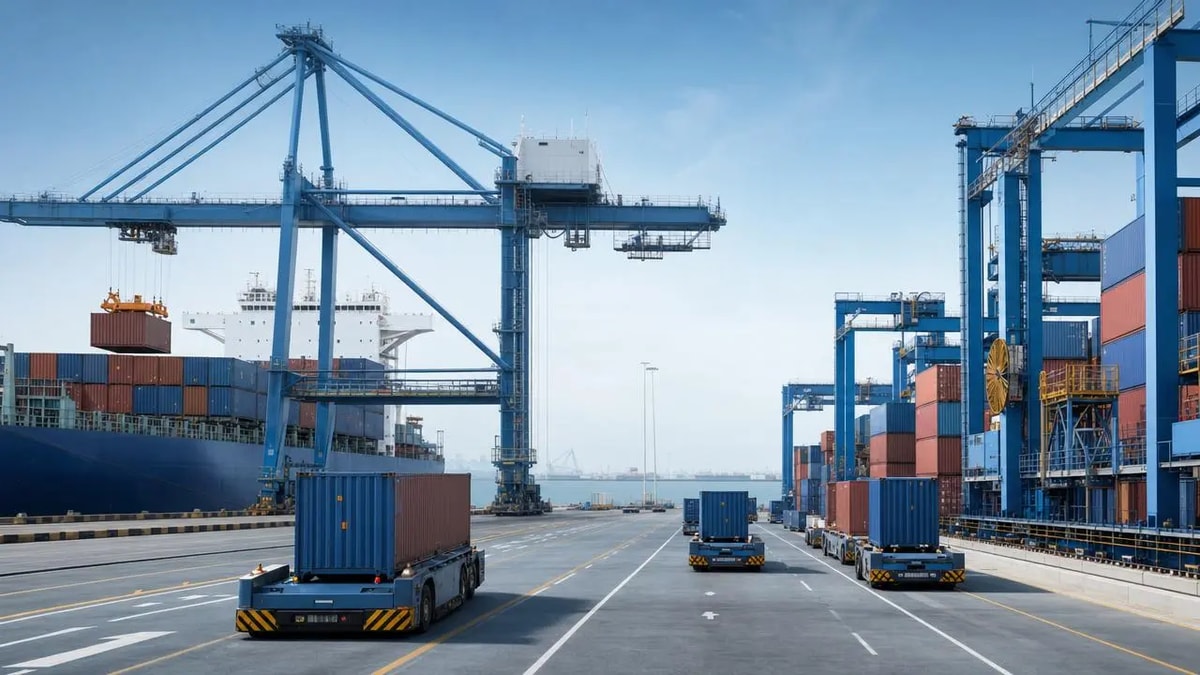
Automated Port Systems: Common Integration Problems to Expect
Automated port systems face real integration hurdles—from legacy equipment and data mismatches to network latency and safety conflicts. Learn what to check before approval.
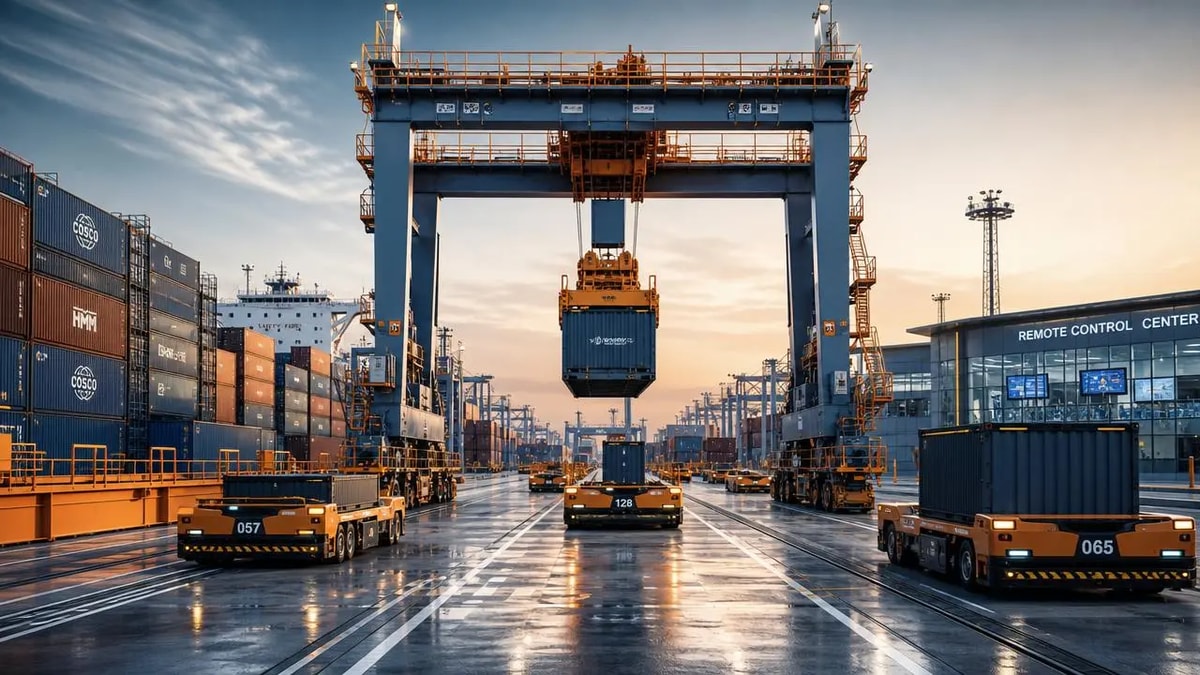
Port Automation Solutions That Reduce Manual Handoffs
Port automation solutions reduce manual handoffs, improve crane, AGV, yard, and control room coordination, and help terminals boost safety, speed, and operational efficiency.
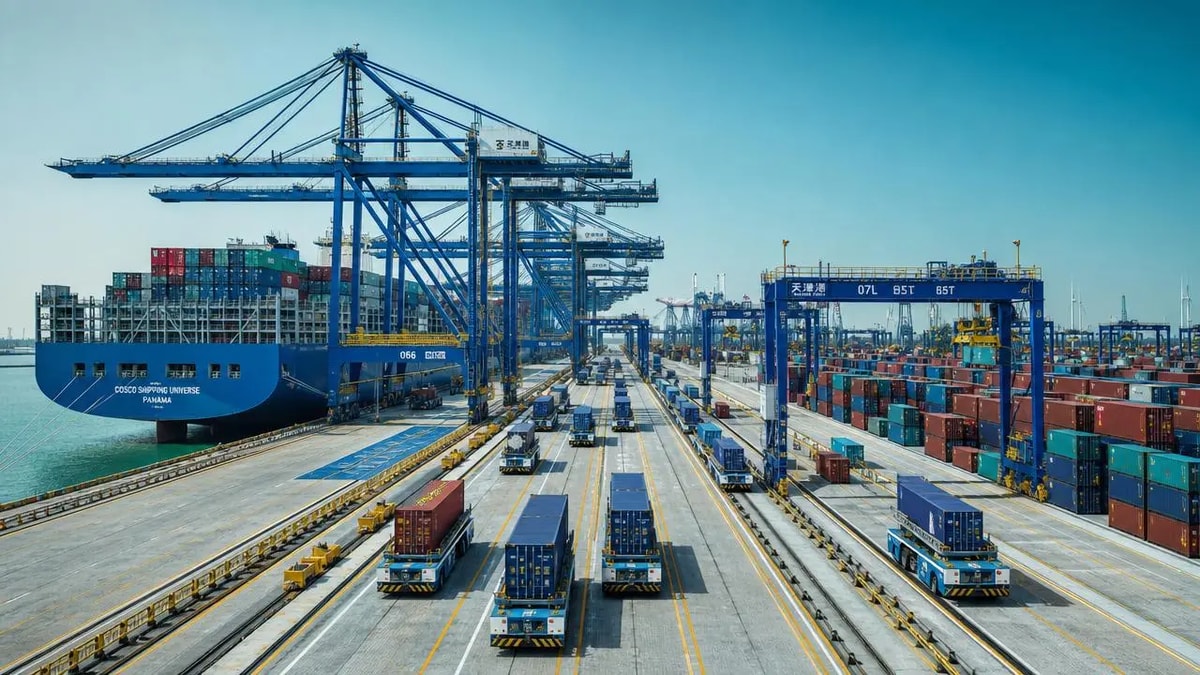
Smart Terminal Technology Trends Changing Port Operations
Smart terminal technology is reshaping port operations with AI, automation, predictive maintenance, and electrification. Discover which trends deliver the best ROI for different terminal scenarios.
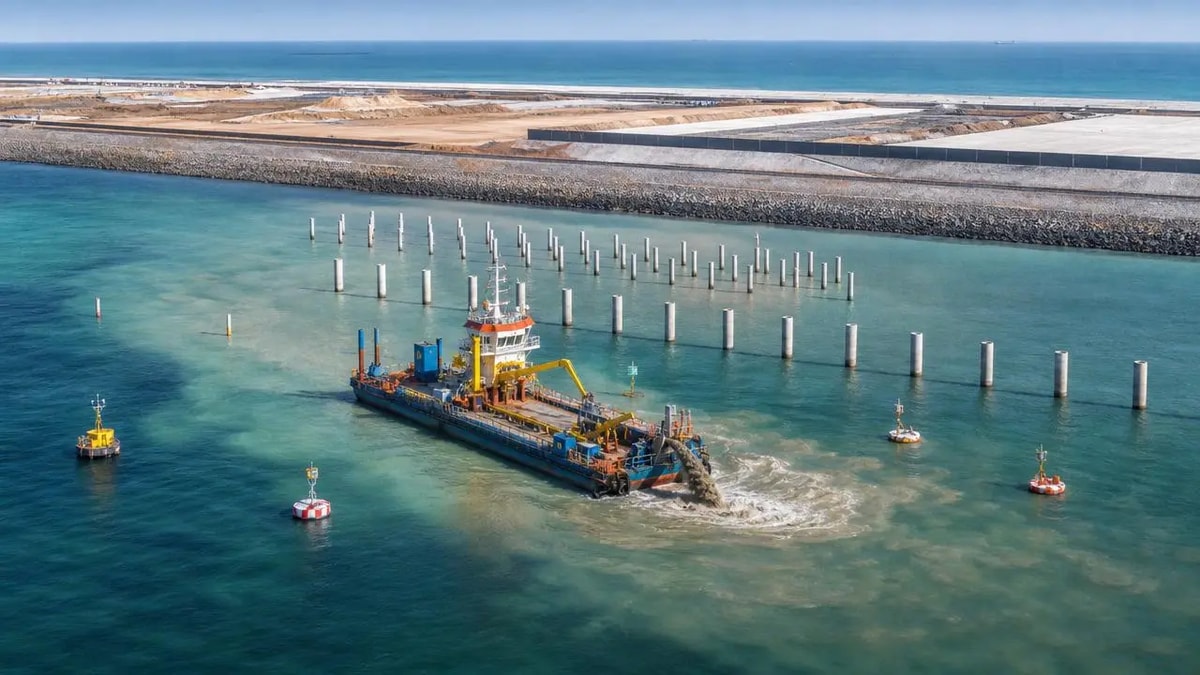
Marine Geotechnic Risks That Can Delay Coastal Projects
Marine geotechnic risks can quietly derail coastal projects with delays, rework, and compliance issues. Learn the warning signs and practical controls to protect schedule, safety, and budget.
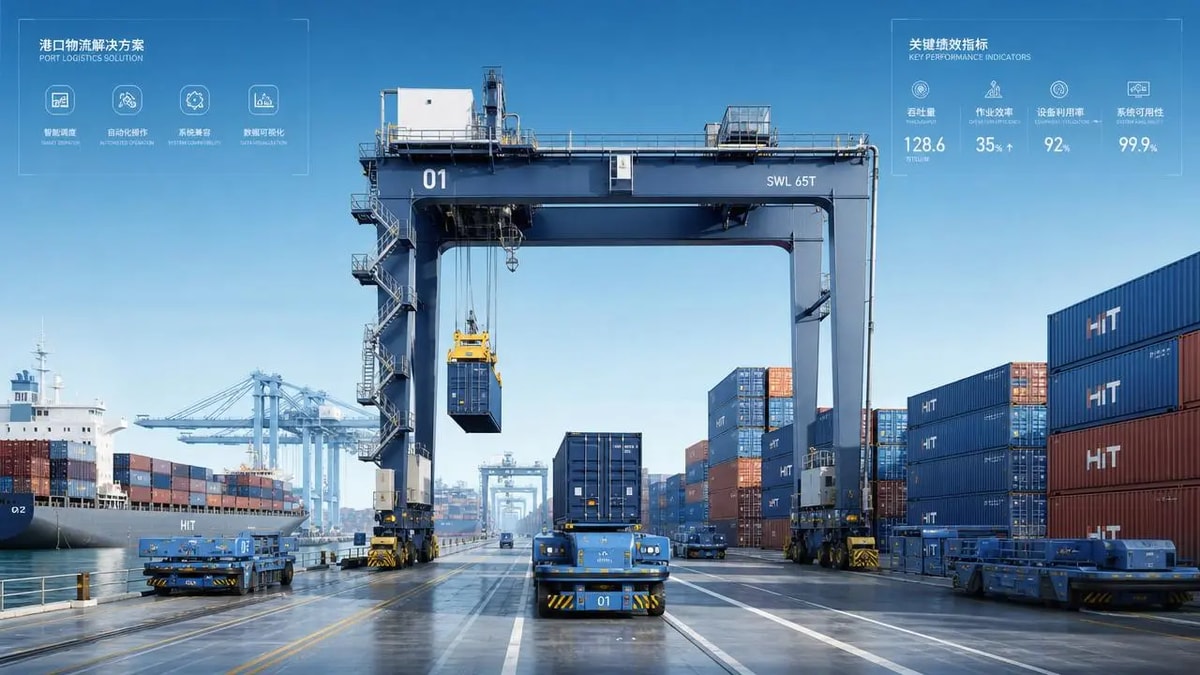
What to Compare Before Choosing Port Logistics Solutions
Port logistics solutions comparison guide: learn what to assess on throughput, compatibility, scalability, lifecycle cost, and automation readiness before choosing the right system.
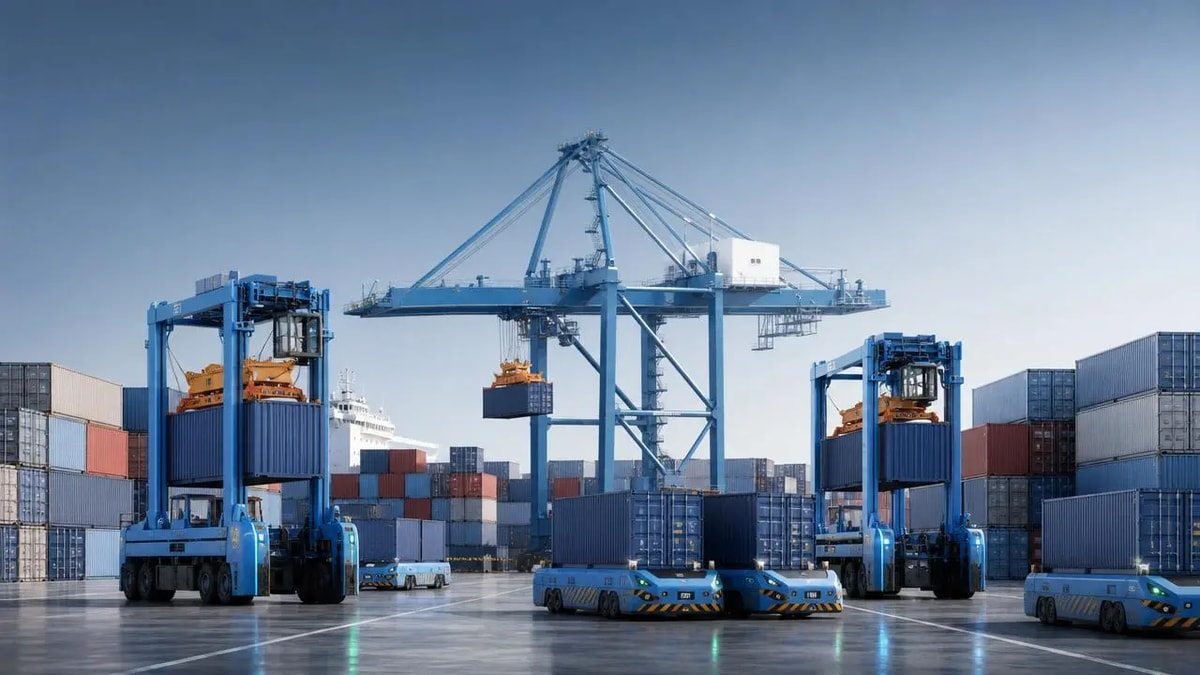
Port Terminal Equipment Costs Are Shifting in 2026
Port terminal equipment costs are shifting in 2026. Learn how automation, electrification, financing, and compliance reshape TCO, ROI, and smarter terminal investment decisions.