Related News
- 00
0000-00
Port Equipment Automation Maintenance Issues You Can Prevent Early - 00
0000-00
Automated Port Systems: Common Integration Problems to Expect - 00
0000-00
Port Automation Solutions That Reduce Manual Handoffs - 00
0000-00
Marine Geotechnic Risks That Can Delay Coastal Projects - 00
0000-00
Smart Operations Rollouts: Common Mistakes in Early Stages
Port Equipment Automation Maintenance Issues You Can Prevent Early
In busy terminals, small faults in port equipment automation can quickly turn into costly downtime, safety risks, and scheduling delays. For after-sales maintenance teams, spotting early warning signs in sensors, control systems, drive units, and communication links is the key to preventing larger failures. This article highlights the automation maintenance issues you can identify and resolve early to keep port operations stable, efficient, and ready for continuous demand.
What After-Sales Teams Really Need to Catch Early in Port Equipment Automation
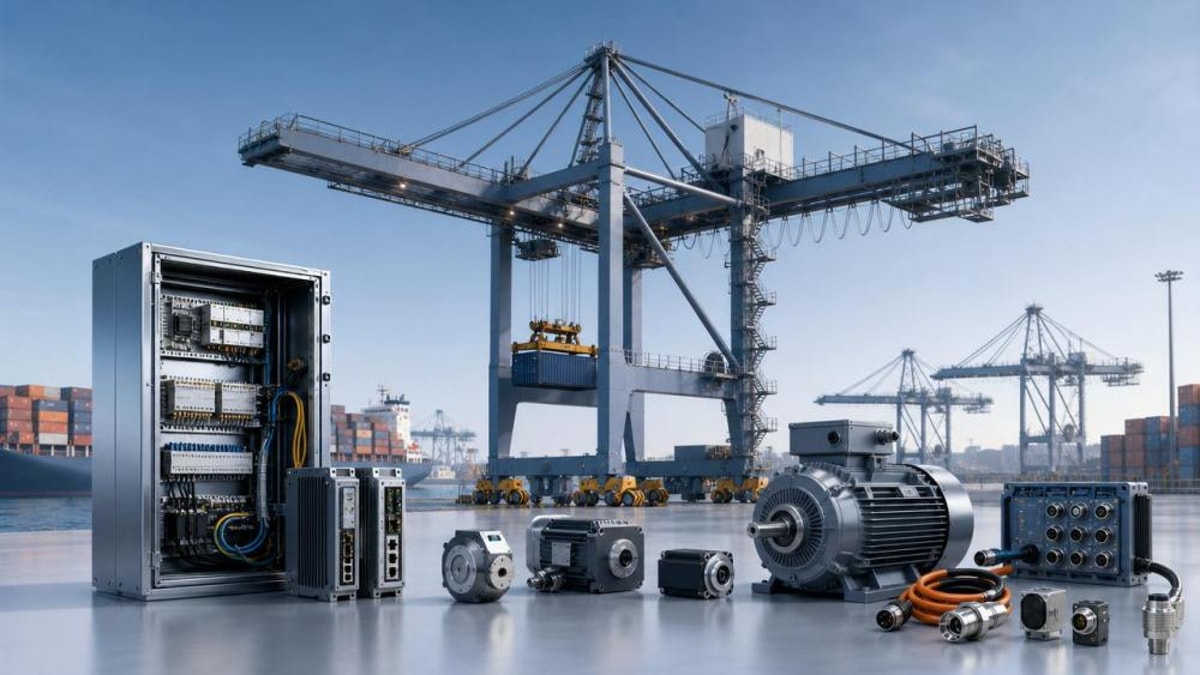
When people search for port equipment automation maintenance issues, they usually do not want a broad theory lesson. They want to know which failures appear first, how to recognize them before a shutdown, and what maintenance actions actually reduce repeat faults. For after-sales maintenance personnel, the value lies in early detection, fast diagnosis, and clear priorities.
In real terminal environments, most serious automation failures do not start as dramatic breakdowns. They begin as small abnormalities: a sensor drifting out of tolerance, a PLC cabinet running too hot, a drive producing irregular current patterns, or a communication link showing intermittent packet loss. These are preventable early-stage signals, but only if maintenance teams know where to look and how to interpret them.
The most effective approach is to stop treating automation faults as isolated electrical problems. Port equipment automation sits at the intersection of mechanics, controls, network communication, and operating logic. A crane may stop because of a software interlock, but the root cause may still be vibration, connector contamination, encoder wear, or unstable power quality. That is why early maintenance must be both systematic and field-oriented.
Why Small Automation Defects Escalate So Fast in Port Operations
Port equipment works under harsh conditions: salt spray, humidity, shock loads, dust, cable flexing, thermal cycling, and nonstop duty cycles. In this environment, even a minor automation issue can spread quickly across operations. A single unreliable sensor can trigger positioning errors, container handoff delays, or unnecessary emergency stops that ripple through the yard.
Unlike conventional standalone machinery, automated terminal systems are highly interconnected. Quay cranes, automated stacking cranes, AGVs, yard management systems, remote operation consoles, and safety PLCs depend on synchronized data. If one device produces bad data or one subsystem responds late, the whole process can lose stability. The result is not only equipment downtime but also scheduling disruption, vessel delay exposure, and reduced throughput.
For after-sales teams, this means preventive maintenance should focus on weak links with high operational impact. You are not only protecting components. You are protecting motion accuracy, machine availability, safety logic integrity, and communication reliability across the automation chain.
Sensors and Feedback Devices: The First Layer of Preventable Failure
Sensors are often the first place where preventable automation issues appear. Limit switches, proximity sensors, laser rangefinders, encoders, load cells, anti-collision devices, and position feedback units all operate in demanding conditions. Over time, misalignment, contamination, corrosion, loose mounting, or cable fatigue can cause unstable readings long before the device fails completely.
Common early symptoms include intermittent position deviation, unexplained slowdowns, repeated recalibration demands, false alarms, inconsistent spreader alignment, and occasional motion refusal despite no obvious mechanical blockage. These symptoms are often dismissed as random glitches, but they usually indicate a feedback problem developing in the field.
Maintenance teams should routinely check sensor alignment, signal stability, mounting rigidity, cable strain relief, and shielding continuity. For encoders and motion feedback devices, compare live values with expected mechanical position and look for jitter, pulse dropout, or drift during repeated cycles. For optical devices, lens contamination and housing integrity deserve special attention in marine environments.
It is also important to review how often a sensor-related alarm has occurred over time. A fault that clears itself may still be an early warning sign. Alarm frequency trends can reveal degradation weeks before a full stoppage. If the same sensor resets multiple times in similar operating conditions, it should be treated as a maintenance task, not an operator nuisance.
PLC Cabinets, I/O Modules, and Control Hardware Often Show Early Heat and Stability Warnings
Many port equipment automation failures originate inside control cabinets, where heat buildup, moisture ingress, fan failure, loose terminals, and power fluctuations degrade reliability. PLC racks, remote I/O stations, relays, safety modules, and industrial PCs can all develop intermittent issues before complete failure. These faults are especially difficult because they may disappear during inspection and return under real load conditions.
Warning signs include random communication loss with field devices, sporadic I/O dropout, delayed command execution, cabinet overtemperature alarms, unplanned restarts, and unexplained module fault lights. These are not issues to postpone. In automated handling systems, unstable control hardware can produce dangerous or confusing machine behavior.
A strong preventive routine includes thermal imaging of cabinets, inspection of air filters and fans, torque checks on terminals, humidity control checks, and verification of cabinet sealing. Salt-laden air and condensation are especially damaging in port environments. Even when the PLC itself is healthy, corroded terminals or poor grounding can create signal instability that looks like software trouble.
Firmware and backup discipline also matter. After-sales teams should verify that controller programs, parameter sets, and safety configurations are backed up and version-controlled. Some recurring faults are extended because teams spend too much time confirming whether the machine is running the correct logic revision after a replacement or restart.
Drives, Motors, and Braking Systems Usually Announce Trouble Before They Stop
Variable frequency drives, servo systems, hoist motors, travel motors, and braking assemblies are central to automated terminal performance. Although many teams focus on mechanical wear, the automation side of these systems often gives advance warning through current imbalance, torque fluctuation, overheating, longer acceleration times, or nuisance drive trips.
In quay cranes and yard equipment, these signals should never be viewed in isolation. A drive fault may reflect a failing cooling fan, poor input power quality, encoder feedback noise, regenerative circuit stress, brake release timing problems, or increasing mechanical resistance. If maintenance only resets the alarm without trend analysis, the issue will return under heavier duty.
Useful early checks include reviewing drive logs, comparing motor current signatures between similar movements, measuring insulation condition, checking brake response timing, and verifying that acceleration and deceleration profiles still match actual machine behavior. A gradual rise in motor temperature or current under unchanged loads is often one of the clearest indicators that intervention is needed.
For automated systems, synchronization is as important as raw motion. If one axis lags or one travel unit responds unevenly, the control system may compensate temporarily, but this often increases wear elsewhere. Early drive maintenance prevents not only component failure but also broader positioning and cycle-time problems.
Communication Networks Are a Hidden Source of Repeat Automation Faults
Modern port equipment automation depends on stable communication across PLCs, HMIs, remote I/O, drive networks, wireless links, GPS or positioning references, and terminal operating systems. When communication degrades, the symptoms may look unrelated: delayed commands, frozen screens, missing feedback, AGV hesitation, crane interlock faults, or temporary transition into safe mode.
Intermittent network issues are among the most overlooked preventable problems in automated port systems. Fiber connectors may be contaminated, managed switch ports may be error-prone, wireless signal coverage may be uneven, and network cabinets may suffer from grounding or power issues. In moving equipment, cable chain stress and connector looseness are common contributors.
After-sales teams should monitor packet loss, latency spikes, switch error counters, network redundancy status, and wireless handover quality where applicable. Physical inspection remains just as important as software diagnostics. A network that looks healthy in topology software may still suffer from moisture, vibration, or poor connector seating in the field.
It is also helpful to separate persistent design weaknesses from one-time failures. If the same segment, cabinet, or wireless zone repeatedly generates communication alarms, the issue may involve architecture, shielding, or environmental protection rather than a bad individual device. Documenting these patterns helps both maintenance planning and future upgrade decisions.
Safety System Faults Should Be Treated as Maintenance Intelligence, Not Just Compliance Events
Safety circuits in port equipment automation include emergency stop loops, safety PLCs, interlock logic, anti-collision systems, overload protections, gate switches, travel limit protections, and remote operation permissives. Because these systems are designed to stop the machine when uncertain conditions appear, they often reveal early degradation before other systems do.
Repeated safety trips should never be normalized. If a travel limit intermittently opens, if an access gate switch chatters, or if an anti-collision sensor regularly requires resetting, the system is signaling a reliability issue. Even if operations can recover quickly, these events indicate that the machine is moving closer to unsafe or unstable behavior.
Good maintenance practice includes reviewing safety fault histories, testing circuit response times, inspecting field devices for alignment and contamination, and verifying that bypasses or temporary workarounds have not become informal permanent practice. Safety faults are often rich sources of diagnostic information, especially when linked to weather, shift patterns, or specific machine motions.
Software, Parameters, and Logic Changes Can Create Preventable Field Problems
Not every early automation issue is caused by physical wear. Parameter drift, untracked software changes, incorrect replacement settings, and inconsistent controller backups can all create repeat stoppages. In after-sales work, this is especially common when a component is replaced quickly but not fully commissioned with the correct configuration.
Examples include mismatched drive parameters after replacement, encoder scaling errors, altered network addresses, outdated HMI screens, modified alarm thresholds, and logic changes that affect operating sequences under uncommon conditions. These issues may only appear during peak throughput, certain container types, or special maintenance mode transitions.
To prevent this category of problem, teams should maintain disciplined change logs, validated backup files, and post-intervention test procedures. Any replacement in a port equipment automation system should be treated as both a hardware and software event. If a machine runs but behaves differently, there is a strong chance that configuration integrity needs review.
How After-Sales Maintenance Teams Can Build an Early Warning Routine That Works
The best preventive strategy is not simply more inspection. It is smarter inspection tied to actual failure patterns. After-sales teams should build a routine that combines alarm history review, trend monitoring, physical inspection, and functional testing. This approach helps identify issues while they are still cheap and easy to correct.
A practical weekly routine might include reviewing recurring alarms by equipment type, checking cabinet temperatures, inspecting high-flex cables and connectors, validating sensor alignment in critical motion zones, and comparing drive performance trends. A monthly routine can go deeper with thermal imaging, network health analysis, backup verification, brake tests, and environmental sealing checks.
Documentation quality is a major differentiator. If technicians record not only the fault code but also ambient conditions, motion state, load condition, prior repairs, and temporary recovery method, patterns become much easier to detect. Over time, this builds a real maintenance knowledge base instead of a list of isolated service events.
Cross-team communication also matters. Operators, remote control staff, automation engineers, and field technicians often each see only part of the problem. A small hesitation observed by an operator may correspond to a brief communication dropout logged by controls staff and a connector issue later found by maintenance. Bringing these observations together shortens diagnosis time and improves prevention.
Which Issues Deserve the Highest Priority First
For most terminals, the highest-priority preventable maintenance issues in port equipment automation are those affecting safety logic, motion feedback, communication stability, and drive reliability. These four areas are most likely to create cascading downtime or unsafe behavior if ignored. They should be at the top of every preventive checklist.
The next priority level includes cabinet environmental protection, power quality, parameter consistency, and repetitive nuisance alarms. Although these may seem less urgent on a single day, they often become the root causes behind the more serious failures that appear later. Treating nuisance alarms as useful evidence rather than background noise is one of the fastest ways to improve equipment reliability.
Lower-priority items are usually cosmetic interface issues or isolated one-time faults with clear explanation and no repeat pattern. Even then, they should still be recorded carefully. In automation systems, small anomalies often gain significance when they begin to repeat across shifts or asset groups.
Conclusion
The most costly failures in port equipment automation are rarely sudden surprises. In most cases, the warning signs appear early through unstable sensors, cabinet heat, drive irregularities, network interruptions, safety trips, or configuration inconsistencies. For after-sales maintenance teams, the goal is not just fixing breakdowns faster. It is recognizing these early signals before they turn into operational disruption.
If you focus on repeat alarms, trend changes, harsh-environment weak points, and the connection between field hardware and control logic, you can prevent a large share of automation downtime before it escalates. In modern terminals, that kind of early maintenance discipline is not optional. It is essential for safe, efficient, and reliable port operations.
Related News
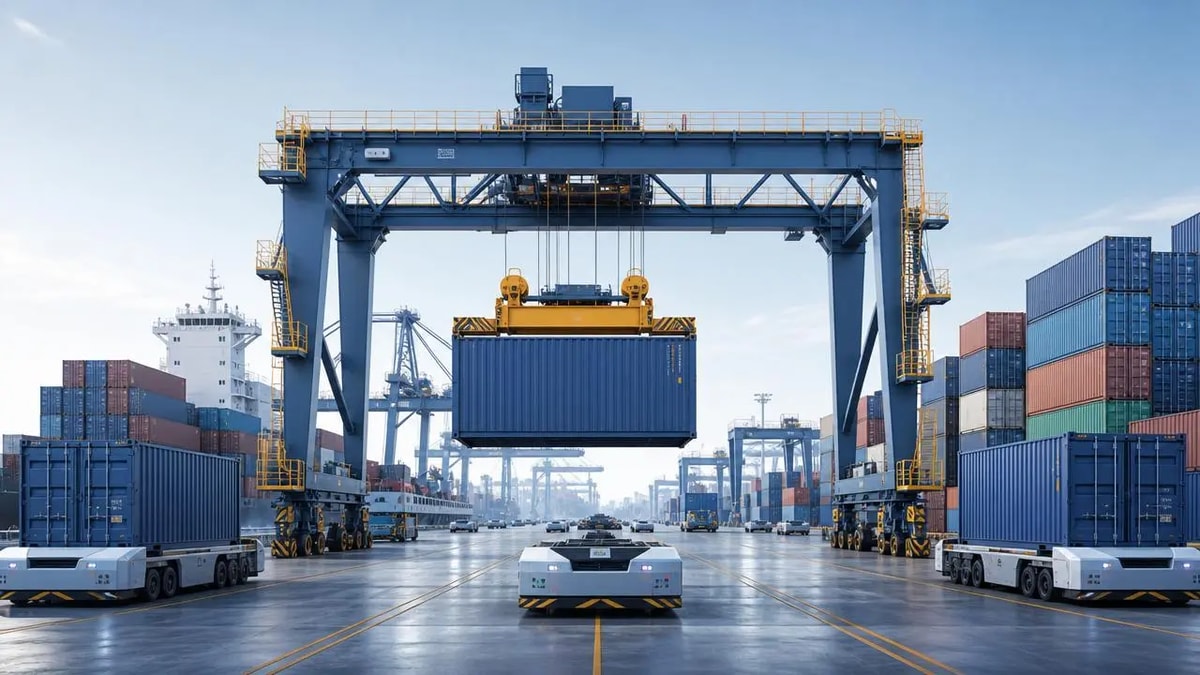
Marine Logistics Technology Suppliers: What Sets Them Apart
Marine logistics technology suppliers stand apart through automation, integration, and lifecycle support. Discover what helps ports and channel partners choose future-ready solutions.
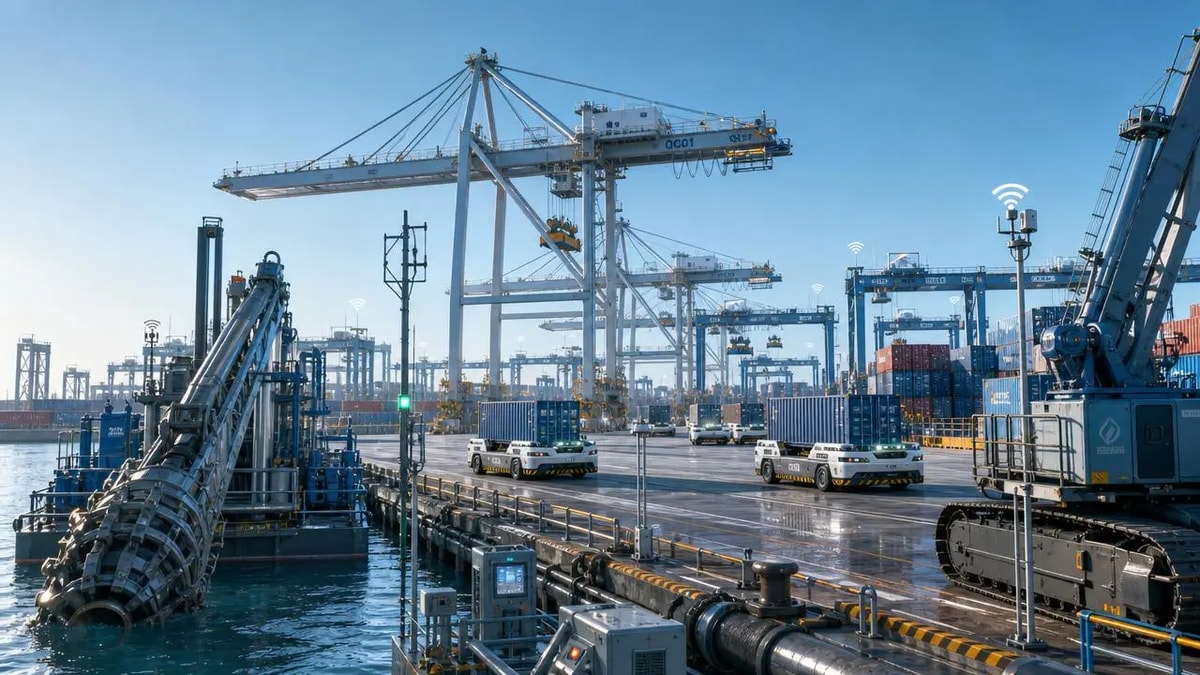
Port Technology Trends Worth Watching Before Your Next Upgrade
Port technology trends shape smarter upgrade decisions. Explore automation, remote crane control, predictive maintenance, and phased investment strategies to reduce risk and improve ROI.
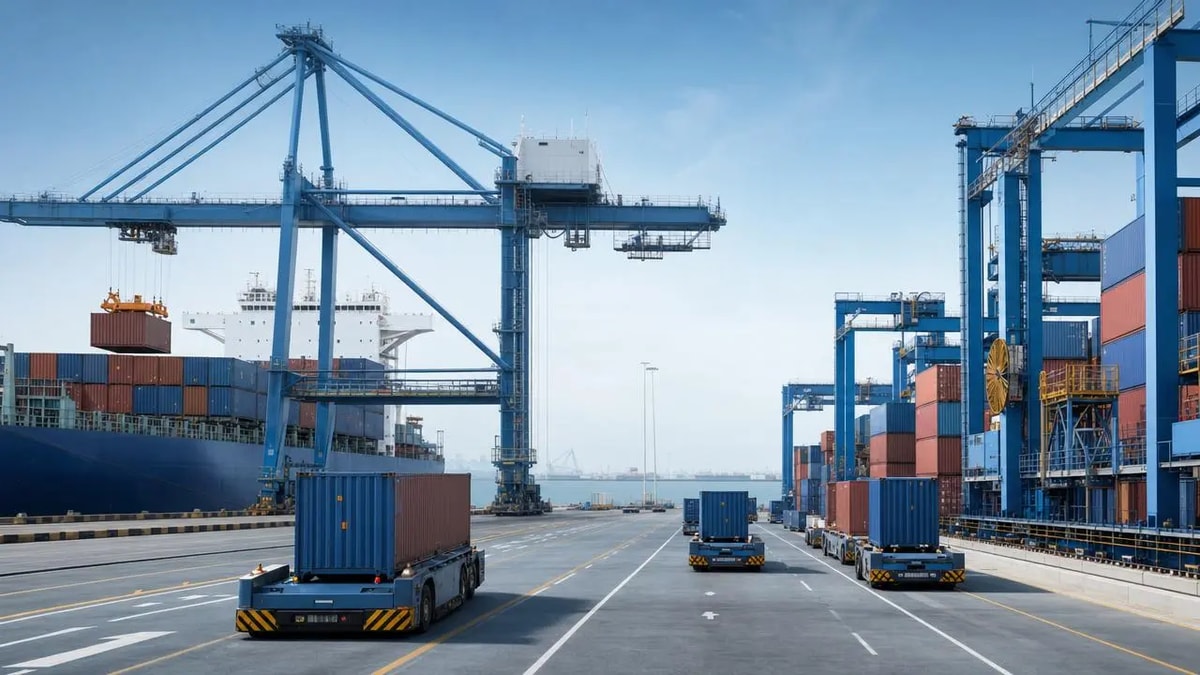
Automated Port Systems: Common Integration Problems to Expect
Automated port systems face real integration hurdles—from legacy equipment and data mismatches to network latency and safety conflicts. Learn what to check before approval.
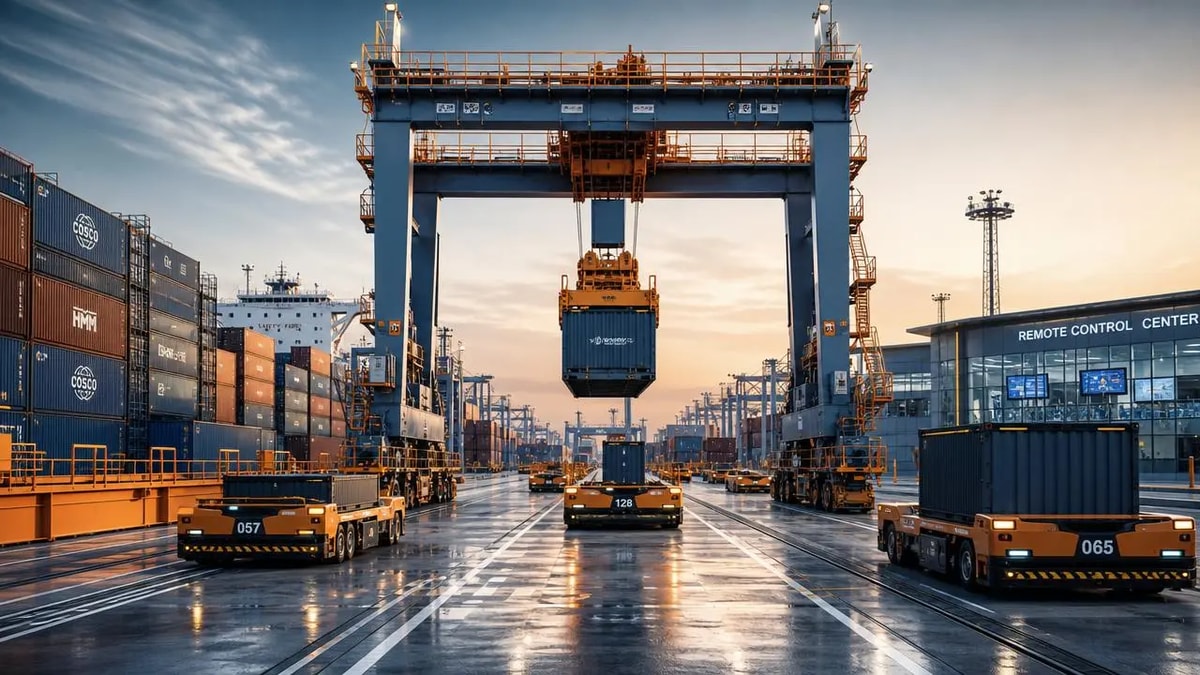
Port Automation Solutions That Reduce Manual Handoffs
Port automation solutions reduce manual handoffs, improve crane, AGV, yard, and control room coordination, and help terminals boost safety, speed, and operational efficiency.
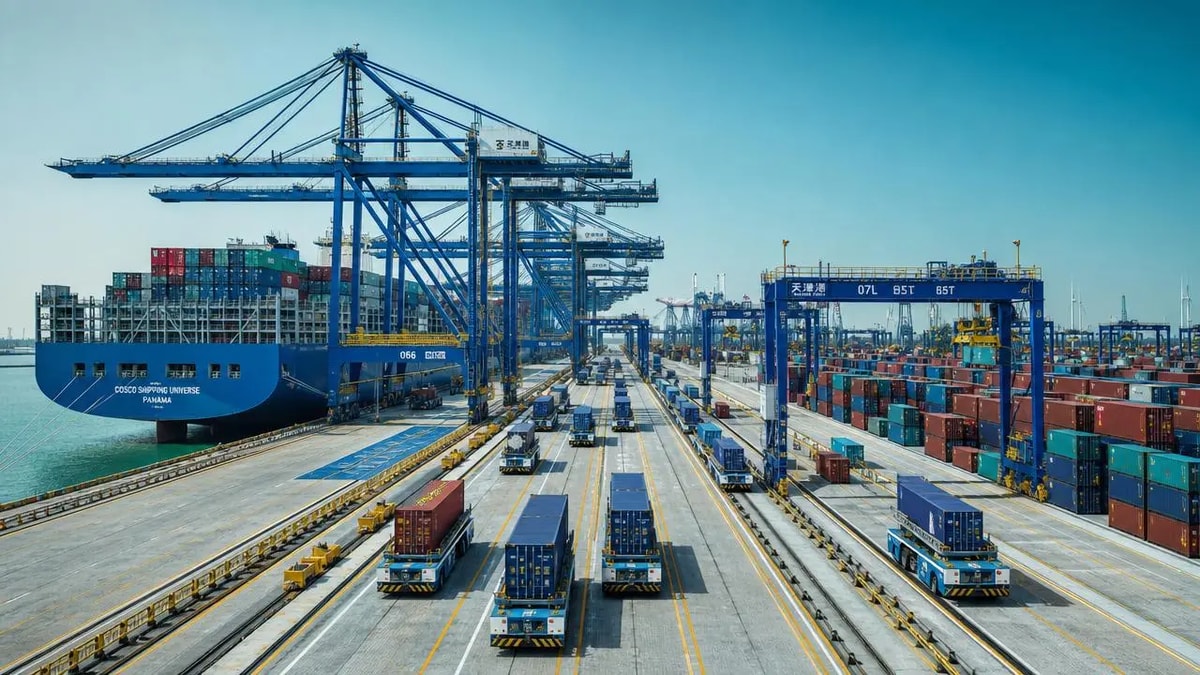
Smart Terminal Technology Trends Changing Port Operations
Smart terminal technology is reshaping port operations with AI, automation, predictive maintenance, and electrification. Discover which trends deliver the best ROI for different terminal scenarios.
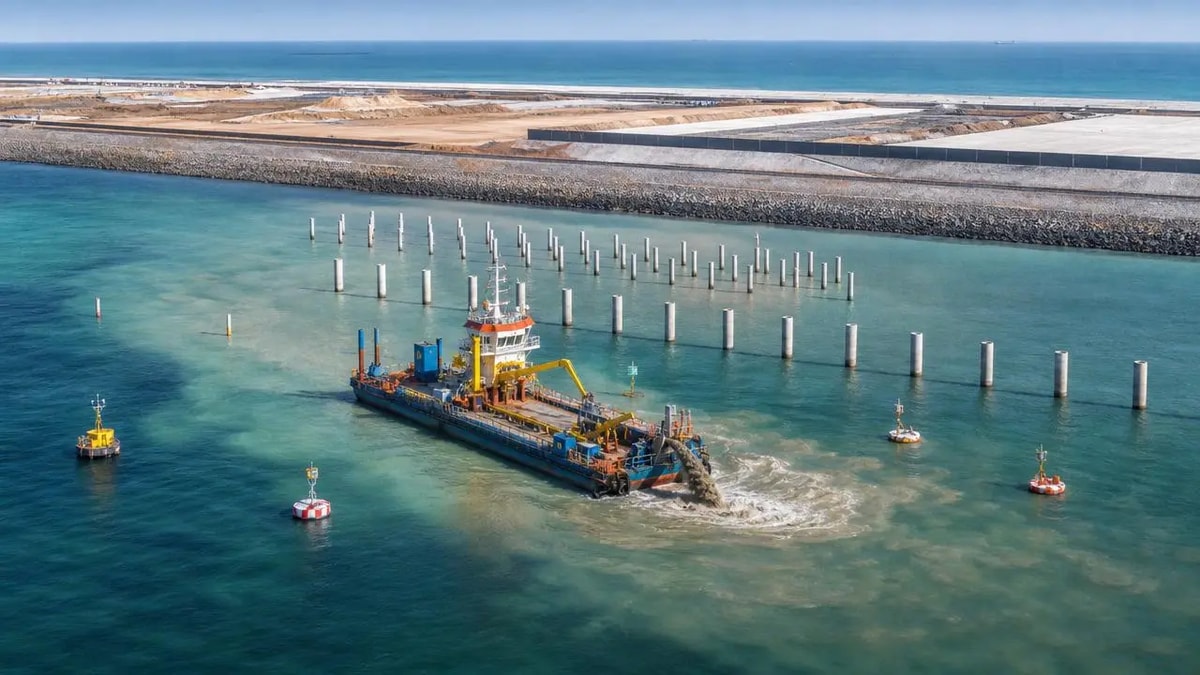
Marine Geotechnic Risks That Can Delay Coastal Projects
Marine geotechnic risks can quietly derail coastal projects with delays, rework, and compliance issues. Learn the warning signs and practical controls to protect schedule, safety, and budget.
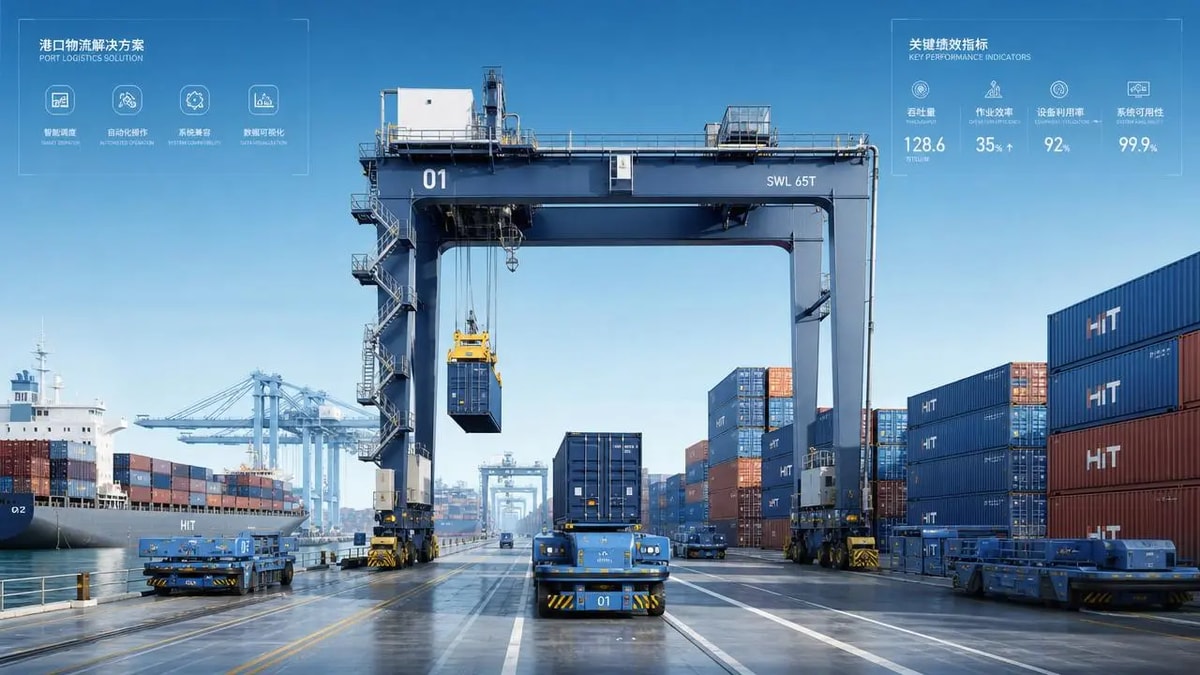
What to Compare Before Choosing Port Logistics Solutions
Port logistics solutions comparison guide: learn what to assess on throughput, compatibility, scalability, lifecycle cost, and automation readiness before choosing the right system.
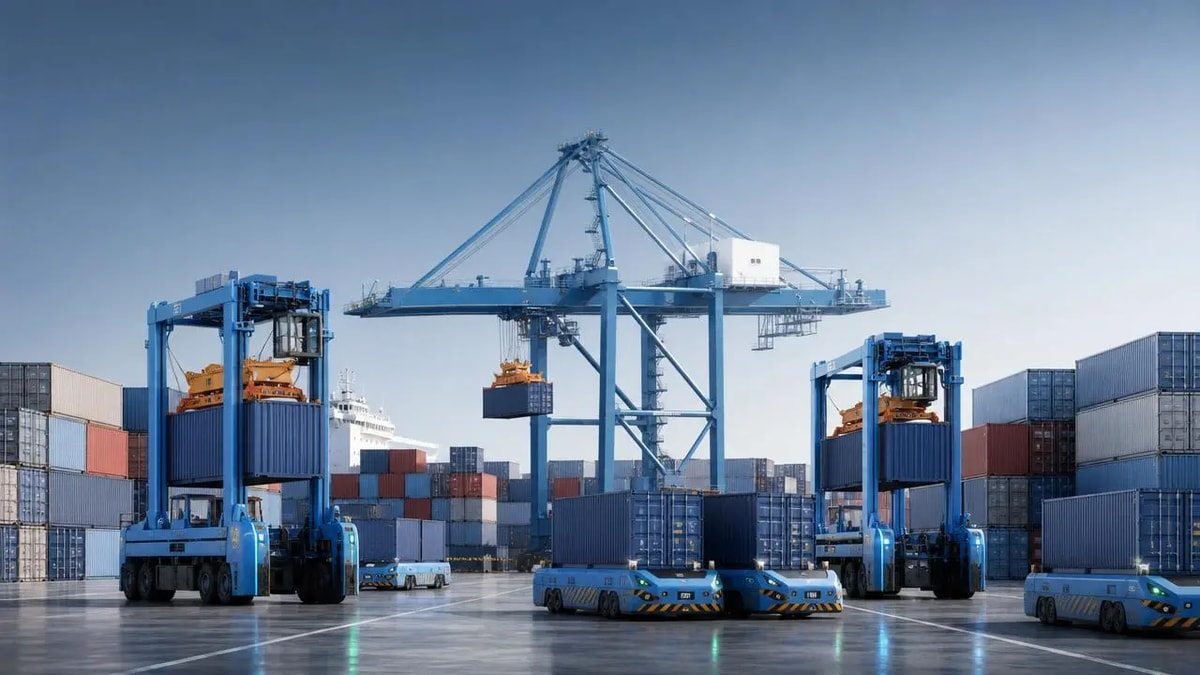
Port Terminal Equipment Costs Are Shifting in 2026
Port terminal equipment costs are shifting in 2026. Learn how automation, electrification, financing, and compliance reshape TCO, ROI, and smarter terminal investment decisions.
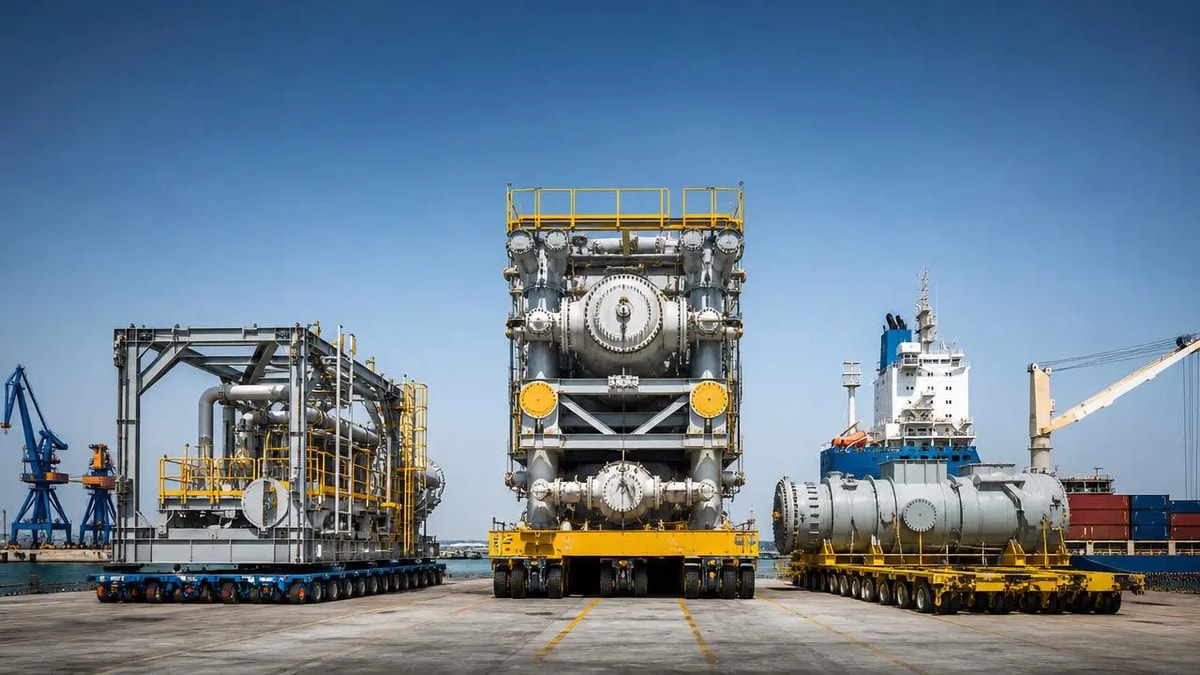
Heavy Machinery Logistics: Where Delays Usually Start
Heavy machinery logistics delays often start long before cargo moves. Learn the hidden trigger points, cut project risk, and protect budget, timing, and port-side execution.