Related News
- 00
0000-00
Port Equipment Automation Maintenance Issues You Can Prevent Early - 00
0000-00
Automated Port Systems: Common Integration Problems to Expect - 00
0000-00
Port Automation Solutions That Reduce Manual Handoffs - 00
0000-00
Marine Geotechnic Risks That Can Delay Coastal Projects - 00
0000-00
Smart Operations Rollouts: Common Mistakes in Early Stages
Automated Port Systems: Common Integration Problems to Expect
Automated port systems promise higher throughput, lower labor dependency, and smarter asset coordination, but integration rarely happens without friction. For technical evaluators, the real challenge lies in connecting control platforms, terminal equipment, data protocols, and legacy infrastructure into one stable operating environment. This article outlines the most common integration problems to expect and why early systems alignment is critical to long-term port automation success.
Why a checklist approach works better than a broad automation discussion
When teams evaluate automated port systems, failure rarely starts with one dramatic technical flaw. More often, problems appear as small mismatches between software layers, field devices, operating rules, and site constraints. A checklist method helps technical evaluators identify these mismatches early, compare vendors on the same basis, and avoid the common mistake of approving a system based on isolated subsystem performance rather than full-port interoperability.
For complex port environments, especially where terminal operating systems, crane controls, AGVs, OCR, weighbridges, gate platforms, and maintenance tools must interact, the right question is not whether each component works. The real question is whether all components can work together under live operating pressure, data latency, weather disruption, traffic peaks, and partial equipment outages.
First-pass integration checklist for automated port systems
Before reviewing architecture drawings or vendor claims, technical evaluators should confirm the following high-priority checks. These are the items most likely to determine whether automated port systems scale cleanly or become expensive coordination problems.
- Verify whether the terminal operating system can exchange real-time commands and status data with crane PLCs, yard automation systems, and gate systems without custom middleware at every interface.
- Check protocol compatibility across legacy and new equipment, including OPC UA, Modbus, proprietary APIs, industrial Ethernet, and safety communication layers.
- Confirm time synchronization accuracy across control systems, sensors, cameras, and event logs so that alarms, moves, and exceptions can be reconstructed reliably.
- Assess whether the network design supports low-latency control traffic separately from video, analytics, and enterprise data.
- Review exception-handling logic for non-standard containers, damaged units, misaligned trucks, sensor blind spots, and manual override scenarios.
- Determine who owns interface responsibility when multiple vendors supply equipment, software, and supervisory systems.
- Test whether cybersecurity controls can be added without breaking uptime, deterministic control, or remote maintenance workflows.
Core integration problems to expect and how to judge them
1. Control platform fragmentation
One of the most common issues in automated port systems is fragmented control logic. Different equipment suppliers often provide their own supervisory software, local HMI standards, alarm structures, and command models. This creates a situation where quay cranes, automated stacking cranes, and horizontal transport vehicles operate correctly in isolation but conflict at the orchestration layer.
Judgment standard: if move confirmation, job handoff, and exception escalation require multiple translation layers, the integration risk is already high. Evaluators should request interface maps showing exactly where commands originate, where acknowledgments return, and where business rules are enforced.
2. Legacy equipment incompatibility
Many ports do not build from a blank slate. They retrofit automated port systems into terminals containing older cranes, power systems, yard blocks, and communication cabinets. Legacy PLCs may lack open protocol support, older drives may not deliver the feedback needed for precise automation, and historical mechanical tolerances can reduce positioning reliability.
Judgment standard: if a retrofit plan depends heavily on protocol converters, custom signal mapping, or undocumented vendor libraries, long-term maintenance complexity will rise. Technical evaluators should ask which legacy assets can be integrated natively, which need hardware replacement, and which should remain semi-automated.
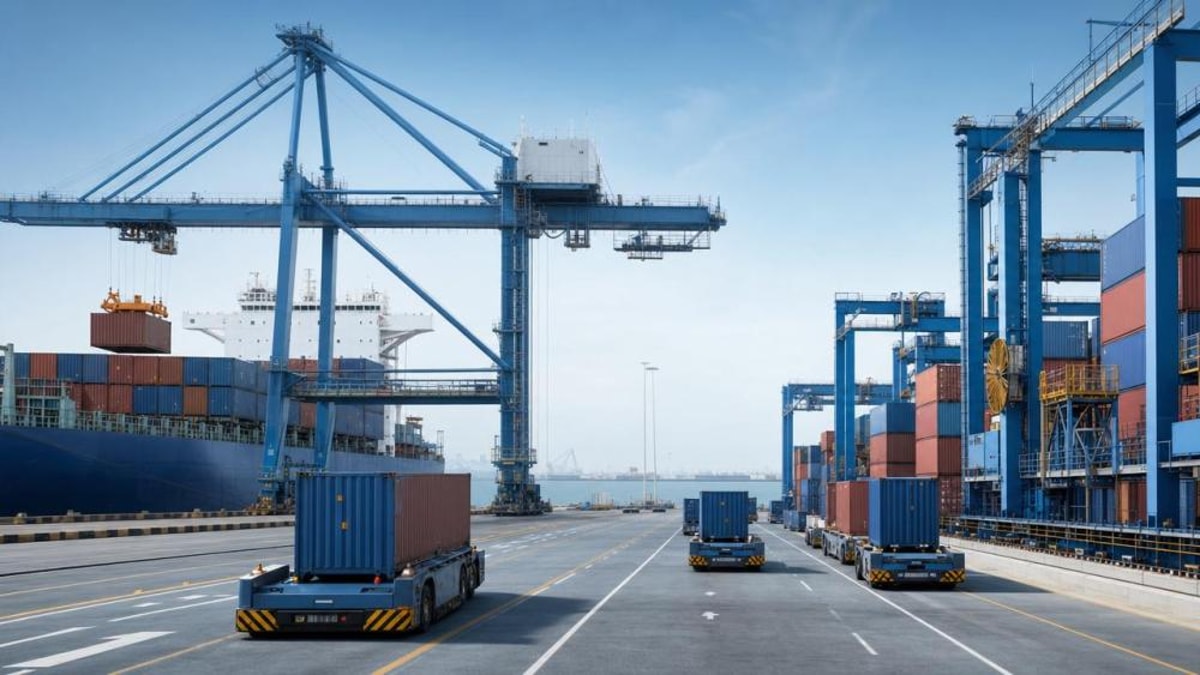
3. Data model inconsistency across systems
Automated port systems depend on consistent definitions for container identity, location, move status, equipment state, safety zones, and work queue priority. In practice, one system may define a container handoff as complete when a lift ends, while another records completion only after final placement verification. These differences create ghost jobs, duplicate transactions, and operator confusion.
Judgment standard: if vendors cannot provide a unified event dictionary and state-transition logic, data disputes will continue after commissioning. A clean integration plan should specify master data ownership, event naming conventions, timestamp rules, and error reconciliation procedures.
4. Network latency and communication bottlenecks
In automated port systems, network design is not just an IT matter. It directly affects motion control, remote intervention, sensor fusion, video analytics, and dispatch quality. Problems occur when control traffic competes with CCTV streams, when wireless handoffs interrupt AGV communication, or when edge devices cannot buffer data during outages.
Judgment standard: evaluators should look beyond headline bandwidth. The more important checks are latency stability, packet loss under peak traffic, segmentation between OT and IT traffic, redundancy design, and failover behavior during switch or access point failure.
5. Safety logic that conflicts with productivity logic
A frequent integration problem is poor coordination between safety systems and production automation. Geofencing, anti-collision layers, emergency stop logic, radar inputs, and personnel detection systems may be configured conservatively by separate vendors. The result is not always unsafe behavior; often it is over-triggering, excessive slowdown, or stalled job sequences.
Judgment standard: if the system cannot distinguish between safety-critical events and recoverable operational exceptions, throughput will suffer. Technical evaluators should require a hazard-to-response matrix that shows how each trigger affects each equipment type and how the system resumes operation after a stop.
6. Weak exception handling and manual intervention design
Automated port systems are usually demonstrated under ideal process flows. Real terminals face twisted containers, damaged spreaders, unreadable markings, truck no-shows, weather disruptions, and out-of-sequence vessel operations. If exception handling is poorly designed, human operators become a hidden integration bridge, constantly patching system gaps.
Judgment standard: ask how many abnormal cases are fully modeled, how remote operators intervene, how control authority transfers between automatic and manual modes, and whether every intervention produces traceable system records.
Scenario-based checks: what to prioritize in different port environments
Not all automated port systems face the same integration pressure. Technical evaluators should adjust the checklist based on terminal type, operational maturity, and upgrade strategy.
For retrofit terminals
- Prioritize signal compatibility, cabinet space, power quality, and mechanical condition of legacy assets.
- Check whether downtime windows are realistic for phased migration.
- Review coexistence rules between manual and automated zones.
For greenfield automated terminals
- Focus on architecture standardization before procurement fragmentation begins.
- Demand common naming, alarm, and API standards across all package suppliers.
- Validate simulation outputs against real operational assumptions, not only design throughput.
For mixed cargo or multi-operator ports
- Evaluate scheduling conflicts between container flows, bulk handling zones, truck gates, and maintenance traffic.
- Check whether automated port systems can isolate workflows without creating new data silos.
- Confirm role-based access and operational governance across multiple stakeholders.
Commonly overlooked integration risks
Several issues are repeatedly underestimated during evaluation of automated port systems. These risks may not block factory acceptance testing, but they often appear during live ramp-up.
- Alarm overload: Too many low-value alarms hide the few events that require immediate intervention.
- Version drift: A software update in one subsystem breaks certified interfaces in another.
- Digital twin mismatch: Simulation assumptions do not reflect actual yard congestion, vessel bunching, or weather windows.
- Inadequate spare parts logic: Integration failures are extended because replacement communication modules or industrial PCs are not stocked.
- Training gaps: Maintenance and operations teams understand local devices but not cross-system dependencies.
Execution advice: what technical evaluators should request before approval
To reduce uncertainty, technical evaluators should require evidence, not only architecture claims. The following deliverables are especially useful when assessing automated port systems for procurement, upgrade, or phased deployment.
FAQ for evaluating automated port systems integration
Is the biggest risk software or equipment?
Usually the biggest risk is not either one alone, but the boundary between them. Automated port systems fail most often at interfaces: command ownership, state feedback, timing, and exception recovery.
Can strong middleware solve most integration problems?
Middleware can help normalize data exchange, but too much middleware may hide architectural weakness. If every subsystem depends on translation layers, maintenance cost and troubleshooting time increase sharply.
What should be checked first during vendor comparison?
Start with interface ownership, protocol openness, exception handling, and recovery logic. These four areas often reveal the real maturity of automated port systems faster than headline throughput claims.
Final decision guide and next-step questions
For technical evaluators, the best way to assess automated port systems is to treat integration as the primary deliverable, not the final commissioning phase. Early alignment across control architecture, data standards, network behavior, safety logic, and exception workflows reduces hidden lifecycle cost and improves operational resilience.
If your organization plans to move forward, the next discussion should not begin with broad automation promises. It should begin with practical questions: Which assets are legacy and which are replaceable? Which interfaces are standard and which are custom? What latency, uptime, and recovery thresholds are acceptable? How will manual intervention be governed? What testing evidence is available before site deployment? Clear answers to these points will make any automated port systems roadmap more bankable, scalable, and fit for real terminal conditions.
Related News
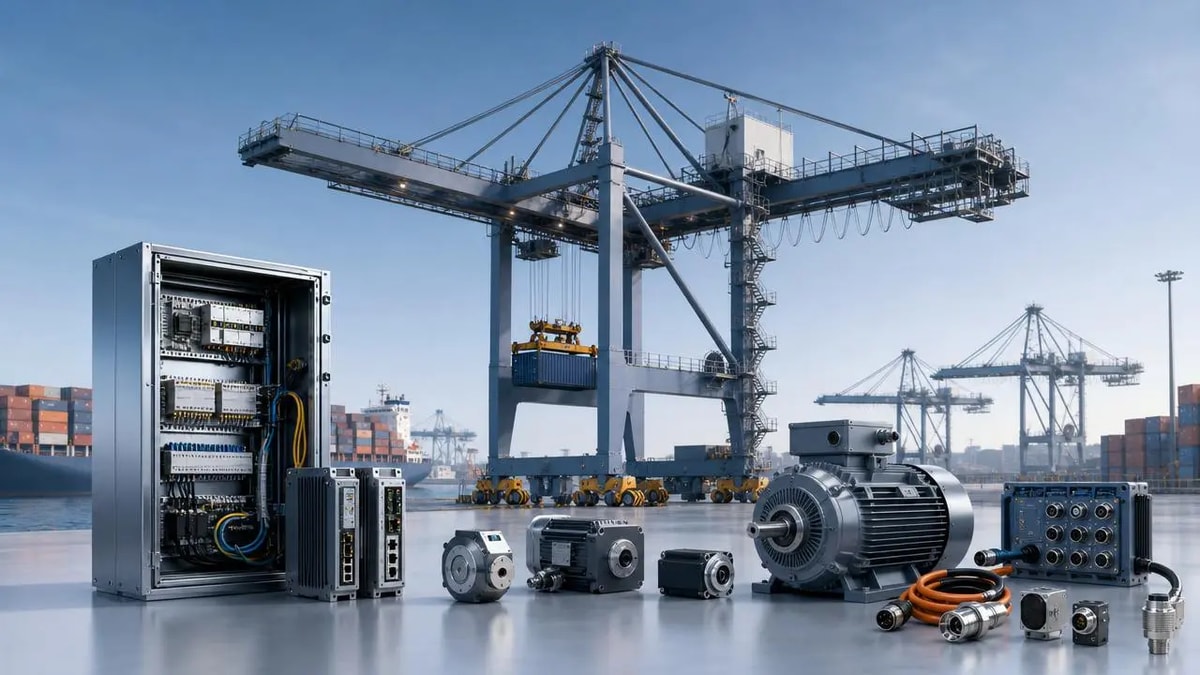
Port Equipment Automation Maintenance Issues You Can Prevent Early
Port equipment automation maintenance starts with early detection. Learn how to catch sensor, drive, PLC, and network issues before they cause costly downtime and delays.
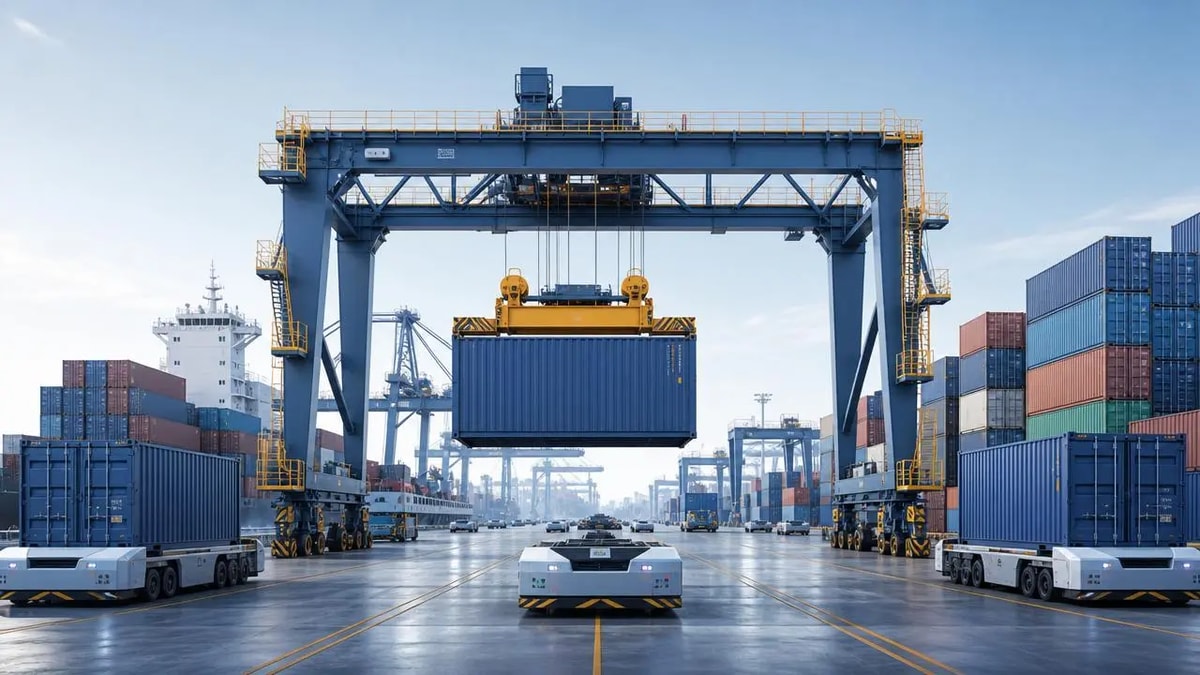
Marine Logistics Technology Suppliers: What Sets Them Apart
Marine logistics technology suppliers stand apart through automation, integration, and lifecycle support. Discover what helps ports and channel partners choose future-ready solutions.
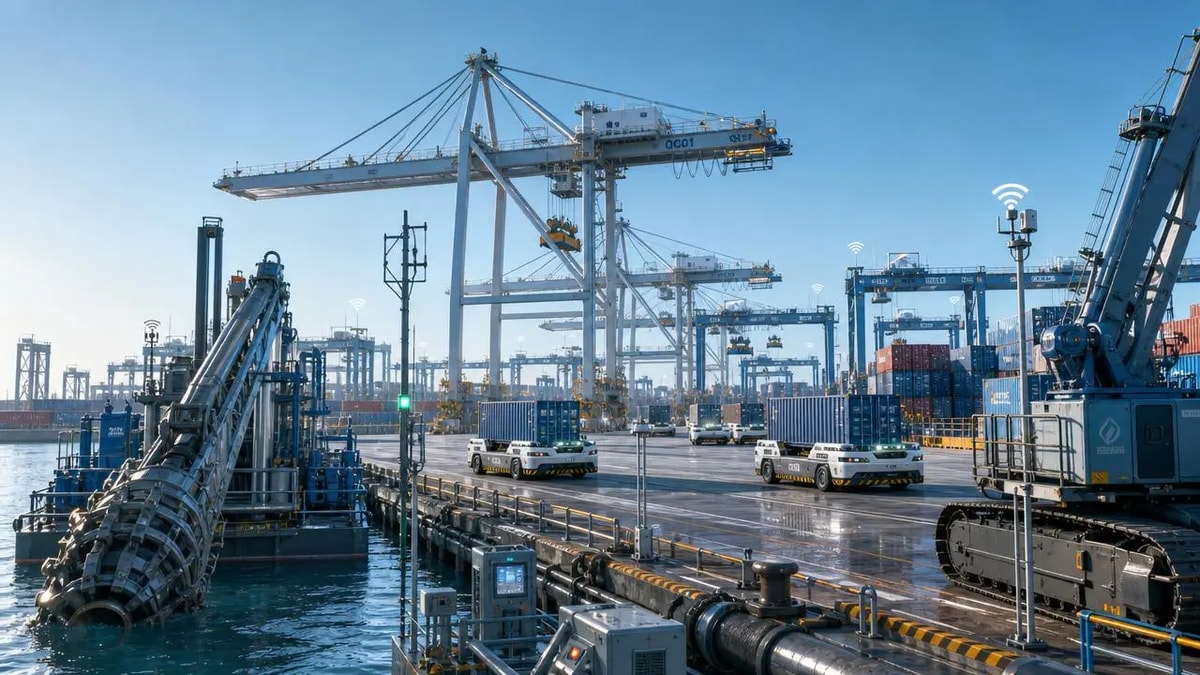
Port Technology Trends Worth Watching Before Your Next Upgrade
Port technology trends shape smarter upgrade decisions. Explore automation, remote crane control, predictive maintenance, and phased investment strategies to reduce risk and improve ROI.
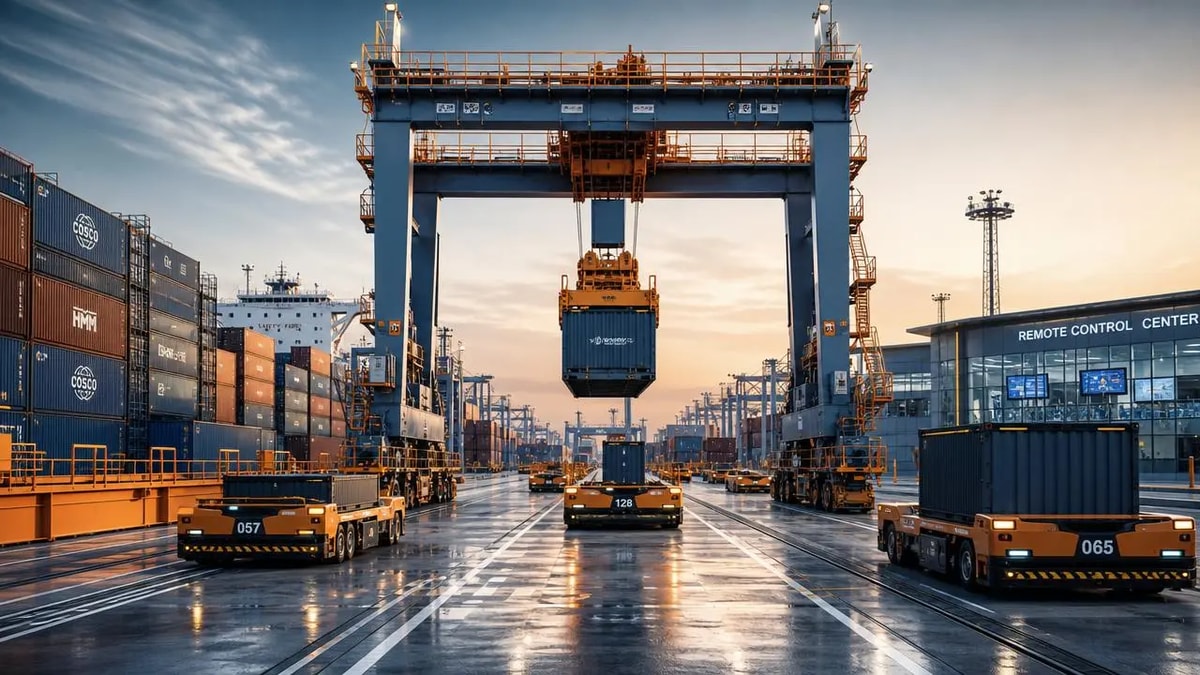
Port Automation Solutions That Reduce Manual Handoffs
Port automation solutions reduce manual handoffs, improve crane, AGV, yard, and control room coordination, and help terminals boost safety, speed, and operational efficiency.
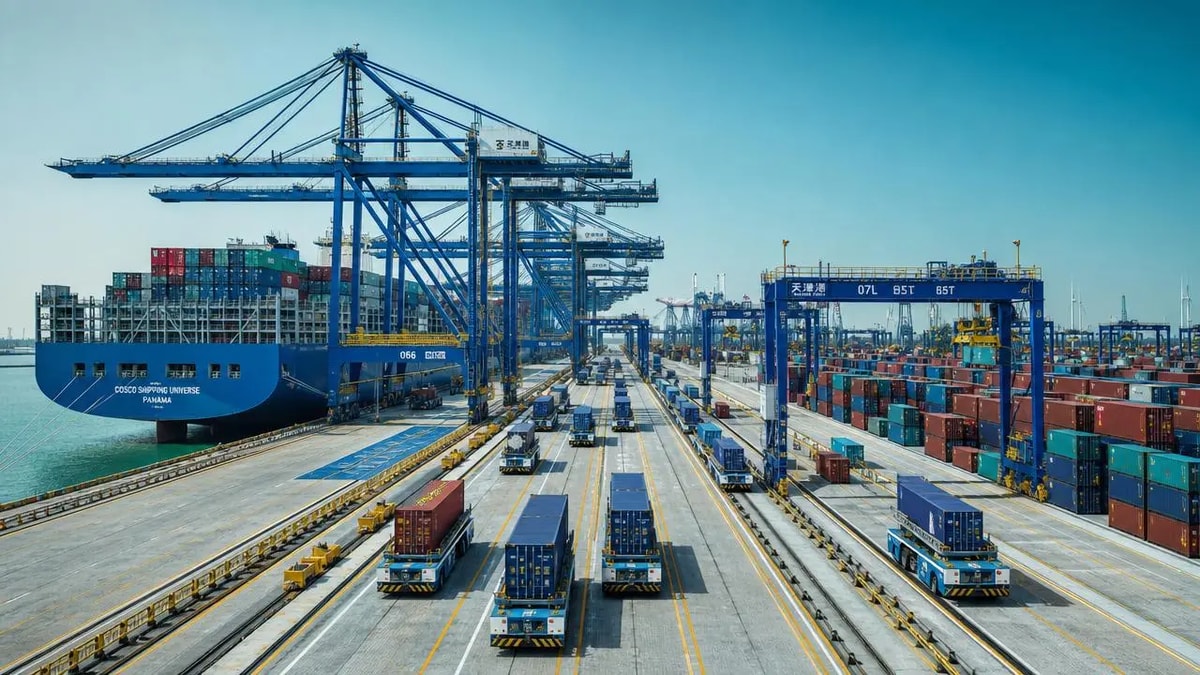
Smart Terminal Technology Trends Changing Port Operations
Smart terminal technology is reshaping port operations with AI, automation, predictive maintenance, and electrification. Discover which trends deliver the best ROI for different terminal scenarios.
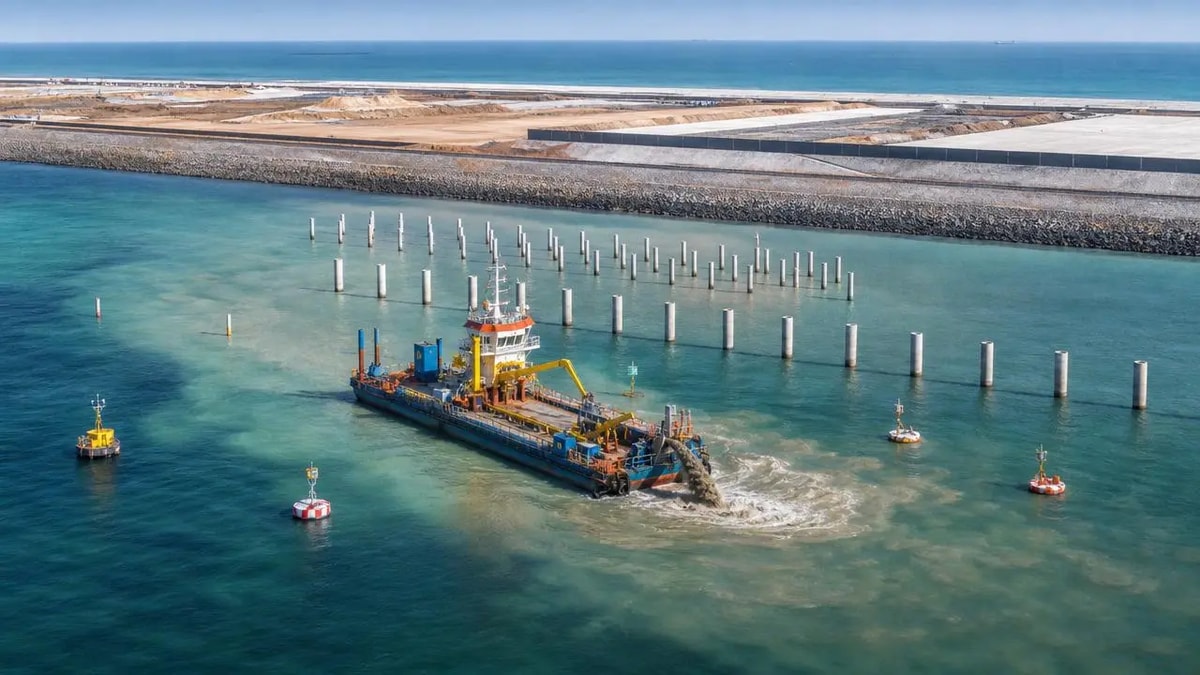
Marine Geotechnic Risks That Can Delay Coastal Projects
Marine geotechnic risks can quietly derail coastal projects with delays, rework, and compliance issues. Learn the warning signs and practical controls to protect schedule, safety, and budget.
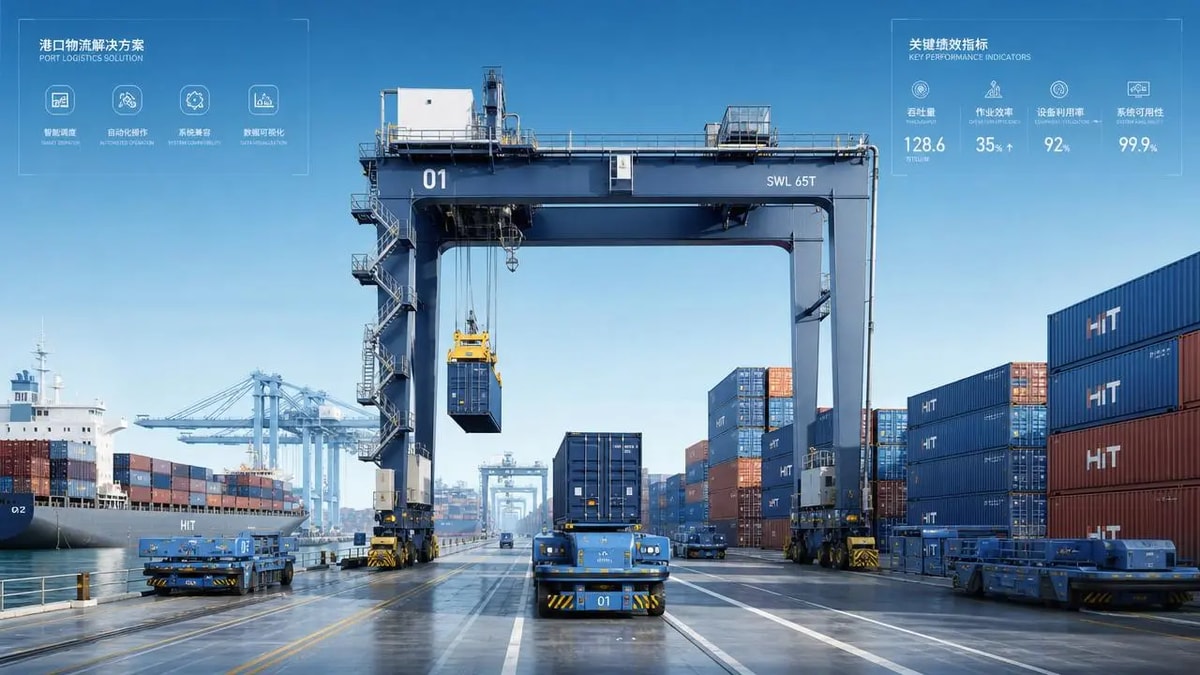
What to Compare Before Choosing Port Logistics Solutions
Port logistics solutions comparison guide: learn what to assess on throughput, compatibility, scalability, lifecycle cost, and automation readiness before choosing the right system.
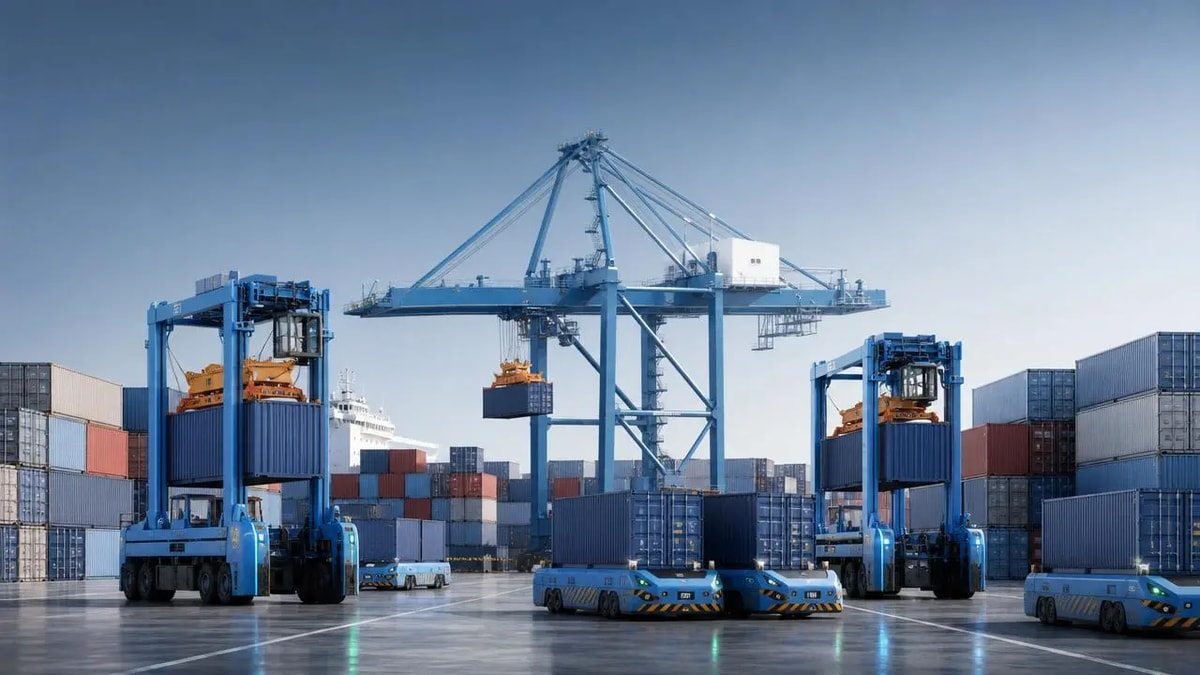
Port Terminal Equipment Costs Are Shifting in 2026
Port terminal equipment costs are shifting in 2026. Learn how automation, electrification, financing, and compliance reshape TCO, ROI, and smarter terminal investment decisions.
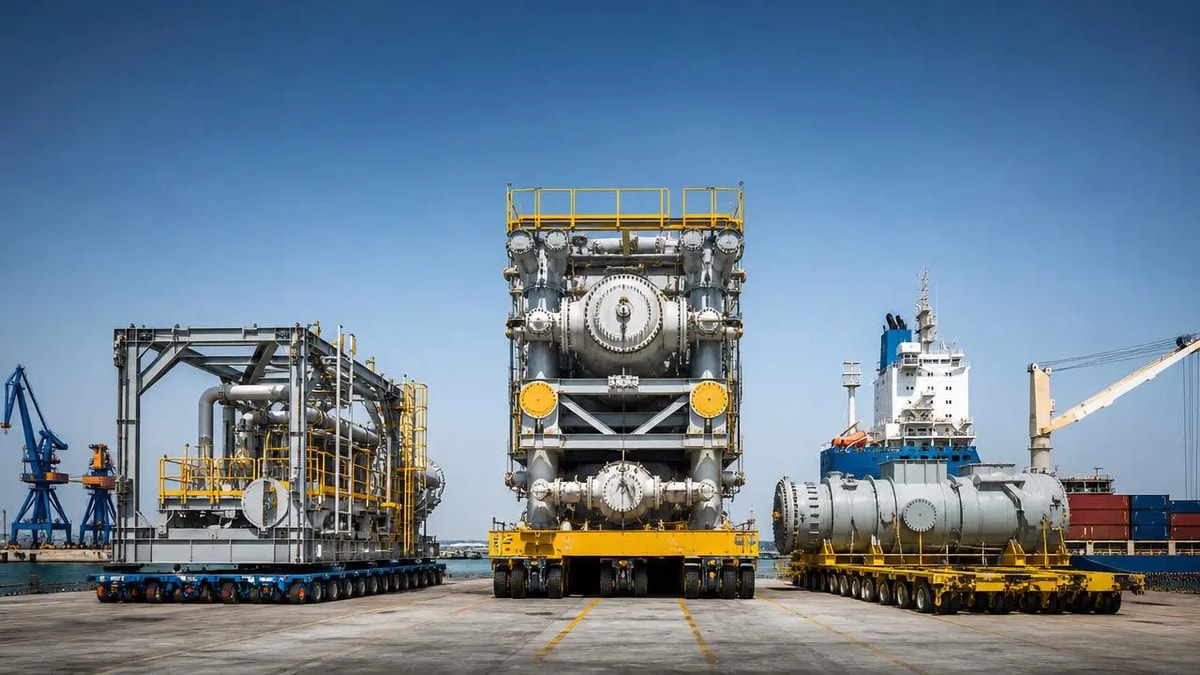
Heavy Machinery Logistics: Where Delays Usually Start
Heavy machinery logistics delays often start long before cargo moves. Learn the hidden trigger points, cut project risk, and protect budget, timing, and port-side execution.