Related News
- 00
0000-00
Port Equipment Automation Maintenance Issues You Can Prevent Early - 00
0000-00
Automated Port Systems: Common Integration Problems to Expect - 00
0000-00
Port Automation Solutions That Reduce Manual Handoffs - 00
0000-00
Marine Geotechnic Risks That Can Delay Coastal Projects - 00
0000-00
Smart Operations Rollouts: Common Mistakes in Early Stages
Smart Operations Rollouts: Common Mistakes in Early Stages
Smart operations can transform terminal upgrades, automation projects, and engineering rollouts—but early-stage mistakes often create delays, budget pressure, and weak adoption. For project managers and engineering leaders, understanding where planning, system integration, and stakeholder alignment fail is critical. This article explores the most common pitfalls in initial deployment phases and how to build a smarter, more resilient path to execution.
Why early-stage mistakes look different across real operating scenarios
In practice, smart operations do not fail for one universal reason. A retrofit at a container yard, a control-system upgrade for bulk handling, a dredging fleet monitoring program, or a greenfield automation project can all use similar digital tools, yet the risk profile is very different. That is why project managers should avoid generic deployment plans. What works in one site may create bottlenecks in another.
For organizations connected to port logistics, heavy equipment, and engineering delivery, the earliest rollout stage is where assumptions get tested against physical assets, operator habits, data quality, and commercial pressure. Smart operations often promise visibility, efficiency, predictive maintenance, and tighter scheduling. However, those outcomes depend on whether the deployment matches the operational scenario. If the scenario is misread, even a technically sound solution can underperform.
This matters especially for project leaders who must balance uptime, safety, capital discipline, and stakeholder confidence. In marine terminals and adjacent industrial settings, errors in the first 90 to 180 days usually come from poor fit between business need and implementation path. The smartest decision is often not to deploy faster, but to deploy with better scenario awareness.
Where smart operations commonly appear in the field
Before identifying mistakes, it helps to map the most common application scenarios. In the broader industrial and maritime ecosystem, smart operations usually enter through one of the following paths: equipment modernization, terminal automation, maintenance intelligence, control-room integration, or multi-site visibility programs. Each path changes the rollout challenge.
For project management teams, this table is more than a planning summary. It shows why smart operations must be judged by operating context, not by software features alone. A port equipment intelligence program and a terminal control upgrade may both involve dashboards and analytics, but the implementation constraints are not interchangeable.
Scenario 1: Brownfield retrofits often underestimate integration complexity
One of the most common smart operations mistakes appears in brownfield environments. Leaders assume that adding automation layers, digital monitoring, or scheduling tools on top of existing machinery is faster and cheaper than it really is. In reality, legacy PLCs, mixed communication protocols, undocumented modifications, and inconsistent maintenance histories can turn a straightforward upgrade into a high-friction project.
In heavy terminal gear and specialized container handling, many assets have been upgraded incrementally over years. A new optimization engine may rely on data points that old equipment cannot provide consistently. If the team discovers those data gaps after procurement or after installation has started, cost and schedule pressure rise quickly.
The smarter path is to run a pre-deployment integration audit before finalizing scope. Project leaders should verify signal availability, control boundaries, vendor responsibilities, cybersecurity requirements, and fallback operating modes. In smart operations, retrofit success depends less on the brilliance of the target system and more on the realism of the interface plan.
Scenario 2: New automation projects often start with technology ambition instead of workflow discipline
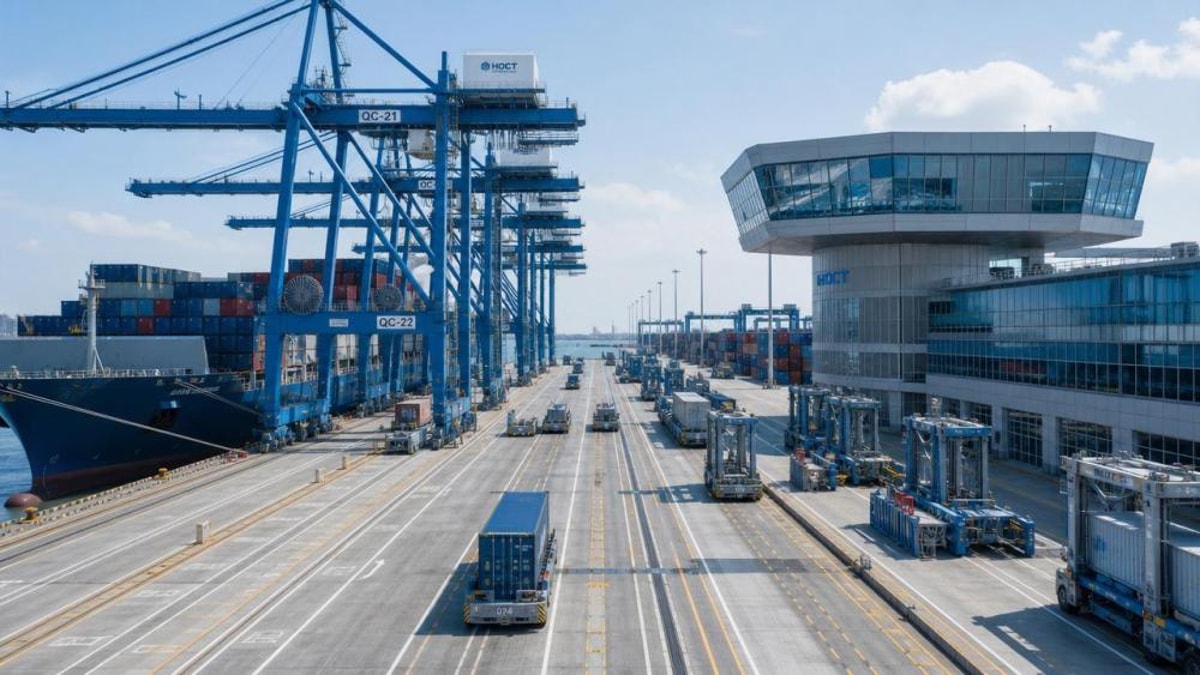
In greenfield or near-greenfield environments, the opposite problem appears. Because there is no heavy legacy burden, teams can become overly ambitious. They try to launch advanced smart operations capabilities all at once: AGV path optimization, automated crane coordination, predictive maintenance, energy monitoring, digital twins, and centralized exception handling. The result is not always acceleration. Very often, it is confusion.
Project managers should remember that operations maturity matters as much as system capability. If frontline supervisors, maintenance planners, dispatch teams, and control-room operators do not share the same workflow logic, the new environment may technically function but still fail to deliver stable throughput. This is especially visible in ports where yard planning, vessel schedules, and equipment allocation must align under time pressure.
A strong rollout sequence usually starts with a limited set of operational outcomes: fewer rehandles, better dispatch visibility, reduced equipment idle time, or more reliable alarm prioritization. Once those basics are stable, additional smart operations modules can be layered in with less risk. Sequence beats scale in the early stage.
Scenario 3: Maintenance-focused deployments fail when alerts are not tied to action
Many organizations enter smart operations through maintenance pain. Cranes, conveyors, pumps, dredging systems, and terminal vehicles all generate expensive downtime when failures are reactive rather than planned. This creates a strong case for sensors, condition monitoring, and predictive analytics. But one of the biggest rollout mistakes is assuming that data visibility automatically improves maintenance performance.
It does not. If alerts are frequent, unreliable, or disconnected from work-order logic, teams begin to ignore them. If spare parts planning is weak, early warnings still do not prevent downtime. If technicians are not trained to interpret trend behavior, advanced diagnostics stay underused. In this scenario, smart operations must be designed around response workflow, not just around sensing technology.
For engineering leaders, the practical question is simple: when a threshold is breached, who does what, by when, and using which decision rule? If that answer is unclear, the deployment is not ready. Strong smart operations programs connect data acquisition to maintenance prioritization, crew action, parts availability, and post-event learning.
Scenario 4: Multi-stakeholder projects break down when ownership is blurred
Smart operations projects often involve operations, engineering, IT, automation vendors, safety teams, finance, and external contractors. In terminal upgrades and marine engineering programs, this can become a structural risk. Everyone supports the vision, but no one fully owns cross-functional decisions in the first phase. That is where momentum starts to fade.
This issue is especially common when the rollout has both operational and strategic objectives. For example, leadership may want better data for long-term planning, while site managers want immediate productivity gains. Without a clear decision hierarchy, requirements expand, test criteria shift, and project teams receive mixed signals. Smart operations then become trapped between digital strategy and day-to-day practicality.
A useful rule is to define three layers of ownership from the beginning: business outcome owner, system integration owner, and operating adoption owner. These roles should be named, not implied. For project managers, this structure reduces ambiguity during design reviews, pilot validation, and change requests.
How needs differ by operating environment
Although the phrase smart operations sounds broad, project decisions improve when leaders compare needs by environment. The same digital capability may create different value depending on whether the site is throughput-driven, safety-critical, asset-intensive, or geographically distributed.
Throughput-driven terminals
In high-volume terminals, the biggest mistake is deploying tools that do not directly support flow. Project teams should prioritize dispatch visibility, yard coordination, exception handling, and equipment availability. Fancy analytics matter less if they do not reduce congestion or improve berth and yard synchronization.
Asset-intensive engineering sites
For dredging fleets, bulk handling machinery, and specialized heavy equipment, smart operations should begin with utilization, health, fuel or energy performance, and maintenance readiness. The common mistake here is trying to centralize every dataset before proving local operational value.
Safety- and compliance-sensitive sites
When safety and regulatory discipline dominate, early-stage design must focus on reliable alarm logic, access control, event traceability, and operator clarity. An overloaded interface or poorly tuned exception model can actually increase risk, even when the smart operations platform is technically advanced.
The most common early-stage mistakes project managers should actively screen for
- Treating smart operations as an IT purchase rather than an operating-model change.
- Selecting vendors before defining use-case priority, site constraints, and adoption criteria.
- Ignoring data readiness, including sensor reliability, naming standards, and missing historical baselines.
- Underestimating brownfield integration effort and fallback operation needs during commissioning.
- Launching too many modules at once instead of phasing by operational dependency.
- Failing to assign clear ownership for KPI definitions, exception handling, and change control.
- Measuring success by installation completion rather than by stable operational behavior.
These issues appear across industries, but they are especially damaging in ports and marine-linked engineering because asset downtime, vessel delays, and coordination failures can ripple through the wider supply chain. In this environment, smart operations should be governed like a business-critical transition, not just a technical go-live.
A practical scenario-based rollout checklist
To make better deployment decisions, project leaders can apply a simple scenario-based checklist before formal rollout begins. This is useful whether the initiative involves terminal control, automated handling, condition monitoring, or engineering fleet visibility.
How to choose the right starting point for smarter execution
The best smart operations strategy usually starts smaller than expected but sharper than expected. Instead of asking how to digitize everything, ask which operational scenario has the clearest measurable gain and the lowest organizational friction. For some teams, that may be crane health monitoring. For others, it may be yard dispatch transparency, pump performance diagnostics, or centralized event visibility across a terminal network.
For project managers and engineering leaders, the first-stage target should be credible performance improvement, not maximum platform breadth. Once the team proves data trust, operating ownership, and response discipline in one scenario, smart operations can scale with stronger internal support and less delivery risk.
FAQ for project leaders planning smart operations
Which scenario is most likely to face delays?
Brownfield retrofits typically face the highest delay risk because undocumented interfaces, mixed asset generations, and limited downtime windows complicate commissioning.
When should a team delay rollout?
If ownership is unclear, source data is unreliable, or the operating workflow is not defined, delaying the go-live is often wiser than forcing deployment. Smart operations depend on execution discipline as much as on technology readiness.
What is the best pilot scope?
Choose a scenario with visible pain, measurable KPIs, manageable integration effort, and committed users. A narrow but high-value pilot creates better evidence than a broad but unstable launch.
Final takeaway for ports, terminals, and engineering programs
Smart operations create the most value when deployment decisions reflect real operating scenarios rather than abstract digital ambition. Whether the project involves port automation, terminal equipment intelligence, bulk handling upgrades, or dredging engineering visibility, early-stage mistakes usually come from misjudging fit, sequencing, and ownership. The most resilient approach is scenario-based: define where value will appear first, verify conditions honestly, and build adoption into the rollout from day one.
For organizations shaping the next generation of maritime logistics and industrial execution, smarter outcomes begin with smarter rollout choices. If your team is evaluating smart operations, start by identifying the operating scenario, the highest-risk assumption, and the first decision that must become more reliable. That is where real transformation begins.
Related News
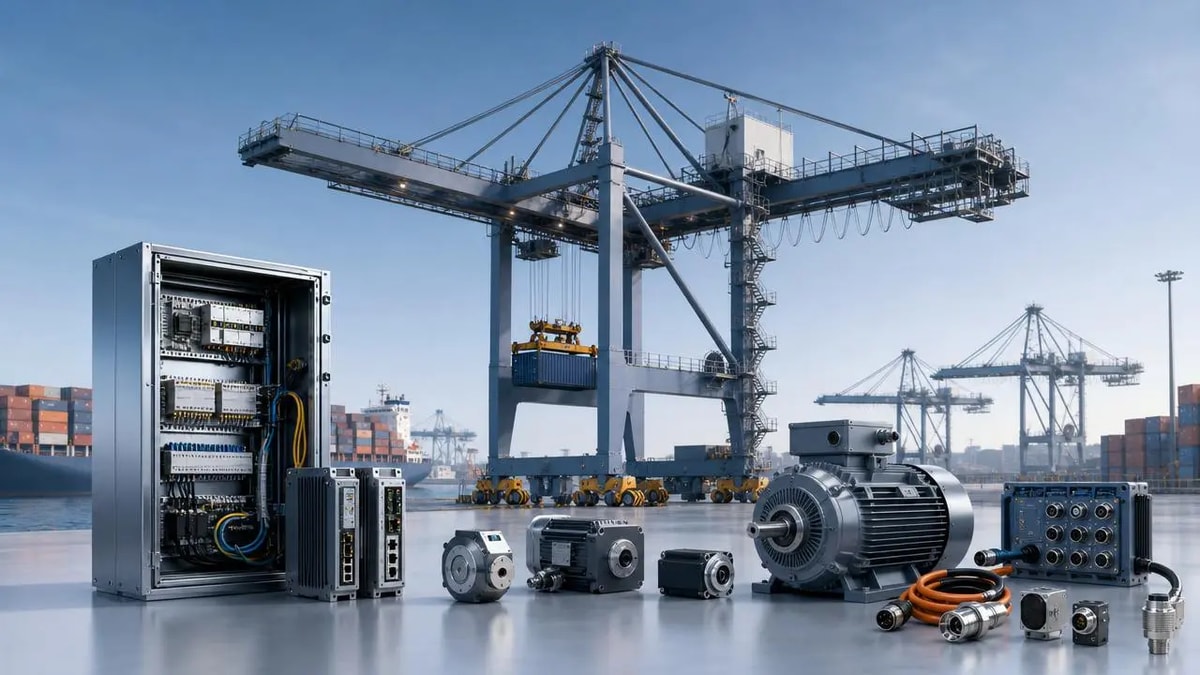
Port Equipment Automation Maintenance Issues You Can Prevent Early
Port equipment automation maintenance starts with early detection. Learn how to catch sensor, drive, PLC, and network issues before they cause costly downtime and delays.

Marine Logistics Technology Suppliers: What Sets Them Apart
Marine logistics technology suppliers stand apart through automation, integration, and lifecycle support. Discover what helps ports and channel partners choose future-ready solutions.
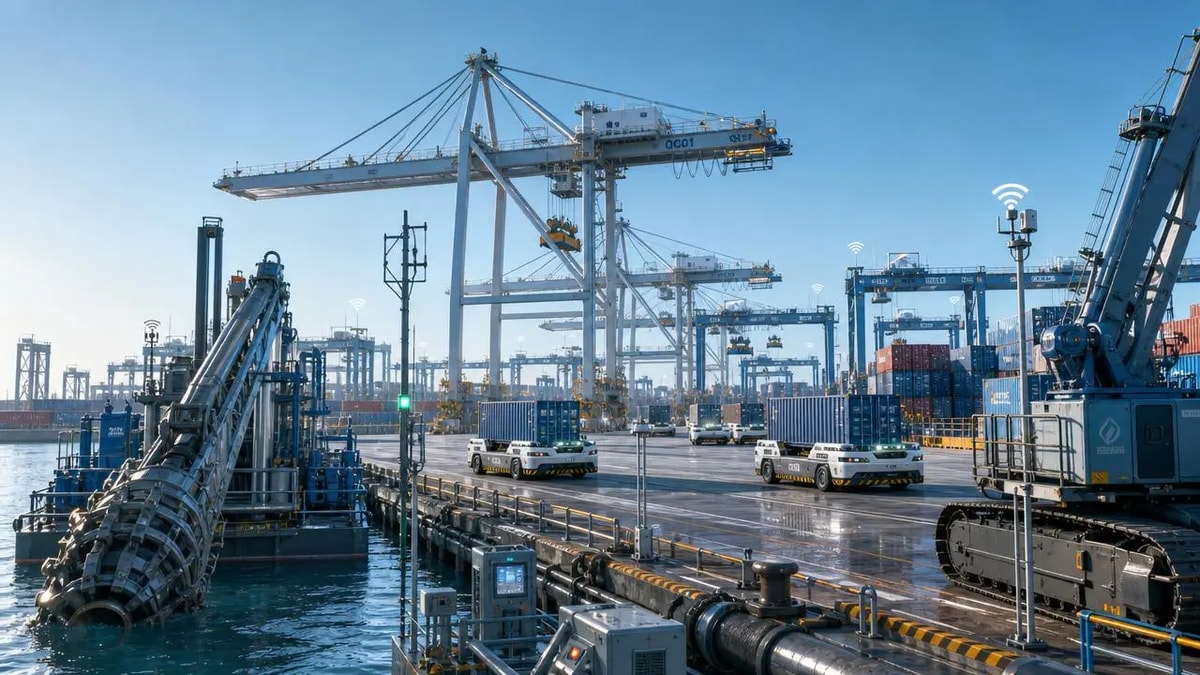
Port Technology Trends Worth Watching Before Your Next Upgrade
Port technology trends shape smarter upgrade decisions. Explore automation, remote crane control, predictive maintenance, and phased investment strategies to reduce risk and improve ROI.
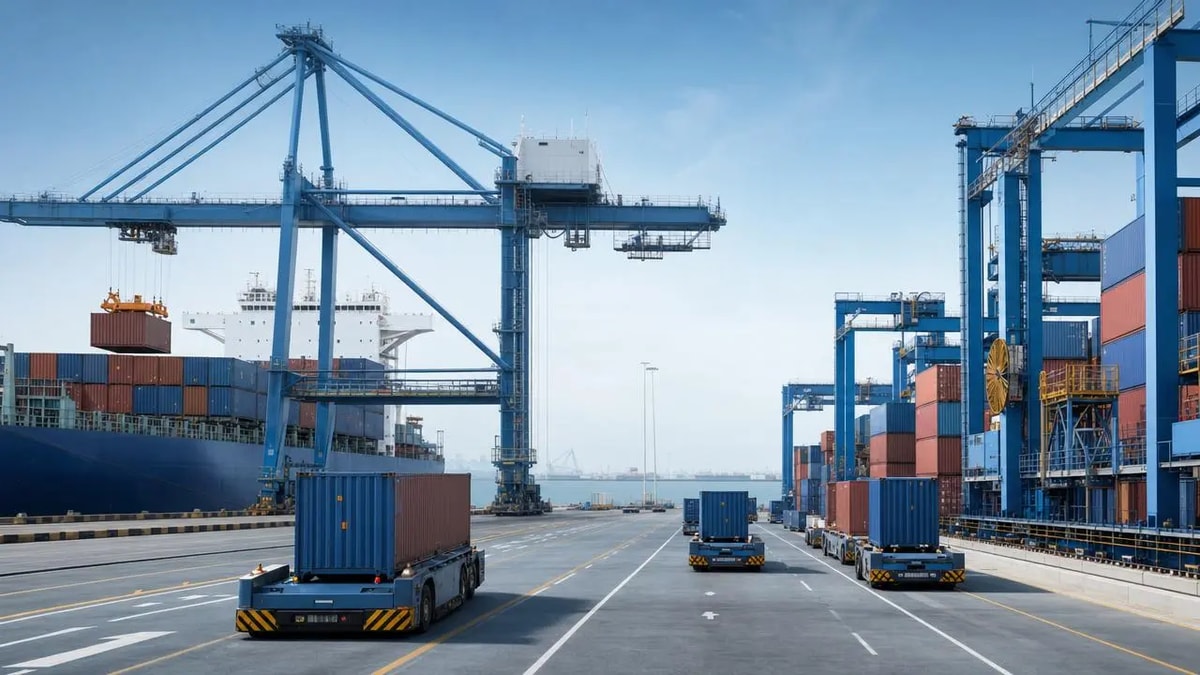
Automated Port Systems: Common Integration Problems to Expect
Automated port systems face real integration hurdles—from legacy equipment and data mismatches to network latency and safety conflicts. Learn what to check before approval.
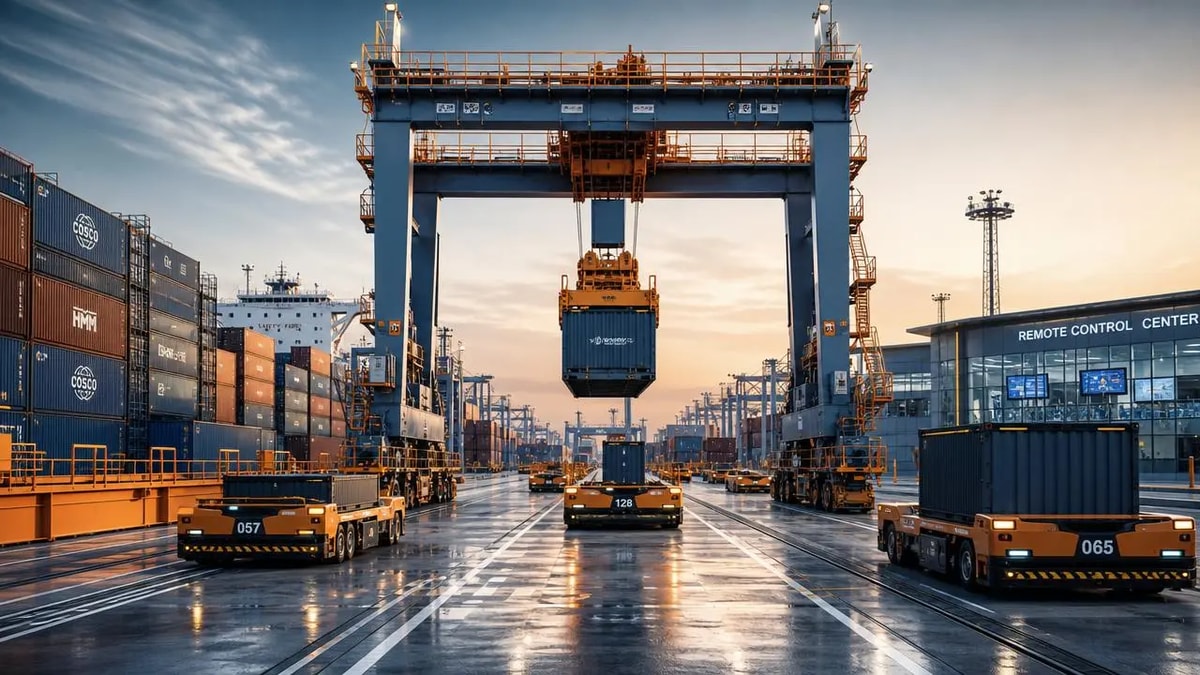
Port Automation Solutions That Reduce Manual Handoffs
Port automation solutions reduce manual handoffs, improve crane, AGV, yard, and control room coordination, and help terminals boost safety, speed, and operational efficiency.
Smart Terminal Technology Trends Changing Port Operations
Smart terminal technology is reshaping port operations with AI, automation, predictive maintenance, and electrification. Discover which trends deliver the best ROI for different terminal scenarios.
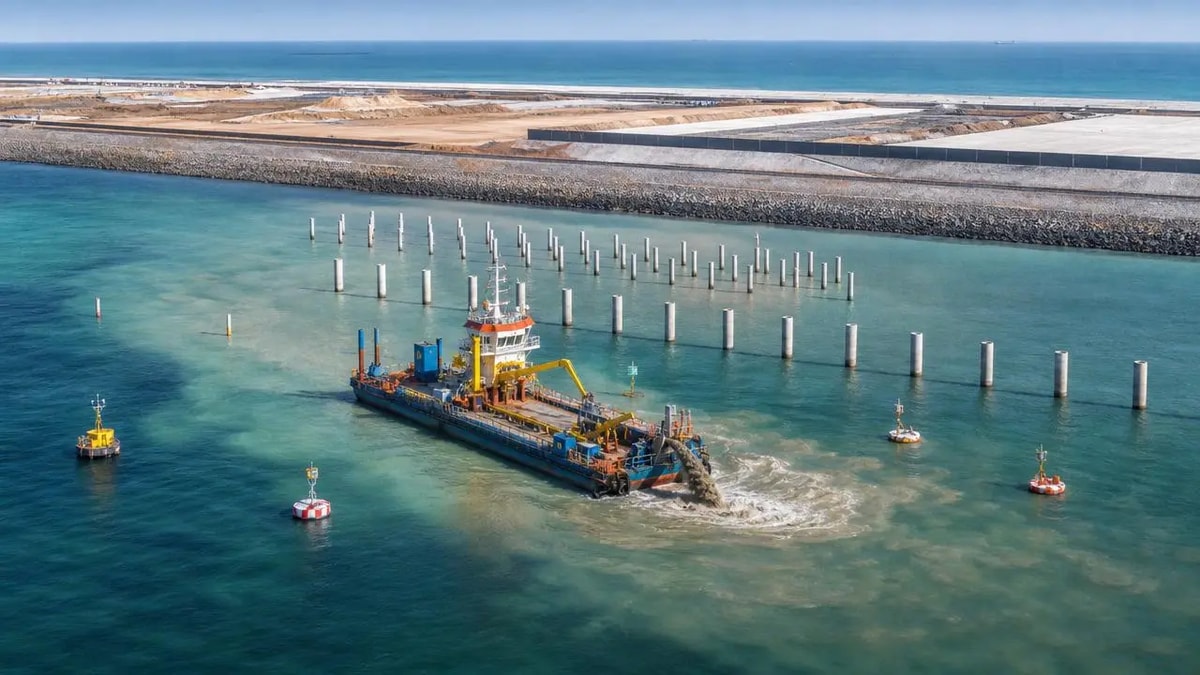
Marine Geotechnic Risks That Can Delay Coastal Projects
Marine geotechnic risks can quietly derail coastal projects with delays, rework, and compliance issues. Learn the warning signs and practical controls to protect schedule, safety, and budget.
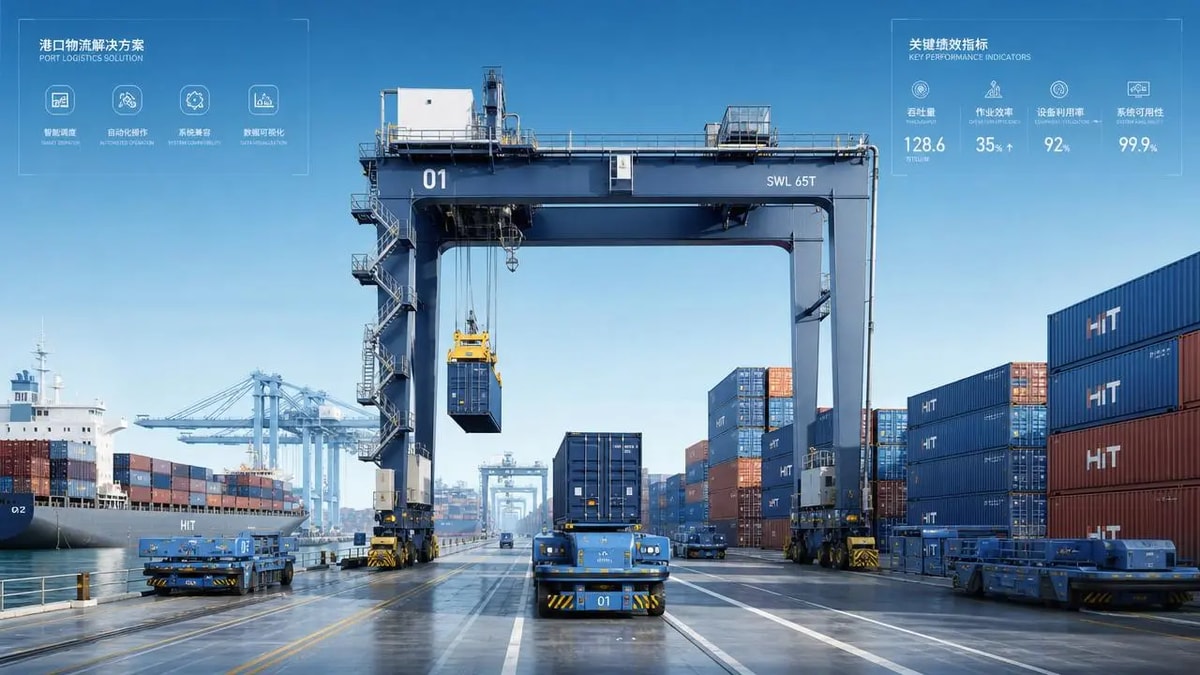
What to Compare Before Choosing Port Logistics Solutions
Port logistics solutions comparison guide: learn what to assess on throughput, compatibility, scalability, lifecycle cost, and automation readiness before choosing the right system.
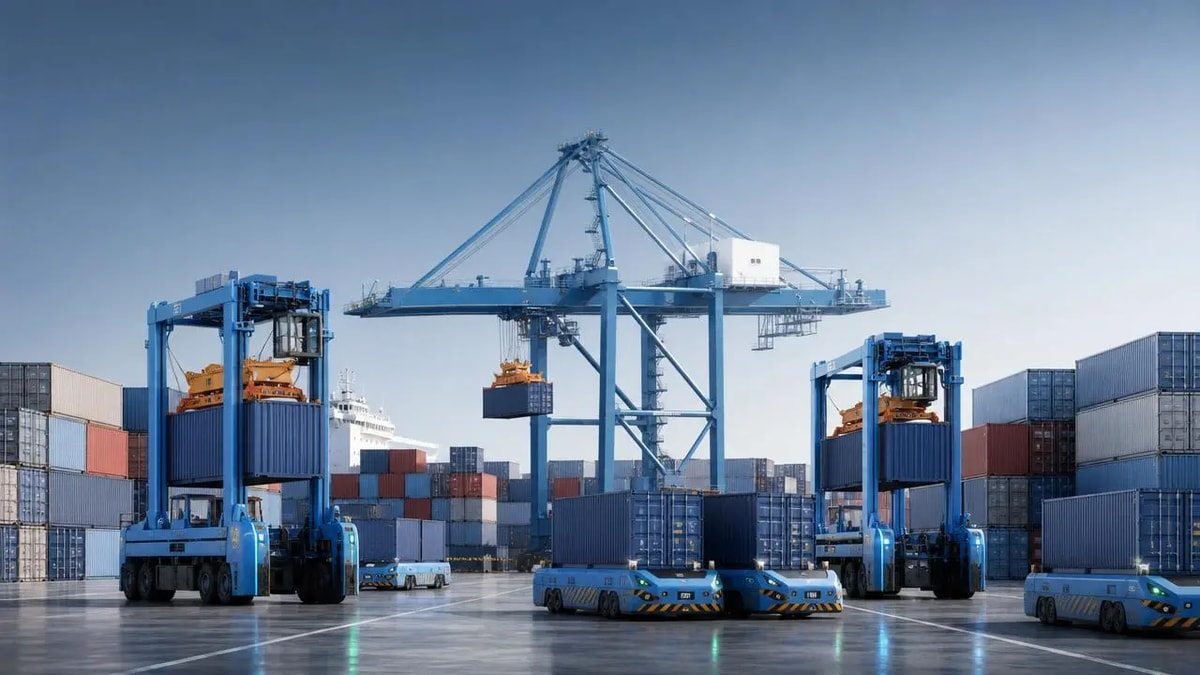
Port Terminal Equipment Costs Are Shifting in 2026
Port terminal equipment costs are shifting in 2026. Learn how automation, electrification, financing, and compliance reshape TCO, ROI, and smarter terminal investment decisions.