Related News
- 00
0000-00
Port Equipment Automation Maintenance Issues You Can Prevent Early - 00
0000-00
Automated Port Systems: Common Integration Problems to Expect - 00
0000-00
Port Automation Solutions That Reduce Manual Handoffs - 00
0000-00
Marine Geotechnic Risks That Can Delay Coastal Projects - 00
0000-00
Smart Operations Rollouts: Common Mistakes in Early Stages
Marine Geotechnic Risks That Can Delay Coastal Projects
For quality and safety managers overseeing coastal developments, marine geotechnic risks can quietly become the biggest source of delay, cost escalation, and compliance pressure. From weak seabed conditions to sediment instability and dredging uncertainty, understanding these hidden factors early is essential for keeping schedules, assets, and people protected. This article explores how marine geotechnic issues affect project delivery and what teams can do to reduce disruption.
What does marine geotechnic risk actually mean in a coastal project?
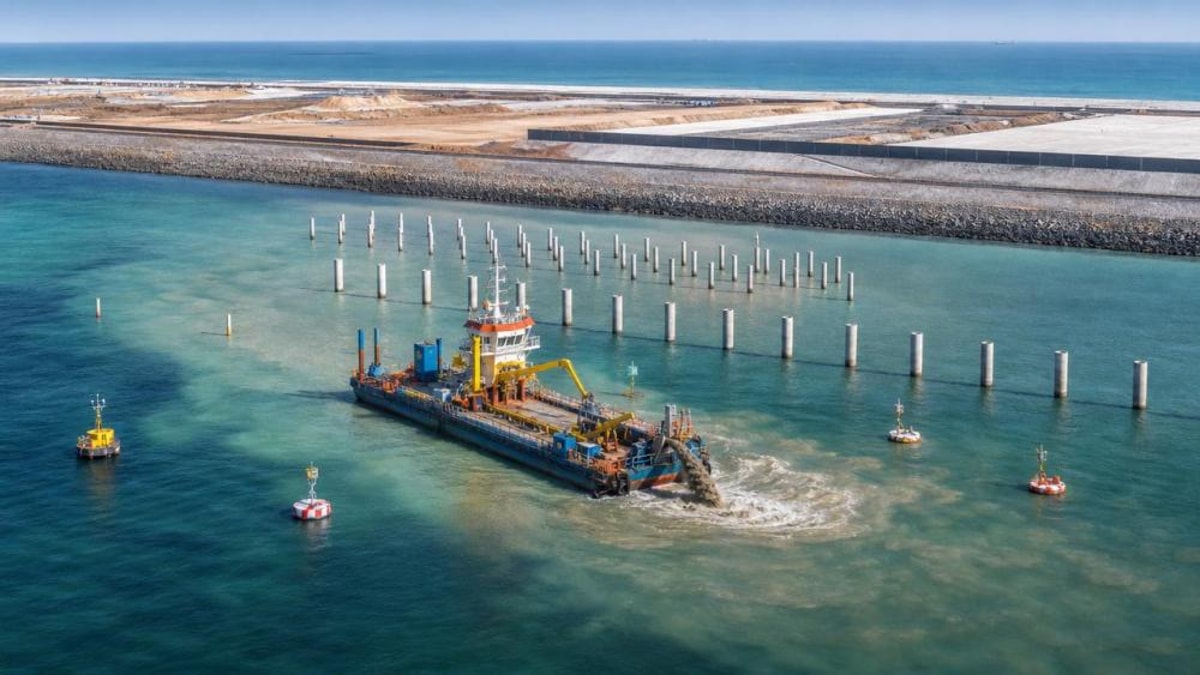
In practical terms, marine geotechnic risk refers to uncertainty in the seabed, shoreline soils, sediment behavior, and subsurface conditions that support or influence coastal assets. For quality and safety managers, this is not just a design topic. It affects pile installation, dredging tolerances, quay wall stability, reclamation performance, temporary works, and even equipment access for cranes or heavy terminal gear.
A coastal project may look straightforward on drawings, yet hidden marine geotechnic conditions can change everything. Soft clay layers may cause excessive settlement. Loose sand may liquefy under vibration. Variable fill can reduce bearing reliability. Contaminated sediment can trigger disposal restrictions. Scour around structures may expose foundations faster than expected. Each of these can interrupt schedules, raise inspection frequency, and create disputes between contractors, consultants, and owners.
This is why marine geotechnic assessment matters early. It connects engineering assumptions with operational reality. For organizations like PS-Nexus that track dredging engineering, terminal infrastructure, and automated port development, the issue is especially important because modern coastal projects often combine civil works, marine equipment integration, and strict uptime expectations.
Why do marine geotechnic issues so often cause delays instead of showing up as simple design changes?
Delays happen because marine geotechnic problems are rarely isolated. Once the subsurface behaves differently from the investigation report or model assumptions, multiple work fronts can be affected at the same time. A single weak zone may delay piling, force redesign of a retaining system, restrict dredging depth verification, and postpone installation of utilities or automation infrastructure.
Another reason is that offshore and nearshore investigations are expensive and often spaced too widely. Boreholes and cone penetration tests provide only sampled information, while seabed conditions can vary significantly across short distances. If the investigation campaign is too light, teams may discover critical differences only during execution, when change is slower and costlier.
Permitting and compliance also amplify delay. If sediment quality differs from expectations, dredged material may require new handling methods, alternative placement areas, or further environmental review. If slope instability or settlement threatens safety, work may stop until independent verification is completed. For quality personnel, this means nonconformance records, revised inspection and test plans, and expanded documentation workloads.
In short, marine geotechnic risk delays projects because it sits at the intersection of construction sequence, marine operations, environmental control, and structural assurance. It is not a small technical note in a report. It can redefine the execution path.
Which marine geotechnic conditions should quality and safety managers watch most closely?
The highest-priority conditions are those that can rapidly turn into safety exposure, rework, or measurable performance failure. These usually include:
- Soft compressible seabed soils that lead to settlement, tilting, or long consolidation periods.
- Loose granular layers vulnerable to liquefaction under vibration, waves, or seismic events.
- Heterogeneous reclaimed ground with debris, voids, or poorly compacted fill.
- Sediment mobility, erosion, and scour around quay walls, revetments, pipelines, and monopiles.
- Unexpected rock layers or hard inclusions that disrupt dredging and pile driving productivity.
- Contaminated or sensitive sediments that complicate excavation, transport, storage, or disposal.
For safety managers, the warning signs often appear in operations before they appear in reports: abnormal crane pad movement, excessive turbidity during dredging, unstable trench sidewalls, unusual pile refusal, or differential settlement in temporary access routes. For quality managers, the concerns are more documentation-driven but just as serious: inconsistent test results, repeated tolerance exceedances, unexplained survey deviations, and frequent requests for method statement changes.
How can teams tell whether the marine geotechnic investigation is strong enough before construction starts?
A strong marine geotechnic investigation is not simply one with many pages. It is one that matches the risk profile of the asset and the consequences of being wrong. Quality and safety leaders should ask whether the investigation supports the actual construction decisions that will be made offshore, nearshore, and on reclaimed land.
Useful questions include: Were boreholes and in situ tests located along critical structures rather than only at broad intervals? Was seasonal metocean influence considered where sediment movement matters? Were laboratory tests selected to reflect actual loading and drainage conditions? Is there enough information to assess settlement, bearing capacity, cyclic response, and dredgeability? Have temporary works and construction staging loads been checked, not just final-state structures?
The best investigations also integrate hydrographic survey data, geophysical mapping, historical dredging records, and operational observations from similar nearby sites. This wider view helps teams identify anomalies that a narrow geotechnical program might miss. In port and coastal expansion, marine geotechnic intelligence is strongest when the soil model, seabed morphology, and construction method are reviewed together rather than in separate silos.
Quick assessment table for early review
What are the most common mistakes companies make with marine geotechnic risk?
One common mistake is treating marine geotechnic work as a one-time predesign exercise. In reality, the risk evolves from investigation to procurement to execution. If contractors bring different equipment, installation methods, or dredging spreads than originally assumed, the geotechnical model may need updating.
A second mistake is focusing only on average values. Coastal ground behavior is often controlled by the weakest zone, the thinnest layer, or the most unstable interface. A project can fail on localized anomalies even if average parameters look acceptable on paper.
A third mistake is poor communication between geotechnical specialists and site quality teams. The marine geotechnic report may identify risk, but if field teams do not translate it into hold points, inspection criteria, and contingency triggers, the information stays passive. Good control requires active links between risk registers, method statements, marine surveys, and daily execution records.
Another frequent error is underestimating how marine geotechnic issues affect adjacent systems. Settlement or instability can alter rail alignment for automated container handling, impact cable ducts for port automation, or disrupt the performance envelope of heavy terminal gear foundations. The seabed problem does not stay a seabed problem for long.
How should quality and safety managers reduce delay risk during execution?
The first step is to convert marine geotechnic uncertainty into visible controls. That means defining measurable trigger points for settlement, pore pressure, lateral movement, scour depth, dredging tolerance, and material suitability. When thresholds are clear, teams can react early instead of debating whether a deviation is serious.
Second, link inspection planning to the highest-risk construction stages. Examples include first pile installation in each zone, dredging transitions between soft sediment and hard layer, preload stages on reclamation fill, and excavation near existing marine structures. These are the moments when hidden conditions often become visible.
Third, insist on disciplined observational methods. This includes frequent bathymetric checks, survey comparison, instrumentation review, and rapid escalation of unusual behavior. The observational method is especially valuable in marine geotechnic work because real-time conditions can diverge from models under tide, wave, and operational loading influences.
Fourth, prepare contingencies before they are needed. If soft ground exceeds predictions, can the sequence change? If dredged material cannot go to the planned disposal site, what is the alternative? If pile lengths increase, is procurement flexible enough? Delays become much smaller when fallback paths are already approved.
Practical control priorities on site
- Review geotechnical assumptions during pre-task planning, not only at design handover.
- Use shared dashboards for survey, instrumentation, and quality deviations.
- Create stop-work triggers tied to movement, scour, and dredging overbreak.
- Document field anomalies with location-based evidence for rapid engineering review.
- Coordinate marine geotechnic decisions with equipment installation and logistics sequencing.
Does marine geotechnic risk affect cost and schedule differently in dredging, terminals, and reclamation?
Yes, and understanding those differences helps managers allocate attention correctly. In dredging, marine geotechnic uncertainty often affects production rate, cutter wear, pump efficiency, turbidity control, and disposal planning. The cost impact can be immediate because daily vessel and equipment rates are high.
In terminal construction, the biggest concern may be foundation performance, berth line stability, and tolerances for heavy mechanical systems. Even moderate settlement can become critical if it affects crane rails, automated stacking interfaces, or container yard drainage performance. Here, the schedule impact may come through rework and commissioning delay rather than only through civil construction slowdown.
In reclamation, marine geotechnic risk often creates long-tail delays. Fill placement may appear fast, but consolidation and settlement can continue far longer than expected. If preload, wick drains, or improvement techniques underperform, later packages may be forced to wait. For safety and quality teams, this requires patience, monitoring discipline, and resistance to schedule pressure that pushes works onto immature ground.
What should teams confirm before choosing contractors, methods, or partners for high-risk coastal works?
They should confirm whether the contractor has worked in similar marine geotechnic conditions, not just on similar project types. Experience with soft deltaic clay, mobile sediment coastlines, or mixed fill reclamation is more valuable than generic marine construction experience. Method compatibility matters as much as reputation.
Teams should also review how bidders handle uncertainty. Do they propose additional investigation, adaptive monitoring, and decision gates? Or do they assume ideal conditions to keep prices attractive? Low bids can become expensive if marine geotechnic assumptions are weak. Quality and safety managers should look for realistic risk treatment rather than optimistic simplification.
It is equally important to understand data flow. On complex port and coastal programs, marine geotechnic information should move quickly between surveyors, dredging teams, structural engineers, automation planners, and HSE leaders. Strong partners support that integration. Weak partners create fragmented records, slower approvals, and late reactions.
What are the key takeaways for managers responsible for quality, safety, and delivery confidence?
Marine geotechnic risk is one of the most underestimated causes of delay in coastal projects because it begins below visibility but quickly spreads into design changes, safety concerns, dredging inefficiency, and commissioning setbacks. The best protection is early investigation, realistic interpretation, targeted monitoring, and disciplined response planning.
For quality and safety managers, the goal is not to become seabed specialists. It is to ask the right questions, challenge weak assumptions, and ensure marine geotechnic findings are converted into controls that influence actual site behavior. In coastal economics and maritime logistics, reliability depends on infrastructure that performs under real ground conditions, not only on paper.
If you need to confirm a specific scheme, timeline, or partner approach, prioritize these questions: What ground uncertainties remain unresolved? Which construction stages are most exposed? What monitoring triggers will stop or redirect work? How will dredging, foundation, and automation packages share geotechnical updates? And what contingency options are already approved if seabed behavior differs from expectation? Starting with those questions will make any marine geotechnic discussion far more useful and decision-ready.
Related News
Port Equipment Automation Maintenance Issues You Can Prevent Early
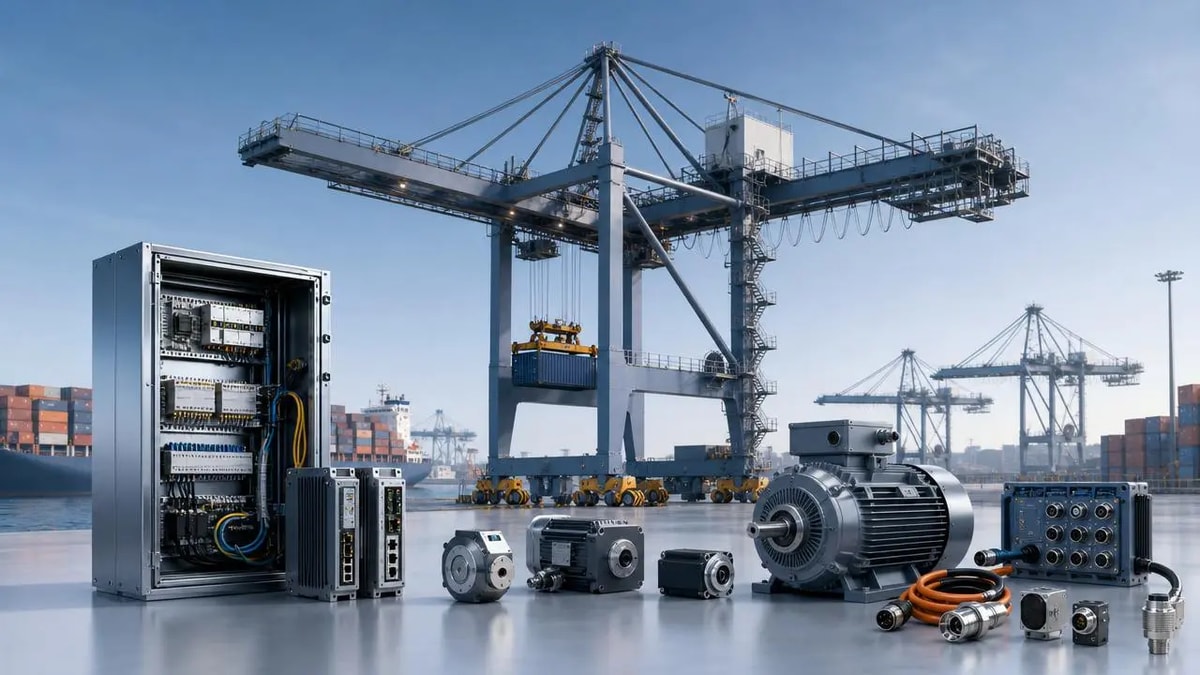
Port equipment automation maintenance starts with early detection. Learn how to catch sensor, drive, PLC, and network issues before they cause costly downtime and delays.
Marine Logistics Technology Suppliers: What Sets Them Apart
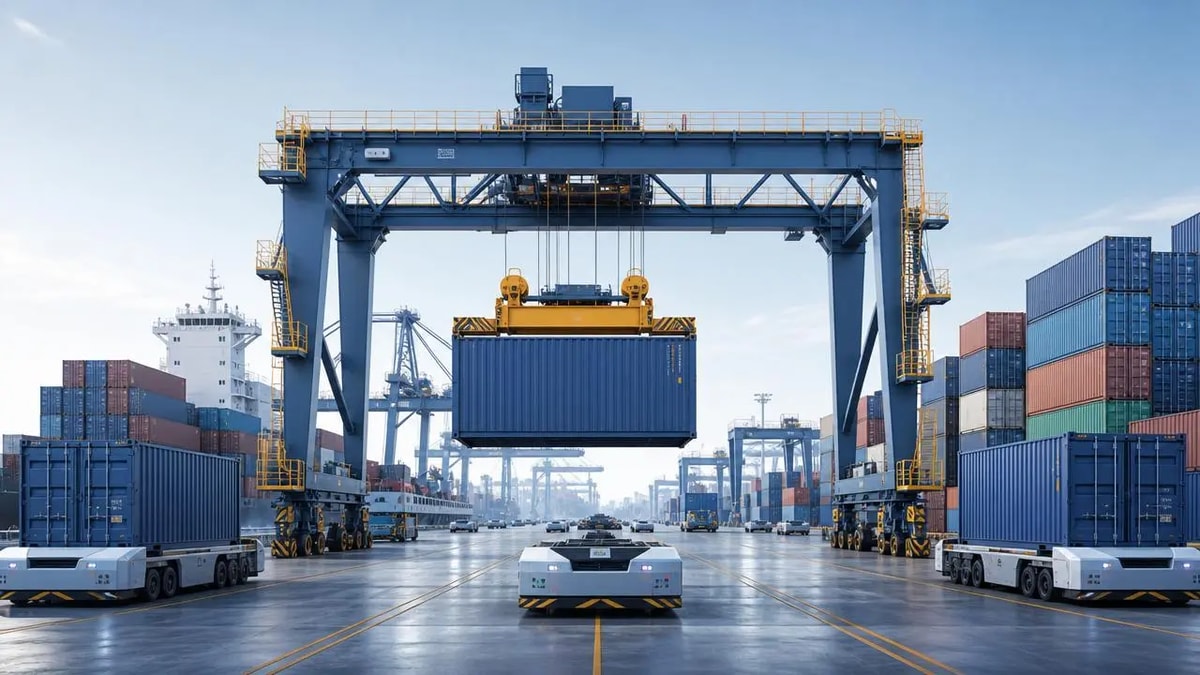
Marine logistics technology suppliers stand apart through automation, integration, and lifecycle support. Discover what helps ports and channel partners choose future-ready solutions.
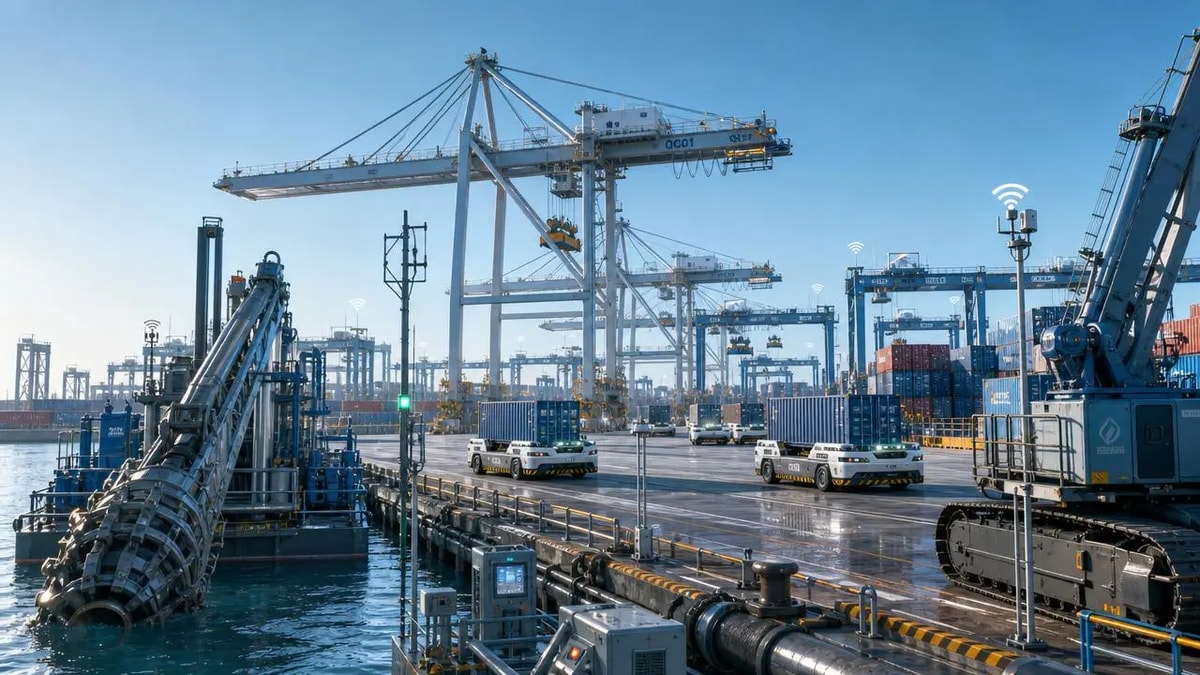
Port Technology Trends Worth Watching Before Your Next Upgrade
Port technology trends shape smarter upgrade decisions. Explore automation, remote crane control, predictive maintenance, and phased investment strategies to reduce risk and improve ROI.
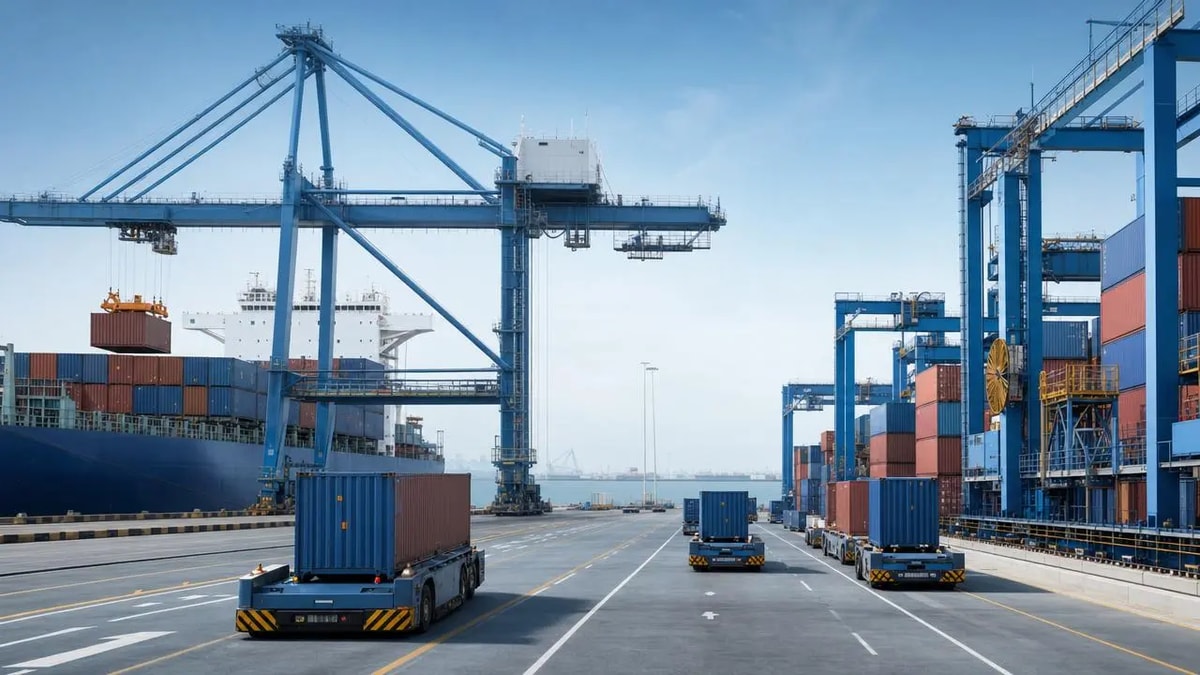
Automated Port Systems: Common Integration Problems to Expect
Automated port systems face real integration hurdles—from legacy equipment and data mismatches to network latency and safety conflicts. Learn what to check before approval.
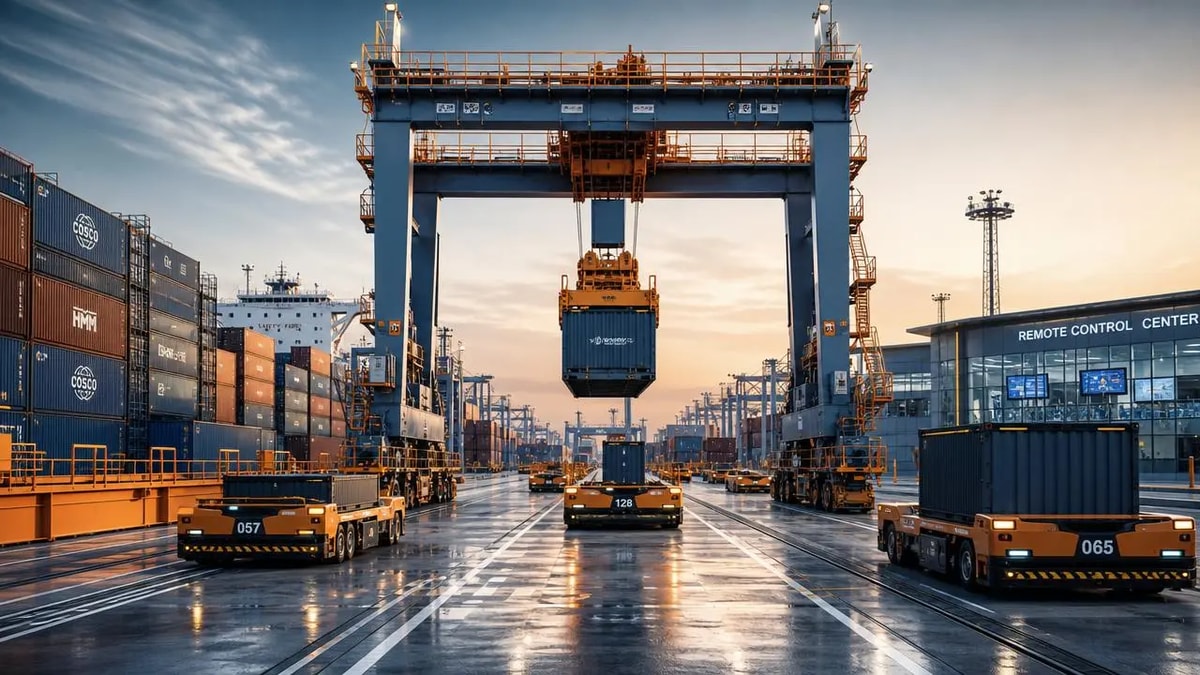
Port Automation Solutions That Reduce Manual Handoffs
Port automation solutions reduce manual handoffs, improve crane, AGV, yard, and control room coordination, and help terminals boost safety, speed, and operational efficiency.
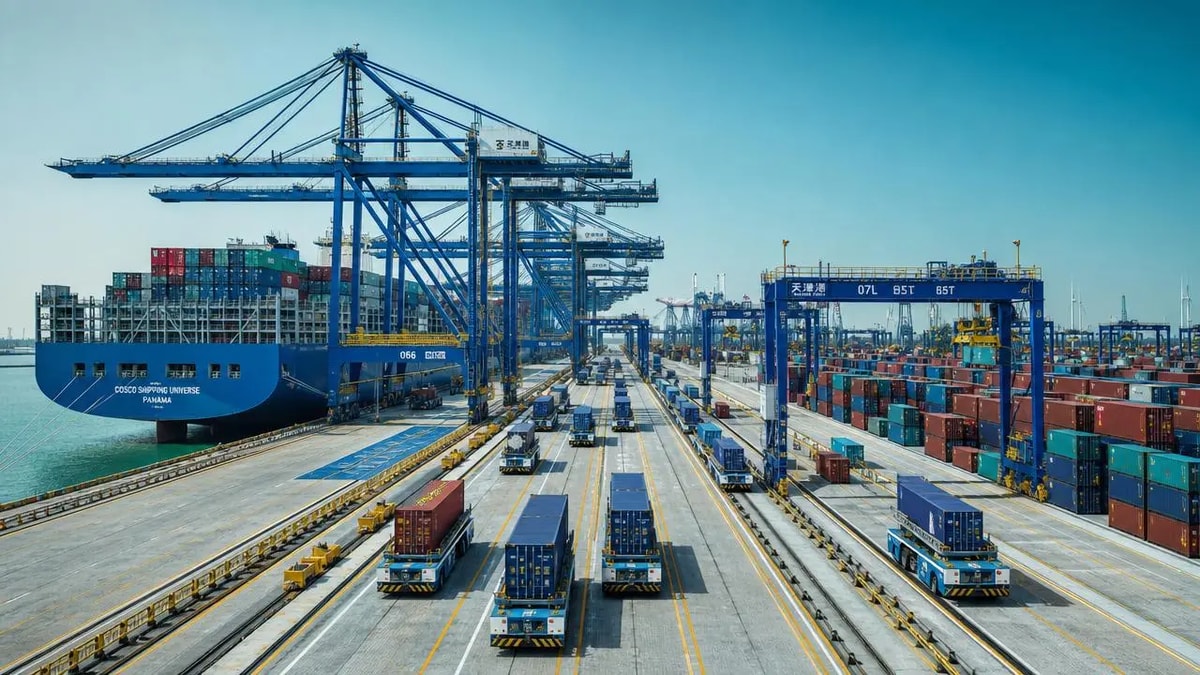
Smart Terminal Technology Trends Changing Port Operations
Smart terminal technology is reshaping port operations with AI, automation, predictive maintenance, and electrification. Discover which trends deliver the best ROI for different terminal scenarios.
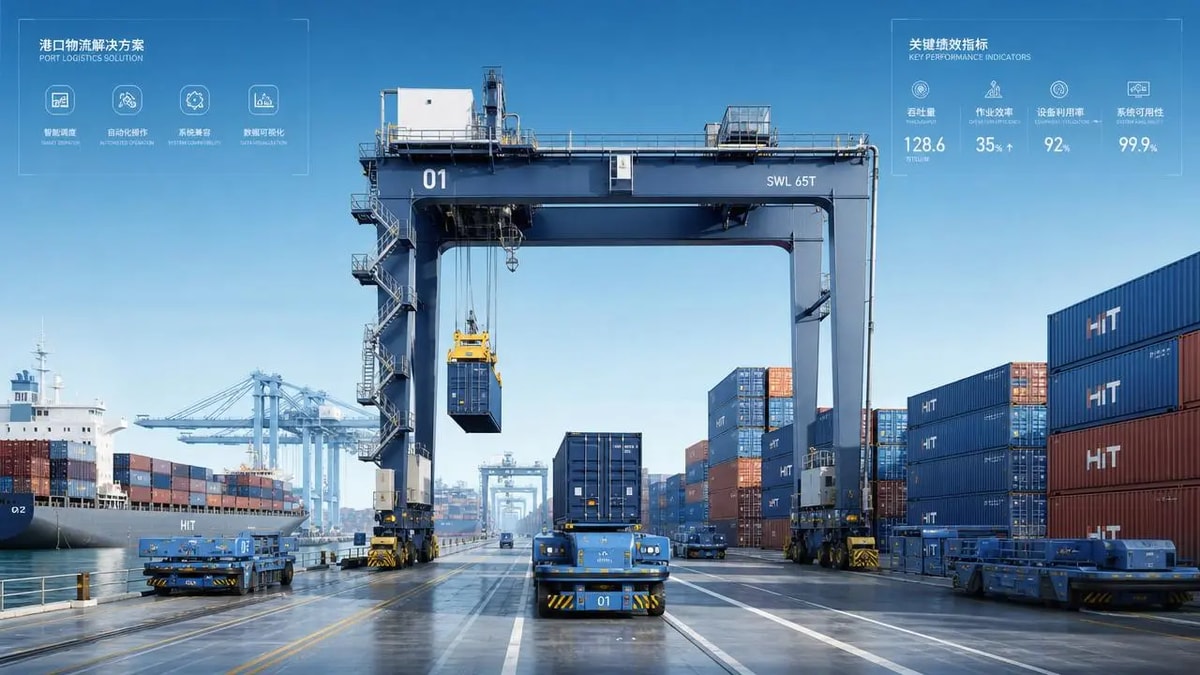
What to Compare Before Choosing Port Logistics Solutions
Port logistics solutions comparison guide: learn what to assess on throughput, compatibility, scalability, lifecycle cost, and automation readiness before choosing the right system.
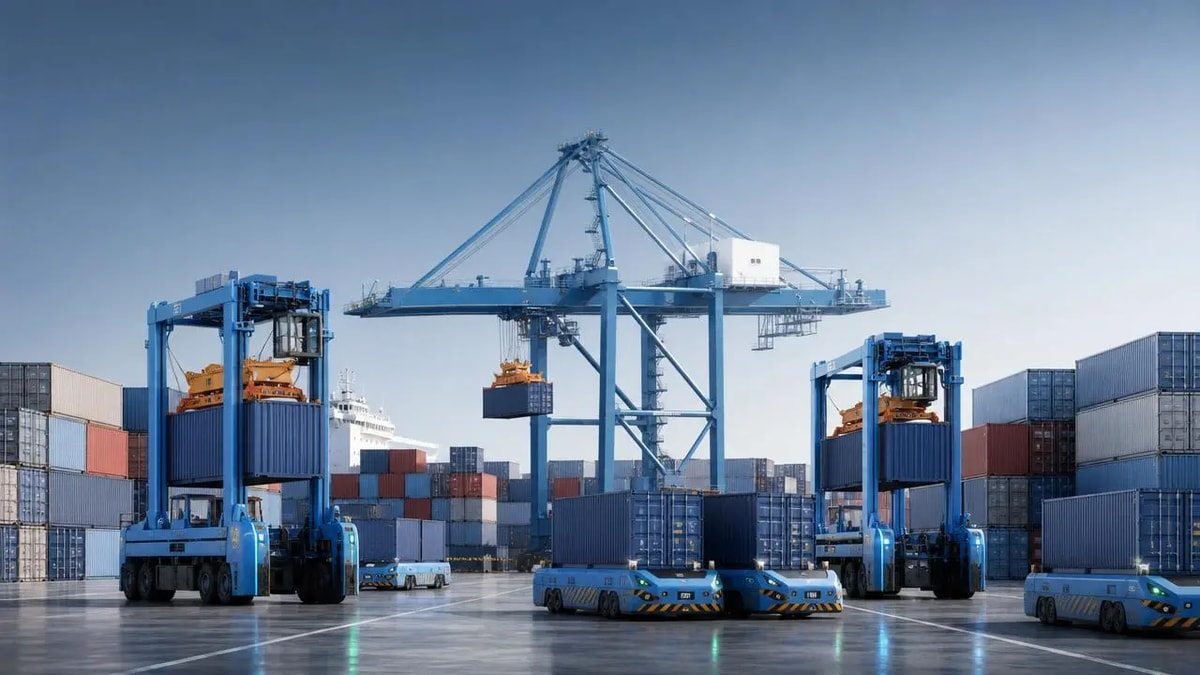
Port Terminal Equipment Costs Are Shifting in 2026
Port terminal equipment costs are shifting in 2026. Learn how automation, electrification, financing, and compliance reshape TCO, ROI, and smarter terminal investment decisions.
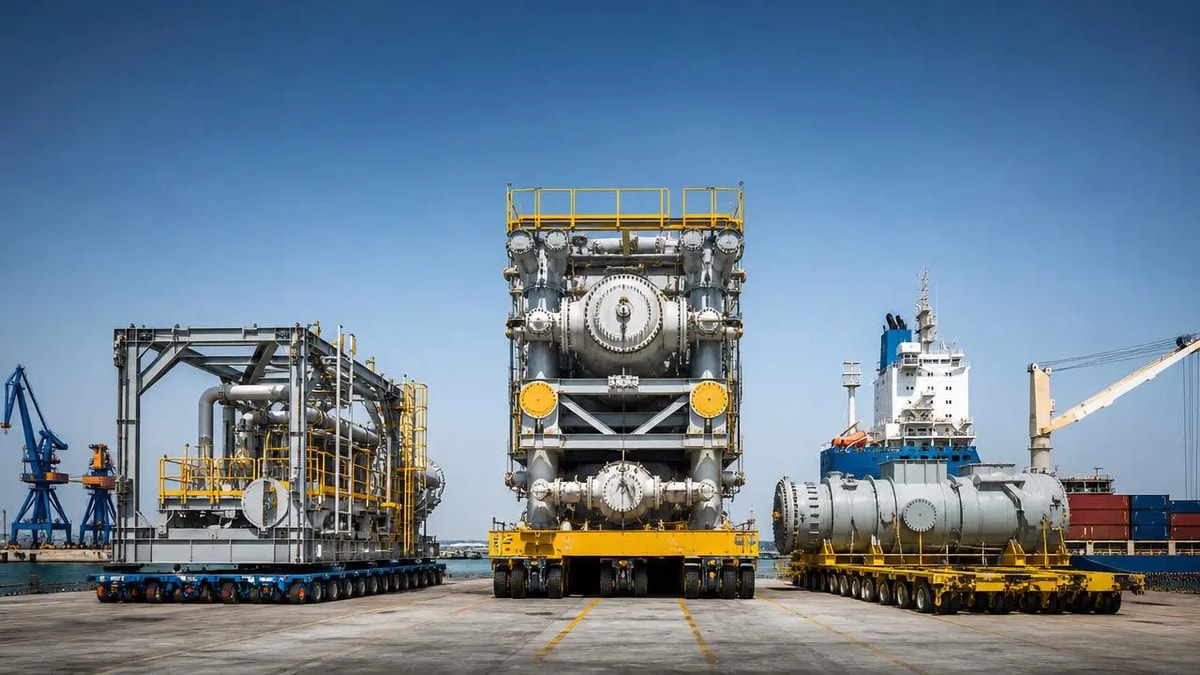
Heavy Machinery Logistics: Where Delays Usually Start
Heavy machinery logistics delays often start long before cargo moves. Learn the hidden trigger points, cut project risk, and protect budget, timing, and port-side execution.