Marine Logistics Technology Suppliers: What Sets Them Apart
In today’s fast-evolving port ecosystem, marine logistics technology suppliers stand out not only through equipment quality, but through their ability to combine automation, data intelligence, and operational reliability. For distributors, agents, and channel partners, understanding what truly differentiates these suppliers is essential to capturing long-term value in a market shaped by smart terminals, efficient cargo handling, and the future of global maritime trade.
Why the market is changing faster than many channel partners expect
The market for marine logistics technology is no longer defined by standalone machines or basic handling capacity. Ports, terminal operators, and coastal infrastructure planners are shifting toward integrated systems that reduce delays, improve asset visibility, and support safer, lower-emission operations. This means marine logistics technology suppliers are now judged by a broader set of capabilities: software compatibility, automation logic, predictive maintenance support, remote diagnostics, spare-parts responsiveness, and long-term upgrade pathways.
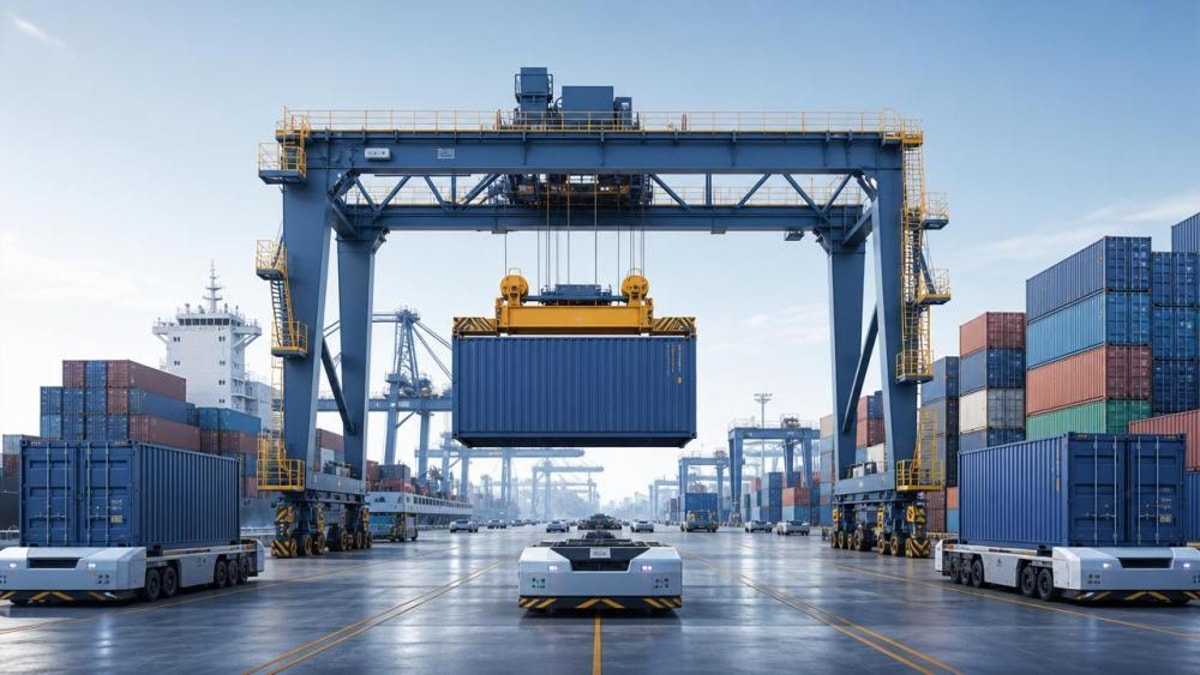
For distributors and regional agents, this shift is significant. Buyers increasingly ask not just, “How strong is the equipment?” but also, “How well does it connect with terminal systems, yard scheduling, energy management, and digital control platforms?” In practical terms, suppliers that once competed on mechanical durability alone must now prove they can support intelligent operations across quay cranes, bulk handling systems, AGVs, container transfer equipment, dredging fleets, and command platforms.
This is where industry observers such as PS-Nexus provide value. In maritime logistics, the difference between a conventional supplier and a future-ready one often lies in how well heavy machinery, control architecture, and commercial insight are stitched together. That integration has become one of the clearest signals of supplier quality in the current cycle.
The strongest trend signal: integration is replacing isolated product competition
A major change in recent years is the move from product-led sourcing to solution-led sourcing. Ports no longer see terminal gear, automation software, communication systems, and dredging support tools as separate purchases. They are increasingly evaluated as part of one operating environment. As a result, marine logistics technology suppliers that can offer interoperable systems are gaining attention over those that only deliver individual hardware units.
This shift is being accelerated by congestion risks, labor cost pressure, vessel size growth, sustainability targets, and the need for better throughput forecasting. Large terminals want synchronization between crane control logic, yard dispatching, vessel planning, and maintenance alerts. Smaller ports may adopt automation more gradually, but they still prefer equipment that can scale into future digital upgrades instead of becoming isolated legacy assets.
For anyone evaluating marine logistics technology suppliers, the key judgment is no longer whether a supplier sells advanced equipment. The more useful question is whether the supplier helps the customer operate a more coordinated terminal and supports future operational complexity.
What now sets leading marine logistics technology suppliers apart
Several qualities now separate leading marine logistics technology suppliers from the broader market. These are not temporary selling points; they reflect structural changes in how ports invest and how logistics infrastructure is evaluated.
1. They connect mechanical power with operational intelligence
Heavy terminal gear still matters, but equipment strength alone is no longer enough. Suppliers that stand out can pair lifting power, bulk handling efficiency, or dredging capability with software visibility, sensor networks, and control-layer communication. In today’s marine logistics technology market, this combination is a major source of competitive separation.
2. They design for uptime, not just delivery
Ports operate in unforgiving conditions. Salt exposure, continuous duty cycles, vessel schedule pressure, and safety compliance all make uptime central to procurement decisions. Strong suppliers demonstrate parts availability, digital diagnostics, maintenance planning, and field support processes. For distributors, this matters because recurring business often depends less on the first shipment and more on service confidence over the following years.
3. They support phased automation rather than forcing a single leap
Not every terminal can jump directly into full automation. The most adaptable marine logistics technology suppliers understand phased modernization. They can support semi-automated yards, hybrid equipment fleets, remote crane operation pilots, or digital dredging monitoring before a customer moves into deeper automation. This staged approach is attractive in emerging markets and retrofit environments where budget control and implementation risk are major concerns.
4. They make data commercially useful
Data is often discussed broadly, but what buyers want is usable insight. Suppliers stand out when they turn equipment telemetry into maintenance alerts, energy optimization, dispatch decisions, cycle-time analysis, and capacity planning. That is especially relevant in sectors tracked by PS-Nexus, where quay performance, yard flow, and dredging efficiency increasingly depend on decision-quality data rather than manual observation alone.
5. They align with regional trade and policy realities
A supplier may have strong technology, but if it lacks documentation readiness, regulatory awareness, local service support, or adaptation to regional operating conditions, channel growth will be limited. The best marine logistics technology suppliers understand emissions pressure, safety standards, port digitalization agendas, and local investment timing. For agents and distributors, that translates into smoother project execution and stronger market credibility.
Why these changes are happening now
Several drivers are pushing the marine logistics technology market toward more advanced supplier selection criteria. First, global trade volatility has made schedule reliability more valuable. Delays at one terminal can cascade across shipping networks, so operators are looking for technologies that improve predictability. Second, labor availability and safety requirements are accelerating remote operation and automated workflow adoption. Third, energy efficiency has moved from a branding topic to an investment filter, especially in projects tied to long-term infrastructure planning.
Another important factor is asset longevity. Ports do not purchase major equipment for short cycles. They need marine logistics technology suppliers that can support upgrades over many years, especially when control systems, communication protocols, and digital interfaces evolve faster than the mechanical platform itself. This favors suppliers with stronger engineering depth and clearer product roadmaps.
Where the impact is most visible across the value chain
The effects of these trends are not limited to terminal owners. They influence nearly every commercial layer in the port and coastal logistics ecosystem, from procurement teams to channel intermediaries.
For channel businesses, the most immediate impact is commercial. Product catalogs alone are less persuasive than before. Buyers want proof that the supplier can support operational continuity, digital integration, and future transition stages. That changes how distributors position value, qualify leads, and build long-term partnerships.
What distributors should now evaluate before choosing supplier partners
As marine logistics technology becomes more system-centered, distributors should update their evaluation framework. A lower purchase price or broad model range may still matter, but they are no longer sufficient indicators of long-term channel strength.
First, assess whether the supplier has a believable integration story. Can its equipment communicate with terminal operating systems, automation modules, and maintenance platforms? Second, examine service structure. Does the supplier offer remote troubleshooting, spare parts planning, and technical documentation suited to regional partners? Third, consider roadmap discipline. Is the supplier investing in electrification, digital controls, and upgrade compatibility, or only defending existing hardware lines?
It is also wise to test the commercial behavior of marine logistics technology suppliers. Strong suppliers usually equip partners with more than brochures. They provide solution narratives, application cases, engineering consultation support, and realistic guidance for project-based selling. In a market where buying decisions are increasingly strategic, channel enablement has become a meaningful differentiator.
Signals worth tracking over the next planning cycle
The next wave of differentiation in marine logistics technology suppliers is likely to emerge from a few practical signals. Watch for suppliers improving remote-control reliability for cranes and handling fleets, expanding low-latency communication compatibility, and strengthening digital monitoring for dredging and bulk transfer assets. Also pay attention to how suppliers address energy management, since emissions accountability is increasingly tied to both financing expectations and operator reputation.
Another strong signal is modularity. Suppliers that allow ports to modernize in steps—rather than requiring a disruptive all-at-once replacement—are often better positioned in uncertain investment climates. This is especially relevant in mixed-fleet terminals, secondary ports, and regions where infrastructure funding is phased across multiple years.
A practical judgment framework for the market ahead
If your business is selecting, representing, or comparing marine logistics technology suppliers, focus on a simple sequence of judgment. Start with operational fit: can the supplier solve current port pain points? Move next to integration depth: can it connect machinery, software, and control logic? Then test lifecycle confidence: can it support uptime, upgrades, and field execution over time? Finally, confirm channel readiness: can your team realistically sell, support, and scale the offering in your region?
This framework helps avoid a common mistake in marine logistics technology partnerships: choosing an impressive product that lacks implementation support or future compatibility. In today’s environment, the suppliers that truly stand apart are rarely the ones offering only technical features. They are the ones helping ports and partners manage change with less friction and more visibility.
Conclusion: the real difference is strategic readiness
The competitive gap among marine logistics technology suppliers is widening because buyer expectations are becoming more sophisticated. Equipment performance still matters, but it now sits inside a much broader decision context that includes automation readiness, digital interoperability, lifecycle service, decarbonization direction, and regional execution strength. For distributors, agents, and channel partners, the opportunity lies in recognizing these shifts early and aligning with suppliers that are prepared for the next operating model of global ports.
If your business wants to judge how these trends affect your portfolio, focus on a few questions: Are your current suppliers built for integrated terminal environments? Can they support customers through phased modernization? Do they help convert technical complexity into commercial confidence? And can they keep pace with the intelligence-driven future of maritime logistics? The answers will reveal which partnerships are merely transactional and which are positioned for durable growth.
Related News
Port Equipment Automation Maintenance Issues You Can Prevent Early
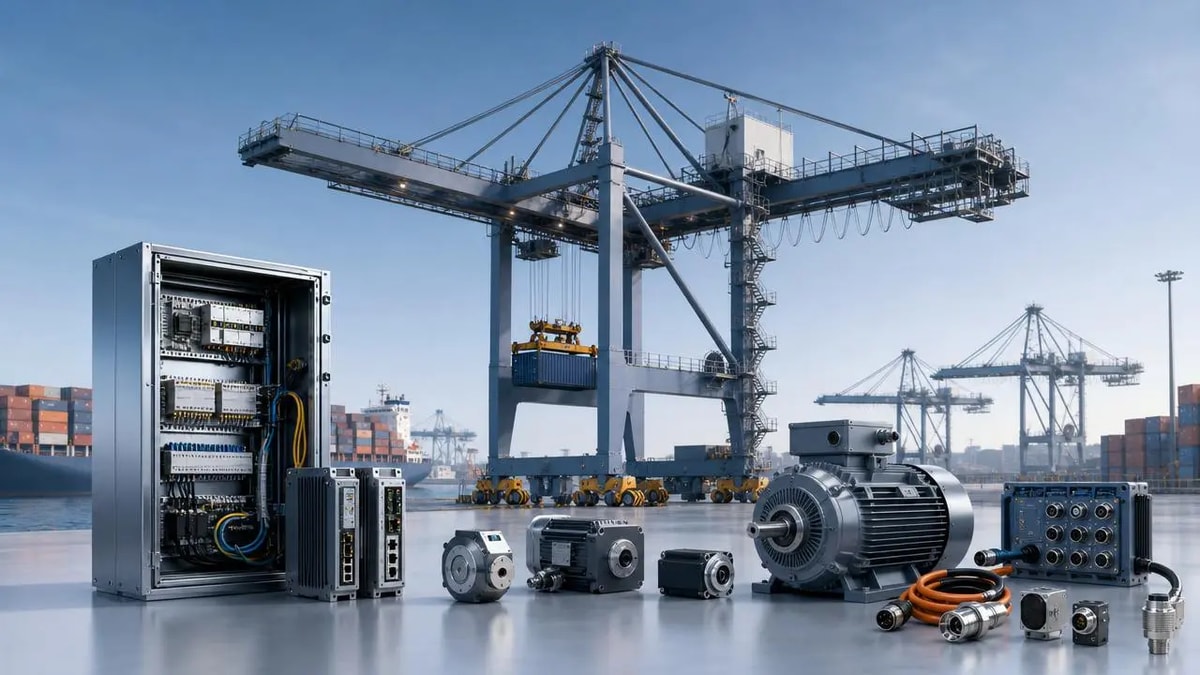
Port equipment automation maintenance starts with early detection. Learn how to catch sensor, drive, PLC, and network issues before they cause costly downtime and delays.
Port Technology Trends Worth Watching Before Your Next Upgrade
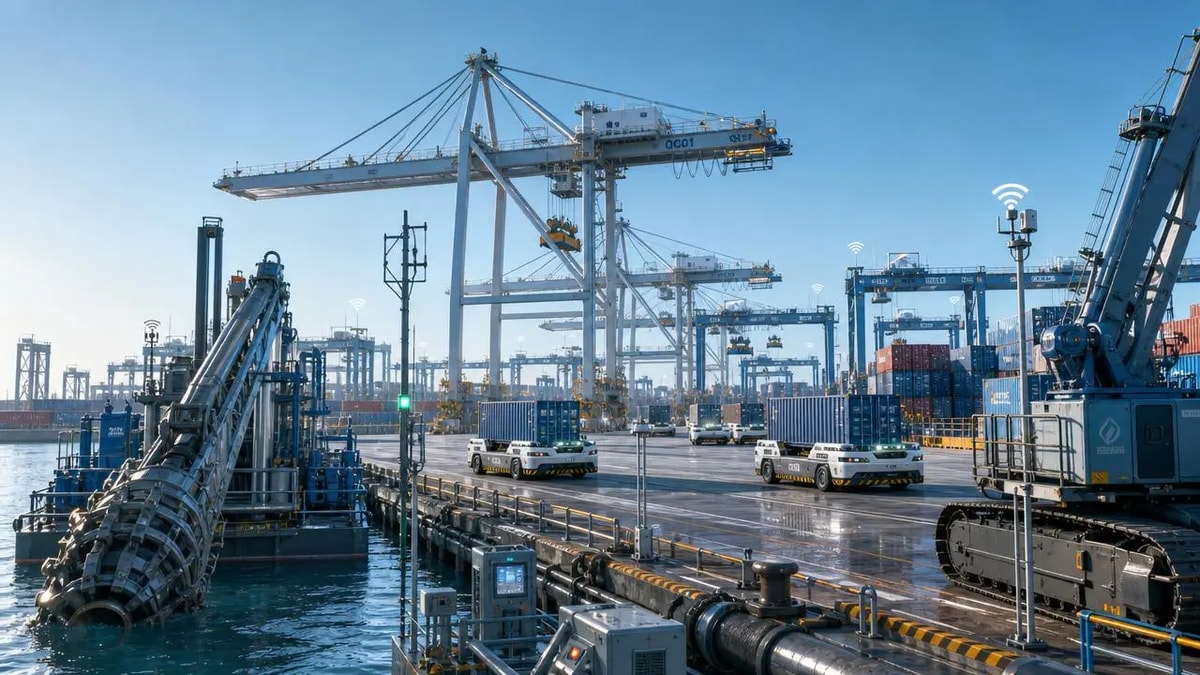
Port technology trends shape smarter upgrade decisions. Explore automation, remote crane control, predictive maintenance, and phased investment strategies to reduce risk and improve ROI.
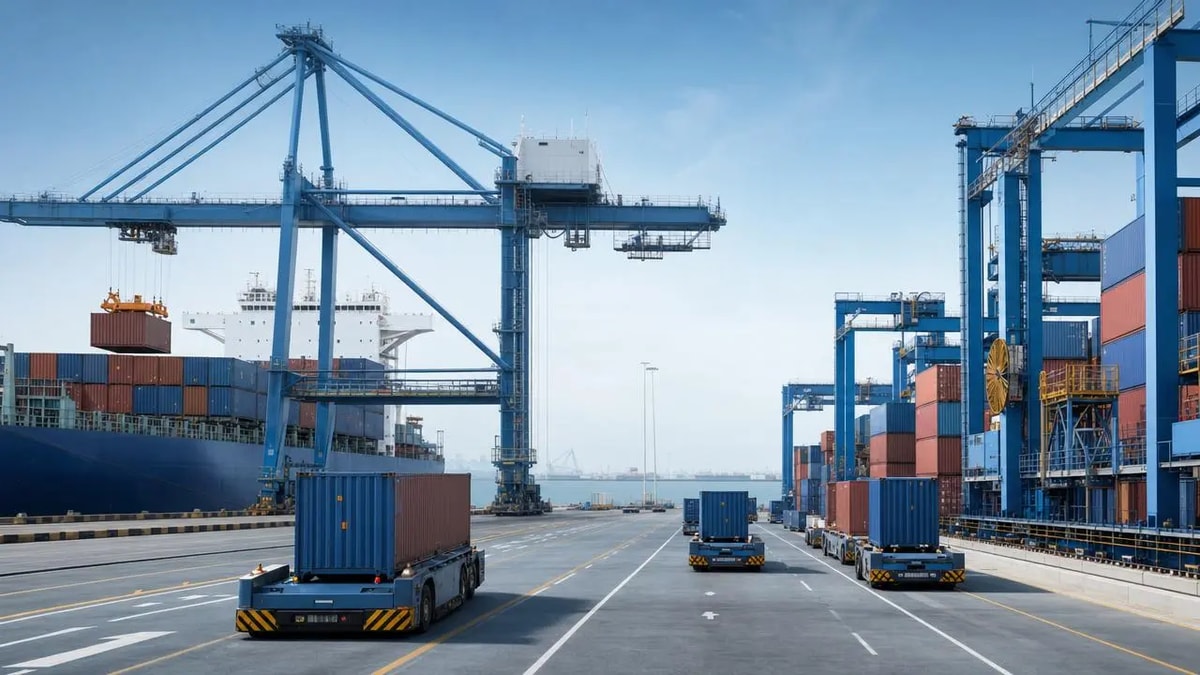
Automated Port Systems: Common Integration Problems to Expect
Automated port systems face real integration hurdles—from legacy equipment and data mismatches to network latency and safety conflicts. Learn what to check before approval.
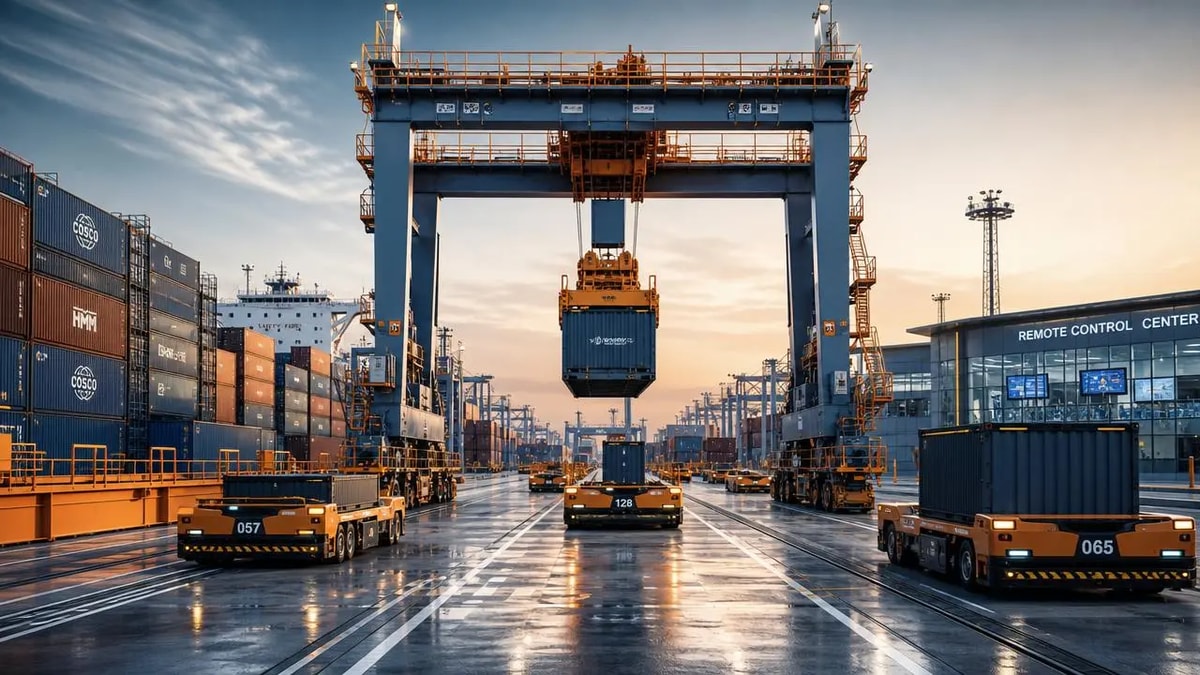
Port Automation Solutions That Reduce Manual Handoffs
Port automation solutions reduce manual handoffs, improve crane, AGV, yard, and control room coordination, and help terminals boost safety, speed, and operational efficiency.
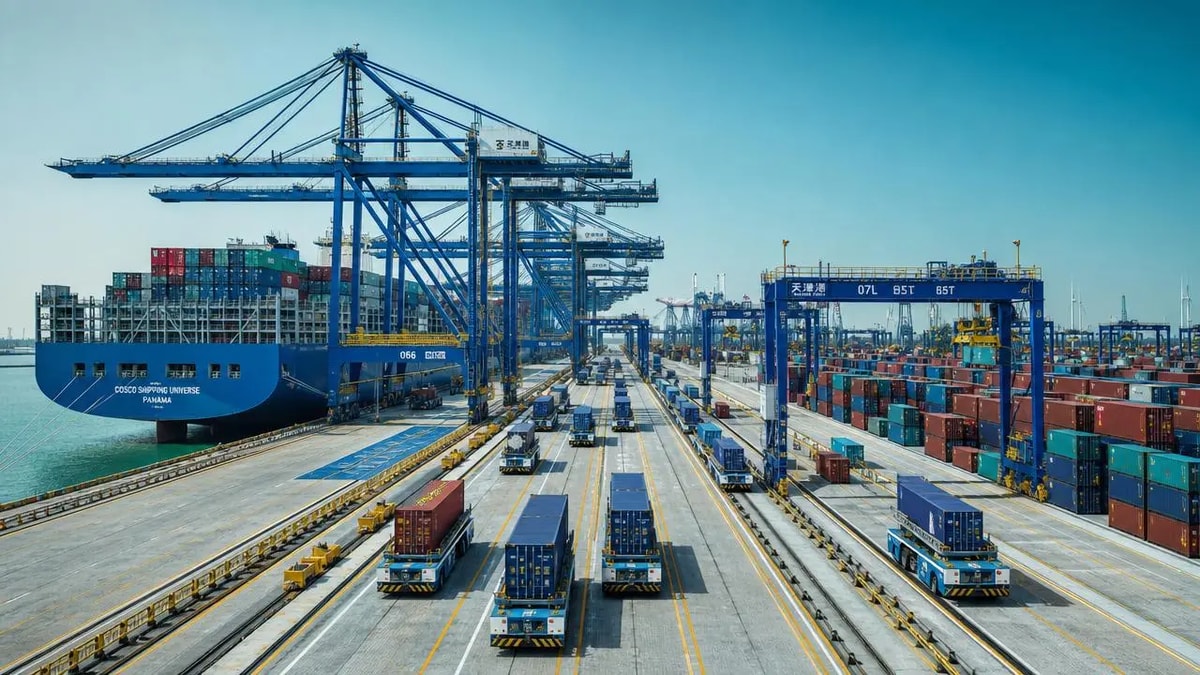
Smart Terminal Technology Trends Changing Port Operations
Smart terminal technology is reshaping port operations with AI, automation, predictive maintenance, and electrification. Discover which trends deliver the best ROI for different terminal scenarios.
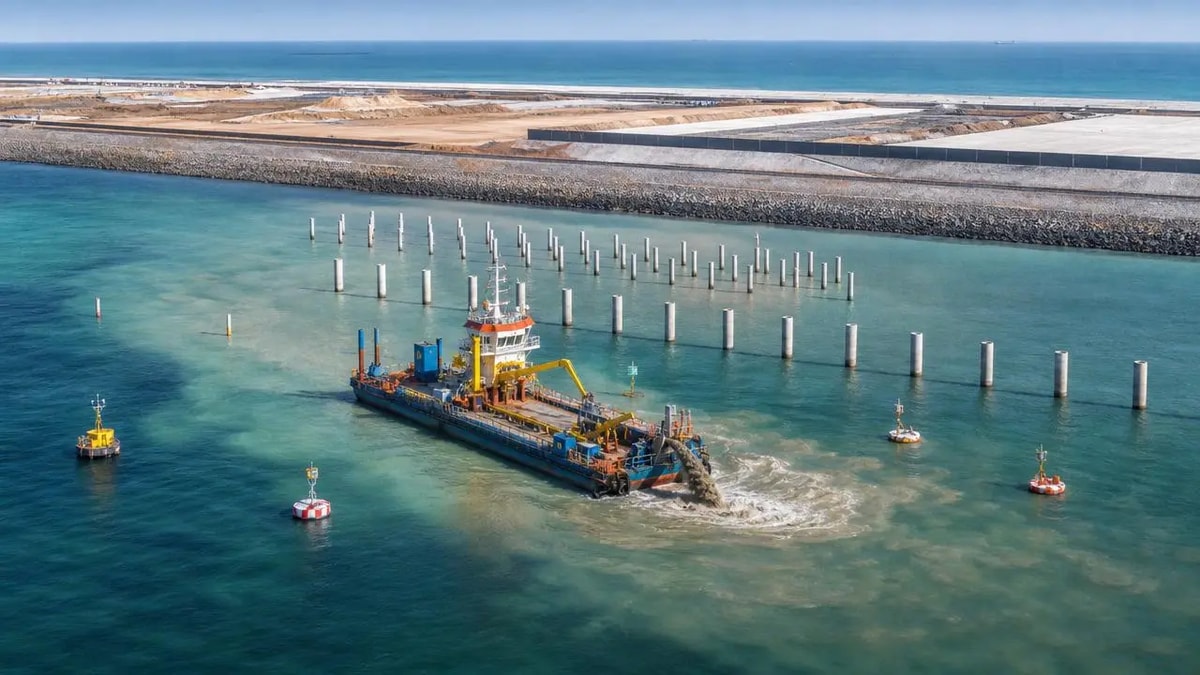
Marine Geotechnic Risks That Can Delay Coastal Projects
Marine geotechnic risks can quietly derail coastal projects with delays, rework, and compliance issues. Learn the warning signs and practical controls to protect schedule, safety, and budget.
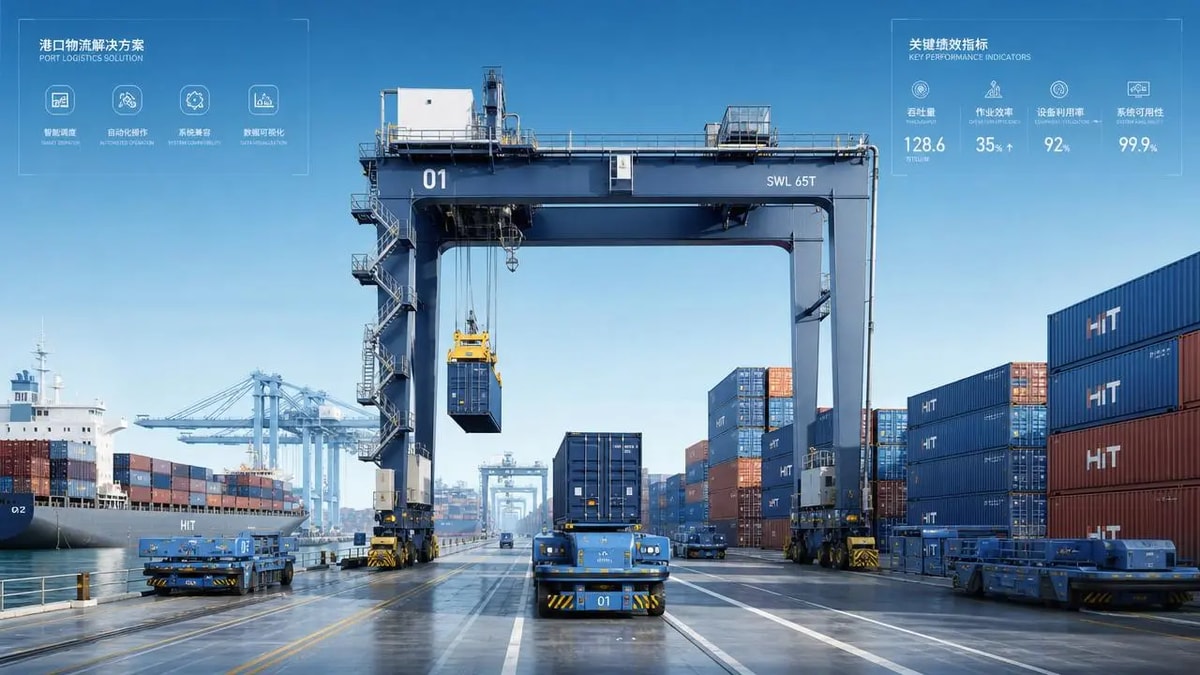
What to Compare Before Choosing Port Logistics Solutions
Port logistics solutions comparison guide: learn what to assess on throughput, compatibility, scalability, lifecycle cost, and automation readiness before choosing the right system.
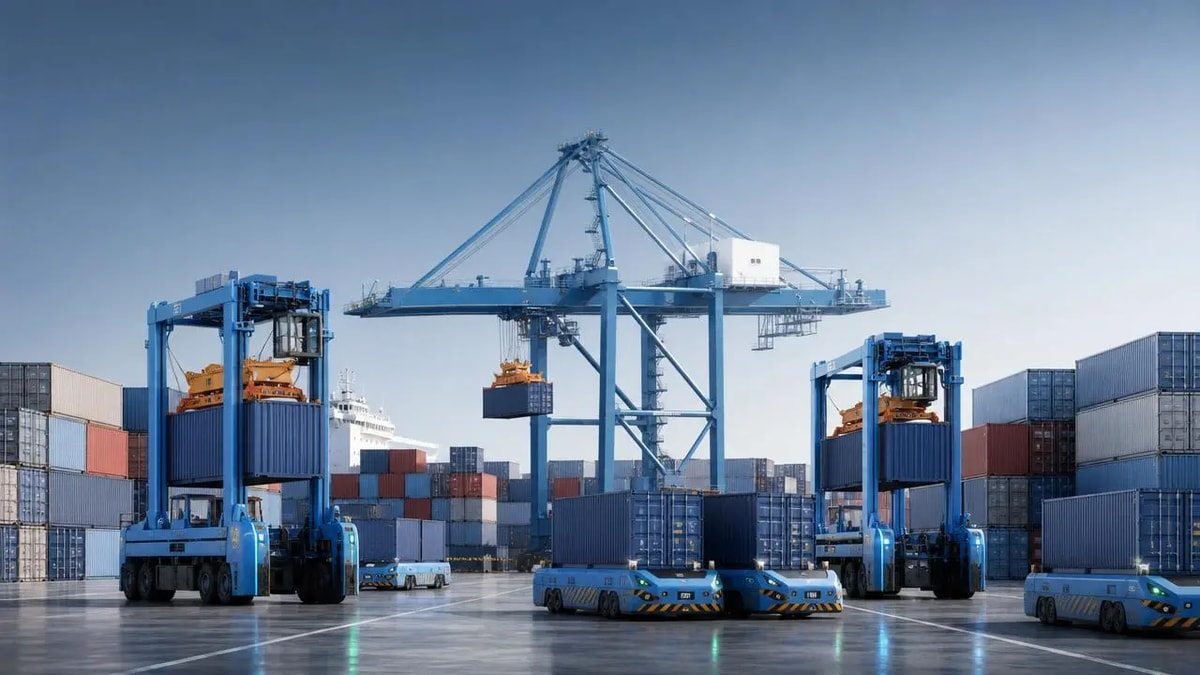
Port Terminal Equipment Costs Are Shifting in 2026
Port terminal equipment costs are shifting in 2026. Learn how automation, electrification, financing, and compliance reshape TCO, ROI, and smarter terminal investment decisions.
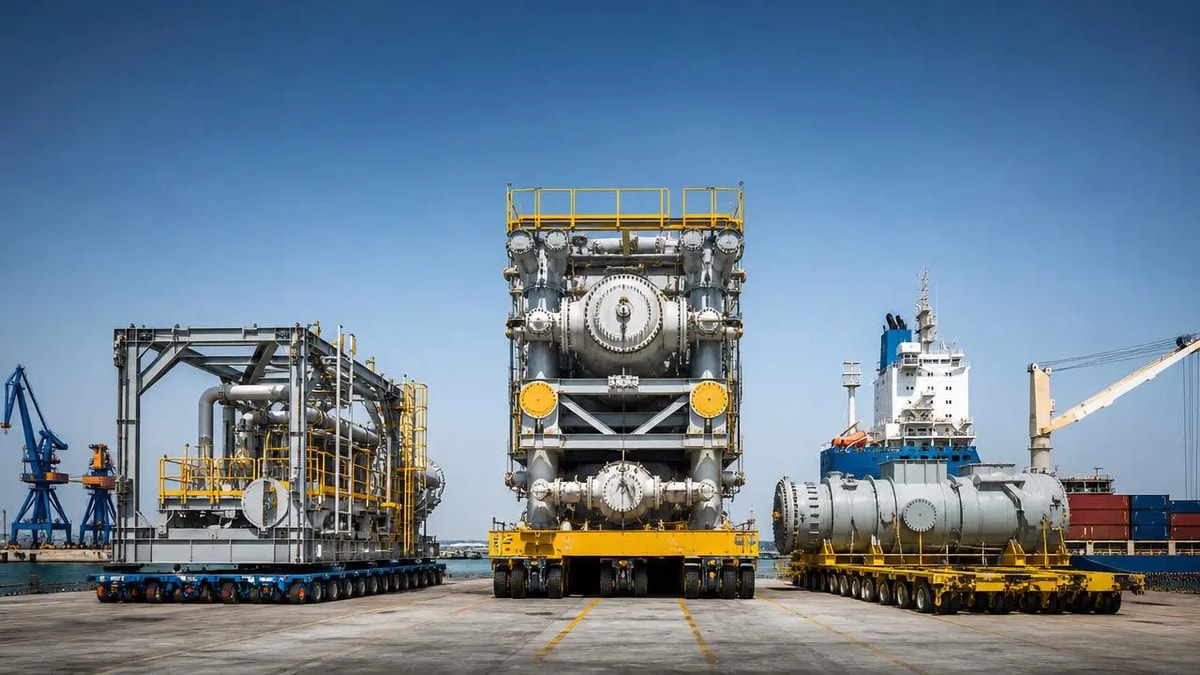
Heavy Machinery Logistics: Where Delays Usually Start
Heavy machinery logistics delays often start long before cargo moves. Learn the hidden trigger points, cut project risk, and protect budget, timing, and port-side execution.