AGV Suppliers to Watch as Port Automation Expands
As port automation accelerates, procurement teams are under growing pressure to identify AGVs suppliers that can deliver reliability, integration, and long-term value. From terminal efficiency to algorithm-driven yard coordination, AGVs are becoming central to smarter container handling. This article highlights the suppliers worth watching and the factors buyers should assess as automated port operations expand worldwide.
Port automation is moving from pilot projects to operational scale
One of the clearest changes in maritime logistics is that automated terminals are no longer viewed as isolated showcase investments. They are increasingly treated as practical infrastructure decisions tied to labor availability, energy efficiency, berth productivity, and network resilience. In that shift, AGVs have become more important than before because they sit between quay cranes, yard blocks, terminal operating systems, and charging strategies. For procurement teams, this means supplier selection is no longer about vehicle hardware alone. It is about whether an AGV partner can support a full automation roadmap.
The strongest market signal is not simply the number of new unmanned or semi-automated terminals. It is the changing expectation around interoperability. Port operators now want AGVs that can work with mixed fleets, interface with remote-control systems, adapt to different yard layouts, and remain serviceable over long asset cycles. As terminals seek to improve turnaround time without overbuilding labor-intensive processes, AGVs are moving from optional innovation to strategic transport infrastructure inside the port.
This matters especially for buyers serving heavy terminal gear, automated container handling, and broader marine logistics ecosystems. A supplier that performs well in a single demonstration lane may still fail under real operational density, maintenance pressure, or software coordination demands. Watching the right AGVs suppliers therefore requires a trend lens, not just a product catalog comparison.
Why AGVs demand is changing now
Several forces are pushing AGVs procurement into a more strategic phase. First, terminal operators are under pressure to raise throughput without proportionally expanding land use. Better container flow, reduced idle travel, and tighter yard planning all favor automation-ready vehicle systems. Second, decarbonization goals are shifting attention toward electric fleets, battery management, and optimized routing, making AGVs more attractive than traditional diesel-heavy internal transport models.
Third, digital maturity has improved. More terminals now have stronger terminal operating systems, edge communication capabilities, and data environments that can support coordinated fleet movement. That changes what buyers expect from AGVs suppliers. Instead of asking whether automation is technically possible, they are asking which suppliers can reduce implementation risk, maintain uptime, and support phased expansion.
Another signal is the growing importance of resilience. Disruption in global trade routes, labor constraints, and cost volatility have made ports more focused on predictability. AGVs help by supporting repeatable movement patterns and more measurable performance. But that benefit depends heavily on software orchestration, charging logic, traffic control, and maintenance response. Procurement decisions are therefore becoming broader and more evidence-based.
What buyers should notice in the current supplier landscape
The AGVs supplier landscape is not defined by one type of company. Some vendors come from terminal automation backgrounds, some from heavy equipment manufacturing, and others from industrial vehicle engineering or electrification systems. For buyers, the key trend is convergence. Leading suppliers are no longer judged only by chassis durability or navigation capability. They are judged by their ability to connect motion control, safety systems, fleet intelligence, service networks, and port-specific customization.
In practice, the suppliers worth watching often show strength in at least four areas: proven deployment in demanding terminals, integration experience with major control ecosystems, clear energy and charging strategy, and lifecycle service capability. A lower initial quote can quickly lose its appeal if spare parts lead times, software updates, or local support are weak.
AGVs suppliers to watch as the market matures
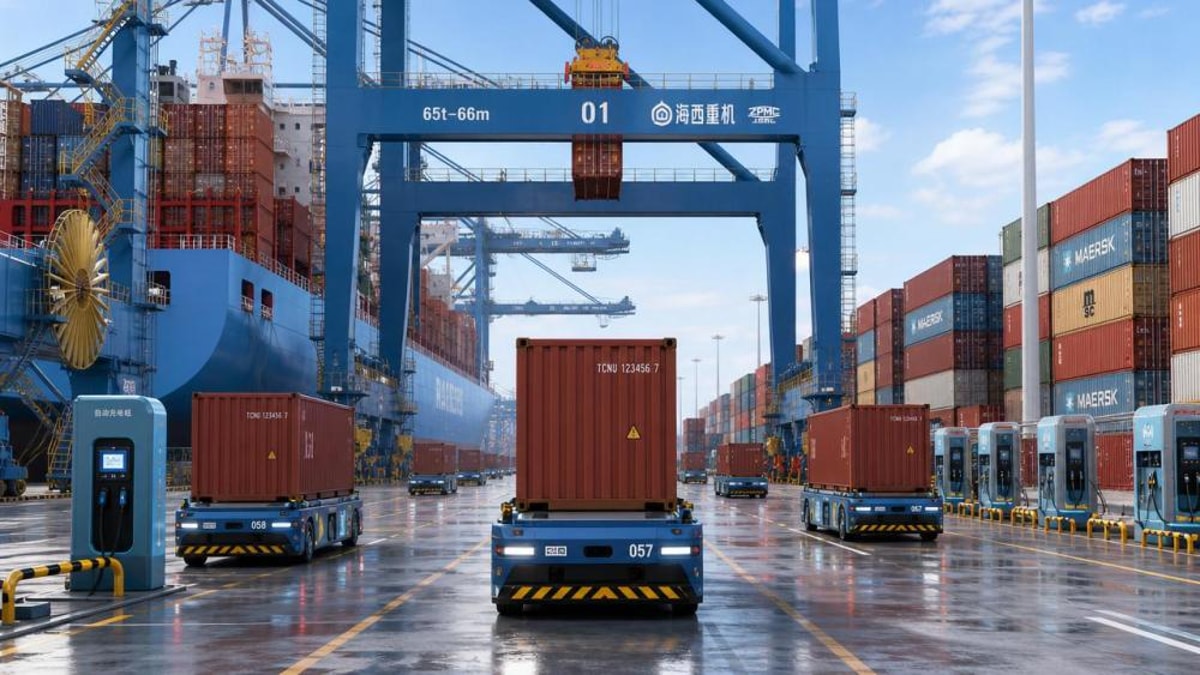
Rather than treating the market as a list of interchangeable brands, procurement teams should watch supplier groups based on their strategic fit. Established terminal automation specialists deserve attention because they often understand yard logic, dispatch coordination, and system-level implementation risk better than vehicle-only entrants. Heavy equipment manufacturers with deep port exposure are also important to monitor, especially where ruggedization, service reach, and customer training matter.
Suppliers with strong electrification and battery management capability may gain an advantage as ports push net-zero goals and seek lower operating emissions. Meanwhile, software-forward AGVs suppliers can stand out when buyers need intelligent routing, dynamic job allocation, and better interaction with terminal operating systems. In many cases, the most competitive vendors are those that combine mechanical reliability with operational intelligence rather than excelling in only one dimension.
Buyers should also watch for partnerships. A supplier that cooperates effectively with crane automation firms, energy infrastructure providers, and port software vendors may be better positioned than a company trying to supply everything alone. In expanding port automation markets, ecosystem fit is often a stronger signal than marketing claims.
Supplier characteristics that deserve close attention
First, look for deployment quality, not just deployment count. A handful of successful AGVs installations in high-throughput, weather-exposed, schedule-sensitive terminals can be more meaningful than a longer but less demanding reference list. Second, evaluate how the supplier handles exceptions. Port operations rarely fail on routine moves; problems appear during congestion, equipment conflicts, or unexpected downtime. Suppliers that can demonstrate robust exception handling often offer lower long-term risk.
Third, pay attention to software governance. Update frequency, cybersecurity discipline, remote diagnostics, and data visibility increasingly shape procurement value. Fourth, examine localization strategy. AGVs may be globally marketed, but spare parts, technician access, and commissioning experience often remain regional strengths or weaknesses.
How the trend affects procurement teams most directly
For procurement personnel, the major change is that AGVs sourcing now sits at the intersection of equipment buying, digital infrastructure planning, and operational transformation. Traditional bid comparison methods are no longer enough. A supplier with a competitive unit price may still be expensive after accounting for integration delays, traffic software limitations, charging inefficiency, or low maintainability.
The impact is especially visible in specification design. Buyers must now coordinate with operations, engineering, IT, safety, and sustainability teams much earlier in the process. Questions about lane logic, battery strategy, and data interfaces need answers before final vendor shortlists are set. Procurement teams that treat AGVs as isolated mobile equipment risk underestimating commissioning complexity and post-handover dependencies.
Signals that separate strong AGVs suppliers from weak ones
As more suppliers enter the port automation conversation, buyers need sharper filters. One useful signal is whether the vendor can discuss container flow logic in operational terms rather than only describing technical features. Strong AGVs suppliers understand handoff timing with quay cranes, yard sequencing, congestion mitigation, and recovery procedures after faults. They show they know the terminal, not just the vehicle.
Another signal is transparency around lifecycle support. If a vendor cannot clearly explain preventive maintenance routines, remote troubleshooting paths, software patch governance, and spare parts strategy, procurement risk increases. Buyers should also examine how suppliers report performance. Meaningful indicators include availability under load, charging turnaround, route efficiency, software incident response, and ramp-up speed after commissioning.
Finally, watch how suppliers talk about future adaptation. Ports evolve. Yard density changes, container mixes shift, and energy systems improve. AGVs suppliers with rigid architectures may become limiting partners. Suppliers with modular controls, upgrade pathways, and realistic retrofit strategies are better aligned with long-cycle port investment.
How to judge the next phase of AGVs adoption
Looking ahead, AGVs adoption is likely to deepen through phased, operationally cautious expansion rather than uniform global acceleration. Not every port will build a fully automated terminal, but many will adopt more automated transport functions within targeted zones. This creates a market where hybrid solutions, interoperability, and scalable deployment models become highly valuable.
For that reason, procurement teams should monitor three forward-looking questions. First, are AGVs suppliers improving software and fleet intelligence as quickly as hardware reliability? Second, can they support energy transitions without undermining uptime? Third, are they strengthening service ecosystems in the regions where buyers actually operate? These questions reveal whether a supplier is merely present in the market or genuinely positioned for the next automation cycle.
Practical judgment checklist for buyers
Before moving forward, buyers should confirm whether shortlisted AGVs suppliers can demonstrate live operational references, interface clarity, charging and battery strategy, exception handling performance, and measurable post-installation support commitments. They should also test whether the vendor’s roadmap aligns with the terminal’s own automation stages. A supplier may be technically advanced yet mismatched to the port’s implementation pace, labor model, or digital readiness.
PS-Nexus views this as a strategic intelligence issue as much as a sourcing issue. In modern maritime logistics, the value of AGVs depends on how effectively mechanical movement, scheduling logic, and terminal economics are stitched together. That is why trend observation matters: supplier choice today can shape port performance for years.
What to confirm before making an AGVs supplier decision
If your organization wants to judge how AGVs trends will affect its own business, start with a focused set of questions. What level of automation is realistic in the next three to five years? Which interfaces are mission-critical? How sensitive is the operation to downtime, charging delays, or software dependency? Which suppliers have references that resemble your traffic intensity, climate, and labor context? And what support structure will still matter after commissioning teams leave?
The ports that make better AGVs decisions are usually the ones that treat procurement as a long-horizon capability choice, not a short-term equipment purchase. As port automation expands, the suppliers worth watching are those that can help terminals absorb change, not just sell vehicles into it.
Related News
Port Equipment Automation Maintenance Issues You Can Prevent Early
Port equipment automation maintenance starts with early detection. Learn how to catch sensor, drive, PLC, and network issues before they cause costly downtime and delays.
Marine Logistics Technology Suppliers: What Sets Them Apart
Marine logistics technology suppliers stand apart through automation, integration, and lifecycle support. Discover what helps ports and channel partners choose future-ready solutions.
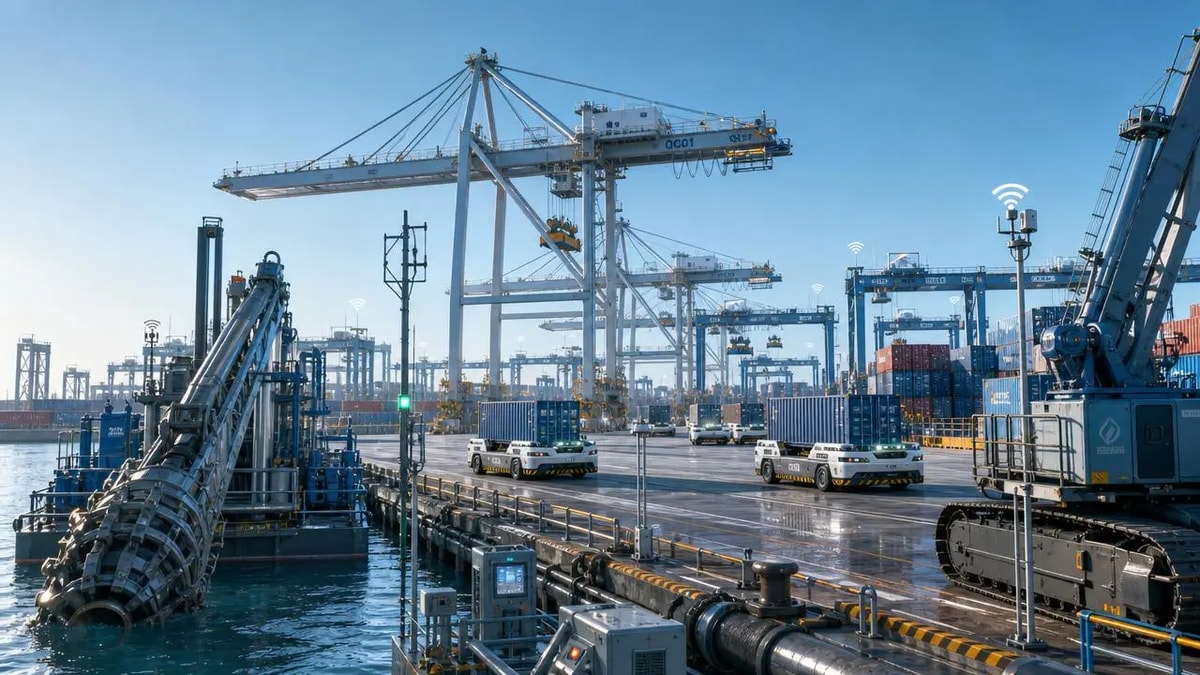
Port Technology Trends Worth Watching Before Your Next Upgrade
Port technology trends shape smarter upgrade decisions. Explore automation, remote crane control, predictive maintenance, and phased investment strategies to reduce risk and improve ROI.
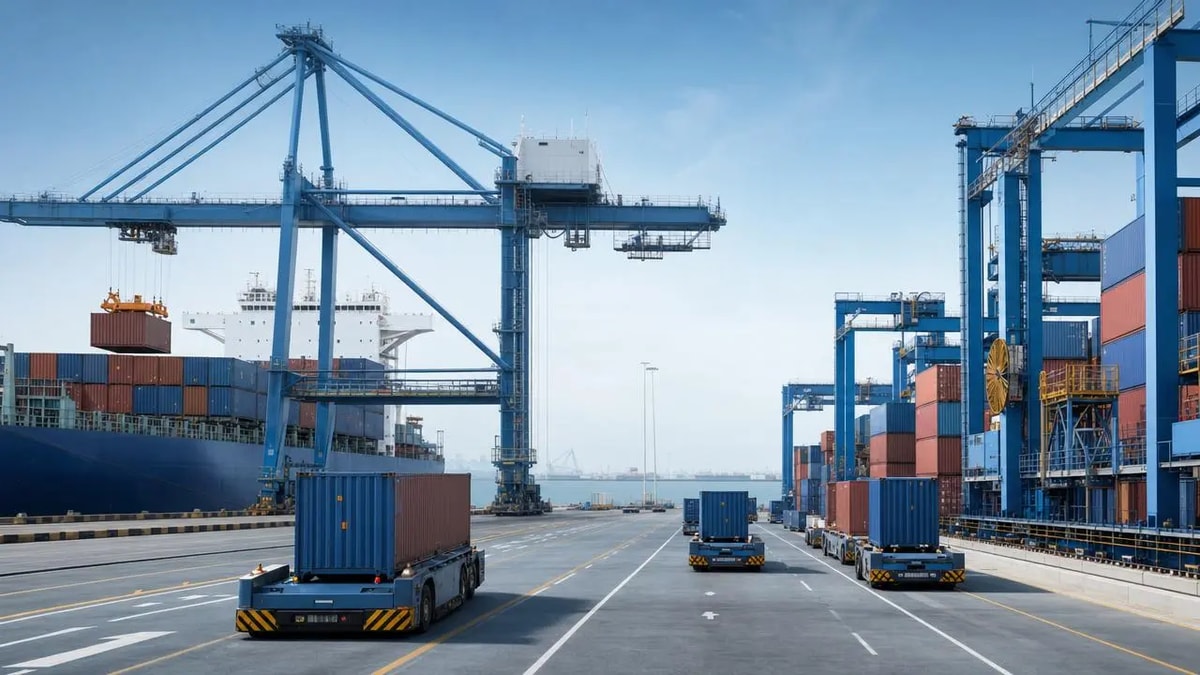
Automated Port Systems: Common Integration Problems to Expect
Automated port systems face real integration hurdles—from legacy equipment and data mismatches to network latency and safety conflicts. Learn what to check before approval.
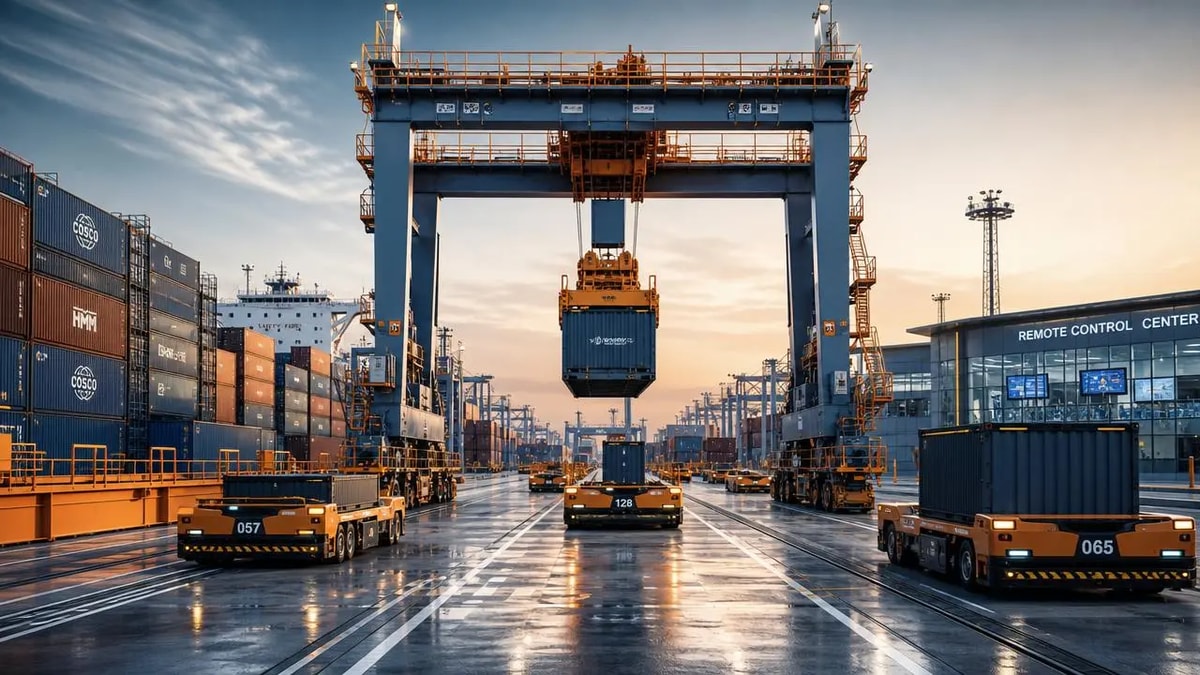
Port Automation Solutions That Reduce Manual Handoffs
Port automation solutions reduce manual handoffs, improve crane, AGV, yard, and control room coordination, and help terminals boost safety, speed, and operational efficiency.
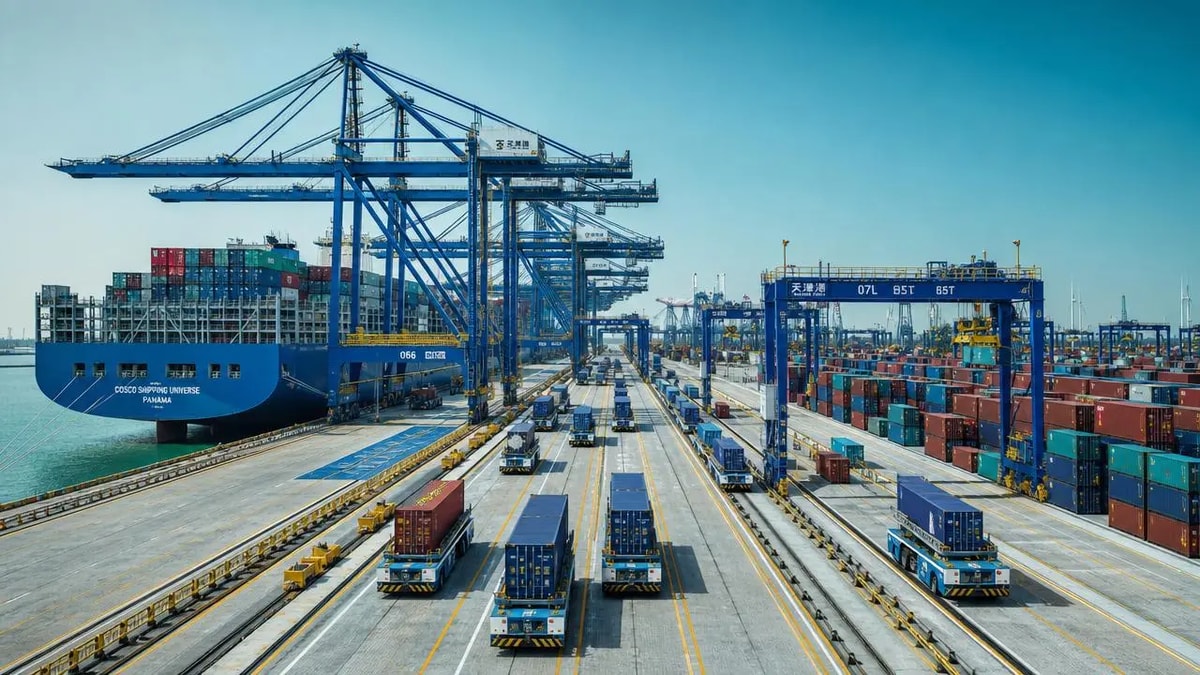
Smart Terminal Technology Trends Changing Port Operations
Smart terminal technology is reshaping port operations with AI, automation, predictive maintenance, and electrification. Discover which trends deliver the best ROI for different terminal scenarios.
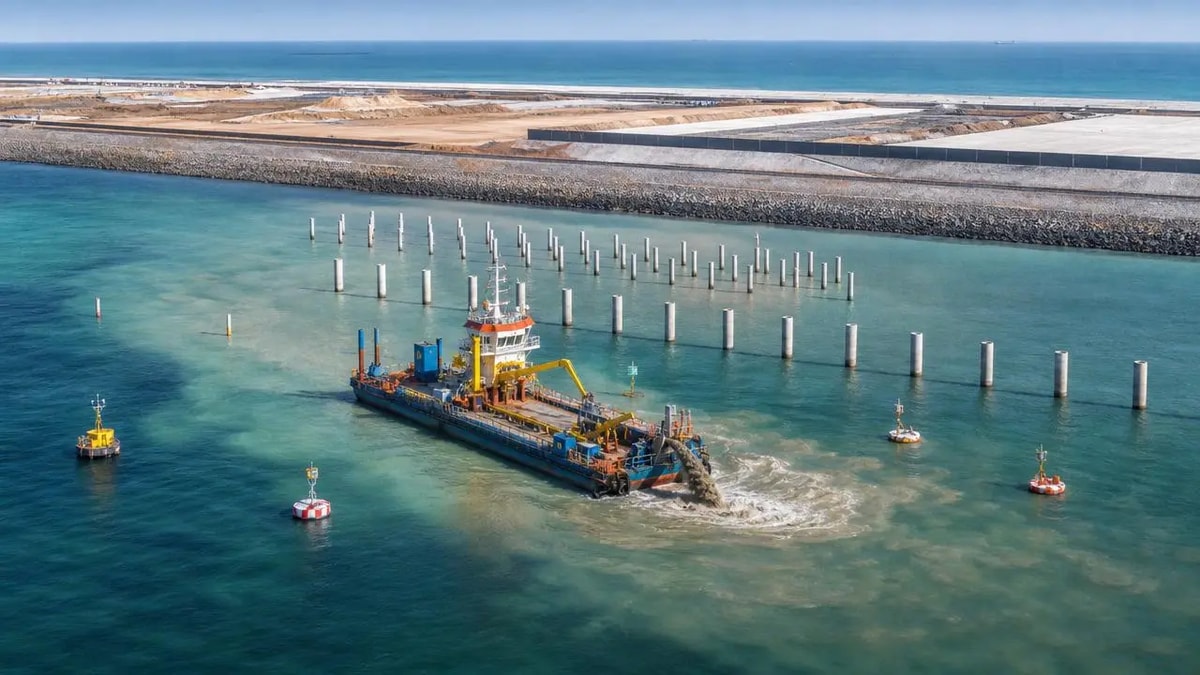
Marine Geotechnic Risks That Can Delay Coastal Projects
Marine geotechnic risks can quietly derail coastal projects with delays, rework, and compliance issues. Learn the warning signs and practical controls to protect schedule, safety, and budget.
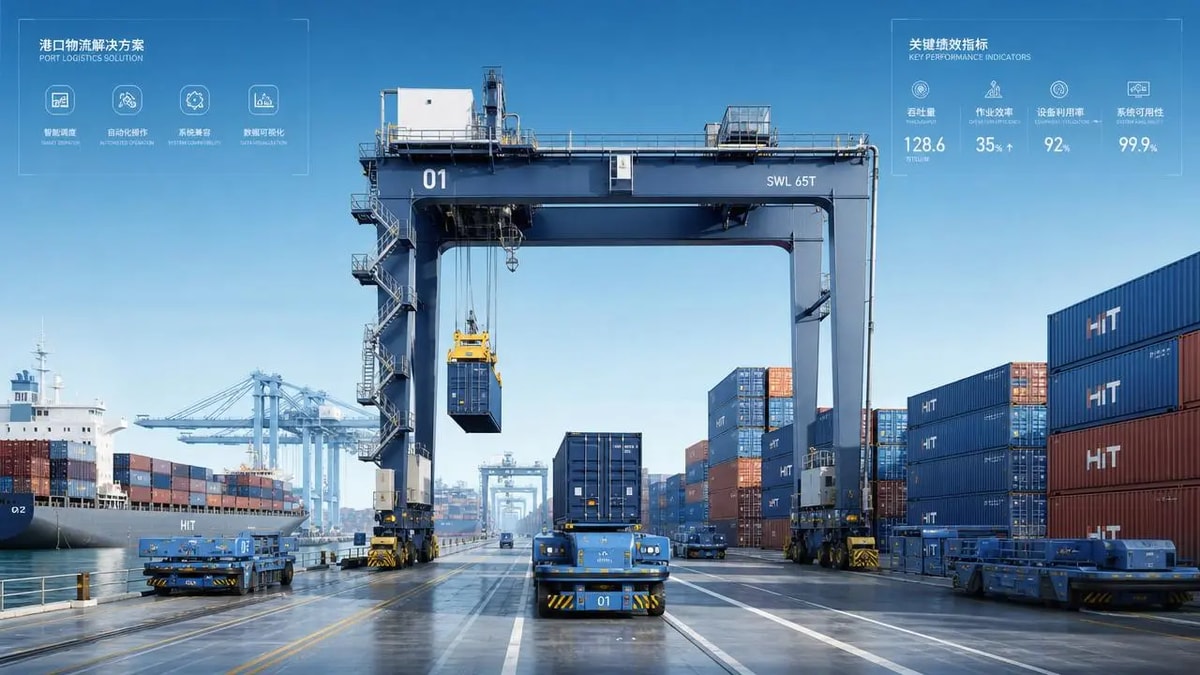
What to Compare Before Choosing Port Logistics Solutions
Port logistics solutions comparison guide: learn what to assess on throughput, compatibility, scalability, lifecycle cost, and automation readiness before choosing the right system.
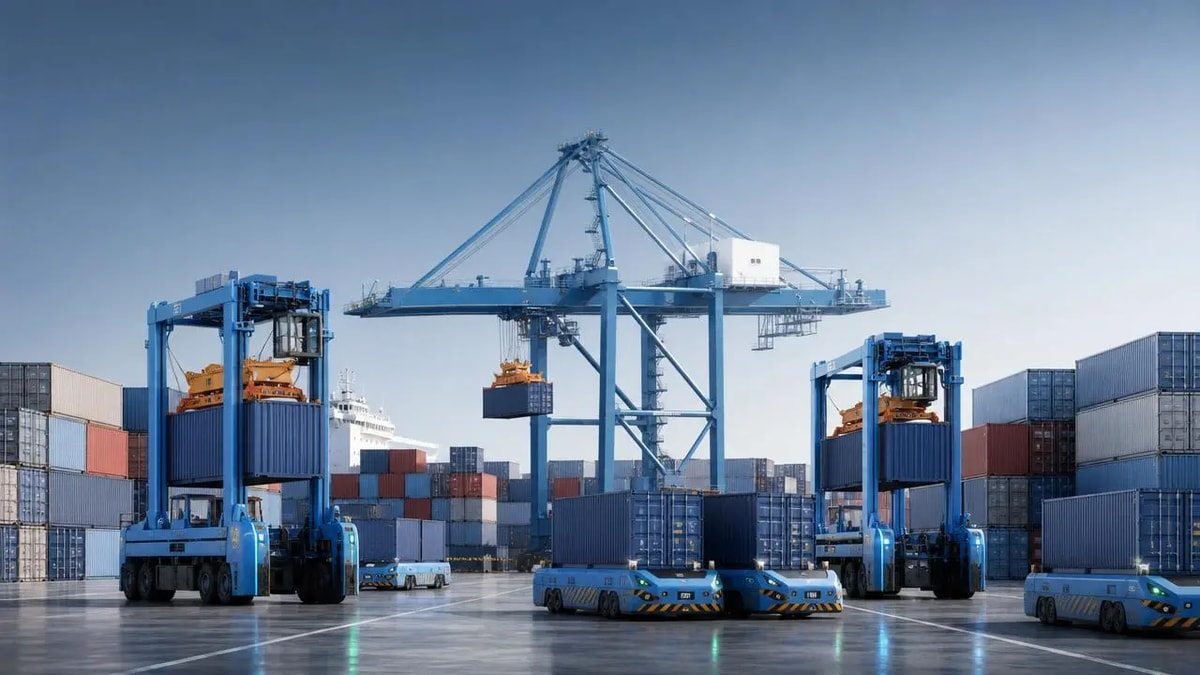
Port Terminal Equipment Costs Are Shifting in 2026
Port terminal equipment costs are shifting in 2026. Learn how automation, electrification, financing, and compliance reshape TCO, ROI, and smarter terminal investment decisions.