
How to Compare Automated Gear Suppliers Without Costly Mistakes
Choosing the right automated gear supplier can shape terminal efficiency, long-term operating costs, and project reliability. For procurement teams, the challenge is not just comparing prices, but evaluating technical compatibility, automation depth, after-sales support, and lifecycle value. This guide outlines how to compare automated gear suppliers with confidence, helping you avoid expensive missteps and make decisions aligned with performance, scalability, and port modernization goals.
Why supplier comparison has become more complex in the current market
The market for automated gear is changing quickly. Procurement teams are no longer buying isolated machines; they are buying operating logic, software compatibility, remote diagnostics capability, energy performance, and a service relationship that may last for decades. In port and terminal environments, this shift is especially visible as operators pursue higher throughput, lower emissions, reduced labor dependency, and more predictable asset utilization.
That means comparing suppliers by upfront cost alone is now a risky shortcut. A lower bid can hide integration gaps, weak spare parts support, low software openness, or limited experience in automated container handling. At the same time, a premium-priced supplier is not automatically the right partner if their solution adds unnecessary complexity or cannot adapt to future operational phases.
For buyers in heavy terminal gear and automated handling systems, the real question is not simply, “Who sells the equipment?” It is, “Which supplier can support the terminal’s next ten to fifteen years of performance, data visibility, and modernization?”
The biggest trend signals shaping how automated gear should be evaluated
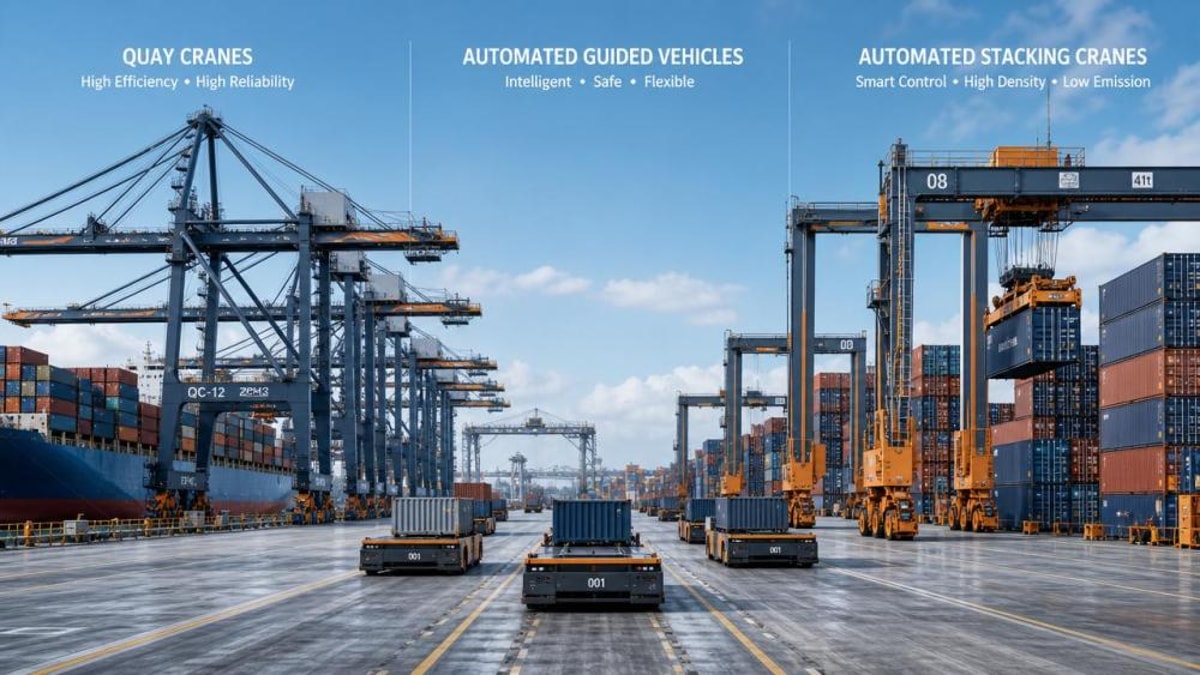
Several signals are reshaping how procurement professionals compare automated gear suppliers. First, ports are moving from partial automation to system-level coordination. Cranes, AGVs, stacking systems, power units, and control software must now work as one operating environment rather than as separate assets.
Second, cybersecurity and data governance are becoming procurement issues, not just IT issues. Automated gear often depends on telemetry, edge computing, remote updates, and third-party platform integration. If the supplier cannot explain data ownership, access hierarchy, patch management, and system resilience, buyers may inherit hidden operational risk.
Third, sustainability pressures are changing equipment specifications. Electrification, regenerative energy systems, battery management, and lower idle energy consumption are now important comparison points. As terminals align with net-zero strategies and energy efficiency targets, the best supplier may be the one that delivers measurable lifecycle improvements rather than only mechanical performance.
Fourth, buyers are demanding greater modularity. Instead of locking into a rigid architecture, many procurement teams now prefer automated gear solutions that can scale by phase, connect with mixed fleets, and support future software upgrades without large redesign costs.
These shifts explain why older procurement scorecards often fail. If a team still evaluates automated gear mainly through purchase price, rated capacity, and delivery time, it may miss the factors that most influence long-term uptime and project success.
What is driving these changes in automated gear sourcing
The drivers are both operational and strategic. On the operational side, vessel sizes, cargo volatility, labor constraints, and tighter berth windows push terminals toward smarter asset coordination. Automated gear is expected to reduce cycle variability, improve safety, and support real-time dispatch decisions. This raises the value of software quality and systems engineering in supplier evaluation.
On the strategic side, infrastructure owners are becoming more cautious about lock-in. A supplier that controls proprietary interfaces, restricts diagnostics access, or makes third-party integration difficult may create future dependence that inflates cost over time. Buyers increasingly want suppliers that combine strong proprietary capability with reasonable openness.
Another driver is the longer financial horizon of port projects. Heavy terminal gear and automation platforms are capital-intensive, and return on investment depends on availability, training quality, maintainability, and adaptability. This is why lifecycle support is now central to automated gear comparisons. Procurement teams are under pressure to justify not only what they buy today, but how resilient that purchase will remain under future trade shifts and technology updates.
How the impact differs across procurement roles and project stages
The growing complexity of automated gear selection affects different stakeholders in different ways. Technical teams may focus on controls architecture, mechanical reliability, and diagnostic depth. Operations teams care more about throughput consistency, training burden, and exception handling. Finance teams look at lifecycle cost, downtime exposure, and contract risk. Senior leadership often focuses on scalability, strategic modernization, and compliance alignment.
Because of this, supplier comparison should be cross-functional from the start. A vendor that looks strong in a commercial presentation may create difficulties during commissioning or software integration if internal users were not involved early enough.
The comparison points that matter most now
A useful supplier review framework should reflect where the market is heading. Start with technical compatibility. Automated gear must fit site conditions, power infrastructure, terminal operating systems, traffic control layers, and maintenance workflows. A strong supplier should clearly explain what is standard, what is custom, and what is still dependent on third-party coordination.
Next, assess automation maturity. Some suppliers market semi-automated functions as full automation. Buyers should ask how the system behaves in non-ideal conditions: sensor obstruction, variable weather, communication latency, lane conflicts, and manual override events. The true quality of automated gear appears during abnormal scenarios, not only during routine demonstrations.
Then evaluate service capability. In today’s environment, after-sales support includes digital diagnostics, remote troubleshooting, local service presence, software patch discipline, and long-term parts planning. If support relies heavily on distant teams with slow response windows, the operational cost can be higher than expected.
Finally, compare lifecycle economics. This includes energy use, planned maintenance intervals, component standardization, technician training needs, and the cost of future expansion. Automated gear that is cheaper to buy but expensive to maintain or difficult to integrate may quickly lose its price advantage.
Common costly mistakes buyers still make
One common mistake is accepting vague performance promises. If throughput, uptime, or automation scope is not tied to defined operating conditions, it becomes hard to enforce accountability. Another mistake is underestimating commissioning complexity. Many automated gear projects face delays not because the machinery is poor, but because interfaces, site readiness, and software responsibilities were not clarified early.
A third mistake is separating mechanical procurement from digital evaluation. In modern port equipment, software architecture is not an add-on. It is part of the asset’s operating value. Buyers who treat controls, analytics, and system updates as secondary often discover hidden dependencies after contract award.
Another costly error is failing to evaluate supplier resilience. A technically strong vendor may still be a weak long-term partner if spare part channels are fragile, local support is limited, or product continuity is uncertain. Procurement teams should compare not only product quality but also the supplier’s ability to remain dependable through economic cycles and changing trade patterns.
A practical decision model for comparing automated gear suppliers
A strong decision model combines present needs with future flexibility. Start by defining the terminal’s likely evolution over the next several years. Is the project a greenfield automation build, a brownfield upgrade, or a staged modernization? The answer changes which supplier strengths matter most. A phased site may value modular deployment and retrofit experience more than maximum automation sophistication on day one.
Then use weighted evaluation criteria. Procurement teams should avoid letting price dominate the scorecard. For automated gear, a more balanced framework often includes technical fit, integration capability, support model, energy performance, total cost of ownership, deployment risk, and scalability.
Reference checks are also essential, but they should go beyond asking whether the project was delivered. Buyers should ask how the system performs after two or three years, how software updates are managed, how quickly faults are diagnosed, and whether the supplier remained collaborative during post-handover issues. That is often where the most useful comparison data emerges.
What signals deserve ongoing attention before a final award
Before selecting an automated gear partner, buyers should monitor several signals closely. One is the clarity of responsibility boundaries. If too many obligations are deferred to subcontractors or future clarification, project risk rises. Another is the supplier’s openness during technical questioning. Strong vendors usually explain limitations directly and offer mitigation plans, while weaker ones rely on broad claims.
Procurement teams should also watch how suppliers discuss upgrades. If a vendor cannot describe how its automated gear can evolve with changing traffic logic, power systems, or digital platforms, it may not be prepared for long-cycle infrastructure realities. In modern terminals, adaptability is a strategic asset.
In addition, look for evidence of disciplined documentation. Clear interface documents, maintenance structures, training plans, and data mapping practices usually indicate a supplier that can execute at industrial scale. In contrast, polished presentations without operational detail should be treated cautiously.
Conclusion: compare beyond price to avoid long-term mistakes
The way buyers compare automated gear suppliers is changing because the market itself is changing. Automation is becoming more connected, more software-defined, more energy-sensitive, and more dependent on long-term support quality. As a result, the smartest procurement decisions are built on trend awareness, not just bid comparison.
For procurement teams, the most reliable path is to evaluate automated gear through the full chain of change: what is shifting in the market, how those shifts affect performance and risk, and which supplier can respond with technical depth, service readiness, and future flexibility. If your organization wants to judge the impact on its own project, focus on five questions: Is the solution truly interoperable? Is the automation mature under real operating conditions? Is lifecycle support clearly structured? Is future expansion practical? And does the supplier reduce dependence rather than increase it?
Those questions will do more to prevent costly mistakes than any low initial quote. For organizations navigating terminal modernization, informed comparison is now a strategic advantage.
Related News
Port Equipment Automation Maintenance Issues You Can Prevent Early
Port equipment automation maintenance starts with early detection. Learn how to catch sensor, drive, PLC, and network issues before they cause costly downtime and delays.
Marine Logistics Technology Suppliers: What Sets Them Apart
Marine logistics technology suppliers stand apart through automation, integration, and lifecycle support. Discover what helps ports and channel partners choose future-ready solutions.
Port Technology Trends Worth Watching Before Your Next Upgrade
Port technology trends shape smarter upgrade decisions. Explore automation, remote crane control, predictive maintenance, and phased investment strategies to reduce risk and improve ROI.
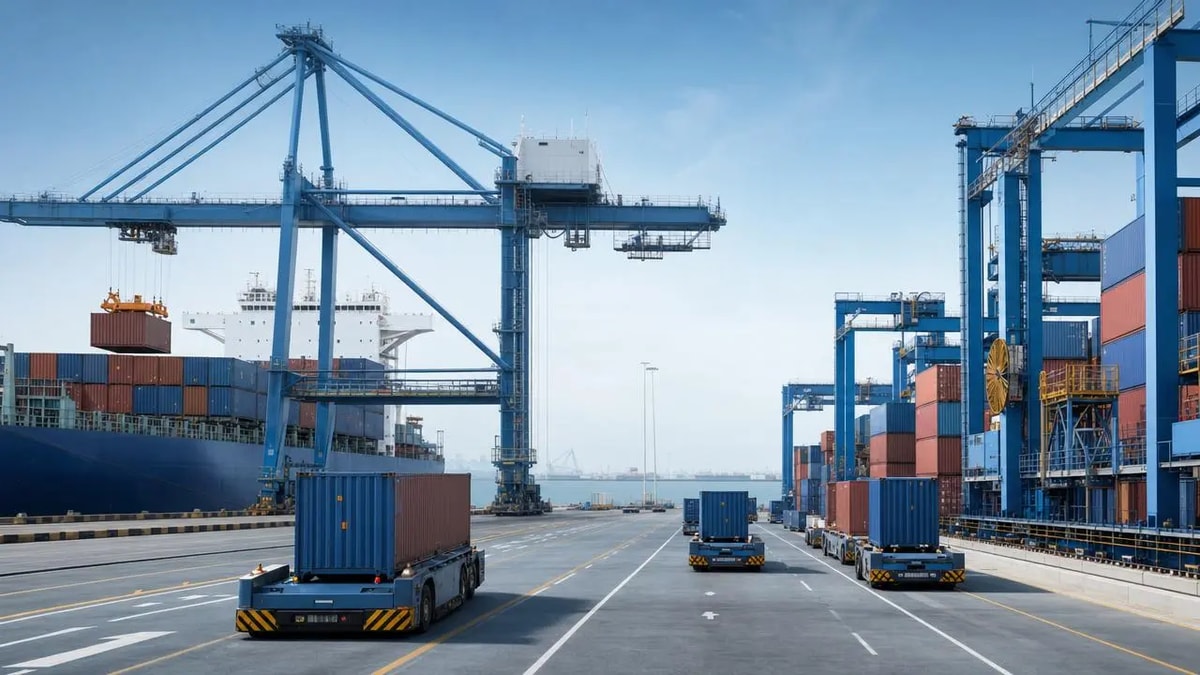
Automated Port Systems: Common Integration Problems to Expect
Automated port systems face real integration hurdles—from legacy equipment and data mismatches to network latency and safety conflicts. Learn what to check before approval.
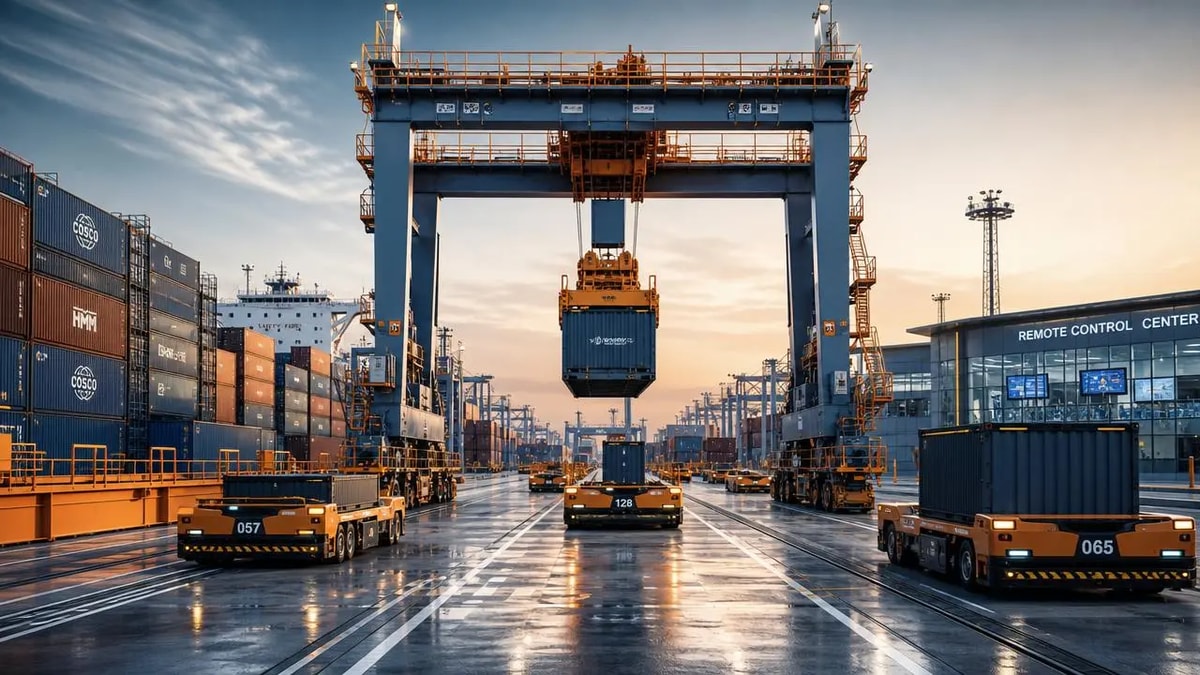
Port Automation Solutions That Reduce Manual Handoffs
Port automation solutions reduce manual handoffs, improve crane, AGV, yard, and control room coordination, and help terminals boost safety, speed, and operational efficiency.
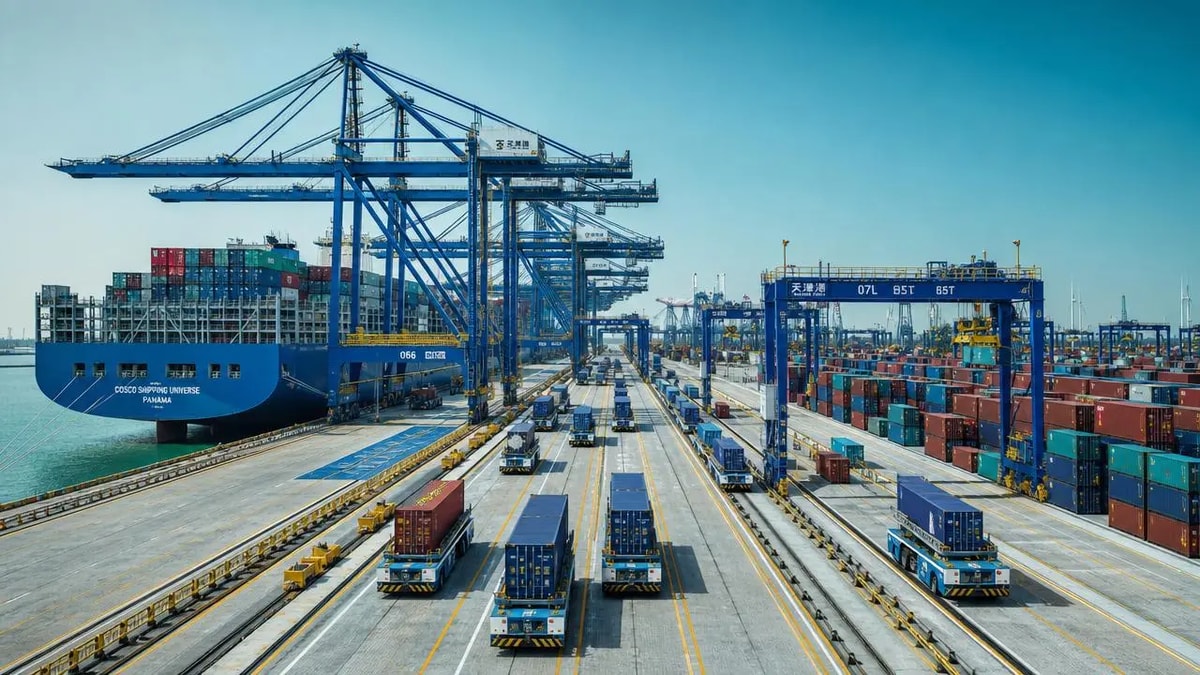
Smart Terminal Technology Trends Changing Port Operations
Smart terminal technology is reshaping port operations with AI, automation, predictive maintenance, and electrification. Discover which trends deliver the best ROI for different terminal scenarios.
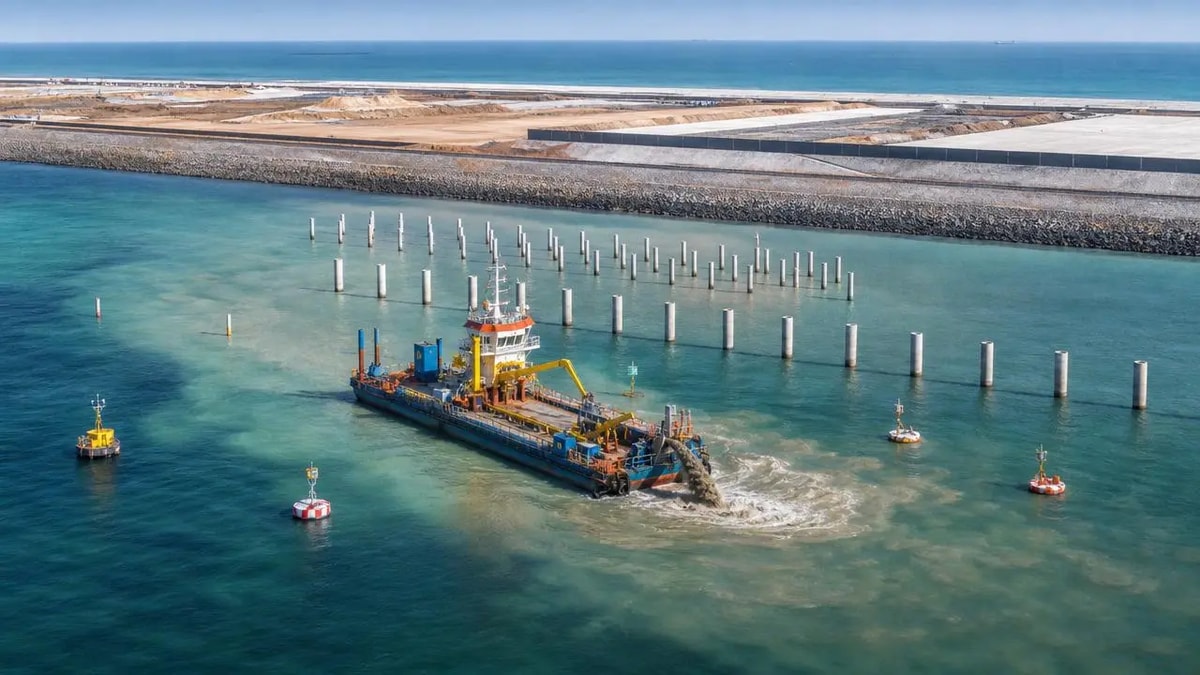
Marine Geotechnic Risks That Can Delay Coastal Projects
Marine geotechnic risks can quietly derail coastal projects with delays, rework, and compliance issues. Learn the warning signs and practical controls to protect schedule, safety, and budget.
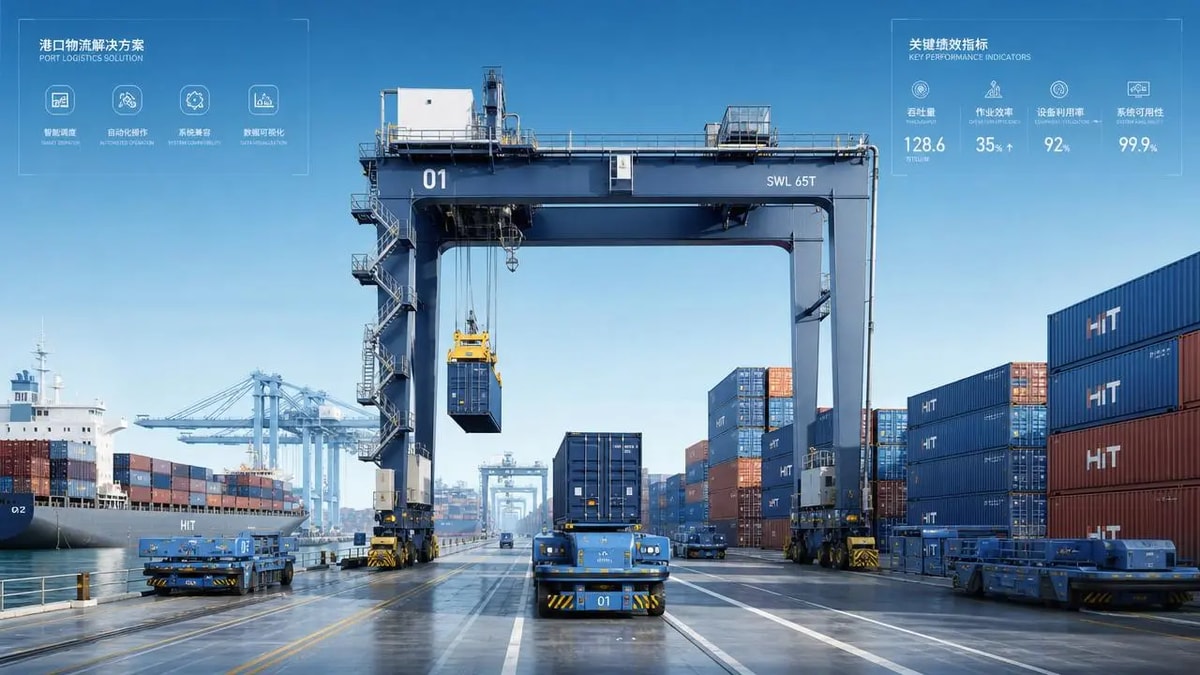
What to Compare Before Choosing Port Logistics Solutions
Port logistics solutions comparison guide: learn what to assess on throughput, compatibility, scalability, lifecycle cost, and automation readiness before choosing the right system.
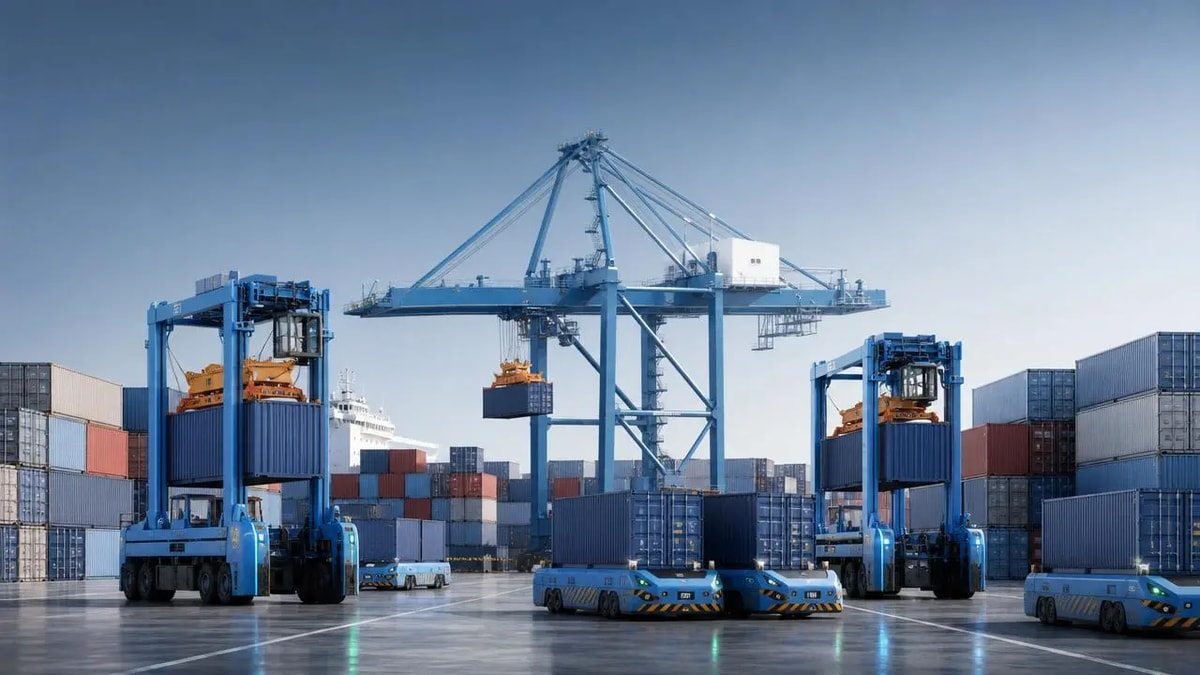
Port Terminal Equipment Costs Are Shifting in 2026
Port terminal equipment costs are shifting in 2026. Learn how automation, electrification, financing, and compliance reshape TCO, ROI, and smarter terminal investment decisions.