Smart Oceans: Practical Use Cases Beyond the Buzz
Smart oceans are no longer a futuristic slogan—they are becoming a practical framework for port operators, logistics investors, and infrastructure leaders seeking measurable gains in efficiency, automation, and resilience. From terminal equipment coordination to dredging intelligence and data-driven scheduling, this article explores how smart oceans create real operational value beyond the buzz.
For enterprise decision-makers, the real question is not whether digital transformation belongs in maritime logistics, but where it delivers the fastest operational return. In large terminals, heavy equipment fleets, and channel engineering projects, even a 3% to 8% improvement in asset availability or cycle time can materially affect throughput, fuel use, berth productivity, and service reliability.
That is why the smart oceans conversation has moved beyond concept videos and pilot headlines. It now sits at the intersection of quay crane orchestration, AGV path planning, yard density control, dredging visibility, remote diagnostics, and strategic intelligence. For platforms such as PS-Nexus, the value lies in turning fragmented maritime data into decision-ready insight for long-cycle infrastructure planning and procurement.
What Smart Oceans Mean in Practical Maritime Operations
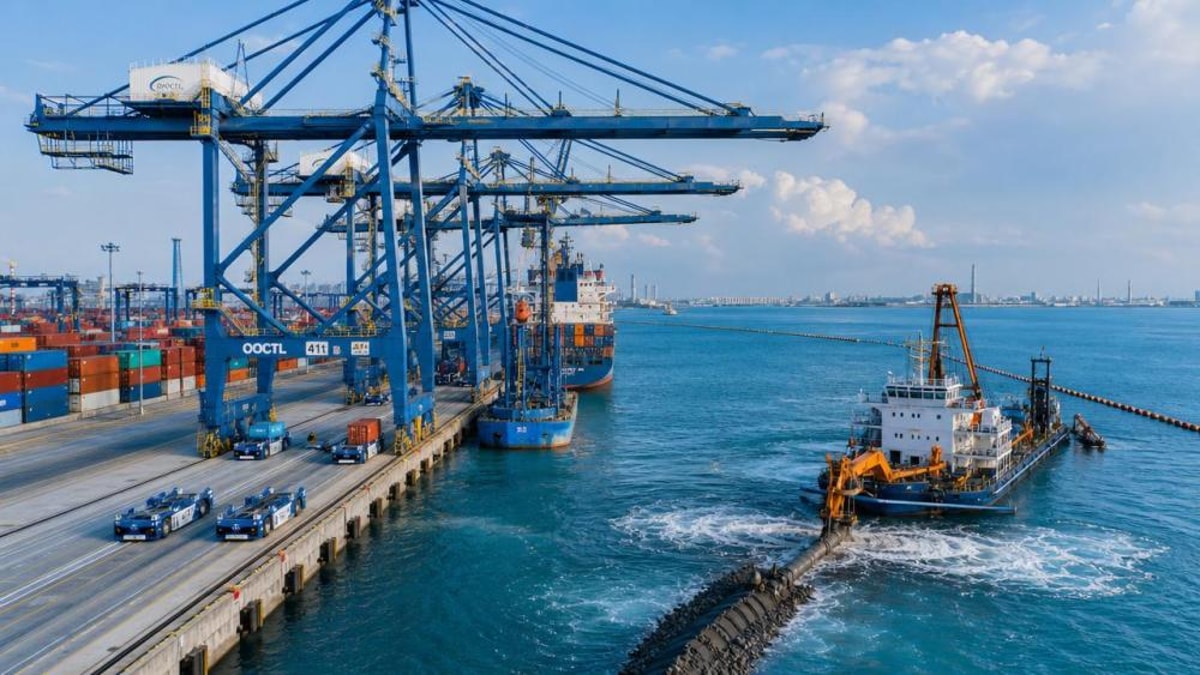
In a B2B port and coastal infrastructure context, smart oceans refer to the coordinated use of digital sensing, control systems, communications, analytics, and operational intelligence across maritime assets. This includes ship-to-shore cranes, rubber-tired gantries, AGVs, bulk handling lines, dredgers, pump systems, and terminal operating systems working within one responsive framework instead of isolated silos.
The practical objective is straightforward: reduce delay, increase visibility, and improve control across 24/7 operations. In many terminals, a delay of 10 to 20 minutes per vessel move sequence can ripple across yard planning, truck gates, labor scheduling, and feeder connections. Smart oceans strategies target those friction points with tighter data loops and faster response cycles.
From Connected Assets to Coordinated Decisions
A sensor on its own does not create value. The value emerges when equipment condition, task priority, traffic flow, and berth timing are linked into one decision model. For example, a remote-controlled crane system with low-latency communications in the 20 ms to 50 ms range can support more stable operator response than systems suffering from intermittent signal lag above 100 ms.
The same logic applies to dredging engineering. If pump pressure, slurry density, wear patterns, and draft conditions are monitored continuously, maintenance windows can be planned before a failure interrupts a 2-week to 6-week project campaign. That shift from reactive repair to predictive intervention is one of the clearest examples of smart oceans value beyond buzzwords.
Where the Business Case Usually Starts
Most organizations do not begin with a total digital rebuild. They begin with 3 to 5 high-impact use cases. In ports, these often include berth-window optimization, crane dispatch visibility, yard equipment balancing, energy monitoring, and maintenance planning. In dredging and marine works, early use cases often focus on pump health, geotechnical mapping, cycle reporting, and fuel-performance analysis.
- Reduced idle time for terminal gear during peak vessel calls
- Improved yard flow through better AGV or truck routing logic
- Shorter maintenance response windows, often from 24 hours to under 8 hours
- More consistent equipment utilization across multiple shifts
- Better planning of dredging output against project milestones and weather constraints
For executive teams, this matters because smart oceans investments are easier to justify when tied to measurable throughput, utilization, and risk-control targets rather than abstract innovation claims.
High-Value Use Cases Across Ports, Terminals, and Dredging
The strongest smart oceans programs are built around real workflow constraints. The table below outlines several practical application areas, the operating challenge behind each one, and the expected value category that decision-makers can track over a 6-month to 18-month horizon.
A common thread across these use cases is that the smart oceans model does not replace heavy equipment. It makes expensive equipment more productive. That distinction is critical when capital assets have service lives of 10 to 25 years and procurement cycles are closely tied to infrastructure budgets.
Terminal Automation That Solves Specific Bottlenecks
In container terminals, automation delivers the best results when it targets bottlenecks between subsystems. A terminal may already own advanced cranes, but if handoff logic between quay operations, transfer vehicles, and stack blocks is weak, capacity still stalls. Smart oceans architecture addresses those handoffs through synchronized scheduling rather than isolated machine optimization.
1. Berth and crane synchronization
When berth windows are narrow, crane allocation must be recalculated based on vessel delay, stowage profile, labor shift timing, and yard congestion. In practice, even 2 to 4 cranes reassigned at the right moment can preserve a departure slot and prevent downstream demurrage or truck-gate compression.
2. Yard space intelligence
Yard density above certain operating thresholds can sharply reduce mobility efficiency. If stack occupancy approaches 75% to 85%, rehandle frequency often rises and internal traffic paths become less predictable. Smart oceans tools help planners use dwell-time forecasting and block allocation rules to keep yard utilization productive rather than chaotic.
3. Remote operations and control quality
Remote-controlled terminal gear depends on reliable communications, visual feedback, and system safety logic. Decision-makers should evaluate latency bands, backup communications, camera redundancy, and fail-safe response states. A system that performs well in demos but cannot maintain stable operation over multiple shifts will not support real smart oceans outcomes.
Dredging Intelligence as a Core Smart Oceans Layer
Dredging is often excluded from mainstream digital logistics discussions, but it is central to smart oceans in ports, channels, and coastal expansion projects. Fairway depth, sediment behavior, pump performance, and project sequencing all affect vessel access and future terminal capacity. If dredging operations are poorly monitored, the entire logistics chain inherits risk.
Digital pump monitoring, draft tracking, and seabed data integration allow project teams to compare planned versus actual production on a daily or weekly basis. That supports tighter control over wear parts, fuel usage, and spoil management. For marine contractors, this can mean fewer unplanned stoppages and clearer reporting for owners, insurers, and public stakeholders.
How Decision-Makers Should Evaluate Smart Oceans Investments
Not every smart oceans proposal deserves approval. Enterprise leaders need a disciplined framework that connects digital capability with asset economics, project risk, and operational maturity. The most reliable investment decisions usually test technology against 4 dimensions: interoperability, measurable impact, implementation burden, and lifecycle support.
A Practical Evaluation Matrix
Before selecting a platform, control layer, or analytics module, buyers should compare solutions using concrete criteria. The table below provides a practical screening structure for port operators, terminal investors, equipment distributors, and marine engineering stakeholders.
This matrix highlights a core truth: smart oceans procurement is not only a technology choice. It is an operating model choice. A platform that cannot integrate with legacy control systems or support multi-vendor environments may create new digital silos instead of removing old ones.
Common Buying Mistakes
One common mistake is prioritizing dashboard aesthetics over control quality. Another is expecting full automation benefits without upgrading data discipline, maintenance routines, or shift-level execution. In ports, a weak exception-management process can erase the gains from sophisticated algorithms within weeks.
- Approving software without clear ownership of data governance
- Underestimating training needs for operators, planners, and maintenance teams
- Ignoring communication latency and network resilience in remote-control environments
- Deploying automation before defining fallback modes for abnormal operations
- Using short pilot metrics that do not cover peak-season or weather-driven stress conditions
A prudent pilot period usually lasts 8 to 16 weeks and should include baseline measurement, live exception tracking, and at least 1 full maintenance cycle. That produces a more realistic picture of operational readiness than a brief showcase deployment.
Implementation Roadmap: Turning Strategy into Measurable Results
A workable smart oceans roadmap does not begin with buying every digital module available. It starts with a sequence that aligns operational pain points, infrastructure constraints, and capital timing. For most maritime organizations, implementation can be organized into 3 phases over 6 to 24 months, depending on system complexity and retrofit needs.
Phase 1: Baseline and visibility
The first phase focuses on mapping current workflows, identifying data gaps, and establishing baseline KPIs. These may include crane moves per hour, AGV cycle time, yard rehandle ratio, bulk conveyor stoppage frequency, pump vibration patterns, or maintenance response time. Without a baseline, later claims of improvement remain speculative.
Phase 2: Control and optimization
Once visibility is stable, the next step is operational control. This may involve dispatch optimization, route logic tuning, alarm thresholds, predictive maintenance rules, or digital work-order integration. In many facilities, this phase generates the first visible gains because planners and operators begin acting on the same live data instead of separate reports.
Phase 3: Scale and strategic intelligence
The final phase is where smart oceans becomes a management capability rather than a project. Cross-site benchmarking, scenario planning, capex prioritization, and demand forecasting become possible when operational data is standardized over time. This is also the phase where intelligence platforms such as PS-Nexus add strategic value by connecting equipment behavior, trade patterns, and infrastructure demand signals.
Why intelligence stitching matters
Executives rarely suffer from a lack of data. They suffer from scattered context. A port automation dashboard may show local performance, while shipping-rate shifts, hinterland constraints, or dredging delays remain outside the picture. Strategic intelligence stitching brings those layers together so procurement, operations, and investment decisions are made with broader market awareness.
For example, if global trade lanes shift and certain cargo categories show sustained volatility for 2 to 3 quarters, demand for specialized container handling or automated gear may change before many operators revise procurement plans. Timely intelligence can protect capital decisions and improve negotiation strength with equipment suppliers and service partners.
What Smart Oceans Mean for Resilience, Sustainability, and Competitive Position
The long-term significance of smart oceans is not limited to automation. It also supports resilience under disruption, tighter environmental control, and stronger asset efficiency. In a market where labor availability, energy costs, and vessel schedule volatility can change quickly, better coordination becomes a competitive advantage rather than an operational luxury.
This is particularly relevant for organizations pursuing net-zero aligned operations. Energy monitoring, idle-time reduction, route optimization, and predictive maintenance can all contribute to lower fuel use and less waste, even before major equipment replacement programs begin. Incremental efficiency gains across multiple systems often create more realistic progress than one-off flagship projects.
Who benefits most
- Port authorities planning phased modernization across multi-year budgets
- Terminal operators seeking higher throughput without immediate land expansion
- Logistics investors evaluating automation readiness and asset performance risk
- Equipment distributors building stronger commercial positioning through technical intelligence
- Marine engineering firms managing dredging output, maintenance exposure, and reporting pressure
For these groups, smart oceans is most valuable when it is treated as a practical operating framework. The winners will be those who connect heavy mechanical assets, algorithmic scheduling, and trade intelligence into one disciplined decision cycle.
Smart oceans create value when digital tools are tied to specific maritime outcomes: faster cargo movement, more reliable equipment, clearer dredging control, lower disruption risk, and stronger long-term planning. For enterprise decision-makers, the priority is not adopting every trend, but selecting the use cases, systems, and intelligence layers that improve performance in measurable ways.
PS-Nexus supports that process by connecting port equipment insight, automation logic, dredging engineering visibility, and commercial intelligence into one professional view of maritime operations. If your organization is assessing terminal upgrades, automation pathways, or strategic equipment demand, now is the right time to get a tailored perspective. Contact us to discuss your priorities, request a customized solution path, or learn more about practical smart oceans strategies for global supply chains.
Related News
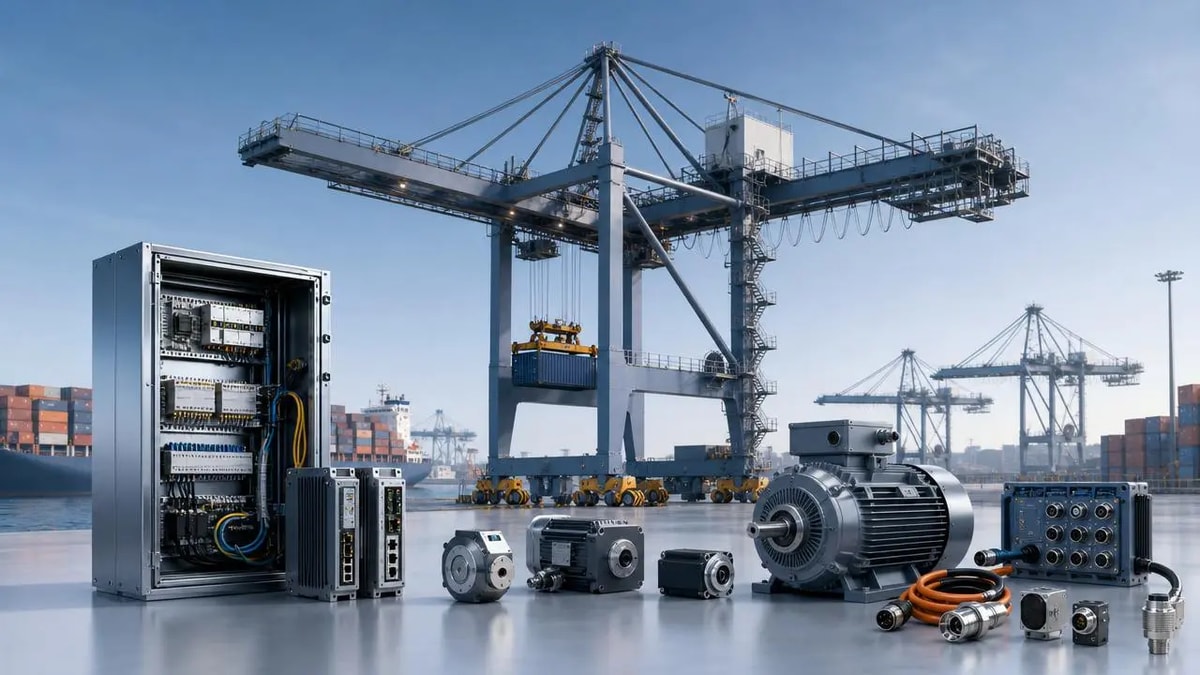
Port Equipment Automation Maintenance Issues You Can Prevent Early
Port equipment automation maintenance starts with early detection. Learn how to catch sensor, drive, PLC, and network issues before they cause costly downtime and delays.
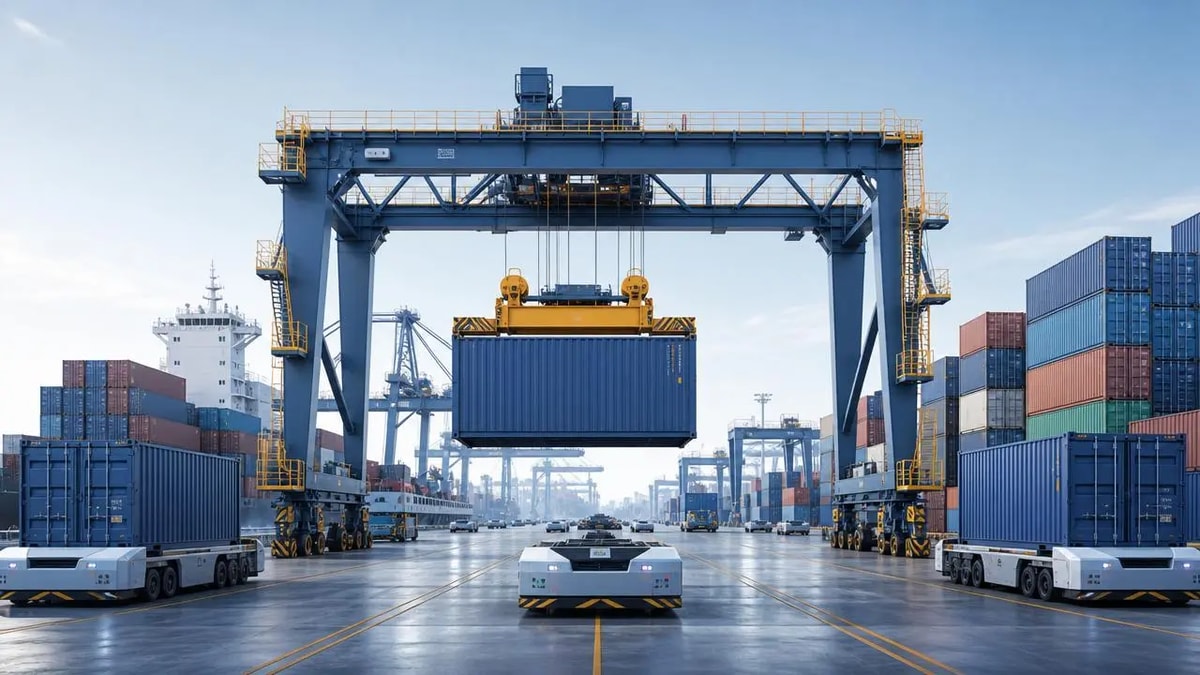
Marine Logistics Technology Suppliers: What Sets Them Apart
Marine logistics technology suppliers stand apart through automation, integration, and lifecycle support. Discover what helps ports and channel partners choose future-ready solutions.
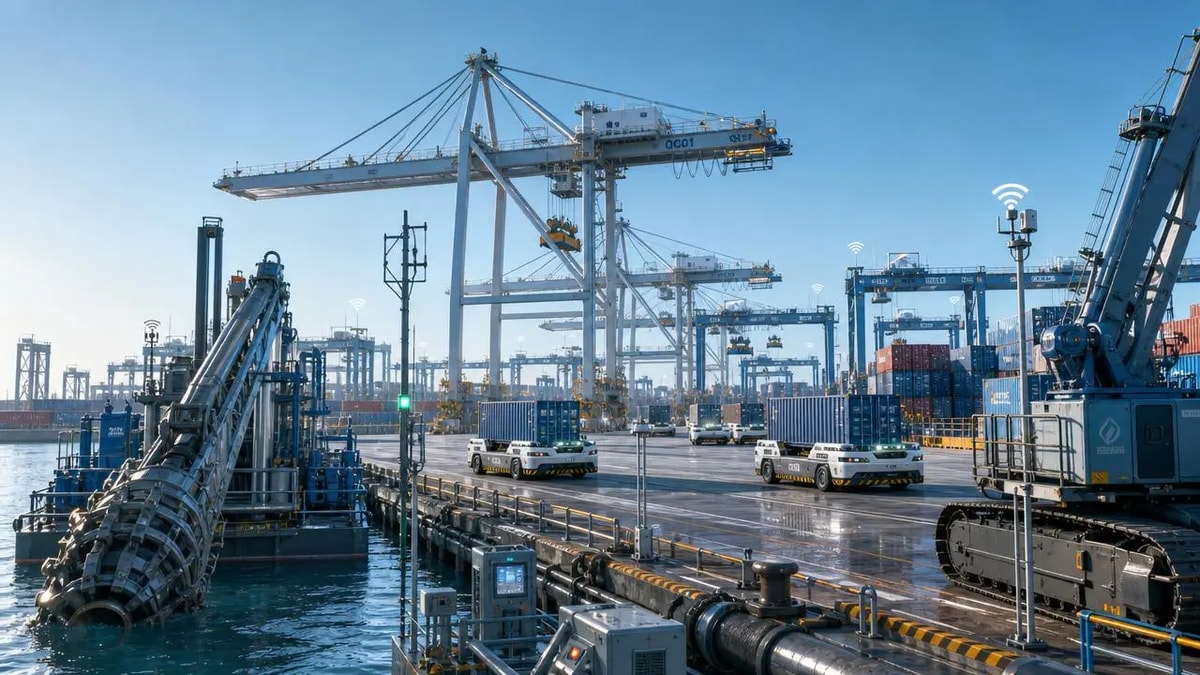
Port Technology Trends Worth Watching Before Your Next Upgrade
Port technology trends shape smarter upgrade decisions. Explore automation, remote crane control, predictive maintenance, and phased investment strategies to reduce risk and improve ROI.
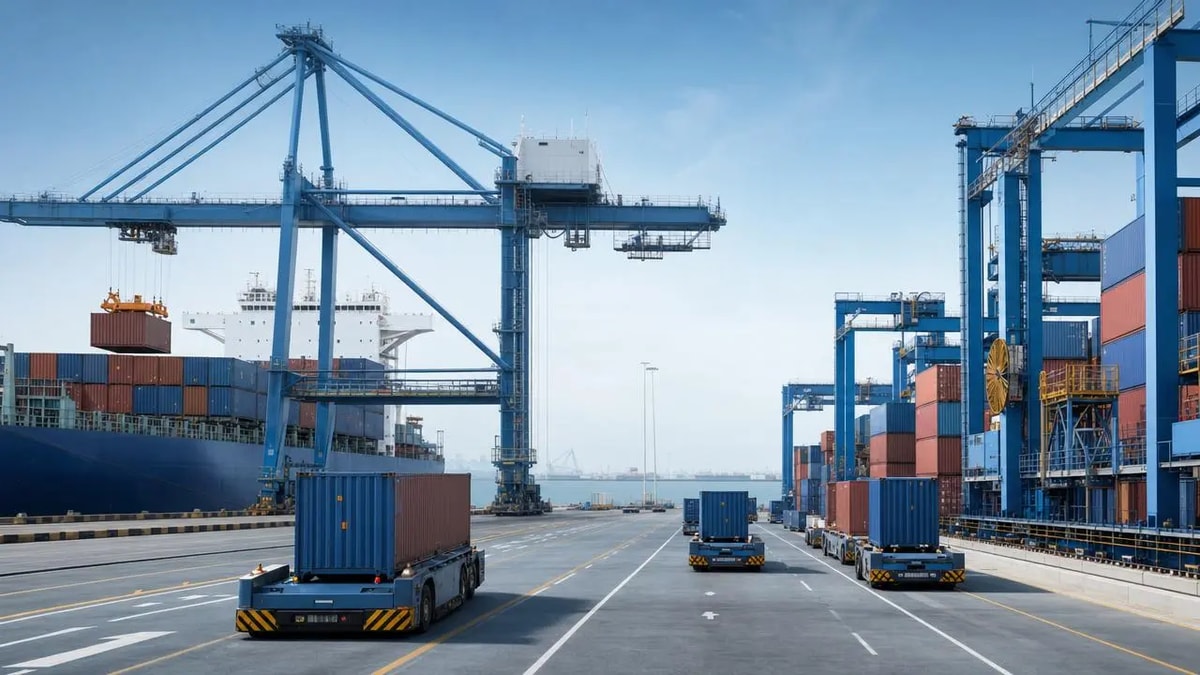
Automated Port Systems: Common Integration Problems to Expect
Automated port systems face real integration hurdles—from legacy equipment and data mismatches to network latency and safety conflicts. Learn what to check before approval.
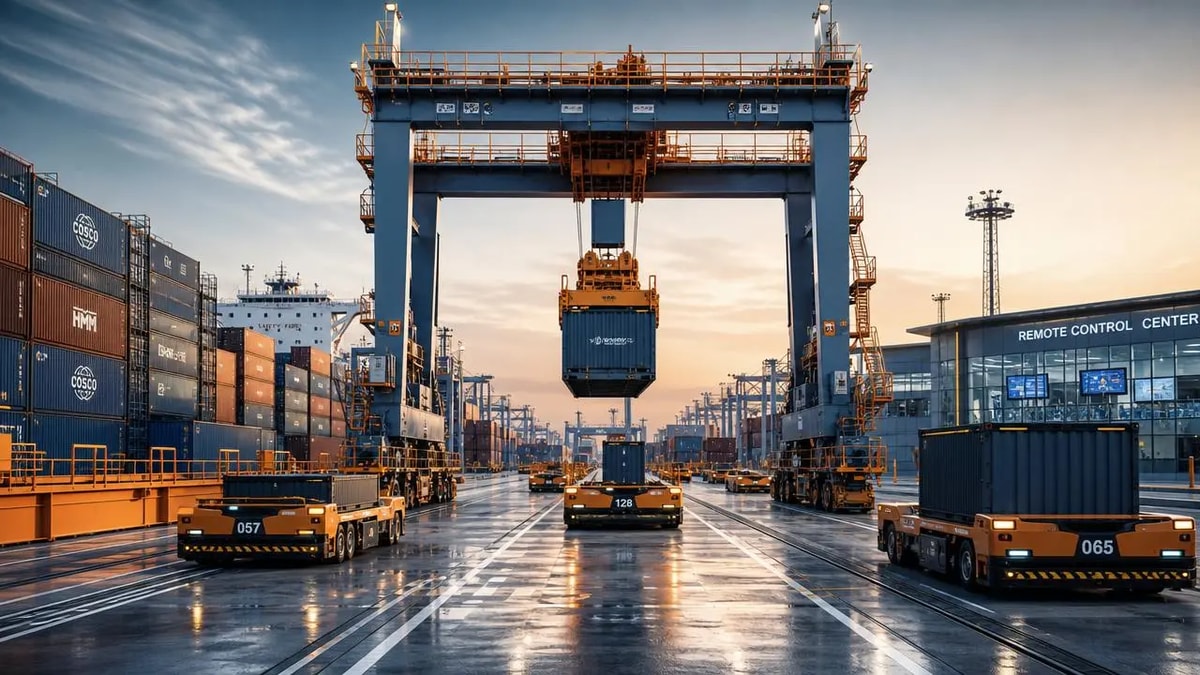
Port Automation Solutions That Reduce Manual Handoffs
Port automation solutions reduce manual handoffs, improve crane, AGV, yard, and control room coordination, and help terminals boost safety, speed, and operational efficiency.
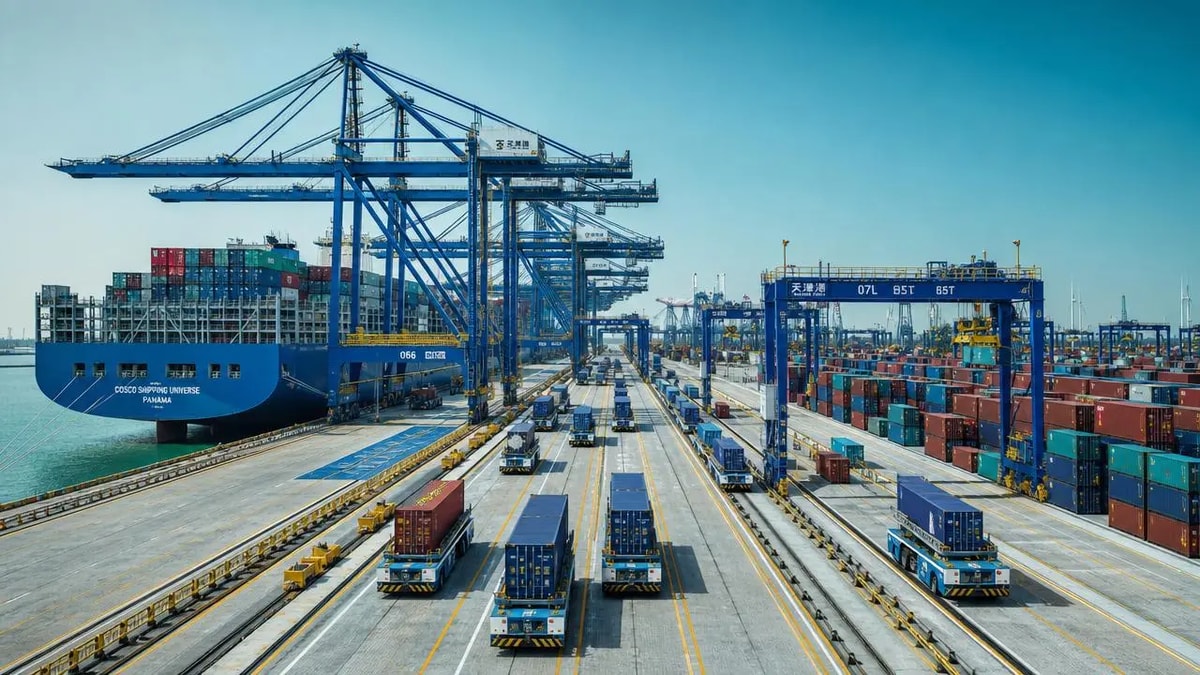
Smart Terminal Technology Trends Changing Port Operations
Smart terminal technology is reshaping port operations with AI, automation, predictive maintenance, and electrification. Discover which trends deliver the best ROI for different terminal scenarios.
Marine Geotechnic Risks That Can Delay Coastal Projects
Marine geotechnic risks can quietly derail coastal projects with delays, rework, and compliance issues. Learn the warning signs and practical controls to protect schedule, safety, and budget.
What to Compare Before Choosing Port Logistics Solutions
Port logistics solutions comparison guide: learn what to assess on throughput, compatibility, scalability, lifecycle cost, and automation readiness before choosing the right system.
Port Terminal Equipment Costs Are Shifting in 2026
Port terminal equipment costs are shifting in 2026. Learn how automation, electrification, financing, and compliance reshape TCO, ROI, and smarter terminal investment decisions.