
Global Supply Chains: How to Read Supplier Risk Earlier
In global supply chains, supplier risk rarely appears without signals—it builds through operational strain, logistics volatility, and hidden dependency patterns. For business evaluators, reading those signals earlier is no longer optional. This article explores how to identify upstream risk before disruption spreads, using practical intelligence from port operations, equipment flows, and trade-network dynamics to support faster, more confident supplier decisions.
For teams assessing vendors in port equipment, automated handling systems, bulk machinery, or dredging support, the challenge is not just whether a supplier can deliver today. The real question is whether that supplier can remain stable through a 6–18 month procurement cycle, fluctuating freight capacity, changing customs conditions, and intermittent component shortages. In global supply chains, early signals often emerge long before a shipment is delayed or a contract is breached.
PS-Nexus follows these signals where they become visible first: at ports, yards, terminal equipment networks, vessel schedules, and engineering delivery chains. For business evaluators, that perspective matters because supplier weakness usually shows up as a pattern across logistics nodes, maintenance responsiveness, export rhythm, and dependency on a narrow production base. Reading that pattern earlier improves sourcing resilience, budgeting accuracy, and negotiation leverage.
Why Early Supplier Risk Detection Matters in Global Supply Chains
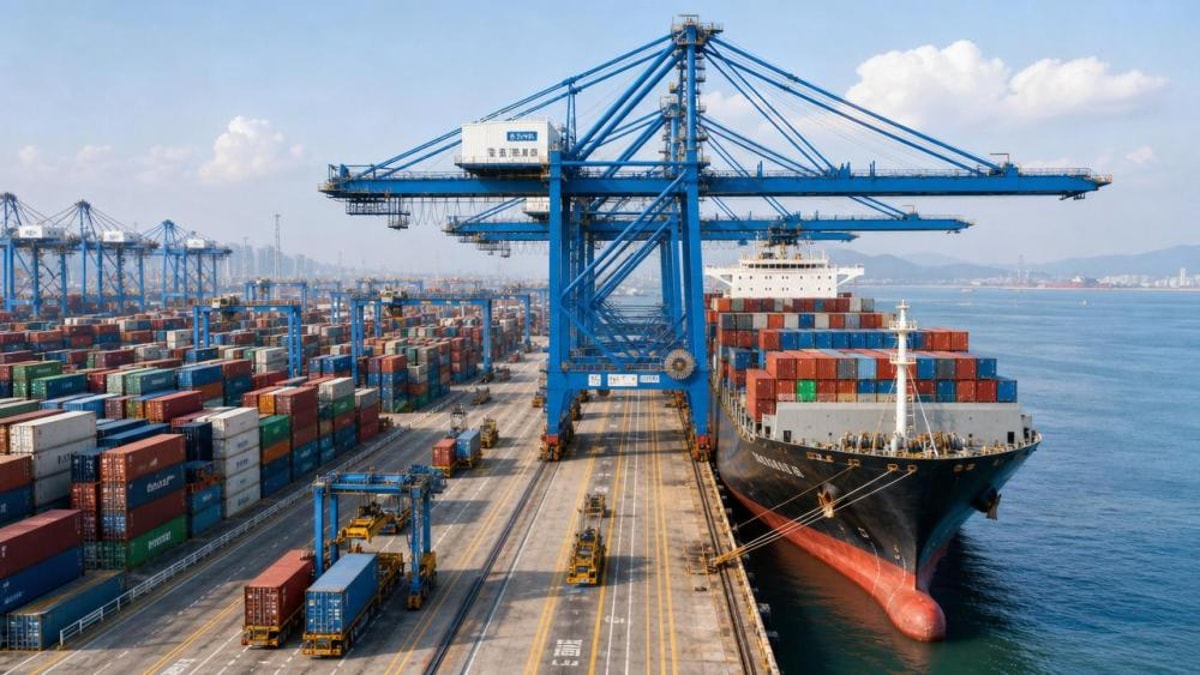
In global supply chains, a supplier rarely shifts from healthy to critical overnight. More often, risk builds in 3 stages: strain, slippage, and disruption. Strain may appear as longer quotation validity windows, tighter payment demands, or inconsistent lead-time language. Slippage often follows through revised production slots, lower spare-parts availability, or incomplete technical documentation. Disruption is the final stage, when shipping windows are missed or quality exceptions multiply.
For procurement and evaluation teams in maritime logistics and industrial equipment sectors, the cost of reacting late can be severe. A 2-week delay in a control cabinet or hydraulic subsystem can stretch into 6–10 weeks if the missing component affects commissioning, testing, and port-side integration. In automated terminals, one delayed subsystem may hold back crane handover, AGV path calibration, or remote control testing across multiple assets.
The most common early-warning categories
Business evaluators should monitor at least 4 categories of warning signs. First is operational pressure, such as unstable production cadence, low on-time documentation, or frequent engineering change notices. Second is logistics volatility, including rerouting dependency, port congestion exposure, and container equipment imbalance. Third is financial and commercial behavior, such as shortened quotation validity from 30 days to 7 days or sudden requests for milestone prepayment. Fourth is structural dependency, where one supplier depends on 1 country, 1 plant, or 1 critical sub-tier for more than 40% of output.
Signals that appear before delivery failure
- Lead times shift from fixed ranges, such as 8–10 weeks, to vague wording like “subject to upstream allocation.”
- Technical response time slips from 24–48 hours to 5–7 days during bidding or clarification.
- Spare parts quotations arrive incomplete, with key wear items omitted or repriced mid-process.
- Export packing, compliance documents, or testing records require repeated correction.
- Shipment plans become dependent on transshipment hubs with known seasonal congestion windows.
These are not isolated administrative issues. In global supply chains, they often indicate a supplier managing constrained capacity, unstable sub-tier sourcing, or stretched project controls. That is why experienced evaluators treat documentation quality and response consistency as commercial risk indicators, not just service issues.
A practical risk-screening model for evaluators
A simple screening model helps convert weak signals into comparable decisions. The table below outlines a 5-factor framework that can be applied during prequalification, RFQ review, or supplier review meetings. Each factor can be scored on a 1–5 scale, with a total score above 18 often indicating manageable risk, while scores below 12 may require mitigation before award.
This framework is useful because it aligns operational, technical, and trade-flow signals into one view. In global supply chains, the highest-risk suppliers are not always the slowest bidders or the most expensive ones. They are often the least transparent about hidden dependencies, escalation triggers, and real delivery constraints.
How Port and Equipment Intelligence Reveals Upstream Supplier Stress
For PS-Nexus and similar intelligence-led sourcing teams, ports are not just transportation endpoints. They are diagnostic environments. When heavy terminal gear, automated handling systems, or dredging equipment starts moving slower through the network, upstream strain becomes visible in booking behavior, cargo mix, yard dwell time, and commissioning postponements. Business evaluators who watch these indicators can identify supplier instability 30–90 days earlier than teams relying only on supplier self-reporting.
Port-side indicators worth monitoring
In global supply chains related to large equipment, logistics signals are often more honest than sales updates. A supplier may continue to promise standard delivery, but the port network may reveal a different story. Delayed bookings for breakbulk cargo, repeated export rescheduling, or a pattern of split shipments can show that manufacturing completion is lagging or that component aggregation is incomplete.
- Monitor booking stability over at least 4 consecutive weeks, not just one declared vessel date.
- Track whether cargo is shipped complete or in partial lots that create on-site assembly risk.
- Compare promised ex-works completion with actual port gate-in timing.
- Review whether oversized modules require alternative terminals, adding 7–14 days of handling complexity.
For automated port systems, another strong signal is the sequencing of electronic cabinets, sensors, and control interfaces. When mechanical structures ship on time but control packages lag, the likely bottleneck is not fabrication capacity but higher-risk electronics sourcing or software integration readiness. That distinction matters because the mitigation plan will differ.
What business evaluators should compare across suppliers
A meaningful comparison should include more than price, nominal lead time, and warranty period. The table below highlights decision factors that are especially relevant in global supply chains involving port machinery, remote-control systems, and engineering equipment with long project cycles.
This comparison is especially effective during shortlist evaluation. A supplier with a price advantage of 3%–5% may still create a total project cost increase if installation teams wait on late subassemblies, reinspection is required, or the port project misses a commissioning window. In global supply chains, apparent cost savings should always be tested against schedule integrity and execution resilience.
A Step-by-Step Method to Read Supplier Risk Earlier
Business evaluators need a repeatable method, not just intuition. The goal is to turn fragmented clues into a clear go, hold, or mitigate decision. In practice, a 5-step process works well for suppliers involved in terminal cranes, yard systems, conveyors, dredging equipment, and industrial control packages.
Step 1: Map the dependency structure
Start by identifying which 3–5 subcomponents can delay the whole system. In heavy equipment projects, these are often drives, PLC-related hardware, sensors, hydraulic power units, or fabricated oversized modules. Ask not only where the final assembly happens, but where these critical items originate, how many approved sources exist, and what the replenishment cycle looks like. If replacement lead time exceeds 8 weeks, dependency risk is already meaningful.
Step 2: Check schedule realism against logistics rhythm
Match the supplier’s proposed lead time to actual shipping and handling conditions. If a vendor offers 10-week delivery for equipment that still needs FAT, export packing, special lifting preparation, and port booking, ask how those steps fit into the timeline. For oversized cargo or marine engineering modules, export preparation alone may take 5–10 working days, and breakbulk coordination can add another 1–2 weeks.
Step 3: Review response behavior during the bid phase
How a supplier behaves before award often predicts how it will behave under stress. Measure turnaround on technical clarifications, drawing comments, and document resubmissions. If a supplier misses 2 or more agreed response deadlines in the quotation phase, that pattern should be weighted into the risk assessment. In global supply chains, poor pre-award discipline often precedes weak post-award visibility.
Step 4: Test transparency on constraints
Low-risk suppliers do not claim perfect stability. They explain bottlenecks clearly, offer alternative sourcing paths, and define escalation triggers. Ask specific questions: Which parts are single-source? What happens if a booked vessel rolls to the next sailing? How quickly can service engineers be deployed across regions? Transparent answers are often more valuable than aggressive promises.
Step 5: Build mitigation before the contract is signed
If a supplier is strategically important but not risk-free, structure protection early. That may include milestone-linked documentation gates, spare-parts bundling, split payment based on inspection status, or alternate approval for equivalent components. For long-cycle projects, a review cadence every 2–4 weeks is usually more effective than waiting for monthly summaries after delays have already accumulated.
Common evaluator mistakes
- Accepting stated lead time without testing shipping and commissioning feasibility.
- Focusing on tier-1 supplier reputation while ignoring sub-tier fragility.
- Treating documentation issues as administrative instead of operational risk.
- Comparing suppliers only on price and warranty months, not execution depth.
- Escalating only after missed shipment, rather than at first schedule drift.
How PS-Nexus Intelligence Supports Better Supplier Decisions
In global supply chains tied to ports and coastal infrastructure, intelligence is most valuable when it connects equipment reality with trade-network behavior. That is where PS-Nexus brings practical value for business evaluators. Instead of viewing supplier performance as an isolated vendor matter, PS-Nexus interprets the broader operating context: terminal throughput pressure, yard equipment demand, remote-control system evolution, dredging activity cycles, and logistics node volatility.
For example, a supplier serving automated container handling may appear stable on paper while facing rising exposure to control hardware allocation, software integration congestion, or regional shipment bottlenecks. A supplier in dredging support may face different risks, such as mobilization timing, heavy-lift coordination, or maintenance parts concentration. Evaluators need this context because the same 14-day delay means different things in different equipment chains.
Where intelligence improves conversion and decision quality
Better intelligence improves more than risk control. It also strengthens commercial conversion. When evaluators can distinguish manageable risk from structural fragility, they negotiate with greater precision. They can request the right documents, set the right milestones, and avoid overpaying for promises that do not reduce real exposure. In B2B procurement, that leads to faster internal approval and more defendable supplier selection.
Questions worth asking before approval
- Which 3 supply nodes would most affect this project if disrupted?
- What lead-time assumptions depend on stable port handling or vessel availability?
- Are service support, commissioning support, and spare parts routed through the same bottleneck?
- What risk can be mitigated contractually, and what risk requires alternate sourcing?
Reading supplier risk earlier is no longer a specialist exercise reserved for crisis periods. In global supply chains, it is a standard capability for business evaluators responsible for reliable sourcing, schedule protection, and long-cycle asset investment. The strongest decisions come from combining supplier-facing due diligence with port intelligence, equipment-flow visibility, and practical understanding of how maritime trade networks behave under stress.
If your team is evaluating suppliers for terminal machinery, automated handling systems, bulk equipment, or dredging-related engineering support, PS-Nexus can help you build a more realistic risk picture before disruption reaches contract execution. Contact us to discuss your sourcing scenario, request a tailored intelligence view, or explore more solutions for resilient decision-making in global supply chains.
Related News
Port Equipment Automation Maintenance Issues You Can Prevent Early
Port equipment automation maintenance starts with early detection. Learn how to catch sensor, drive, PLC, and network issues before they cause costly downtime and delays.
Marine Logistics Technology Suppliers: What Sets Them Apart
Marine logistics technology suppliers stand apart through automation, integration, and lifecycle support. Discover what helps ports and channel partners choose future-ready solutions.
Port Technology Trends Worth Watching Before Your Next Upgrade
Port technology trends shape smarter upgrade decisions. Explore automation, remote crane control, predictive maintenance, and phased investment strategies to reduce risk and improve ROI.
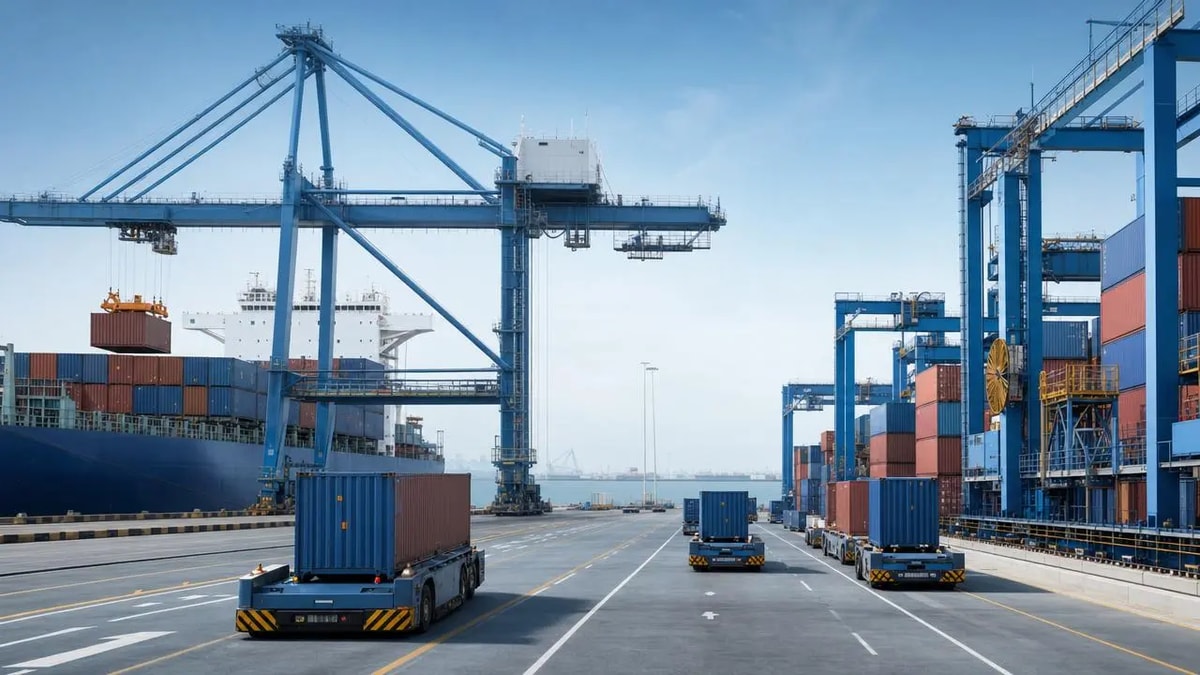
Automated Port Systems: Common Integration Problems to Expect
Automated port systems face real integration hurdles—from legacy equipment and data mismatches to network latency and safety conflicts. Learn what to check before approval.
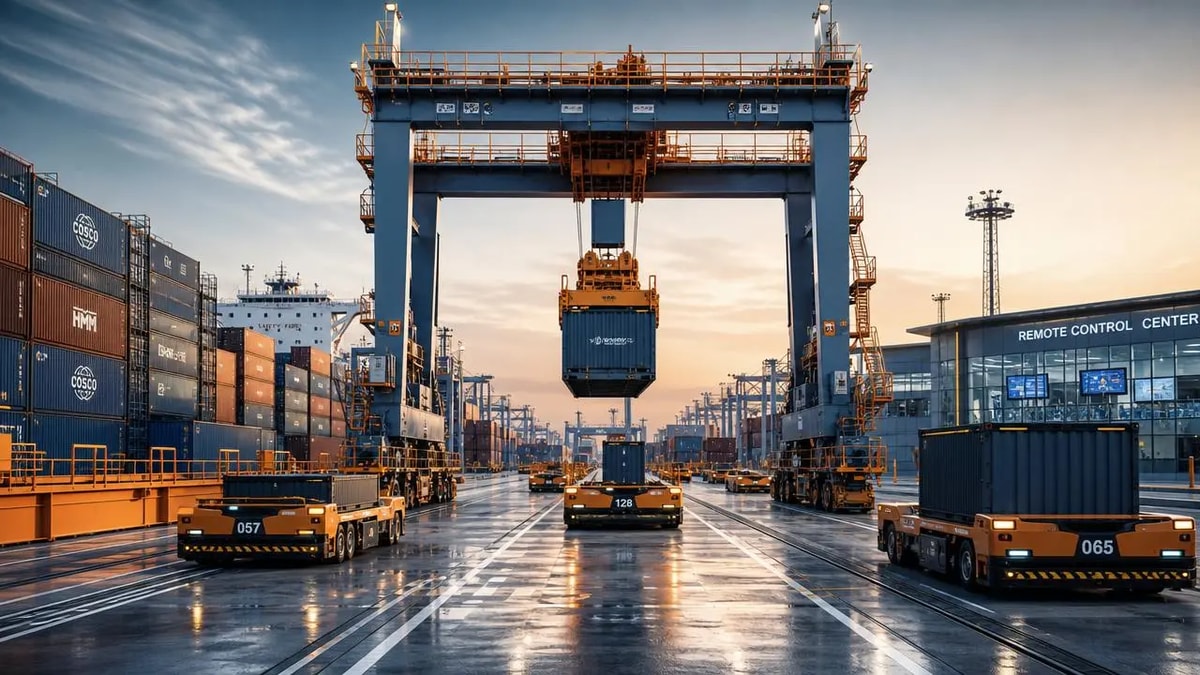
Port Automation Solutions That Reduce Manual Handoffs
Port automation solutions reduce manual handoffs, improve crane, AGV, yard, and control room coordination, and help terminals boost safety, speed, and operational efficiency.
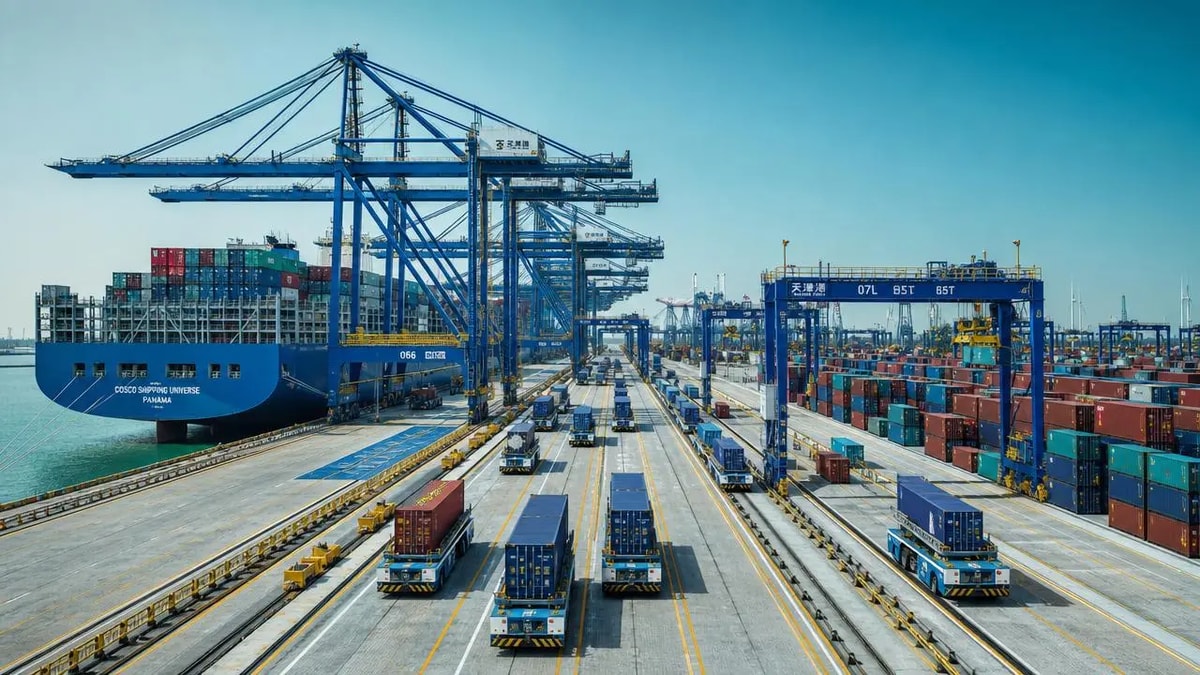
Smart Terminal Technology Trends Changing Port Operations
Smart terminal technology is reshaping port operations with AI, automation, predictive maintenance, and electrification. Discover which trends deliver the best ROI for different terminal scenarios.
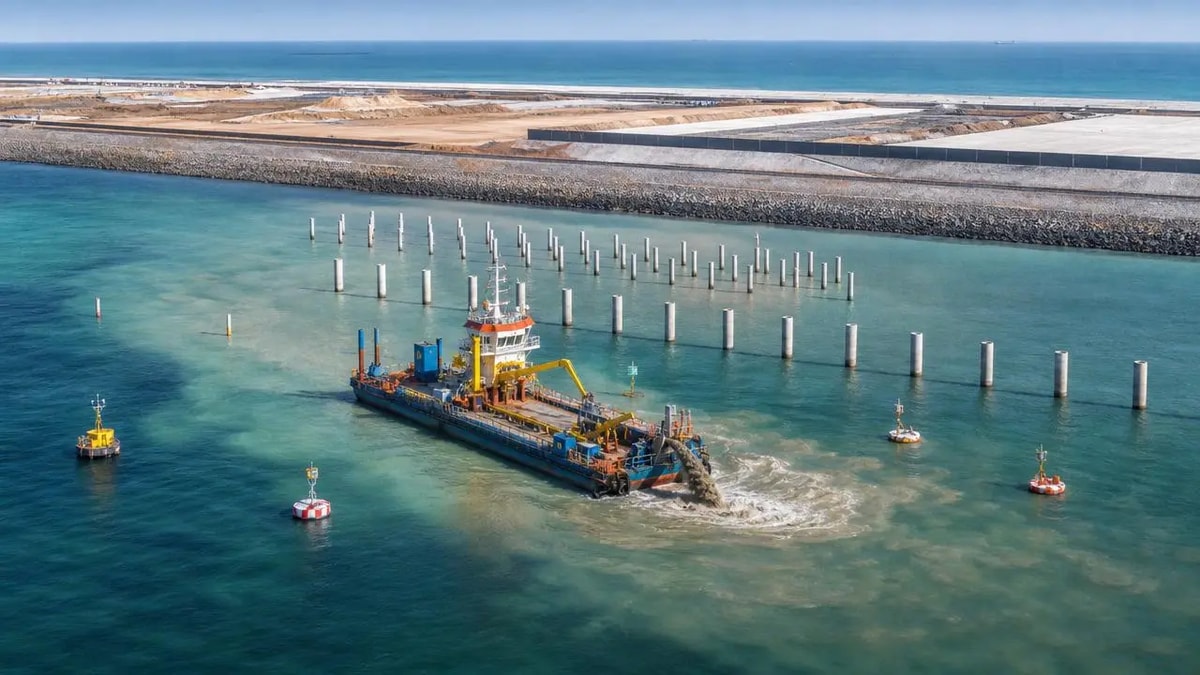
Marine Geotechnic Risks That Can Delay Coastal Projects
Marine geotechnic risks can quietly derail coastal projects with delays, rework, and compliance issues. Learn the warning signs and practical controls to protect schedule, safety, and budget.
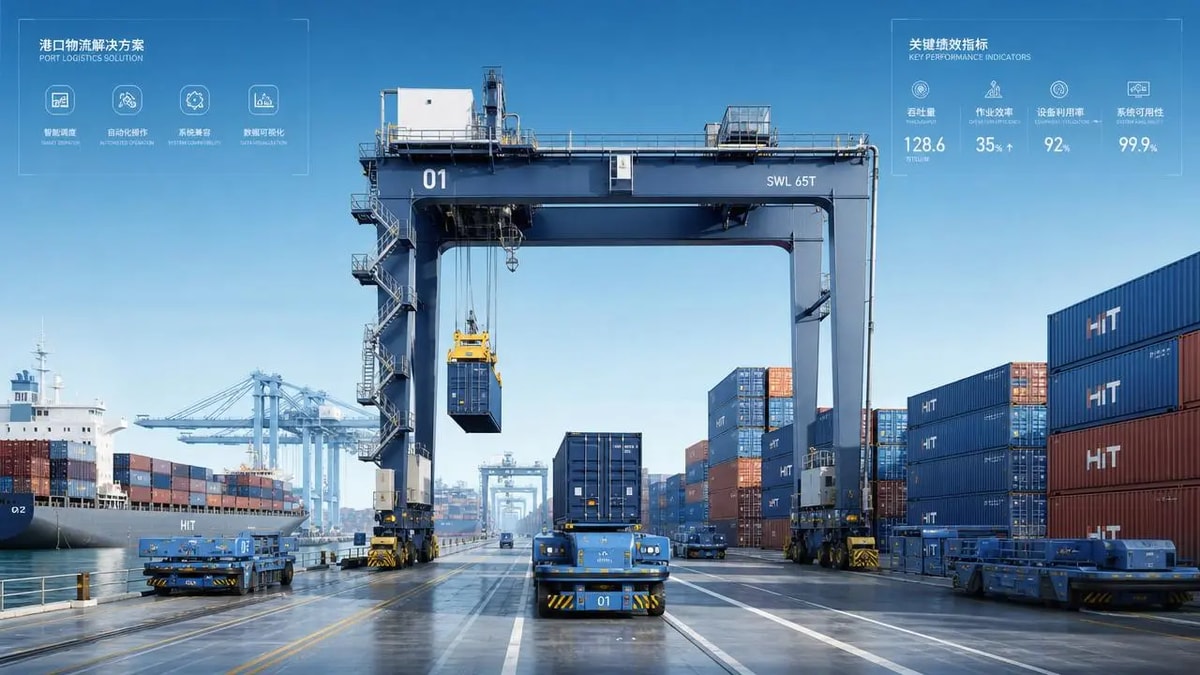
What to Compare Before Choosing Port Logistics Solutions
Port logistics solutions comparison guide: learn what to assess on throughput, compatibility, scalability, lifecycle cost, and automation readiness before choosing the right system.
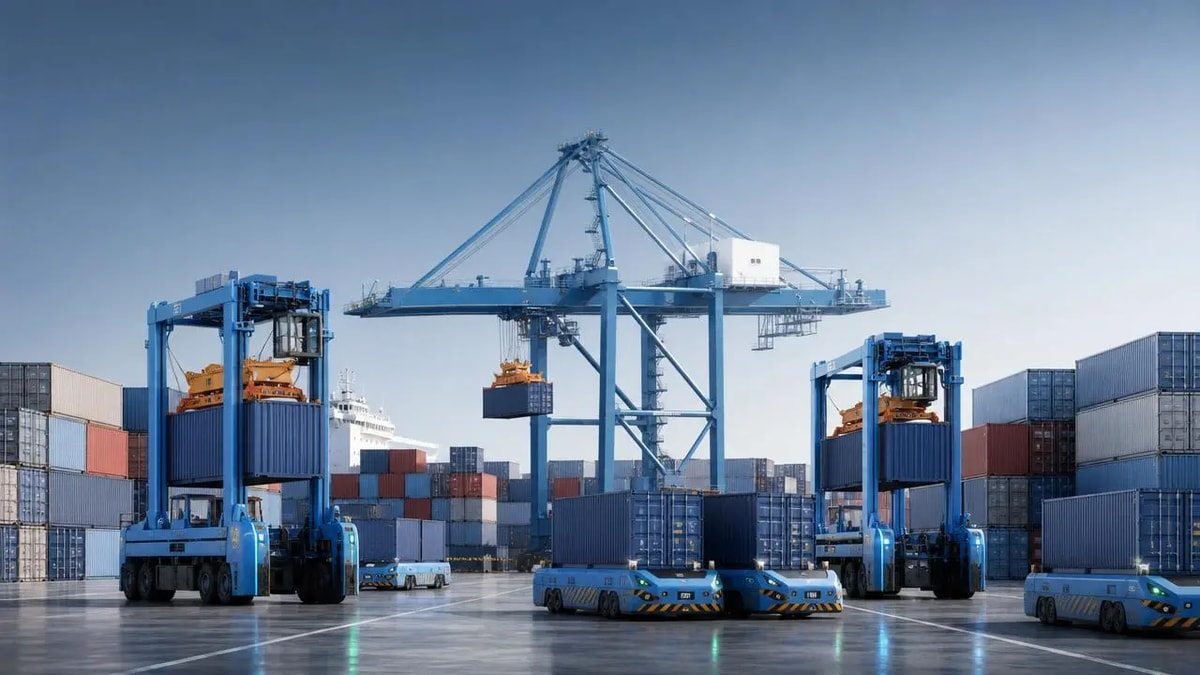
Port Terminal Equipment Costs Are Shifting in 2026
Port terminal equipment costs are shifting in 2026. Learn how automation, electrification, financing, and compliance reshape TCO, ROI, and smarter terminal investment decisions.