Port Infrastructure Bottlenecks That Delay Project Timelines
Port infrastructure bottlenecks can quietly derail even the most carefully planned project timelines, driving up costs, straining coordination, and weakening delivery confidence. For project managers and engineering leads, understanding how terminal capacity limits, equipment congestion, dredging constraints, and automation gaps disrupt execution is essential to reducing risk. This article explores the critical pressure points shaping schedule performance across modern ports.
Why scenario differences matter when assessing port infrastructure risk
For project leaders, port infrastructure is not a single variable. The same delay can have very different consequences depending on whether the project involves importing oversized terminal gear, moving bulk materials for an energy development, relocating specialized container handling systems, or supporting dredging equipment for channel expansion. In one case, the main threat may be berth congestion. In another, the real bottleneck may be draft limitation, customs inspection capacity, or weak yard coordination between manual and automated operations.
This is why schedule planning should never treat port infrastructure as a simple line item under logistics. It must be evaluated as a scenario-specific operating environment. A heavy-lift delivery to a mature gateway port, a mobilization package into an emerging coastal hub, and a phased installation program at an automated terminal all face different constraints. Project managers who identify these differences early are far better positioned to build realistic lead times, protect commissioning milestones, and reduce change-order exposure.
For organizations working across maritime logistics, coastal development, or industrial engineering, the goal is not only to ask whether a port can receive cargo. The more important question is whether the available port infrastructure can support the required sequence, speed, handling method, and reliability level for the specific project scenario.
Where port infrastructure bottlenecks usually appear in real project scenarios
In practice, bottlenecks rarely emerge as isolated failures. They appear at connection points: vessel arrival versus berth availability, discharge speed versus yard capacity, equipment handling versus road transfer, or dredging progress versus navigation access. For project teams, these stress points often surface too late because each stakeholder sees only one section of the chain.
The most common pressure areas in port infrastructure include limited berth windows, insufficient crane capacity, weak heavy-lift handling capability, draft restrictions caused by incomplete dredging, poor gate and yard flow, fragmented digital scheduling, and low resilience during weather or labor disruption. In advanced terminals, another challenge is transition friction between automated control systems and temporary project cargo procedures. In developing ports, the issue may be more basic: inadequate quay strength, limited storage surfaces, and slow documentation processing.
For PS-Nexus audiences, especially those tracking terminal gear, automation, and marine engineering, these bottlenecks are not abstract trends. They directly affect shipment readiness, erection sequencing, contractor productivity, and handover confidence across the full project timeline.
Scenario comparison: which bottlenecks matter most in different project environments
Before building buffers into the master schedule, project managers should compare their operating scenario against the most likely port infrastructure constraints. The table below highlights how risk priorities shift by use case.
This type of scenario comparison helps turn general concern about port infrastructure into a practical schedule control tool. It also helps senior teams decide where contingency funds and management attention should be placed first.
Scenario 1: Heavy equipment and terminal gear projects
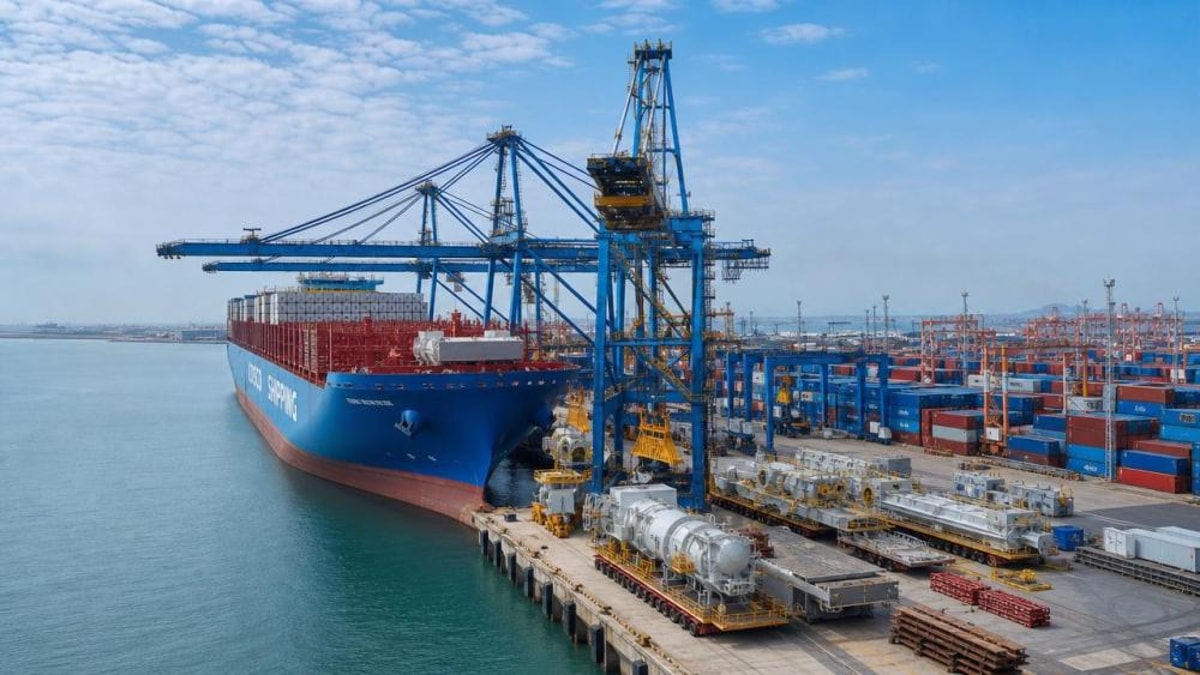
Projects involving ship-to-shore cranes, yard cranes, stacker systems, or large modular machinery are especially sensitive to port infrastructure bottlenecks because they rely on physical handling compatibility. A port may advertise strong throughput, but that does not mean it can safely receive oversized units with unusual lift geometry or axle-load requirements.
In this scenario, the critical questions are highly operational: Is the berth structurally suitable for the delivered unit? Can the available cranes meet tandem lift requirements? Is there enough clear transfer space between quay and staging area? Are road connections inside the port strong enough for self-propelled modular transporters or multi-axle trailers? If the answer to any of these is uncertain, the master schedule is already exposed.
Project managers should push for a handling-route validation long before shipment departure. That review should include quay bearing capacity, turning radii, temporary obstruction mapping, weather thresholds, and backup berthing options. In heavy terminal gear projects, port infrastructure delays often begin with an assumption that “the port handles large cargo regularly.” Regular cargo is not the same as project cargo with exceptional dimensions and sequencing dependency.
Scenario 2: Bulk logistics and energy-linked industrial projects
When the project depends on high-volume flow of aggregates, ores, fuel inputs, or other bulk materials, port infrastructure risk shifts from one-time handling capability to sustained turnover efficiency. Here, congestion is often cumulative rather than dramatic. Vessels may berth on time, yet the project still slips because discharge speed falls below assumptions, yard evacuation lags, or conveyor interfaces become choke points.
This scenario matters to engineering leads because bulk supply delays ripple into construction pacing. A plant foundation package may wait for cement inputs. A coastal reclamation job may slow due to interrupted stone or sand deliveries. A power-related development may experience inconsistent fuel or raw material arrivals that undermine contractor sequencing. In all of these cases, port infrastructure becomes a hidden production constraint.
The best planning response is to model the full transfer rhythm, not just vessel ETA. Teams should ask how many tons per day can realistically move from berth to yard, from yard to truck or rail, and from gate to site under local traffic rules and seasonal conditions. This is where intelligence-led planning, of the kind promoted by PS-Nexus, adds value: throughput must be understood as a system, not a headline capacity figure.
Scenario 3: Automated terminals and digitally coordinated ports
Many project teams assume advanced terminals reduce delay risk automatically. In reality, highly automated ports can create a different type of port infrastructure bottleneck. The physical assets may be world-class, but project cargo handling can be disrupted if the operating logic is optimized for standard container flows, not irregular engineering loads or temporary staging exceptions.
Typical friction points include mismatches between terminal operating systems and manual work permits, restricted slots for non-standard cargo movement, limited flexibility in AGV routing, and delays in integrating contractor access into secure digital workflows. If a site upgrade depends on new automated container handling systems, the project timeline may also be affected by software testing, remote-control latency tuning, and phased shutdown windows that are narrower than expected.
In this scenario, project managers should not only review hardware readiness. They should assess digital port infrastructure maturity: exception-handling rules, control-system interoperability, cyber approval steps, and test environment availability. A terminal can have excellent cranes and still lose weeks if operational logic cannot accommodate implementation sequencing.
Scenario 4: Dredging, channel access, and marine civil works
For dredging contractors, reclamation developers, and coastal engineering teams, port infrastructure delays are often driven by marine access conditions rather than landside congestion. Channel depth, tidal windows, siltation rates, turning basin geometry, and disposal site permissions can all reshape the schedule. Even a short mismatch between planned draft and actual depth can force vessel lightening, rescheduling, or offshore waiting time.
This scenario is especially relevant when a project depends on synchronized arrival of dredgers, support barges, booster stations, pipeline components, and fuel supply. If dredging progress slips, downstream activities such as berth extension, quay strengthening, or terminal commissioning may also slip. The delay chain can become severe because each work package relies on marine readiness that is difficult to accelerate later.
A practical response is to tie port infrastructure review directly to hydrographic monitoring and access governance. Engineering leads should confirm when survey data was last updated, what under-keel clearance assumptions are valid, how often maintenance dredging is performed, and whether marine traffic control will prioritize project vessels during critical windows.
How needs differ by project role and organizational scale
Not every stakeholder evaluates port infrastructure the same way. The same bottleneck may look strategic to one team and operational to another. Understanding these differences improves coordination and reduces blind spots during execution.
Common misjudgments that cause avoidable delays
One frequent mistake is relying on nominal capacity rather than usable capacity. A port may have strong annual throughput statistics, yet only limited windows for heavy project cargo. Another error is separating marine access analysis from landside delivery planning. Draft clearance, berth readiness, and internal transfer routes must be checked as one chain. A third misjudgment is assuming that modern automation eliminates coordination effort. In reality, digital systems often require earlier planning discipline, clearer cargo data, and tighter stakeholder alignment.
Teams also underestimate how quickly minor port infrastructure constraints can multiply. A two-day delay at discharge can create a one-week delay if erection crews, escort permits, or foundation readiness are tightly coupled. This is why schedule risk reviews should focus on interfaces, not just individual activities.
Practical fit-for-scenario checklist for project managers
To judge whether local port infrastructure fits the project, managers should ask five direct questions. First, can the port receive the cargo or equipment in the exact handling mode required? Second, can it do so within the needed time window, not merely at some future slot? Third, does the port have adequate resilience against weather, labor, traffic, and system exceptions? Fourth, are marine and landside constraints being assessed together? Fifth, is there a realistic fallback option if the first logistics plan fails?
If these questions cannot be answered with evidence, the schedule should not assume certainty. Instead, the team should create decision gates tied to berth confirmation, hydrographic validation, digital readiness, and route clearance. This converts uncertainty into managed checkpoints rather than late-stage surprises.
FAQ: key questions about port infrastructure and timeline control
How early should port infrastructure be assessed?
Ideally during front-end planning, before procurement is fully locked. Early review gives teams time to redesign shipping lots, adjust sequencing, or qualify alternate ports without severe cost escalation.
Which projects are most vulnerable to port infrastructure bottlenecks?
Projects with oversized equipment, synchronized marine works, high-volume bulk dependency, or automation cutovers are especially vulnerable because they depend on precise timing and limited operational flexibility.
Can better data reduce delay risk?
Yes. Reliable intelligence on berth utilization, dredging status, control-system readiness, and cargo flow performance helps teams replace assumptions with verifiable schedule inputs.
Final takeaway for schedule-critical projects
Port infrastructure should be treated as a scenario-based execution factor, not a background logistics detail. The right assessment depends on what the project is moving, how it must be handled, which systems must interact, and how much timing precision the project can tolerate. For project managers and engineering leads, the most effective approach is to map each port interface against the real operating scenario, identify the dominant bottleneck early, and build decisions around evidence rather than assumptions. In a market shaped by heavy terminal gear, automated handling, and marine engineering complexity, that discipline is what keeps delivery confidence intact.
Related News
Port Equipment Automation Maintenance Issues You Can Prevent Early
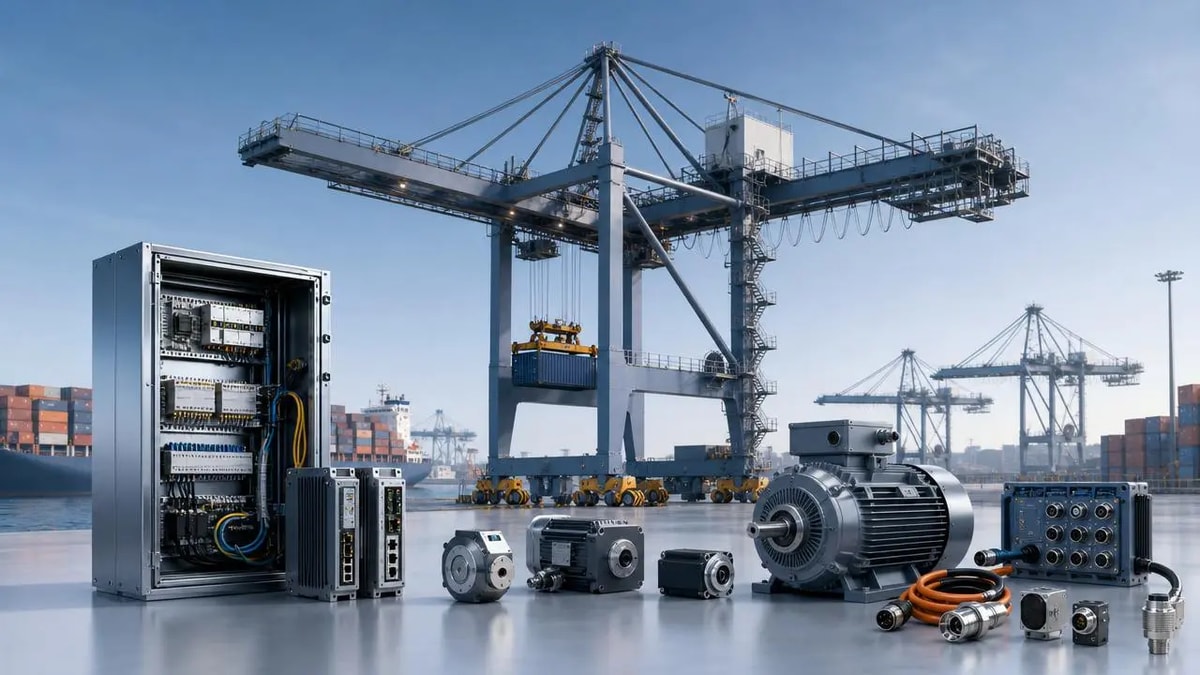
Port equipment automation maintenance starts with early detection. Learn how to catch sensor, drive, PLC, and network issues before they cause costly downtime and delays.
Marine Logistics Technology Suppliers: What Sets Them Apart
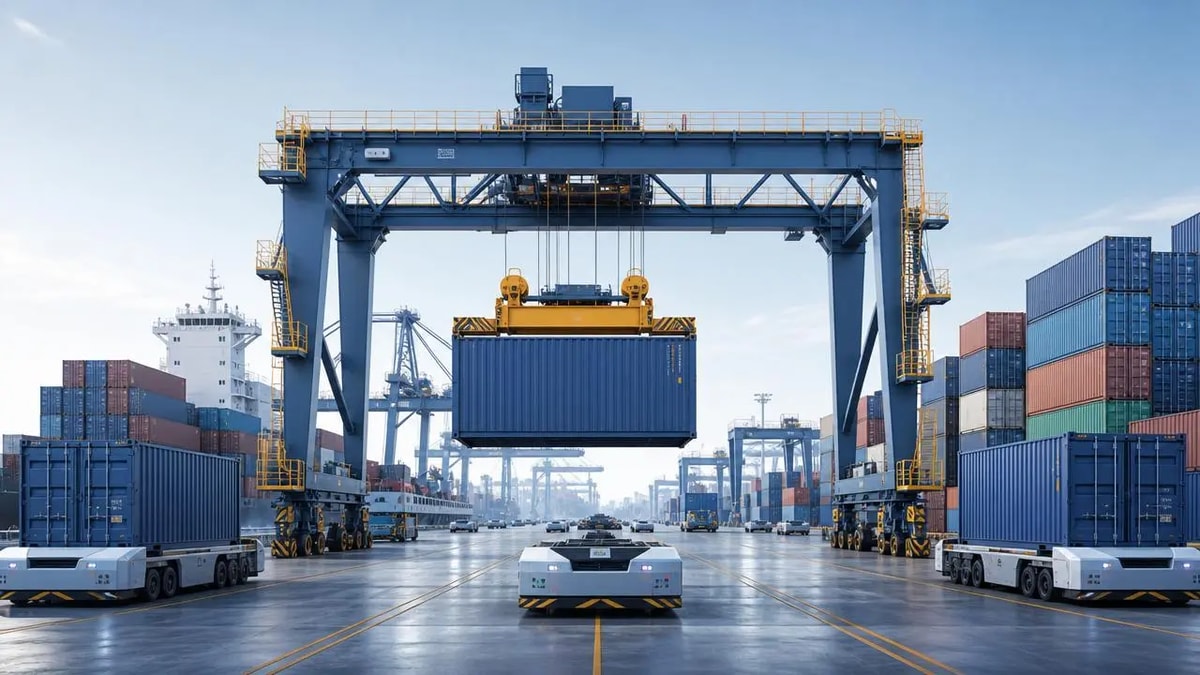
Marine logistics technology suppliers stand apart through automation, integration, and lifecycle support. Discover what helps ports and channel partners choose future-ready solutions.
Port Technology Trends Worth Watching Before Your Next Upgrade
Port technology trends shape smarter upgrade decisions. Explore automation, remote crane control, predictive maintenance, and phased investment strategies to reduce risk and improve ROI.
Automated Port Systems: Common Integration Problems to Expect
Automated port systems face real integration hurdles—from legacy equipment and data mismatches to network latency and safety conflicts. Learn what to check before approval.
Port Automation Solutions That Reduce Manual Handoffs
Port automation solutions reduce manual handoffs, improve crane, AGV, yard, and control room coordination, and help terminals boost safety, speed, and operational efficiency.
Smart Terminal Technology Trends Changing Port Operations
Smart terminal technology is reshaping port operations with AI, automation, predictive maintenance, and electrification. Discover which trends deliver the best ROI for different terminal scenarios.
Marine Geotechnic Risks That Can Delay Coastal Projects
Marine geotechnic risks can quietly derail coastal projects with delays, rework, and compliance issues. Learn the warning signs and practical controls to protect schedule, safety, and budget.
What to Compare Before Choosing Port Logistics Solutions
Port logistics solutions comparison guide: learn what to assess on throughput, compatibility, scalability, lifecycle cost, and automation readiness before choosing the right system.
Port Terminal Equipment Costs Are Shifting in 2026
Port terminal equipment costs are shifting in 2026. Learn how automation, electrification, financing, and compliance reshape TCO, ROI, and smarter terminal investment decisions.