Full Automation vs Phased Upgrades: Which Pays Off Sooner?
For port and terminal leaders weighing capital intensity against operational gains, the choice between full automation and phased upgrades is more than a technology decision—it is a payback strategy. In heavy terminal gear, container handling, and dredging-linked logistics, understanding which path delivers faster returns can shape competitiveness, resilience, and long-term asset value. This article examines where full automation pays sooner, and where staged modernization creates the smarter business case.
What full automation means in a port operations context
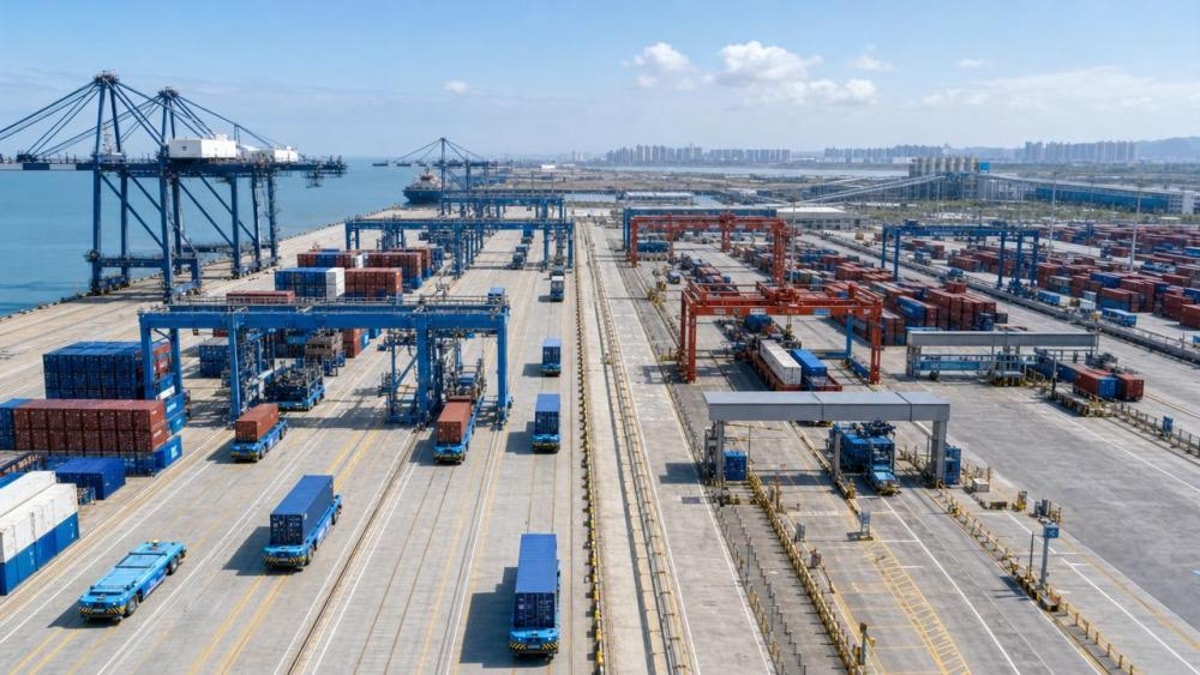
In maritime logistics, full automation refers to a coordinated operating model in which core terminal processes are managed through integrated hardware, software, sensing, and control layers rather than manual intervention at each step. This often includes automated stacking cranes, remotely operated quay cranes, AGVs or autonomous trucks, OCR gate systems, digital yard planning, equipment health monitoring, and a terminal operating system that orchestrates real-time moves across the site.
By contrast, phased upgrades modernize selected bottlenecks first. A terminal may deploy crane anti-sway systems, automate gate entry, add dispatching software, retrofit energy management, or convert one yard block to semi-automation before extending change sitewide. The practical question for enterprise decision-makers is not which model sounds more advanced, but which one produces earlier and more reliable financial returns under actual operating conditions.
For intelligence-led platforms such as PS-Nexus, the issue matters because heavy terminal gear, control systems, and dredging-linked logistics all sit inside long-cycle infrastructure economics. These assets are expensive, operationally interdependent, and strategically exposed to labor shifts, emissions rules, trade volatility, and vessel scheduling pressure. That makes payback timing just as important as peak technical performance.
Why the industry is paying closer attention now
The current port environment is defined by three simultaneous pressures. First, throughput expectations continue to rise, especially at major gateways handling larger vessels and tighter berth windows. Second, labor availability and safety requirements are pushing operators toward more remote, standardized, and digitally assisted workflows. Third, sustainability targets are forcing terminals to cut idle time, optimize equipment cycles, and use energy more intelligently.
These pressures make full automation attractive because it promises structural improvement rather than isolated efficiency gains. A fully automated terminal can potentially reduce move variability, extend operating consistency across shifts, improve asset utilization, and generate cleaner operational data for planning and maintenance. However, the capital burden, integration complexity, and commissioning risk are significant.
Phased upgrades remain highly relevant because many terminals are not greenfield projects. Brownfield sites often face constrained yard geometry, mixed fleets, legacy software, and ongoing customer commitments that limit the feasibility of large-scale shutdowns. In these cases, staged modernization can deliver faster operational relief with lower disruption, even if it does not unlock the full long-term upside of complete automation.
A practical comparison of payback drivers
When leaders compare investment options, the answer rarely depends on technology alone. Payback is influenced by baseline productivity, labor structure, maintenance cost, land utilization, vessel mix, and the quality of data already available. The table below summarizes the most common decision factors.
For many operators, this comparison reveals a central truth: the faster-paying option is usually the one that best matches terminal constraints, not the one with the boldest technical scope. A terminal that already suffers chronic yard congestion, inconsistent crane productivity, and expensive manual dispatching may capture visible returns from partial automation in months rather than years. But a high-volume hub with stable demand and expansion pressure may find that full automation produces stronger cumulative payback once the system is stabilized.
Where full automation tends to pay off sooner
Despite its larger capital requirement, full automation can pay off sooner in several specific situations. The first is the greenfield terminal. When infrastructure, yard layout, communications, and equipment procurement are designed as one system, integration friction is much lower than in retrofits. This enables automation logic, traffic flows, and safety architecture to be optimized from the beginning rather than forced into legacy constraints.
The second situation is sustained high-volume operation. If berth productivity pressure is constant and labor costs are structurally high, automated handling can improve cycle consistency and reduce variability that otherwise erodes vessel turnaround performance. In these environments, the value of predictable throughput often outweighs the long commissioning period.
The third is when labor safety and availability issues are already affecting service reliability. Remote operation, automated routing, and centralized control can reduce exposure in hazardous zones while making shift planning more resilient. The business case becomes even stronger when automation supports electrification, lower idle energy use, and better maintenance planning, all of which improve lifecycle economics.
Finally, full automation pays sooner when the operator can monetize higher service quality. Ports serving strategic shipping alliances, premium customers, or integrated logistics corridors may recover investment faster because reliability itself carries commercial value, not just internal cost savings.
Where phased upgrades usually create faster returns
Phased upgrades are often the better answer for brownfield terminals, mixed cargo sites, and operators managing uncertain demand. In these environments, returns come from precision targeting rather than full redesign. Examples include automating gate processing to reduce truck queue time, upgrading crane control systems to improve handling speed, introducing intelligent yard planning to cut rehandles, or adding predictive maintenance to reduce unplanned downtime.
This approach works especially well when the operation already knows its worst bottlenecks. If berth waiting is acceptable but yard transfer is unstable, there is little reason to automate the entire terminal before fixing yard coordination. If dredging-related material flows create intermittent surges, digital scheduling and equipment visibility may produce quicker gains than autonomous fleet conversion.
Phased modernization also protects optionality. Decision-makers can validate assumptions with one block, one gate lane, one crane family, or one software layer before committing larger capital. That is strategically valuable in a volatile trade environment where volumes, regulation, and financing conditions may shift faster than expected.
Typical scenarios by asset and operation type
Not every asset category behaves the same. The right path depends on whether value is concentrated in repetitive moves, coordination complexity, safety exposure, or infrastructure limitations.
This classification matters because enterprise leaders often overgeneralize automation economics. A terminal can be highly advanced in one subsystem and still gain more from staged improvement elsewhere. The strongest investment cases usually emerge from subsystem-level diagnosis, not broad labels.
How to evaluate payback more accurately
A credible business case should go beyond equipment productivity claims. First, quantify baseline losses in operational terms: rehandles, truck dwell time, berth delay, crane idle time, labor overtime, fuel or power waste, and maintenance-related outages. Second, assess whether these losses come from manual execution, weak planning logic, disconnected systems, or physical layout constraints. Third, determine how much of the problem can be solved without a terminal-wide rebuild.
Decision-makers should also model organizational readiness. Full automation requires more than machines and software. It demands control room procedures, data governance, cybersecurity discipline, operator retraining, vendor interoperability, and performance management built around digital workflows. If these foundations are weak, the payback clock may start later than the financial model suggests.
Another important factor is infrastructure life. If major equipment replacement is already approaching, the incremental cost of moving toward full automation may be lower than expected. In contrast, if assets still have long useful life and serviceable performance, phased upgrades can preserve capital efficiency while steadily improving the digital backbone.
Practical guidance for enterprise decision-makers
A disciplined sequence often works best. Start with a strategic map of the terminal value chain, identifying where delay, variability, or safety exposure destroys the most value. Then rank opportunities by both economic impact and implementation feasibility. In many cases, the winning strategy is not a binary choice between full automation and slow modernization, but a phased roadmap designed to keep the option of full automation open.
That means selecting technologies with open interfaces, scalable control architectures, and clean data capture from the beginning. It also means using pilots to learn, not just to showcase innovation. A small automation project that improves dispatch logic, validates communication latency, and standardizes operational KPIs can create the technical and organizational base for a larger transformation later.
For groups operating across multiple terminals, portfolio strategy matters too. One flagship site may justify full automation because of volume, labor structure, and long-term strategic importance, while regional sites benefit more from selective upgrades. The portfolio view often reveals the fastest overall return on invested capital.
Conclusion: sooner payback depends on fit, not fashion
The debate is not whether full automation is superior in theory. It is whether the terminal’s operating profile, infrastructure condition, and commercial model allow automation to convert capability into timely returns. Full automation tends to pay off sooner in greenfield, high-volume, strategically critical environments where consistency, labor resilience, and scalable throughput carry major value. Phased upgrades usually win on speed when operations are constrained by legacy assets, uncertain demand, or clearly isolated bottlenecks.
For leaders in heavy terminal gear, automated container handling, and dredging-linked logistics, the most effective path is evidence-based modernization. Build the case from real operational losses, digital readiness, and asset lifecycle timing. When that discipline is applied, the question changes from “Which technology is better?” to “Which investment path creates measurable advantage sooner?” That is the question that defines durable competitiveness in modern maritime logistics.
Related News
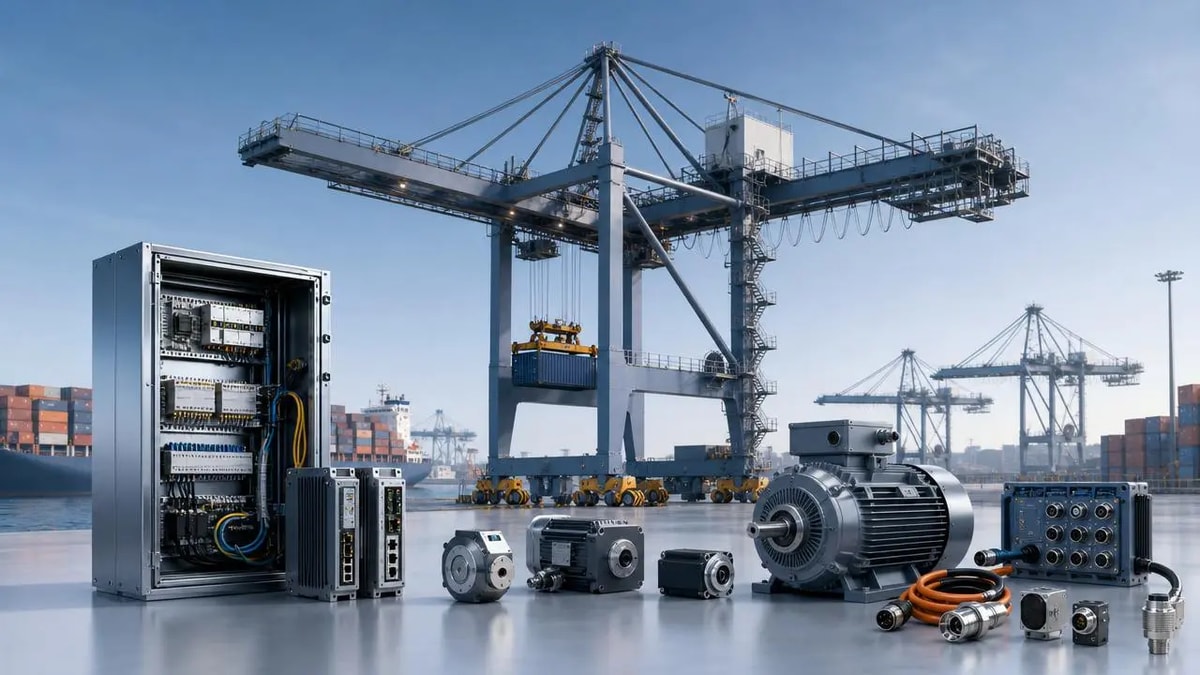
Port Equipment Automation Maintenance Issues You Can Prevent Early
Port equipment automation maintenance starts with early detection. Learn how to catch sensor, drive, PLC, and network issues before they cause costly downtime and delays.
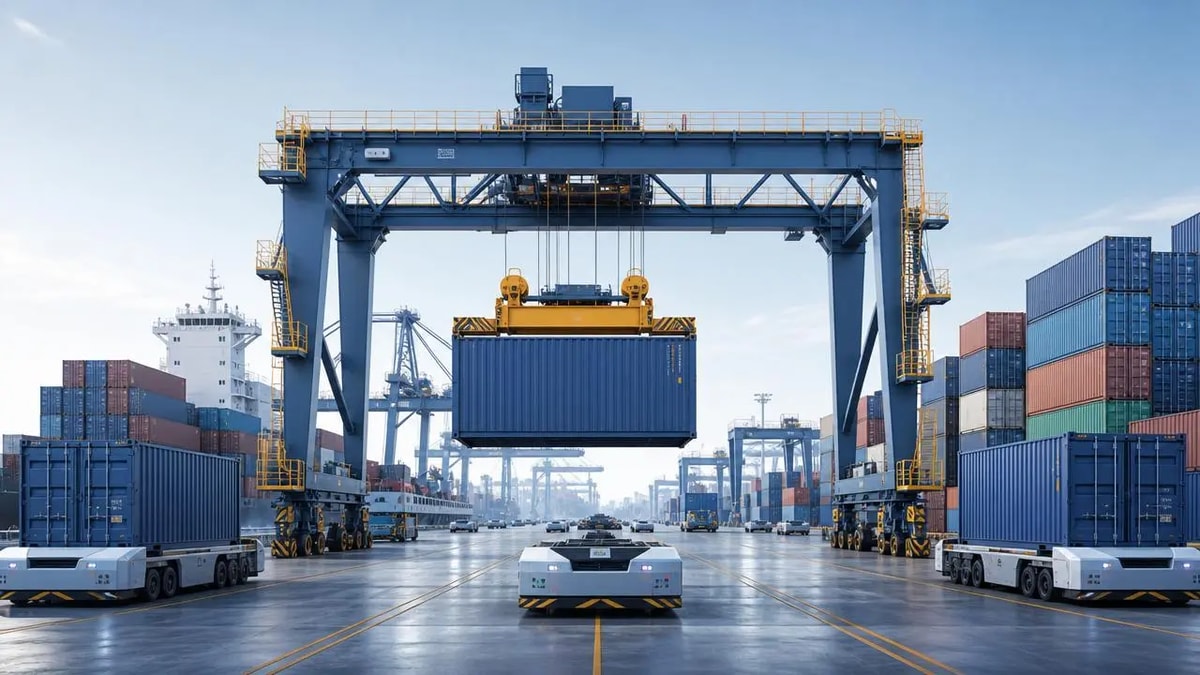
Marine Logistics Technology Suppliers: What Sets Them Apart
Marine logistics technology suppliers stand apart through automation, integration, and lifecycle support. Discover what helps ports and channel partners choose future-ready solutions.
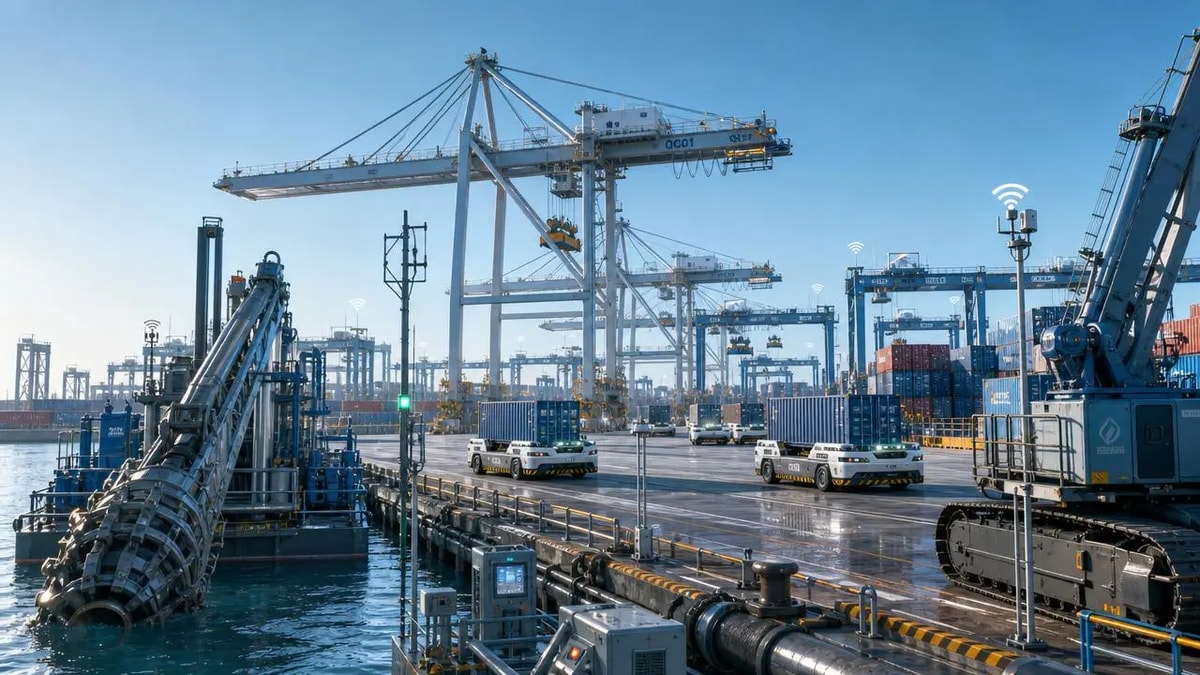
Port Technology Trends Worth Watching Before Your Next Upgrade
Port technology trends shape smarter upgrade decisions. Explore automation, remote crane control, predictive maintenance, and phased investment strategies to reduce risk and improve ROI.
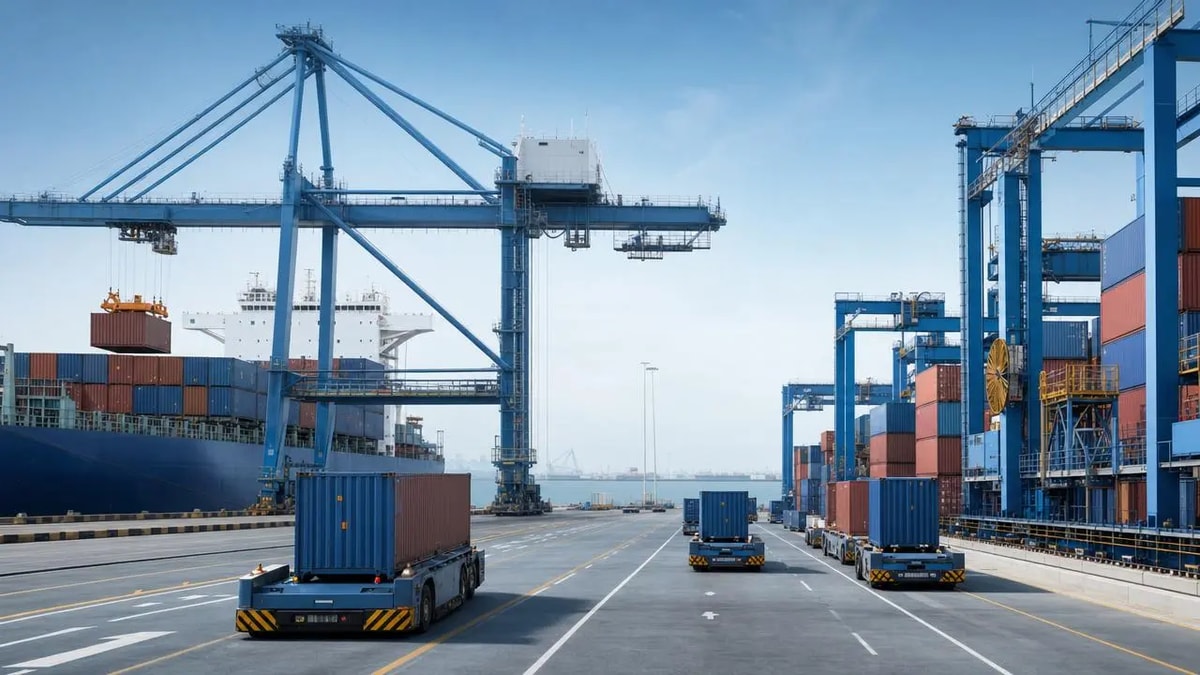
Automated Port Systems: Common Integration Problems to Expect
Automated port systems face real integration hurdles—from legacy equipment and data mismatches to network latency and safety conflicts. Learn what to check before approval.
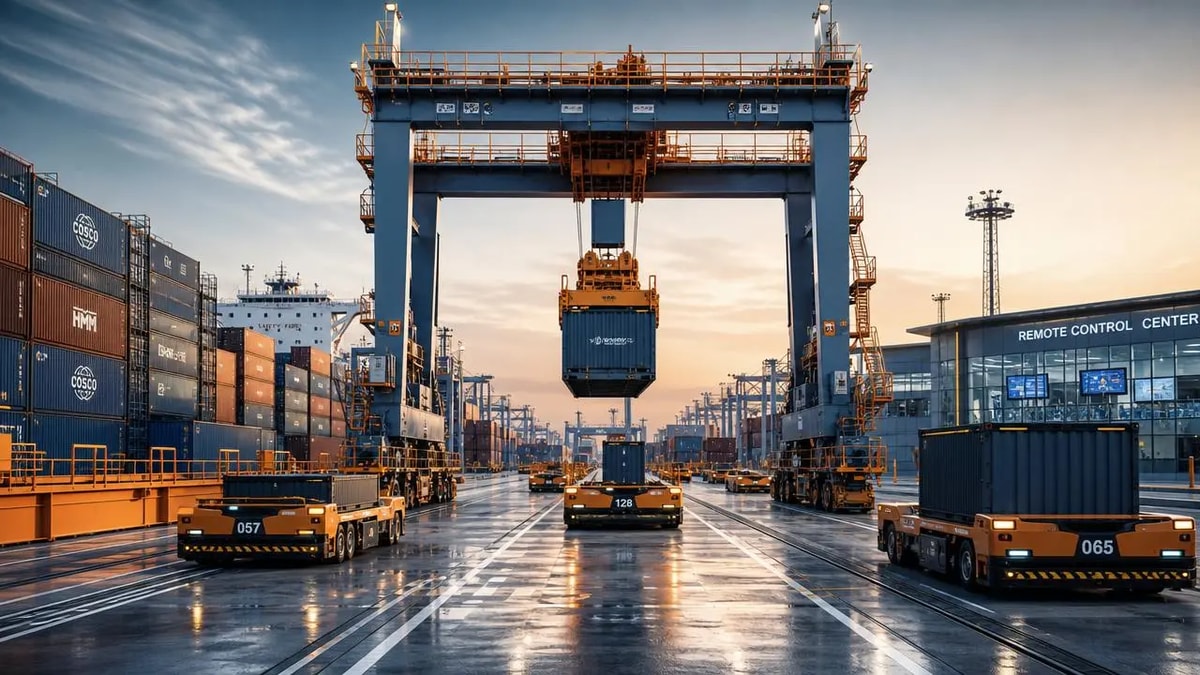
Port Automation Solutions That Reduce Manual Handoffs
Port automation solutions reduce manual handoffs, improve crane, AGV, yard, and control room coordination, and help terminals boost safety, speed, and operational efficiency.
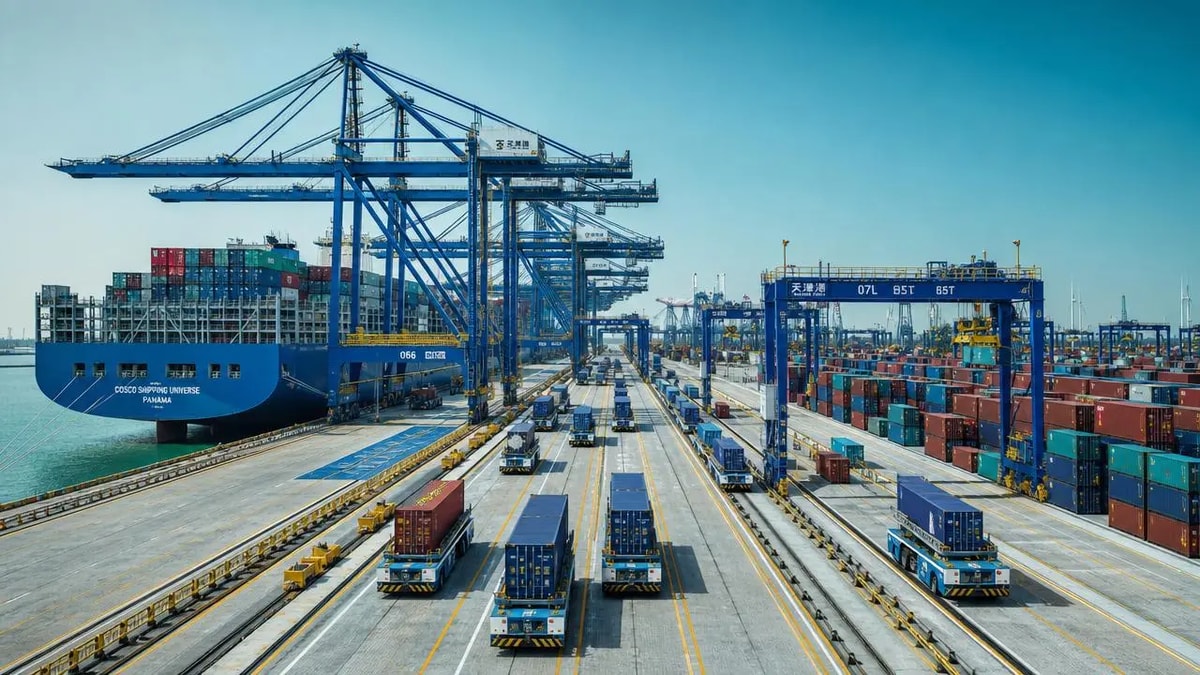
Smart Terminal Technology Trends Changing Port Operations
Smart terminal technology is reshaping port operations with AI, automation, predictive maintenance, and electrification. Discover which trends deliver the best ROI for different terminal scenarios.
Marine Geotechnic Risks That Can Delay Coastal Projects
Marine geotechnic risks can quietly derail coastal projects with delays, rework, and compliance issues. Learn the warning signs and practical controls to protect schedule, safety, and budget.
What to Compare Before Choosing Port Logistics Solutions
Port logistics solutions comparison guide: learn what to assess on throughput, compatibility, scalability, lifecycle cost, and automation readiness before choosing the right system.
Port Terminal Equipment Costs Are Shifting in 2026
Port terminal equipment costs are shifting in 2026. Learn how automation, electrification, financing, and compliance reshape TCO, ROI, and smarter terminal investment decisions.