Quay Crane Price Trends: What Is Driving New Orders
As global ports accelerate modernization, quay crane procurement is becoming a strategic signal for distributors and agents tracking terminal investment cycles. From steel costs and automation upgrades to vessel upsizing and regional trade shifts, several forces are reshaping new order decisions. This article explores the latest quay crane price trends and the key market drivers behind rising demand, helping channel partners identify profitable opportunities in a rapidly evolving port equipment landscape.
Why scenario differences matter more than headline quay crane prices
For distributors, agents, and regional channel partners, the most useful question is not simply whether a quay crane is becoming more expensive or cheaper. The better question is: in which terminal scenarios are buyers still placing new orders despite price pressure, and in which scenarios are they delaying investment? A price trend only becomes actionable when it is tied to a real operating context.
A hub port expanding for ultra-large container vessels will evaluate a quay crane very differently from a secondary port replacing aging units, and both differ again from a greenfield automated terminal. Procurement logic changes with berth depth, vessel size, yard design, labor cost, power availability, and digital control requirements. That is why quay crane demand cannot be read as a single global number. It is a portfolio of use cases, each with its own cost tolerance and urgency.
For PS-Nexus readers in distribution and agency roles, understanding these distinctions helps improve stock planning, quotation strategy, technical pre-sales support, and supplier positioning. It also helps avoid a common mistake: assuming that a temporary softening in raw material prices automatically translates into lower final project resistance. In many bids, financing terms, automation scope, and lifecycle service commitments now influence the decision as much as the crane price itself.
The main business scenarios where quay crane orders are being driven
Current new orders for quay crane systems are being shaped by several recurring application scenarios across the port industry. Each scenario creates a different buying motive, timeline, and acceptable price band.
1) Capacity expansion at major gateway ports
Large gateway terminals are ordering new quay crane units to raise berth productivity, support larger call sizes, and reduce vessel turnaround time. In this scenario, buyers focus less on the lowest upfront price and more on outreach, lift height, twin-lift or tandem capability, reliability, and compatibility with terminal operating systems. New orders are often linked to shipping line pressure and long-term throughput growth forecasts.
2) Replacement of aging cranes at established terminals
Many mature ports are replacing older quay crane fleets that can no longer serve wider vessels efficiently or that carry high maintenance costs. Here, the purchase decision is driven by total cost of ownership, structural fatigue risk, energy efficiency, spare parts availability, and retrofit complexity. Buyers in this segment are highly sensitive to downtime risk during installation and commissioning.
3) Greenfield and semi-automated terminal development
In a new terminal build, the quay crane is part of a broader system. Orders depend on integration with remote control platforms, automated yard equipment, OCR, anti-sway systems, and data interfaces. In this setting, a higher crane price may still be accepted if the equipment reduces integration risk and supports a scalable automation roadmap.
4) Regional ports upgrading to attract direct calls
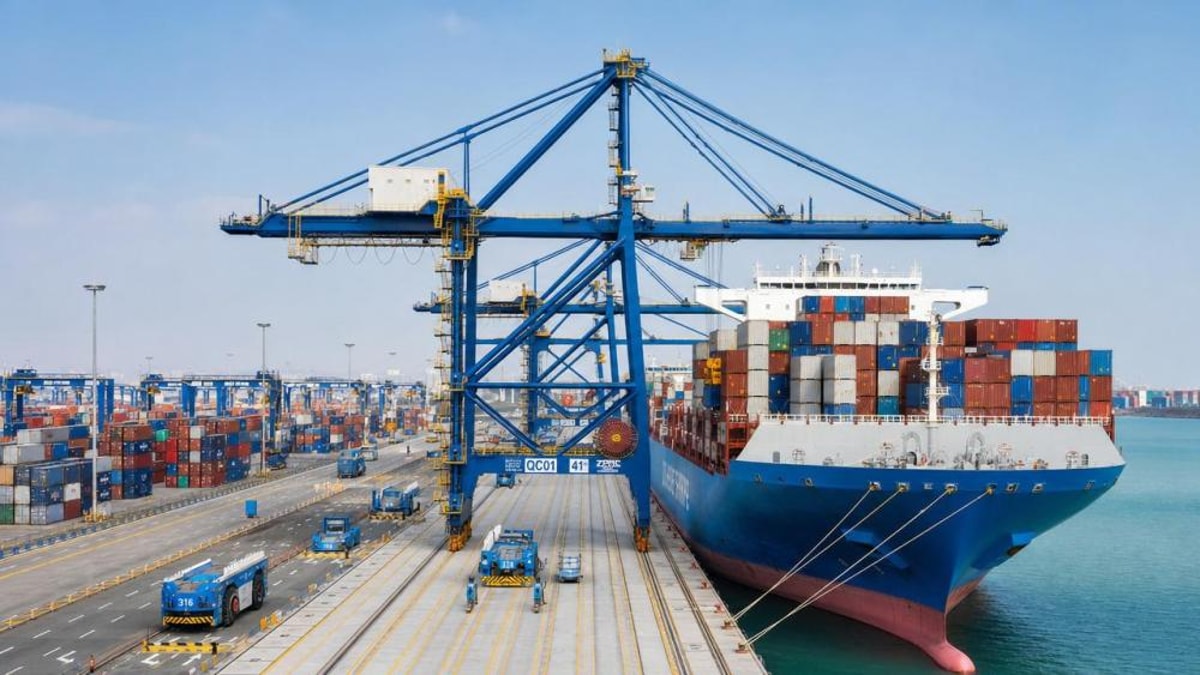
Smaller ports often order a quay crane not to maximize volume immediately, but to qualify for larger feeder or direct mainline services. Their decision process is strategic: they want enough crane capability to improve market relevance without overinvesting in oversized specifications. This scenario is especially important for distributors because customers often need stronger technical guidance and financing support.
5) Trade corridor reshaping and nearshoring-driven investment
As manufacturing shifts and regional trade lanes evolve, some ports are seeing new cargo concentration. In these cases, quay crane orders are tied to policy incentives, industrial park growth, and supply chain relocation. Buyers may move quickly if they believe cargo capture opportunities are time-sensitive, even when equipment prices remain elevated.
What is driving quay crane price trends in these scenarios
Recent quay crane price trends reflect a mix of industrial input costs and strategic specification changes. For channel partners, it is useful to separate visible cost drivers from hidden value drivers.
Raw materials and fabrication costs
Steel remains a core cost component, but fabricated heavy structures are also affected by energy prices, welding labor, paint systems, transport constraints, and factory utilization. Even when commodity steel prices ease, final crane quotations may stay firm if fabrication slots are tight or logistics costs remain volatile.
Automation and digital control layers
A modern quay crane increasingly includes remote operation features, positioning sensors, anti-collision logic, condition monitoring, and cybersecurity-related control architecture. These additions raise the initial project value, but they also improve uptime, labor flexibility, and long-term operational data quality. In automated or labor-constrained terminals, these features are no longer optional extras.
Vessel upsizing and technical specification inflation
As ships become wider and stack higher, crane outreach, backreach, hoisting height, and wheel loads all trend upward. This means the average ordered quay crane is not directly comparable with older models. In many markets, part of the apparent price increase is really a specification increase rather than pure inflation.
Environmental and power efficiency requirements
Ports pursuing net-zero goals are asking for regenerative drives, lower power consumption, smarter energy management, and designs that support cleaner operations. These requirements can increase upfront cost but may improve bid competitiveness where sustainability scoring influences awards.
Scenario comparison: what buyers prioritize before placing a new quay crane order
The table below helps distributors match buyer priorities to actual terminal scenarios rather than selling the same value message to every customer.
How distributors and agents should assess quarry crane opportunities by scenario
For channel partners, successful quay crane business development depends on asking the right pre-qualification questions early. A technically impressive offer can still fail if it does not fit the customer’s operational stage or funding structure.
When to prioritize solution selling over price selling
In automated and hub-port scenarios, customers typically respond better to solution selling. They want clarity on interface compatibility, digital commissioning, predictive maintenance, and training support. In these deals, the quay crane is part of a performance system, so the channel message should emphasize measurable berth productivity and long-term uptime.
When financing and phased delivery matter most
Regional ports and replacement buyers often need financial flexibility more than premium automation. A distributor who can package phased installation, refurbishment comparisons, maintenance forecasting, and financing introductions may outperform a competitor with a nominally lower crane quote.
When lead time becomes the deciding factor
In corridor expansion or policy-supported projects, delayed delivery can erase the commercial advantage of a lower price. If a terminal wants to capture a new service window, lead time certainty and installation planning may be the true value driver behind the quay crane order.
Common misjudgments in quay crane demand forecasting
One frequent error is reading all port expansion announcements as immediate crane demand. Some terminals secure land, dredging, and berth permits years before ordering core lifting equipment. Another mistake is assuming every larger vessel call requires an instant upgrade. In practice, some ports manage with operating adjustments until utilization reaches a trigger point.
A third misjudgment is undervaluing after-sales capability. Buyers increasingly evaluate spare parts support, digital diagnostics, service response, and operator training before finalizing a quay crane purchase. For agents, this means the sales opportunity may depend as much on downstream service readiness as on the original manufacturer relationship.
Finally, distributors should avoid overgeneralizing from steel price movements. A lower input index does not always produce a lower transaction price if specification levels rise, factory backlogs lengthen, or project risk allocations shift toward the supplier.
Practical scenario-fit checklist before pursuing a quay crane project
Before investing heavily in bid preparation, channel partners should confirm whether the project fits the customer’s real scenario. A useful checklist includes berth dimensions, target vessel class, annual throughput plan, terminal operating model, labor strategy, power supply conditions, civil foundation status, digital integration scope, service expectations, and financing pathway.
If several of these points remain undefined, the project may still be at a concept stage rather than an active procurement stage. In contrast, when these parameters are already aligned, a quay crane opportunity is usually moving closer to a serious tender or negotiated order. This distinction helps distributors allocate time and technical resources more effectively.
FAQ: scenario-based questions distributors often ask
Is rising quay crane demand mainly coming from new ports?
Not only. A large share of current demand comes from replacement cycles, vessel upsizing, and automation upgrades at existing terminals. Greenfield projects attract attention, but brownfield modernization is often more consistent.
Which customers are most sensitive to quay crane price trends?
Regional ports, budget-constrained public terminals, and buyers balancing refurbishment versus replacement are usually the most price-sensitive. Large strategic hubs may accept higher pricing if the crane delivers clear productivity gains.
What creates the strongest order momentum today?
The strongest momentum tends to come from projects where larger vessel handling, automation readiness, and cargo growth forecasts align. In those cases, a quay crane order becomes a strategic necessity rather than a discretionary purchase.
Where the best channel opportunities are emerging
The best opportunities are not always in the biggest ports. They often appear where scenario complexity is high and buyers need guidance: regional ports upgrading capabilities, terminals comparing replacement against retrofit, and semi-automated facilities seeking integration-friendly quay crane solutions. These customers value distributors who can translate market trends into project-fit advice.
For PS-Nexus audiences, the key is to track demand by scenario rather than by headline sentiment alone. When you understand why a terminal is ordering, what operational pain it is solving, and how price interacts with timing, automation, and service expectations, you can position the right quay crane offer with far greater precision. The next step is to map your own market pipeline against these scenarios, confirm buyer readiness, and refine your product-service mix accordingly.
Related News
Port Equipment Automation Maintenance Issues You Can Prevent Early
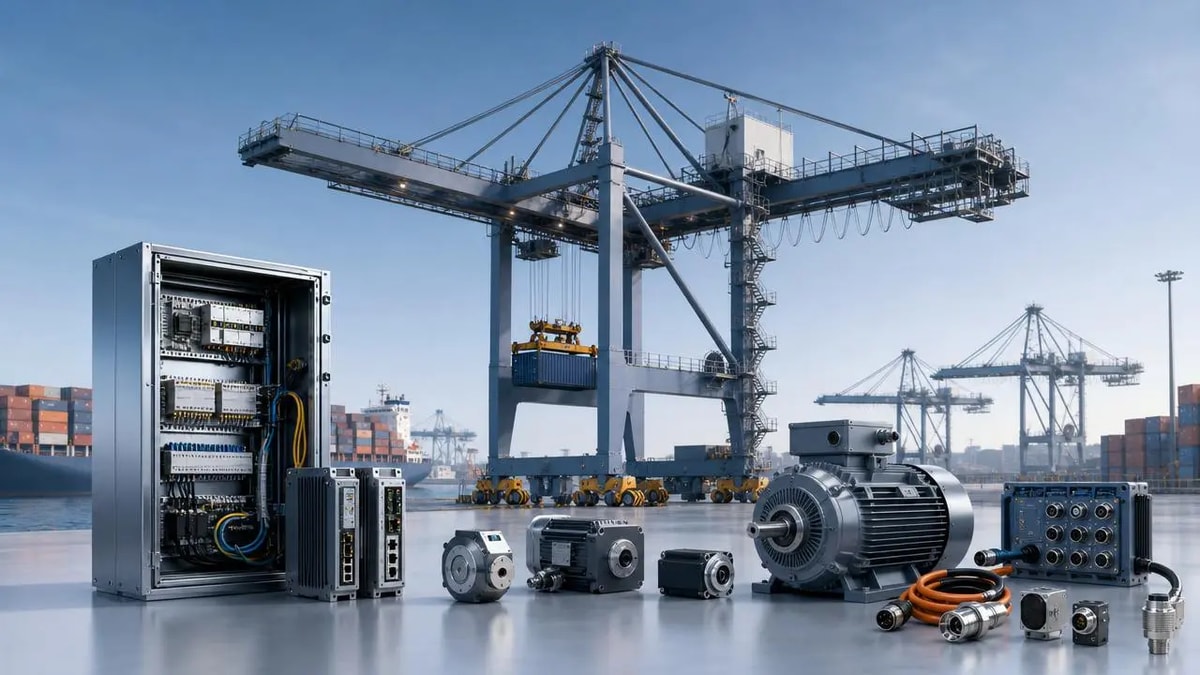
Port equipment automation maintenance starts with early detection. Learn how to catch sensor, drive, PLC, and network issues before they cause costly downtime and delays.
Marine Logistics Technology Suppliers: What Sets Them Apart
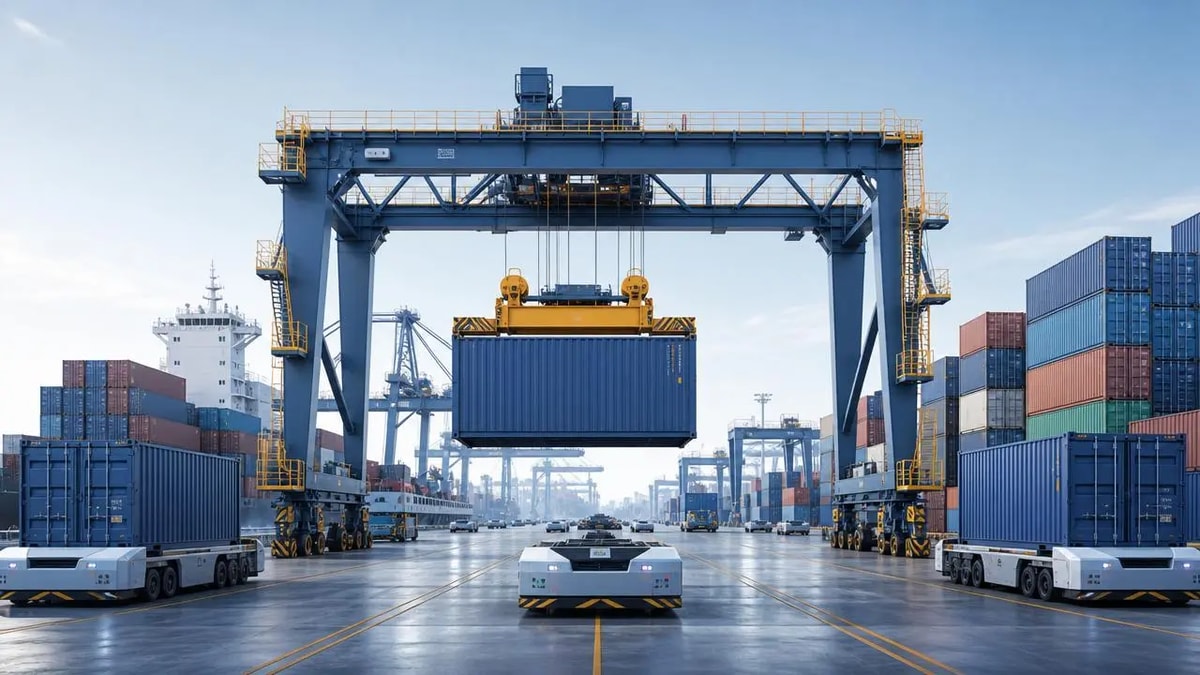
Marine logistics technology suppliers stand apart through automation, integration, and lifecycle support. Discover what helps ports and channel partners choose future-ready solutions.
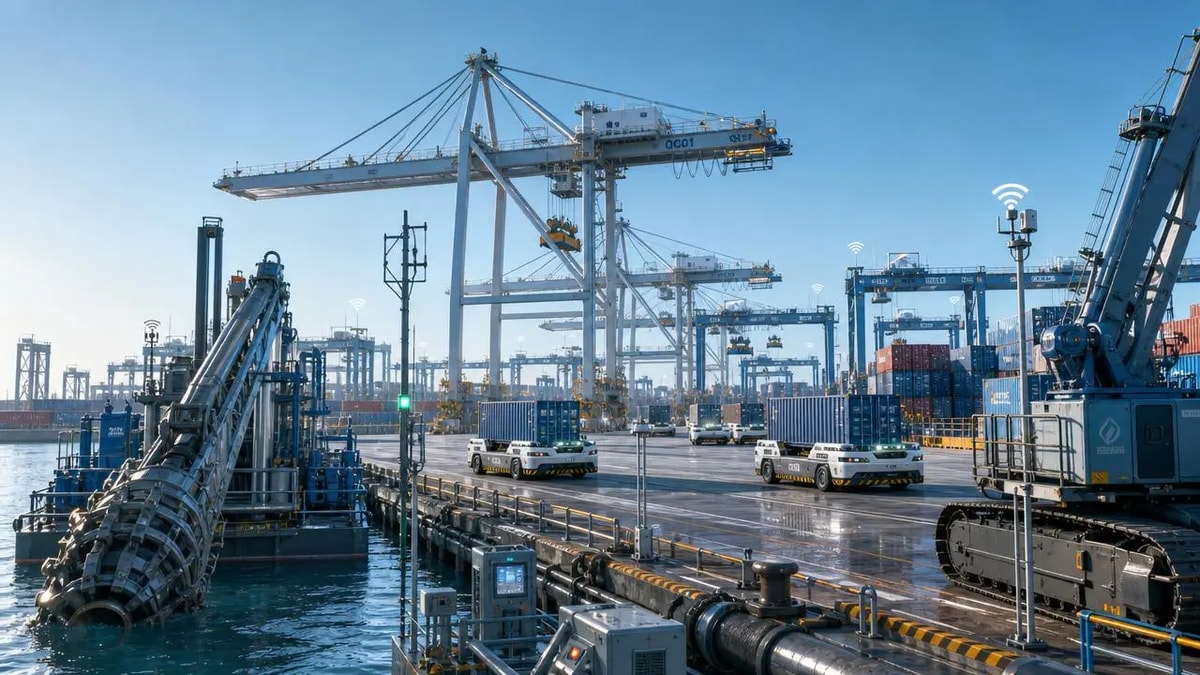
Port Technology Trends Worth Watching Before Your Next Upgrade
Port technology trends shape smarter upgrade decisions. Explore automation, remote crane control, predictive maintenance, and phased investment strategies to reduce risk and improve ROI.
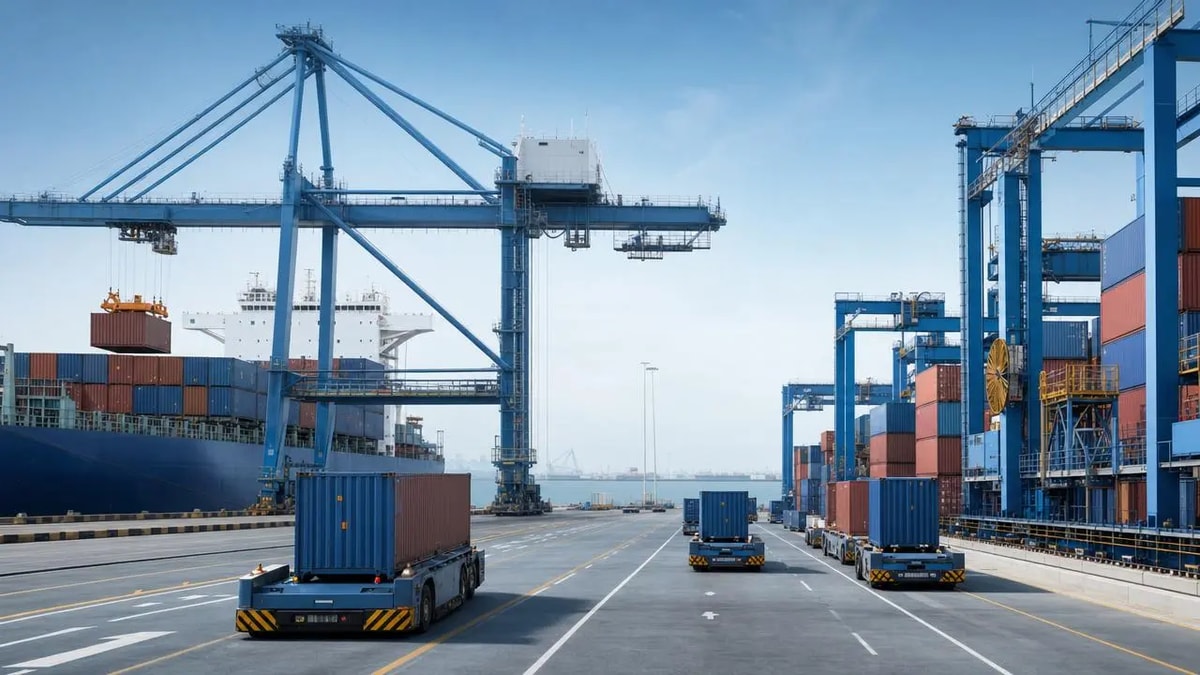
Automated Port Systems: Common Integration Problems to Expect
Automated port systems face real integration hurdles—from legacy equipment and data mismatches to network latency and safety conflicts. Learn what to check before approval.
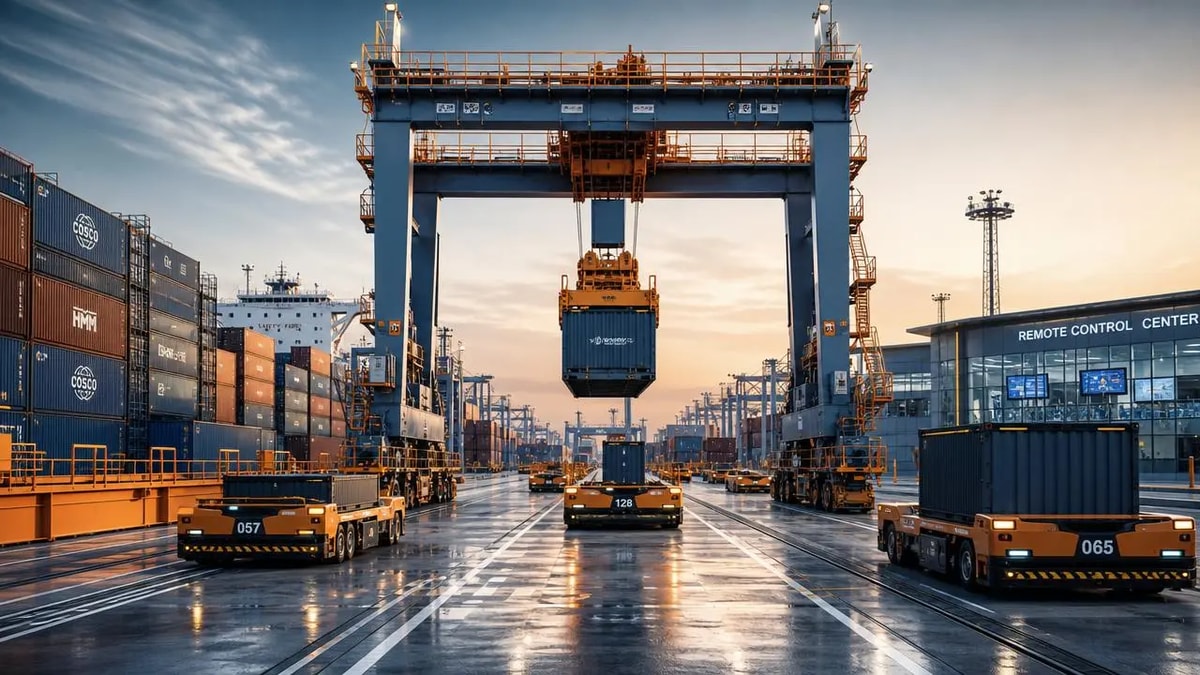
Port Automation Solutions That Reduce Manual Handoffs
Port automation solutions reduce manual handoffs, improve crane, AGV, yard, and control room coordination, and help terminals boost safety, speed, and operational efficiency.
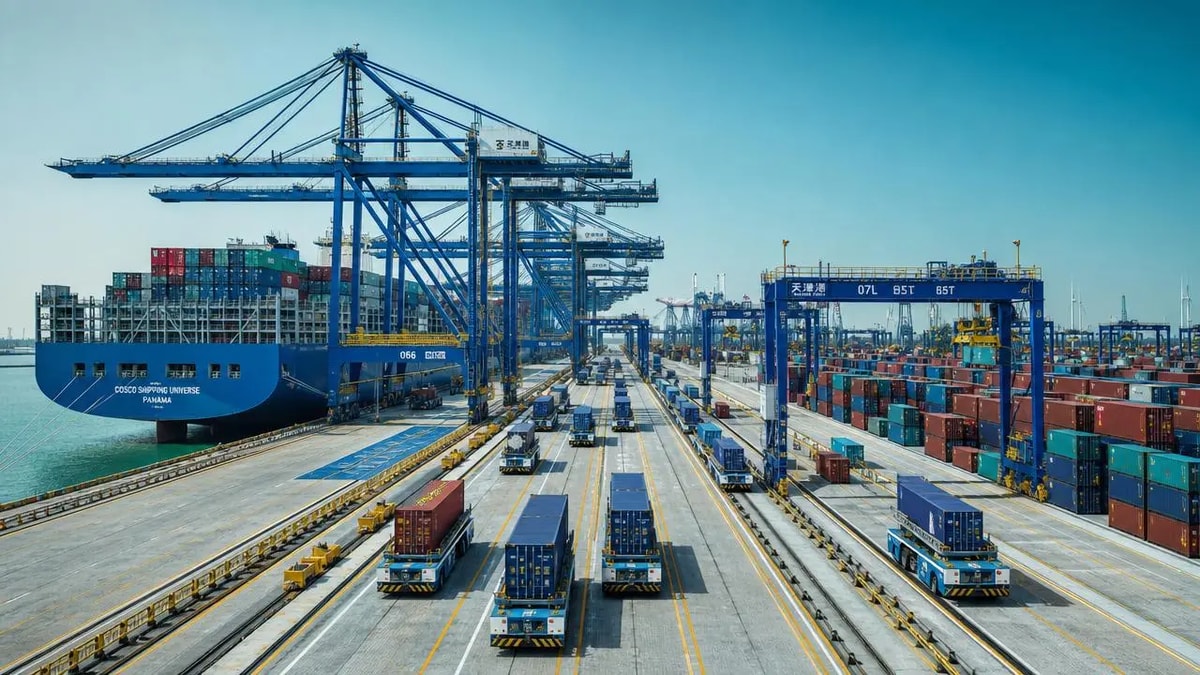
Smart Terminal Technology Trends Changing Port Operations
Smart terminal technology is reshaping port operations with AI, automation, predictive maintenance, and electrification. Discover which trends deliver the best ROI for different terminal scenarios.
Marine Geotechnic Risks That Can Delay Coastal Projects
Marine geotechnic risks can quietly derail coastal projects with delays, rework, and compliance issues. Learn the warning signs and practical controls to protect schedule, safety, and budget.
What to Compare Before Choosing Port Logistics Solutions
Port logistics solutions comparison guide: learn what to assess on throughput, compatibility, scalability, lifecycle cost, and automation readiness before choosing the right system.
Port Terminal Equipment Costs Are Shifting in 2026
Port terminal equipment costs are shifting in 2026. Learn how automation, electrification, financing, and compliance reshape TCO, ROI, and smarter terminal investment decisions.