Why net-zero emissions port infrastructure now matters
Why net-zero emissions port infrastructure now matters
Why does net-zero emissions port infrastructure now matter to business leaders?
Ports now face trade volatility, tighter climate rules, and faster automation cycles at the same time.
That combination is changing how terminals plan assets, energy systems, and long-life civil works.
Net-zero emissions port infrastructure is no longer a narrow environmental topic.
It now shapes cost control, cargo reliability, equipment selection, and access to future trade corridors.
For PS-Nexus, this shift links mechanical performance, digital control, and blue economy strategy into one operating logic.
Enterprises that understand this logic can align cleaner energy with smarter throughput and more resilient terminal growth.
Definition and operating scope
Net-zero emissions port infrastructure refers to port assets designed to cut, avoid, and balance lifecycle greenhouse gas emissions.
It includes fixed infrastructure, mobile equipment, digital systems, and supporting energy networks across terminal operations.
The concept goes beyond replacing diesel machines with electric models.
It also covers grid integration, renewable power sourcing, charging logic, shore power, dredging efficiency, and data-based scheduling.
Core elements usually included
- Electrified quay cranes, RTGs, AGVs, reach stackers, and bulk handling machinery
- Shore power systems for vessels at berth
- Battery storage, microgrids, and renewable energy integration
- Low-emission dredging equipment and pump monitoring systems
- Automation software that reduces idle time and energy waste
- Lifecycle carbon accounting for construction, operation, and maintenance
This broad view matters because port infrastructure decisions often lock in emissions and operating costs for decades.
Industry signals driving attention now
Several structural signals explain why net-zero emissions port infrastructure has moved from ambition to board-level priority.
The timing also reflects congestion lessons from recent disruptions across major maritime logistics networks.
Ports learned that resilience depends on both physical redundancy and smarter, cleaner operating systems.
As a result, net-zero emissions port infrastructure now stands at the intersection of compliance, productivity, and trade security.
Business value beyond compliance
The strongest case for net-zero emissions port infrastructure is practical rather than symbolic.
When designed well, it improves operating economics and system performance at the same time.
1. Lower energy waste
Electrified and automated equipment can reduce idling, recover braking energy, and optimize movement patterns.
That matters in container yards, bulk terminals, and dredging support zones where repetitive motion dominates energy use.
2. Better asset utilization
Digital scheduling aligns crane cycles, truck routing, and AGV dispatch with actual berth demand.
This raises throughput without always requiring immediate footprint expansion.
3. Stronger financing logic
Projects linked to measurable emissions reduction often gain better access to green capital and public support frameworks.
That can improve long-cycle infrastructure planning where payback periods are naturally extended.
4. Future-ready trade positioning
Ports with credible decarbonization pathways are more attractive within evolving supply chain strategies.
They become easier to integrate into low-carbon shipping corridors and premium logistics networks.
Where net-zero emissions port infrastructure creates impact
The value of net-zero emissions port infrastructure appears differently across asset categories.
These examples show that decarbonization does not sit outside operations.
It changes how terminals move cargo, allocate energy, and maintain service continuity.
Technology links that make the model work
Successful net-zero emissions port infrastructure depends on integration more than isolated equipment replacement.
Energy and equipment
Electrification only performs well when substations, cable routes, charging schedules, and backup capacity are planned early.
Automation and carbon control
Automation platforms reduce unproductive travel, berth conflicts, and dwell time.
That means software architecture directly supports emissions reduction.
Dredging and coastal engineering
Fairway depth, sediment behavior, and reclamation planning also influence carbon intensity.
Poor marine geotechnical decisions create repeat dredging cycles and avoidable fuel burn.
This is why PS-Nexus tracks heavy terminal gear, automation control, and dredging engineering as one intelligence system.
Practical planning considerations
Transition plans for net-zero emissions port infrastructure should avoid one common mistake.
They should not start with equipment catalogs alone.
A stronger approach begins with operational flow, power demand, and asset interaction mapping.
- Measure current emissions by terminal process, not only by site total.
- Identify high-idle equipment and repetitive low-value movements.
- Test electrification against grid capacity, peak load, and redundancy needs.
- Coordinate automation software with charging logic and maintenance windows.
- Use phased retrofits where legacy assets still hold near-term value.
- Track lifecycle results through operational KPIs and carbon metrics together.
This method reduces the risk of fragmented investments that improve optics more than performance.
A strategic next step
Net-zero emissions port infrastructure now matters because ports are becoming energy platforms, data systems, and climate-regulated trade gateways at once.
The most effective decisions connect terminal gear, control algorithms, power architecture, and marine engineering from the beginning.
For organizations following maritime logistics and coastal economics, this is the time to compare assets through both throughput and carbon logic.
Use a structured review of equipment fleets, yard systems, dredging plans, and grid readiness.
Then prioritize projects that cut emissions while strengthening reliability, automation compatibility, and long-term trade competitiveness.
That is where net-zero emissions port infrastructure delivers its real business value.
Related News
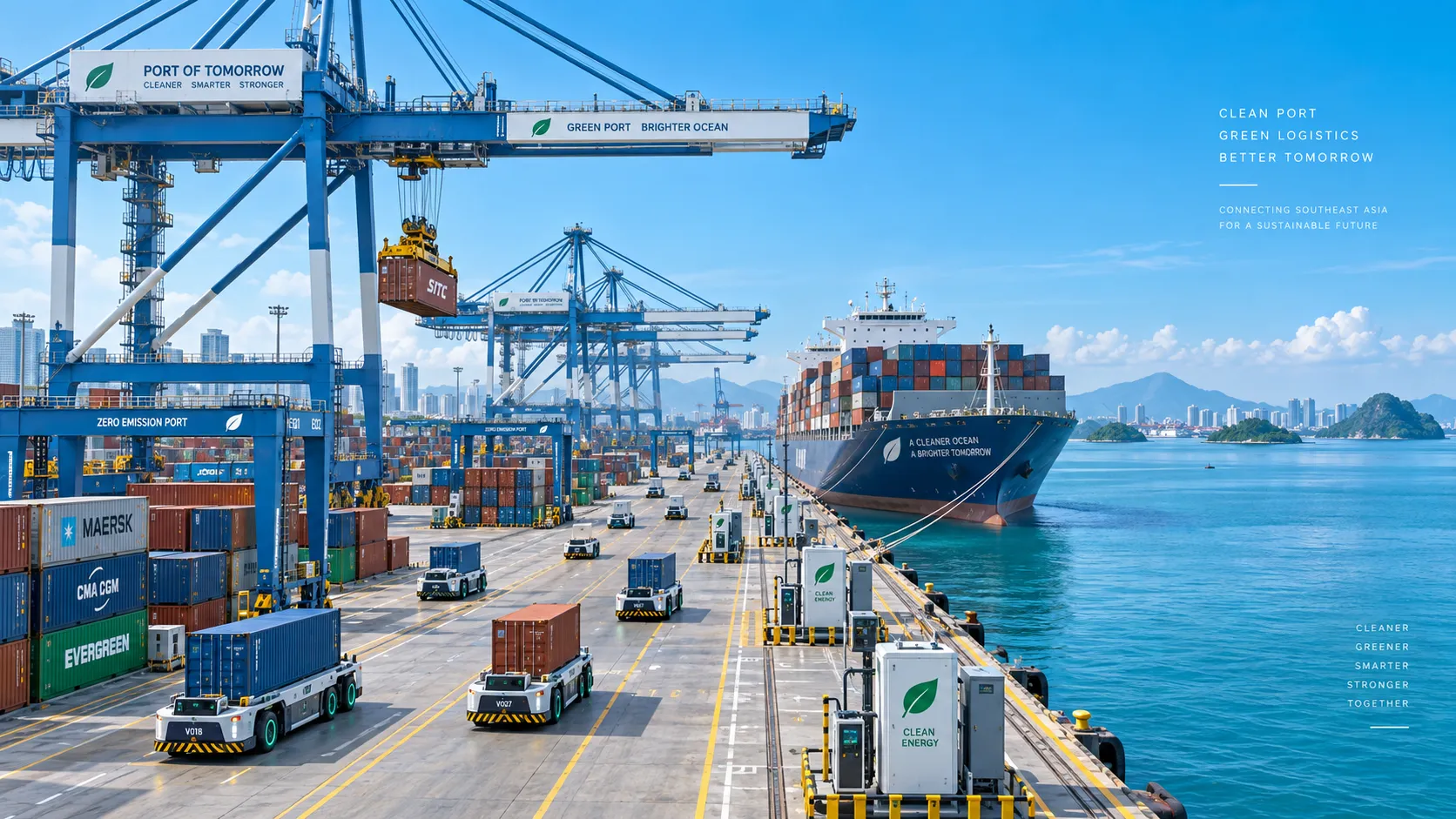
Smart Port Systems in Southeast Asia: Investment Priorities and Adoption Barriers
Smart port systems Southeast Asia: discover investment priorities, adoption barriers, and practical steps to build resilient, connected, high-performing terminals.
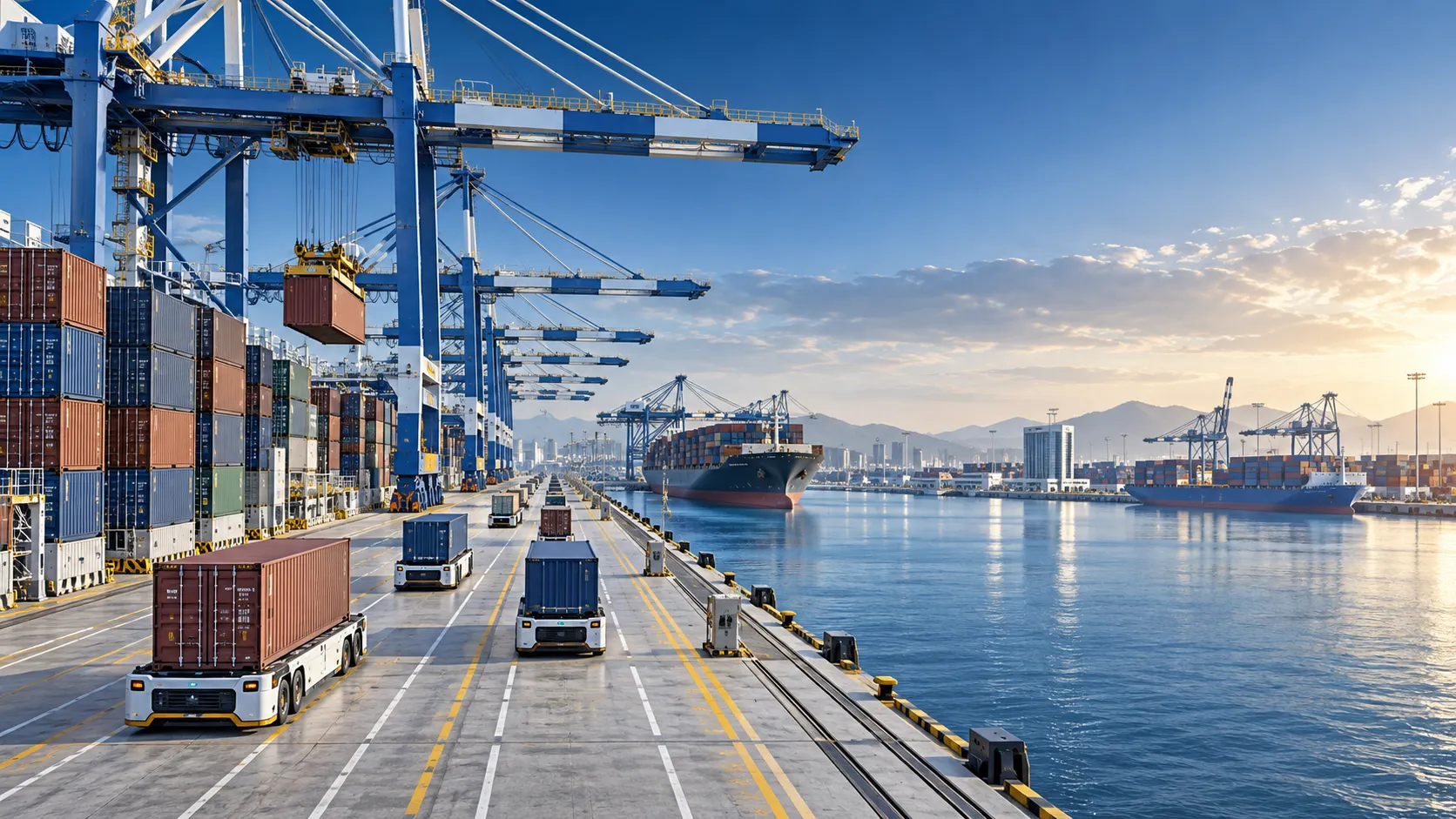
How to Evaluate Terminal Efficiency Solution Suppliers for High-Throughput Operations
Choose a terminal efficiency solutions supplier with confidence. Explore proven criteria for throughput, integration, lifecycle cost, safety, and reliable delivery.
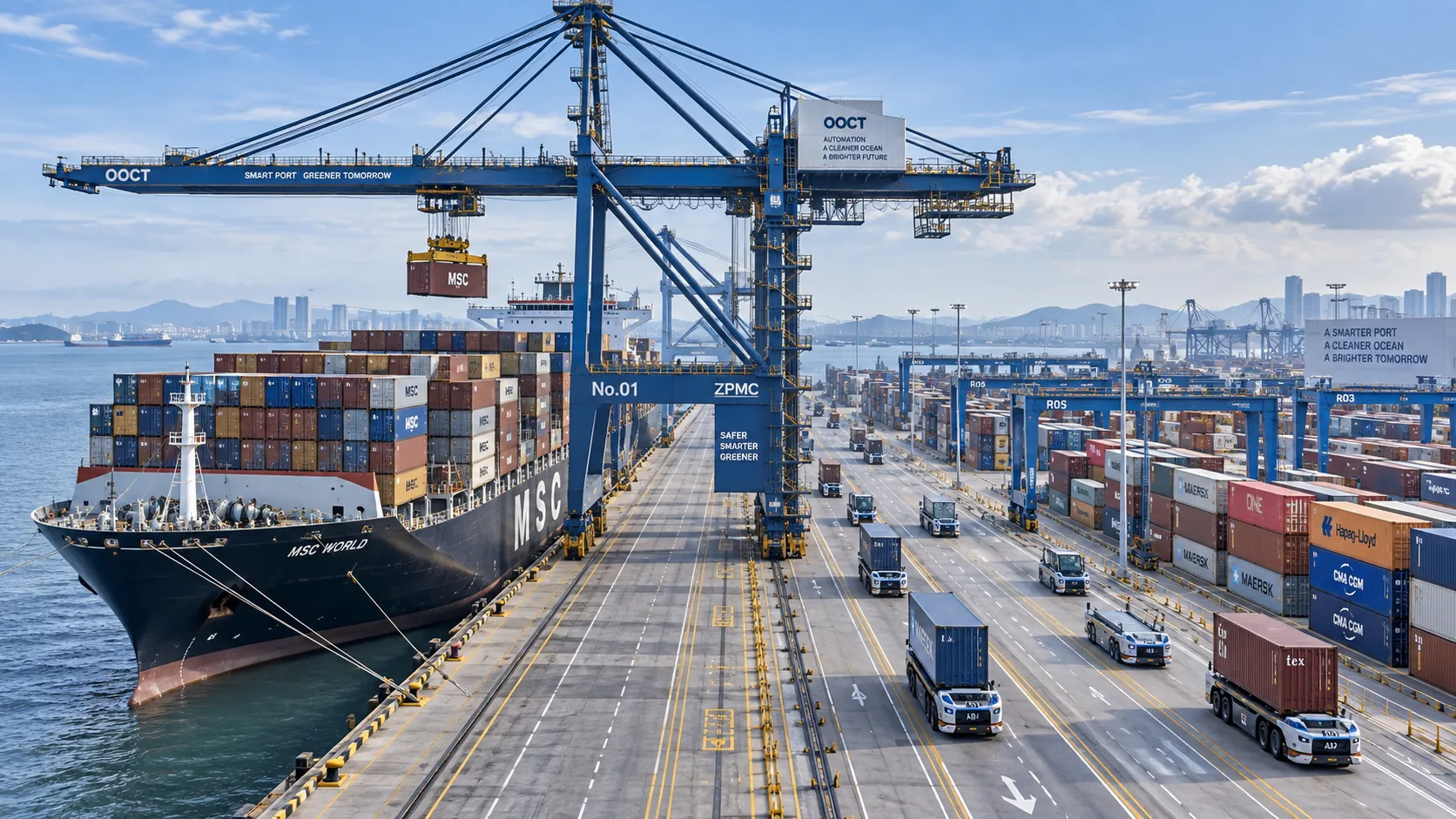
How to Specify a Quay Crane for Container Terminals by Vessel Size and Throughput?
Quay crane for container terminals: learn how to match outreach, lift height, capacity, automation, and cycle performance to vessel size and throughput goals.
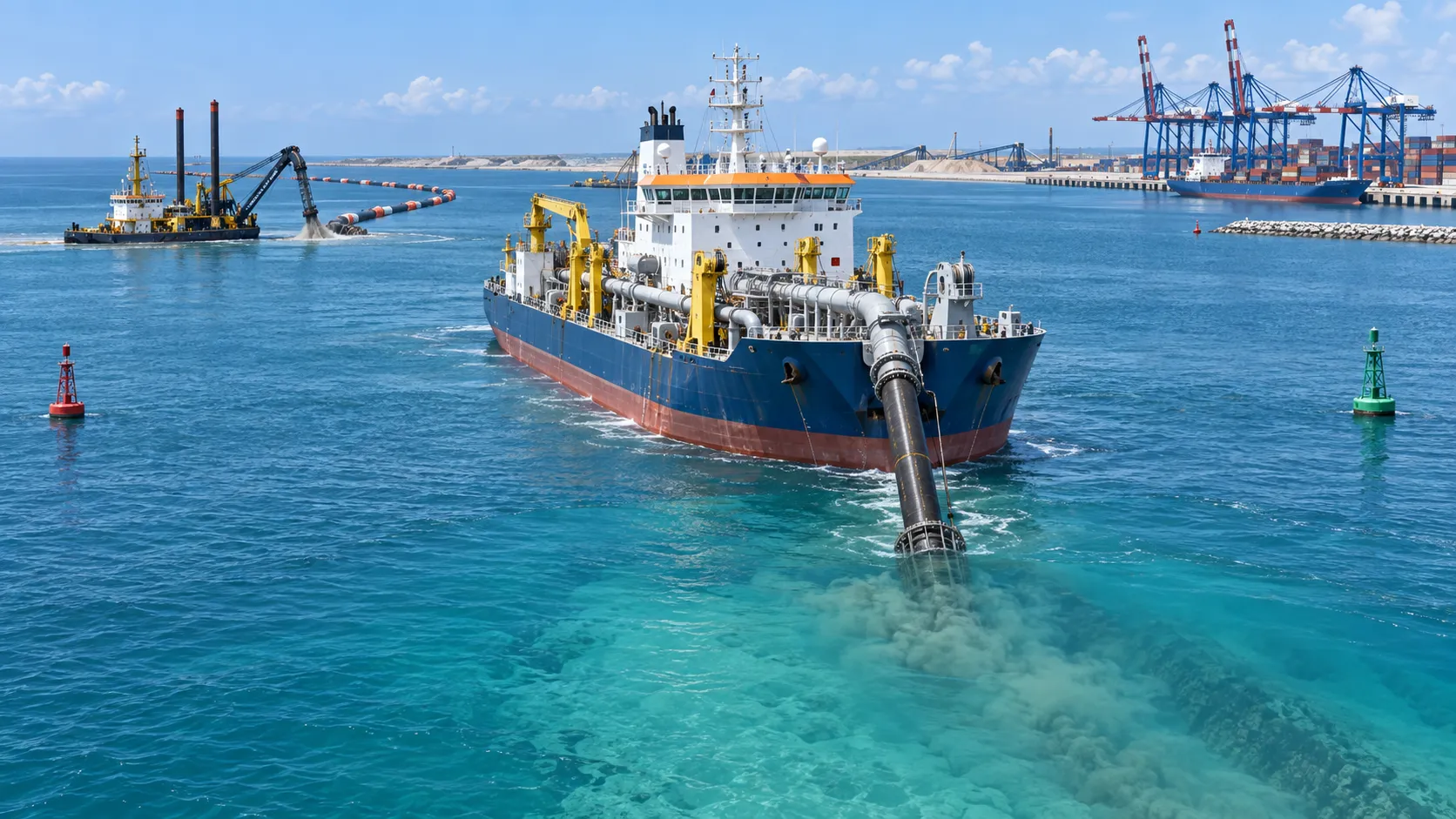
What Dredging Equipment Is Needed for Channel Deepening?
What dredging equipment is needed for channel deepening? Explore dredgers, pipelines, survey tools, and planning strategies for safer, more efficient port access.
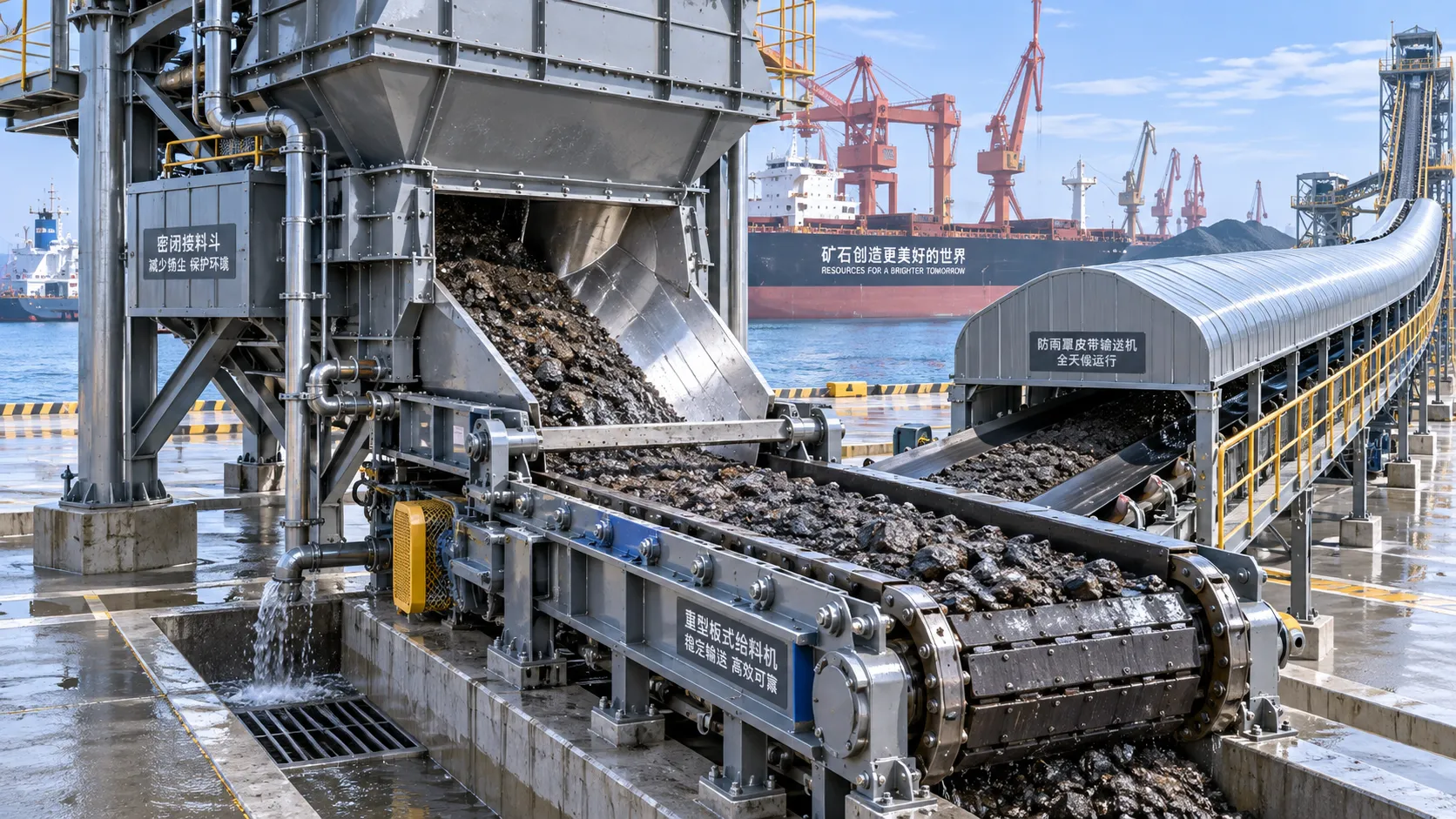
Which Bulk Handling Equipment Suits High-Moisture Cargo?
Which bulk handling equipment suits high-moisture cargo? Compare belt, apron, screw, drag, and slurry systems for reliable flow, less carryback, and higher terminal uptime.
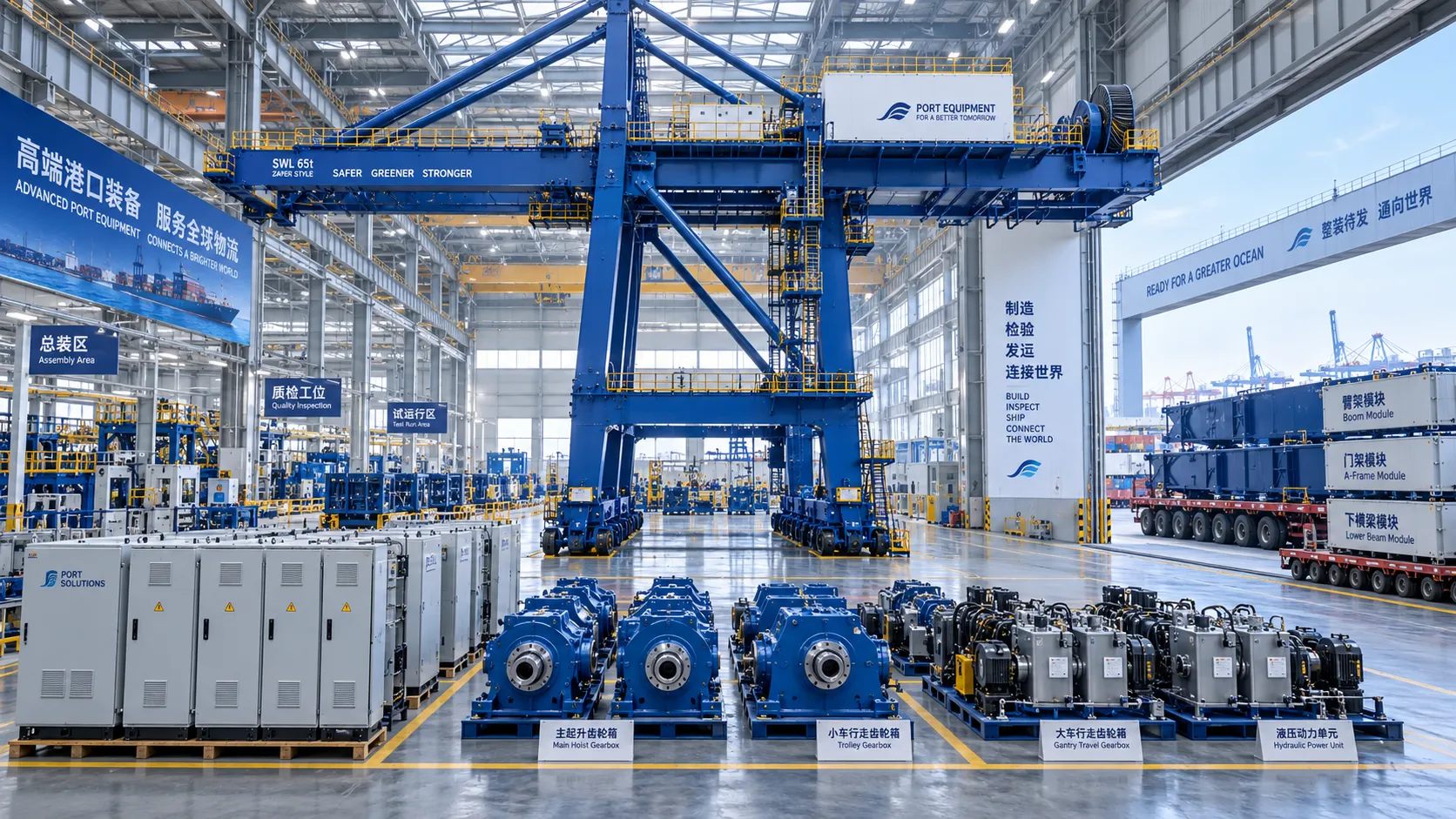
How Can Port Equipment Lead-Time Risk Be Managed?
How can port equipment lead-time risk be managed? Explore practical strategies to control critical paths, suppliers, transport, site readiness, and commissioning delays.
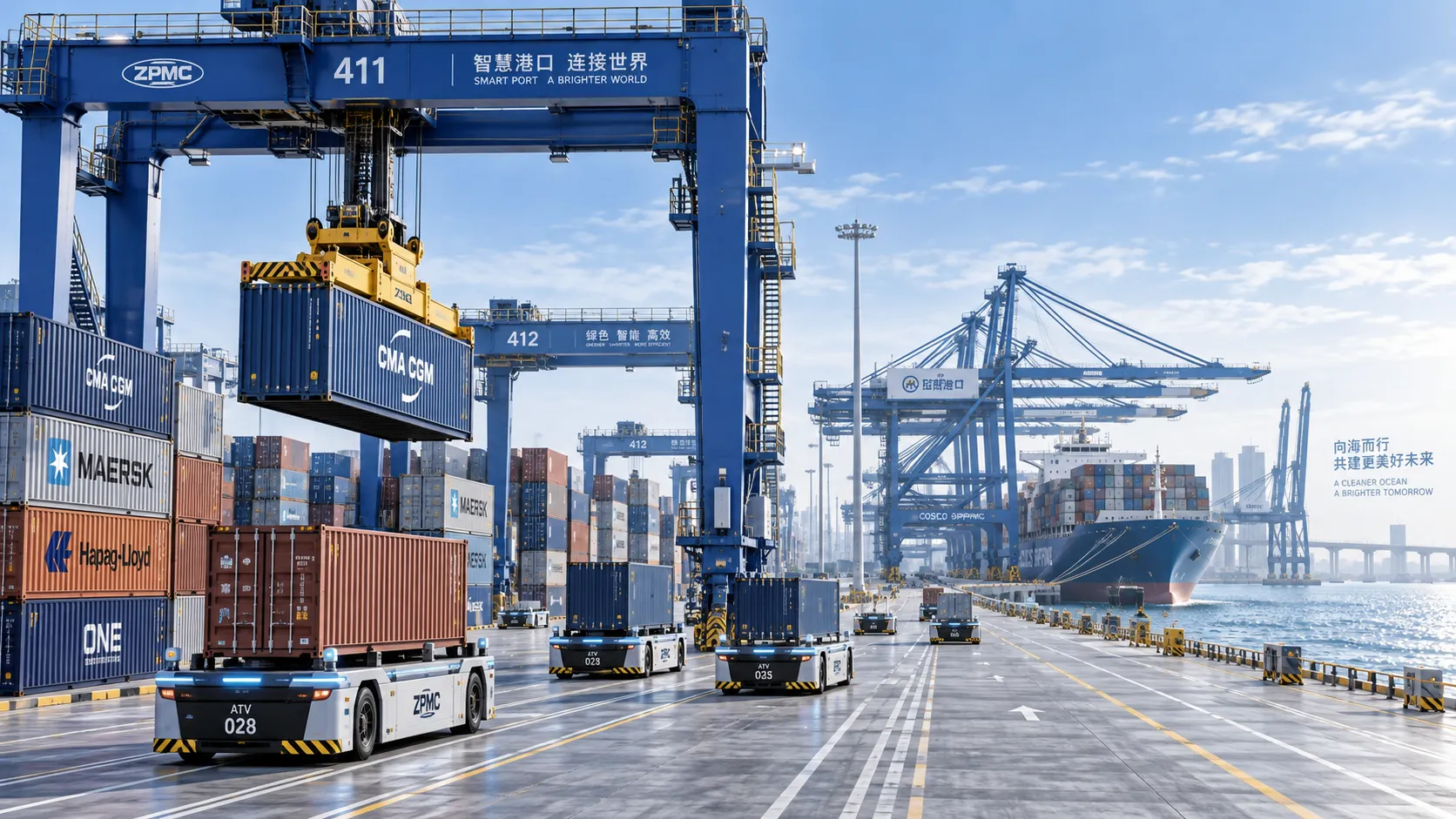
Terminal Automation Technologies That Raise Container Throughput Without Yard Disruption
Terminal automation technology that increases container throughput without disrupting yard flow. Explore smarter integration, resilient workflows, and phased deployment strategies.
Middle East Port Automation: Key Market Drivers, Projects, and Investment Risks
Port automation systems Middle East: explore market drivers, flagship projects, integration challenges, and investment risks shaping smarter, resilient terminals.
Planning Offshore Dredging Operations: Key Risks, Methods, and Project Controls
Offshore dredging operations demand smart planning. Explore key risks, proven methods, environmental controls, and project strategies for reliable delivery.