Net-Zero Emissions Roadmap for Manufacturers: Where to Cut Energy and Carbon First
Where net-zero emissions cuts should start in real operations
A workable net-zero emissions roadmap rarely begins with a headline target alone.
It begins where energy loss, carbon intensity, and operating pressure overlap.
In mixed industrial environments, those overlaps look different from one site to another.
A fabrication line with gas-fired heat faces one set of trade-offs.
A port equipment workshop tied to container flows faces another.
That is why an effective net-zero emissions plan should not start with blanket investment.
It should start with ranked energy uses, production constraints, and logistics dependencies.
Across heavy terminal gear, automated handling systems, and dredging support engineering, PS-Nexus tracks this same pattern.
The first reductions usually come from focused changes in heat, motion, control, and transport interfaces.
The question is not whether net-zero emissions matter.
The real question is where the first cuts create measurable carbon results without weakening throughput.
Different production settings change the net-zero emissions priority order
In actual plants, carbon reduction priorities shift with load profile, process temperature, and uptime requirements.
Sites with continuous heat demand often see fuel switching as the largest long-term lever.
Sites dominated by motors, drives, and handling equipment often find faster gains through electrification and control tuning.
This distinction matters because a net-zero emissions roadmap should follow carbon concentration, not fashion.
Where ports and coastal supply chains are involved, another layer appears.
Equipment may operate inside factories, then connect directly to yards, berths, depots, or marine service bases.
That means emissions are shaped not only by production assets, but also by scheduling delays, idle time, and transport interfaces.
PS-Nexus often highlights this systems view in maritime logistics intelligence.
Energy waste is rarely isolated when cranes, AGVs, bulk handlers, and dredging support fleets depend on coordinated timing.
A quick comparison before setting the first reduction targets
The table is useful because net-zero emissions decisions fail when every site is treated as identical.
When process heat dominates, cut losses before replacing everything
Process heat is often the largest carbon block in heavy industrial production.
Yet the first mistake is rushing into full equipment replacement.
In many plants, avoidable emissions come from unstable combustion, poor insulation, and heat rejected without reuse.
A net-zero emissions roadmap should begin with thermal mapping.
That means comparing input fuel, useful heat, rejected heat, and downtime effects by line.
Where marine steelwork, heavy structures, or corrosion-resistant components are involved, batch consistency matters as much as energy intensity.
Poor temperature control can increase scrap, which quietly expands the carbon footprint.
In this setting, practical first cuts usually include:
- sealing steam and compressed air leaks tied to heating support systems;
- adding heat recovery where exhaust temperatures stay reliably high;
- stabilizing burner control before evaluating electrified heat alternatives;
- separating essential heat loads from legacy background loads.
The point is not to delay decarbonization.
It is to avoid locking a net-zero emissions budget into poorly understood thermal waste.
In electrified equipment lines, control logic often beats hardware expansion
Factories producing terminal gear or automated handling modules already rely heavily on electric drives.
That can create a false sense that net-zero emissions progress is already advanced.
In reality, electrified systems still waste energy through oversizing, idle states, and poor motion coordination.
This is especially visible in testing bays, lift simulations, conveyor trials, and AGV subsystem verification.
More common than expected is a line that uses efficient motors but outdated operating logic.
A net-zero emissions roadmap here should examine duty cycles, peak loading, and waiting time between sequences.
PS-Nexus coverage of port automation shows why this matters.
Low-latency communication and scheduling intelligence can cut unnecessary movement as effectively as new hardware in some cases.
Where remote-controlled cranes, stackers, or transfer nodes are involved, the highest carbon savings may come from fewer repeated movements.
That is a control issue before it becomes a procurement issue.
What to check in motor and automation-heavy settings
- Whether motors spend long periods below efficient load range.
- Whether multiple drives accelerate together without real process need.
- Whether standby logic keeps support systems fully active during pauses.
- Whether test cycles duplicate energy-intensive steps for reporting convenience.
Logistics interfaces can quietly weaken a net-zero emissions roadmap
Many decarbonization plans stop at the factory gate.
That is a weak assumption for operations linked to ports, depots, and coastal infrastructure projects.
If inbound steel, components, or bulk materials arrive unpredictably, production buffers grow.
If outbound equipment waits for vessel windows or yard slots, finished assets consume energy while standing still.
This is where net-zero emissions planning becomes a coordination exercise.
The carbon value of smarter scheduling can be substantial when products are large, power-intensive, or difficult to reposition.
For container handling systems, the logistics interface may include factory testing, dispatch staging, terminal commissioning, and software integration.
Each handoff can add waiting energy, duplicate travel, or emergency freight.
A stronger net-zero emissions roadmap therefore tracks carbon across operational handovers, not just inside production workshops.
The first cuts are different for dredging, bulk handling, and terminal gear
Similar heavy industries can still require very different first steps.
That is one reason sector-specific intelligence matters.
A dredging equipment chain may prioritize pumps, auxiliary power, and maintenance-triggered efficiency drift.
A bulk handling line may focus on conveyor loading patterns, dust control energy, and transfer bottlenecks.
A terminal gear producer may see larger savings in test regimes, hydraulic-electric conversion, and digital commissioning workflows.
Because the assets differ, the net-zero emissions logic also differs.
More useful than asking which technology is newest is asking which process creates recurring, measurable, and avoidable carbon output.
Common misjudgments that slow net-zero emissions progress
Several errors appear repeatedly when early decarbonization programs lose momentum.
One is treating carbon accounting as separate from operational engineering.
Another is judging options by equipment nameplate data without checking site conditions.
There is also a common habit of valuing purchase cost over lifetime integration cost.
In control-rich settings, ignoring software and scheduling usually delays net-zero emissions gains.
In heat-intensive settings, skipping maintenance-led efficiency recovery creates misleading baselines.
The most costly misread is assuming similar facilities need identical decarbonization sequences.
They do not.
Different load profiles, grid exposure, and logistics links change what should be cut first.
A practical next step for building the roadmap
A credible net-zero emissions roadmap starts with a short list, not a giant program.
Map the top energy users by process step.
Check which of them also create the highest carbon intensity or the longest idle periods.
Then separate actions into operational tuning, equipment retrofit, and system-level coordination.
That structure makes it easier to see where early reductions are realistic.
For operations connected to maritime logistics, this review should include yard interfaces, dispatch timing, and commissioning routines.
The strongest net-zero emissions results usually come from matching carbon action to real operating friction.
When that friction is understood clearly, the first cuts become easier to defend, measure, and scale.
A useful next move is to build a site-specific decision sheet covering energy hotspots, control constraints, maintenance gaps, and logistics dependencies.
That is often the point where a net-zero emissions ambition turns into an operational roadmap.
Related News
Smart Port Systems in Southeast Asia: Investment Priorities and Adoption Barriers
Smart port systems Southeast Asia: discover investment priorities, adoption barriers, and practical steps to build resilient, connected, high-performing terminals.
How to Evaluate Terminal Efficiency Solution Suppliers for High-Throughput Operations
Choose a terminal efficiency solutions supplier with confidence. Explore proven criteria for throughput, integration, lifecycle cost, safety, and reliable delivery.
How to Specify a Quay Crane for Container Terminals by Vessel Size and Throughput?
Quay crane for container terminals: learn how to match outreach, lift height, capacity, automation, and cycle performance to vessel size and throughput goals.
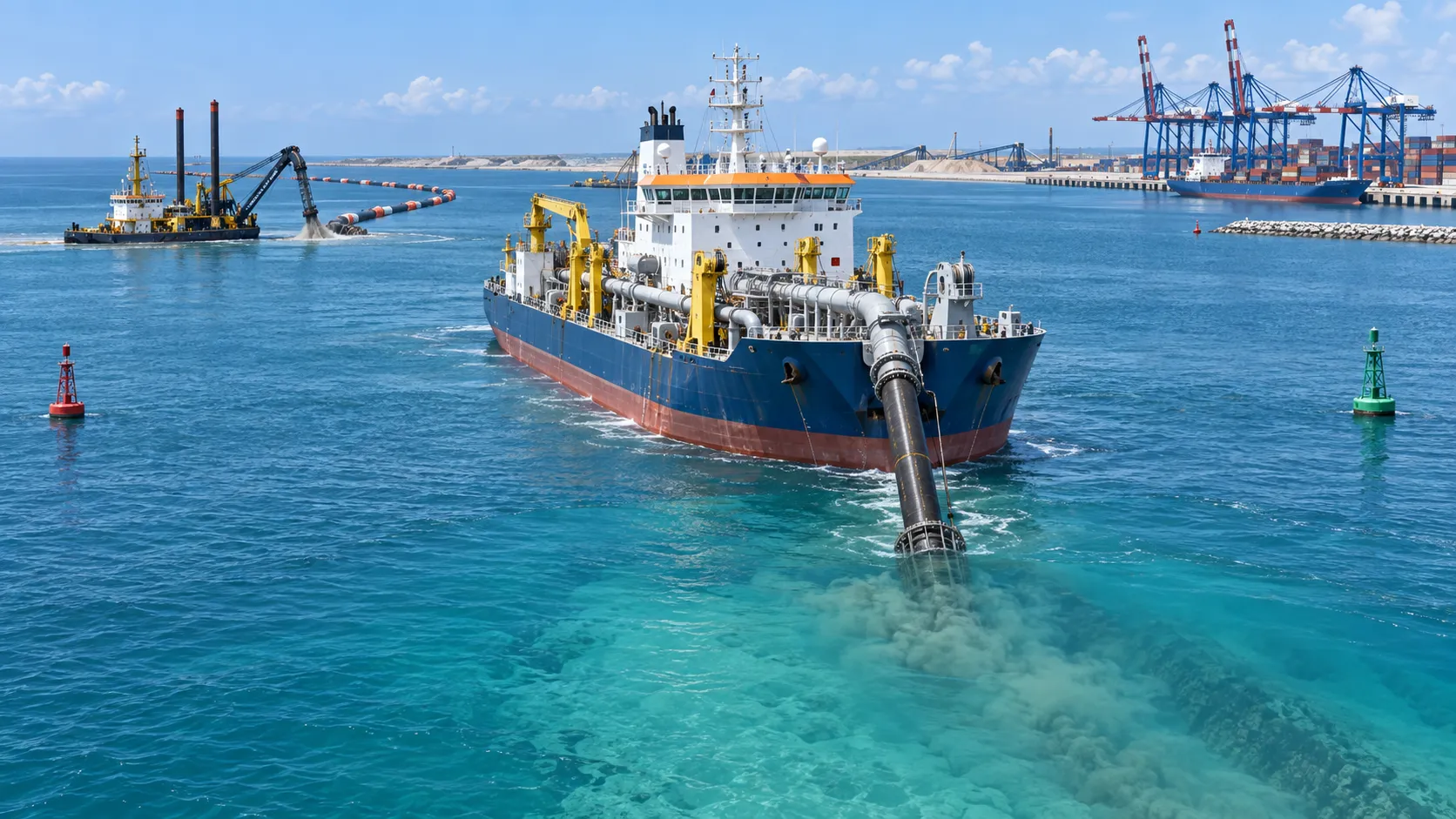
What Dredging Equipment Is Needed for Channel Deepening?
What dredging equipment is needed for channel deepening? Explore dredgers, pipelines, survey tools, and planning strategies for safer, more efficient port access.
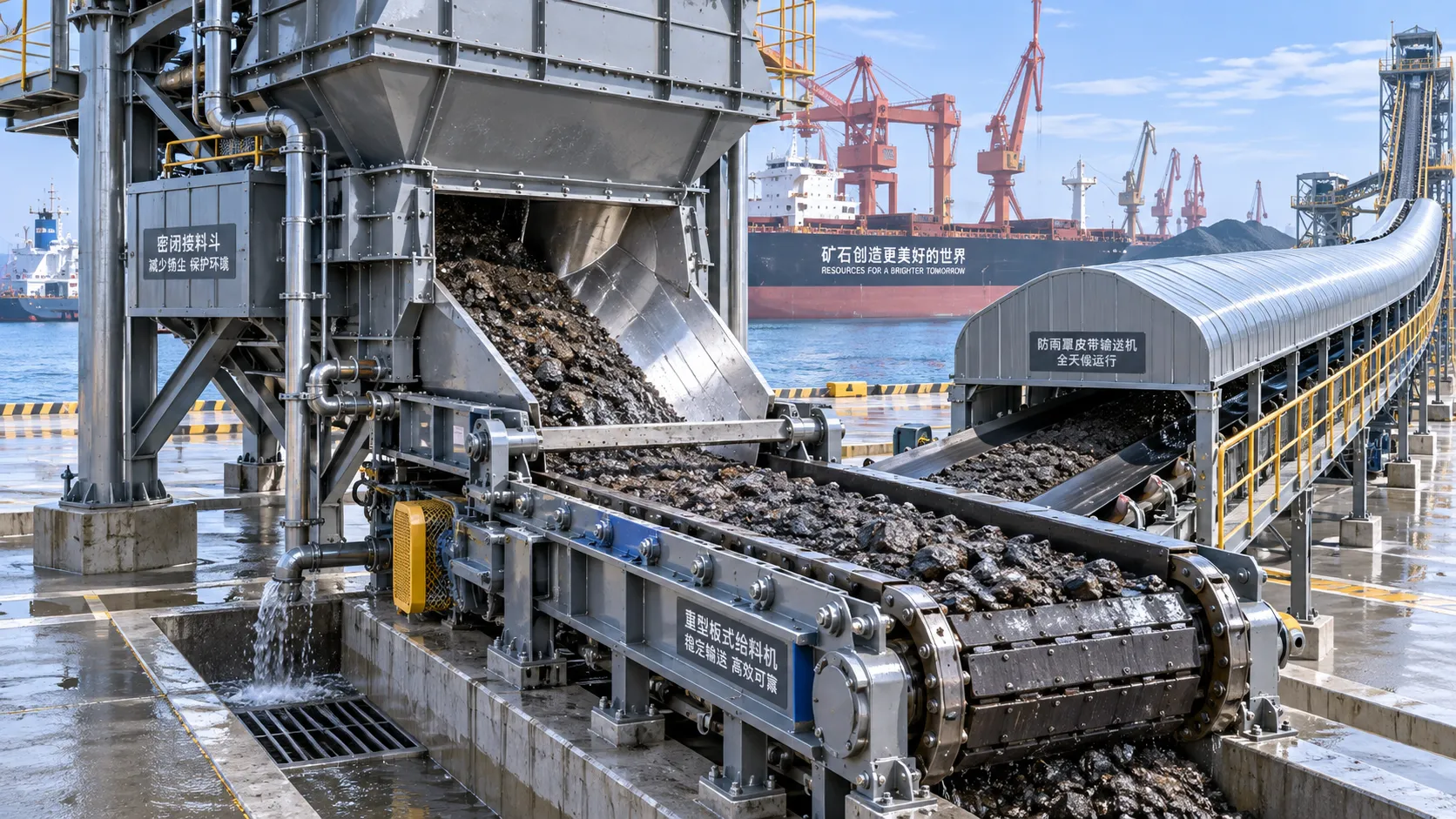
Which Bulk Handling Equipment Suits High-Moisture Cargo?
Which bulk handling equipment suits high-moisture cargo? Compare belt, apron, screw, drag, and slurry systems for reliable flow, less carryback, and higher terminal uptime.
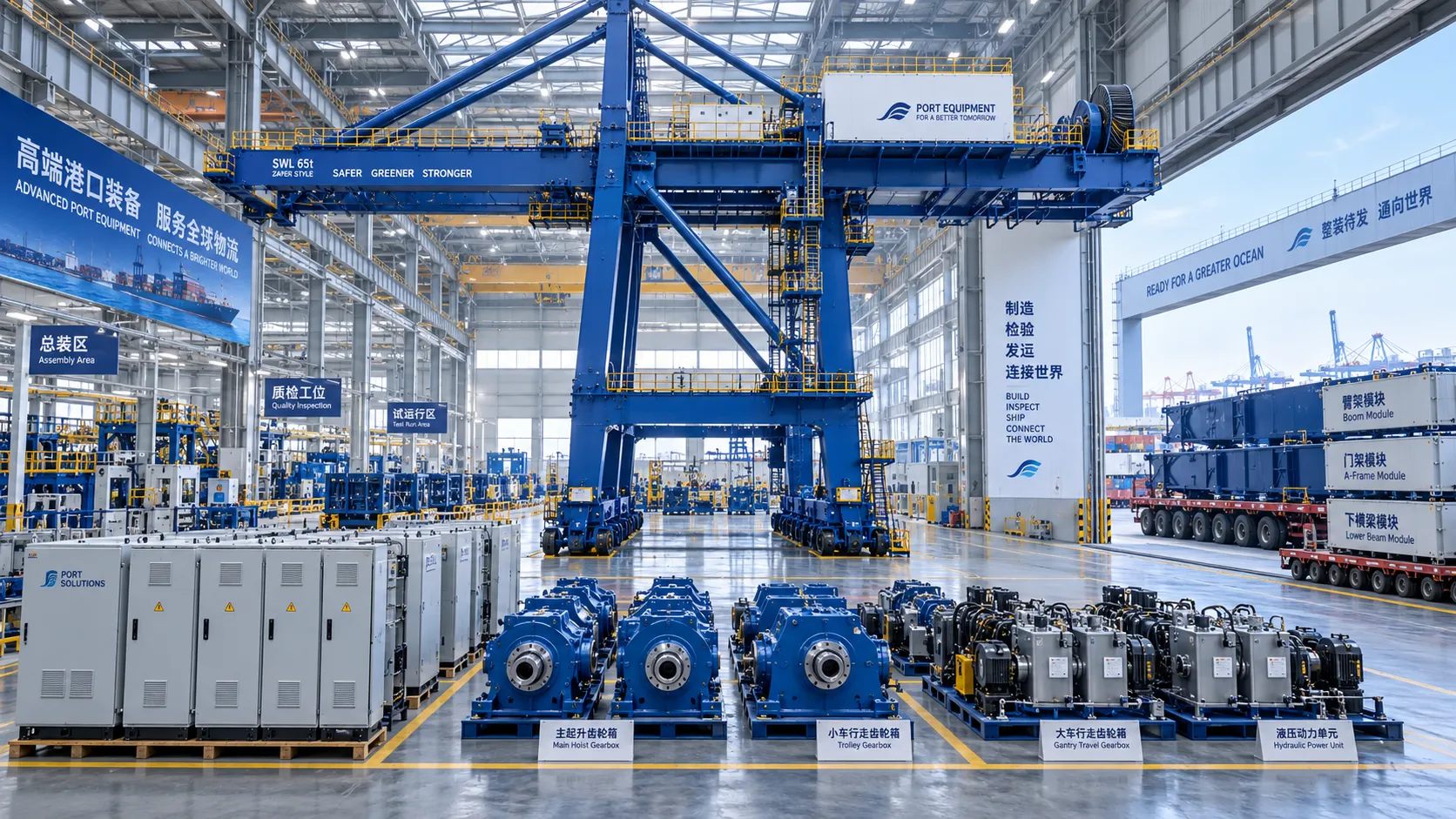
How Can Port Equipment Lead-Time Risk Be Managed?
How can port equipment lead-time risk be managed? Explore practical strategies to control critical paths, suppliers, transport, site readiness, and commissioning delays.
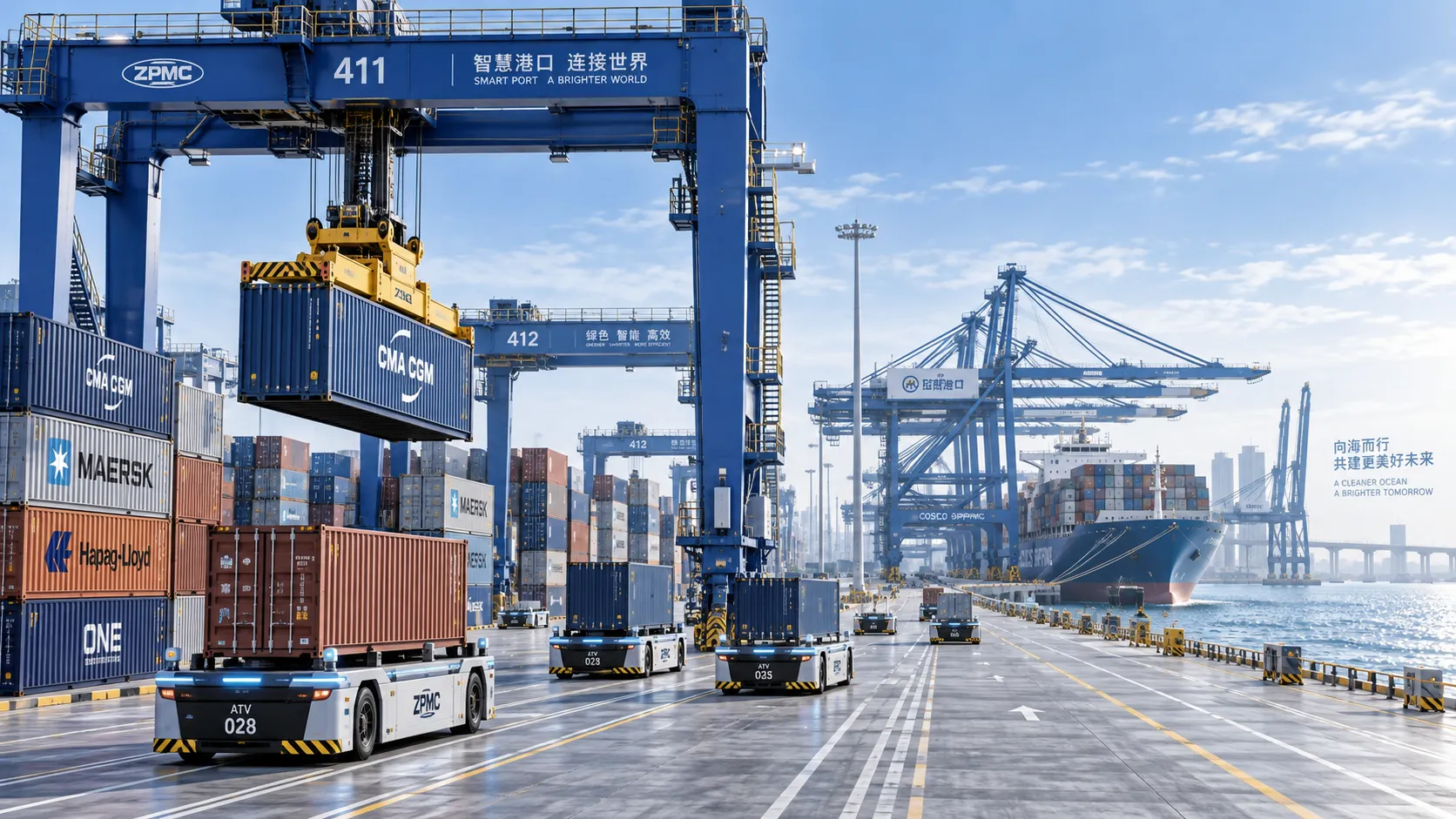
Terminal Automation Technologies That Raise Container Throughput Without Yard Disruption
Terminal automation technology that increases container throughput without disrupting yard flow. Explore smarter integration, resilient workflows, and phased deployment strategies.
Middle East Port Automation: Key Market Drivers, Projects, and Investment Risks
Port automation systems Middle East: explore market drivers, flagship projects, integration challenges, and investment risks shaping smarter, resilient terminals.
Planning Offshore Dredging Operations: Key Risks, Methods, and Project Controls
Offshore dredging operations demand smart planning. Explore key risks, proven methods, environmental controls, and project strategies for reliable delivery.