Related News
- 00
0000-00
Port Equipment Automation Maintenance Issues You Can Prevent Early - 00
0000-00
Automated Port Systems: Common Integration Problems to Expect - 00
0000-00
Port Automation Solutions That Reduce Manual Handoffs - 00
0000-00
Marine Geotechnic Risks That Can Delay Coastal Projects - 00
0000-00
Smart Operations Rollouts: Common Mistakes in Early Stages
Smart Operations or More Complexity? A Closer Look
As ports push toward smart operations, technical evaluators face a critical question: do integrated automation, control systems, and data-driven scheduling truly improve terminal performance, or do they introduce new layers of operational complexity? This article takes a closer look at how equipment intelligence, system interoperability, and real-world deployment challenges shape efficiency, risk, and long-term value across modern maritime logistics.
What Technical Evaluators Really Need to Know First
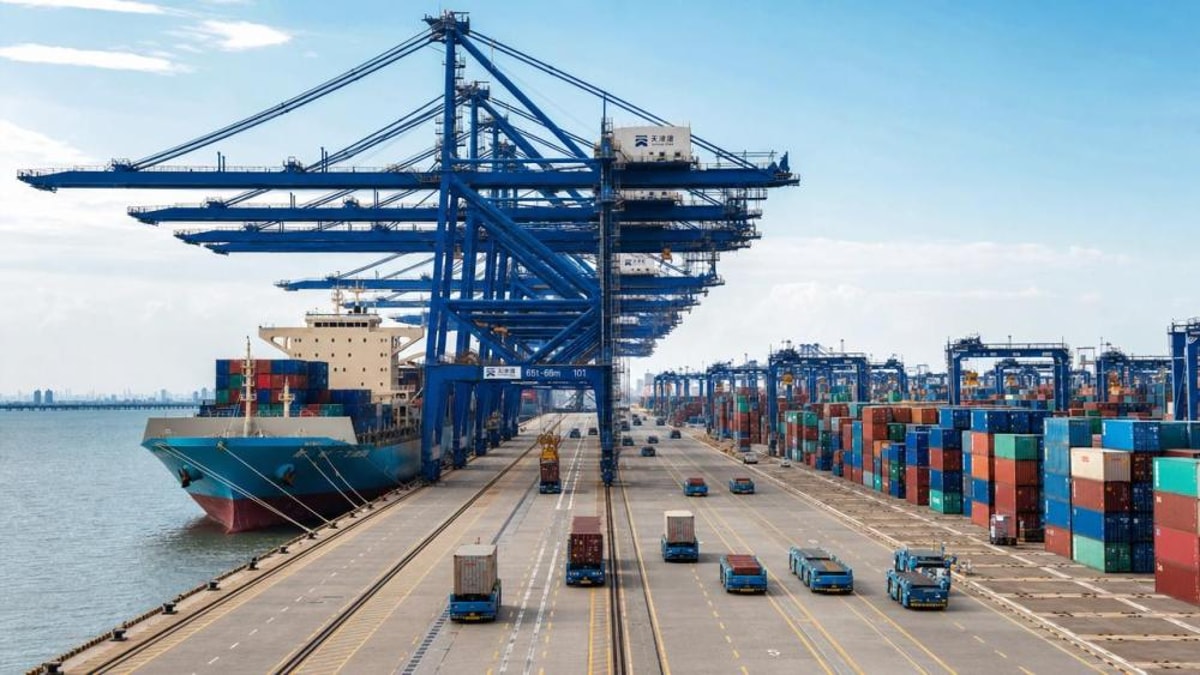
For technical assessment teams, the answer is rarely a simple yes or no. Smart operations can deliver measurable gains in throughput, equipment utilization, safety, energy efficiency, and planning accuracy. However, these gains do not come automatically from adding more software, sensors, or autonomous equipment. In many terminal environments, complexity rises faster than performance unless system architecture, interoperability, and operating logic are designed with discipline from the start.
The real evaluation question is not whether smart operations are inherently better. It is whether a specific smart operations model fits the terminal’s cargo mix, yard layout, equipment profile, labor structure, network quality, maintenance capability, and expansion roadmap. A terminal can become more intelligent on paper while becoming less resilient in practice.
This is why technical evaluators usually search beyond marketing claims. They want to understand where operational intelligence creates genuine value, where integration risk accumulates, what hidden dependencies emerge, and how to distinguish scalable digital capability from expensive system layering. In port environments shaped by round-the-clock operations, weather exposure, high asset intensity, and safety constraints, this distinction matters.
Why Smart Operations Often Promise More Than They Deliver
The appeal of smart operations is obvious. Ports and terminals manage thousands of moving decisions every day: crane allocation, berth coordination, yard slot optimization, truck routing, AGV dispatching, reefer monitoring, maintenance timing, and energy balancing. In theory, integrated automation and control systems can orchestrate these variables more consistently than fragmented manual decision-making.
In well-executed deployments, smart operations improve decision speed and reduce local inefficiencies. A terminal operating system connected to equipment control layers can minimize unproductive crane travel, reduce container re-handling, optimize stack density, and smooth handoffs between quay, yard, and gate. Predictive maintenance tools can reduce unplanned downtime. Real-time data can help planners react faster to vessel delays, congestion, or labor disruptions.
But the promise becomes overstated when vendors or project sponsors treat digitization as a universal performance multiplier. Ports are not clean, uniform production lines. They are complex, open systems affected by vessel schedule variability, inland transport bottlenecks, weather, dredging conditions, customs processes, and legacy infrastructure. If upstream and downstream constraints remain unstable, smarter local control may only shift bottlenecks instead of removing them.
Technical evaluators should therefore treat broad claims about “full visibility,” “seamless orchestration,” or “AI-driven optimization” with caution. These claims may be valid in bounded use cases, but terminal-wide benefits depend on data quality, decision authority, response latency, and the operational ability to act on recommendations. Smart operations succeed when intelligence is executable, not merely observable.
Where Smart Operations Create the Most Real Value
For evaluation purposes, the most valuable smart operations initiatives are usually those that improve coordination at critical handoff points. In maritime logistics, handoffs create both delay and cost. These include vessel-to-yard transfers, yard-to-gate sequencing, bulk flow continuity, remote crane command links, and dredging equipment status reporting. When these interfaces are digitized with clear operating rules, the return can be substantial.
One high-value area is equipment synchronization. Quay cranes, automated stacking cranes, shuttle carriers, AGVs, and terminal tractors all depend on timing precision. If each asset performs well individually but handoffs are poorly sequenced, the terminal still loses throughput. Smart operations become useful when they reduce idle gaps between connected assets rather than simply making a single machine more efficient.
Another strong value area is exception management. Many terminals already run adequately under standard conditions. The real advantage of intelligent systems appears when disruptions occur: delayed vessel arrivals, equipment failure, container misplacement, yard congestion, weather alerts, or navigation channel restrictions. Systems that detect deviations early and re-plan with operational realism can protect service levels far more effectively than static scheduling tools.
Energy management also deserves attention. As terminals pursue electrification and net-zero goals, smart operations can help align charging loads, crane cycles, idle time, and power draw. This is especially important in automated yards and electrified heavy terminal gear, where unmanaged energy peaks can create both cost and reliability issues. For technical evaluators, this links operational intelligence directly to infrastructure planning.
In specialized container handling and bulk handling machinery, value often comes from visibility into cycle consistency, queue formation, and wear patterns. Smart systems that reveal why throughput fluctuates, not just how much volume moved, are more useful than dashboards that only report outputs after the fact.
Where Complexity Actually Increases
The downside of smart operations usually emerges in four places: integration, exception handling, maintenance, and governance. These are the areas that technical evaluators should inspect most carefully.
First, integration complexity grows quickly when terminals connect equipment from multiple generations and vendors. A modern automated control platform may need to communicate with legacy cranes, yard systems, gate technologies, positioning tools, and enterprise software that were never designed to operate as one ecosystem. Even when interfaces technically exist, semantic mismatches in data models, timing assumptions, and alarm logic can degrade system performance.
Second, exception handling is harder in automated environments than many procurement plans assume. Normal operations can be standardized, but edge cases are where system design is truly tested. What happens when GPS quality degrades, a container is misdeclared, a twistlock issue interrupts crane flow, a dredging pump sensor gives conflicting readings, or a communication link adds latency to remote-controlled equipment? A smart system that cannot fail gracefully may increase disruption severity.
Third, maintenance becomes more interdisciplinary. Traditional heavy equipment maintenance teams may be strong in mechanical, hydraulic, and electrical troubleshooting. Smart operations add software dependencies, network architecture, sensor calibration, middleware reliability, and cybersecurity patching. If the support model is weak, the terminal may face longer diagnosis times and greater dependence on external vendors.
Fourth, governance complexity often goes underestimated. Once data-driven scheduling and automated control influence live operations, teams need clarity about who owns operational rules, who can override system decisions, how performance is validated, and how algorithm changes are approved. Without governance, smart operations can create confusion rather than consistency.
How to Evaluate Whether a Smart Operations System Is Actually Fit for Purpose
Technical evaluators need a framework that goes beyond feature comparison. The most effective assessments focus on fitness for purpose across five dimensions: operational alignment, architecture quality, interoperability, resilience, and lifecycle support.
Operational alignment asks whether the system matches the terminal’s actual operating pattern. A highly automated model designed for stable container flows may not fit a terminal with volatile call sizes, mixed cargo handling, and frequent manual intervention. Evaluators should examine cargo variability, peak patterns, yard density logic, vessel turnaround targets, and labor interaction requirements before judging a solution’s value.
Architecture quality concerns whether the system is modular, transparent, and maintainable. Black-box optimization may look attractive in demonstrations, but evaluators should ask how decisions are made, what data inputs are required, how parameters are adjusted, and whether the architecture supports phased upgrades. A system that cannot be isolated, tested, or expanded cleanly may create long-term lock-in.
Interoperability is central in maritime logistics. Smart operations should not be judged only by how well a platform controls its native equipment. The stronger question is how reliably it exchanges data and commands across the broader terminal ecosystem. Evaluators should review protocol compatibility, latency tolerance, interface maturity, event handling, and the quality of integration documentation.
Resilience means more than uptime percentages. In technical terms, evaluators should test fallback modes, local control recovery, degraded communication scenarios, sensor failure behavior, and manual takeover procedures. If a smart operations platform performs well only under ideal conditions, it may not be suitable for mission-critical terminal use.
Lifecycle support includes spares strategy, software maintenance policy, cyber hardening, training depth, version management, and change control. Since port equipment and infrastructure operate on long asset cycles, evaluators must confirm that the digital layer can be sustained over years, not just commissioned successfully.
Questions Technical Evaluators Should Ask Before Approval
A useful evaluation process often depends on asking more precise questions than vendors expect. For example: Which performance gains come from the algorithm itself, and which come from process redesign? What operational assumptions must remain true for the promised throughput to be achieved? How does the system respond when key data inputs are missing, late, or contradictory?
Evaluators should also ask about control boundaries. Which decisions are automated, which are advisory, and which still require operator confirmation? In remote-controlled and automated container handling, unclear control boundaries can create safety and accountability risks. This is especially relevant where heavy terminal gear interacts with mixed human-machine traffic.
Another critical question concerns integration burden. Who is responsible for interface testing across crane systems, AGV routing, yard management, berth planning, and gate systems? If the answer is fragmented among multiple suppliers, the terminal may become the de facto systems integrator, absorbing both delay and performance risk.
Cybersecurity should be part of technical evaluation, not an afterthought. As more port automation and control systems depend on networked decision-making, the attack surface expands. Evaluators should examine segmentation, access control, patch procedures, remote support pathways, and incident recovery readiness. A smart operations platform that improves efficiency but weakens operational security is not a mature solution.
Finally, evaluators should ask how success will be measured after deployment. Throughput alone is too narrow. Better indicators include cycle-time stability, exception recovery speed, unplanned downtime reduction, move predictability, energy intensity per move, integration fault frequency, and operator intervention rate.
Why Interoperability Matters More Than Intelligence Alone
In complex port environments, interoperability often creates more practical value than raw intelligence. A highly advanced scheduling engine cannot deliver results if equipment telemetry is inconsistent, command acknowledgement is delayed, or terminal subsystems operate on conflicting time assumptions. In other words, intelligence without coordination becomes noise.
This is why PS-Nexus and similar maritime intelligence perspectives increasingly focus on the connective tissue of smart operations: communication protocols, data standards, edge control reliability, remote-command latency, and system-level scheduling logic. For technical evaluators, these factors often predict project outcomes better than polished user interfaces or ambitious automation labels.
In automated and semi-automated terminals, the most durable performance gains usually come from clean interface design and disciplined operational logic. This includes well-defined event triggers, stable location data, predictable handshakes between machines, and structured exception escalation. These are less visible than AI branding, but they are what make smart operations workable at scale.
A Practical Way to Think About Complexity Versus Capability
One of the most useful ways to evaluate smart operations is to separate productive complexity from unproductive complexity. Productive complexity adds capabilities the terminal can reliably use, such as synchronized routing, predictive alerts, or adaptive scheduling under disruption. Unproductive complexity adds system layers that require constant tuning, obscure root causes, or make failures harder to isolate.
If every additional software layer creates a new dependency chain, operational risk may rise despite apparent sophistication. On the other hand, if each layer improves visibility, control precision, and recoverability in a measurable way, the complexity may be justified. The key is whether the system reduces operational uncertainty or simply redistributes it into the digital stack.
Technical evaluators should therefore resist both extremes: the assumption that all automation is progress, and the assumption that complexity is always harmful. In modern maritime logistics, some complexity is unavoidable because trade networks, port assets, and control systems are already complex. The goal is not simplification at any cost. The goal is managed complexity with clear performance outcomes.
Conclusion: Smart Operations Are Valuable When They Are Operationally Coherent
So, do smart operations improve terminal performance or add more complexity? The most accurate answer is this: they improve performance when intelligence, equipment behavior, and operational processes are coherently aligned. They add complexity when digital ambition outpaces integration discipline, resilience planning, and lifecycle support.
For technical evaluators, the smartest approach is not to judge systems by how advanced they appear, but by how reliably they function across real terminal conditions. Focus on interoperability, exception handling, architecture clarity, fallback behavior, and supportability over time. In port automation, marine logistics, and heavy terminal gear environments, these factors determine whether smart operations become a durable advantage or a costly operational burden.
In the end, smart operations should make terminals easier to run well, not harder to keep stable. That is the standard worth evaluating against.
Related News
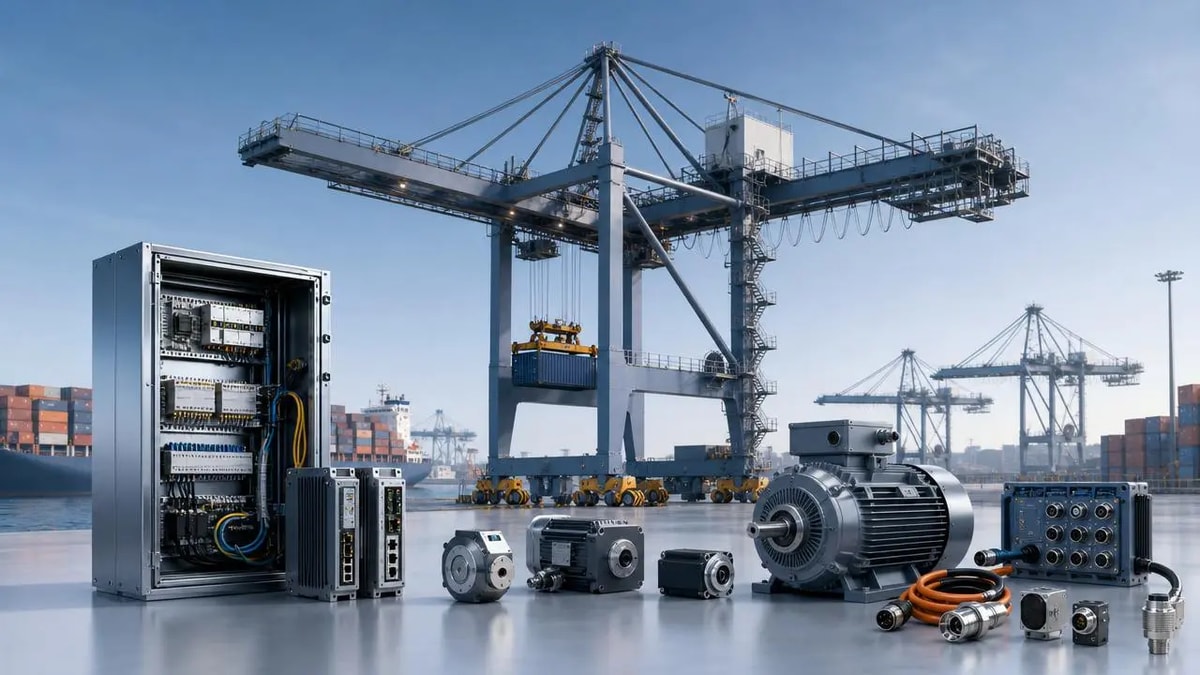
Port Equipment Automation Maintenance Issues You Can Prevent Early
Port equipment automation maintenance starts with early detection. Learn how to catch sensor, drive, PLC, and network issues before they cause costly downtime and delays.
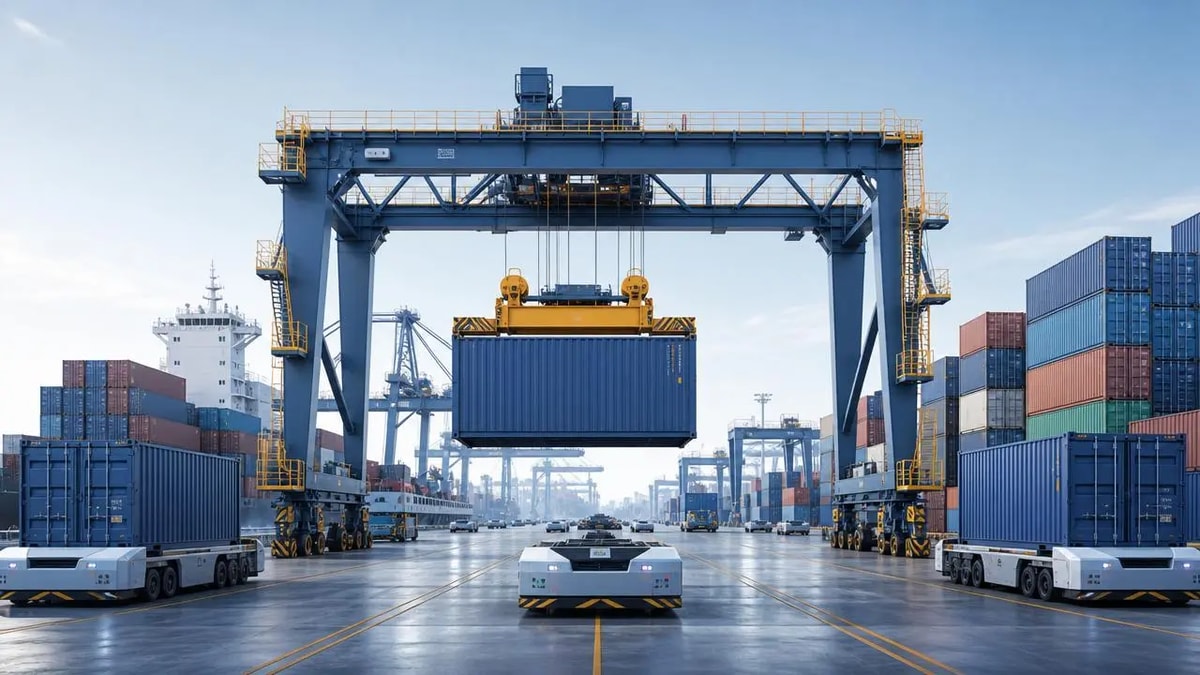
Marine Logistics Technology Suppliers: What Sets Them Apart
Marine logistics technology suppliers stand apart through automation, integration, and lifecycle support. Discover what helps ports and channel partners choose future-ready solutions.
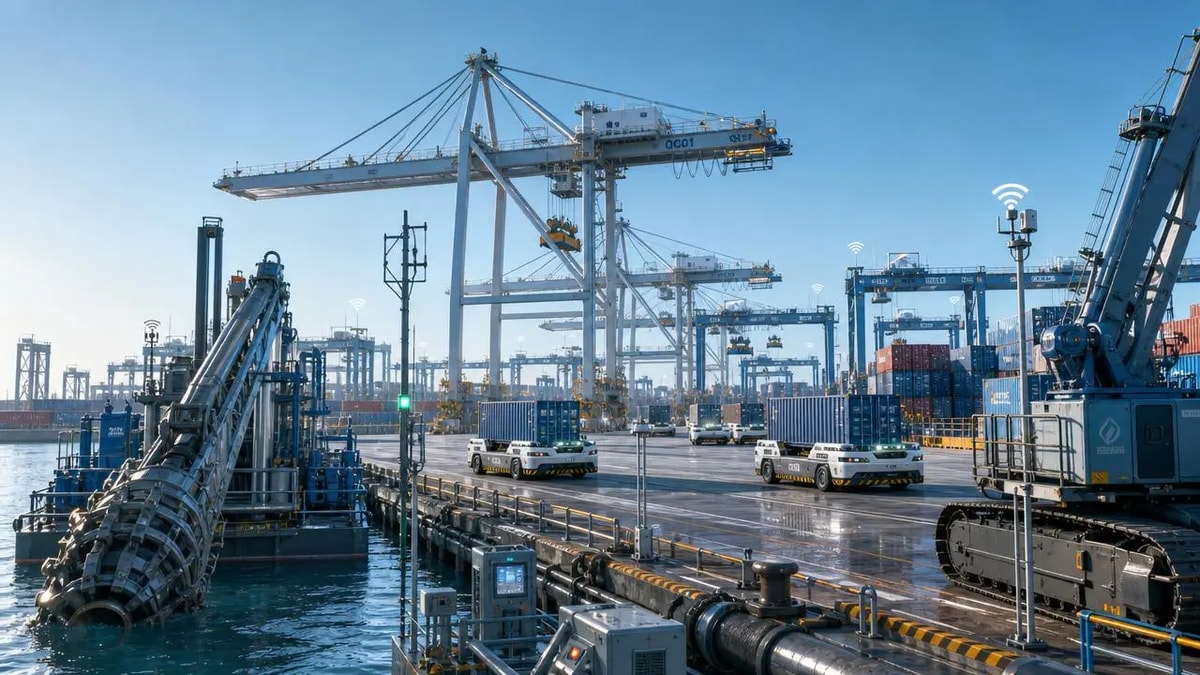
Port Technology Trends Worth Watching Before Your Next Upgrade
Port technology trends shape smarter upgrade decisions. Explore automation, remote crane control, predictive maintenance, and phased investment strategies to reduce risk and improve ROI.
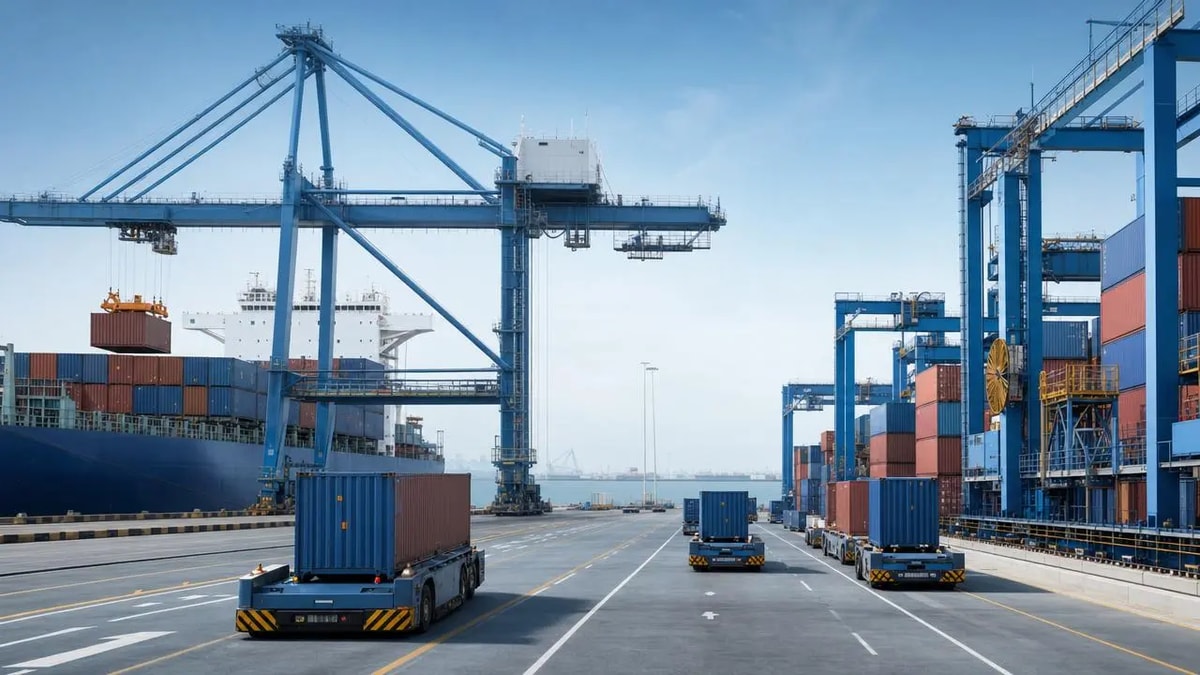
Automated Port Systems: Common Integration Problems to Expect
Automated port systems face real integration hurdles—from legacy equipment and data mismatches to network latency and safety conflicts. Learn what to check before approval.
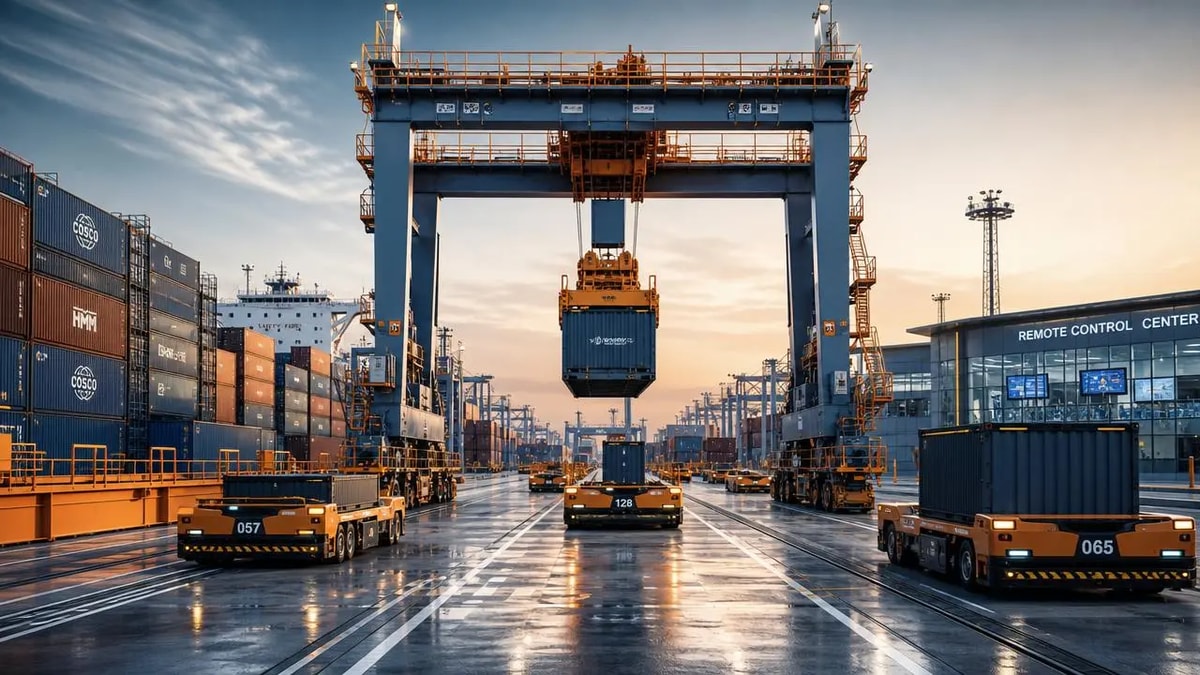
Port Automation Solutions That Reduce Manual Handoffs
Port automation solutions reduce manual handoffs, improve crane, AGV, yard, and control room coordination, and help terminals boost safety, speed, and operational efficiency.
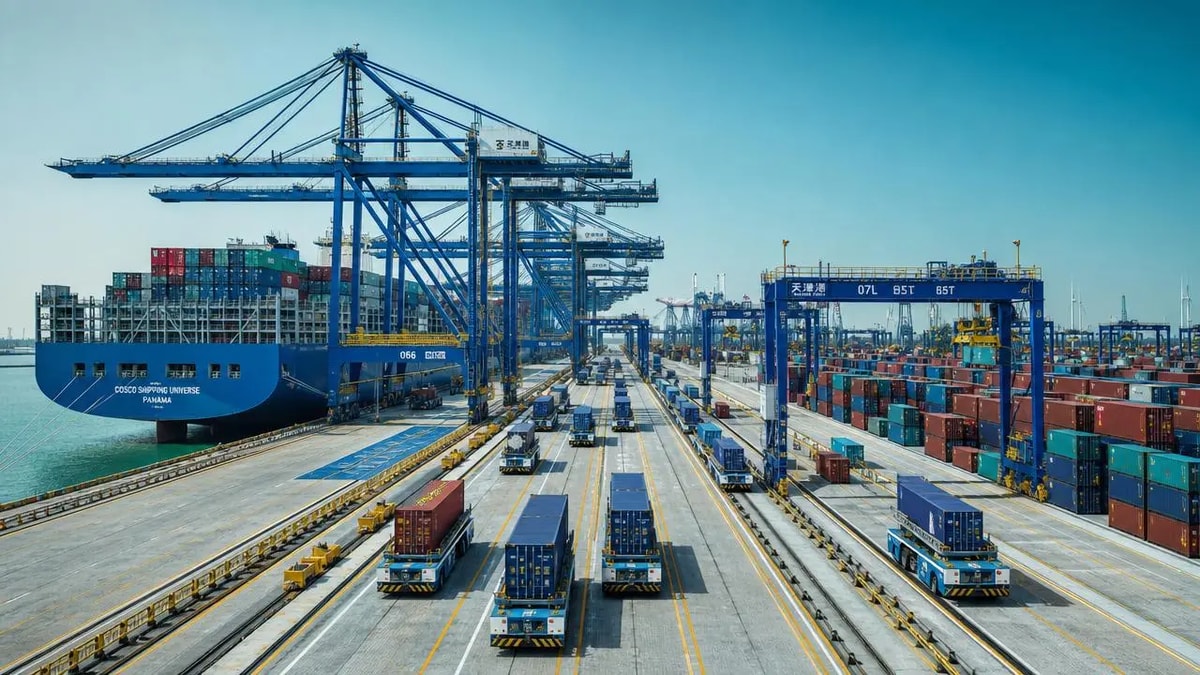
Smart Terminal Technology Trends Changing Port Operations
Smart terminal technology is reshaping port operations with AI, automation, predictive maintenance, and electrification. Discover which trends deliver the best ROI for different terminal scenarios.
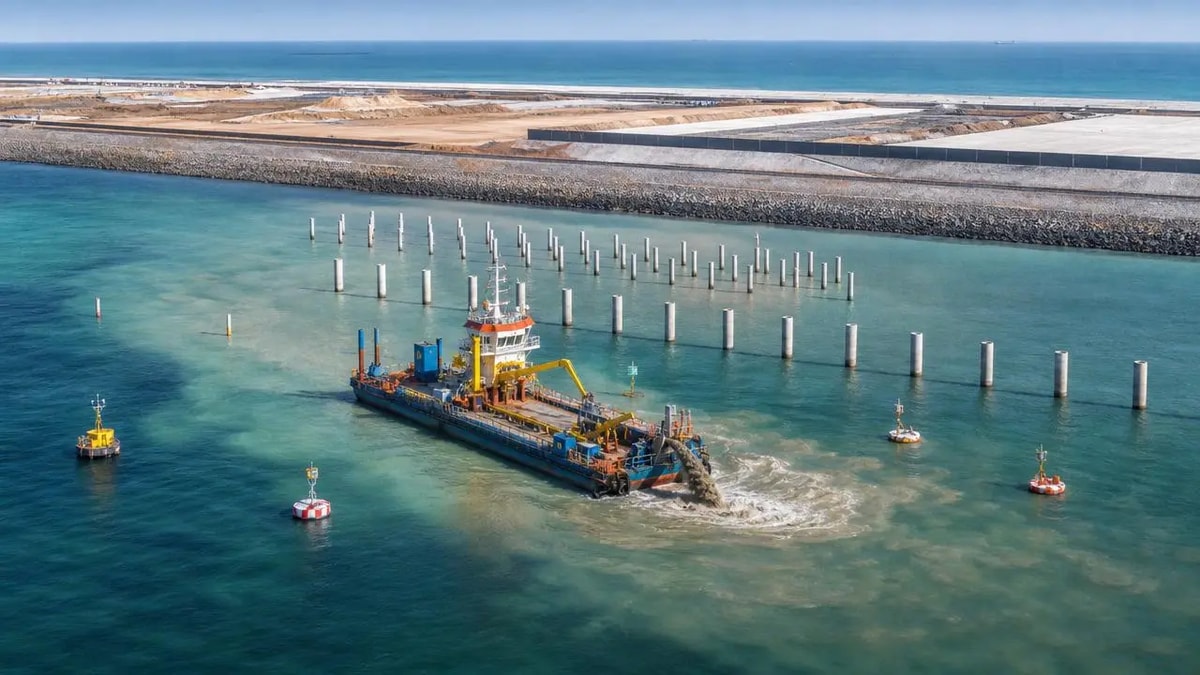
Marine Geotechnic Risks That Can Delay Coastal Projects
Marine geotechnic risks can quietly derail coastal projects with delays, rework, and compliance issues. Learn the warning signs and practical controls to protect schedule, safety, and budget.
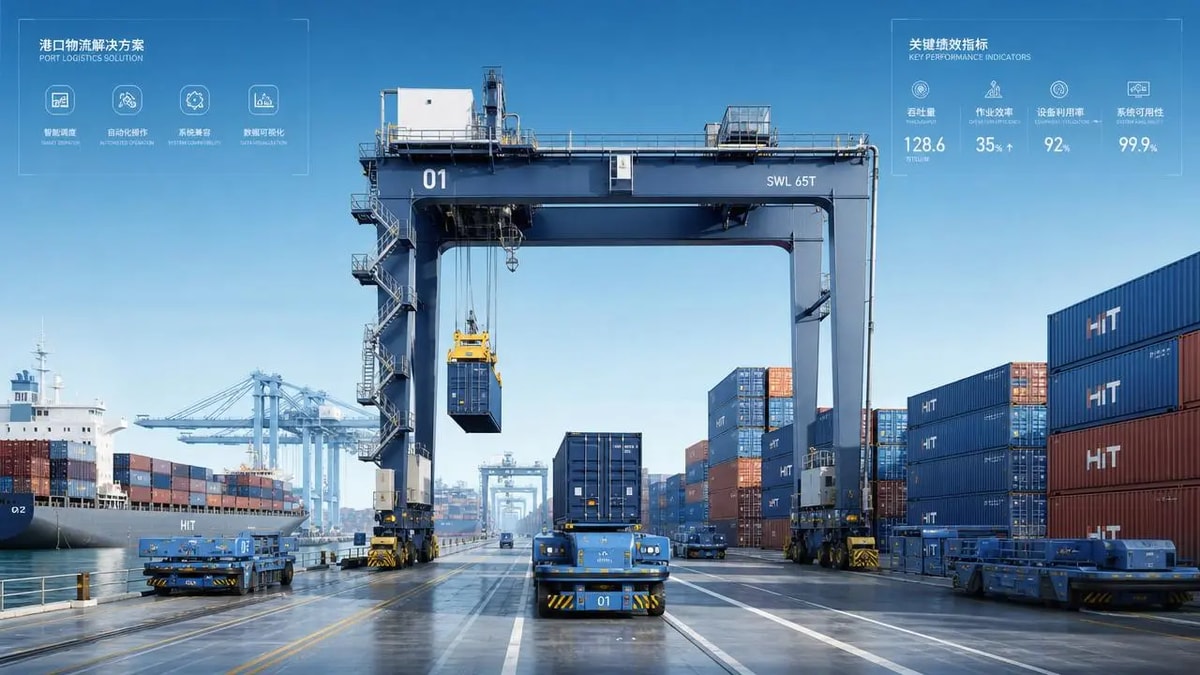
What to Compare Before Choosing Port Logistics Solutions
Port logistics solutions comparison guide: learn what to assess on throughput, compatibility, scalability, lifecycle cost, and automation readiness before choosing the right system.
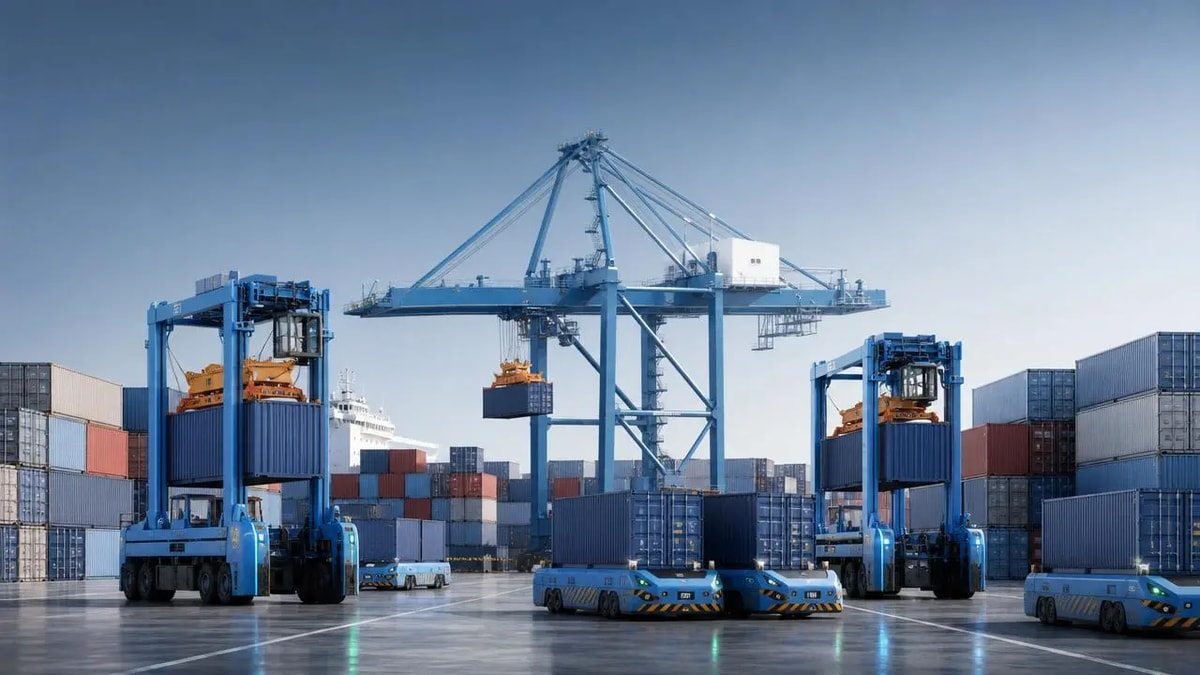
Port Terminal Equipment Costs Are Shifting in 2026
Port terminal equipment costs are shifting in 2026. Learn how automation, electrification, financing, and compliance reshape TCO, ROI, and smarter terminal investment decisions.