Related News
- 00
0000-00
Port Equipment Automation Maintenance Issues You Can Prevent Early - 00
0000-00
Automated Port Systems: Common Integration Problems to Expect - 00
0000-00
Port Automation Solutions That Reduce Manual Handoffs - 00
0000-00
Marine Geotechnic Risks That Can Delay Coastal Projects - 00
0000-00
Smart Operations Rollouts: Common Mistakes in Early Stages
Quay Crane Upgrades: What Actually Improves Throughput
Upgrading a quay crane does not automatically increase berth productivity. For operators, the biggest throughput gains usually come from a smaller group of improvements: faster and more stable hoisting, smoother trolley travel, stronger anti-sway performance, better automation assistance, and fewer maintenance-related interruptions. In real terminal work, a quay crane performs better not when every specification looks bigger on paper, but when each container cycle becomes more repeatable under wind, pressure, vessel variation, and shift fatigue.
That is the core search intent behind this topic: people want to know which quay crane upgrades make a measurable difference in daily moves per hour, and which ones sound impressive but deliver little unless the surrounding process is also improved. For operators and front-line users, the real concerns are practical. Will the upgrade reduce waiting time? Will it make box landing more stable? Will it lower re-handling, misalignment, sway, and operator stress? Will it help during peak vessel calls without creating new faults?
This article focuses on those questions. Instead of treating every possible modernization option as equally valuable, it explains what usually improves throughput first, what only helps in certain operating conditions, and how operators can judge whether a quay crane change is improving true cycle time or only changing a specification sheet.
What actually improves quay crane throughput in daily operation
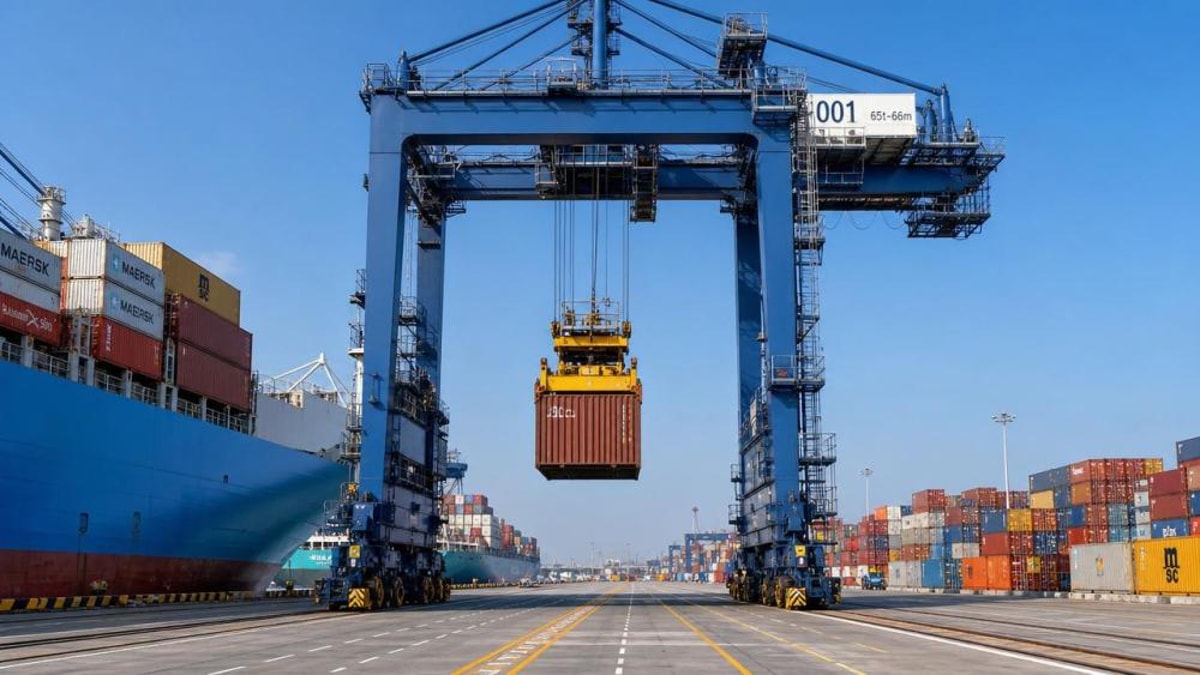
If the goal is to move more containers safely in the same working window, the most effective quay crane upgrades are usually the ones that shorten or stabilize the container handling cycle. In simple terms, throughput improves when the crane spends less time accelerating, positioning, correcting sway, waiting for confirmation, or stopping for faults.
For most terminals, the strongest contributors are these: higher usable hoist speed under load, faster trolley travel with controlled deceleration, anti-sway systems that reduce correction time, operator assistance or automation features that improve positioning consistency, and reliability upgrades that reduce unplanned downtime. These are the changes that typically show up in actual moves per hour.
By contrast, some upgrades look powerful but do not raise throughput on their own. A crane can have a higher top speed, but if operators cannot use that speed because of sway, poor visibility, inconsistent spreader landing, truck delay, or vessel-side congestion, then the gain remains theoretical. Throughput comes from the cycle as a whole, not from one isolated performance number.
That is why experienced operators often judge a quay crane upgrade by one question: does it reduce the average time needed to pick, travel, land, release, and return without adding instability or stress? If the answer is yes, the upgrade is probably valuable. If not, it may be more cosmetic than productive.
Why hoist speed matters more than many people expect
Among all crane motions, hoisting often has the clearest direct impact on cycle time. Every container move includes a vertical component, whether the box is being lifted from the ship cell, moved over the coaming, or lowered onto a truck or platform. If the quay crane can hoist faster while maintaining stable control, the savings repeat on nearly every cycle.
But operators know that raw speed is not enough. The important factor is usable speed. A quay crane upgrade that increases hoist speed only in ideal conditions may not help much in real work. If fast lifting creates more sway, harder alignment, rougher spreader behavior, or cautious manual correction, the expected gain disappears quickly.
The best hoist-related upgrades improve both speed and controllability. This may include better drive systems, refined load control, smoother acceleration profiles, and improved motor response. In practice, this means the crane reaches working speed earlier, maintains it more confidently, and slows down with less overshoot when approaching landing positions.
Operators usually notice the difference not only in cycle time but also in mental workload. A well-upgraded hoist motion feels predictable. The box responds the same way, landing becomes cleaner, and less attention is wasted on correcting movement that should have been controlled by the system in the first place.
When faster trolley travel helps—and when it does not
Trolley travel speed is another major factor in quay crane productivity, especially on larger cranes handling wider vessels. If the travel path between ship and landside is long, reducing trolley transit time can create meaningful throughput gains across a shift. On paper, this seems obvious. In practice, however, the value depends heavily on how the crane behaves at speed.
A trolley upgrade only improves output when the operator can use the added speed without losing positioning accuracy. If the trolley reaches high speed but then requires long correction time before landing, the cycle gain becomes small. The same problem appears when acceleration is too aggressive, causing load swing that must be settled before the next step.
That is why the most useful trolley improvements usually involve the whole motion profile, not only maximum velocity. Better acceleration logic, smoother braking, stronger structural response, and tighter integration with anti-sway control often matter more than the top number in the brochure.
For operators, a productive trolley upgrade feels like this: the spreader gets across the working distance quickly, the load remains manageable, and final approach takes less correction. The crane is not merely faster. It is easier to place accurately at speed.
Anti-sway control is one of the highest-value upgrades for real moves per hour
Many frontline users would place anti-sway improvement near the top of the list, because sway is one of the biggest hidden causes of lost time. A container does not need to stop the crane completely to reduce throughput. Even small swing forces the operator to wait, adjust, approach more cautiously, or repeat alignment. Over hundreds of cycles, that lost time becomes significant.
A strong anti-sway upgrade improves two things at once: speed confidence and landing precision. Operators can move the load more decisively because they trust that the system will keep motion under control. They also spend less time correcting the final position before lock or release.
This matters even more in difficult conditions such as wind, uneven vessel trim, different box weights, and mixed handling sequences. In those situations, the quay crane that remains stable keeps producing. The crane that swings excessively forces the operator to slow down for safety and control.
Anti-sway also contributes to consistency between operators. Highly skilled users may compensate for poor control better than others, but a reliable anti-sway system raises the average performance level of the whole shift. That is often a more important throughput gain than a small increase in theoretical machine speed.
Automation support improves throughput when it reduces correction, not when it removes the operator too early
Automation is often discussed as if it always raises productivity, but operators know the truth is more specific. A quay crane benefits from automation when the technology removes repetitive micro-delays, improves positioning, and reduces human correction under pressure. It does not help much when it introduces slow confirmation steps, awkward interfaces, or unreliable transitions between automatic and manual modes.
Useful automation support may include auto-positioning assistance, landing guidance, target alignment support, semi-automatic cycle functions, camera enhancement, sensor-based detection, and coordinated motion control. These features can reduce hesitation and improve repeatability, especially during long shifts or complex vessel patterns.
The key is that the system must support the operator’s pace instead of disrupting it. If automation makes the crane behave in a predictable and transparent way, throughput rises because fewer seconds are lost in each cycle. If automation feels opaque or inconsistent, operators tend to override it, and the supposed upgrade can become a burden.
In many terminals, the best results come from gradual automation layers rather than immediate full automation. When a quay crane receives targeted assistance features first, operators build trust, training is easier, and productivity gains become more stable.
Spreader and landing performance are often underestimated
Throughput is not only about how fast the crane moves through the air. It also depends on how quickly and reliably the spreader engages, aligns, locks, releases, and recovers for the next move. If the spreader system is slow, inconsistent, or sensitive to minor misalignment, the operator loses time exactly where precision matters most.
Upgrades in this area can include better twistlock sensing, improved flipper performance, faster response in telescoping or twin-lift adjustment, stronger spreader control logic, and cleaner communication between spreader status and the operator interface. These changes may seem smaller than major motion upgrades, but they often remove the “last few seconds” that repeatedly slow down a cycle.
From the operator’s point of view, the value is obvious. A spreader that lands cleanly, confirms status quickly, and releases without hesitation allows the rest of the quay crane to work at its intended pace. A spreader with uncertain feedback forces caution, double-checking, and wasted motion.
This is especially important in mixed cargo flows, damaged containers, variable stacking conditions, and high-pressure vessel schedules. In those environments, responsive spreader behavior can protect both throughput and safety.
Reliability upgrades may improve throughput more than speed upgrades
Many terminals focus first on motion performance, but reliability frequently delivers the larger real-world gain. A faster quay crane that stops unexpectedly is less productive over a shift than a slightly slower crane that runs continuously. Operators understand this immediately because every reset, fault alarm, sensor failure, or drive interruption breaks work rhythm and creates berth delay.
Reliability improvements may include electrical modernization, drive replacement, cable system upgrades, improved cooling, better brake performance, condition monitoring, sensor renewal, PLC and control updates, and stronger fault diagnostics. These do not always look exciting from the outside, but they often improve net throughput more than a headline speed increase.
The reason is simple: throughput is measured over operating time, not brochure time. If a crane loses twenty or thirty minutes to stoppages during a vessel call, the impact can exceed the benefit of several seconds saved on each clean cycle. In other words, uptime multiplies every other improvement.
For operators, a reliable crane also supports confidence and rhythm. Crews work faster when they trust the machine. They do not hesitate for fear of faults, and they do not waste attention on abnormal system behavior.
Cab visibility, controls, and interface quality affect performance more than many upgrade plans admit
Not every throughput improvement comes from motors and drives. Human-machine interaction matters greatly in quay crane work. If the operator has poor visibility, delayed camera views, confusing alarms, awkward joystick response, or unclear load information, cycle time increases even when the hardware is technically capable.
Cab and control upgrades may include better glazing, improved seat ergonomics, low-latency camera systems, clearer display layouts, smarter alarm prioritization, refined joystick mapping, and more intuitive status feedback. These changes reduce hesitation and improve precision, especially during long shifts and low-visibility conditions.
For users, this category often creates a practical gain that management underestimates. A more comfortable, clearer, and better-informed operator works with fewer micro-pauses. That means steadier cycle performance, fewer mistakes, and less fatigue-related slowdown later in the shift.
In semi-automated operations, interface quality becomes even more important. If operators must supervise system actions, intervene quickly, and make safe decisions under time pressure, poor interface design directly harms throughput.
Not every quay crane needs the same upgrade package
The most effective modernization path depends on where time is really being lost. A terminal with long trolley distances may benefit strongly from travel and anti-sway upgrades. A terminal struggling with fault events may gain more from control renewal and electrical reliability work. A terminal already using high-performance motion systems may see the next gain from spreader responsiveness or operator assistance.
That is why operators should avoid one-size-fits-all assumptions. The question is not “What is the best quay crane upgrade in general?” The better question is “Which part of our cycle is repeatedly slowing us down?” Once that bottleneck is visible, investment decisions become more accurate.
Common bottleneck signs include repeated waiting for sway to settle, slow ship-to-shore travel, uncertain landing, frequent interlocks, delayed feedback, inconsistent automation behavior, and repeated maintenance stoppages. Each symptom points toward a different upgrade priority.
When terminals skip this diagnosis and buy upgrades based only on trend or vendor emphasis, they often improve one area while the real limit stays untouched. That is how expensive modernization can produce disappointing throughput results.
How operators can judge whether an upgrade is truly working
Operators and supervisors do not need complicated theory to evaluate whether a quay crane upgrade is helping. They can look at a few direct indicators: average moves per hour during normal conditions, consistency of cycle time, time lost to sway correction, landing quality, frequency of manual recovery actions, fault-related stoppages, and operator workload.
A good upgrade should improve not just the best-case cycle, but the average cycle across a shift. It should also narrow performance variation. If only the top operator benefits while others still struggle, the throughput gain may be limited at terminal level. The strongest upgrades raise the floor as well as the ceiling.
Another useful test is behavior under pressure. Does the crane still perform when vessel mix changes, wind rises, and shift fatigue sets in? Real throughput improvements survive real operating conditions. If performance collapses outside ideal circumstances, the upgrade may be technically impressive but operationally weak.
Finally, safety should not be separated from productivity. A faster cycle that increases near misses, hard landings, or control uncertainty is not a true gain. The best quay crane upgrades improve pace and control together.
What usually delivers the best practical result
For most front-line users, the best throughput result does not come from one dramatic upgrade. It comes from a balanced package: stronger hoist performance, smoother trolley motion, dependable anti-sway control, stable spreader response, useful automation assistance, and better reliability. These improvements reinforce one another.
For example, faster trolley motion becomes more valuable when anti-sway is effective. Higher hoist speed becomes more useful when the spreader lands cleanly. Automation support becomes more productive when sensors and controls are reliable. Throughput increases most when the entire cycle becomes smoother, not when one isolated function becomes extreme.
This is the practical lesson operators repeatedly see on the quay. A crane that feels controlled, predictable, and available usually outperforms a crane that is theoretically faster but inconsistent. In container handling, rhythm matters. Repeatability matters. Uptime matters.
So if the question is what actually improves throughput, the answer is clear: upgrades that reduce correction, shorten stable cycle time, and keep the quay crane working reliably under daily pressure. Everything else should be judged against that standard.
In summary, a quay crane upgrade adds value only when it produces usable speed, better control, and more consistent operating time. Operators should focus first on hoist effectiveness, trolley behavior, anti-sway performance, spreader response, automation support that truly helps, and maintenance reliability. These are the improvements most likely to convert investment into real moves per hour, safer handling, and stronger berth performance.
Related News
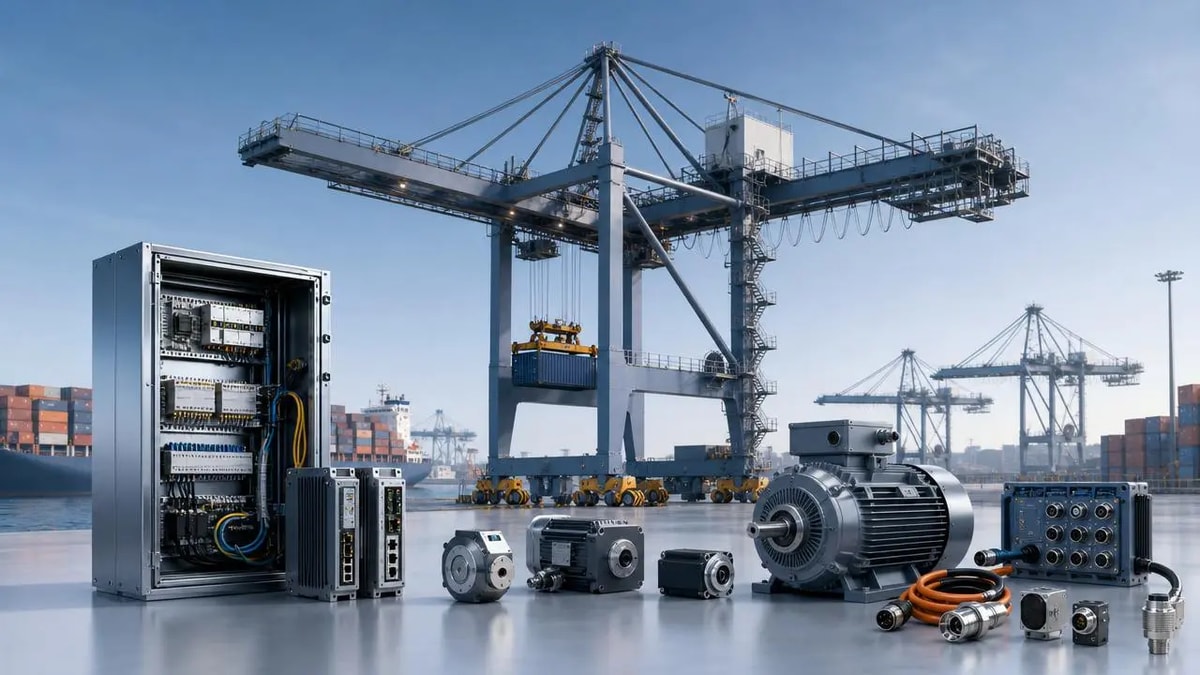
Port Equipment Automation Maintenance Issues You Can Prevent Early
Port equipment automation maintenance starts with early detection. Learn how to catch sensor, drive, PLC, and network issues before they cause costly downtime and delays.
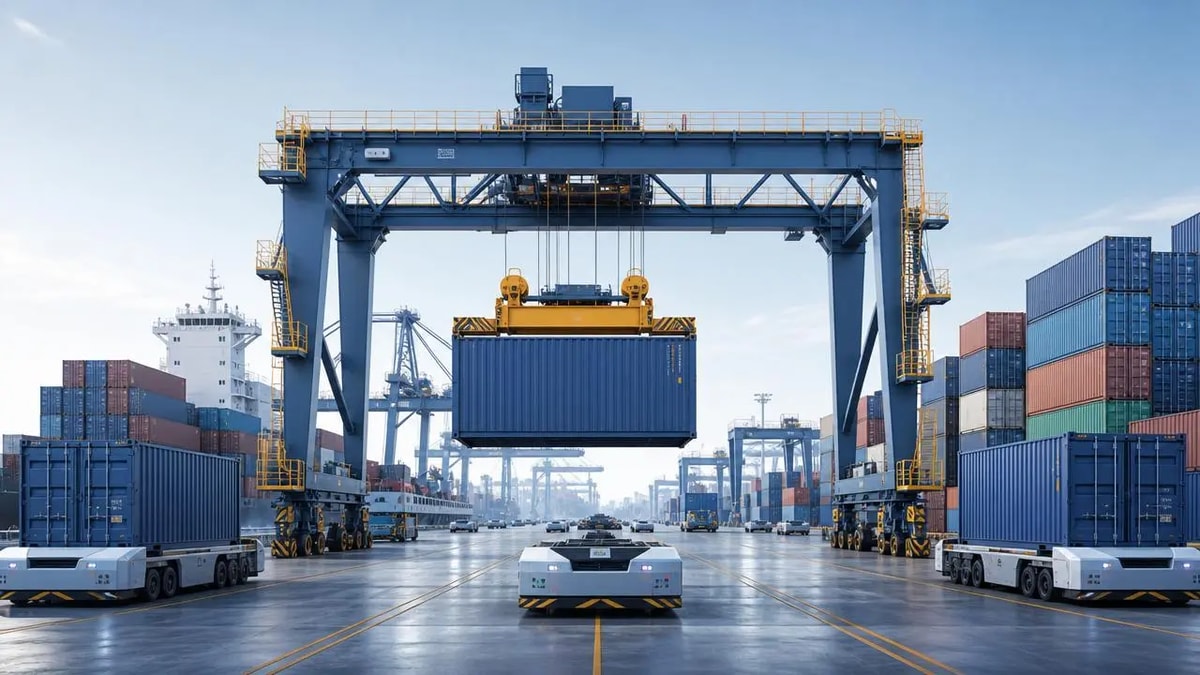
Marine Logistics Technology Suppliers: What Sets Them Apart
Marine logistics technology suppliers stand apart through automation, integration, and lifecycle support. Discover what helps ports and channel partners choose future-ready solutions.
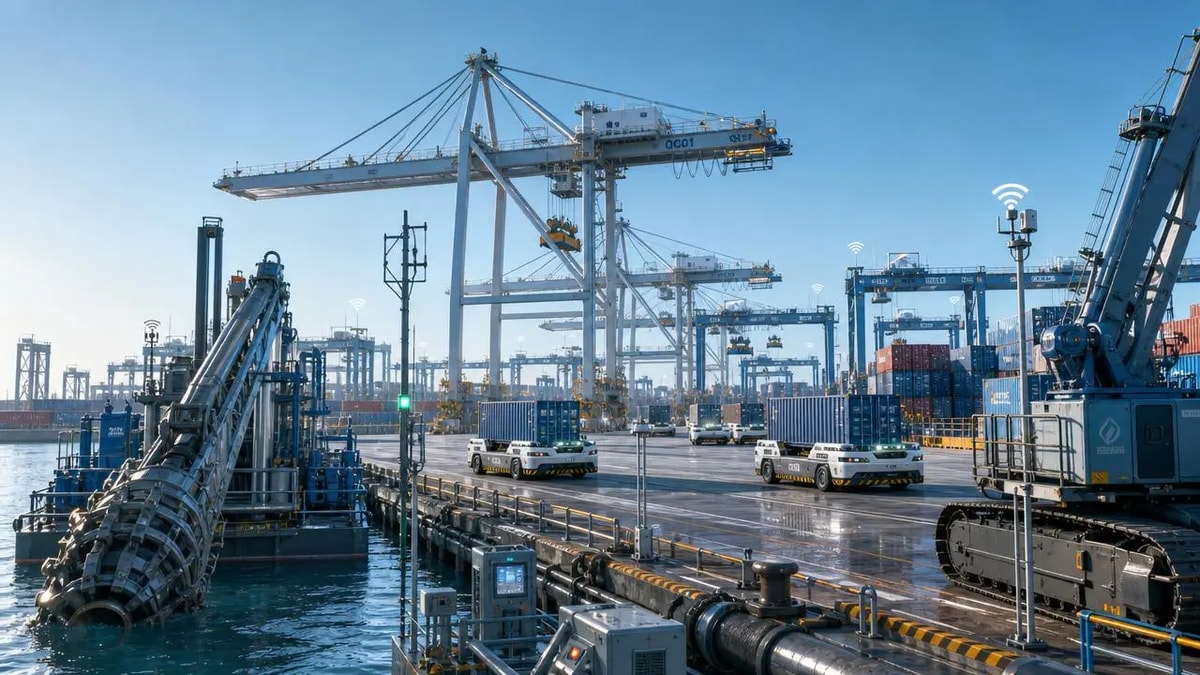
Port Technology Trends Worth Watching Before Your Next Upgrade
Port technology trends shape smarter upgrade decisions. Explore automation, remote crane control, predictive maintenance, and phased investment strategies to reduce risk and improve ROI.
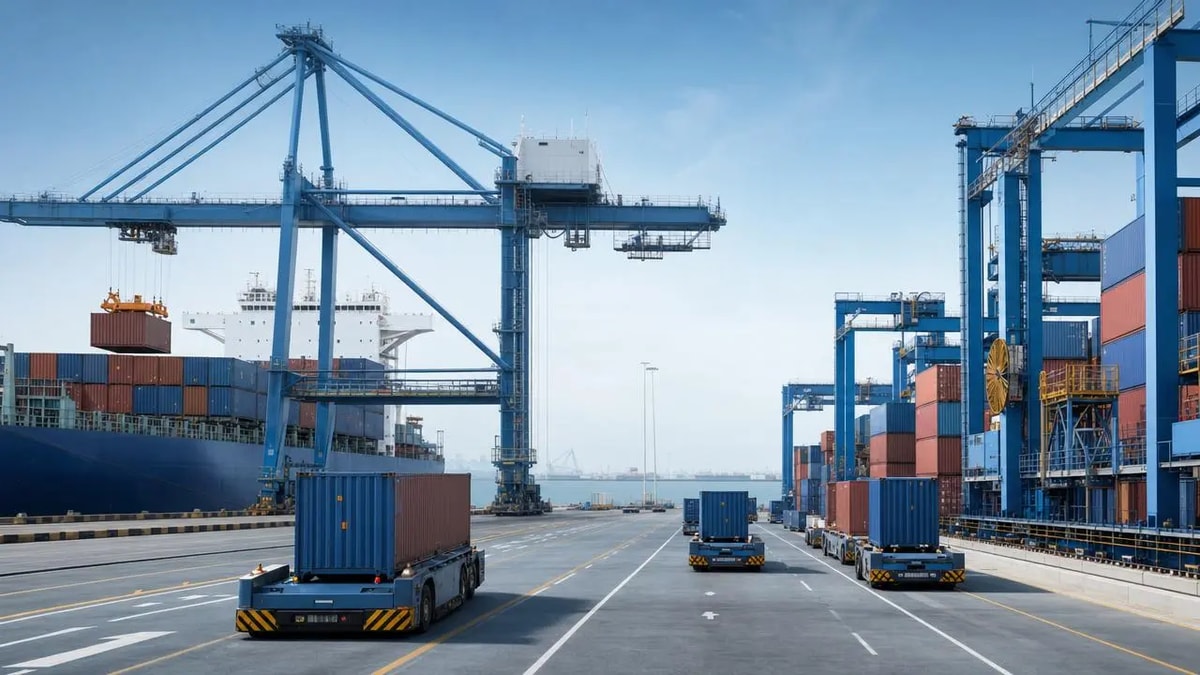
Automated Port Systems: Common Integration Problems to Expect
Automated port systems face real integration hurdles—from legacy equipment and data mismatches to network latency and safety conflicts. Learn what to check before approval.
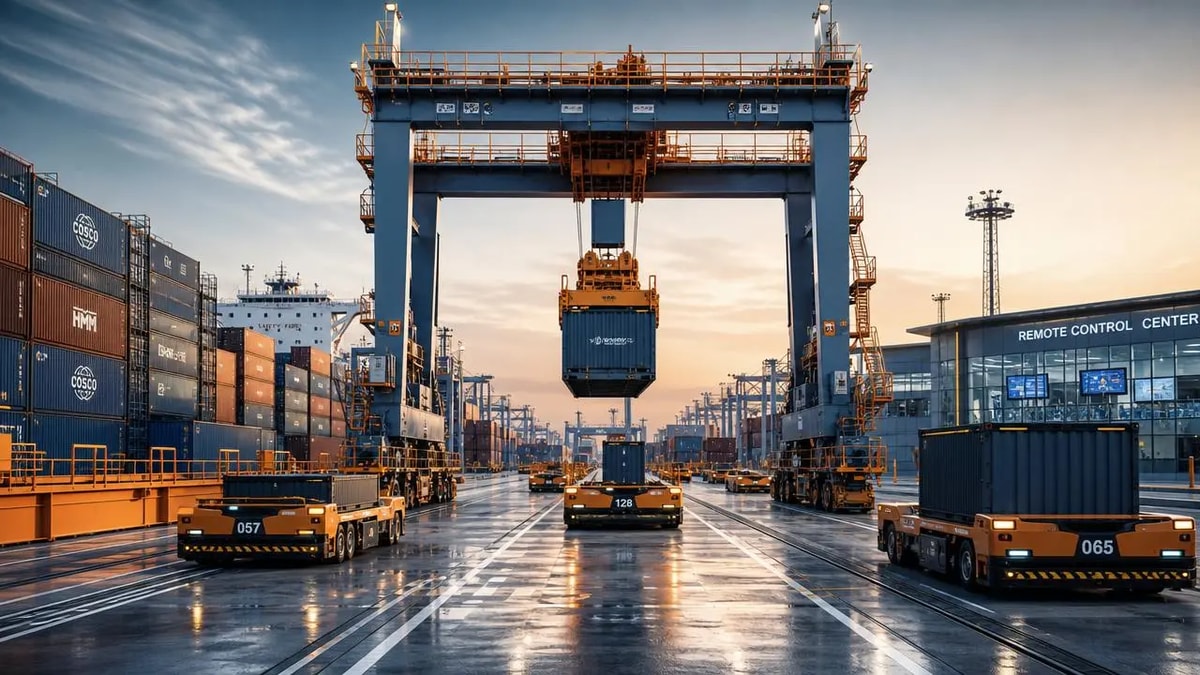
Port Automation Solutions That Reduce Manual Handoffs
Port automation solutions reduce manual handoffs, improve crane, AGV, yard, and control room coordination, and help terminals boost safety, speed, and operational efficiency.
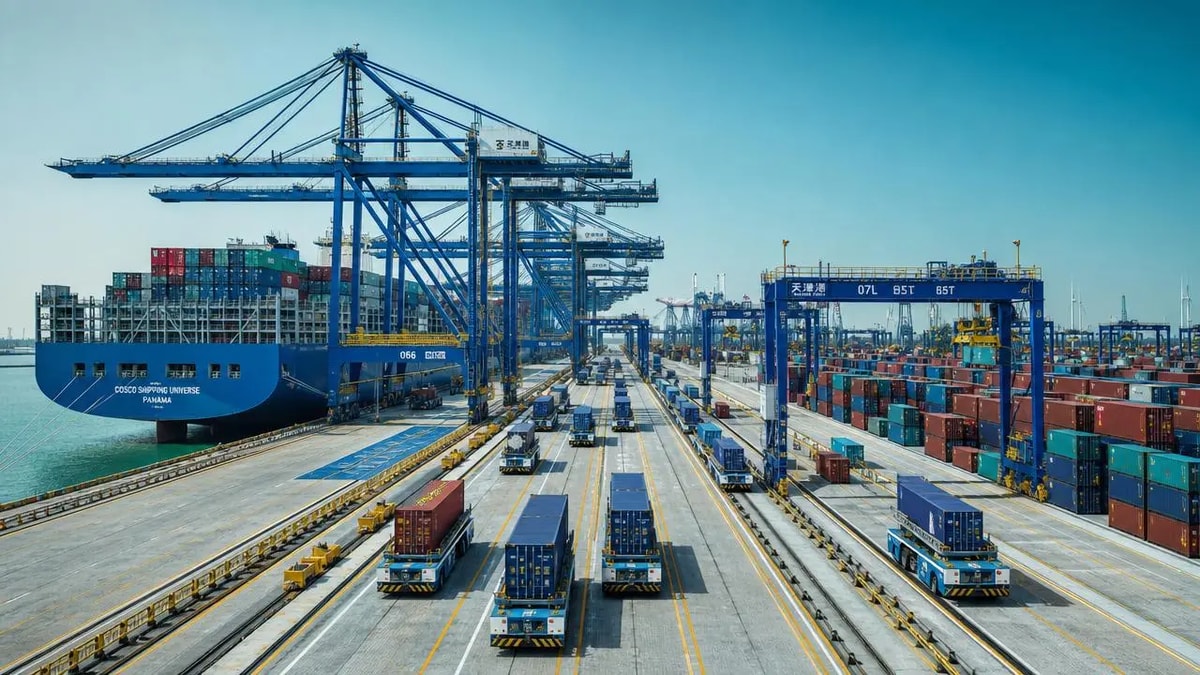
Smart Terminal Technology Trends Changing Port Operations
Smart terminal technology is reshaping port operations with AI, automation, predictive maintenance, and electrification. Discover which trends deliver the best ROI for different terminal scenarios.
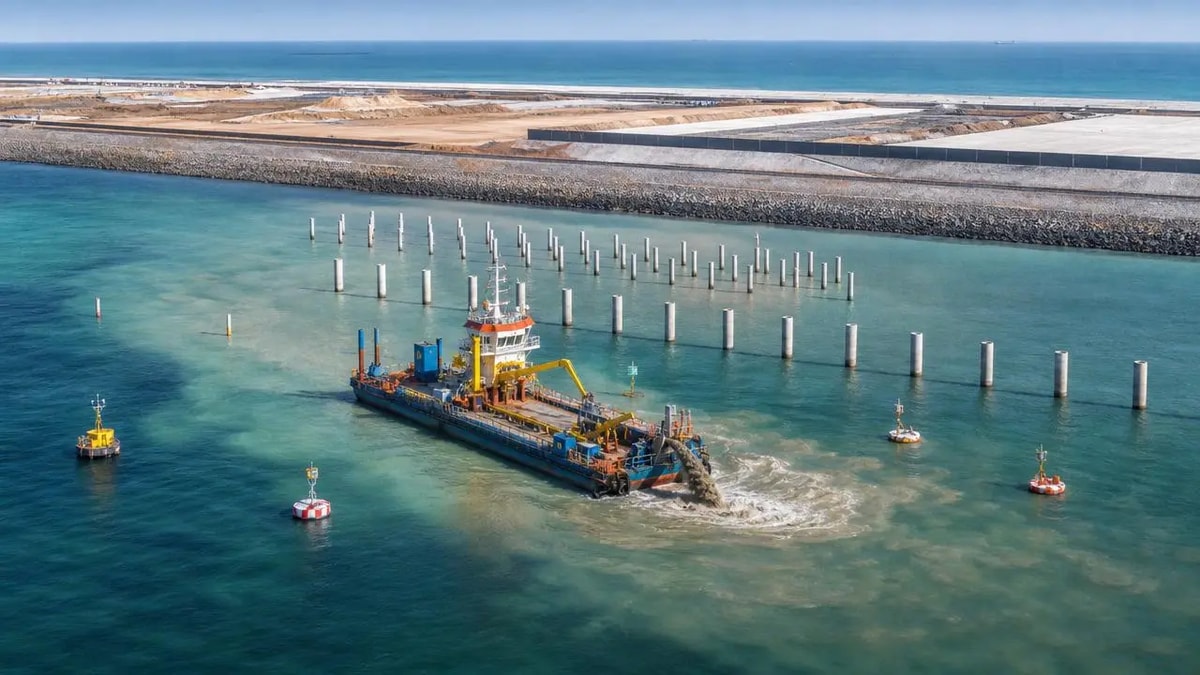
Marine Geotechnic Risks That Can Delay Coastal Projects
Marine geotechnic risks can quietly derail coastal projects with delays, rework, and compliance issues. Learn the warning signs and practical controls to protect schedule, safety, and budget.
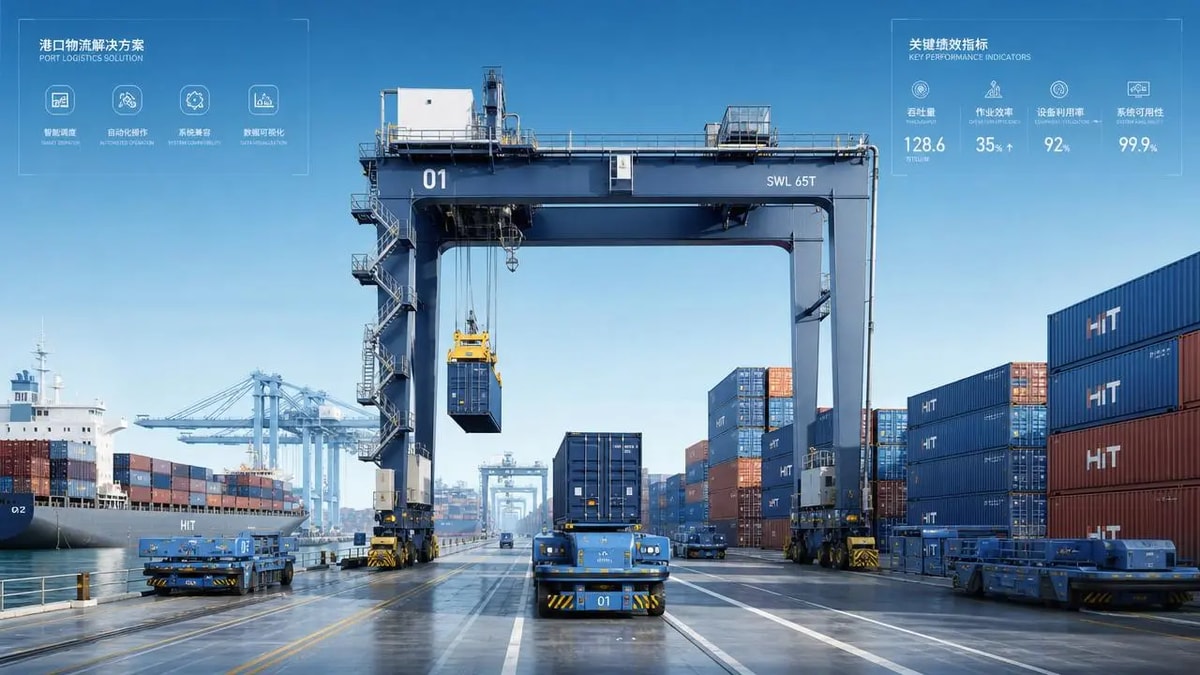
What to Compare Before Choosing Port Logistics Solutions
Port logistics solutions comparison guide: learn what to assess on throughput, compatibility, scalability, lifecycle cost, and automation readiness before choosing the right system.
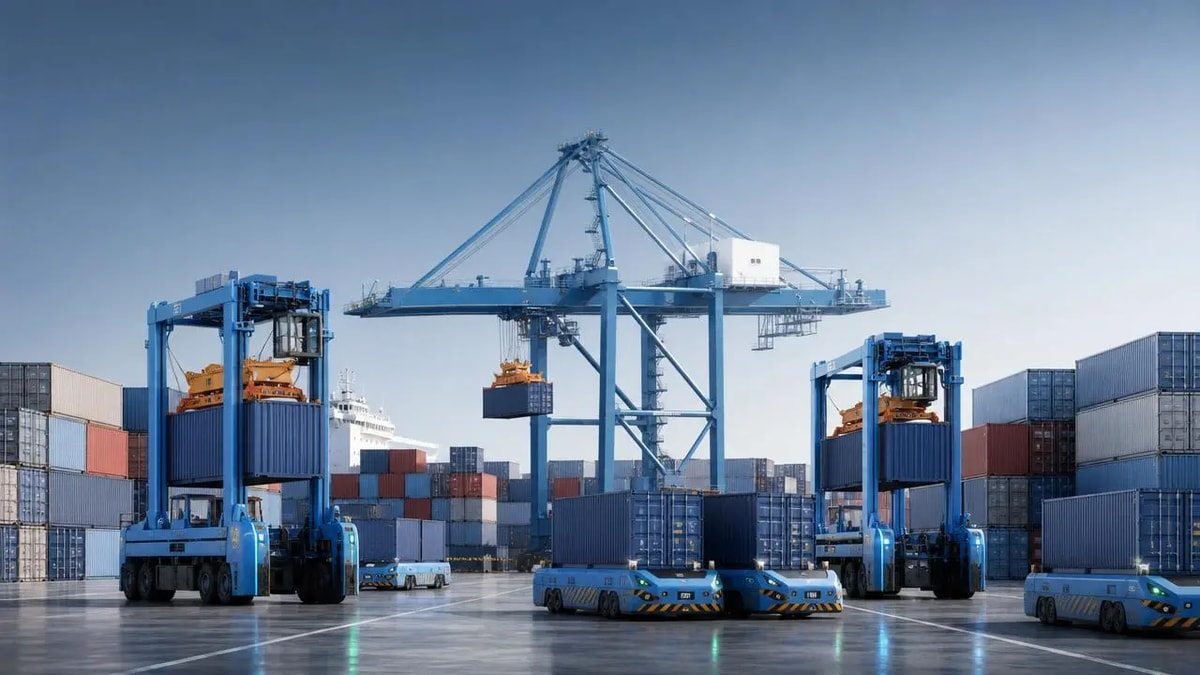
Port Terminal Equipment Costs Are Shifting in 2026
Port terminal equipment costs are shifting in 2026. Learn how automation, electrification, financing, and compliance reshape TCO, ROI, and smarter terminal investment decisions.