Related News
- 00
0000-00
Smart Port Solutions for Berth Planning: Reducing Vessel Wait Times and Conflicts - 00
0000-00
How AI Scheduling Improves Berth, Yard, and Gate Coordination at Terminals - 00
0000-00
How to Specify a Quay Crane for Container Terminals by Vessel Size and Throughput? - 00
0000-00
What Data Is Required for a Smart Port Control Architecture? - 00
0000-00
How Should Dredging Equipment Performance Be Verified Before Acceptance?
What Data Is Required for a Smart Port Control Architecture?
A smart port control architecture requires a shared, time-aligned view of vessels, cargo, equipment, yard space, environmental conditions, and operational constraints. Raw data alone is insufficient. Each record needs a reliable source, a timestamp, a location reference, a quality status, and enough operational context for the control layer to decide whether to dispatch, slow, hold, reroute, or stop an activity.
The required data is best understood as connected layers rather than a single database. A quay crane movement has little value when separated from the vessel bay plan, container identity, truck or automated guided vehicle availability, stack position, wind condition, and safety exclusion zone. When those links are present, the port control system can coordinate a complete move from ship to yard or gate instead of optimizing one machine in isolation.
Vessel, berth, and cargo movement data
Control decisions begin before a vessel reaches the berth. The architecture needs the vessel identity, estimated arrival and departure times, current position, speed, heading, draft-related constraints, assigned berth, and berth readiness status. Position data should be interpreted alongside pilotage, tug allocation, channel availability, tidal conditions, and mooring progress. A vessel shown as “arrived” may still be unable to begin cargo operations if the berth is occupied, access equipment is unavailable, or the actual draft conflicts with the available depth.
For container terminals, the vessel plan must identify each container’s bay, row, tier, discharge or load sequence, weight, size, type, destination, and special handling attributes. Refrigerated units, dangerous goods, out-of-gauge cargo, empty containers, and units requiring inspection do not follow the same routing rules as standard import containers. The control architecture also needs update events when stowage changes occur. A plan created before arrival becomes unreliable when late transshipment changes, restows, or damaged boxes alter the working sequence.
Bulk and project-cargo operations require a different cargo layer. Material type, moisture or contamination status, stockpile location, conveyor route, hatch sequence, grab capacity, hopper availability, and loading limits may matter more than individual cargo-unit identity. A control model designed around container IDs cannot simply be reused for a coal, grain, ore, or dredged-material flow without adding material and process-state data.
Equipment telemetry that supports real control
Every controlled asset needs a persistent identity and a current operational state. This includes ship-to-shore cranes, rubber-tired gantry cranes, rail-mounted gantries, straddle carriers, reach stackers, terminal tractors, AGVs, automated stacking cranes, conveyors, pumps, dredgers, gates, and charging equipment. The minimum useful data set is not the same for every asset, but it normally combines location, availability, motion state, task state, fault state, and safety status.
For a quay crane, useful telemetry includes trolley position, gantry position, hoist height, spreader status, load presence, twistlock confirmation, sway status, travel direction, cycle phase, wind alarms, anti-collision state, and active interlocks. A simple “crane running” flag can be misleading: the crane may be waiting for a vehicle, holding a container above a hatch, paused by a safety zone, or completing a planned exception. The control layer should distinguish these states because each calls for a different response.
Mobile equipment requires accurate positioning, heading, speed, braking state, battery or fuel status, payload status, route assignment, obstacle detection status, communication health, and manual/automatic mode. Position accuracy must match the decision being made. A broad yard-zone position may be adequate for fleet visibility, while collision avoidance, handover between automated zones, and precise container placement require a much finer coordinate reference.
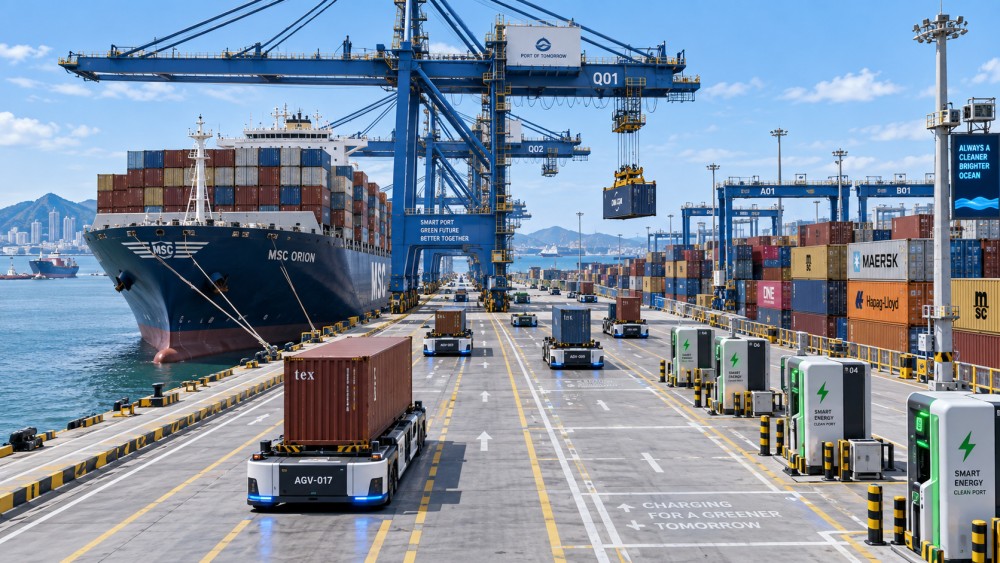
Condition-monitoring data should be separated from immediate dispatch data. Motor temperature, vibration, hydraulic pressure, cable wear indicators, brake condition, gearbox alarms, pump pressure, and lubrication status are valuable for maintenance planning, but not every signal belongs in a millisecond-level control loop. Sending all high-frequency sensor streams into one central application can create noise, delay, and unnecessary dependency. Local equipment controllers should retain safety-critical responses, while the terminal-wide layer receives the events and summaries needed for coordinated operations.
Yard truth: inventory, geometry, and capacity
A smart port cannot allocate equipment correctly without a trustworthy digital representation of the yard. The architecture needs the physical geometry of blocks, lanes, transfer points, rail tracks, reefer rows, inspection areas, empty depots, gates, workshops, charging stations, and restricted zones. Static geometry is often treated as setup data, yet it changes when lanes are closed, temporary barriers are installed, pavement repairs begin, or an area becomes unavailable for hazardous cargo.
Container inventory data must show more than the declared stack location. It should include the verified location, orientation where relevant, stack height, accessibility, planned departure mode, customs or inspection hold, reefer power status, hazardous segregation category, damage status, and whether the unit is already committed to a work queue. A container recorded in the correct block but buried under export units is operationally different from one immediately available at the top of a stack.
Capacity calculations also need a time dimension. A block may have physical slots available but lack usable capacity because the remaining slots are reserved for a departing vessel, incompatible with refrigerated containers, inaccessible during a crane maintenance window, or beyond the travel range of the assigned yard equipment. Control logic should use operationally available capacity rather than total theoretical capacity.
Task, route, and handover data
Dispatching depends on an explicit task model. Each transport or handling job needs a unique task ID, source point, destination point, cargo identity, precedence rule, assigned asset, planned route, current stage, deadline or service priority, and exception reason when it cannot proceed. The system should record handovers clearly: crane to vehicle, vehicle to stack crane, stack crane to yard position, or conveyor to stockpile. Ambiguous handover records are a common cause of duplicate moves, lost work orders, and equipment waiting at the wrong interface.
Route data needs both fixed and live elements. Fixed elements include road topology, lane direction, turning restrictions, grade, clearances, rail crossings, speed limits, and defined equipment zones. Live elements include blocked lanes, congestion, emergency closures, active work areas, charging queues, vehicle faults, and temporary exclusion areas. Route optimization based only on the shortest path often creates unstable behavior because several vehicles select the same corridor at once. The dispatch layer needs reservation, queue, or congestion information to avoid transferring delay from one node to another.
Timing data is equally important. Every event should carry the time it was observed, the time it was generated by the source, and, where necessary, the time it was accepted by the control platform. These timestamps expose a critical difference between a late message and a late physical event. Without that distinction, a delayed vehicle position can incorrectly trigger a route conflict, while a delayed crane completion message can cause another task to be assigned too early.
Safety and environmental operating limits
Safety data cannot be treated as a reporting layer added after automation. It must be available to dispatch and supervisory control. Required inputs include personnel access status in controlled areas, wearable or gate-based presence signals where deployed, equipment proximity alerts, geofenced exclusion zones, emergency-stop state, collision-protection state, lift-zone status, and manual override status. A task should not be marked executable merely because its route is clear; the relevant safety conditions must also be valid at the moment of movement.
Environmental data affects both safety and productivity. Wind speed and direction at crane elevation, lightning warnings, visibility, precipitation, sea state near marine operations, water level, tidal window, current, air temperature, and surface condition may all constrain operations. The useful interpretation depends on the asset. Wind at a distant meteorological station may not represent conditions at the top of a quay crane, while rainfall may have limited effect on a container move but materially change bulk cargo handling or dredging operations.
Thresholds should be associated with equipment configuration and work state rather than stored as one port-wide value. A crane with a raised boom, a suspended load, or a particular spreader configuration can have different operating restrictions from the same machine in an idle state. The control architecture needs the configuration data that gives environmental readings their meaning.
Energy, communications, and system health
Energy data becomes operational when it is tied to task plans. Battery state of charge, charging rate, charger occupancy, predicted energy use for a route, grid or local power availability, regenerative energy state, and fuel level can determine whether an AGV or electric yard crane should accept another assignment. A vehicle with enough energy to finish its current route may not have enough reserve for a return trip or a queue delay. Dispatch logic needs an energy reserve policy, not only a battery percentage.
Communication health is another required data stream. Signal strength, network latency, packet loss, controller heartbeat, positioning-service availability, and command acknowledgement status reveal whether automation data can be trusted. A visible asset that has stopped reporting should not remain represented as safely stationary. Its last known position, confidence level, and timeout status must be exposed to routing and safety logic.
The architecture should also monitor the health of its own data services: interface failures, backlog depth, duplicate-event rates, clock synchronization status, data freshness, and failed validation rules. A perfect dashboard built on stale yard inventory is worse than an explicit degraded-state display because it encourages decisions based on false certainty.
Normalize before optimizing
Different terminal systems often describe the same object differently. One source may identify a container by its full unit number, another by a shortened reference, and a third by a work-order key. Locations may be expressed as block-bay-row-tier, geographic coordinates, crane-relative coordinates, or lane markers. Before optimization begins, the architecture needs canonical IDs, a common location model, unit conventions, event definitions, and source precedence rules.
Build the architecture around decisions
Data collection should follow the decisions the port needs to make. Start with a limited set of high-consequence decisions, such as berth allocation, vessel work sequencing, quay-crane assignment, vehicle dispatch, yard-slot allocation, and safety-zone release. For each decision, define the input data, source system, update frequency, acceptable delay, owner, validation rule, and fallback behavior when the source becomes unavailable.
This approach prevents two costly failures. The first is collecting extensive telemetry that never changes a decision. The second is automating a decision while omitting a constraint that experienced supervisors apply instinctively, such as a blocked transfer lane, a reefer power limit, a restricted stack, or a crane operating under degraded mode.
A resilient smart port control architecture therefore keeps safety actions close to equipment, shares verified operational state across terminal systems, and records enough context to explain why a task was delayed, rerouted, or stopped. The objective is a current operational truth that remains usable when plans change, sensors disagree, or part of the communications path is degraded.
Related News
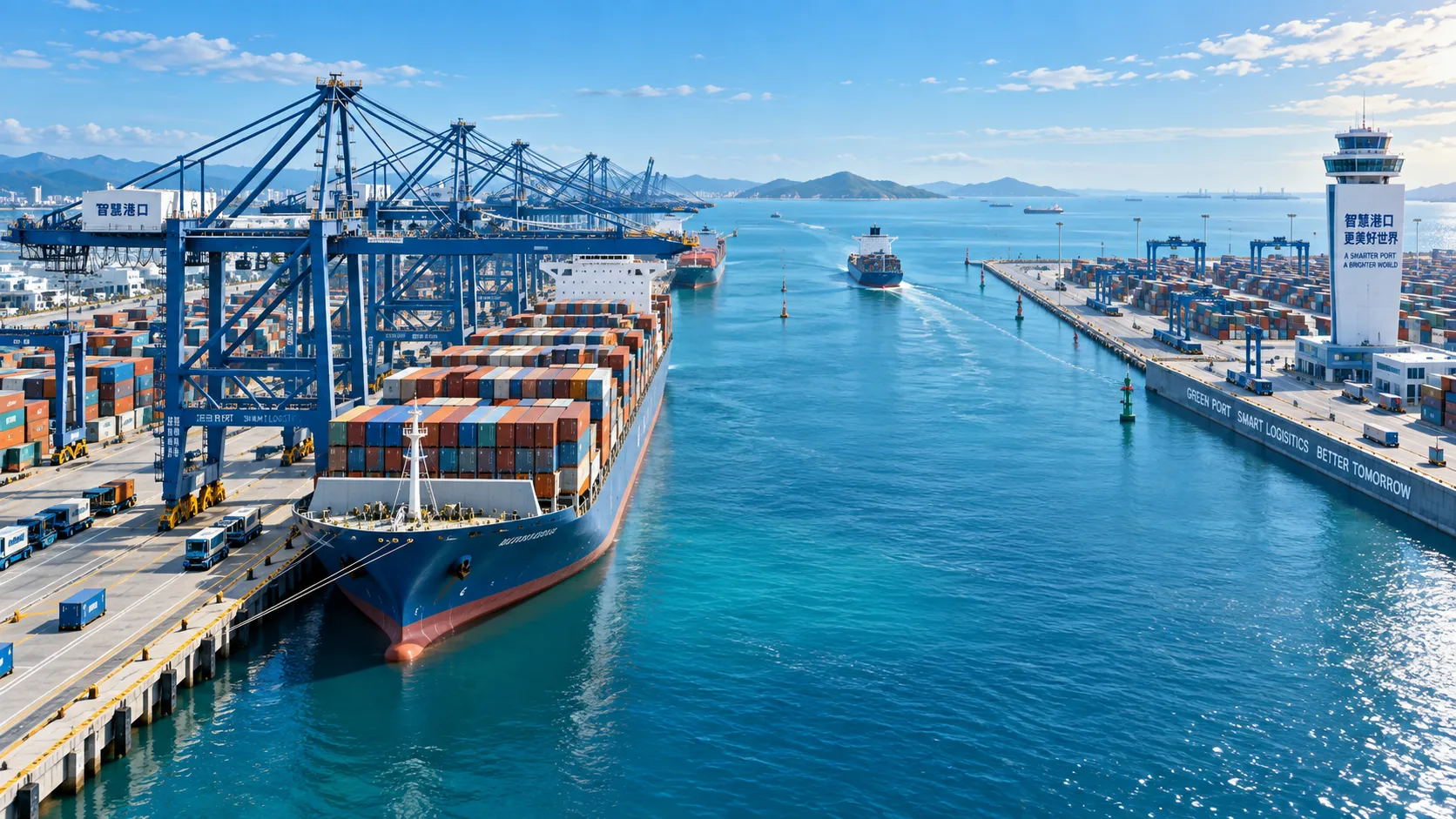
Smart Port Solutions for Berth Planning: Reducing Vessel Wait Times and Conflicts
Smart port solutions for berth planning reduce vessel wait times, prevent conflicts, and optimize quay, crane, and yard resources for faster turnarounds.
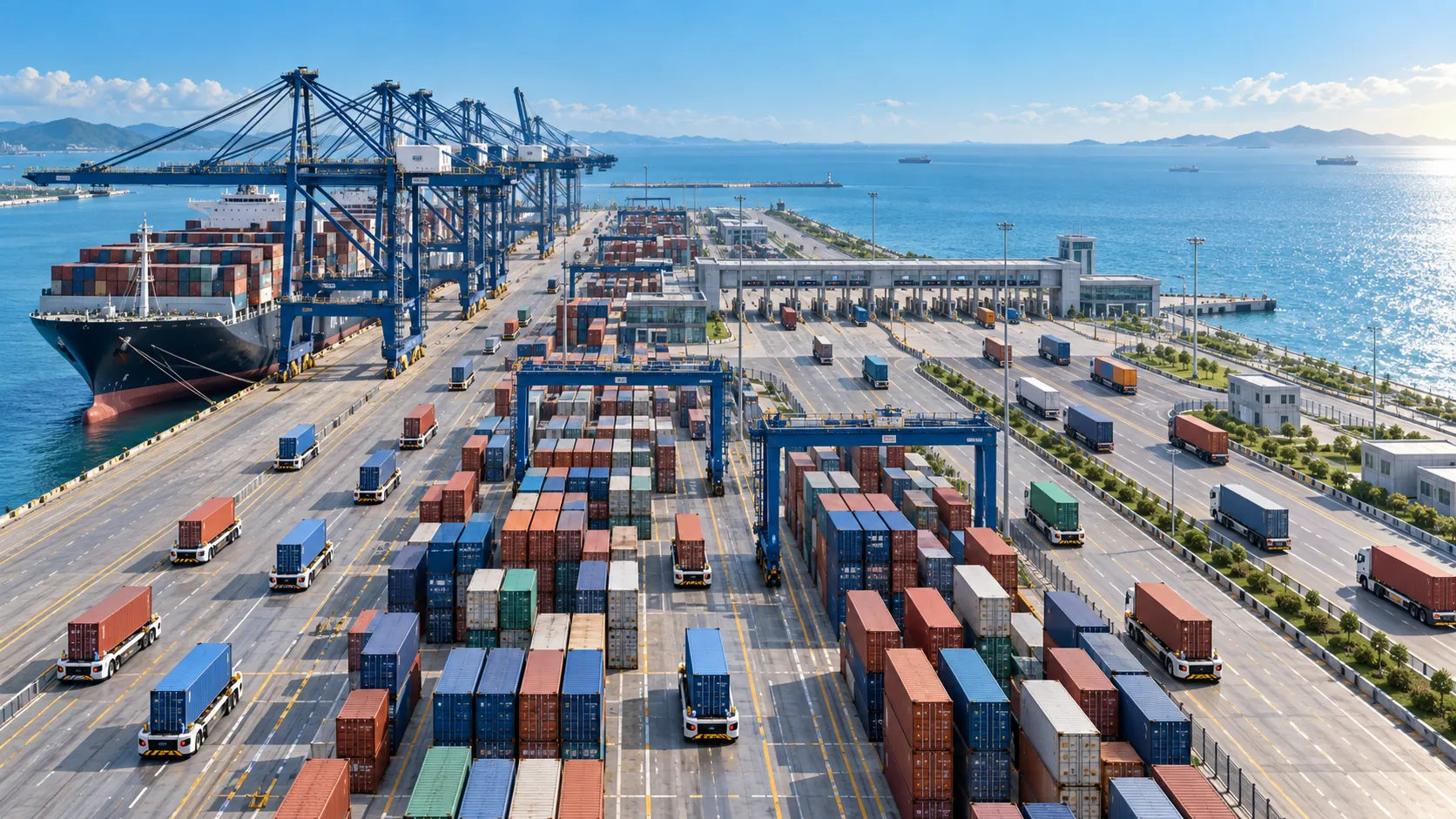
How AI Scheduling Improves Berth, Yard, and Gate Coordination at Terminals
Terminal automation systems with AI scheduling align berth, yard, and gate operations to reduce congestion, improve throughput, and strengthen terminal resilience.
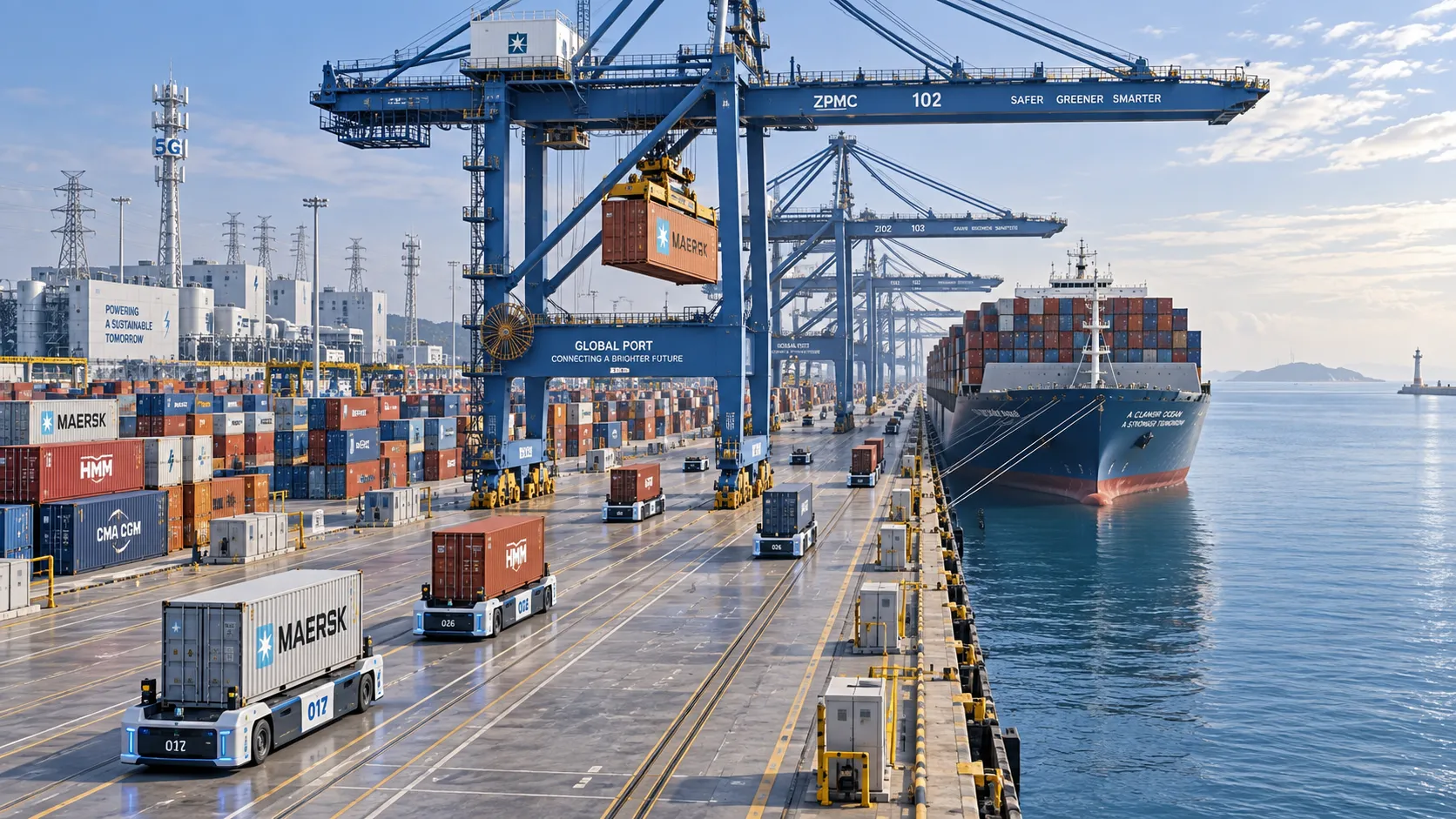
How to Evaluate a Port Logistics Solutions Supplier for Terminal Uptime and Scalability
Choose a port logistics solutions supplier with confidence. Learn how to assess uptime, scalability, service strength, integration, and lifecycle risk for resilient terminal growth.
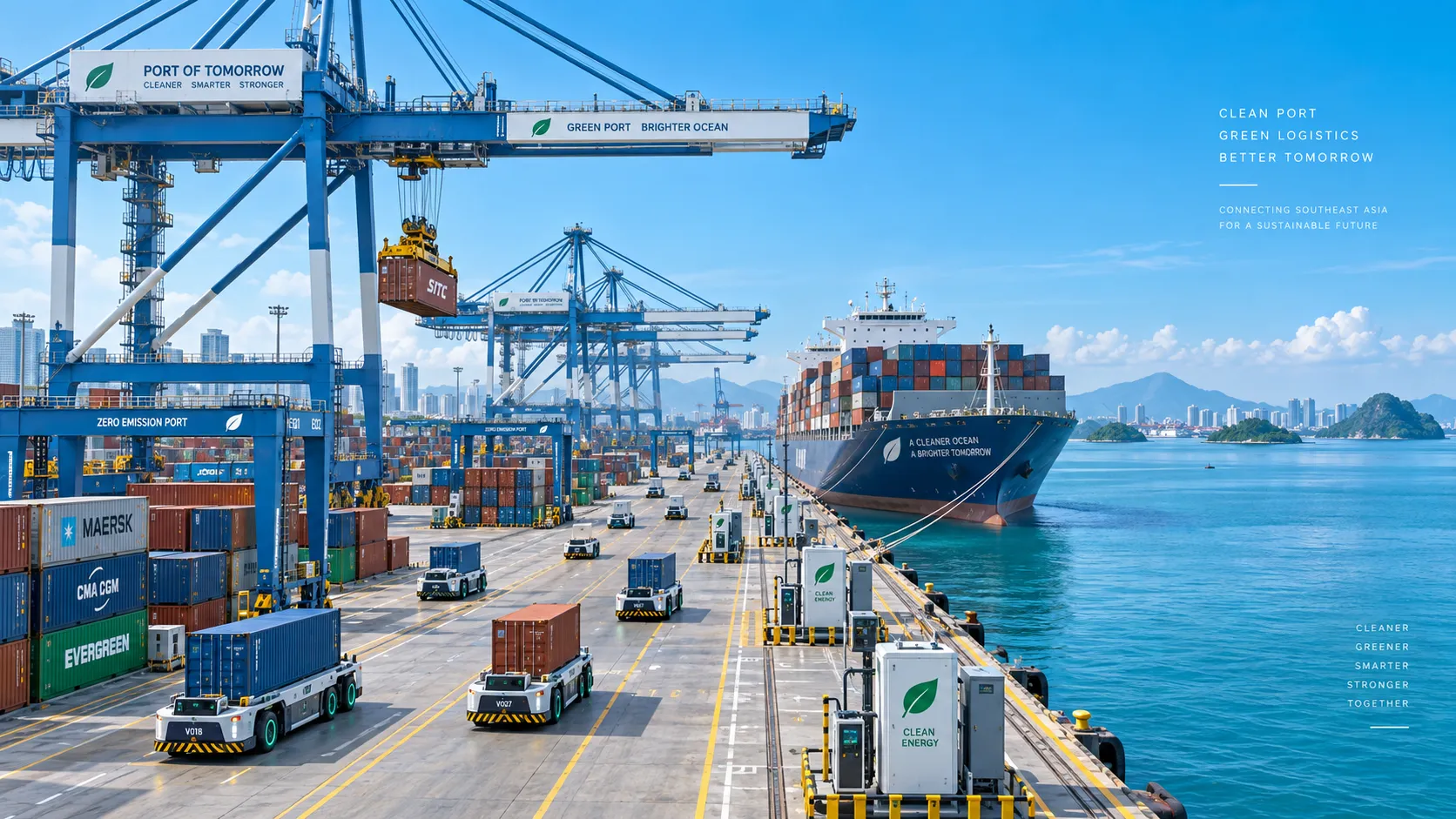
Smart Port Systems in Southeast Asia: Investment Priorities and Adoption Barriers
Smart port systems Southeast Asia: discover investment priorities, adoption barriers, and practical steps to build resilient, connected, high-performing terminals.
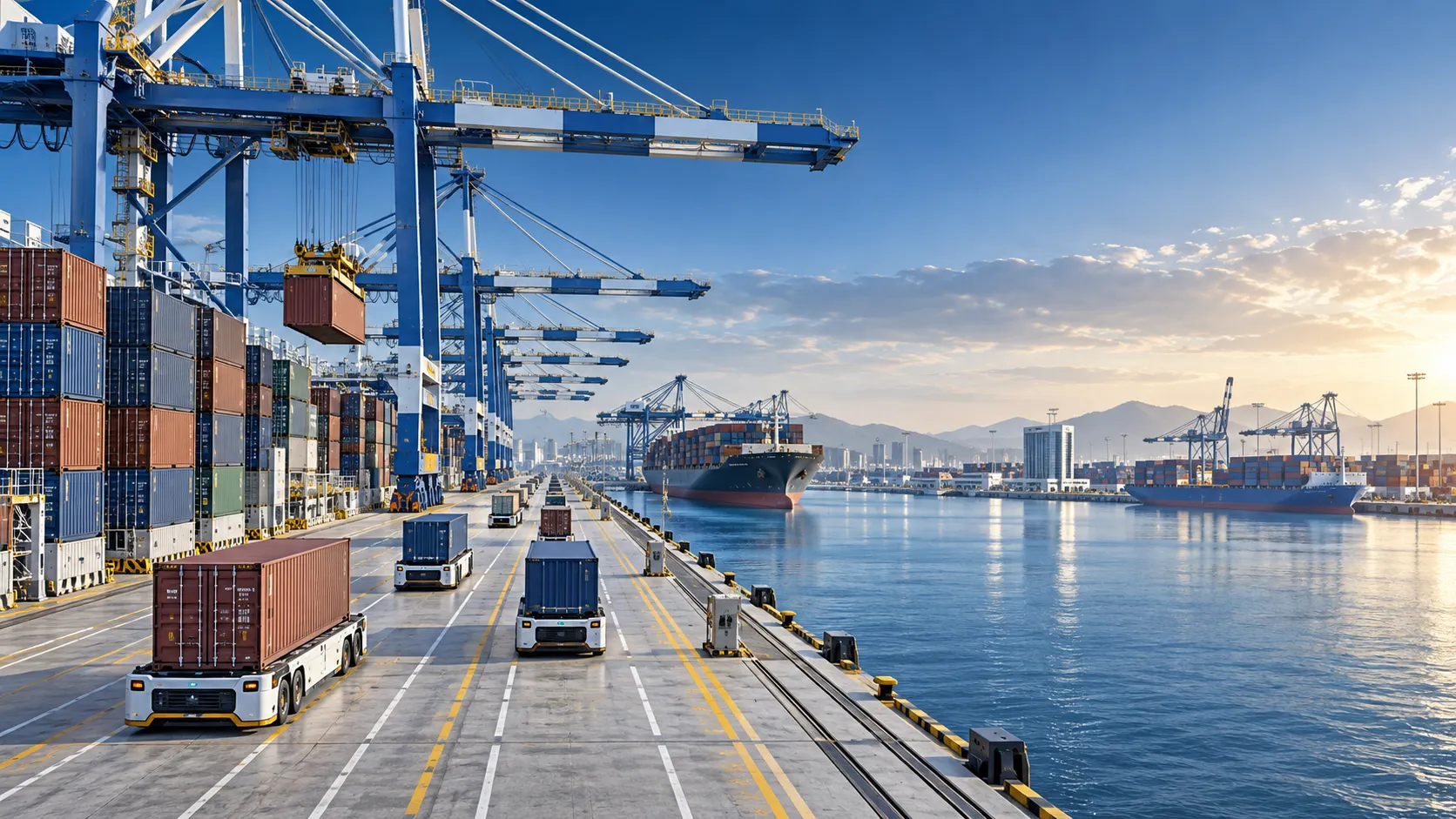
How to Evaluate Terminal Efficiency Solution Suppliers for High-Throughput Operations
Choose a terminal efficiency solutions supplier with confidence. Explore proven criteria for throughput, integration, lifecycle cost, safety, and reliable delivery.
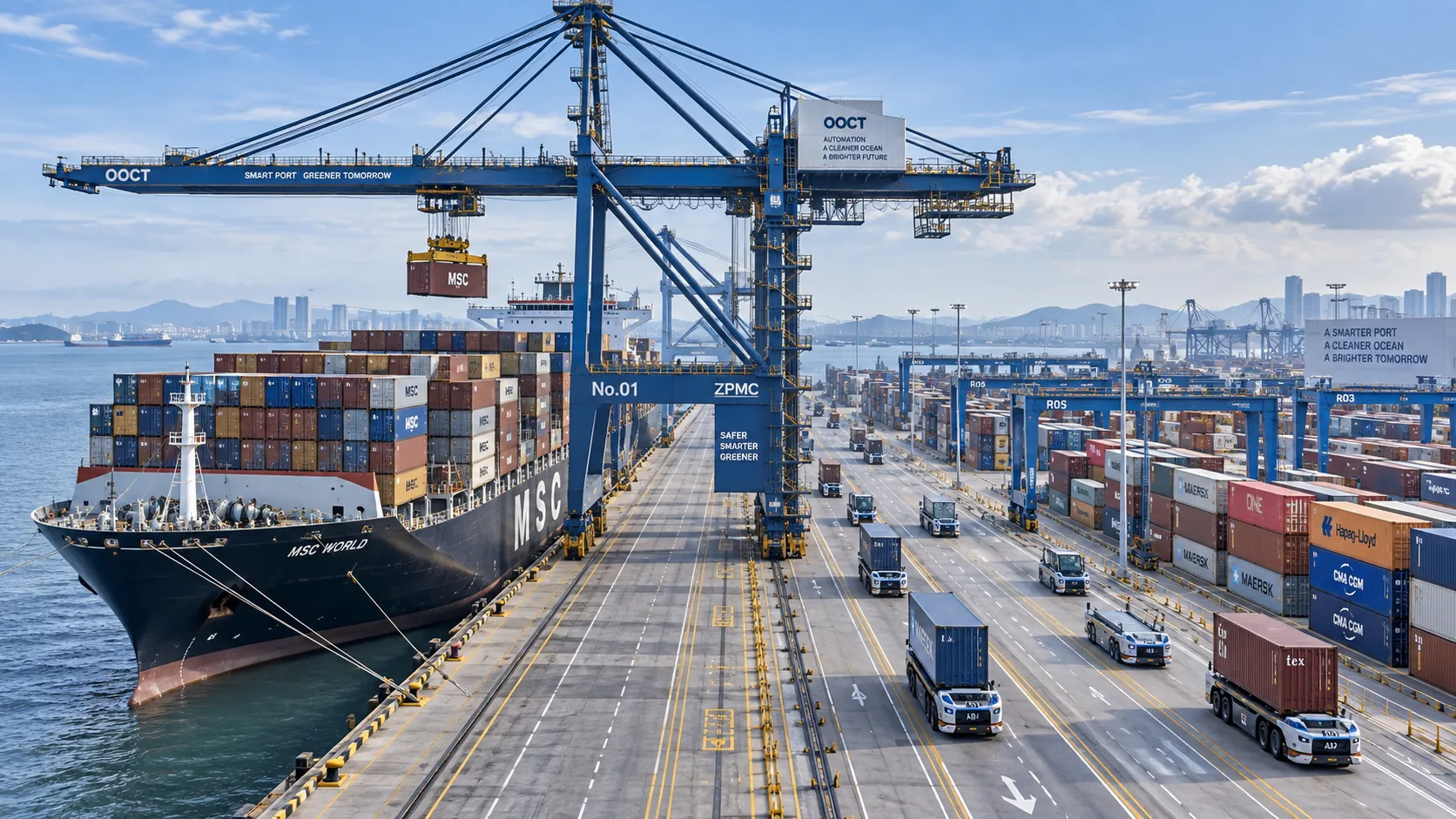
How to Specify a Quay Crane for Container Terminals by Vessel Size and Throughput?
Quay crane for container terminals: learn how to match outreach, lift height, capacity, automation, and cycle performance to vessel size and throughput goals.
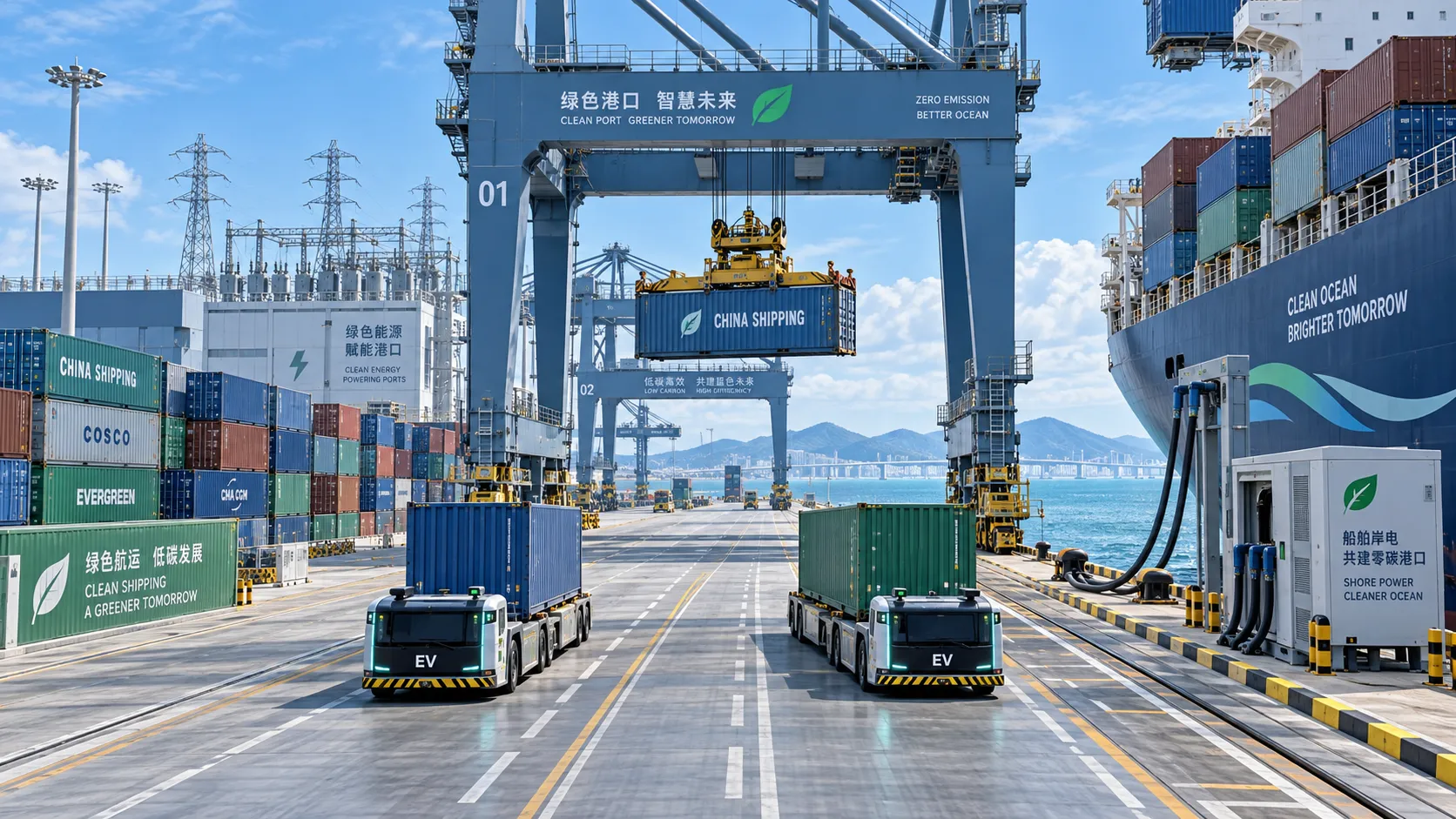
Can Electric Port Machines Help Meet Net-Zero Targets?
Do electric port machines help meet net-zero targets? Explore how smart electrification, clean power, charging, and automation can cut port emissions.
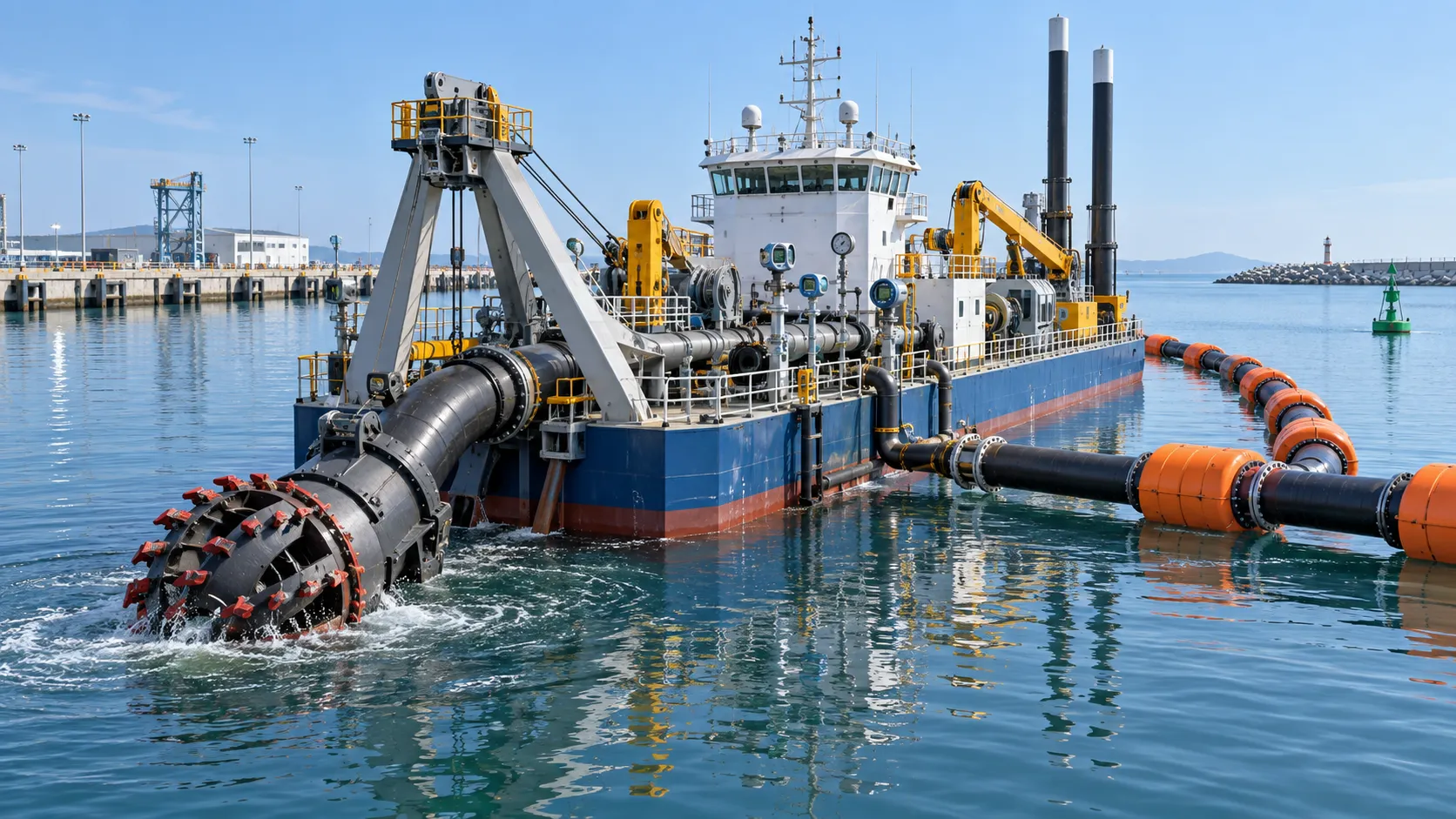
How Should Dredging Equipment Performance Be Verified Before Acceptance?
How do I verify dredging equipment performance before acceptance? Explore proven tests for production, pumps, safety, compliance, and reliable handover.
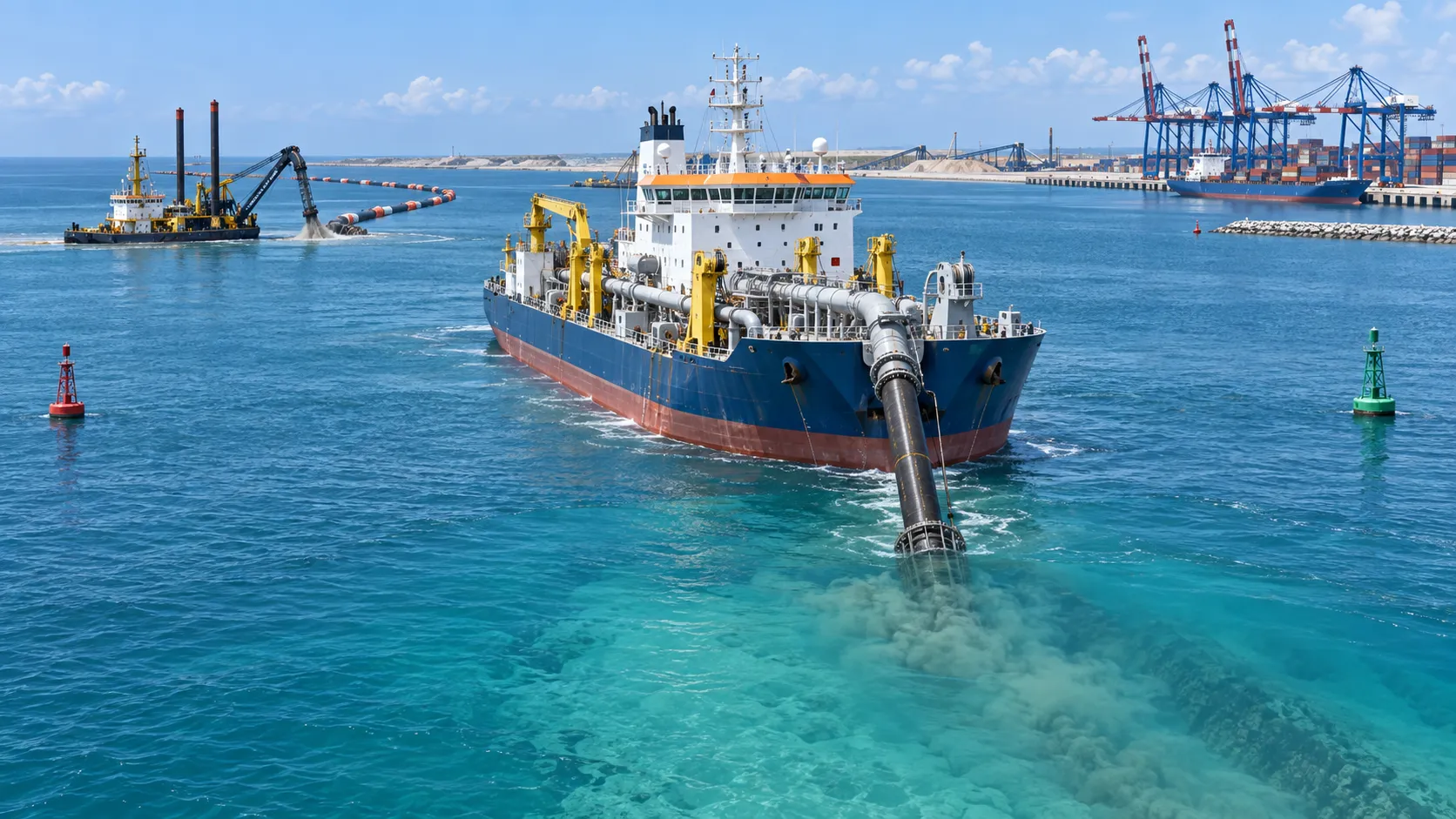
What Dredging Equipment Is Needed for Channel Deepening?
What dredging equipment is needed for channel deepening? Explore dredgers, pipelines, survey tools, and planning strategies for safer, more efficient port access.