Related News
- 00
0000-00
How to Specify a Quay Crane for Container Terminals by Vessel Size and Throughput? - 00
0000-00
Which Bulk Handling Equipment Suits High-Moisture Cargo? - 00
0000-00
Terminal Automation Technologies That Raise Container Throughput Without Yard Disruption - 00
0000-00
Planning Offshore Dredging Operations: Key Risks, Methods, and Project Controls - 00
0000-00
Where Do Automated Guided Vehicles Deliver the Fastest Warehouse Gains in the Middle East?
Marine Dredging Engineering for Ports: Designing Channels for Depth and Uptime
Marine Dredging Engineering for Ports: Designing Channels for Depth and Uptime
Marine dredging engineering for ports is not simply a matter of excavating a channel until it reaches a stated depth. It is an operating-capacity decision that affects which vessels can call, how safely they can transit, how often berth windows are disrupted, and whether terminal investments can produce their intended throughput. A channel that looks adequate on a design drawing may still create delays if sedimentation is underestimated, turning areas are constrained, or the available depth cannot be verified with sufficient confidence.
For project managers, the central question is therefore broader than “How deep should the port be?” It is: “What navigational envelope must remain available, under real tides, real vessel behavior, changing seabed conditions, and practical maintenance constraints?” The answer links marine geotechnics, hydrography, vessel traffic planning, dredger selection, disposal strategy, environmental controls, and terminal operations.
This is why channel deepening and maintenance dredging should be treated as part of port-system engineering. Quay cranes, automated yards, bulk handling systems, berth structures, and access channels are different assets, but they share one commercial reality: if a vessel cannot arrive, sail, or remain alongside predictably, downstream productivity has limited value.
Depth Is a Navigational Allowance, Not Just a Survey Number
A declared channel depth is only one component of available depth. Vessel operators and harbor authorities commonly need to consider chart datum, tide, wave conditions, vessel squat, heel, trim, density effects, maneuvering margins, and the uncertainty of bathymetric surveys. The relevant allowance varies by vessel type, speed, channel geometry, local metocean conditions, and port rules. It should not be copied from another port merely because the nominal vessel size is similar.
Squat deserves particular attention in confined or shallow water. As a vessel moves, pressure changes around the hull can cause it to sink deeper and alter trim. The effect is influenced by speed and channel restriction. A design that assumes a vessel’s static draft is its operating draft may leave too little margin during approach or departure. In a one-way access channel, the risk can be compounded if vessels are scheduled closely and pilots have limited options to slow, turn, or wait.
Depth also has a horizontal dimension. A deep but narrow channel can restrict passing, increase tug dependence, or make wind and current limits more severe. Bend widening, turning basin geometry, berth pocket depth, and transition zones between channel reaches need to reflect the maneuvering characteristics of the intended fleet. This is especially relevant when a port is upgrading to larger container vessels, deeper-draft bulk carriers, or tankers with conservative under-keel clearance requirements.
Start with the Operating Case Before Selecting Dredging Equipment
Equipment selection should follow the material and operating case, not precede it. The same port may contain loose sand in an outer approach, soft cohesive sediment near berths, dense sand or gravel in a turning basin, and weathered rock at a deeper cutoff level. These materials behave differently during excavation, transport, placement, and post-dredging settlement.
A trailing suction hopper dredger is often well suited to marine sands and other materials that can be dredged while the vessel remains self-propelled. Its ability to load, transport, and discharge material can simplify logistics where offshore placement or beneficial reuse is feasible. However, its production depends on factors such as soil response, sailing distance, weather downtime, overflow restrictions, and the required precision near structures.
A cutter suction dredger may be appropriate where material requires more mechanical cutting action or where pumping to a reclamation area is practical. Backhoe dredgers and grab dredgers can offer control around quay walls, dolphins, confined basins, and localized hard spots, although barge logistics and working-room constraints must be planned carefully. Rock excavation may require specialized methods, and the technical, environmental, and permitting implications can differ substantially from soft-material dredging.
The practical lesson is simple: a production estimate based only on dredge pump capacity is not a project schedule. It must be tested against geotechnical variability, transport cycle time, work-zone restrictions, discharge arrangements, tidal windows, survey frequency, weather exposure, and the interface with active vessel traffic.
The site investigation should answer operational questions
A useful investigation program does more than classify sediments. It should help the project team understand where material changes, whether obstructions are likely, how much dredging tolerance is needed, whether sediments may require special handling, and how rapidly the bed may recover after dredging. Hydrographic data, boreholes, cone penetration testing where suitable, vibrocores, grab samples, geophysical surveys, and historical maintenance records can each contribute, but their value depends on coverage and interpretation.
Project managers should be wary of treating isolated boreholes as a complete representation of a long channel. Sedimentary environments can change over short distances, particularly around river mouths, breakwaters, bends, tidal inlets, and berth pockets. A reasonable ground model should identify uncertainty explicitly, then allow the contract strategy, contingency planning, and equipment mix to address it.
Designing for Uptime Means Designing for Sedimentation
Capital dredging creates access; maintenance dredging protects it. Too many projects give detailed attention to the initial excavation and treat future shoaling as an operational issue to solve later. That approach can make the port dependent on emergency campaigns, restrictive draft notices, or seasonal work windows that conflict with cargo demand.
Sedimentation behavior is shaped by tides, river discharge, wave climate, littoral drift, vessel-induced currents, propeller wash, berth geometry, and the presence of structures that alter local flow. A channel alignment that minimizes initial excavation may not be the lowest-risk alignment over its service life. Conversely, a slightly longer or wider reach may reduce recurring shoal formation if it better fits the local hydrodynamic regime. These trade-offs require model-based analysis and local operating knowledge rather than assumptions based on geometry alone.
Maintenance planning should define trigger points before the channel becomes critical. These may include survey-confirmed reduced depth, localized high spots, changes in berth pocket condition, or a specified loss of navigational allowance. The right trigger depends on the port’s fleet mix and risk tolerance. A bulk terminal with predictable parcel sizes may plan differently from a container gateway operating frequent, schedule-sensitive liner calls.
Environmental Compliance Is a Design Input, Not a Closing Task
Dredging projects often interact with sensitive habitats, fisheries, water-quality requirements, marine traffic, coastal communities, and sediment management rules. Local approvals can govern working seasons, turbidity monitoring, noise, disposal locations, screening of contaminated material, and the methods permitted near protected areas. Requirements vary by jurisdiction, so generic compliance claims are of little use during project preparation.
The better approach is to build environmental constraints into the baseline schedule and methodology. If certain periods are restricted, the project must assess whether the remaining workable window can support the required volume. If turbidity limits are likely to influence overflow practice or dredging method, that effect should be reflected in production assumptions. If beneficial use of clean material is being considered for reclamation, beach nourishment, or coastal resilience works, material suitability and stakeholder approvals need early confirmation.
Environmental performance and operational performance are not opposing goals by default. Accurate positioning, controlled dredging, real-time monitoring, and disciplined material tracking can reduce unnecessary rehandling while improving the reliability of records. The constraint is often poor integration between engineering, permitting, and operations—not the existence of environmental controls themselves.
Digital Control Changes What Can Be Managed During a Campaign
Modern marine dredging engineering increasingly depends on timely information rather than end-of-shift reporting. Positioning systems, dredge depth sensors, pump data, density measurement, vessel traffic feeds, tidal information, and bathymetric updates can help supervisors compare planned and actual work as conditions evolve. This does not remove the need for experienced crews and hydrographic judgment. It gives them a clearer basis for acting before deviations become expensive.
For a project manager, the useful question is not whether a contractor has a “digital dredger.” It is whether data flows support specific control decisions: Is the cutter or draghead removing material within the approved limits? Is a berth pocket being over-dredged because of uncertain levels? Is pump performance signaling a blockage, wear issue, or changing soil condition? Can the team demonstrate where material was placed and under what operating conditions?
This systems perspective aligns dredging with the wider port technology landscape. At PS-Nexus, marine dredging is viewed alongside heavy terminal equipment, automated container handling, port control systems, and bulk logistics because access depth is part of the same throughput chain. Intelligence on digital pump monitoring, vessel-side work planning, and terminal scheduling becomes more useful when it is interpreted against the actual constraints of a harbor, not discussed as isolated technology.
Contract Strategy Should Protect the Port, Not Just the Dredging Schedule
The contract structure should allocate uncertainty to the party best able to manage it. That begins with clear baseline information: survey datum, design surfaces, tolerances, material descriptions, access restrictions, traffic protocols, environmental requirements, acceptance surveys, and treatment of unforeseen conditions. Ambiguity in these items tends to appear later as claims, delays, disputes over quantities, or disagreements about whether a channel is truly ready for service.
Acceptance should be defined in navigationally meaningful terms. A final survey matters, but the team should also agree on survey methods, coverage, accuracy expectations, treatment of isolated peaks, and the process for resolving discrepancies. In some locations, soft mud characteristics may require a more nuanced discussion than a simple hard-bottom level. The applicable harbor authority, pilotage practice, and local standards will influence what is acceptable.
Project sequencing deserves equal attention. Deepening a berth pocket before the approach channel can safely accommodate the intended vessel may create idle capacity. Expanding a channel while quay strengthening, fender upgrades, tug arrangements, or yard changes remain unfinished can produce the same result. The best marine works program is coordinated with the readiness of the entire vessel call chain.
A More Practical Basis for the Next Decision
Before committing to a channel deepening or long-term maintenance strategy, a project team should be able to state the target fleet, operating drafts, tidal assumptions, under-keel clearance approach, critical channel reaches, expected sediment behavior, material destination, environmental constraints, and survey acceptance process. If several of these remain uncertain, the right next step may be additional investigation or simulation rather than immediate mobilization.
The most resilient ports do not regard dredging as a periodic correction to a failing waterway. They manage it as an engineered availability program. That means connecting seabed intelligence with vessel calls, terminal capacity plans, equipment condition, and future trade patterns. PS-Nexus follows this connection across maritime logistics and coastal economics: the channel, the dredger, the quay crane, and the digital control room may be separate assets, but each depends on the others to keep global cargo moving.
For any specific scheme, the disciplined path is to verify the local ground conditions, navigational criteria, permitting requirements, and maintenance burden before finalizing the design depth. A channel designed for reliable uptime is not the deepest possible channel. It is the channel whose depth, width, monitoring regime, and maintenance method remain credible throughout the port’s operating life.
Related News
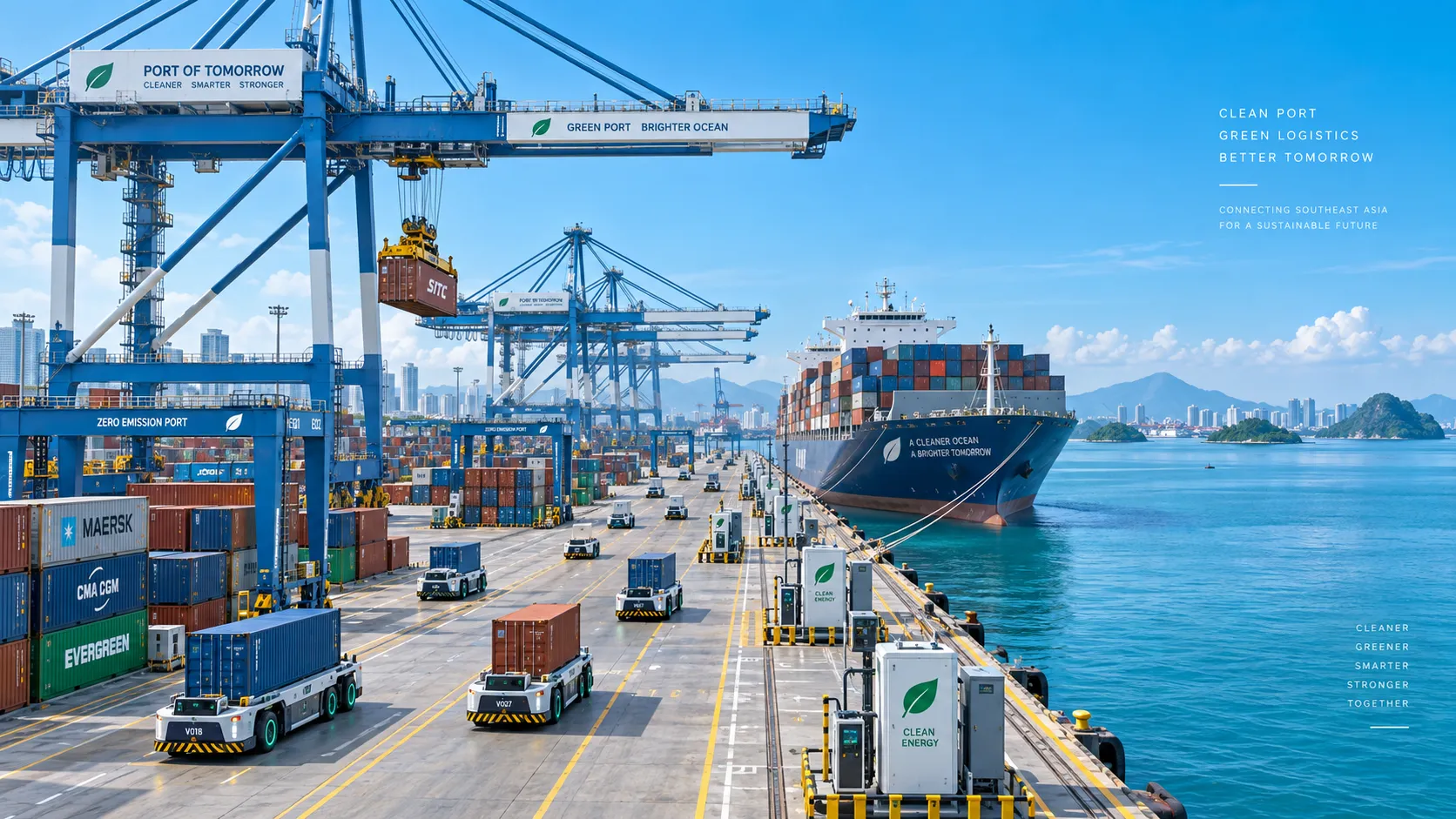
Smart Port Systems in Southeast Asia: Investment Priorities and Adoption Barriers
Smart port systems Southeast Asia: discover investment priorities, adoption barriers, and practical steps to build resilient, connected, high-performing terminals.
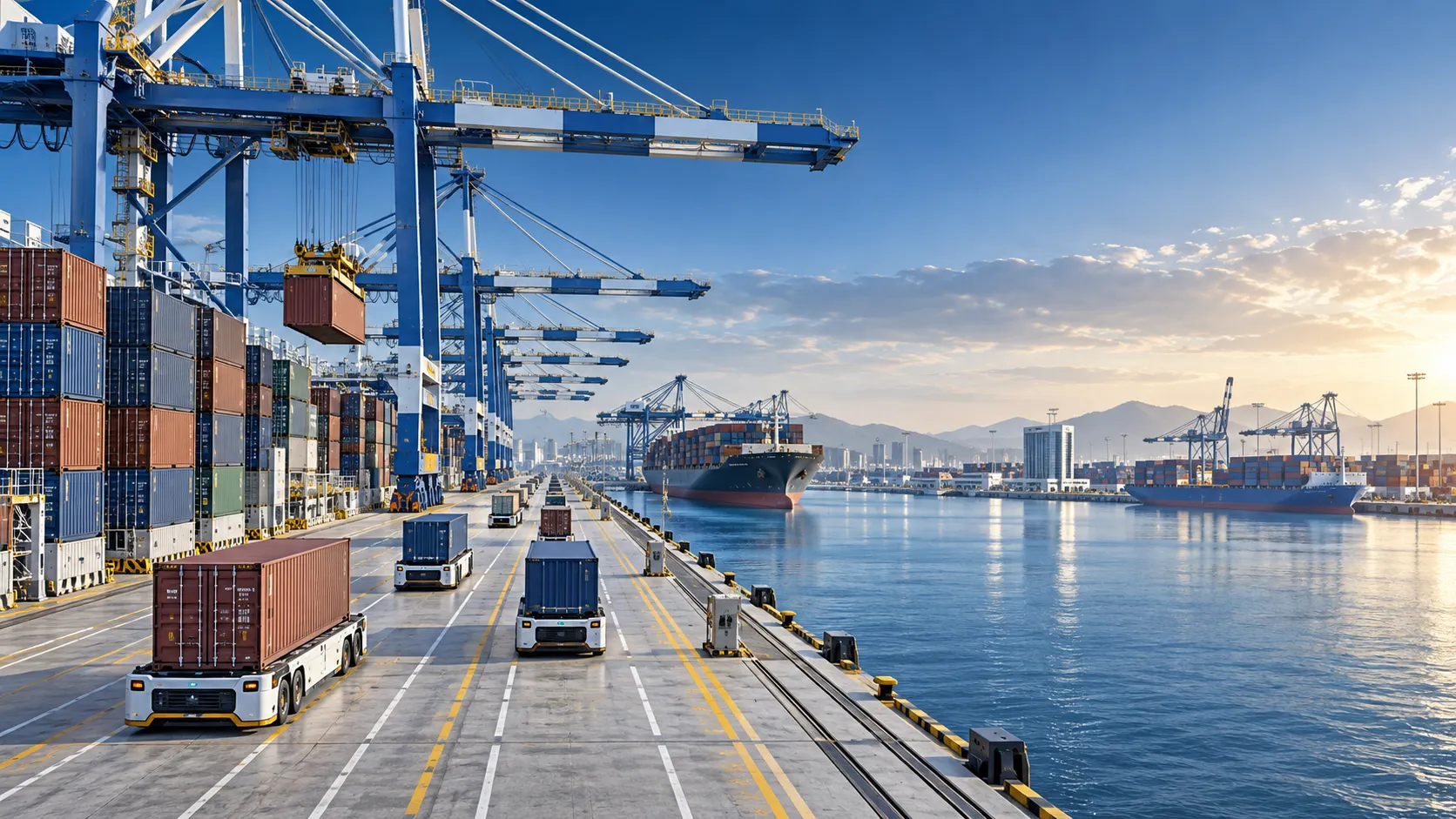
How to Evaluate Terminal Efficiency Solution Suppliers for High-Throughput Operations
Choose a terminal efficiency solutions supplier with confidence. Explore proven criteria for throughput, integration, lifecycle cost, safety, and reliable delivery.
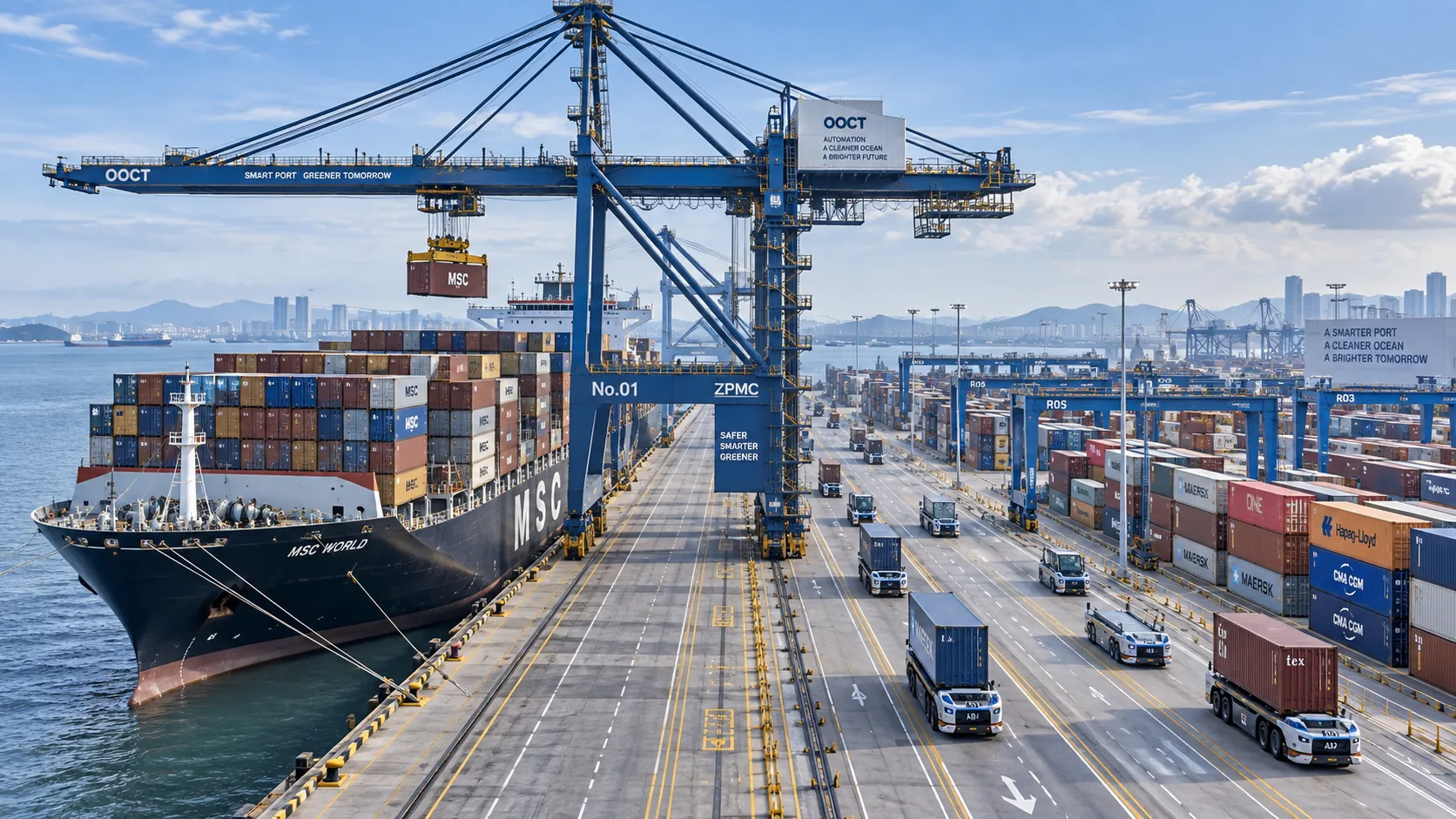
How to Specify a Quay Crane for Container Terminals by Vessel Size and Throughput?
Quay crane for container terminals: learn how to match outreach, lift height, capacity, automation, and cycle performance to vessel size and throughput goals.
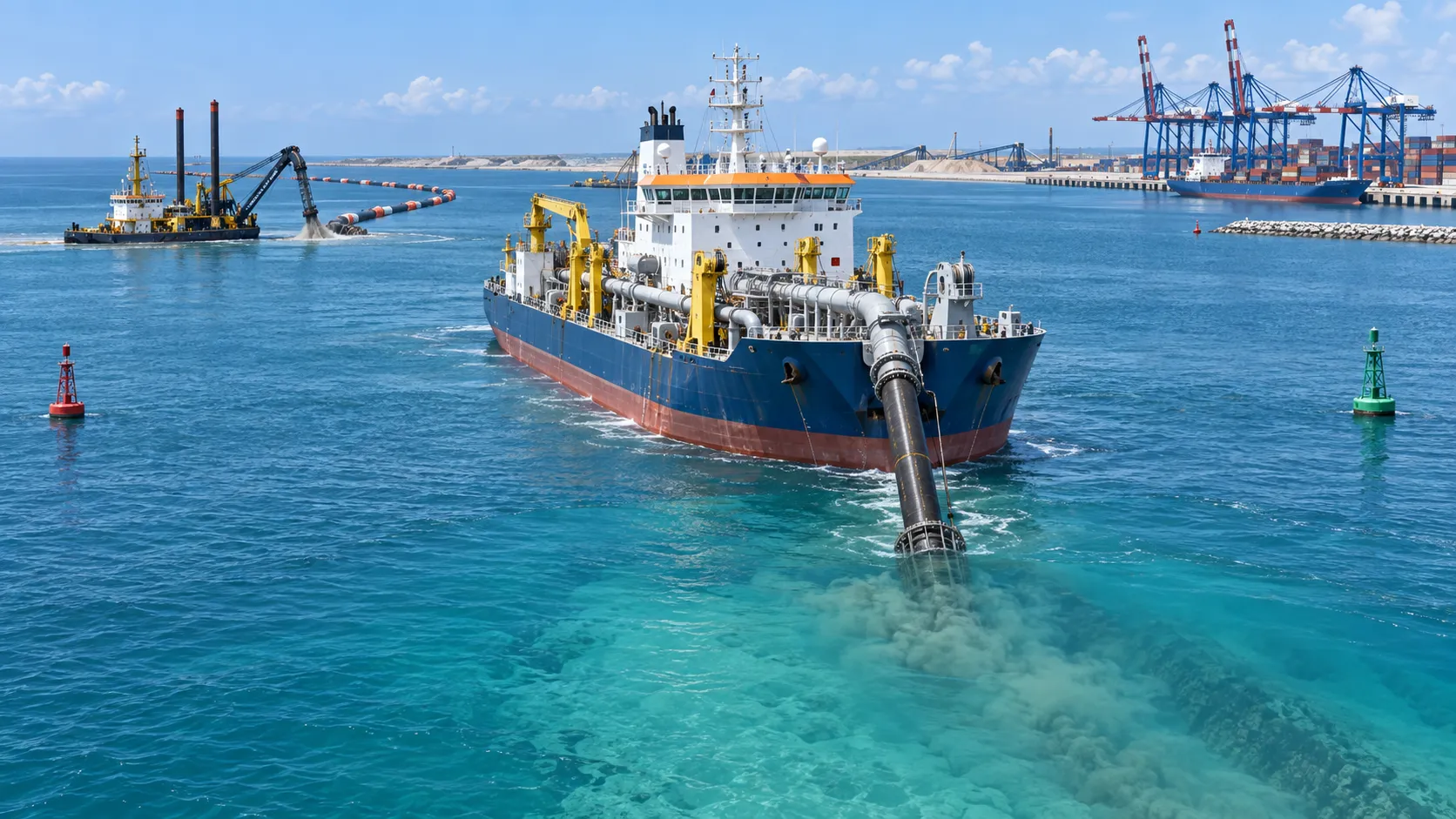
What Dredging Equipment Is Needed for Channel Deepening?
What dredging equipment is needed for channel deepening? Explore dredgers, pipelines, survey tools, and planning strategies for safer, more efficient port access.
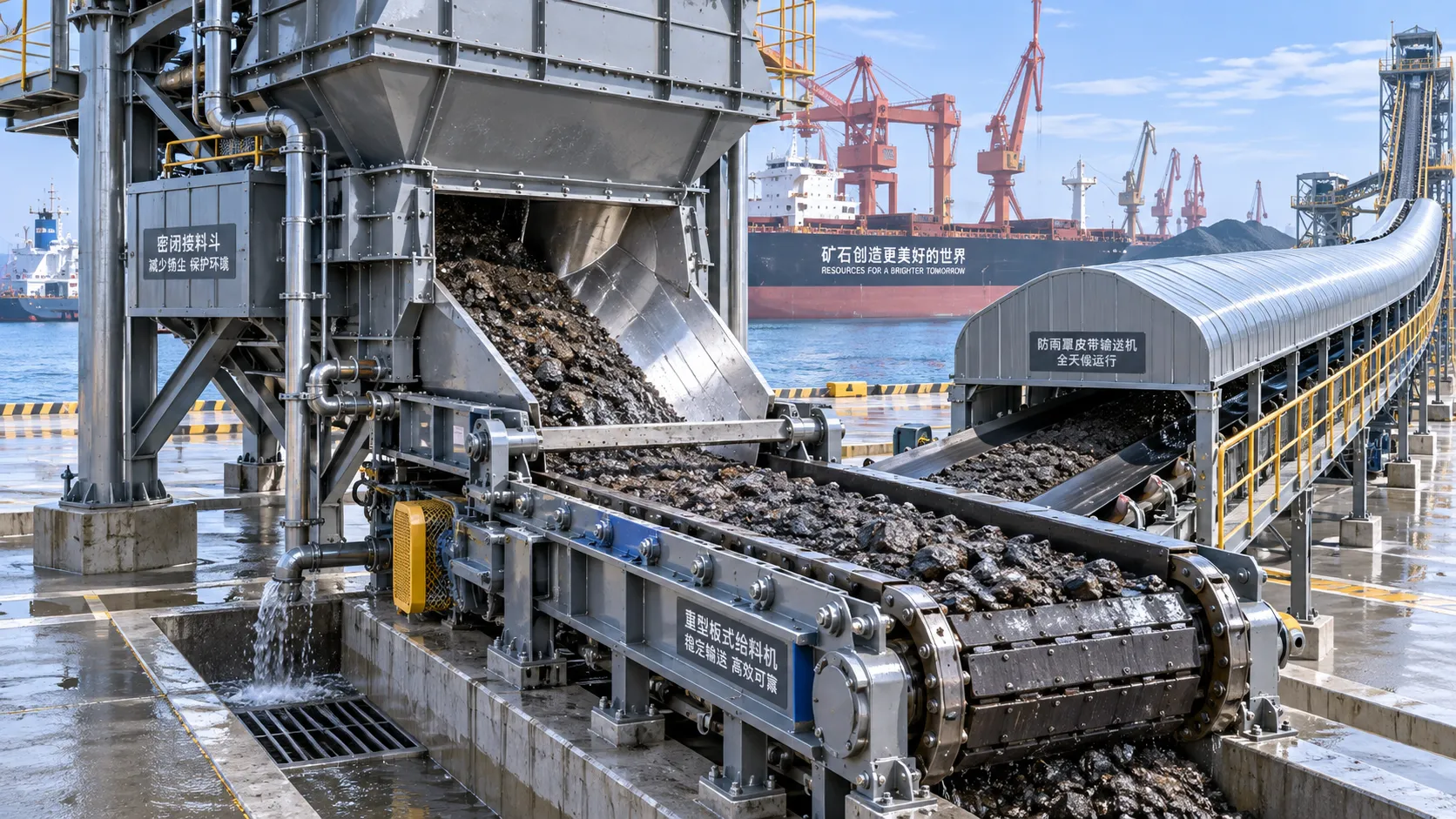
Which Bulk Handling Equipment Suits High-Moisture Cargo?
Which bulk handling equipment suits high-moisture cargo? Compare belt, apron, screw, drag, and slurry systems for reliable flow, less carryback, and higher terminal uptime.
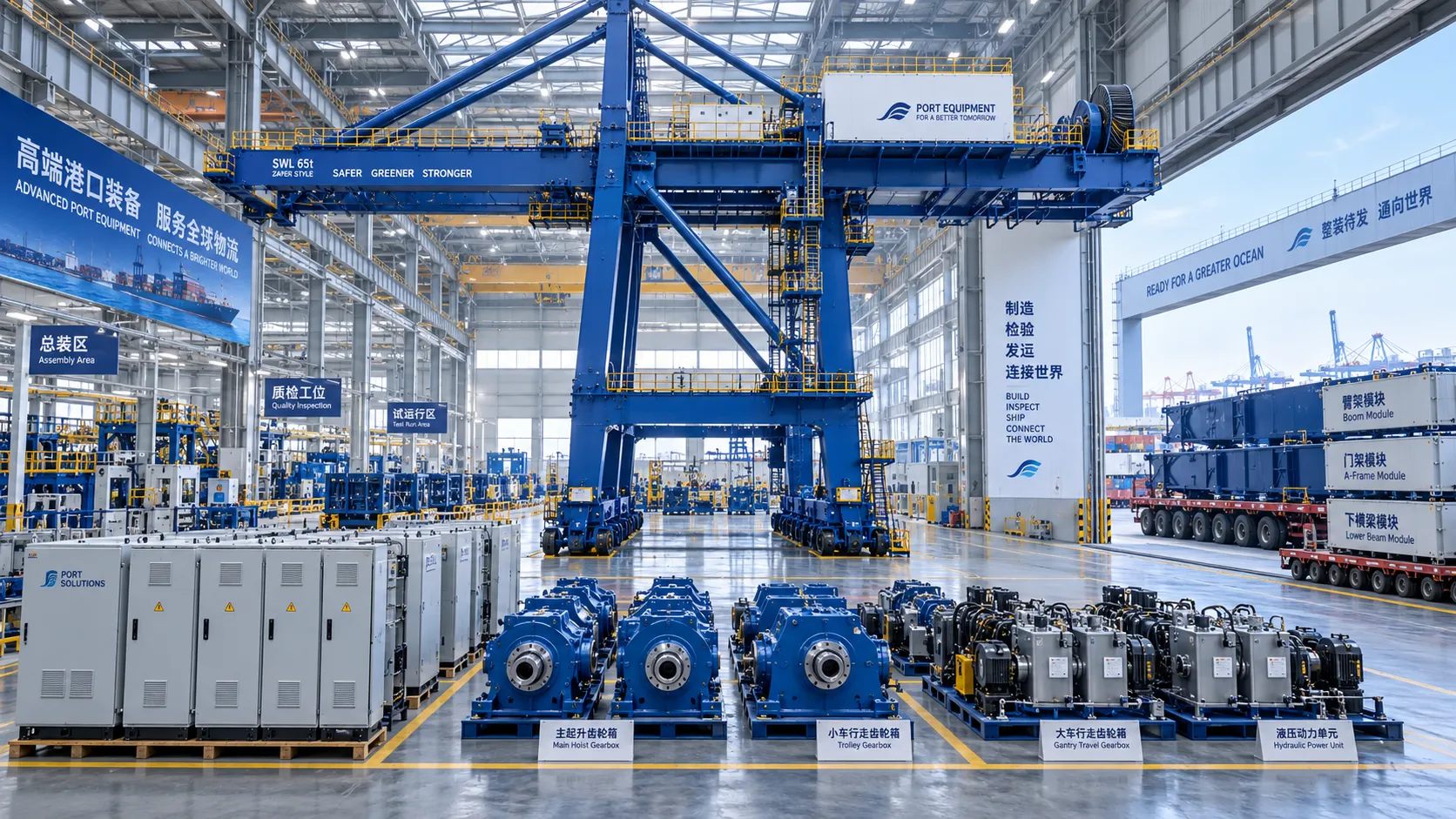
How Can Port Equipment Lead-Time Risk Be Managed?
How can port equipment lead-time risk be managed? Explore practical strategies to control critical paths, suppliers, transport, site readiness, and commissioning delays.
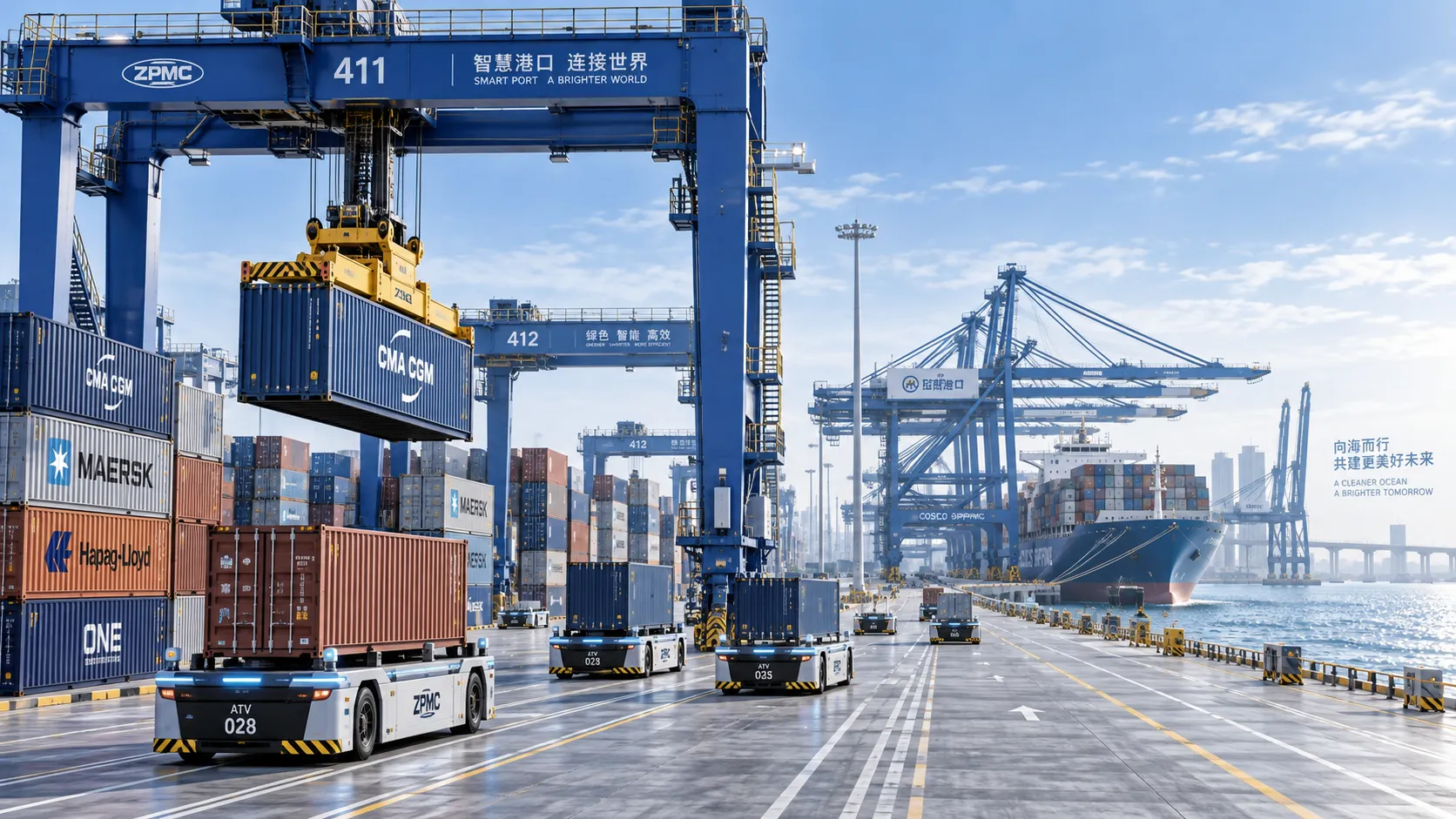
Terminal Automation Technologies That Raise Container Throughput Without Yard Disruption
Terminal automation technology that increases container throughput without disrupting yard flow. Explore smarter integration, resilient workflows, and phased deployment strategies.
Middle East Port Automation: Key Market Drivers, Projects, and Investment Risks
Port automation systems Middle East: explore market drivers, flagship projects, integration challenges, and investment risks shaping smarter, resilient terminals.
Planning Offshore Dredging Operations: Key Risks, Methods, and Project Controls
Offshore dredging operations demand smart planning. Explore key risks, proven methods, environmental controls, and project strategies for reliable delivery.