
Related News
- 00
0000-00
Shipping Rate Analytics for Ports: How to Forecast Cargo Demand - 00
0000-00
Automated Port Systems Cost: Installation and Operating Expenses - 00
0000-00
Choosing Marine Logistics Solutions for Container Shipping: Key Criteria - 00
0000-00
Global Shipping Rates for Importers: Comparing Freight Quotes and Fees - 00
0000-00
Terminal Efficiency Benchmarking: KPIs for Comparing Container Terminals
0000-00
How Integrated Yard Automation Systems Coordinate Gates, Docks and Trailers
Integrated yard automation systems coordinate gates, docks and trailers by keeping a shared operational picture and using it to decide what should happen next. A gate event can trigger a yard move; a dock delay can change that move’s priority; and confirmation that a trailer has reached a door can release the next step in a loading workflow.
For a technical evaluator, the central issue is whether those decisions remain reliable when physical conditions diverge from the plan. A system can produce an efficient schedule only if it receives trustworthy location and status updates, assigns authority clearly across connected applications, and handles missing or conflicting events without sending equipment to the wrong place.
One movement connects several control decisions
Consider an inbound trailer arriving for an unloading appointment. Before it reaches the gate, a transportation management system or appointment application may have supplied an expected arrival, carrier identity, trailer identifier, load details and scheduled time. The yard management system can use that information to prepare a destination, but an appointment alone does not establish that the trailer is present or ready to move.
At the gate, identification equipment or an operator captures the tractor and trailer details. The system checks them against the expected visit and applies site rules: whether the carrier is authorized, whether documentation is complete and whether the trailer can proceed. Depending on the facility, the gate application may control a barrier directly, while the yard system records the visit and selects an available staging position or dock.
Once admitted, the trailer’s position becomes part of the scheduling problem. A yard jockey may receive a task on a mobile device or vehicle terminal. At a more automated site, a fleet management system may translate the move request into a mission for an automated vehicle. In either case, the task should identify the trailer, its confirmed starting position, destination, priority and any constraints on handling it.
At the dock, the warehouse or terminal application may report that a door is ready, occupied, blocked or undergoing loading. A dock controller or operator may separately confirm that the trailer is secured and that loading can begin. When work is complete, the yard system can create a release or relocation task. The departure gate then checks that the correct trailer is authorized to leave and records its exit.
Every step depends on a distinction between a planned state and a confirmed physical state. Assigning a trailer to a dock does not mean it has arrived there. Sending a move command does not prove the move was completed. Systems that preserve that distinction can reschedule safely when the operation changes.
Where the systems exchange control
The integration architecture varies by site, but evaluators can trace coordination through four functional layers. A single application may perform several of these roles, or each may be supplied separately.
- Business planning: Transportation, warehouse or terminal systems provide appointments, load requirements, work priorities and release conditions.
- Yard orchestration: The yard management system maintains visits, locations, trailer status and move queues. It allocates resources according to the information and rules available to it.
- Execution: Operators, yard tractors or automated vehicle fleets carry out moves and report acceptance, progress, completion or failure.
- Physical control and sensing: Gate controllers, identification devices, dock equipment and other sensors provide observations or execute local control commands.
These layers need more than a connection that passes messages. Each interface needs an agreed meaning for its data and a defined owner for each decision. For example, the yard system may assign a trailer to a door, while the warehouse system owns the decision that the door is ready for that load. A local dock safety system may still prevent loading until its own conditions are satisfied. A scheduling application should not be assumed to replace those physical interlocks.
Port and terminal operations add another boundary: the yard plan may have to coexist with a terminal operating system that manages container inventory, equipment assignments and vessel or landside priorities. A trailer carrying containers can be one element of that wider operation, but a trailer yard workflow should not be treated as interchangeable with a container stacking workflow. Evaluators need to establish which system owns each inventory record and which one can change an equipment assignment.
Identifiers and events make coordination possible
A movement crosses applications successfully only if they refer to the same objects. Trailer identifiers, tractor identifiers, appointment references, carrier codes, dock numbers and location names must be mapped consistently. The integration also needs to distinguish a trailer from its load: a trailer can be moved, emptied, reloaded or attached to a different tractor while retaining the same physical identity.
Event definitions deserve equal attention. “Arrived” might mean detected at the entrance, checked in by an operator or admitted through the barrier. “Docked” might mean assigned to a door, positioned at the door or secured for loading. If connected systems use the same label for different stages, an apparently successful integration can release work too early.
For each consequential event, the receiving system needs enough context to decide what changed: the object identifier, event type, relevant location, time, source and, where applicable, a reference to the task or visit. It also needs rules for duplicate messages and events that arrive late or out of order. A delayed “move started” event should not overwrite a move already confirmed complete.
Scheduling changes as the yard changes
A yard scheduler combines planned work with operational constraints. These may include appointment windows, dock availability, trailer compatibility, move priority, equipment availability and the travel path between locations. Its output is a sequence of assignments, subject to revision as new events arrive.
Suppose an inbound trailer is assigned to a dock, but unloading at that door overruns. The yard system can hold the trailer in a staging location, select another compatible door or adjust the move queue. Which response is valid depends on information outside the yard system: whether another door can handle the load, whether warehouse labor is available and whether the new assignment creates a conflict elsewhere.
The same logic applies in reverse. A warehouse may report that a door is ready, but the assigned trailer may still be at the gate or its location may be uncertain. Dispatching a tractor immediately can waste a trip or create a search task. The scheduler needs to distinguish between a trailer that is expected, one that is physically present and one whose position has been confirmed recently enough for the site’s operating rules.
Automated execution introduces another decision boundary. A yard system may request a move from A to B, while a vehicle fleet manager determines the route and coordinates vehicles. The fleet manager may reject or delay the mission because a path is blocked or a vehicle is unavailable. The integration must return that condition to the yard scheduler; otherwise, the rest of the operation may continue to assume the move is progressing.
Rescheduling also needs limits. Frequent reassignment can create churn for drivers and vehicles, especially after a task has been accepted or a trailer is already being handled. An evaluator should examine when a task may be cancelled, who must acknowledge the cancellation and how the system prevents two resources from being assigned to the same trailer.
What happens when the yard and the database disagree?
Exception handling is a useful test of the whole design because it exposes assumptions hidden by a normal workflow. A camera may fail to read a trailer number, a driver may park in the wrong slot, or a dock status may remain occupied after the trailer has left. The system needs a way to record uncertainty and resolve it without quietly converting an assumption into a fact.
At the gate, an unmatched identifier may require an operator to inspect the visit and correct or link the record. In the yard, a reported location conflict may require a physical check before another move is dispatched. At a dock, a missing completion event may need reconciliation between the warehouse application, the operator and the yard system. The right response depends on the site, but the responsibility and recovery path should be explicit.
Communication failures need similarly specific treatment. If a gate controller loses its connection to the yard application, the site may allow a controlled manual process or hold arrivals, depending on its operating and security rules. When the connection returns, queued events must be reconciled with any manual entries. Replaying messages without checking their current relevance can create duplicate visits or restore outdated statuses.
Manual intervention should leave a usable record: who made the change, what was changed, when it happened and why. That history supports recovery and helps distinguish a sensor problem from an incorrect master record or a missed operational step. It also gives evaluators a way to assess how much labor the system needs when conditions are imperfect.
How to evaluate coordination before deployment
A demonstration of a clean inbound move is a starting point. A stronger assessment follows the same trailer through changes in priority, location and system availability, then checks whether all connected applications converge on the correct state.
Ask suppliers and integration teams to show the interface contract for each handoff: the data exchanged, the source of authority, acknowledgement behavior, failure response and reconciliation method. The contract should also identify what happens when an update is delayed or rejected, rather than assuming that all systems receive every event immediately.
Practical acceptance scenarios can include:
- An appointment arrives, but the trailer identifier read at the gate does not match it.
- A dock becomes unavailable after a move is assigned but before the tractor collects the trailer.
- A move completion is reported twice, or an earlier event arrives after completion.
- A vehicle accepts a task and then cannot reach the destination.
- A location is corrected manually while an automated task is still active.
- A network interruption separates a controller or mobile device from the central application, followed by recovery.
For each scenario, assess the resulting physical action as well as the displayed status. A correct screen is of limited value if an operator has received a stale task, a barrier opens on an obsolete authorization or two systems retain different versions of the trailer’s location.
Performance measures should reflect the site’s operating objective. Gate processing time, trailer dwell, dock waiting time, move completion time and the share of moves requiring manual correction can help reveal bottlenecks. They need clear start and end events, a defined population and a baseline period; otherwise, changes in traffic mix or appointment discipline can be mistaken for software performance.
The most useful final question is whether the site can explain the chain from observation to decision to physical action. If a trailer is delayed, the system should make it possible to see whether the cause was an unavailable dock, an unconfirmed location, an equipment constraint or a failed handoff. That trace is what allows a coordinated yard to remain manageable when the schedule stops matching reality.
Have questions about the global trade trends discussed here, or planning your expansion and supply chain strategy? Leave a message below and let the trade experts at PS-Nexus guide you.
We respect your privacy. Your information is strictly confidential.
Related News
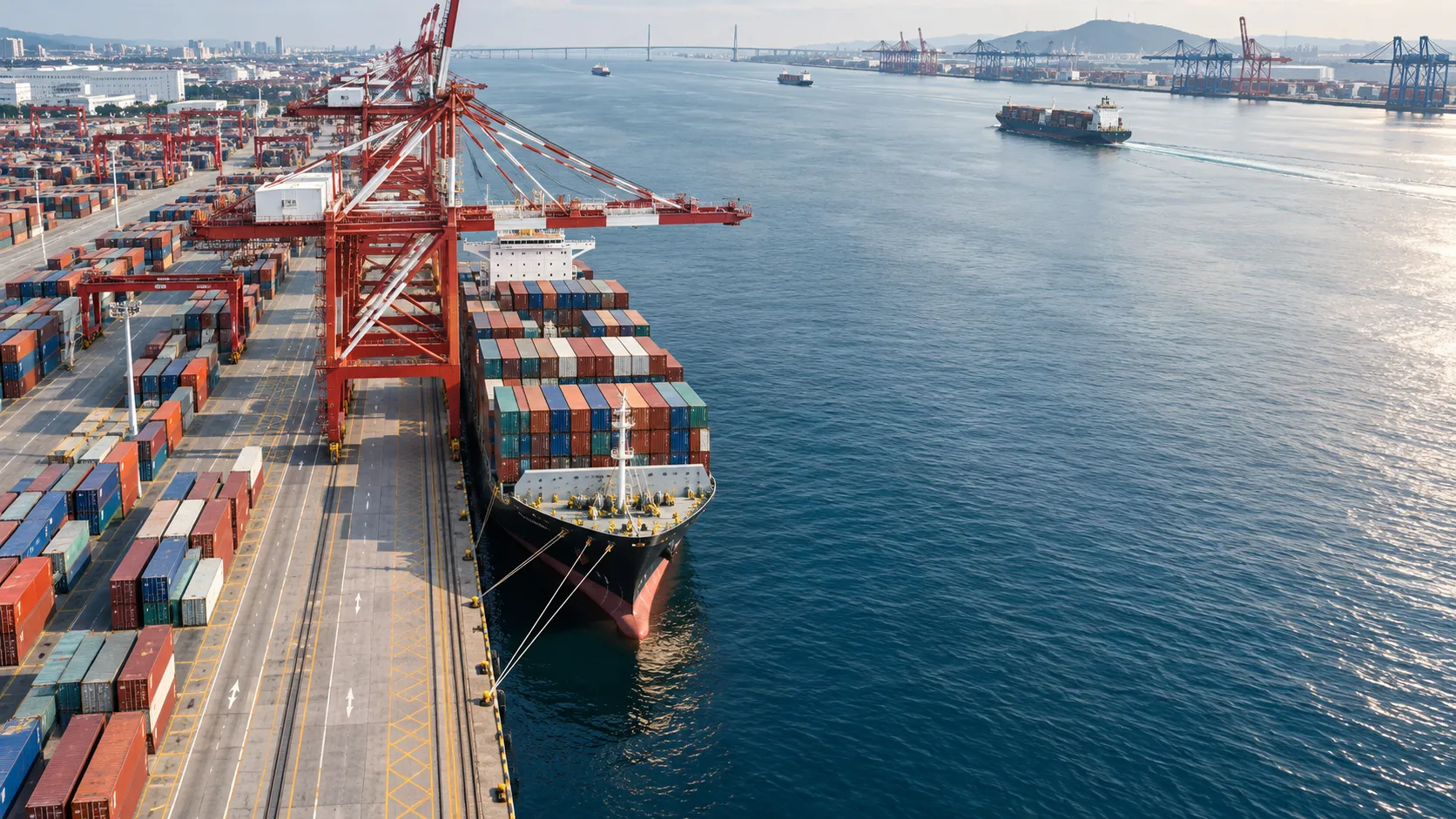
Shipping Rate Analytics for Ports: How to Forecast Cargo Demand
Shipping rate analytics for ports helps you forecast cargo demand, distinguish price signals from capacity shifts, and make smarter terminal investment decisions.
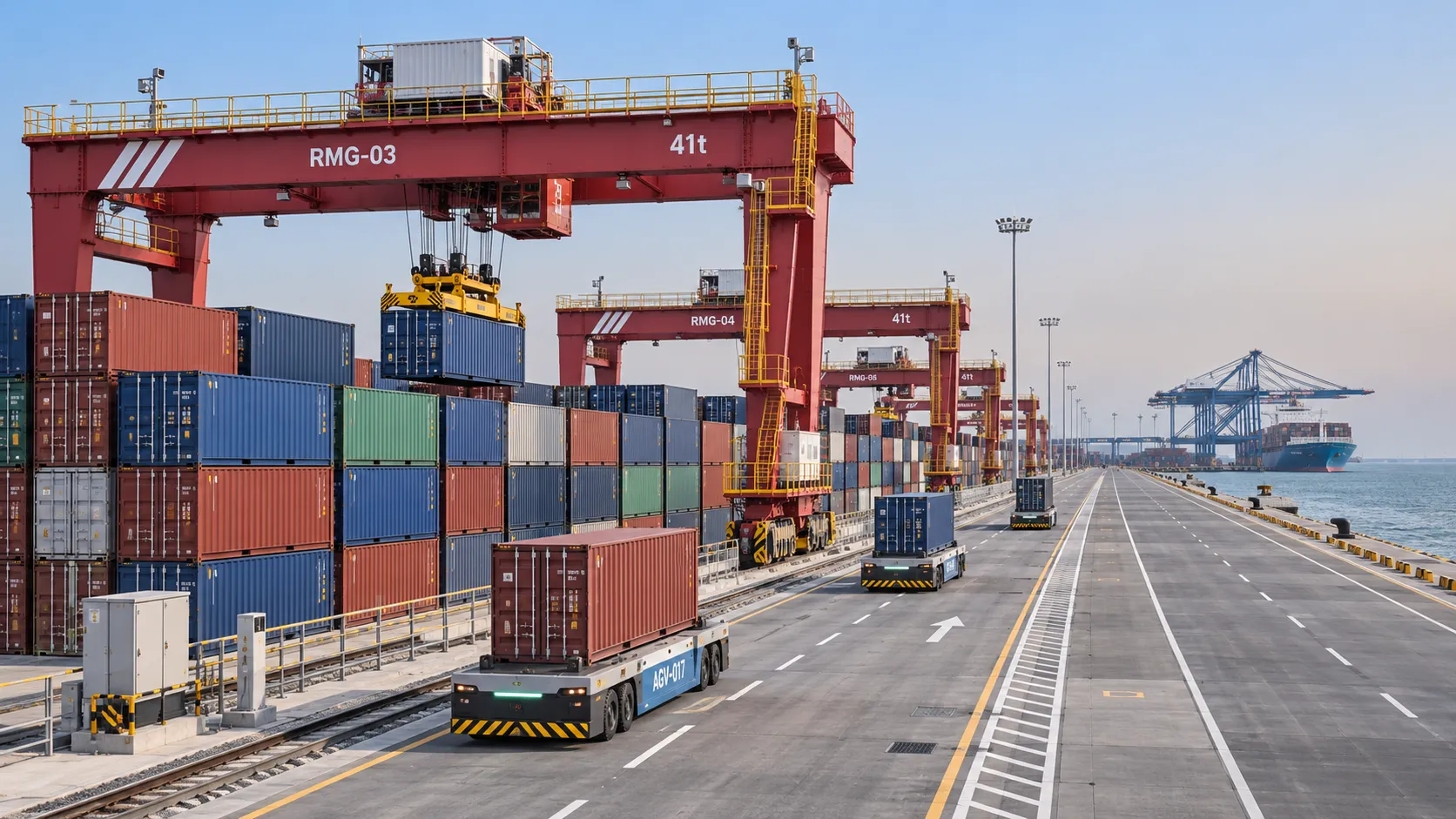
Automated Port Systems Cost: Installation and Operating Expenses
Explore automated port systems cost, from installation and integration to operating expenses. Compare lifecycle costs and make a confident investment decision.

Coastal Economics Standards: How to Value Coastal Ecosystems
Explore coastal economics standards and learn how to value ecosystem services, compare infrastructure options, and make defensible decisions.
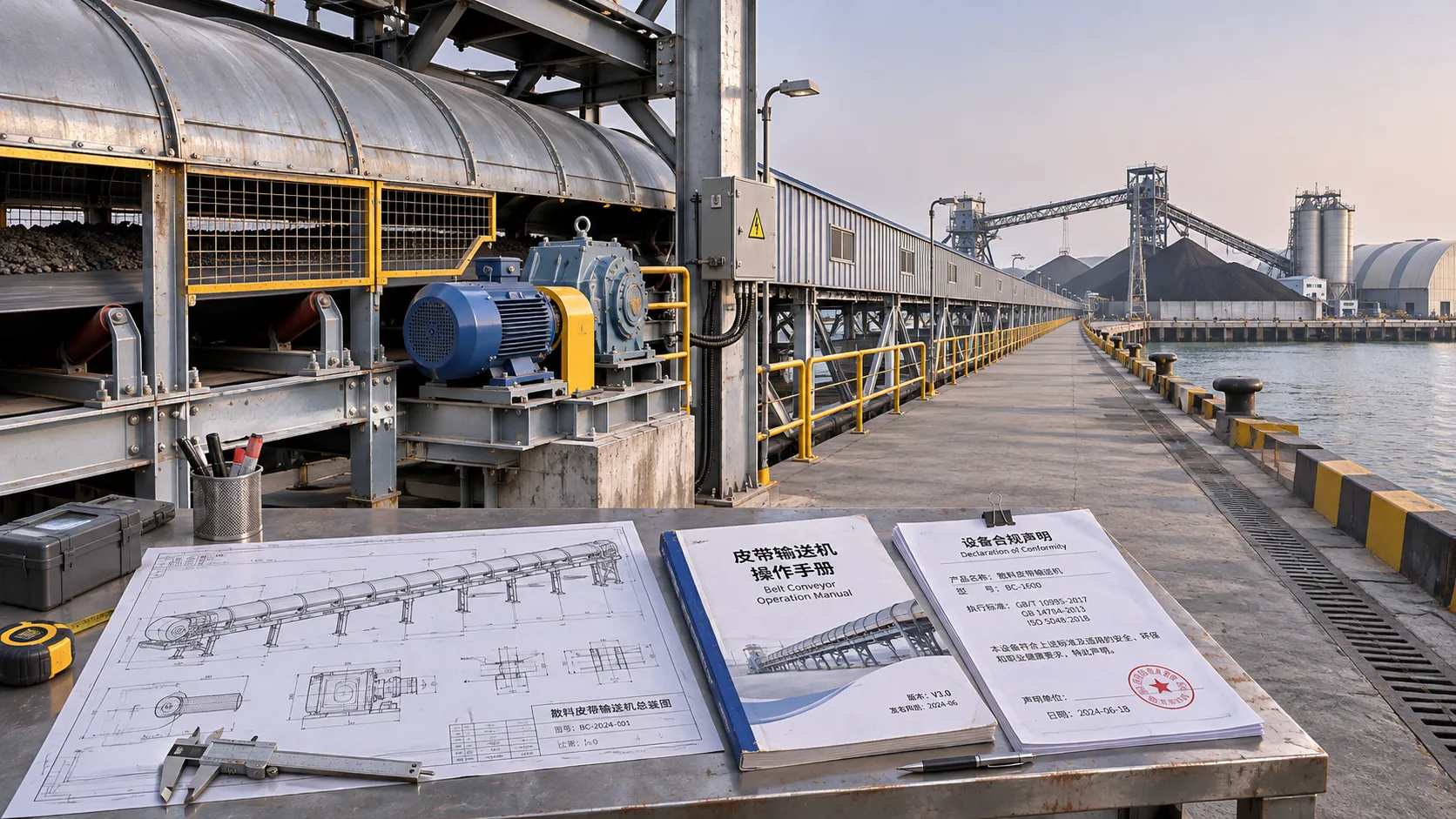
CE Marking for Bulk Material Handling Equipment: What Documents to Check
Bulk material handling CE certified? Discover which declarations, risk assessments and manuals to check before accepting equipment.
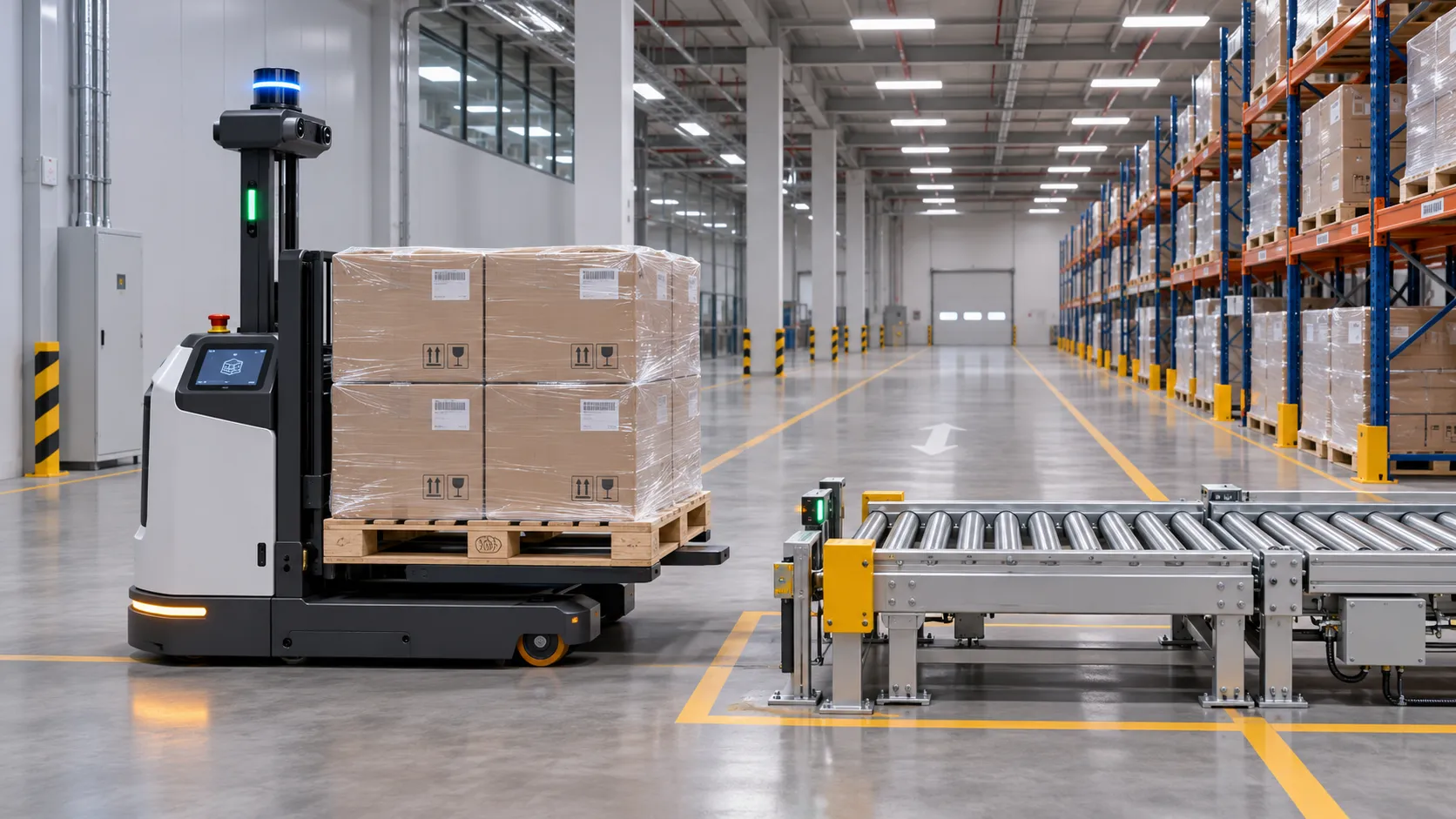
Choosing Smart Automated Cargo Handling Systems for Warehouse Operations
Choose smart automated cargo handling systems with confidence. Compare technologies, capacity, safety, costs, and acceptance tests to improve warehouse flow.
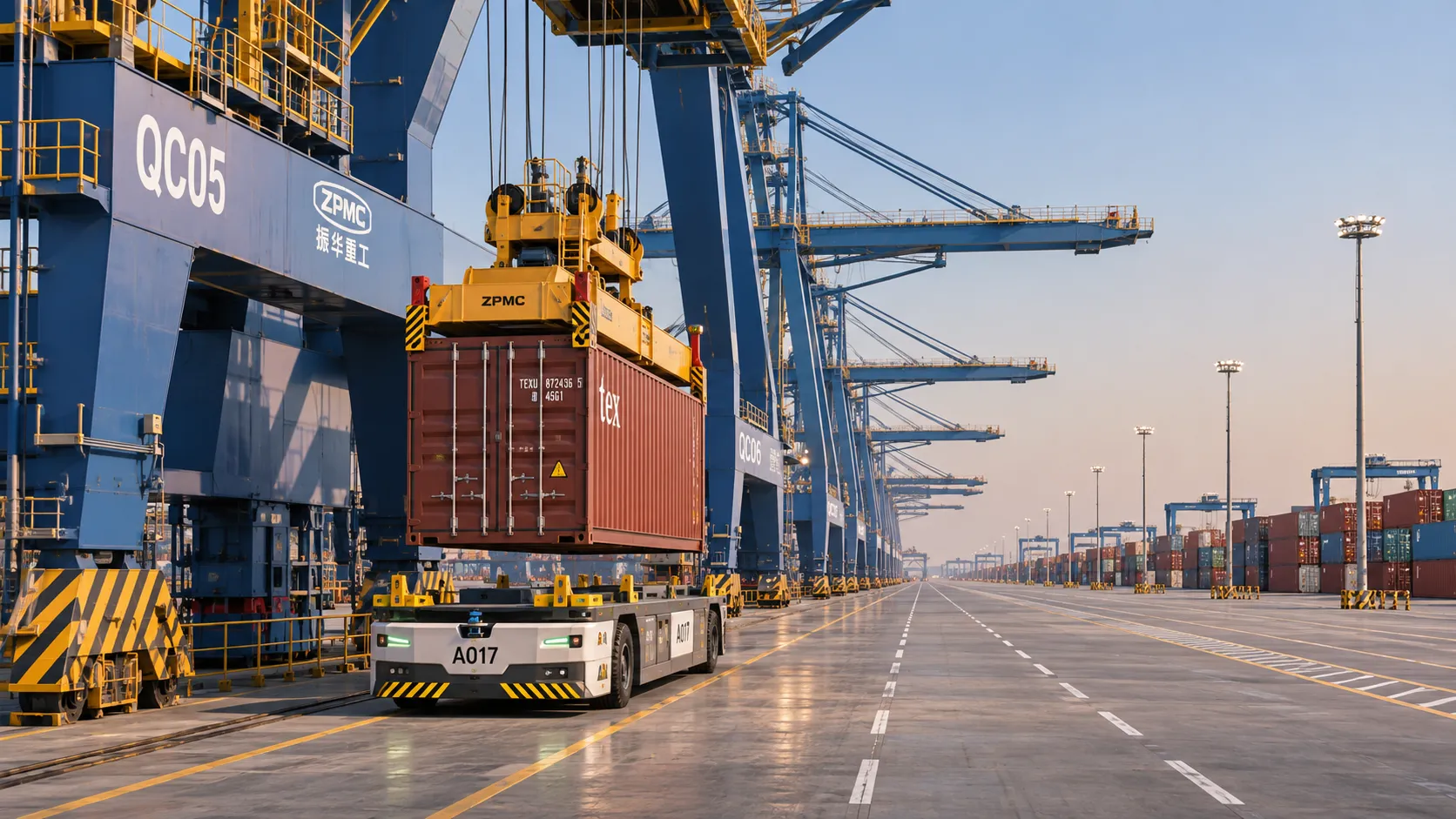
Port Terminal Automation: How Cranes, Vehicles and Control Systems Work Together
Discover how terminal automation technology for ports connects cranes, vehicles and control systems to improve coordination, safety and operational flow.
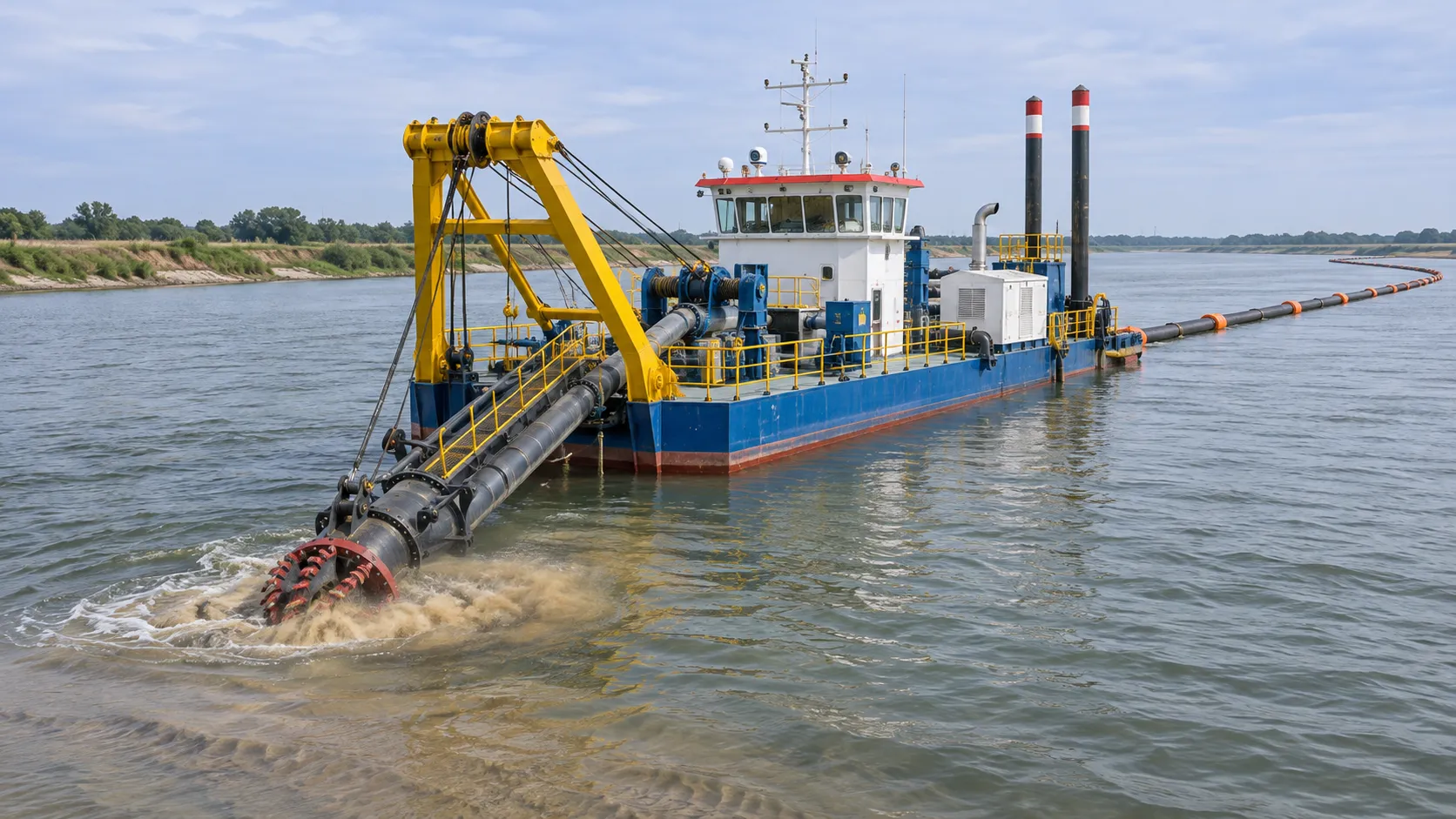
How Soil Conditions Affect Cutter Suction Dredger Performance
Explore the cutter suction dredger range and learn how soil, rock and pipeline conditions affect performance. Compare equipment with confidence.
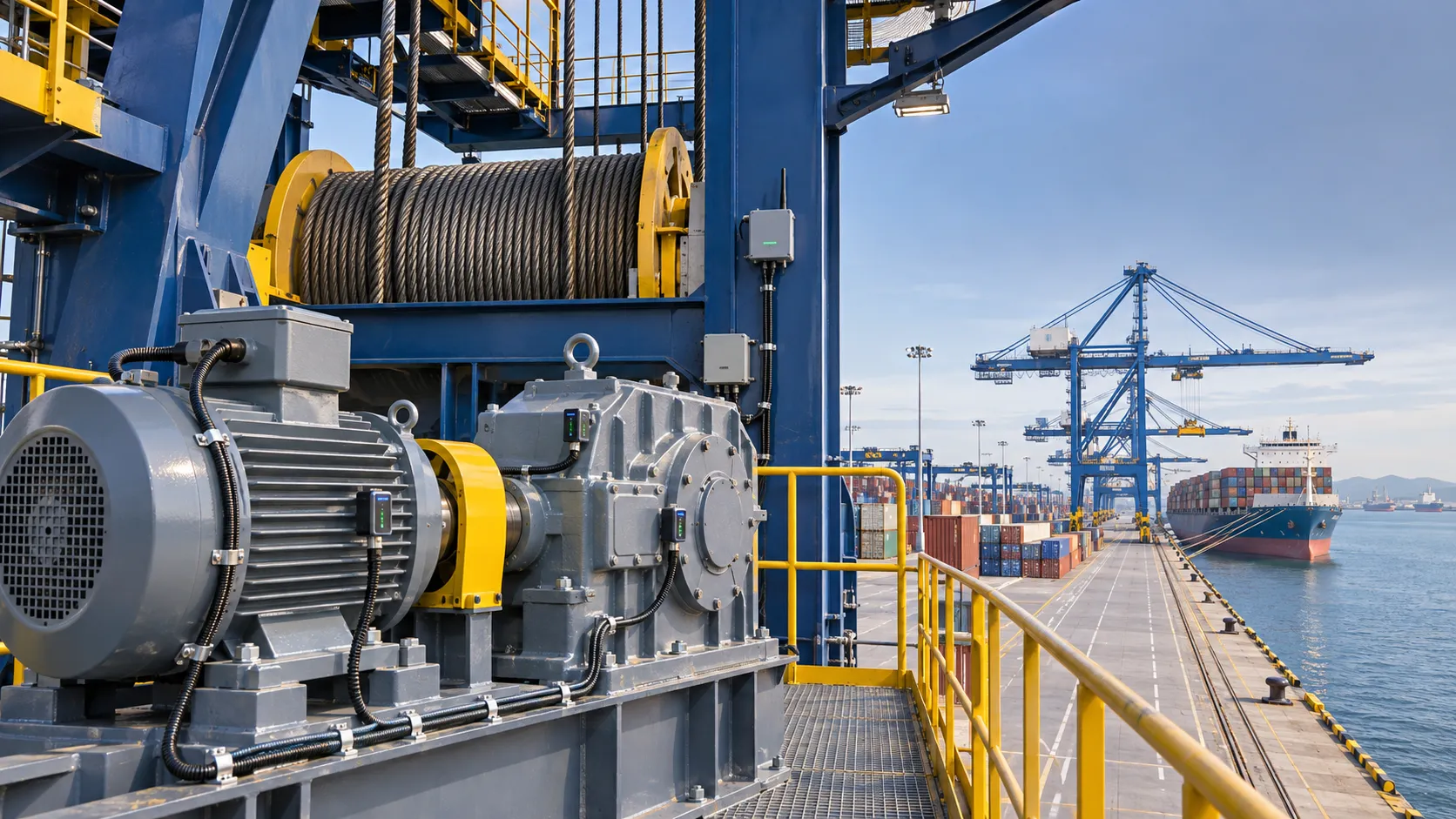
Predictive Maintenance in Smart Ports: Reducing Crane Downtime
Discover how smart port systems predictive maintenance can reduce crane downtime through condition monitoring, actionable alerts, and better terminal planning.
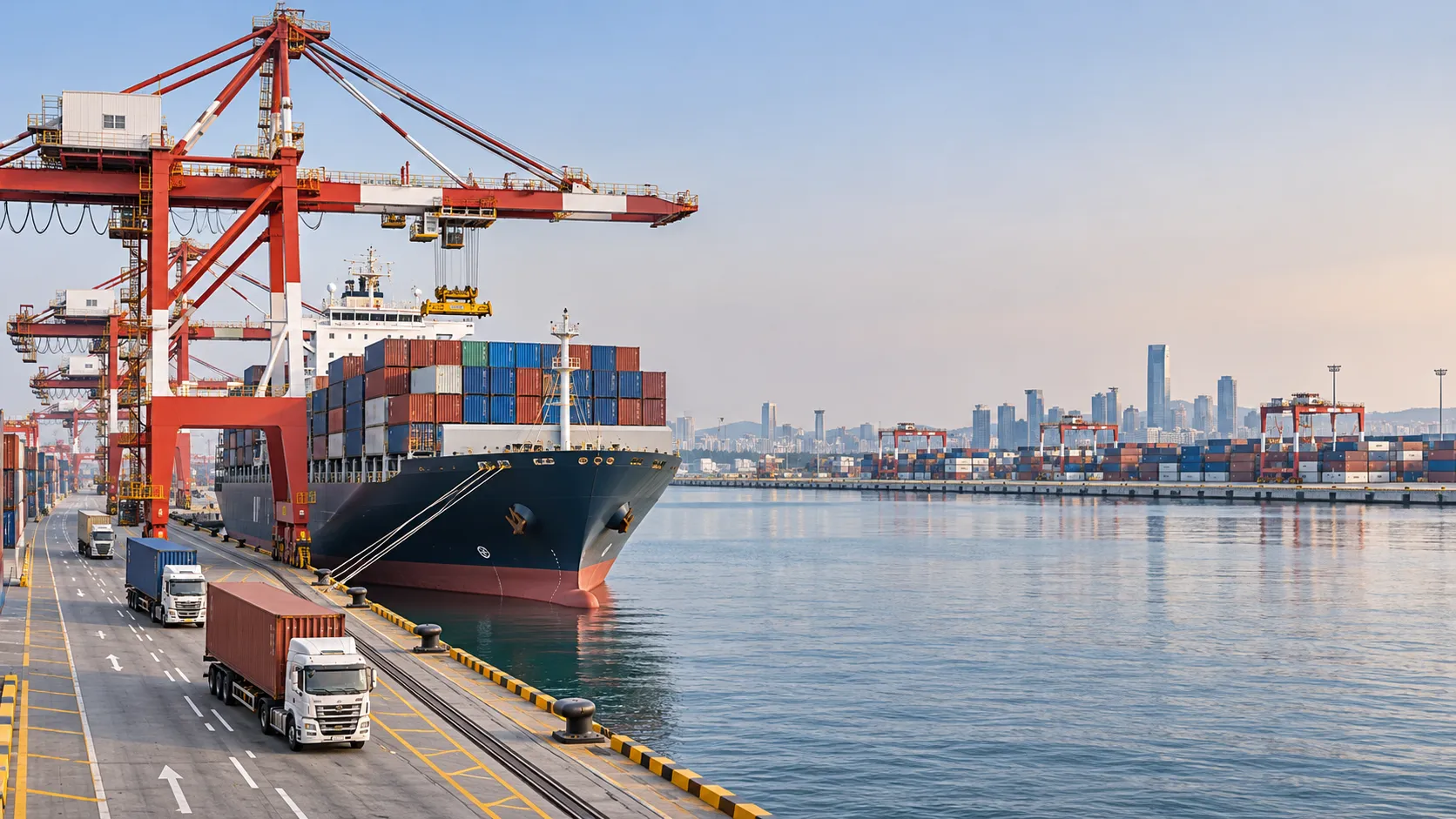
Choosing Marine Logistics Solutions for Container Shipping: Key Criteria
Compare marine logistics solutions for container shipping by route reliability, total cost, visibility, and disruption response. Find the right fit for your cargo.