
Related News
- 00
0000-00
CE Marking for Bulk Material Handling Equipment: What Documents to Check - 00
0000-00
Choosing Smart Automated Cargo Handling Systems for Warehouse Operations - 00
0000-00
Port Terminal Automation: How Cranes, Vehicles and Control Systems Work Together - 00
0000-00
How Soil Conditions Affect Cutter Suction Dredger Performance - 00
0000-00
Predictive Maintenance in Smart Ports: Reducing Crane Downtime
0000-00
CE Marking for Bulk Material Handling Equipment: What Documents to Check
A CE mark on a conveyor, shiploader, or stacker is a starting point for technical evaluation, not a complete compliance record. When a supplier describes equipment as bulk material handling CE certified, the decisive question is whether the supporting documents cover the actual machine, its intended use, and the way it will be installed at the terminal.
Begin with the declaration and the equipment identification, then follow the evidence through the instructions, risk assessment, and interfaces with other machinery. This sequence exposes a common problem: documents may be valid for individual components while leaving the safety of the assembled system unresolved.
Start with the Declaration and the Equipment Boundary
For complete machinery, examine the EU declaration of conformity supplied for the machine. Match the manufacturer’s identity, machine description, model or type, and any serial or identification details to the equipment being purchased. The declaration should identify the applicable EU legislation and the person empowered to sign for the manufacturer. Where standards or other technical specifications are referenced, check that their scope relates to the supplied configuration.
The equipment boundary matters as much as the model number. A declaration for a belt conveyor does not automatically cover an independently supplied loading chute, dust suppression system, access platform, or upstream feeder. Nor does a declaration for a standard machine necessarily establish that a later modification or optional attachment has been assessed.
Ask the supplier to identify what is included in the declared machine: mechanical structures, drives, controls, guarding, and safety functions. Compare that description with the general arrangement, electrical documentation, scope of supply, and purchase specification. A mismatch is a reason to resolve the boundary before accepting the documentation package.
Declaration of conformity or declaration of incorporation?
A declaration of incorporation relates to partly completed machinery intended to be incorporated into or assembled with other machinery. It is not equivalent to a declaration that a complete machine is ready for independent operation. Partly completed machinery should also be accompanied by assembly instructions describing the conditions for proper incorporation.
For example, a supplier may provide a conveyor drive module without all the guards or control interfaces needed for the final installation. The relevant incorporation documents should make those limitations clear. The party responsible for the completed assembly must address the remaining risks and applicable conformity obligations for that assembly.
A CE mark or declaration supplied for an individual motor, sensor, or electrical component does not by itself establish conformity of the complete conveyor or terminal system. Component evidence is useful input, but it cannot replace assessment of the assembled machine and its interfaces.
Check Which Requirements Apply to the Supplied Configuration
Bulk handling equipment can combine mechanical, electrical, control, lifting, pressure, radio, or potentially explosive-atmosphere features. The applicable EU legislation depends on the equipment and its intended use; a declaration that lists only one familiar category of legislation may be incomplete if other relevant requirements apply.
Establish which legal framework applies when the machine is placed on the EU market or put into service, as relevant, and check the declaration against that framework. The applicable requirements can differ for a complete new machine, partly completed machinery, or an existing installation undergoing a substantial change. Do not assume that documents issued for an earlier configuration automatically cover a later rebuild.
For equipment intended to handle combustible dust or operate in a hazardous area, check how the supplier has defined the operating environment and equipment boundary. A general machinery declaration does not, on its own, establish that every electrical and mechanical component is suitable for a classified hazardous area. The site’s area classification, material properties, and ignition risks need to align with the supplier’s stated assumptions and any applicable explosion-protection documentation.
Standards listed in the declaration are also worth examining. A relevant harmonised standard can support a presumption of conformity for the requirements it covers when the applicable legal conditions are met. Its presence does not prove that every hazard has been addressed, particularly where the installation includes unusual interfaces or operating conditions outside the standard’s scope.
Review the Risk Assessment Around Real Operating Tasks
The manufacturer’s technical documentation should support the conformity assessment, including how relevant hazards have been identified and addressed. A buyer may not automatically receive the complete technical file: it is generally retained by the responsible manufacturer for the authorities under the applicable rules. Request the risk assessment or a sufficiently detailed risk summary as part of procurement, especially where site integration depends on the supplier’s assumptions.
Look beyond a generic statement that the machine is safe. The useful evidence connects a hazard to an operating task, a protective measure, and any residual risk communicated to the user. For a terminal conveyor, that connection might involve access to an in-running nip point during belt tracking, isolation of stored energy before maintenance, or prevention of unexpected restart after a blockage is cleared.
Check whether the assessment covers normal operation as well as foreseeable interventions: cleaning transfer points, replacing idlers, clearing spillage, inspecting chutes, and recovering from jams. These tasks often require people to approach moving parts or enter areas that are inaccessible during normal operation. A guard shown on a drawing is not a complete answer if the maintenance method requires frequent removal without a workable isolation procedure.
Also compare the risk assessment’s assumptions with the proposed site. An assessment based on restricted access may not fit equipment installed beside a frequently used walkway. A dust-control assumption may not hold if the terminal plans to handle a different material or operate without the specified extraction system. When an assumption changes, the responsible party needs to assess the resulting risk and define any additional measures.
Test the Instructions Against the Terminal’s Planned Use
Instructions are part of the practical evidence that the machine can be installed, operated, and maintained as intended. They should correspond to the supplied model and configuration, be provided in the language required for the destination, and give users the information needed to manage residual risks.
For a shiploading or stockyard installation, compare the instructions with the terminal’s actual operating envelope. Pay attention to permitted materials, loading conditions, operating modes, environmental limitations, inspection requirements, and maintenance access. The relevant limits should be stated clearly enough for the operator to determine when use falls outside the manufacturer’s design assumptions.
Installation instructions deserve particular scrutiny when the machine arrives in sections. They should identify the work needed to assemble and commission it safely, including structural connections, guarding, electrical supply, control interfaces, and functional checks where applicable. If the supplier relies on the purchaser to provide a fence, interlock, emergency-stop connection, or supporting structure, that responsibility should be explicit and reflected in the project scope.
For partly completed machinery, assembly instructions serve a different purpose: they describe how to incorporate it without compromising safety. They should not be treated as proof that the unfinished unit can be operated independently.
Trace Safety Functions Across Supplier Interfaces
A bulk handling line may include a reclaim feeder, several conveyors, a transfer tower, a sampling station, and a shiploader, each supplied under a separate contract. The most consequential documentation gaps often occur where those machines meet.
Use the control description, electrical drawings, interface schedules, and operating instructions to trace what happens when a protective device is triggered. Identify which equipment stops, whether material continues to feed into a stopped section, how a restart is authorised, and how operators are warned about movement they cannot see. The intended response should be consistent across the documents and suitable for the physical layout.
An emergency stop on one conveyor, for example, may stop that conveyor while an upstream feeder continues to deliver material. Whether that creates an unacceptable condition depends on the arrangement, material flow, and other protective measures. The evaluator’s task is to establish who has assessed that interaction and what the control system is designed to do.
Remote and automated operation add interface questions. Confirm how local maintenance control, remote commands, isolation, interlocks, and restart warnings interact. A remote-control feature may be documented for the machine itself while the terminal network or operating procedure introduces additional conditions that require assessment at system level.
What Supporting Technical Documents Should Be Available?
The precise package varies with the machine and procurement contract, but the evidence should let the evaluator connect the declaration to the delivered equipment and its safety measures. The following comparison helps distinguish useful project documents from claims that leave the assessment incomplete.
Where testing, inspection, calculations, or third-party assessment are relevant, ask for the records appropriate to the applicable requirements and the procurement specification. A third-party certificate is not automatically required for every bulk handling machine, and a voluntary certificate should not be confused with the manufacturer’s declaration or with a legally required conformity assessment.
Resolve Gaps Before Acceptance
Turn findings into specific actions tied to the equipment boundary. If the manual requires a perimeter guard that is absent from the drawings, establish who will supply it and how its effectiveness will be assessed. If the declaration identifies a different configuration, obtain documentation that accurately describes the delivered machine. If an interface remains undefined, assign responsibility for its design, integration, and verification.
Keep the final document set aligned with the as-built installation. Site changes can affect guarding, access, control logic, or intended use even when the original equipment documents were complete. The strongest basis for accepting a bulk material handling CE certified claim is a traceable match between the declared machine, the delivered configuration, the documented risk controls, and the responsibilities for the complete operating system.
Have questions about the global trade trends discussed here, or planning your expansion and supply chain strategy? Leave a message below and let the trade experts at PS-Nexus guide you.
We respect your privacy. Your information is strictly confidential.
Related News

Shipping Rate Analytics for Ports: How to Forecast Cargo Demand
Shipping rate analytics for ports helps you forecast cargo demand, distinguish price signals from capacity shifts, and make smarter terminal investment decisions.
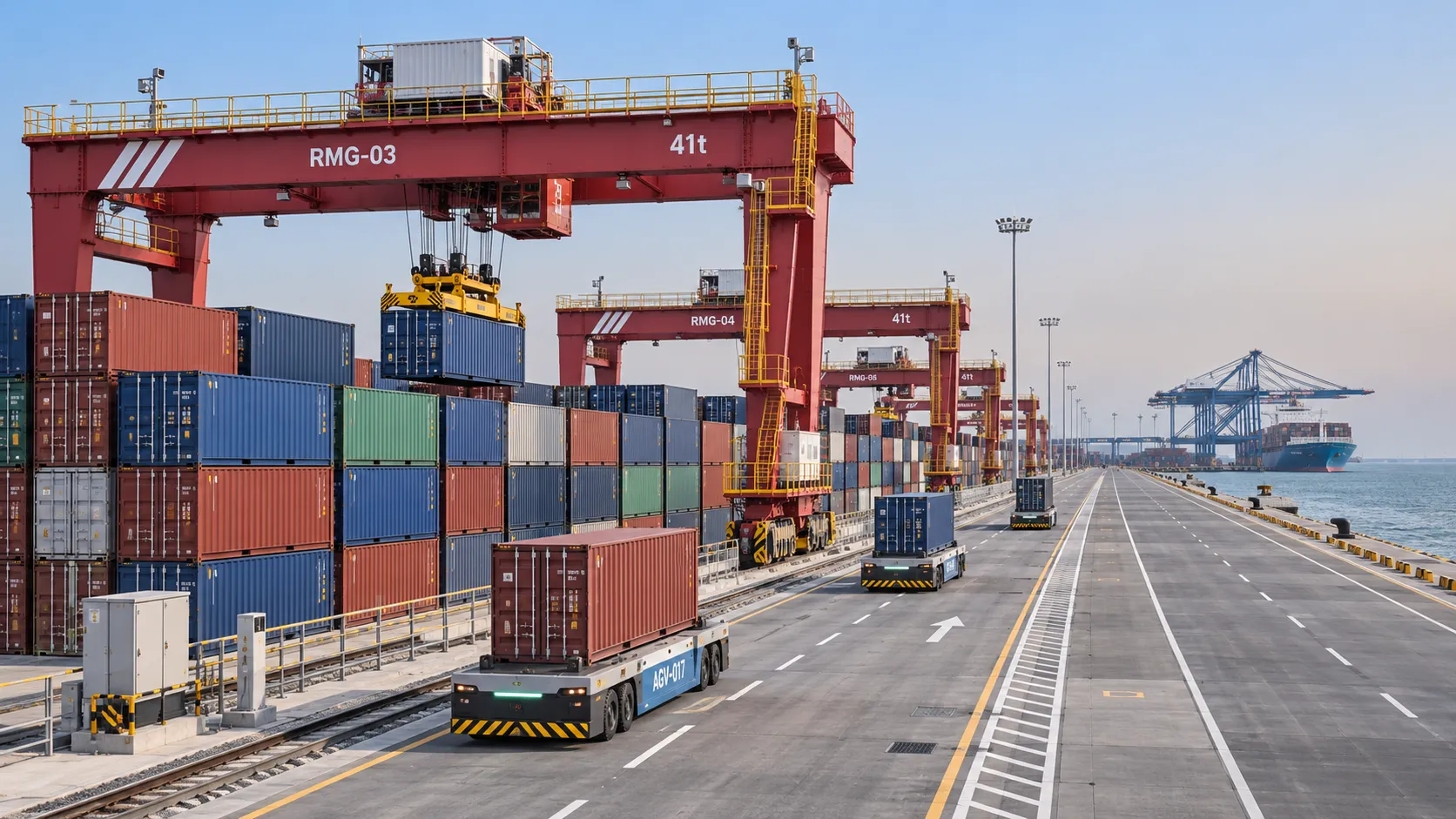
Automated Port Systems Cost: Installation and Operating Expenses
Explore automated port systems cost, from installation and integration to operating expenses. Compare lifecycle costs and make a confident investment decision.

Coastal Economics Standards: How to Value Coastal Ecosystems
Explore coastal economics standards and learn how to value ecosystem services, compare infrastructure options, and make defensible decisions.

Choosing Smart Automated Cargo Handling Systems for Warehouse Operations
Choose smart automated cargo handling systems with confidence. Compare technologies, capacity, safety, costs, and acceptance tests to improve warehouse flow.

Port Terminal Automation: How Cranes, Vehicles and Control Systems Work Together
Discover how terminal automation technology for ports connects cranes, vehicles and control systems to improve coordination, safety and operational flow.
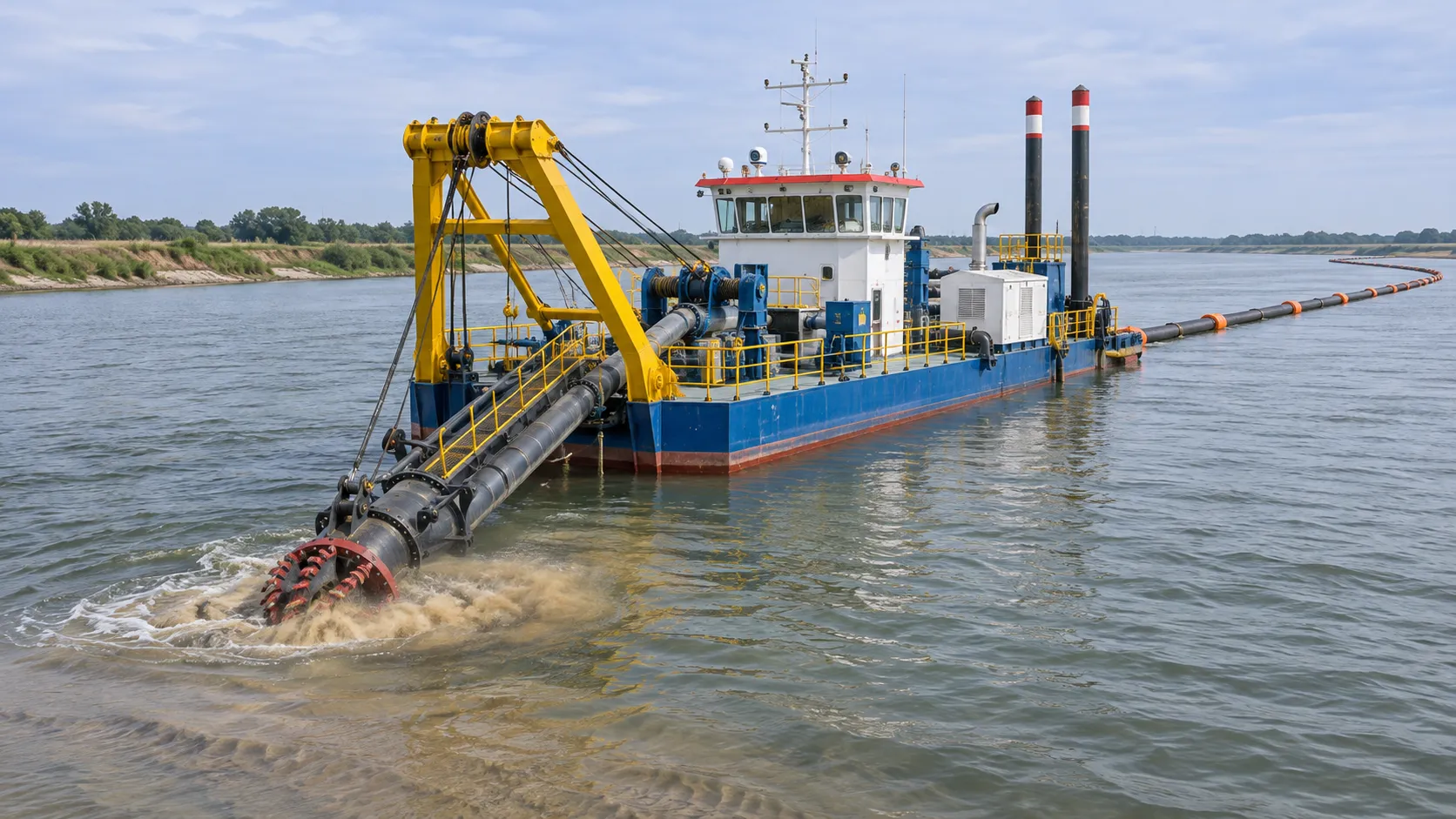
How Soil Conditions Affect Cutter Suction Dredger Performance
Explore the cutter suction dredger range and learn how soil, rock and pipeline conditions affect performance. Compare equipment with confidence.

Predictive Maintenance in Smart Ports: Reducing Crane Downtime
Discover how smart port systems predictive maintenance can reduce crane downtime through condition monitoring, actionable alerts, and better terminal planning.

Choosing Marine Logistics Solutions for Container Shipping: Key Criteria
Compare marine logistics solutions for container shipping by route reliability, total cost, visibility, and disruption response. Find the right fit for your cargo.

Automated Port Equipment: Choosing Cranes and Vehicles for Container Terminals
Choose automated gear for ports with confidence. Compare cranes, vehicles and control systems to improve container flow, manage costs and reduce bottlenecks.