
Related News
- 00
0000-00
Shipping Rate Analytics for Ports: How to Forecast Cargo Demand - 00
0000-00
Automated Port Systems Cost: Installation and Operating Expenses - 00
0000-00
Choosing Marine Logistics Solutions for Container Shipping: Key Criteria - 00
0000-00
Global Shipping Rates for Importers: Comparing Freight Quotes and Fees - 00
0000-00
Terminal Efficiency Benchmarking: KPIs for Comparing Container Terminals
0000-00
Choosing Marine Logistics Solutions for Container Shipping: Key Criteria
The best marine logistics solutions for container shipping are those that can move a buyer’s actual cargo through the required ports, within an acceptable delivery window, at a cost that remains manageable when conditions change. Freight rate matters, but a low ocean quote can lose its advantage if terminal delays, storage charges, missed inland connections, or weak exception handling add cost elsewhere.
Procurement teams should start by defining the shipment and service requirements, then compare providers on route reliability, terminal and inland capacity, total landed logistics cost, and their ability to respond when a shipment falls off plan. The right balance depends on the cargo: a predictable flow of non-urgent goods may support a different choice from time-sensitive components feeding a production line.
Define the shipment profile before comparing providers
A useful evaluation starts with the movements the provider will actually be asked to manage. Lane, volume, container type, delivery window, and the consequences of delay all affect which solution is suitable. An attractive global network has limited value if the provider cannot secure dependable service on the buyer’s critical lanes.
Build the request for proposal around origin and destination pairs, expected shipment frequency, normal and peak volumes, and the proportion of cargo requiring special handling. Include inland collection and delivery points where these are part of the intended scope. For refrigerated, hazardous, oversized, or high-value cargo, describe the handling and documentation requirements separately; a provider’s general container capability does not establish that it can support every cargo type.
Then distinguish between the delivery date the business prefers and the latest date it can accept without material disruption. A retailer with replenishment flexibility may accept a longer transit time in exchange for lower cost. A manufacturer dependent on a narrow production window may place a higher value on predictable arrivals, early warning, and an alternative routing plan.
Buyers should also decide how much coordination they want to retain. A single provider may manage ocean transport, terminal-related arrangements, and inland delivery under one contract. Alternatively, the buyer may contract carriers and inland providers separately. The first approach can simplify communication; the second can offer more direct control over individual services. In either case, specify who owns each handoff and who is responsible for resolving an exception.
Test the route and terminal, not just the sailing schedule
A proposed transit time is only part of the delivery promise. Containers also spend time waiting for vessel space, moving through terminals, clearing required procedures, and connecting with trucks, rail, or other inland services. A solution can look fast on paper while leaving little margin for any disruption at these points.
Ask bidders to map the full route from collection to final delivery, including transshipment ports and the terminal or terminals they expect to use. Where a route depends on a connecting vessel or inland departure, examine the time allowed for the transfer and the options if the connection is missed. A shorter route with a fragile connection may be less suitable than a longer route with more recovery options.
Terminal capability should be assessed against the buyer’s cargo and volume profile. For example, a large terminal with substantial quay crane capacity may still experience bottlenecks in the yard or at the gate. For a time-sensitive inland delivery, truck appointment availability and container release processes can matter as much as vessel handling speed.
Useful questions for shortlisted providers include:
- Which ports, terminals, and transshipment points are included in the proposed service, and which may change during the contract?
- What capacity is available for the buyer’s expected peak volumes, and what is the process if booked space is unavailable?
- How are containers collected from the terminal, and who arranges appointments and inland transport?
- What facilities and procedures support any refrigerated, hazardous, or other specialized cargo in scope?
- What alternative routes or ports are practicable for this cargo, and what approval would be needed to use them?
Evidence matters more than broad assurances. Request lane-specific service history where available, together with the definitions behind it: whether a reported arrival measure refers to vessel arrival, container availability, or delivery to the consignee. These are different events. A vessel arriving close to schedule does not guarantee that a container will be available for collection when the buyer needs it.
Compare the full cost under the same assumptions
To compare bids fairly, give each provider the same shipment profile and ask for a breakdown of charges across the agreed scope. Ocean freight is one component. Depending on the arrangement, the buyer may also face origin and destination handling, documentation, inland transport, equipment-related charges, and fees caused by storage or delayed container return.
Pay particular attention to free time and the rules that apply when it expires. A lower freight rate may be offset by demurrage or detention if the delivery process regularly leaves containers at the terminal or keeps equipment outside it for longer than allowed. Definitions, calculation methods, and responsible parties should be clear in the proposed contract.
Use a normal shipment and a realistic disruption scenario to compare offers. For example, model a container that misses its planned inland connection and remains at the destination terminal beyond the agreed free period. The purpose is not to predict every incident; it is to expose differences in charging rules and responsibilities that a base-rate comparison would miss.
Contract duration also changes the cost decision. A longer commitment may support budget planning, but only if rate adjustment clauses, capacity commitments, and exit provisions are acceptable. Where volumes are uncertain, procurement should examine any minimum-volume obligations alongside the price offered.
Check whether visibility leads to action
Shipment tracking has practical value when the right people receive reliable information early enough to make a decision. A dashboard showing a container’s last reported location is less useful if it cannot identify a missed milestone, provide an updated delivery estimate, or route the issue to someone who can intervene.
Agree on the milestones that matter to the business: booking confirmation, departure, transshipment, arrival, container availability, inland collection, and final delivery, as relevant to the service. Ask how quickly events are shared, how estimates are updated, and what happens when a carrier or terminal does not provide an event. A missing update should be distinguishable from confirmation that a shipment is on schedule.
For integration, start with the information needed by purchasing, inventory planning, and receiving teams. The provider should explain how shipment identifiers, milestones, and exceptions can be exchanged with the buyer’s systems, as well as who will maintain those connections. A manual process may be adequate for a small flow; higher-volume or time-sensitive operations may justify automated data exchange if both parties can support it.
Port automation can improve parts of the handling process, but its presence alone is not a purchasing result. Ask how the terminal’s operating arrangements affect container availability, gate access, and recovery from equipment or system outages. A buyer needs a workable collection process regardless of how much equipment operates automatically.
Put disruption response and accountability into the contract
Even a well-designed route can be interrupted. The procurement question is whether the provider can identify an exception, present workable choices, and coordinate the parties needed to restore the flow. Generic promises of resilience are less useful than a specific response plan for the buyer’s critical lanes.
Ask each finalist to describe how it would handle a missed sailing, a transshipment delay, or a terminal access problem. The answer should identify the contact responsible for the shipment, the escalation path, the information the buyer would receive, and the options that could be considered. An alternative port is only viable if onward transport, cargo requirements, documentation, and the consignee’s delivery constraints also support it.
Service levels should be tied to events the provider can measure and, where appropriate, influence. Define the measurement period, exclusions, reporting format, and remedy for persistent underperformance. Separate notification performance from delivery performance: a provider can communicate a delay promptly while still missing the delivery window, and both facts matter to the buyer.
Clarify liability and insurance arrangements at each handoff, including the process for reporting loss or damage. These provisions should align with the agreed delivery terms and the actual scope of each contractor. Where multiple providers are involved, ensure that the buyer knows which party to contact first and what evidence will be needed to pursue a claim.
Use environmental requirements as a purchasing condition
Environmental performance can influence the choice of route, transport mode, carrier, and terminal, particularly when the buyer has shipment reporting or customer requirements. Specify the information needed in the request for proposal rather than relying on a general sustainability statement.
Ask providers what shipment-level emissions information they can supply, the boundaries and method used for the calculation, and whether figures are based on operational data or estimates. Comparisons are more useful when providers apply consistent assumptions to the same route and shipment profile. Where they cannot, procurement should understand the difference before using the figures to rank bids.
Operational trade-offs also deserve attention. A lower-emissions routing may involve a different transit time or inland connection. The choice should reflect the cargo’s delivery tolerance and the buyer’s agreed environmental objectives, with any additional cost and service impact visible to the decision-makers.
Once bids are comparable, shortlist the providers that meet the non-negotiable cargo, lane, and delivery requirements. Then weigh total cost against reliability, recovery options, and the quality of operational information. Before committing the full volume, a defined initial scope can give both parties a chance to check handoffs, reporting, and exception procedures under the agreed service terms.
Have questions about the global trade trends discussed here, or planning your expansion and supply chain strategy? Leave a message below and let the trade experts at PS-Nexus guide you.
We respect your privacy. Your information is strictly confidential.
Related News
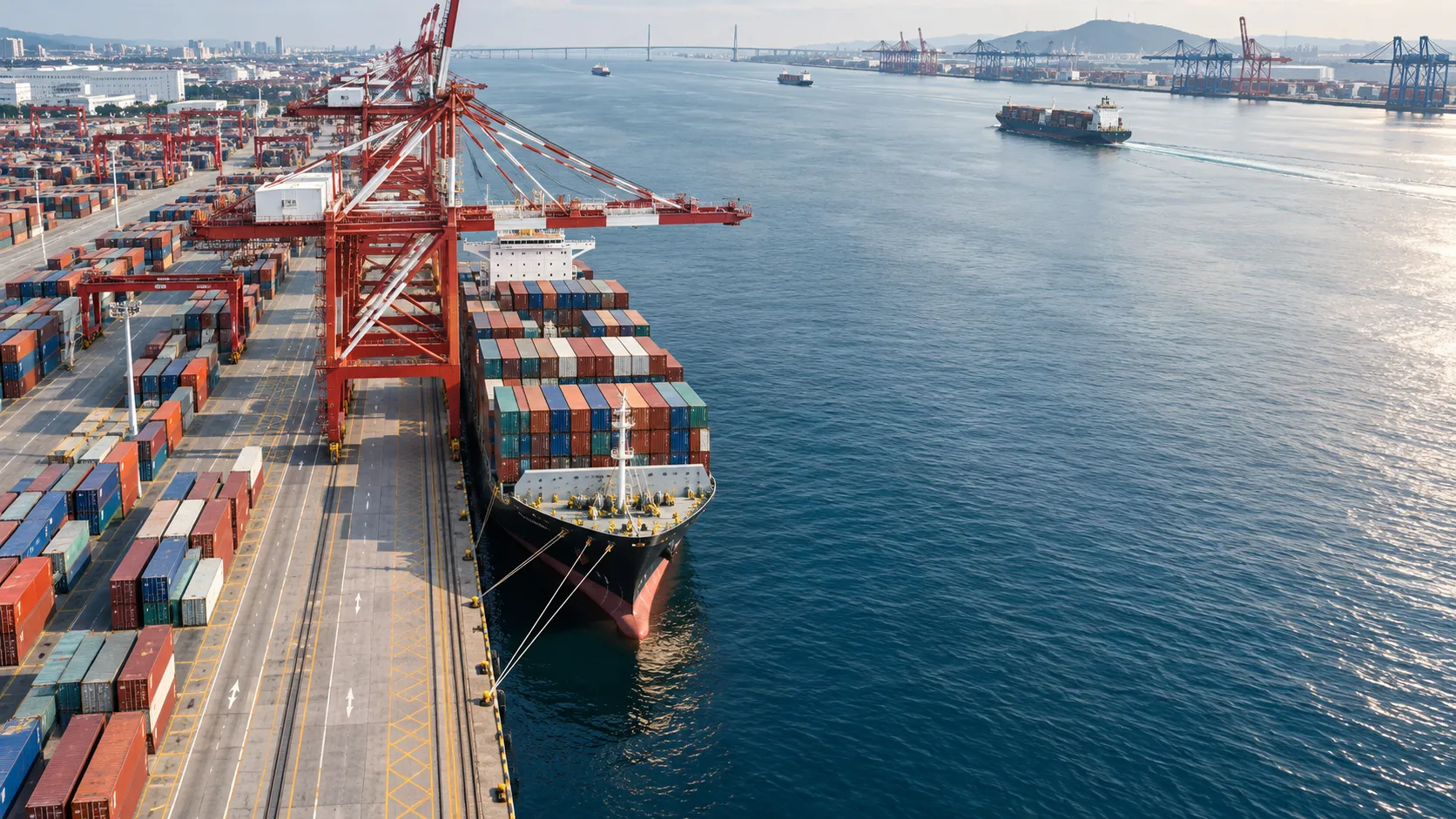
Shipping Rate Analytics for Ports: How to Forecast Cargo Demand
Shipping rate analytics for ports helps you forecast cargo demand, distinguish price signals from capacity shifts, and make smarter terminal investment decisions.
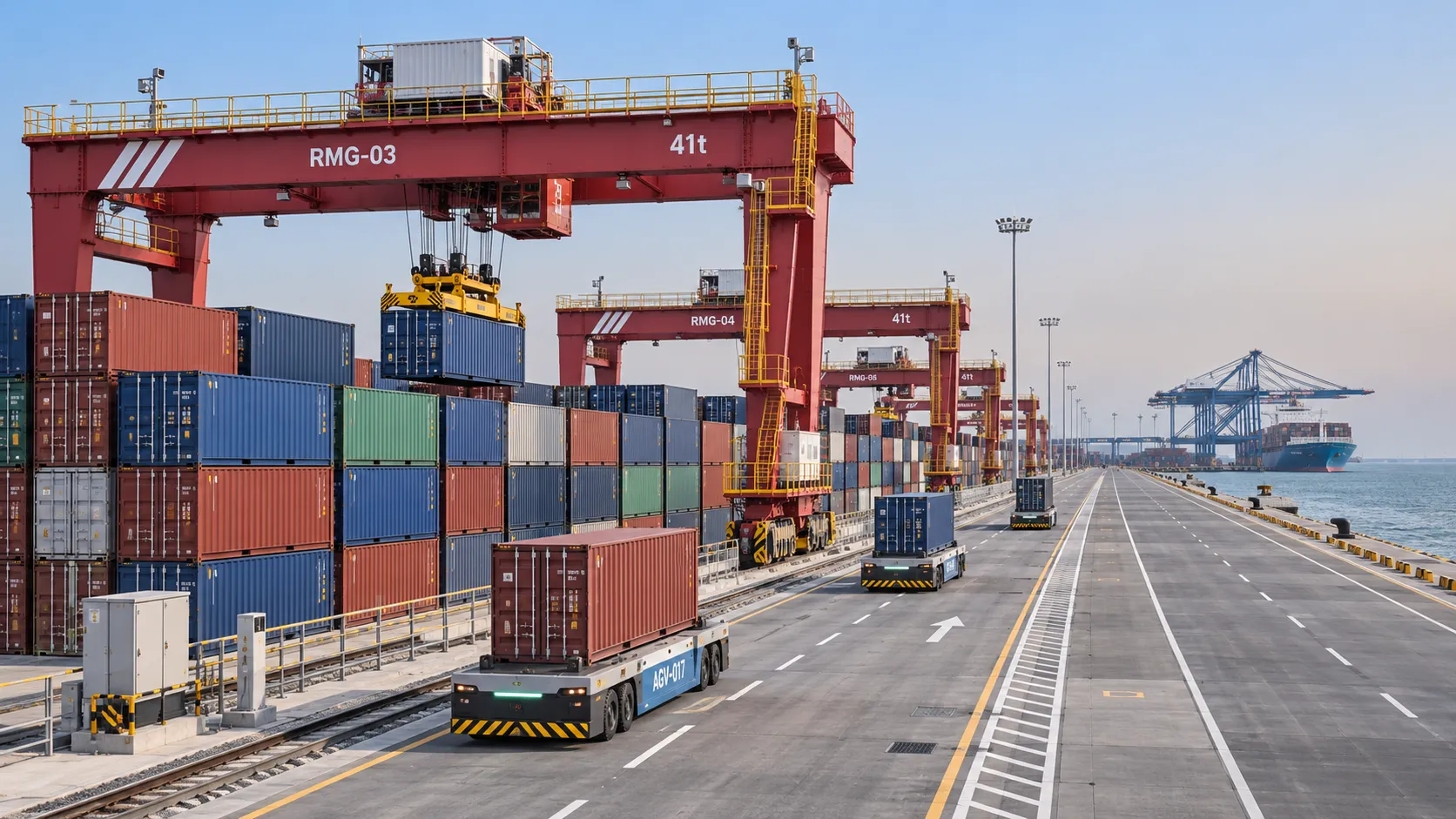
Automated Port Systems Cost: Installation and Operating Expenses
Explore automated port systems cost, from installation and integration to operating expenses. Compare lifecycle costs and make a confident investment decision.

Coastal Economics Standards: How to Value Coastal Ecosystems
Explore coastal economics standards and learn how to value ecosystem services, compare infrastructure options, and make defensible decisions.
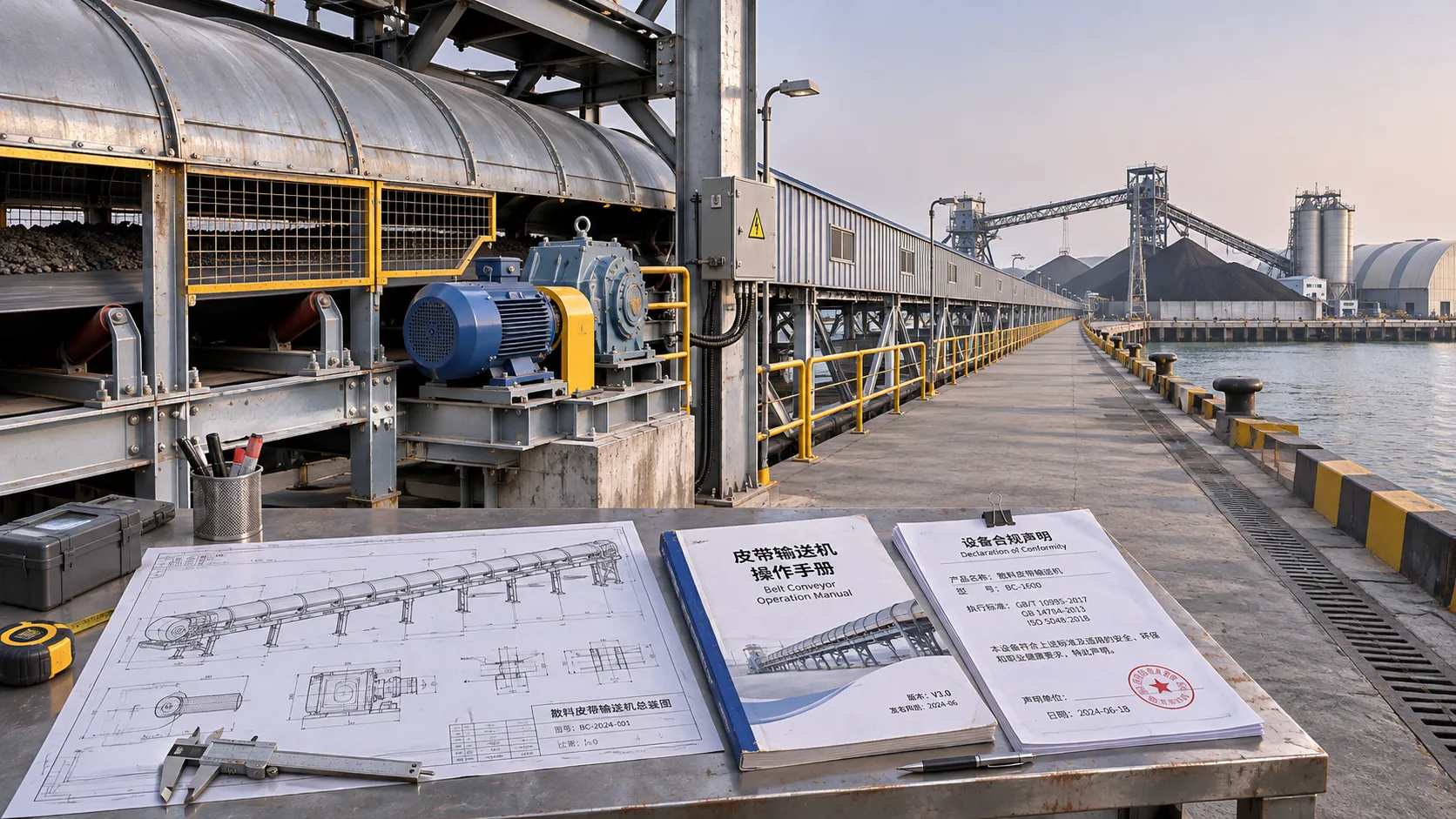
CE Marking for Bulk Material Handling Equipment: What Documents to Check
Bulk material handling CE certified? Discover which declarations, risk assessments and manuals to check before accepting equipment.
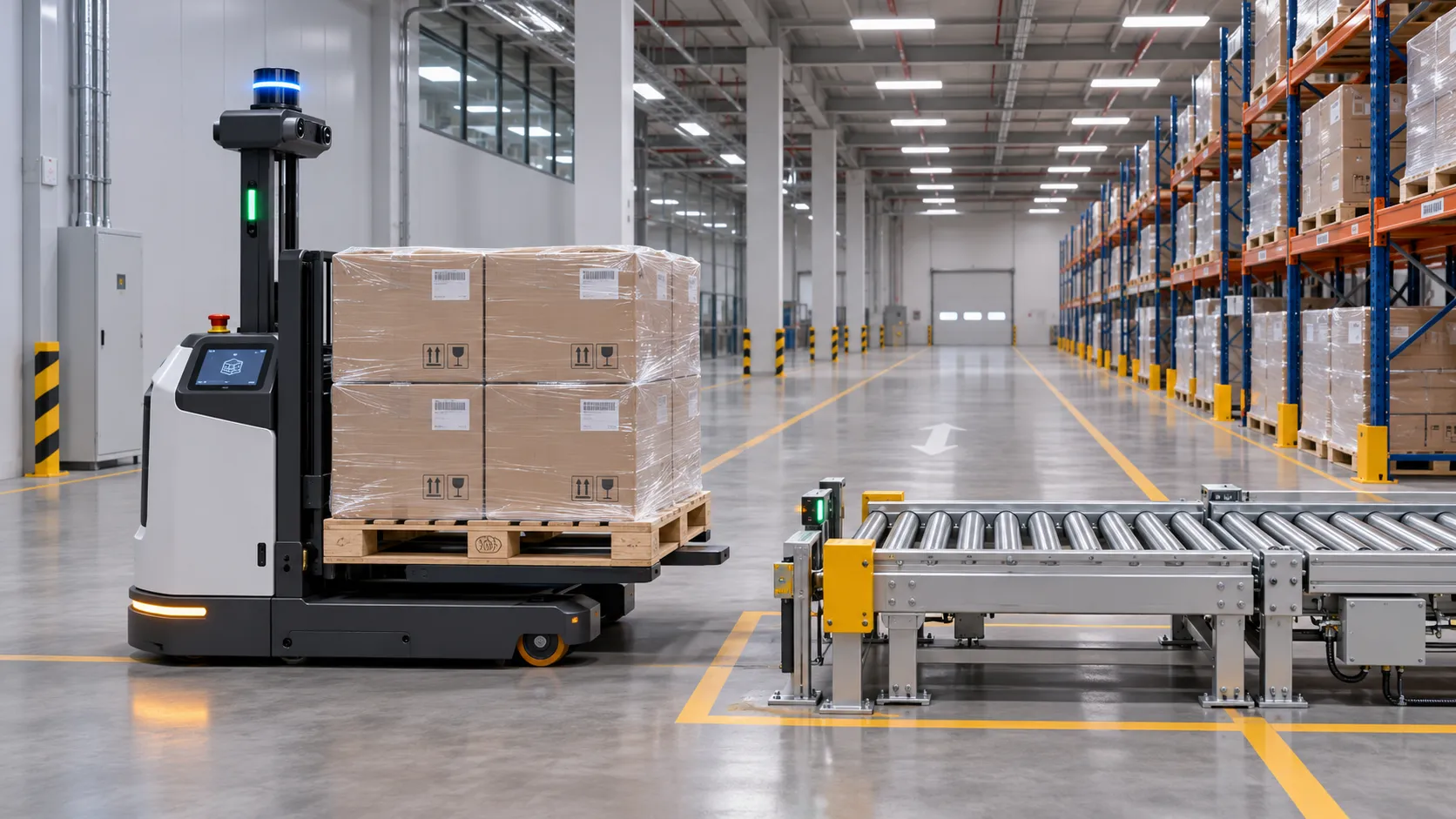
Choosing Smart Automated Cargo Handling Systems for Warehouse Operations
Choose smart automated cargo handling systems with confidence. Compare technologies, capacity, safety, costs, and acceptance tests to improve warehouse flow.
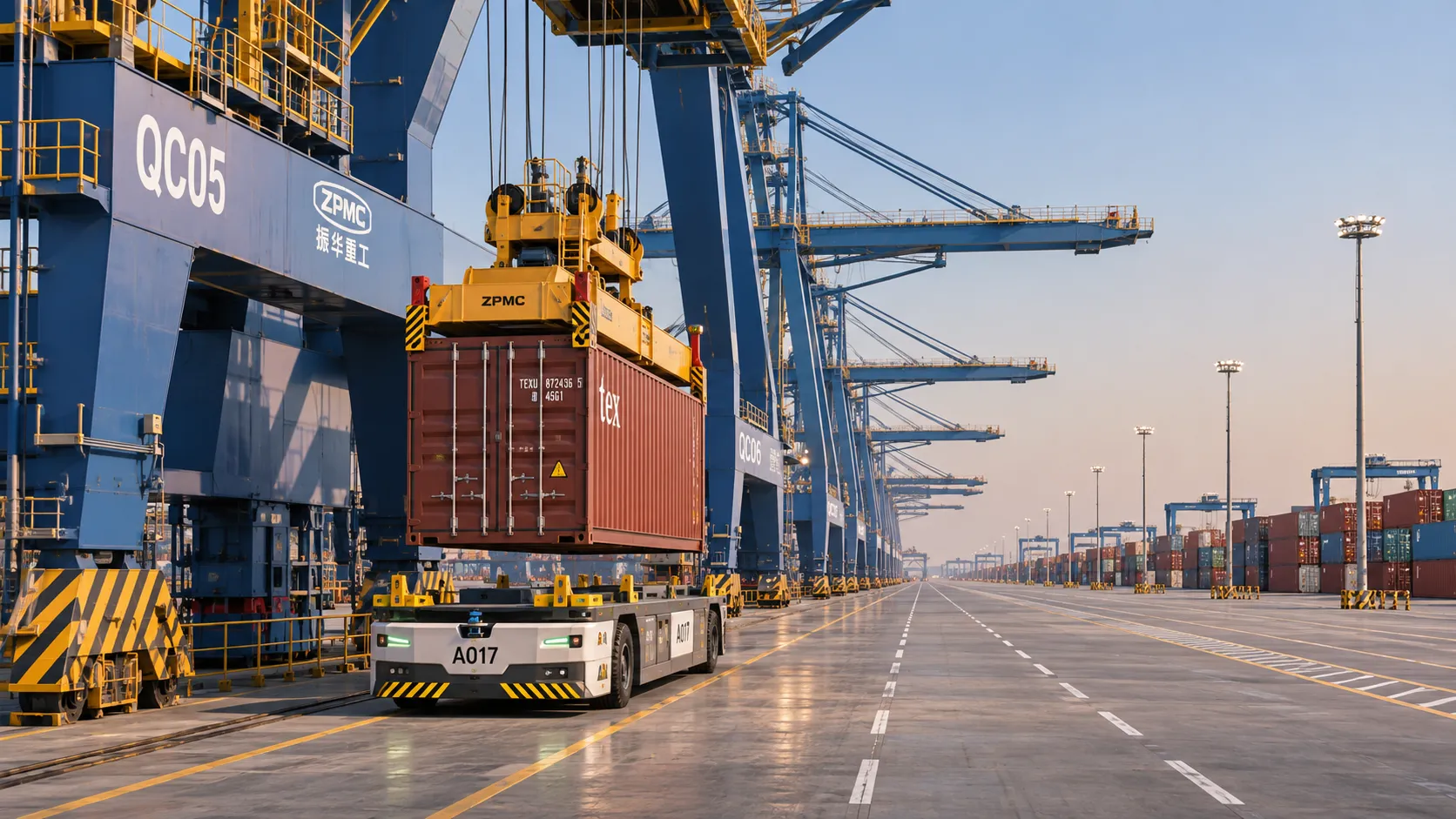
Port Terminal Automation: How Cranes, Vehicles and Control Systems Work Together
Discover how terminal automation technology for ports connects cranes, vehicles and control systems to improve coordination, safety and operational flow.
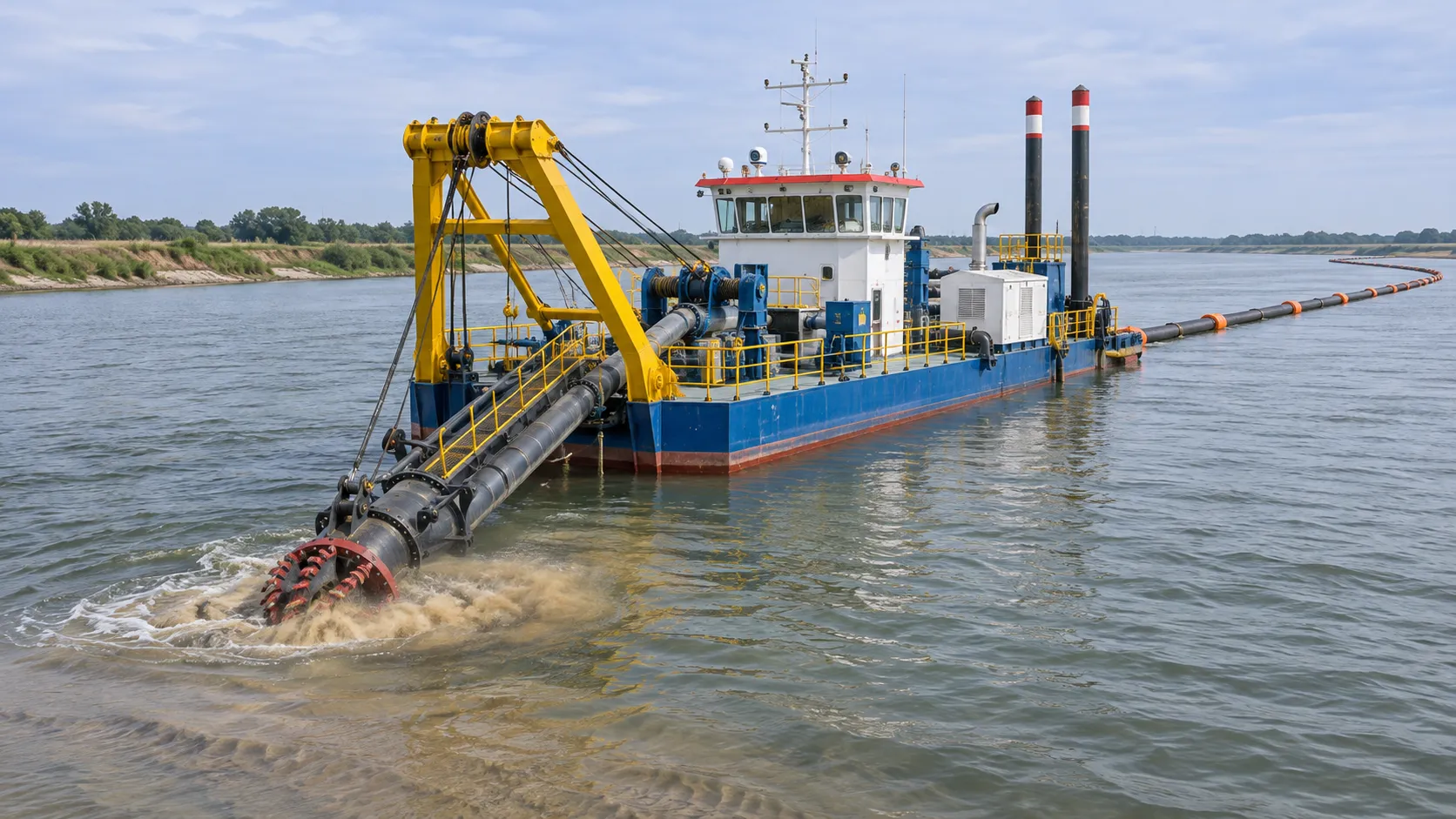
How Soil Conditions Affect Cutter Suction Dredger Performance
Explore the cutter suction dredger range and learn how soil, rock and pipeline conditions affect performance. Compare equipment with confidence.

Predictive Maintenance in Smart Ports: Reducing Crane Downtime
Discover how smart port systems predictive maintenance can reduce crane downtime through condition monitoring, actionable alerts, and better terminal planning.
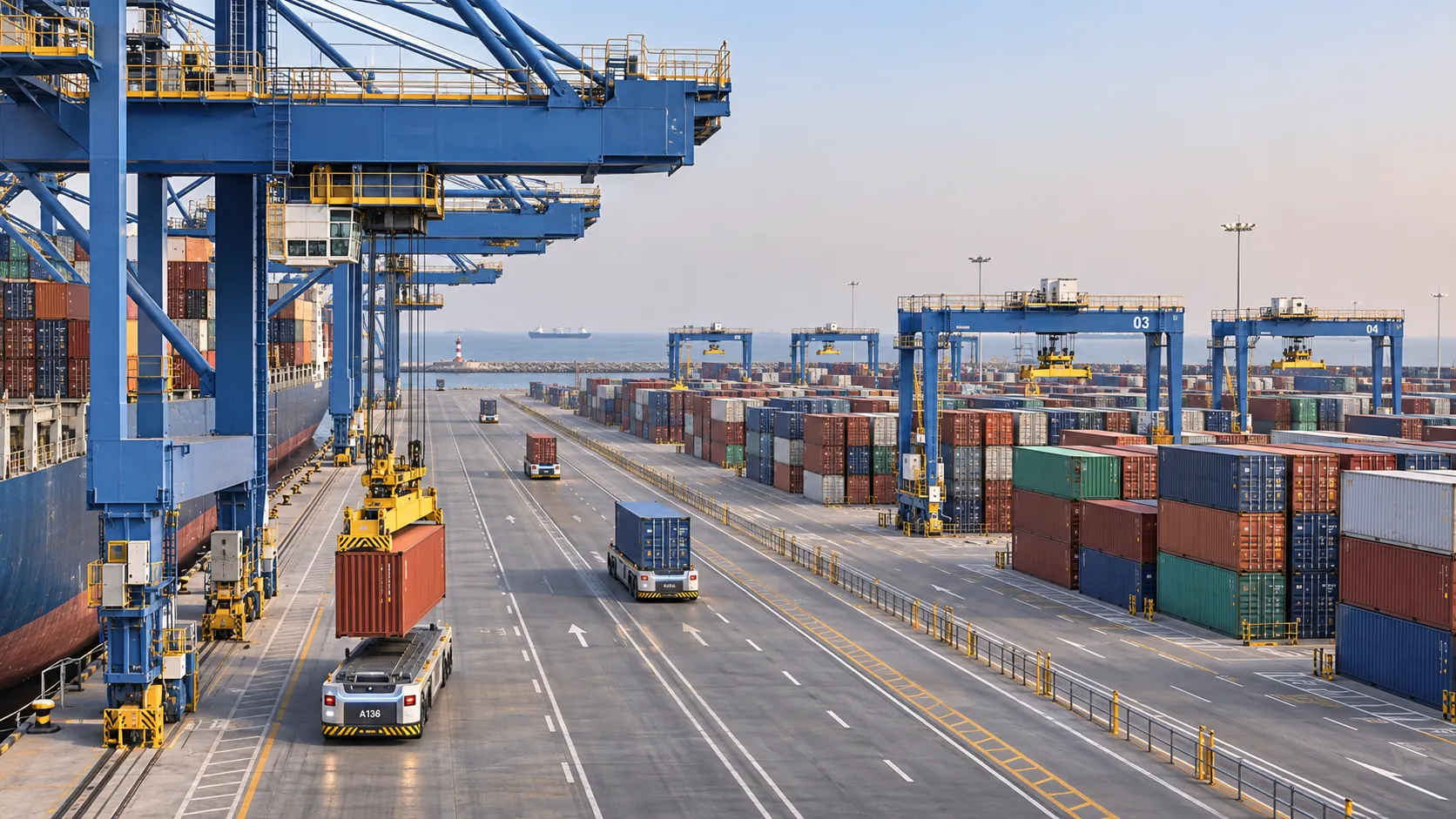
Automated Port Equipment: Choosing Cranes and Vehicles for Container Terminals
Choose automated gear for ports with confidence. Compare cranes, vehicles and control systems to improve container flow, manage costs and reduce bottlenecks.