
Related News
- 00
0000-00
CE Marking for Bulk Material Handling Equipment: What Documents to Check - 00
0000-00
Choosing Smart Automated Cargo Handling Systems for Warehouse Operations - 00
0000-00
Port Terminal Automation: How Cranes, Vehicles and Control Systems Work Together - 00
0000-00
How Soil Conditions Affect Cutter Suction Dredger Performance - 00
0000-00
Predictive Maintenance in Smart Ports: Reducing Crane Downtime
0000-00
Choosing Smart Automated Cargo Handling Systems for Warehouse Operations
Choose smart automated cargo handling systems by matching measured cargo flows to the capacity, constraints, and recovery requirements of the whole warehouse. A vehicle that moves quickly or a conveyor with a high rated speed can still leave receiving docks congested if handoffs, storage access, or control-system responses limit the flow.
Start with a representative operating profile: load characteristics, peak arrival patterns, travel routes, available space, and service expectations. Then compare equipment combinations against the same workload and define how performance will be verified before acceptance.
Define the cargo and workload before comparing equipment
Record each load’s dimensions, gross weight, center of gravity, base configuration, and condition. A stable pallet with consistent fork openings supports different handling choices from a damaged pallet, an overhanging crate, or a roll that requires a cradle. Include packaging variation and how often loads arrive outside the preferred specification; the exception path can consume more labor and space than expected.
Separate inbound, outbound, replenishment, returns, and internal transfers. For each flow, capture origins, destinations, quantities, and the time window in which work must be completed. A daily average conceals short arrival surges, while a peak recorded at one station can overlap with an entirely different peak elsewhere.
- Load presentation: Orientation, label position, pallet quality, and clearance beneath the load determine whether a vehicle or conveyor can acquire it without intervention.
- Demand distribution: A steady flow supports different capacity assumptions from batches released by truck arrivals or production cycles.
- Handling constraints: Fragile goods, unstable stacks, temperature limits, and hazardous materials can restrict acceleration, storage locations, or permitted routes.
- Exceptions: Quantify unreadable labels, mixed loads, damaged packaging, and manual inspection requirements separately from normal moves.
Use representative transaction records and direct observation together. System logs show recorded movements, but they may omit waiting time, manual corrections, or loads temporarily staged outside designated locations. Resolve these gaps before using the data to size equipment.
Compare handling technologies against the actual route
Automated guided vehicles, autonomous mobile robots, conveyors, and automated storage systems solve different movement problems. The useful comparison is the completed load transfer, including pickup, travel, queuing, drop-off, and the return or repositioning needed for the next job.
Combinations often fit better than a single technology. Fixed conveyors can handle a busy trunk route while mobile equipment serves several storage zones. The transfer point between them then becomes a capacity and reliability constraint: define who releases the load, confirms its position, and clears a failed handoff.
Vehicle speed is not fleet capacity
Estimate cycle time using loaded and empty travel, pickup and drop-off, intersection delays, charging, and dispatch overhead. Divide the required completed moves per hour by the sustainable moves per vehicle, then test the resulting fleet against peak periods and equipment unavailability. This estimate is a starting point; shared routes and queues can make adding vehicles increase congestion rather than throughput.
Pay particular attention to dock doors, narrow aisles, lifts, and cross-traffic. A short route through a busy junction can take longer than a longer, separated route. Include buffer positions for vehicles waiting to enter constrained areas, and prevent those queues from blocking emergency exits or other work.
Size the system around flow and bottlenecks
Compare capacity at every handoff using the same unit, such as completed pallet transfers per hour. A conveyor rated by belt speed, a storage system rated by cycles, and a fleet rated by vehicle count cannot be compared directly. Convert each rating to completed loads under the proposed operating conditions, including required spacing, load handling time, and access constraints.
The limiting point can move during the shift. Receiving may be constrained by unloading in the morning and by storage putaway later; outbound demand can then compete for the same vehicle fleet. Model overlapping flows and realistic arrival sequences rather than adding isolated peak figures or assuming that every station runs continuously at its nominal rate.
Buffers absorb short imbalances, but they do not repair a sustained capacity deficit. Specify their usable positions, permitted load types, and release rules. A full buffer at a receiving station may indicate insufficient downstream storage access; an empty outbound buffer may instead point to delayed order release, picking, or replenishment. These conditions require different remedies despite producing the same missed dispatch window.
Use simulation when interactions among routes, queues, and schedules are too complex for a simple calculation. Validate the model against observed travel and handling times, include exceptional loads, and test sensitivity to changes in volume and product mix. A simulation based only on ideal equipment rates can reproduce its assumptions with impressive precision while missing the real constraint.
Fit equipment to the warehouse and its load interfaces
Survey aisle widths, turning clearances, floor flatness and condition, slopes, door thresholds, ceiling obstructions, and available power. Include the swept envelope of a loaded vehicle, not just its chassis dimensions. Racking legs, protruding pallets, fire doors, and temporary staging areas can narrow a route after installation.
At each pickup and drop-off point, define load height, position tolerance, orientation, support surface, and clearance for forks or conveyors. A load that is acceptable for manual handling can fail automated acquisition if its pallet is skewed or its entry openings are damaged. Decide where misaligned or nonconforming loads are detected and where they go next.
Wireless coverage and navigation references also need a site survey under operating conditions. Racking contents, moving loads, and metal structures can change the environment seen by communication and positioning systems. Test coverage at floor level and along routes, including congested areas, charging stations, and transitions through doors.
Specify controls, data ownership, and recovery behavior
A warehouse management system commonly owns inventory and order information, while an equipment control layer coordinates tasks and communicates with vehicles, conveyors, scanners, and storage machines. Define the boundary explicitly: which system creates a move, reserves a destination, confirms completion, and updates inventory location?
For every interface, document message content, identifiers, acknowledgments, timeouts, and retry behavior. A repeated command after a network interruption must not create a duplicate move. Likewise, a reported task completion should be reconciled with the physical load location before inventory is released for the next operation.
- A barcode read failure needs a defined diversion or hold point, a way to identify the load, and a controlled process for returning it to the flow.
- If a vehicle stops with a load, record its last confirmed position, whether the load remains secure, and how another device or operator can recover it.
- When a destination is blocked, dispatch logic should avoid sending additional work into the same queue without an available buffer.
- After a control-system restart, reconcile active tasks, equipment state, and inventory records before resuming automatic releases.
Ask for access to operational data at a useful level of detail: task timestamps, travel and waiting time, fault codes, battery events, and manual interventions. Confirm retention, export methods, and access permissions. Without these records, a low completed-move rate can be difficult to distinguish from a shortage of released work, a blocked destination, or equipment downtime.
Address safety and mixed traffic during layout design
Map where people, forklifts, automated vehicles, and loads share space. Define pedestrian crossings, visibility at blind corners, speed controls, protective sensing, emergency stops, and procedures for entering restricted areas. The safety design must reflect the complete installation and applicable local requirements, including attachments and carried loads.
Protective stops affect throughput as well as safety. Frequent stops at a crossing can result from normal pedestrian traffic, poor sightlines, or unsuitable sensor coverage; increasing vehicle speed does not resolve the cause. Observe the location and duration of stops, then assess whether segregation, a crossing redesign, or revised traffic rules addresses the underlying interaction.
Include maintenance and recovery in the risk assessment. A technician clearing a jam, charging a battery, or retrieving a stranded pallet faces different hazards from normal automatic operation. Specify isolation procedures, safe access, and the conditions required before equipment can restart.
Evaluate lifecycle cost and future capacity together
Compare alternatives over a consistent planning period using equipment, installation, building modifications, integration, training, maintenance, software, energy, spare parts, and expected replacement costs. Include the cost of handling exceptions and running the operation during planned maintenance. Keep assumptions visible: a design that appears inexpensive at low volume can require substantial additional infrastructure when throughput rises.
Charging or battery exchange affects both energy planning and fleet availability. Space, electrical capacity, battery handling, and charging schedules must support the intended duty cycle. A fleet sized only for travel time can fall short when several vehicles need charging during the same busy window.
For expansion, distinguish between adding equipment and adding usable capacity. Extra vehicles need route space and access to shared pickup points; extra storage positions need sufficient retrieval and transfer capacity. Define the volume or process change that triggers expansion, the infrastructure reserved for it, and any control-system or licensing limits that must be resolved first.
Turn requirements into an acceptance test
Write acceptance criteria around completed work under a defined workload, not isolated equipment demonstrations. Specify the load mix, operating hours, starting inventory, arrival pattern, staffing assumptions, and measurement boundaries. Record both throughput and the work left in queues at the end of the test; a system can appear productive while accumulating unfinished transfers.
Include representative faults and recovery scenarios, such as an unreadable label, a blocked destination, a stopped vehicle, and a communications interruption. Establish who initiates recovery, what data must remain consistent, and how normal operation resumes. Test safety functions according to the installation’s approved procedures.
Before handover, agree on the performance evidence, fault logs, documentation, training, spare parts, and unresolved defects required for acceptance. A defined observation period under real operating conditions helps expose congestion and exception patterns that a short demonstration can miss.
Have questions about the global trade trends discussed here, or planning your expansion and supply chain strategy? Leave a message below and let the trade experts at PS-Nexus guide you.
We respect your privacy. Your information is strictly confidential.
Related News

Shipping Rate Analytics for Ports: How to Forecast Cargo Demand
Shipping rate analytics for ports helps you forecast cargo demand, distinguish price signals from capacity shifts, and make smarter terminal investment decisions.
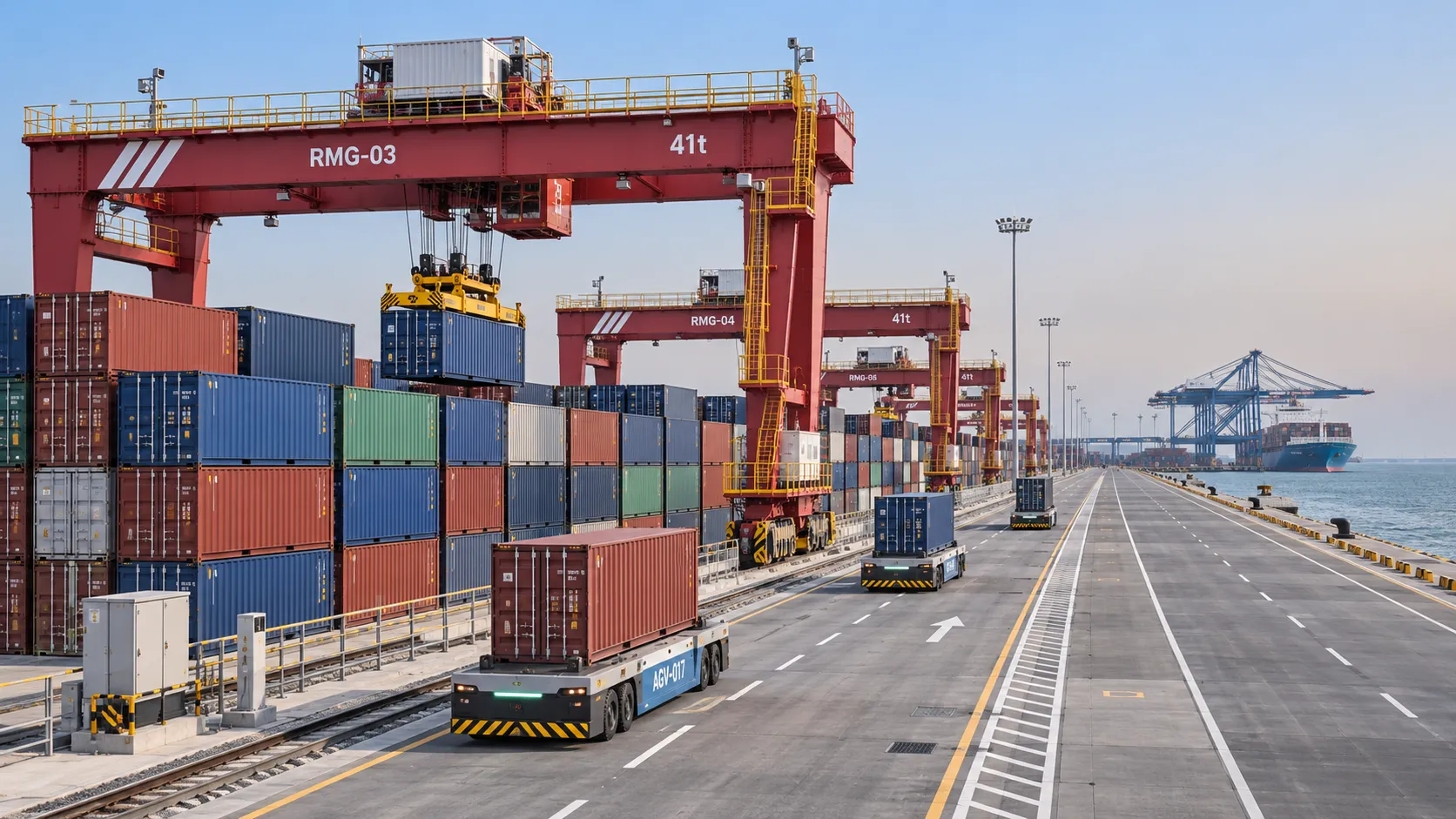
Automated Port Systems Cost: Installation and Operating Expenses
Explore automated port systems cost, from installation and integration to operating expenses. Compare lifecycle costs and make a confident investment decision.

Coastal Economics Standards: How to Value Coastal Ecosystems
Explore coastal economics standards and learn how to value ecosystem services, compare infrastructure options, and make defensible decisions.
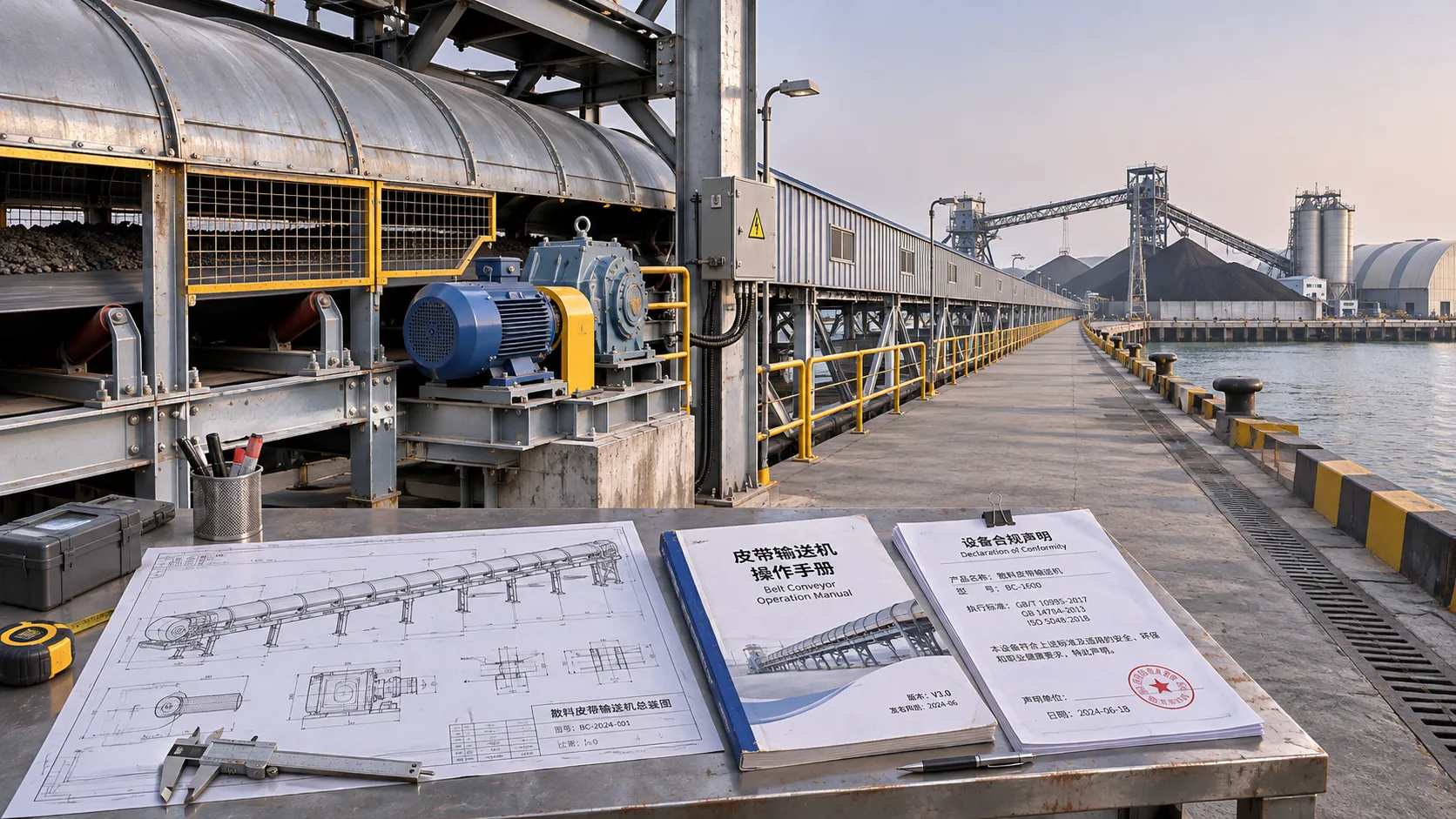
CE Marking for Bulk Material Handling Equipment: What Documents to Check
Bulk material handling CE certified? Discover which declarations, risk assessments and manuals to check before accepting equipment.
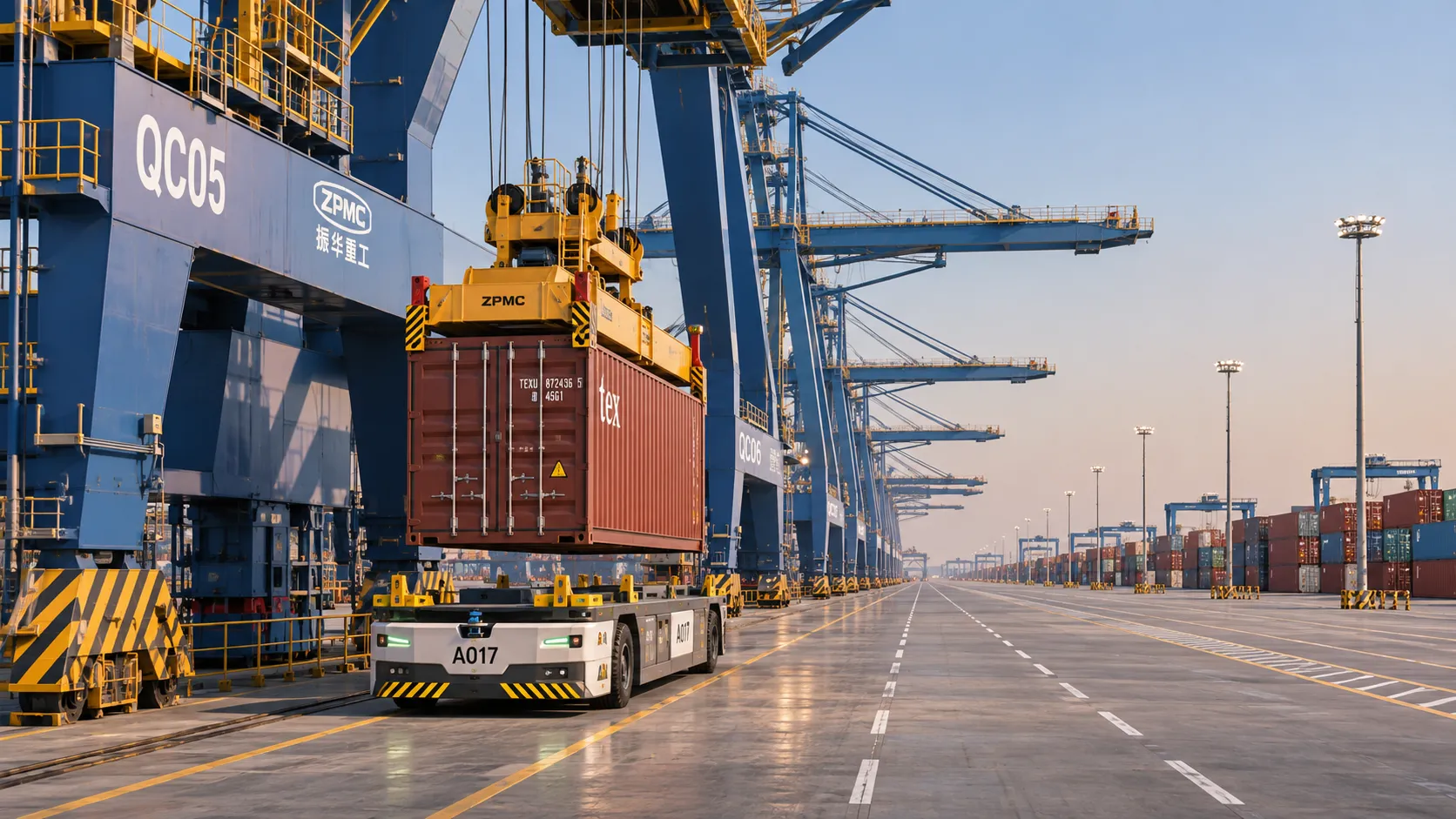
Port Terminal Automation: How Cranes, Vehicles and Control Systems Work Together
Discover how terminal automation technology for ports connects cranes, vehicles and control systems to improve coordination, safety and operational flow.
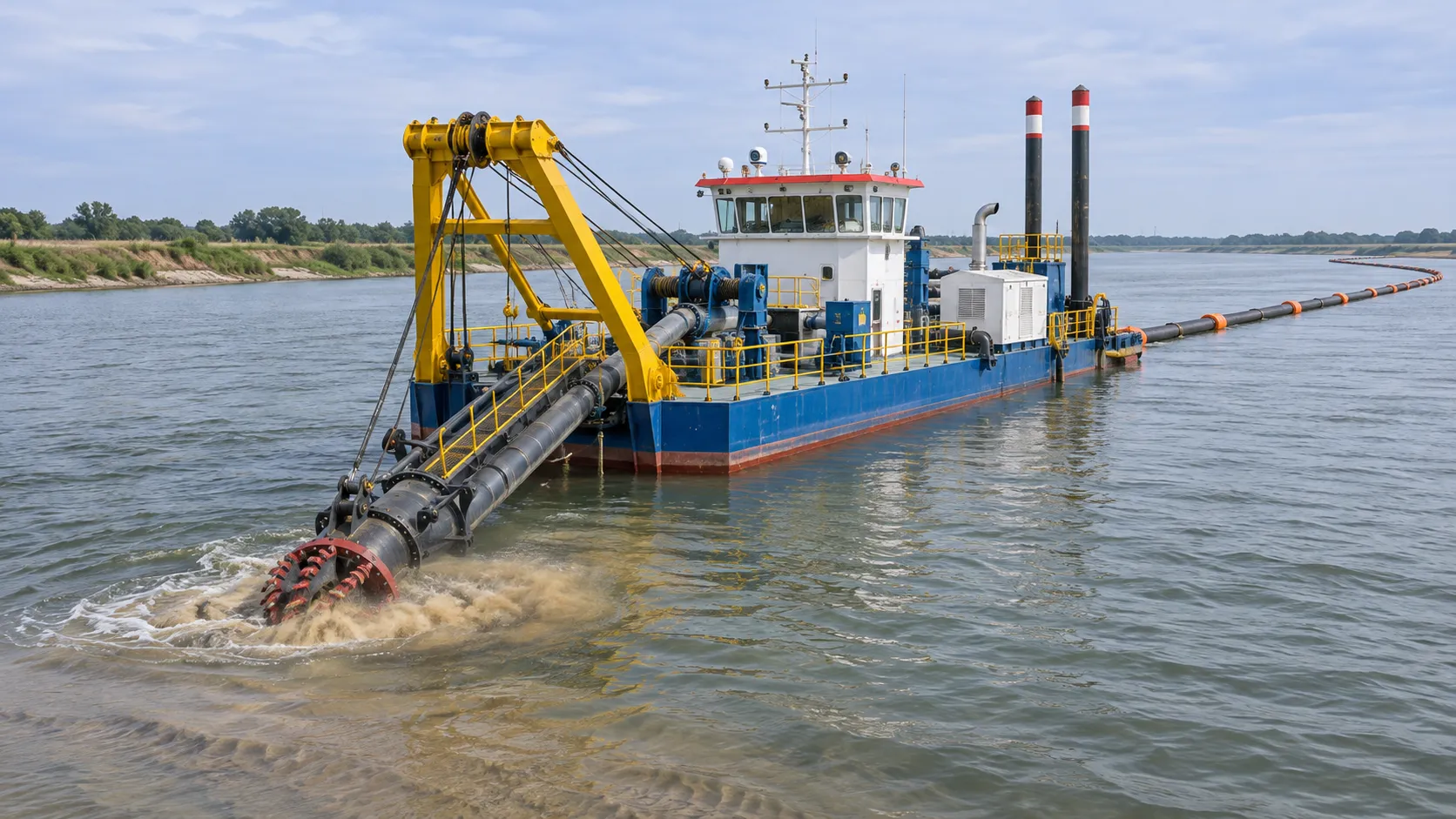
How Soil Conditions Affect Cutter Suction Dredger Performance
Explore the cutter suction dredger range and learn how soil, rock and pipeline conditions affect performance. Compare equipment with confidence.
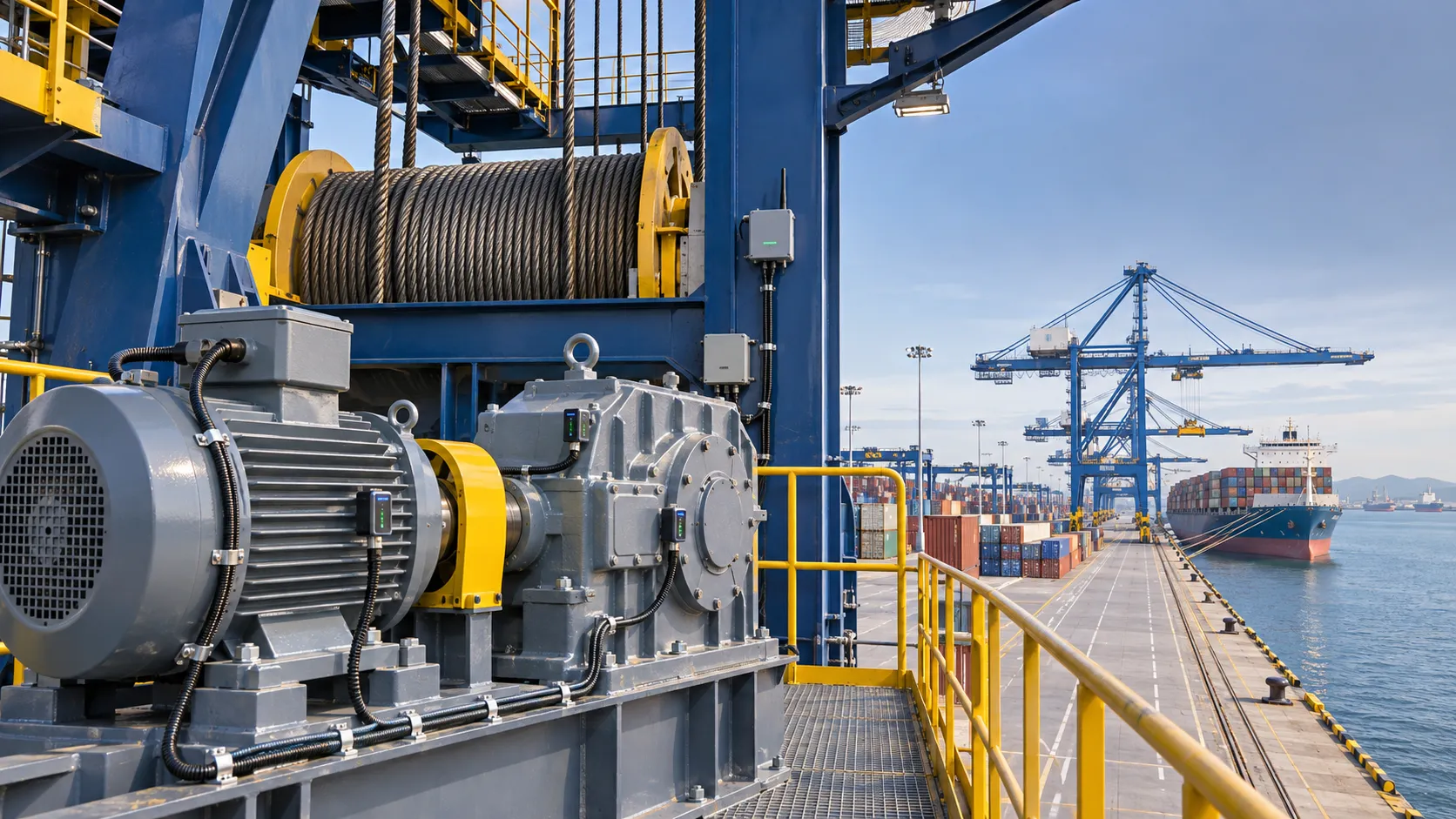
Predictive Maintenance in Smart Ports: Reducing Crane Downtime
Discover how smart port systems predictive maintenance can reduce crane downtime through condition monitoring, actionable alerts, and better terminal planning.

Choosing Marine Logistics Solutions for Container Shipping: Key Criteria
Compare marine logistics solutions for container shipping by route reliability, total cost, visibility, and disruption response. Find the right fit for your cargo.
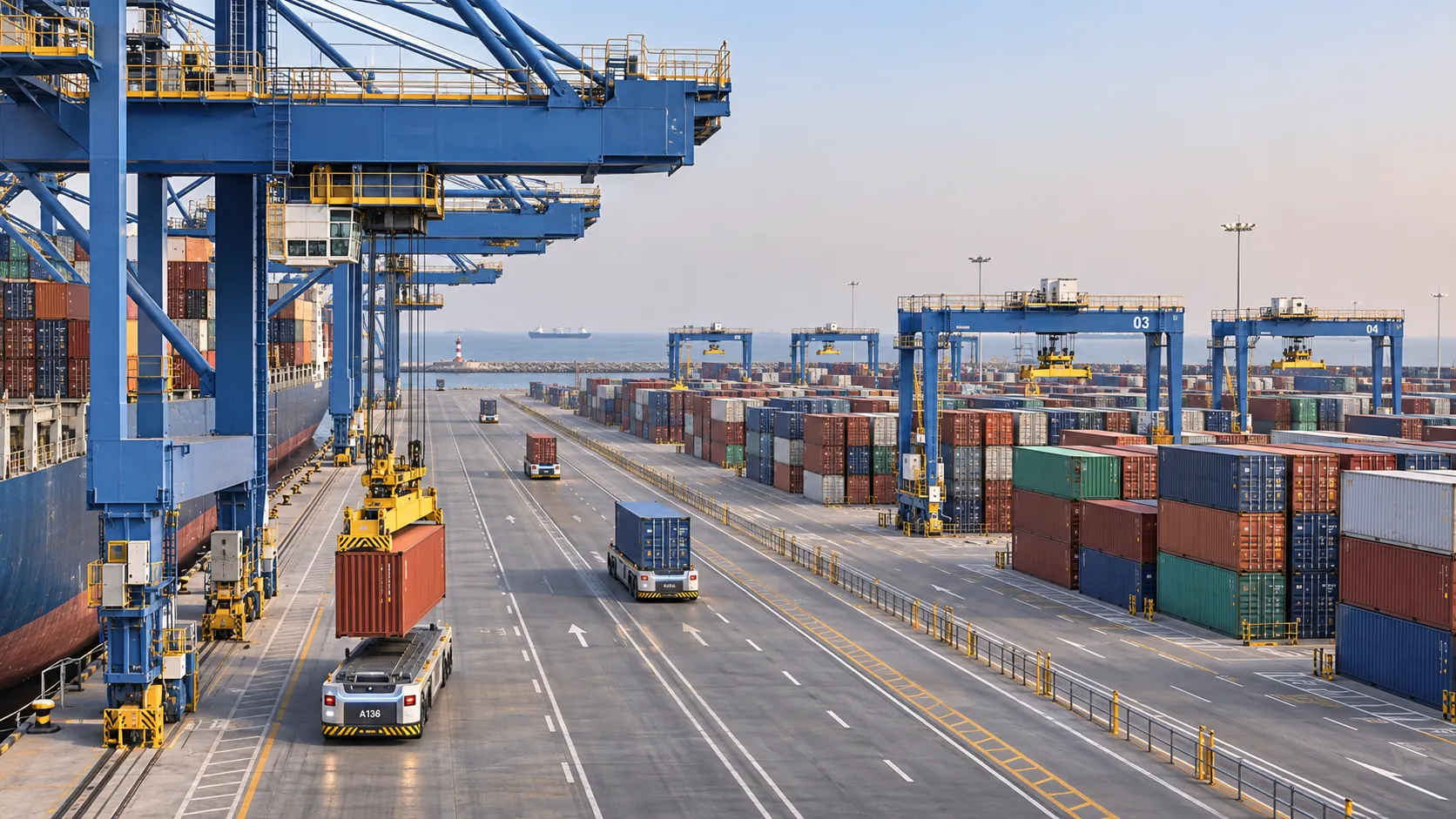
Automated Port Equipment: Choosing Cranes and Vehicles for Container Terminals
Choose automated gear for ports with confidence. Compare cranes, vehicles and control systems to improve container flow, manage costs and reduce bottlenecks.