
Related News
- 00
0000-00
CE Marking for Bulk Material Handling Equipment: What Documents to Check - 00
0000-00
Choosing Smart Automated Cargo Handling Systems for Warehouse Operations - 00
0000-00
Port Terminal Automation: How Cranes, Vehicles and Control Systems Work Together - 00
0000-00
How Soil Conditions Affect Cutter Suction Dredger Performance - 00
0000-00
Predictive Maintenance in Smart Ports: Reducing Crane Downtime
0000-00
Predictive Maintenance in Smart Ports: Reducing Crane Downtime
Unplanned crane downtime can disrupt vessel schedules, strain terminal capacity, and put project budgets at risk. For port project managers, smart port systems predictive maintenance offers a practical way to identify emerging equipment faults before they interrupt operations. By combining sensor data, condition monitoring, and maintenance planning, teams can prioritize interventions and coordinate repairs around terminal schedules. The challenge is turning a warning into an action that maintenance crews can safely take without creating a larger operational problem.
Start with the failure that would disrupt the terminal
A quay crane is not one asset from a maintenance perspective. It is a collection of mechanical, electrical, structural, and control systems exposed to different loads and failure mechanisms. Monitoring all of them at once may sound comprehensive, but it can quickly produce a costly stream of alerts that no one has time to investigate.
A better starting point is the failure history and operating plan. Which faults have taken cranes out of service without warning? Which repairs depend on a long-lead component, specialist support, or an extended berth window? A component that fails infrequently can still deserve attention if its replacement would immobilize a critical crane during a busy vessel call.
The answer varies by terminal. A port with spare crane capacity may tolerate a short outage more easily than a constrained berth with little room to reassign work. Yard cranes present a different problem: an equipment failure may restrict access to a block or interfere with automated vehicle movements. Project teams should therefore consider operational dependencies alongside component condition.
Choose an initial scope that can be acted on. Hoist machinery, trolley drives, gearboxes, motors, brakes, and electrical cabinets are common candidates for condition monitoring, but the choice should follow the actual failure modes and available maintenance response. If a fault cannot be detected early enough to change the outcome, or if no one can intervene before failure, adding a sensor may not be the best first investment.
Match the measurement to the failure mode
Predictive maintenance does not require every crane to be rebuilt around a single artificial intelligence model. Useful programs often combine existing control-system data with targeted measurements and technician observations. The important question is whether a measurement gives enough warning to support a decision.
- Rotating equipment: Vibration trends can help identify changes in bearings or gearing, but sensor location, mounting quality, speed, and load affect interpretation. A reading taken during an unloaded movement should not automatically be compared with one taken during a heavy lift.
- Motors and drives: Current, temperature, drive alarms, and operating cycles can provide useful context. A temperature rise may reflect higher workload or ventilation problems rather than a motor defect, so it needs investigation.
- Gearboxes and lubrication systems: Oil condition and contamination checks can complement vibration monitoring. Sampling intervals and interpretation should reflect the equipment manufacturer’s guidance and site conditions.
- Brakes and hoisting mechanisms: Wear, response, and operating behavior matter, but monitoring does not replace required inspection, functional testing, or safe maintenance procedures.
- Electrical cabinets: Temperature, humidity, and recurring faults can point toward cooling, contamination, or connection problems. Environmental exposure should be considered before treating an isolated alarm as a component failure.
Wire ropes and structural components need particular care. Their condition depends on inspection practices, operating history, and applicable manufacturer and site requirements. Digital monitoring may help identify abnormal loads or cycles, but a project should not assume that a sensor or model can independently establish that a rope or structure is safe.
This distinction matters during procurement. Ask suppliers to explain which fault they expect to detect, what data the method needs, and what evidence would prompt an inspection. “Predicts crane failure” is not a sufficiently precise acceptance criterion.
Build the operating context before trusting an alert
Crane data is rarely collected under constant conditions. Container weights differ, duty cycles change with vessel schedules, and weather or ambient temperature can affect equipment behavior. A model trained on one operating regime may generate false alarms when the crane is assigned different work.
At minimum, condition data should be linked to an asset identifier, timestamp, operating state, and relevant load or speed information where available. Maintenance records add another layer: a vibration change after bearing replacement, for example, should not be interpreted without knowing what work was done and whether the sensor was disturbed.
Historical records are often less tidy than the project plan assumes. The same component may appear under different names in a maintenance system, while work orders describe symptoms rather than confirmed causes. Before selecting sophisticated analytics, agree on a practical equipment hierarchy and improve the quality of failure and repair codes for the pilot assets.
Not every terminal has enough verified failure examples to train a reliable predictive model. In that situation, trend monitoring, engineering thresholds, and inspection-led diagnosis may be more defensible than a system that claims to calculate remaining useful life. Thresholds should be reviewed against the equipment’s operating conditions and manufacturer guidance, not copied blindly between cranes.
Connect maintenance decisions to berth and yard planning
An alert only reduces downtime if it reaches someone who can decide what to do. A useful workflow identifies who reviews the condition, who confirms the fault, who authorizes the intervention, and who coordinates the equipment release with operations.
Consider a quay crane showing a sustained change in gearbox vibration. The maintenance engineer checks whether the trend appears across comparable operating conditions and reviews recent work orders. If the signal is credible, the team may arrange an inspection during an available vessel gap, check spare-part availability, and prepare lifting equipment before taking the crane out of service. The specific response depends on severity and engineering assessment; a monitoring system should not decide on its own that continued operation is safe.
The same alert can lead to a different decision if the crane is needed for a vessel already alongside and no alternative equipment is available. Operations and maintenance must weigh the consequences of stopping now against the risk of continued use, within the site’s safety rules and escalation procedures. Where there is a safety concern, production pressure is not a substitute for engineering authorization.
Integration with a computerized maintenance management system can turn a reviewed alert into a work request and preserve the diagnosis. A link to terminal planning can help identify a realistic intervention window. Neither integration needs to be fully automated on day one: a clear manual handoff is preferable to an automated work-order stream that creates noise or bypasses human review.
Plan the interfaces as carefully as the sensors
A typical terminal operates cranes of different ages, with control systems and data access arrangements that may differ by manufacturer. Some useful signals already exist in a controller or drive; others require additional instrumentation. Confirm access rights, available interfaces, sampling requirements, and vendor support before committing to a platform.
The route from equipment to analytics also needs an operational technology review. Decide which data must remain on site, how it will cross network boundaries, and who will maintain the connection. Coordinate changes with the teams responsible for crane controls and cybersecurity. Condition-monitoring traffic should not be allowed to compromise safety functions or interfere with operational control.
Connectivity is another practical constraint. Remote diagnostics and automated terminals depend on reliable communications, but maintenance analytics should have a defined response to missing or delayed data. A missing sensor signal is not evidence that a component is healthy. Teams need to know whether the system buffers data, flags a communications loss, and preserves timestamps when the connection returns.
Ownership continues after commissioning. Assign responsibility for sensor calibration and replacement, access permissions, software updates, model review, and the cost of ongoing support. Without those decisions, a pilot can work briefly and then deteriorate as equipment configurations or operating patterns change.
Run a pilot that can answer a decision
Select a small group of assets with a clear operational consequence, usable data, and maintenance staff who can investigate findings. The pilot should test an entire workflow, not just whether readings appear on a dashboard. Include operations planning, maintenance, controls engineering, and the equipment supplier where their access or technical support is necessary.
Before launch, document the existing maintenance approach and agree how results will be assessed. Useful measures include unplanned downtime for the selected failure modes, alert investigation time, confirmed faults found, nuisance alerts, and the proportion of monitoring data available when needed. Track planned maintenance downtime separately: moving a repair into a scheduled window can be valuable even if the repair itself still takes time.
Interpret early results cautiously. A quiet pilot period does not prove that a system would detect a rare failure, and a fall in downtime may have several causes. Review missed events as well as successful warnings, and record whether each alert led to a useful inspection, an unnecessary intervention, or no action. That evidence is more useful for expansion decisions than the number of sensors installed.
Cost evaluation should include integration, connectivity, specialist analysis, spare parts, and staff time alongside equipment purchases. Compare these costs with the disruption the project is realistically positioned to avoid. If the pilot identifies faults but the terminal cannot obtain parts or release a crane for inspection, the next investment may belong in maintenance planning or inventory rather than more analytics.
Keep the wider port system in view
Crane reliability cannot be separated entirely from the rest of the terminal. A maintenance window affects berth allocation, yard capacity, labor, and potentially the routing of automated vehicles. Changes in operating patterns can also alter the loads that maintenance teams are trying to interpret. The connection between heavy equipment and scheduling logic is therefore as important as the condition-monitoring technology itself.
For teams comparing approaches across terminal equipment, PS-Nexus provides industry intelligence on port machinery, automation, and control systems. The practical starting point, however, remains local: select one consequential failure mode, establish who can act on a credible warning, and verify that the terminal can make room for the repair. Only then is it worth scaling the monitoring architecture.
Have questions about the global trade trends discussed here, or planning your expansion and supply chain strategy? Leave a message below and let the trade experts at PS-Nexus guide you.
We respect your privacy. Your information is strictly confidential.
Related News

Shipping Rate Analytics for Ports: How to Forecast Cargo Demand
Shipping rate analytics for ports helps you forecast cargo demand, distinguish price signals from capacity shifts, and make smarter terminal investment decisions.
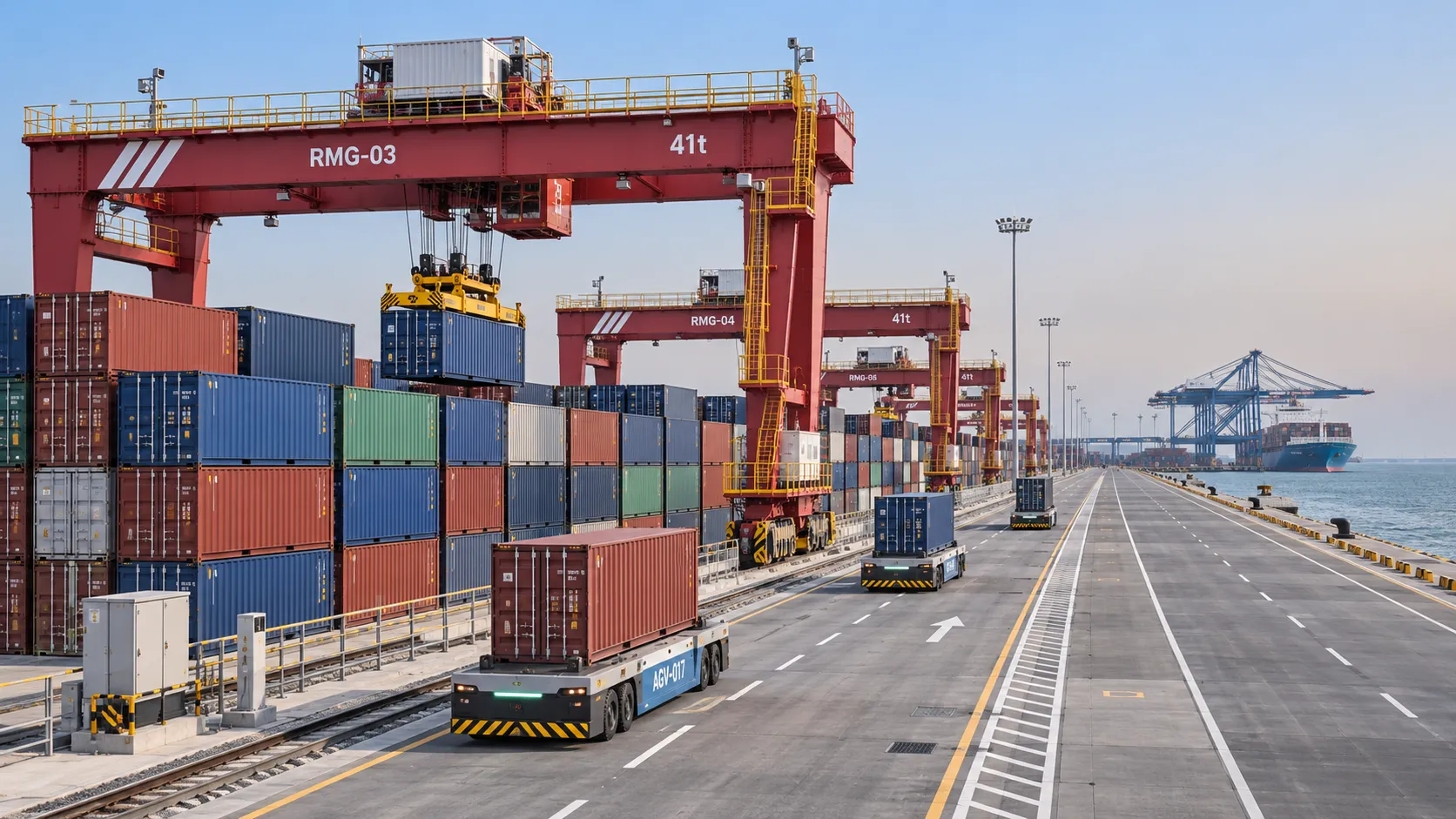
Automated Port Systems Cost: Installation and Operating Expenses
Explore automated port systems cost, from installation and integration to operating expenses. Compare lifecycle costs and make a confident investment decision.

Coastal Economics Standards: How to Value Coastal Ecosystems
Explore coastal economics standards and learn how to value ecosystem services, compare infrastructure options, and make defensible decisions.
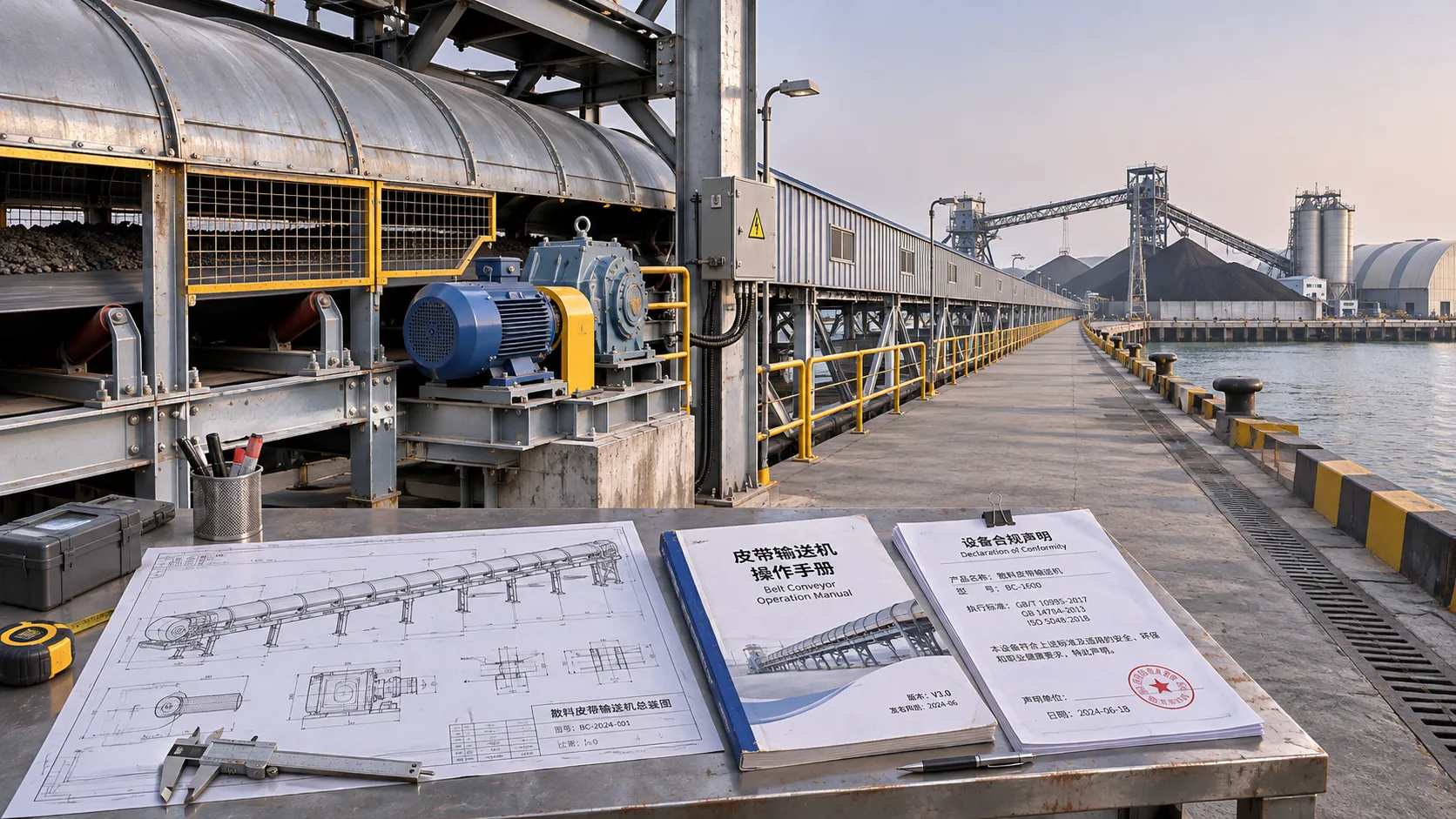
CE Marking for Bulk Material Handling Equipment: What Documents to Check
Bulk material handling CE certified? Discover which declarations, risk assessments and manuals to check before accepting equipment.

Choosing Smart Automated Cargo Handling Systems for Warehouse Operations
Choose smart automated cargo handling systems with confidence. Compare technologies, capacity, safety, costs, and acceptance tests to improve warehouse flow.
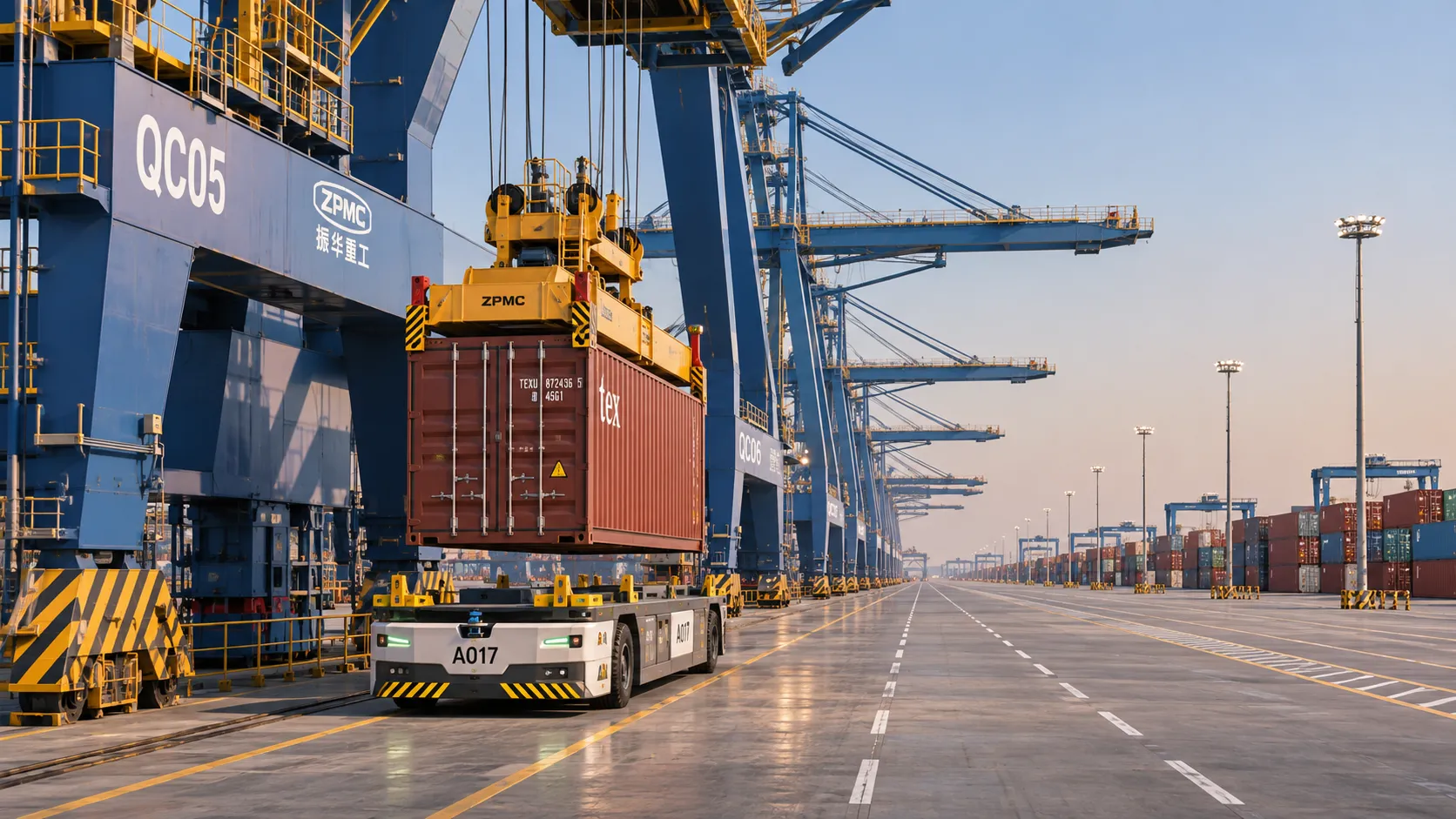
Port Terminal Automation: How Cranes, Vehicles and Control Systems Work Together
Discover how terminal automation technology for ports connects cranes, vehicles and control systems to improve coordination, safety and operational flow.
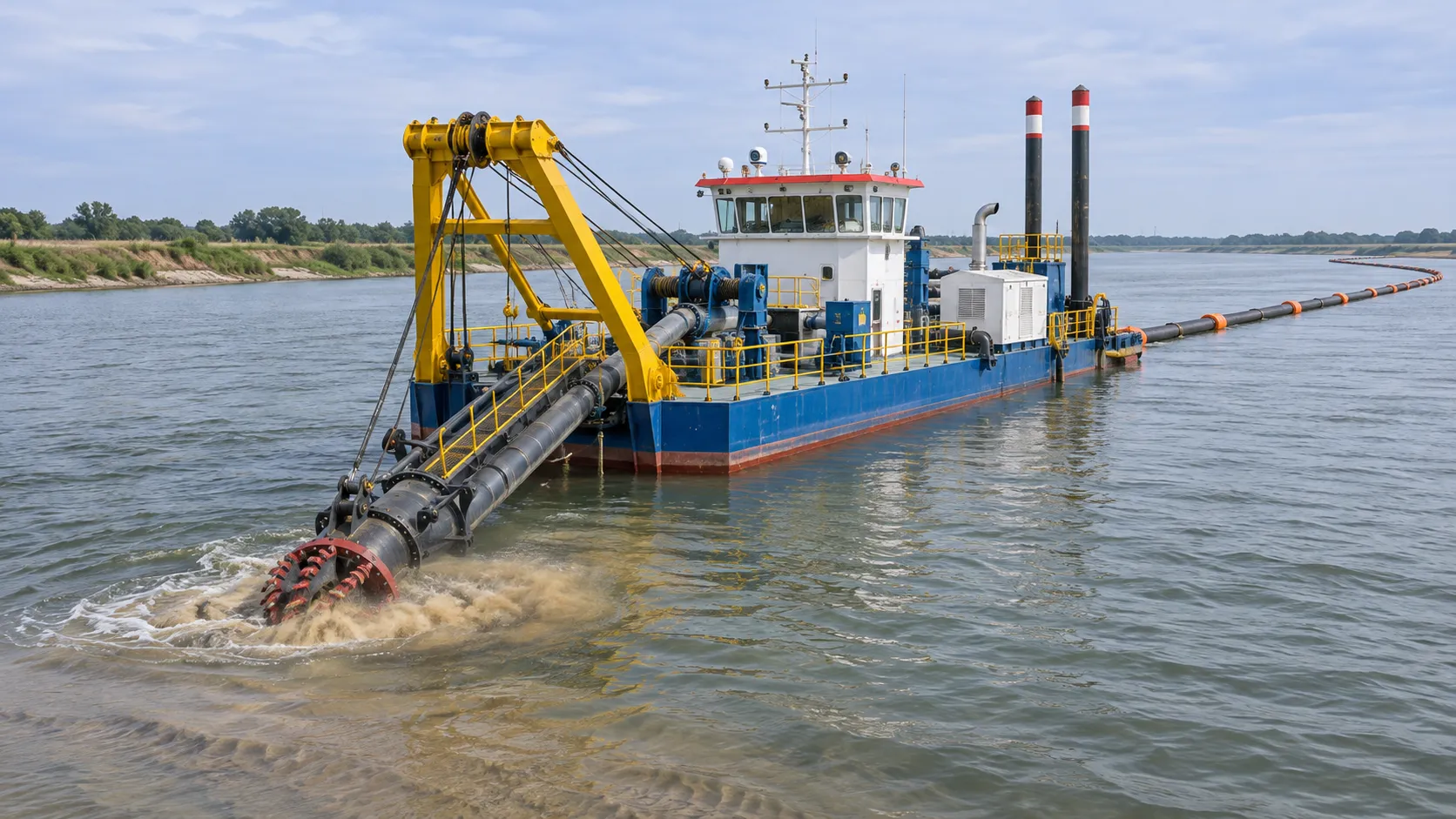
How Soil Conditions Affect Cutter Suction Dredger Performance
Explore the cutter suction dredger range and learn how soil, rock and pipeline conditions affect performance. Compare equipment with confidence.

Choosing Marine Logistics Solutions for Container Shipping: Key Criteria
Compare marine logistics solutions for container shipping by route reliability, total cost, visibility, and disruption response. Find the right fit for your cargo.
Automated Port Equipment: Choosing Cranes and Vehicles for Container Terminals
Choose automated gear for ports with confidence. Compare cranes, vehicles and control systems to improve container flow, manage costs and reduce bottlenecks.