Related News
- 00
0000-00
Shipping Rate Analytics for Ports: How to Forecast Cargo Demand - 00
0000-00
Automated Port Systems Cost: Installation and Operating Expenses - 00
0000-00
Choosing Marine Logistics Solutions for Container Shipping: Key Criteria - 00
0000-00
Global Shipping Rates for Importers: Comparing Freight Quotes and Fees - 00
0000-00
Terminal Efficiency Benchmarking: KPIs for Comparing Container Terminals
0000-00
Automated Port Systems Cost: Installation and Operating Expenses
Understanding automated port systems cost means looking beyond the purchase price of cranes, vehicles, and software. For a procurement team, the more consequential question is what it will cost to install, integrate, operate, and eventually replace those systems while keeping the terminal productive.
A useful comparison starts with the operating scenario: which container moves will be automated, what infrastructure is already available, and which performance outcomes the terminal needs. This guide breaks down the expenses to include, the assumptions to challenge, and the contract provisions that make competing bids easier to compare.
Define the purchase before comparing automated port systems costs
“Port automation” can describe anything from a remotely operated crane to a coordinated system of automated stacking cranes, automated guided vehicles, and terminal operating software. Prices are not directly comparable unless the scope and operating conditions are comparable too.
Before requesting a detailed quotation, establish a baseline for container volumes and expected peak demand, yard layout, equipment condition, working hours, and the existing terminal operating system (TOS). Distinguish between automation of an individual asset and automation of the workflow around it. A crane may perform automated movements, for example, while exception handling, truck interactions, and equipment dispatch still require human intervention.
Ask each bidder to identify inclusions, exclusions, assumptions, and dependencies against the same scope document. A lower equipment quote may simply leave grid upgrades or software integration for the terminal to procure separately.
Installation expenses: budget for the complete working system
Equipment and site preparation
Capital expenditure may include new automated equipment or the retrofit of existing cranes and vehicles with controllers, sensors, positioning systems, and safety devices. Retrofit is not automatically the cheaper option: the buyer must assess the remaining structural and mechanical life of each asset, access to original design information, and compatibility with new controls.
Site costs depend on the chosen equipment and layout. They can include pavement modification, foundations, cable routes, fencing, lighting, charging or battery-handling facilities, and changes to transfer zones. A design that works well on a clean drawing may be expensive to install around live traffic, underground utilities, or existing crane rails.
For brownfield projects, request a condition survey before fixing the retrofit budget. Record which defects are included in the supplier’s price and which will be handled as separate remedial works.
Power, communications, and control infrastructure
Electrification and automation can change the terminal’s power requirements. Include studies of available capacity, connection works, substations or transformers where needed, distribution equipment, protection systems, and metering. If the solution uses battery-powered vehicles, assess charging demand against the operating schedule rather than relying only on the installed charger rating.
Communications costs extend beyond access points or radios. The design may require network coverage surveys, resilient connections, positioning infrastructure, control-room equipment, monitoring, and cybersecurity controls. Ask suppliers to state the environmental and coverage assumptions behind their designs, including how communications will be maintained around container stacks and moving equipment.
Integration, testing, and commissioning
Integration is often where procurement boundaries become difficult. Equipment controls, fleet management, the TOS, gate systems, and maintenance systems may come from different suppliers. The contract should identify the party responsible for each interface, the required data, testing tools, and the process for resolving defects that cross system boundaries.
Include factory testing where appropriate, site acceptance testing, simulation or emulation, safety validation, and operational trials. Also budget for terminal staff and operational resources needed during testing. A system can pass a component test without demonstrating that the complete terminal workflow works under realistic conditions.
Transition and disruption
Installation in an operating terminal can reduce available yard space or equipment capacity. Account for temporary traffic routes, segregated work areas, shift changes, phased cutovers, and any additional equipment or labor needed to sustain service. These are project costs even when they do not appear on the automation supplier’s invoice.
Operating expenses after handover
The lowest installation bid is not necessarily the lowest-cost system over its useful life. Build an annual operating model that separates supplier charges from costs retained by the terminal.
- Maintenance and spares: Include preventive maintenance, sensor cleaning and calibration, repair labor, specialist callouts, spare parts, and replacement of wear components. Clarify which activities terminal technicians can perform without affecting warranty terms.
- Software and support: Capture license subscriptions or maintenance fees, hosting, monitoring, updates, technical support, and charges for additional interfaces or users. Confirm whether cybersecurity patches and major upgrades are included.
- Energy: Model electricity consumption using expected equipment duty cycles and the terminal’s applicable tariff structure. Include charging losses and demand-related charges where relevant; use supplier estimates as assumptions to validate, not guaranteed savings.
- People and training: Budget for remote operators, maintenance technicians, control-room staff, IT and operational technology personnel, initial training, refresher training, and training for new hires.
- Asset renewal: Allow for batteries where applicable, communications devices, computers, sensors, and control components that may require replacement before the main equipment reaches the end of its life.
Automation may change the composition of the workforce rather than eliminate staffing needs. In particular, include the people required to handle exceptions, recover stopped equipment, maintain safety systems, and support operations outside normal hours.
Calculate lifecycle cost on a consistent basis
A practical total cost of ownership model brings installation, operation, and renewal onto the same timeline. Use the organization’s approved evaluation period and discount rate, and state whether figures are before or after taxes, financing costs, and residual value.
Lifecycle cost = upfront investment + present value of operating and renewal costs + transition costs − present value of residual value.
To compare operating economics, divide the relevant annual costs by the expected number of containers or moves handled, using the same definition for every bid. Keep capital recovery separate or explicitly include it; otherwise, a cost-per-move comparison can be misleading. Avoid counting the same labor savings both as a reduction in operating expenses and as a separate benefit.
Test the model under more than one volume and utilization assumption. Lower throughput can increase cost per move even if the system performs as specified. Conversely, a higher-volume scenario should include the equipment, maintenance, and staffing needed to support it.
As a general procurement reference, the World Bank’s guidance on rated criteria and lifecycle costing discusses evaluating costs beyond the purchase price: World Bank, Procurement Guidance: Rated Criteria, available at https://thedocs.worldbank.org/en/doc/648141479756185650-0290022016/original/ProcurementGuidanceRatedCriteria.pdf. Apply the buyer’s own accounting and procurement rules to the final model.
Turn vendor claims into comparable commitments
Automation proposals often highlight throughput, availability, labor requirements, or energy use. These figures are useful only when their operating conditions are visible. A peak rate achieved in a controlled test is not the same as sustained terminal output across shifts, equipment failures, and varied vessel workloads.
- Issue a common operating case. Provide the same layout, expected workload, working hours, equipment interfaces, and environmental assumptions to each bidder. Ask them to flag any assumptions they have changed.
- Define performance measurements. Specify what is measured, where measurement starts and stops, which interruptions count, and what workload mix applies. Separate equipment availability from end-to-end terminal throughput.
- Require a priced exclusions schedule. Ask for optional prices or estimates for omitted civil works, interfaces, upgrades, training, and support. Identify costs that remain uncertain pending surveys.
- Set acceptance and remedies. Link milestones to documented test results and define retesting, defect correction, and contractual remedies with legal and technical advisers.
- Check support over time. Obtain response and restoration commitments, spare-parts arrangements, software support periods, and a process for managing obsolete components.
Pay attention to data and interface rights. The terminal should understand what operational data it can export, the format and frequency of access, and whether connecting a different supplier’s equipment requires additional licenses or proprietary development. These terms can materially affect future expansion and competitive tendering.
Safety, cybersecurity, and regulatory costs
Safety is part of the system design and procurement budget, not a final inspection item. Include risk assessments, physical segregation, emergency-stop arrangements, procedures for people entering automated areas, and training for abnormal situations. Applicable legal requirements depend on jurisdiction and terminal operations; confirm them with local specialists and the relevant authorities.
For cybersecurity, budget for asset inventories, access control, network segmentation, monitoring, backups, incident response, and the maintenance of secure remote support. The U.S. National Institute of Standards and Technology’s Guide to Operational Technology Security, SP 800-82 Revision 3, provides a reference for managing security in operational technology environments: https://csrc.nist.gov/pubs/sp/800/82/r3/final.
Ask who is responsible for maintaining the risk assessment and security controls after handover. A requirement in a specification has limited value if no party is funded or contractually accountable for keeping it current.
Questions procurement teams should resolve before award
Is retrofitting always less expensive than buying new automated equipment?
No. Retrofit can reuse valuable assets, but its economics depend on equipment condition, remaining life, control-system compatibility, site works, and installation downtime. Compare both options over the same evaluation period, including any earlier replacement that an aging retrofitted asset may require.
How should a buyer handle an uncertain project budget?
Separate firm quotations from allowances and unresolved risks. Maintain a risk register with an owner, potential cost exposure, and a plan to reduce uncertainty through surveys, interface definition, or testing. Set contingency according to the organization’s risk process rather than applying an unsupported universal percentage.
What should trigger the final investment decision?
Look for an agreed scope, a defensible lifecycle-cost comparison, validated site and power assumptions, a feasible transition plan, and measurable acceptance criteria. The preferred supplier should be able to explain not only what its system costs, but also what the terminal must provide for that price and performance to be achievable.
Have questions about the global trade trends discussed here, or planning your expansion and supply chain strategy? Leave a message below and let the trade experts at PS-Nexus guide you.
We respect your privacy. Your information is strictly confidential.
Related News
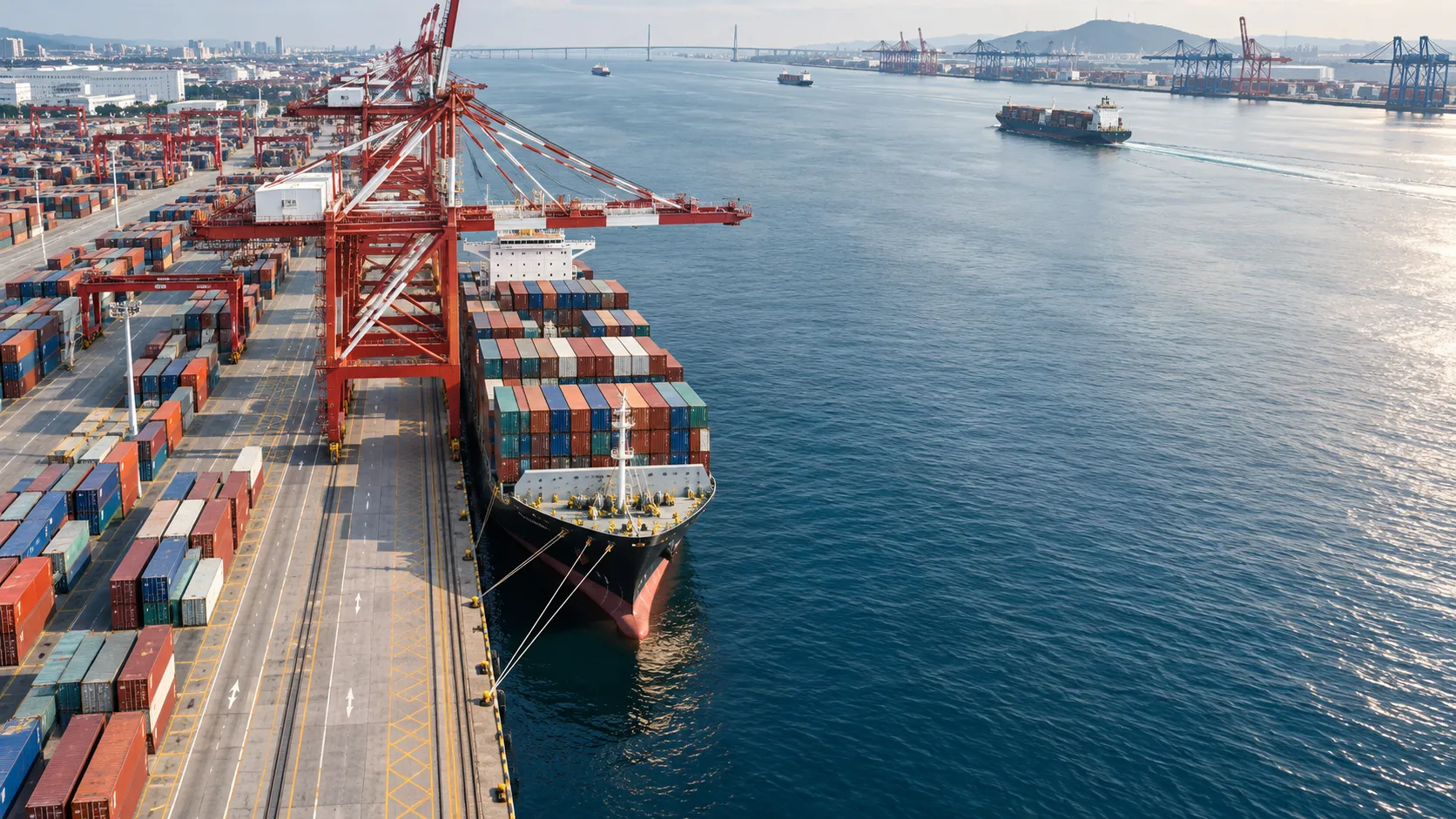
Shipping Rate Analytics for Ports: How to Forecast Cargo Demand
Shipping rate analytics for ports helps you forecast cargo demand, distinguish price signals from capacity shifts, and make smarter terminal investment decisions.

Coastal Economics Standards: How to Value Coastal Ecosystems
Explore coastal economics standards and learn how to value ecosystem services, compare infrastructure options, and make defensible decisions.
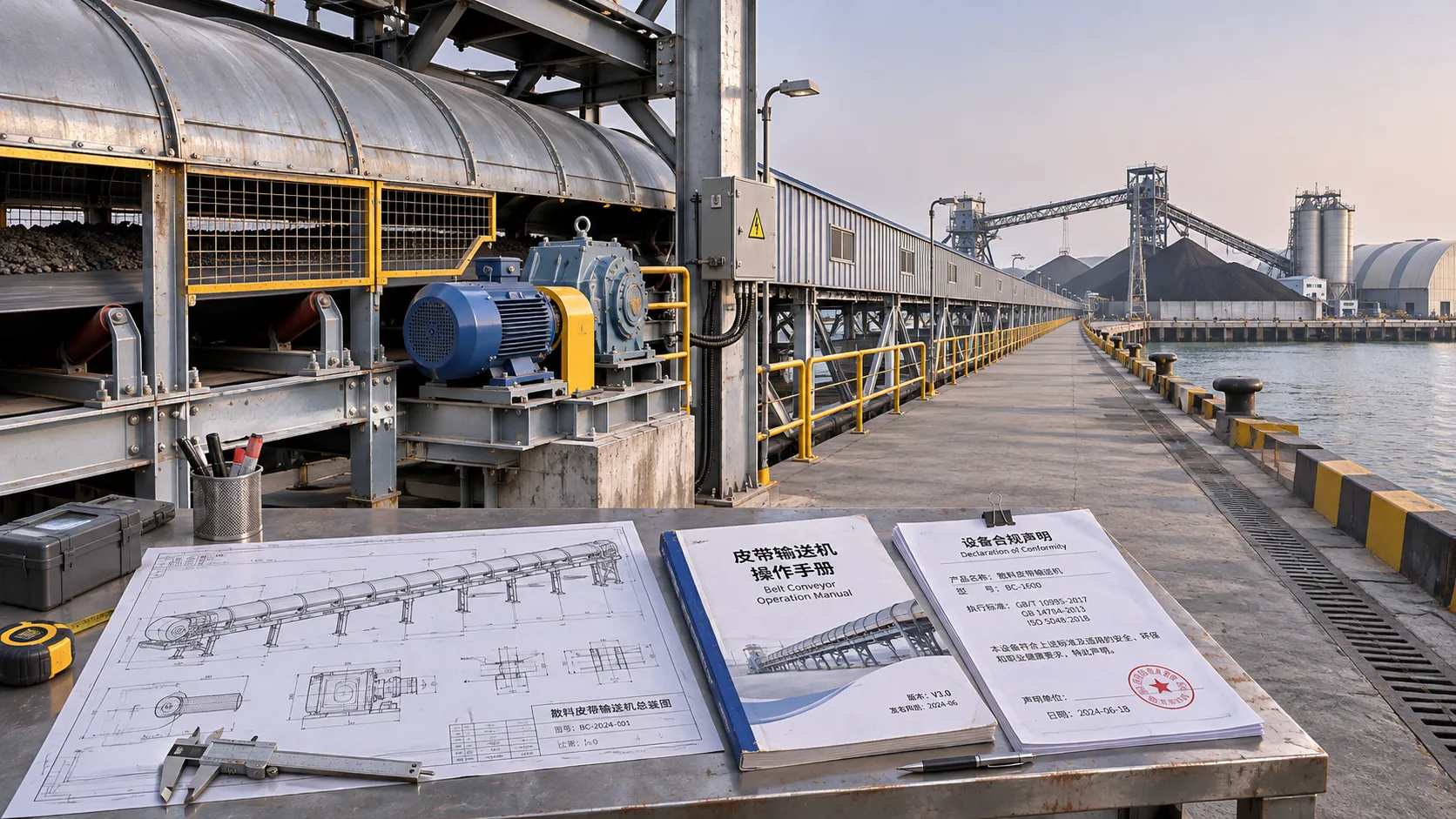
CE Marking for Bulk Material Handling Equipment: What Documents to Check
Bulk material handling CE certified? Discover which declarations, risk assessments and manuals to check before accepting equipment.
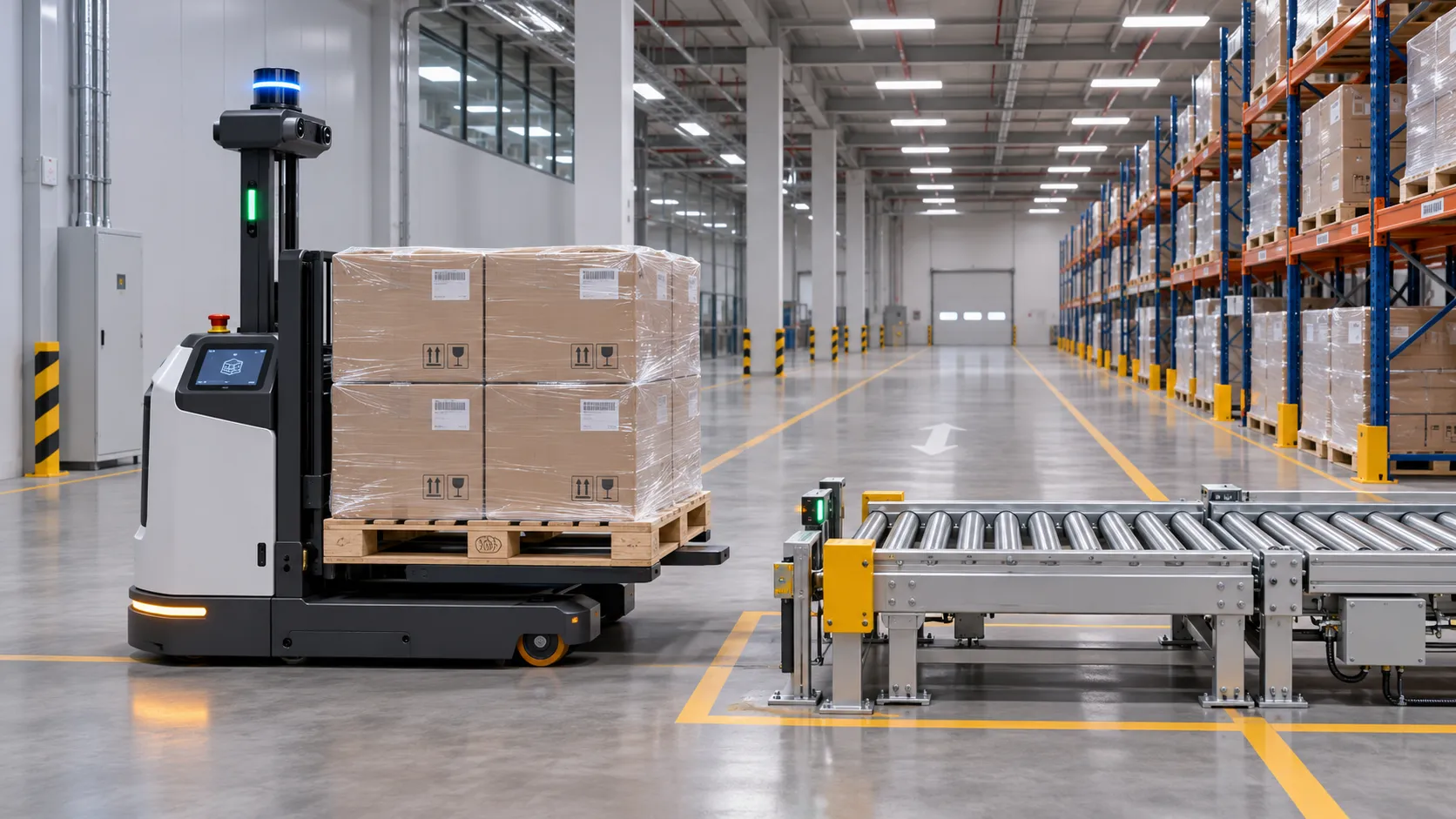
Choosing Smart Automated Cargo Handling Systems for Warehouse Operations
Choose smart automated cargo handling systems with confidence. Compare technologies, capacity, safety, costs, and acceptance tests to improve warehouse flow.
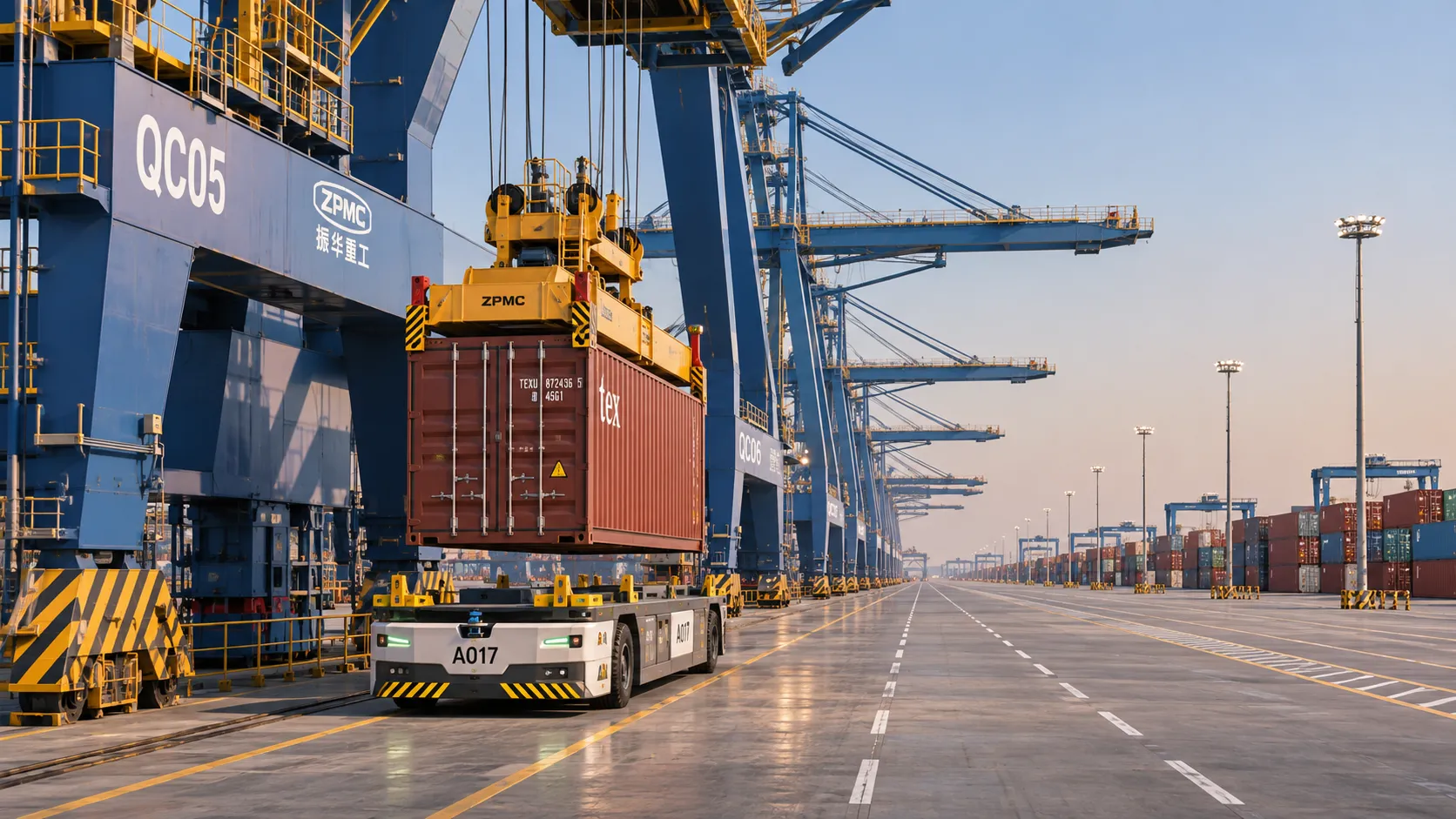
Port Terminal Automation: How Cranes, Vehicles and Control Systems Work Together
Discover how terminal automation technology for ports connects cranes, vehicles and control systems to improve coordination, safety and operational flow.
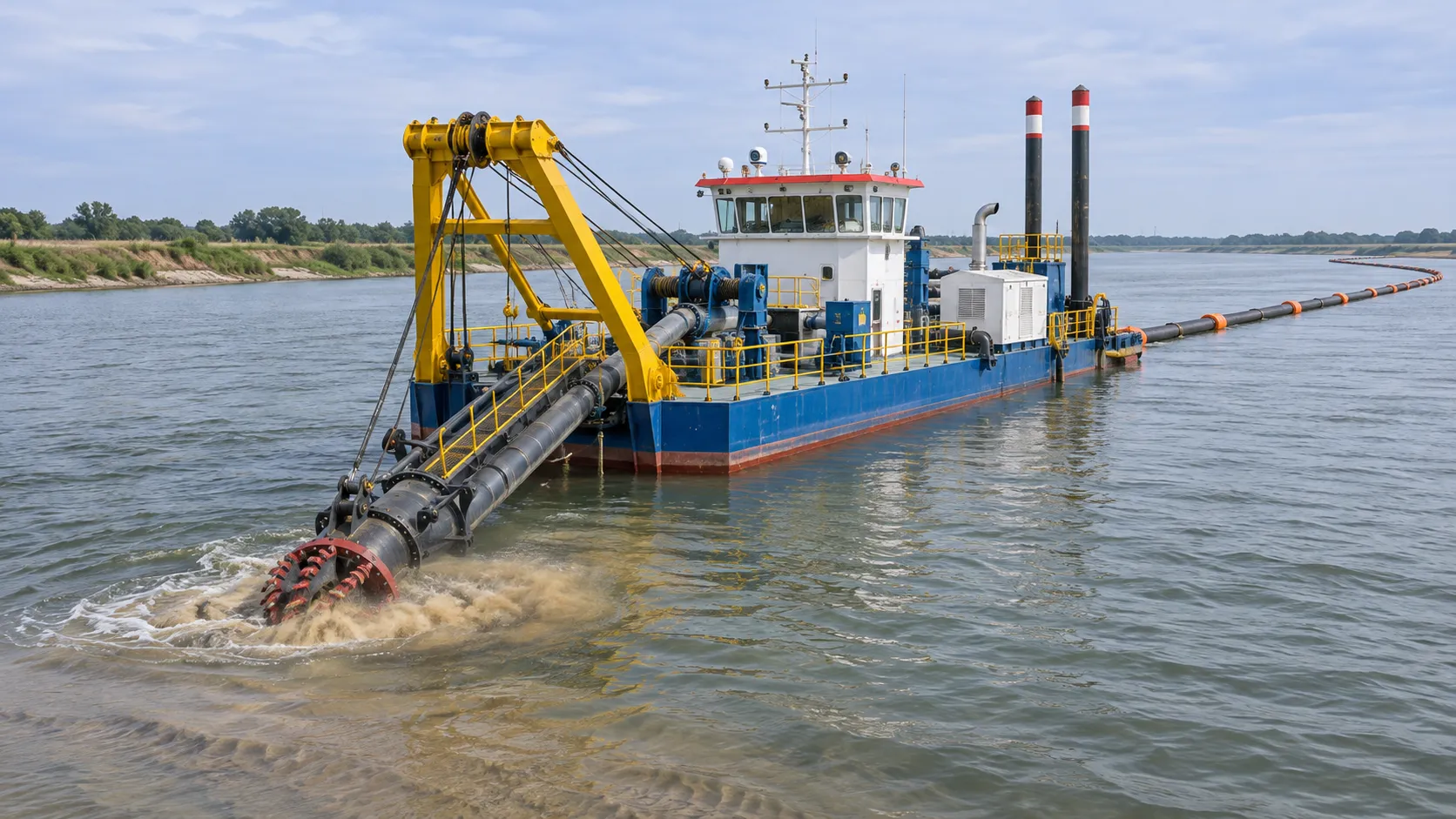
How Soil Conditions Affect Cutter Suction Dredger Performance
Explore the cutter suction dredger range and learn how soil, rock and pipeline conditions affect performance. Compare equipment with confidence.
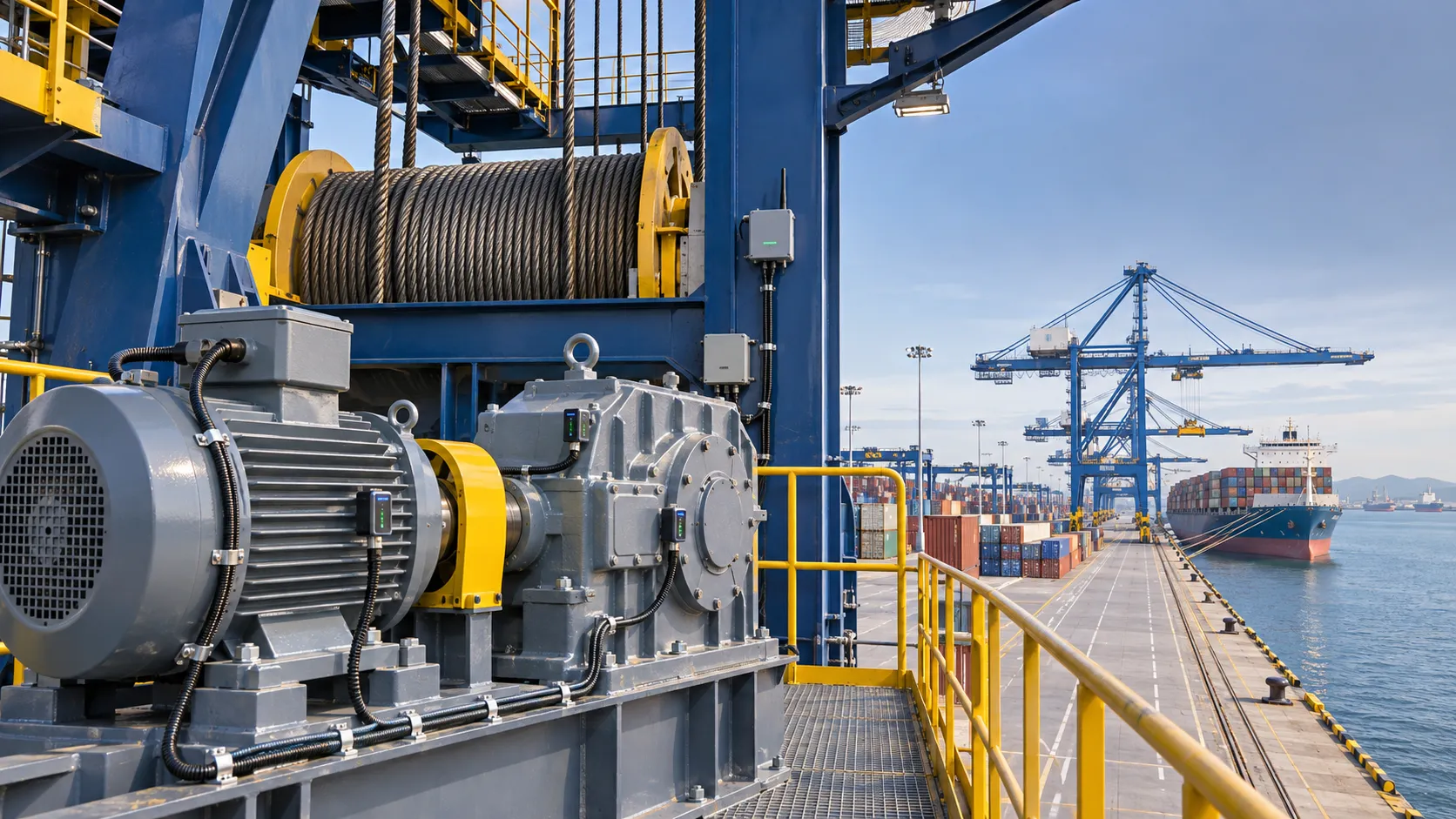
Predictive Maintenance in Smart Ports: Reducing Crane Downtime
Discover how smart port systems predictive maintenance can reduce crane downtime through condition monitoring, actionable alerts, and better terminal planning.
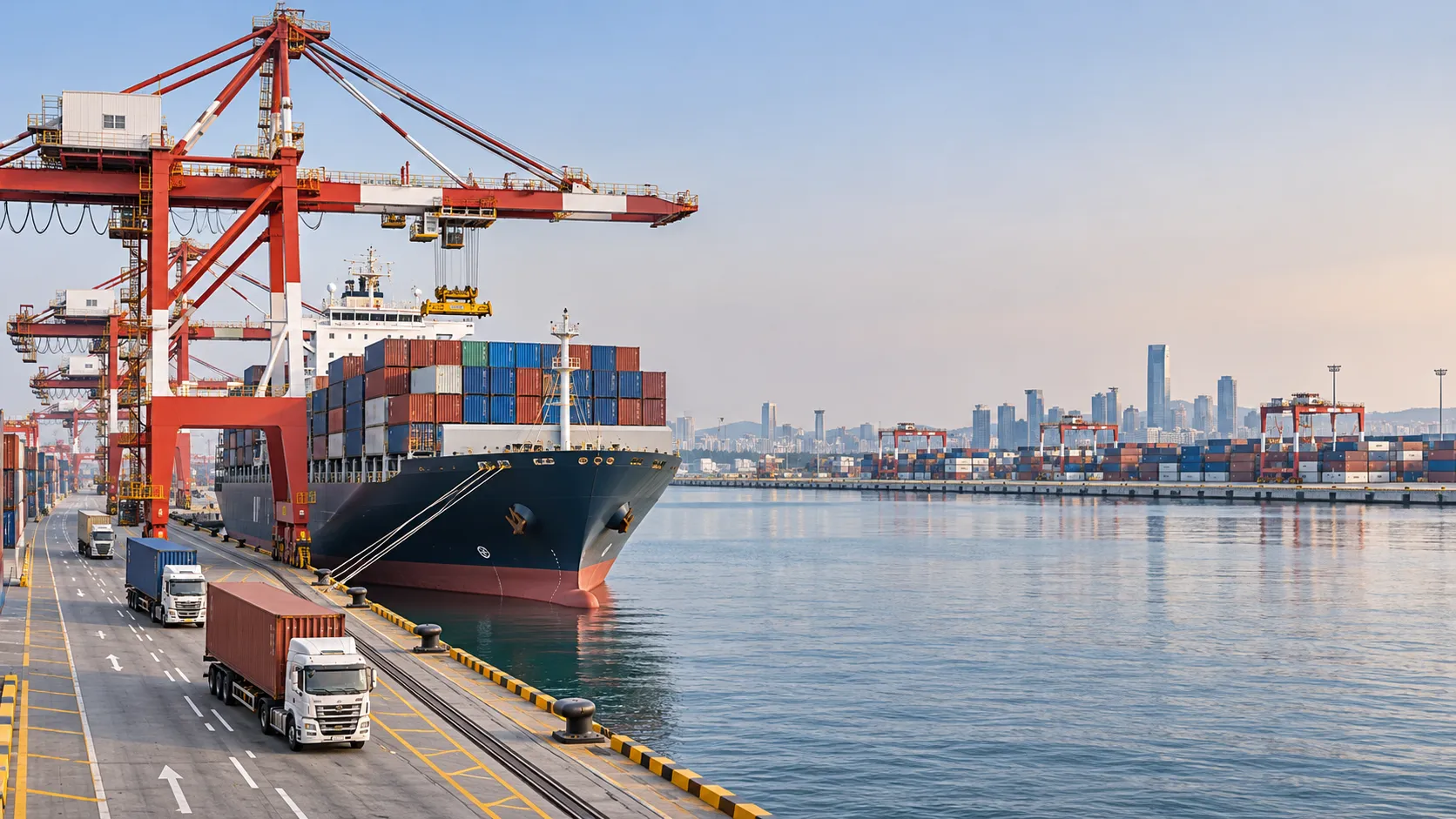
Choosing Marine Logistics Solutions for Container Shipping: Key Criteria
Compare marine logistics solutions for container shipping by route reliability, total cost, visibility, and disruption response. Find the right fit for your cargo.
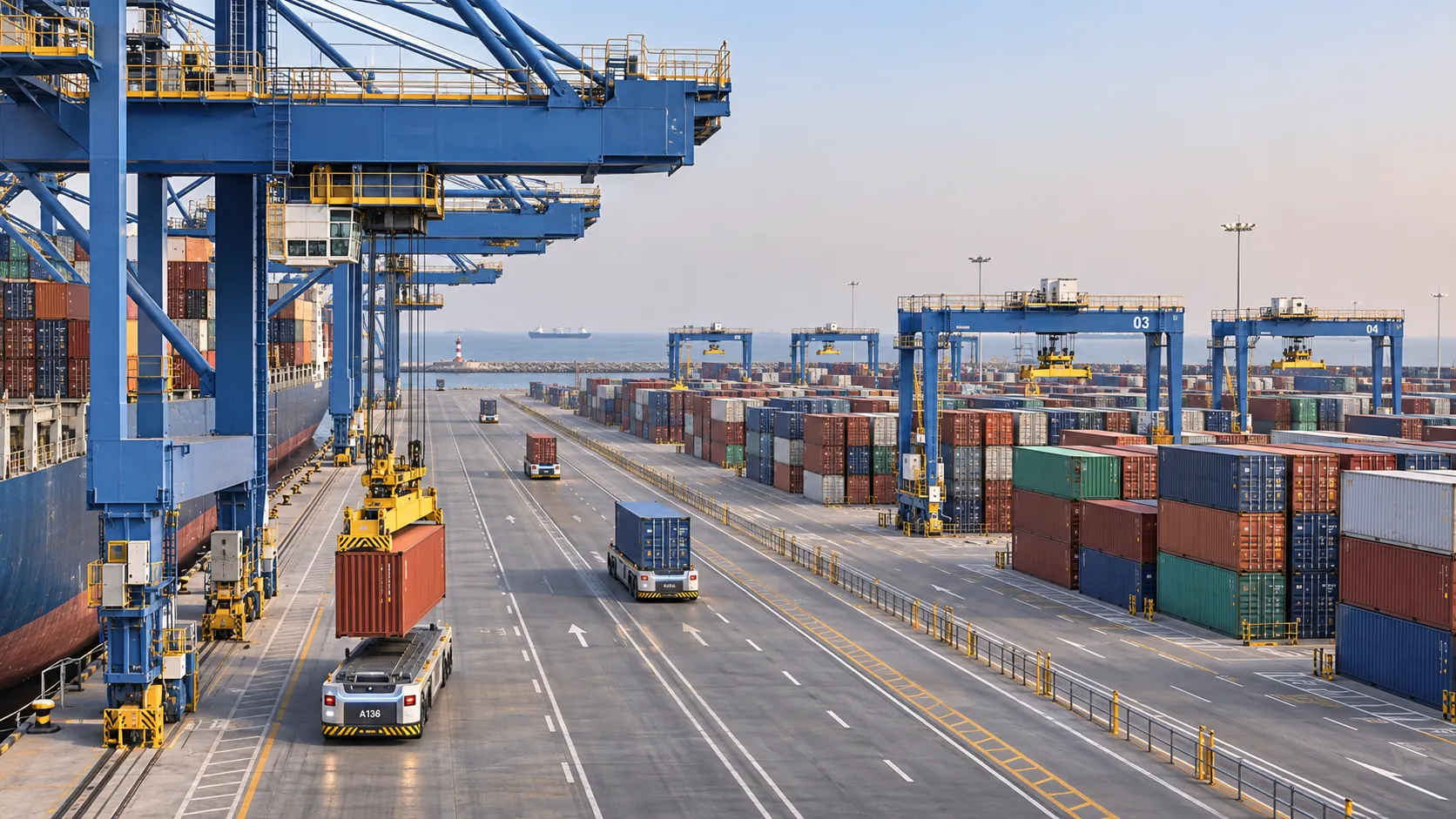
Automated Port Equipment: Choosing Cranes and Vehicles for Container Terminals
Choose automated gear for ports with confidence. Compare cranes, vehicles and control systems to improve container flow, manage costs and reduce bottlenecks.