
Related News
- 00
0000-00
Shipping Rate Analytics for Ports: How to Forecast Cargo Demand - 00
0000-00
Automated Port Systems Cost: Installation and Operating Expenses - 00
0000-00
Choosing Marine Logistics Solutions for Container Shipping: Key Criteria - 00
0000-00
Global Shipping Rates for Importers: Comparing Freight Quotes and Fees - 00
0000-00
Terminal Efficiency Benchmarking: KPIs for Comparing Container Terminals
0000-00
Global Shipping Rates for Importers: Comparing Freight Quotes and Fees
Understanding global shipping rates for importers is essential for procurement teams managing costs, supplier agreements, and delivery schedules. Yet the lowest freight quote does not always represent the lowest landed cost: fuel surcharges, terminal handling fees, customs charges, and inland transport can significantly change the final bill. This guide explains how to compare freight quotes, identify common fees, and assess the impact of shipping routes and port operations. Use these insights to make more informed purchasing decisions and reduce unexpected logistics costs.
Start with the same shipment and the same destination
A freight quote is not a complete price unless its boundaries are clear. One forwarder may quote ocean freight from port to port, while another includes collection, export handling, destination charges, and delivery to a warehouse. Comparing those figures without adjustment rewards the quote with the most omissions.
Send each provider an identical shipment brief: origin and destination addresses, cargo description, package count, dimensions, gross weight, expected cargo-ready date, and any handling requirements. For containerized freight, specify the requested equipment and whether the shipment is a full container load (FCL) or less than container load (LCL). For machinery, include lifting points, center of gravity, packing details, and whether any pieces are out of gauge.
Ask each provider to identify the carrier or proposed service, routing, transshipment points, estimated transit time, quote validity, and currency. A transit estimate should also say whether it covers port-to-port movement or the entire door-to-door journey. A shorter sailing time is of limited value if the cargo then waits for a truck, rail slot, or customs release.
Build a landed-cost comparison, not just a freight comparison
For purchasing decisions, a useful working formula is: goods cost plus transport and handling, insurance where purchased, customs duties and non-recoverable taxes, clearance, and delivery to the agreed destination. Add a separate allowance for plausible variable charges rather than hiding them inside the quoted rate. Recoverable taxes should be tracked as a cash-flow item rather than automatically treated as a permanent cost; treatment depends on the importer’s circumstances and local rules.
The table below helps identify where a quote may stop. The party ultimately responsible depends on the sales contract, transport agreement, and local practice—not simply on the name of the charge.
Request a line-item schedule even when the provider offers an all-in rate. “All-in” can still exclude customs examinations, storage, changes in law, or surcharges introduced after the quotation. If a cost is unknown, mark it as unknown and establish who will provide the estimate; treating a blank as zero is a common comparison error.
Incoterms change the buyer’s cost exposure
The agreed Incoterms rule and named place influence which transport tasks sit with the seller and which sit with the buyer. They also define when delivery and risk transfer occur under that rule. Cost allocation and risk transfer are not always at the same point, so a procurement team should check both rather than assuming that the party paying freight carries all transit risk.
For example, a supplier’s delivered price can appear convenient, but the buyer still needs to understand the named destination, unloading responsibility, customs arrangements, and exclusions. Conversely, arranging the main carriage directly can improve visibility while adding work at origin. Compare supplier and forwarder offers against the same named place and the same scope of service.
Use the current agreed edition of the Incoterms rules in the contract, and confirm responsibilities with the parties involved. Incoterms do not replace a sales contract, determine ownership, or automatically provide cargo insurance.
Look closely at surcharges and time-dependent fees
Fuel, security, congestion, seasonal, and other surcharges may be included in the rate or listed separately. Names and application methods vary by carrier and route. Ask whether each charge is fixed for the booking, calculated at a later date, or subject to a stated adjustment mechanism. A rate valid when issued is not necessarily protected against every subsequent surcharge.
Demurrage, detention, and terminal storage deserve particular attention because the clock can run before the importer resolves a documentation or delivery problem. In general, demurrage relates to container use at the terminal beyond allowed time, while detention relates to equipment use outside the terminal beyond allowed time. Definitions, free-time counting, and billing arrangements differ, and terminal storage may be charged separately.
Before booking, obtain the free-time schedule in writing: when it starts and ends, whether weekends or holidays count, who invoices each charge, and the applicable daily rates. Check that the customs broker, warehouse, and trucker can act within that window. Extra free time may be more valuable than a modest freight discount when a delivery requires inspection, specialized unloading, or a difficult appointment.
Choose the transport option around the cargo and the delivery window
FCL offers control over a container’s contents and can simplify handling for a shipment that fills enough space or requires separation. LCL can suit smaller loads, but its comparison must include consolidation and deconsolidation, destination handling, minimum charges, and the time needed to assemble cargo. Ask how the provider calculates the chargeable volume or weight and whether actual measurements can change the invoice.
Air freight may be justified for urgent, high-value, or production-critical goods, but compare its chargeable weight and destination handling with the cost of a delay—not just with ocean freight. For heavy, oversized equipment, neither a standard container nor a standard truck may be suitable. Breakbulk, flat rack, or other specialized arrangements can require lifting plans, route surveys, permits, and additional terminal coordination. Suitability depends on the actual dimensions, weight, center of gravity, and local infrastructure.
Make the delivery date part of the cost model. A lower rate with an extra transshipment may be acceptable for replenishment stock but risky for a component needed before a planned shutdown. Ask providers for the proposed cut-off dates and schedule options, then test the plan against the latest acceptable arrival date. Published transit times are estimates, not guarantees unless the contract expressly says otherwise.
Port performance can change the economics of a route
A route is more than the distance between two ports. Berth availability, crane capacity, yard congestion, vessel bunching, customs processing, and inland connections all affect when cargo can actually leave the terminal. A port with an attractive ocean rate may create higher costs if the onward journey is unreliable or specialized equipment is difficult to arrange.
Terminal automation and scheduling systems can support more predictable operations, but their presence alone does not guarantee a faster shipment. For heavy cargo, the practical question may be whether the terminal has a suitable crane, sufficient bearing capacity, and an agreed lifting slot. For container traffic, it may be the availability of gate appointments or rail connections after discharge.
This is where port intelligence adds context to a freight quote. PS-Nexus follows terminal equipment, automation, dredging, and logistics-node developments alongside shipping-rate dynamics. For procurement planning, such information can help frame questions about route capacity and handling constraints; it should be checked against current carrier schedules, terminal notices, and forwarder confirmation before a booking decision.
Turn competing quotes into a decision
Normalize each offer to the same currency, shipment size, delivery point, and included services. Record the exchange rate and date used for the comparison. Then show three figures side by side: confirmed charges, estimated third-party costs, and conditional exposure. Keep duties and taxes consistent across offers unless the assumed customs treatment differs—and investigate any such difference rather than accepting it at face value.
Next, compare service risks that can be acted on: validity date, sailing frequency, transshipment, free time, claims process, and the provider’s plan for exceptions. A quote with a lower confirmed total but no destination tariff or empty-return arrangement is not yet directly comparable with a more complete offer. Ask for the missing detail before negotiating the rate down.
Finally, reconcile the invoice against the accepted quotation and booking confirmation. Flag new line items, changes in chargeable weight, exchange-rate differences, and time-based fees. Over repeated shipments, that record gives procurement a better basis for deciding which lanes need longer free time, alternative routing, clearer supplier terms, or a different allocation of logistics responsibility.
Have questions about the global trade trends discussed here, or planning your expansion and supply chain strategy? Leave a message below and let the trade experts at PS-Nexus guide you.
We respect your privacy. Your information is strictly confidential.
Related News

Shipping Rate Analytics for Ports: How to Forecast Cargo Demand
Shipping rate analytics for ports helps you forecast cargo demand, distinguish price signals from capacity shifts, and make smarter terminal investment decisions.
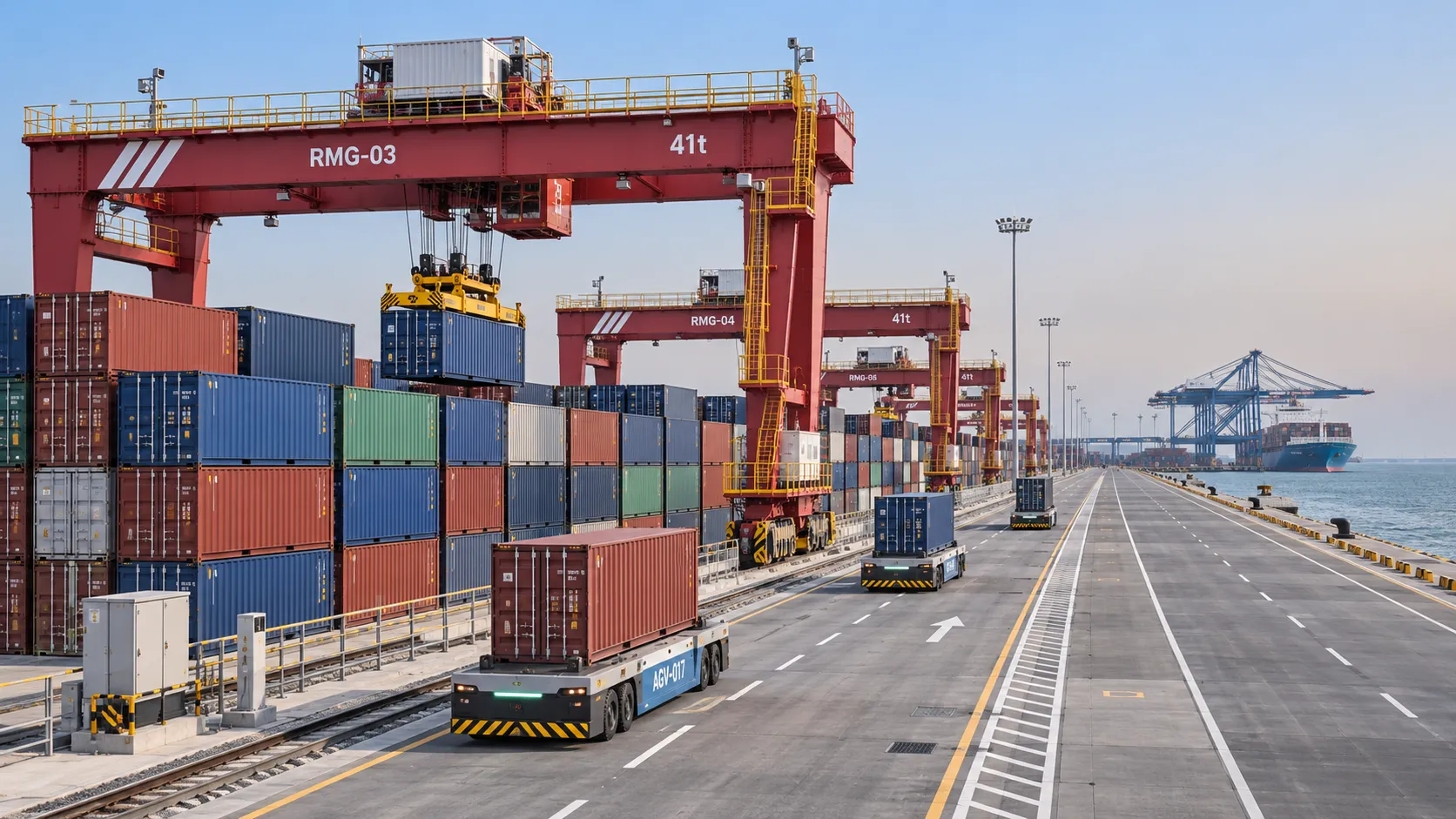
Automated Port Systems Cost: Installation and Operating Expenses
Explore automated port systems cost, from installation and integration to operating expenses. Compare lifecycle costs and make a confident investment decision.

Coastal Economics Standards: How to Value Coastal Ecosystems
Explore coastal economics standards and learn how to value ecosystem services, compare infrastructure options, and make defensible decisions.

CE Marking for Bulk Material Handling Equipment: What Documents to Check
Bulk material handling CE certified? Discover which declarations, risk assessments and manuals to check before accepting equipment.
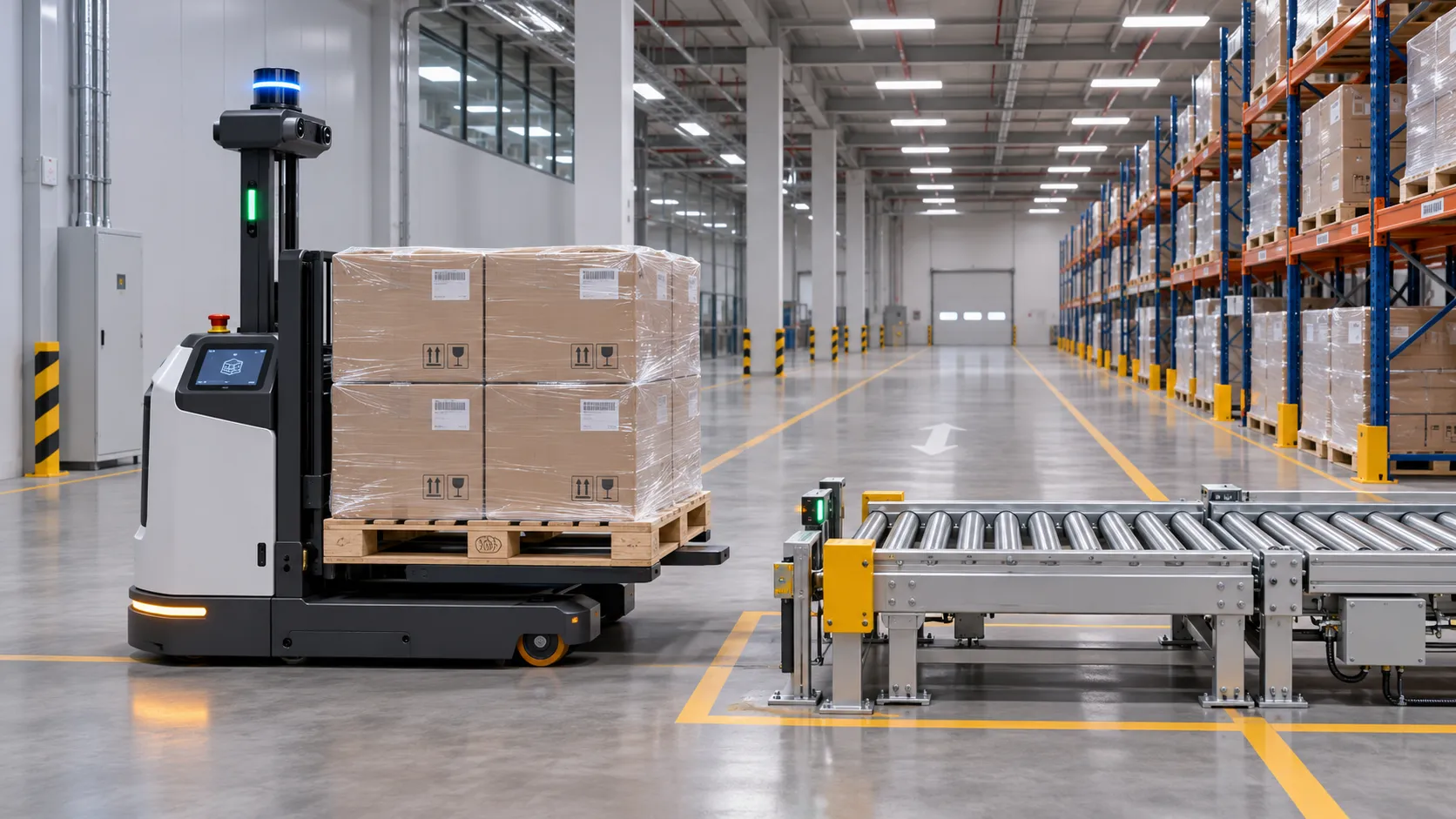
Choosing Smart Automated Cargo Handling Systems for Warehouse Operations
Choose smart automated cargo handling systems with confidence. Compare technologies, capacity, safety, costs, and acceptance tests to improve warehouse flow.
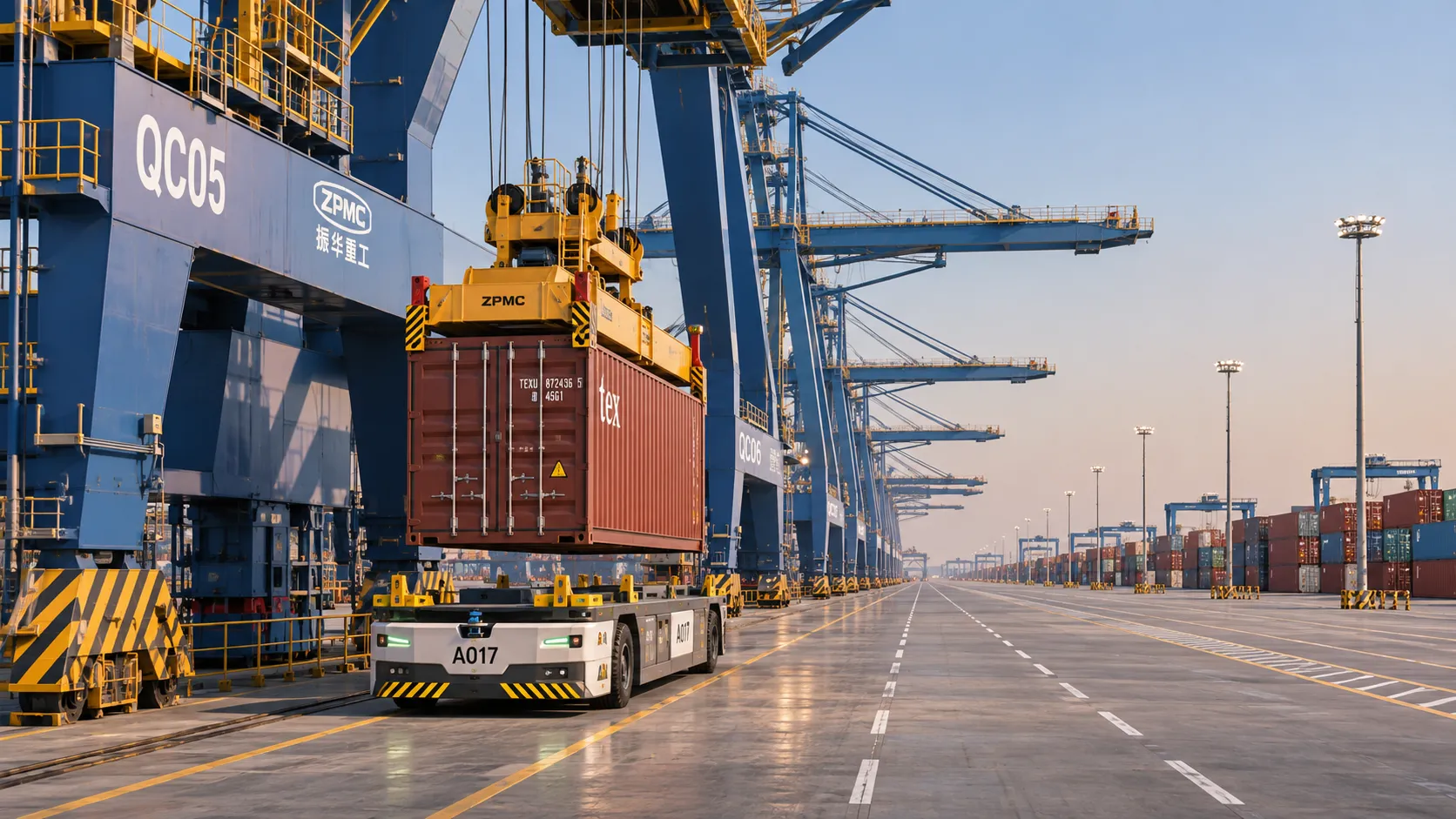
Port Terminal Automation: How Cranes, Vehicles and Control Systems Work Together
Discover how terminal automation technology for ports connects cranes, vehicles and control systems to improve coordination, safety and operational flow.
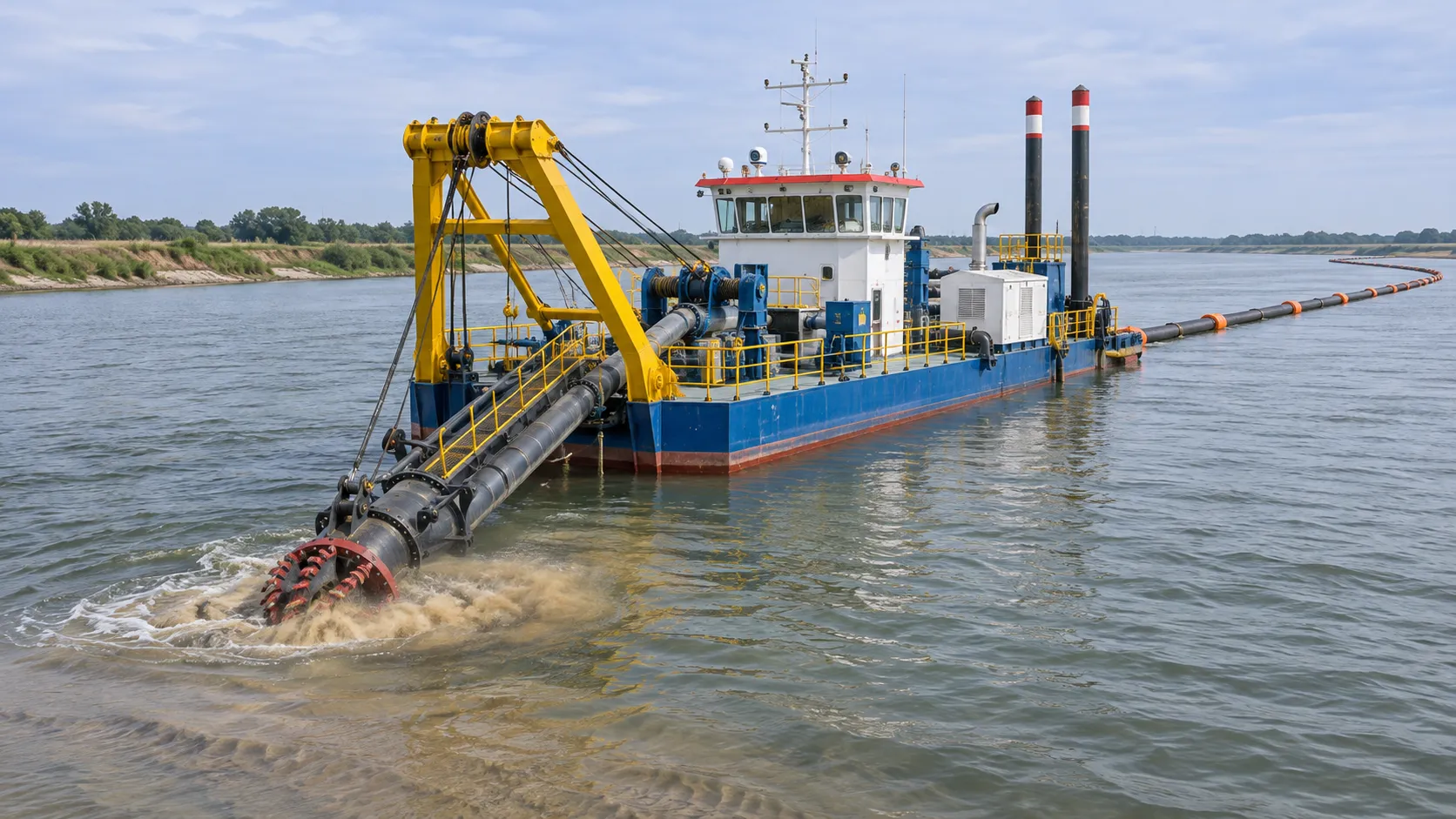
How Soil Conditions Affect Cutter Suction Dredger Performance
Explore the cutter suction dredger range and learn how soil, rock and pipeline conditions affect performance. Compare equipment with confidence.

Predictive Maintenance in Smart Ports: Reducing Crane Downtime
Discover how smart port systems predictive maintenance can reduce crane downtime through condition monitoring, actionable alerts, and better terminal planning.

Choosing Marine Logistics Solutions for Container Shipping: Key Criteria
Compare marine logistics solutions for container shipping by route reliability, total cost, visibility, and disruption response. Find the right fit for your cargo.