Related News
- 00
0000-00
Shipping Rate Analytics for Ports: How to Forecast Cargo Demand - 00
0000-00
Automated Port Systems Cost: Installation and Operating Expenses - 00
0000-00
Choosing Marine Logistics Solutions for Container Shipping: Key Criteria - 00
0000-00
Global Shipping Rates for Importers: Comparing Freight Quotes and Fees - 00
0000-00
Terminal Efficiency Benchmarking: KPIs for Comparing Container Terminals
0000-00
Yard Mobility Solutions for Container Terminals: Reducing Truck Wait Times
Long truck queues disrupt terminal schedules, increase operating costs, and put pressure on project delivery. The right response depends on where trucks actually lose time.
For project managers and engineering leaders, yard mobility solutions for container terminals provide a framework for improving traffic flows, equipment coordination, and data-driven scheduling.
Start by measuring each stage of the truck journey, then address the constraint with the greatest operational impact. Automation can help, but only when processes and infrastructure support it.
Where should a terminal start when truck queues grow?
Separate the truck journey into measurable stages: arrival and external queueing, gate processing, travel to the yard, equipment service, return travel, and exit processing.
A long queue outside the gate does not necessarily mean the gate is the root cause. Slow yard service can fill internal lanes and prevent trucks from entering.
Likewise, adding yard equipment will have limited value if drivers arrive without valid documentation or appointment demand exceeds the capacity of a particular time window.
Map the journey by transaction type, including import pickup, export delivery, empty-container moves, and dual transactions. Each may follow a different route and consume different resources.
Then identify where delays occur during normal operations and disruption. A solution should improve the constrained stage without simply moving the queue elsewhere.
Which metrics reveal the real bottleneck?
Measure truck turnaround time from arrival at the terminal boundary to departure, including any queue outside the gate. Define those boundaries consistently before comparing performance.
Break turnaround time into gate wait, gate processing, yard travel, service wait, handling time, and exit time. Use timestamps from systems and targeted observations where possible.
Track the median and the 90th percentile, not just the average. The latter shows the experience of trucks facing unusually long delays and helps expose unreliable service.
Combine time measures with transaction volumes, lane occupancy, equipment availability, appointment adherence, and container location. Segment results by shift, day, yard block, and transaction type.
For example, rising yard service waits alongside normal gate processing may point to equipment availability or container accessibility. Investigate both before purchasing another machine.
Agree on a baseline period that captures weekday peaks, vessel exchanges, and typical disruptions. Check for missing timestamps, clock differences, and inconsistent definitions across systems.
If historical data is unreliable, conduct a short time-and-motion study at representative locations. Record exceptions as well as routine moves to avoid designing around an idealized operation.
Which yard mobility improvements should come first?
Prioritize changes that address the measured constraint, can be delivered safely, and fit the terminal’s operating plan. The following options often work best as a coordinated package.
Redesign routes and reduce conflicting movements
Review truck paths between gates, yard blocks, inspection areas, and exit lanes. Look for crossing points, unnecessary turns, reversing movements, and queues that obstruct through traffic.
One-way circulation, clearer signs, dedicated holding areas, and revised lane markings can improve flow where space permits. Validate changes against turning radii and emergency access requirements.
Separate external trucks from internal transfer vehicles and pedestrians where practical. A traffic plan should also account for maintenance access, abnormal loads, and safe driver waiting areas.
Before construction, test the proposed layout with vehicle sweeps and observations during peak shifts. Temporary markings or controlled trials can reveal problems before permanent changes.
Coordinate appointments with actual yard capacity
Appointment systems can spread arrivals, but their value depends on realistic capacity by time slot, transaction type, and yard location. Gate capacity alone is insufficient.
Set slot limits with yard supervisors and revise them when equipment is unavailable, a vessel operation changes priorities, or a yard block becomes congested.
Provide carriers with clear booking rules, confirmation messages, and procedures for late arrivals. Monitor missed appointments and early arrivals so nominal bookings reflect actual traffic.
Keep a defined process for exceptions, including urgent cargo and system outages. Without one, informal overrides can undermine the schedule and create unpredictable queues.
Improve container readiness and equipment dispatch
A truck that arrives for an inaccessible or unreleased container can occupy capacity without completing its transaction. Confirm release status and location before the appointment where feasible.
Use expected arrivals to plan yard equipment assignments and identify containers likely to require rehandling. Balance advance preparation against the extra moves and space it consumes.
For export deliveries, direct trucks to suitable blocks based on available space and vessel plans. Avoid concentrating arrivals in one area simply because other blocks appear underused.
Dispatch rules should account for competing vessel, rail, and truck work. Local optimization of one equipment group can increase delay elsewhere if shared resources are ignored.
Automate checks at the appropriate stage
Pre-arrival document validation, optical character recognition, and automated gate checks can reduce manual processing when information quality and exception handling are strong.
Test recognition performance across different lighting, weather, container conditions, and vehicle types. Retain a safe manual route for unreadable identifiers and transactions needing inspection.
Automated guided vehicles and other autonomous equipment may improve internal transport consistency, but they require defined operating zones, reliable control systems, and integration with yard operations.
Assess those requirements against the actual constraint. An automated fleet is unlikely to resolve external truck delays caused primarily by poor appointment discipline or inaccessible containers.
How should project leaders compare investment options?
Build a shortlist around specific problems, then compare a process change, a targeted technology investment, and any necessary infrastructure work against the same baseline.
Estimate benefits using affected truck volumes and a realistic reduction in delay. Identify who captures each benefit: the terminal, carriers, cargo owners, or the wider port.
Potential terminal benefits include lower overtime, fewer unproductive moves, better equipment utilization, and deferred expansion. Carrier savings may strengthen the business case but are not terminal revenue.
Include capital expenditure, software integration, communications, civil works, training, maintenance, cybersecurity, and transition costs. Add the operational disruption expected during installation and commissioning.
For illustration, if 500 trucks per day each save 12 minutes, the total is 100 truck-hours daily. This is time saved, not automatically a financial return.
To value it, apply an agreed hourly cost only to benefits the relevant stakeholder can capture. Avoid counting the same labor or equipment saving twice.
Calculate payback or net present value using the organization’s investment rules, then test low, expected, and high cases for volume, adoption, downtime, and realized improvement.
Where benefits depend on carrier behavior or third-party systems, document those dependencies. A financially attractive model is weak if the operating changes lack accountable owners.
When is automation justified?
Automation is most compelling when repetitive movements, sustained volumes, space constraints, or safety objectives support a defined operational case and the terminal can manage integration.
Before selecting equipment, check the condition of pavements, positioning infrastructure, network coverage, power supply, maintenance facilities, and interfaces with the terminal operating system.
Model mixed operations carefully. Automated equipment, manually driven trucks, and pedestrians may need physical separation, controlled crossings, and procedures for entering restricted areas.
Specify how the system behaves during network loss, equipment faults, emergency stops, and recovery. Measure the time and staffing needed to restore normal service.
Simulation or a digital twin can compare routing and dispatch scenarios before construction. Its conclusions depend on credible input data and validation against observed operations.
For smaller or highly variable operations, better scheduling, container readiness, and traffic management may deliver a stronger near-term return. Reassess automation as demand and constraints change.
How can teams deliver improvements without disrupting operations?
Set up a project team with operations, engineering, information technology, safety, maintenance, and commercial representatives. Include carriers and regulators where their processes affect the design.
First, agree on the baseline and a target tied to the measured bottleneck. For example, specify a reduction in 90th-percentile turnaround time for import pickups.
Next, map dependencies and assign owners. A gate software upgrade may depend on carrier data quality, while a new lane may require drainage work and approvals.
Run a controlled pilot at one gate, yard block, or appointment window. Define the eligible transactions, comparison period, success measures, and conditions for stopping the trial.
Monitor both the target metric and unintended effects, such as longer vessel-service delays, increased rehandles, unsafe queueing, or congestion at a neighboring road junction.
Train dispatchers, equipment operators, gate staff, and drivers on the revised process. Provide simple instructions for exceptions and a staffed channel for reporting operational problems.
After the pilot, review results with frontline teams and carriers. Adjust the design before expansion, and confirm that maintenance and support responsibilities are funded.
What risks most often undermine the business case?
One common risk is treating capacity as a fixed daily total. Demand arrives in peaks, and a single yard block may become saturated while terminal-wide averages appear acceptable.
Another is incomplete integration between appointment, gate, equipment, and terminal operating systems. Conflicting container status or delayed messages can send trucks to the wrong location.
Use clear data ownership, interface testing, and documented fallback procedures. Specify response times and support responsibilities across suppliers rather than assuming systems will coordinate themselves.
Construction staging also matters. Closing a lane or taking equipment out of service can temporarily worsen queues, so sequence work around demand and provide contingency capacity.
Finally, monitor emissions and safety alongside speed. Reduced idling may lower fuel use, but quantify the effect using local operating data and the relevant calculation method.
Conclusion: choose the intervention that removes the constraint
Effective yard mobility solutions for container terminals begin with a clear picture of the truck journey and a shared definition of the delay being addressed.
For project leaders, the strongest investment case connects a measured bottleneck to a feasible intervention, credible stakeholder benefits, implementation dependencies, and a practical test.
Improve routes, scheduling, container readiness, and equipment coordination first where they address the evidence. Introduce automation when its infrastructure, integration, and operating requirements support measurable value.
Have questions about the global trade trends discussed here, or planning your expansion and supply chain strategy? Leave a message below and let the trade experts at PS-Nexus guide you.
We respect your privacy. Your information is strictly confidential.
Related News
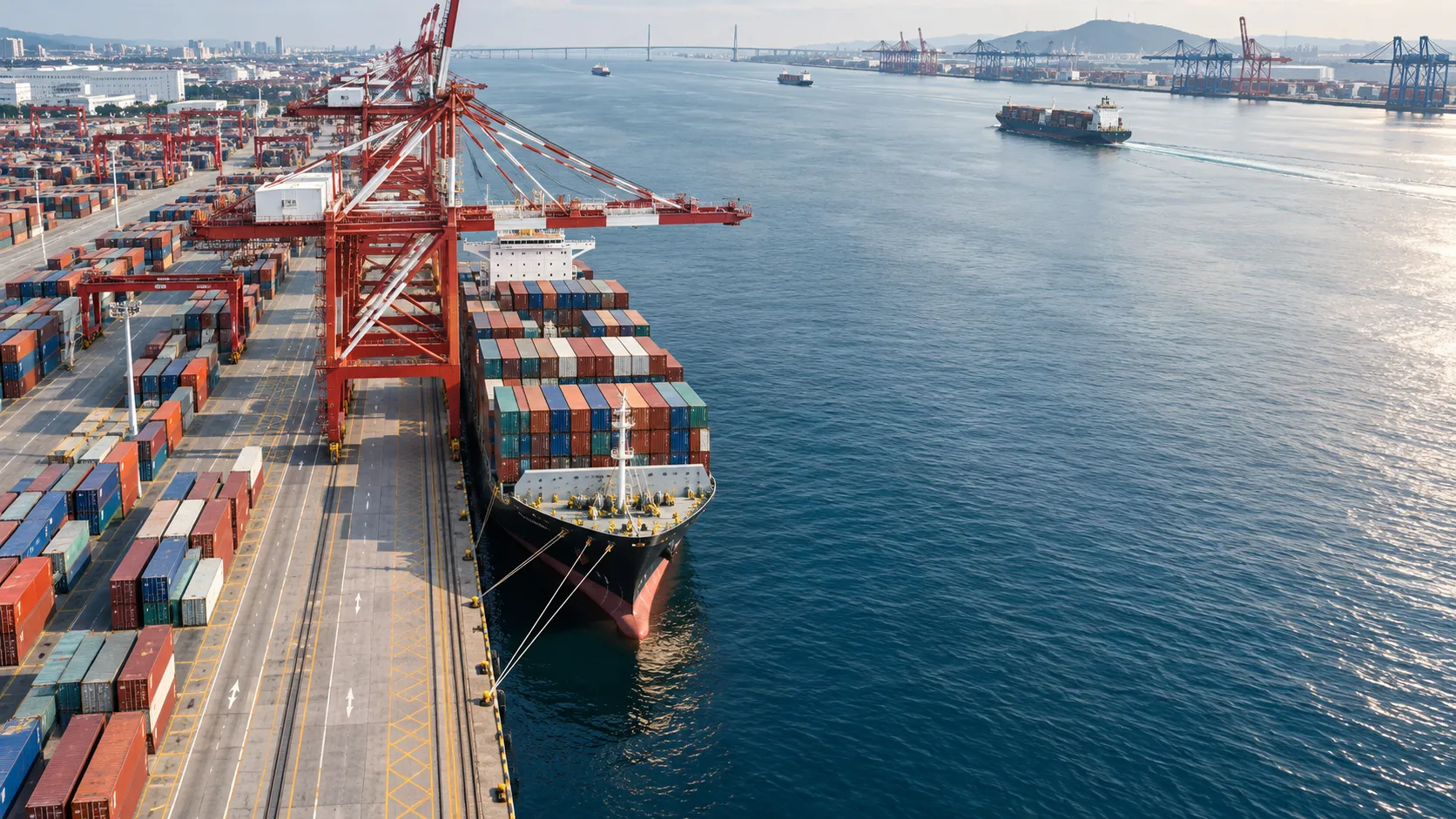
Shipping Rate Analytics for Ports: How to Forecast Cargo Demand
Shipping rate analytics for ports helps you forecast cargo demand, distinguish price signals from capacity shifts, and make smarter terminal investment decisions.
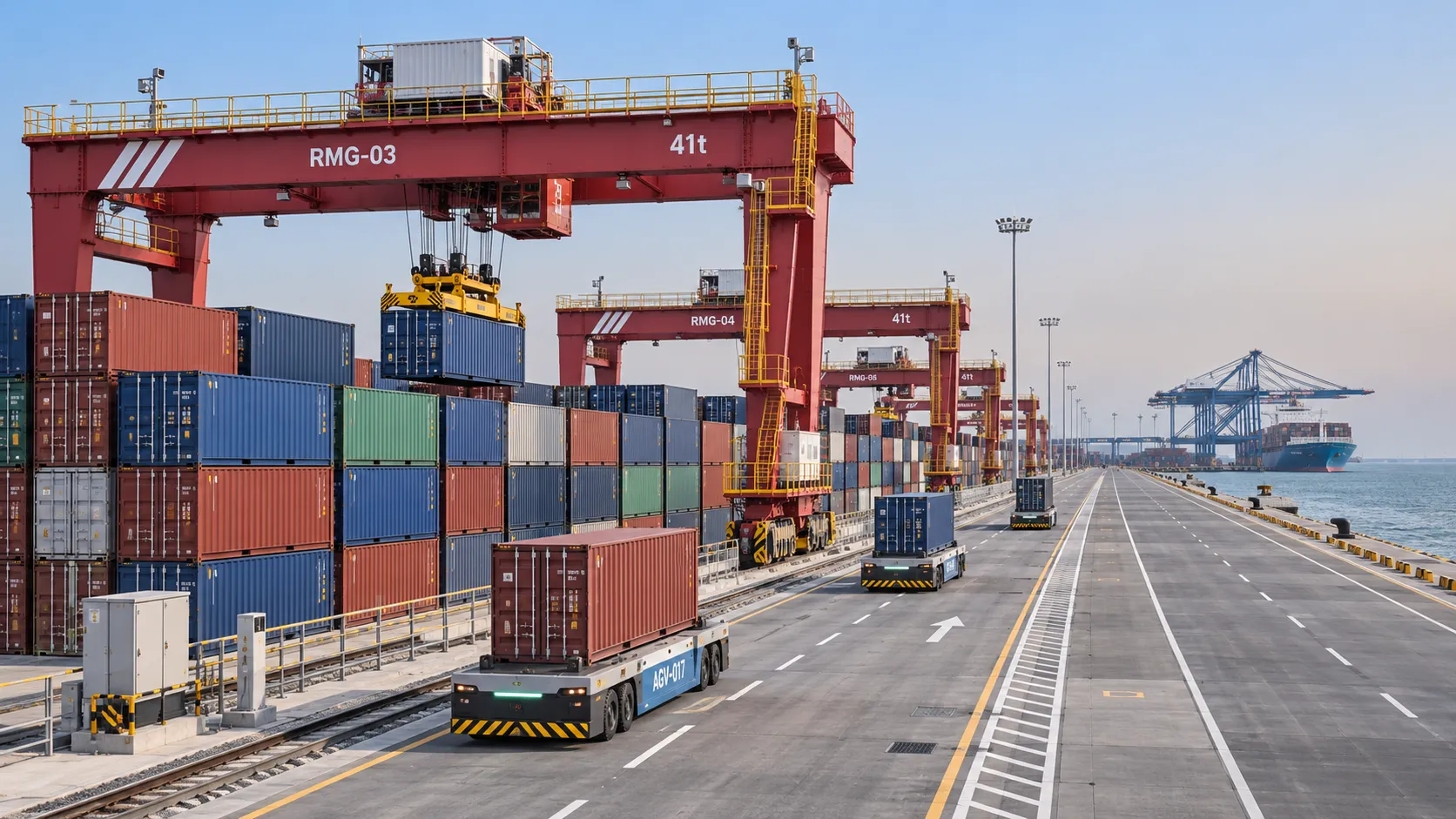
Automated Port Systems Cost: Installation and Operating Expenses
Explore automated port systems cost, from installation and integration to operating expenses. Compare lifecycle costs and make a confident investment decision.

Coastal Economics Standards: How to Value Coastal Ecosystems
Explore coastal economics standards and learn how to value ecosystem services, compare infrastructure options, and make defensible decisions.
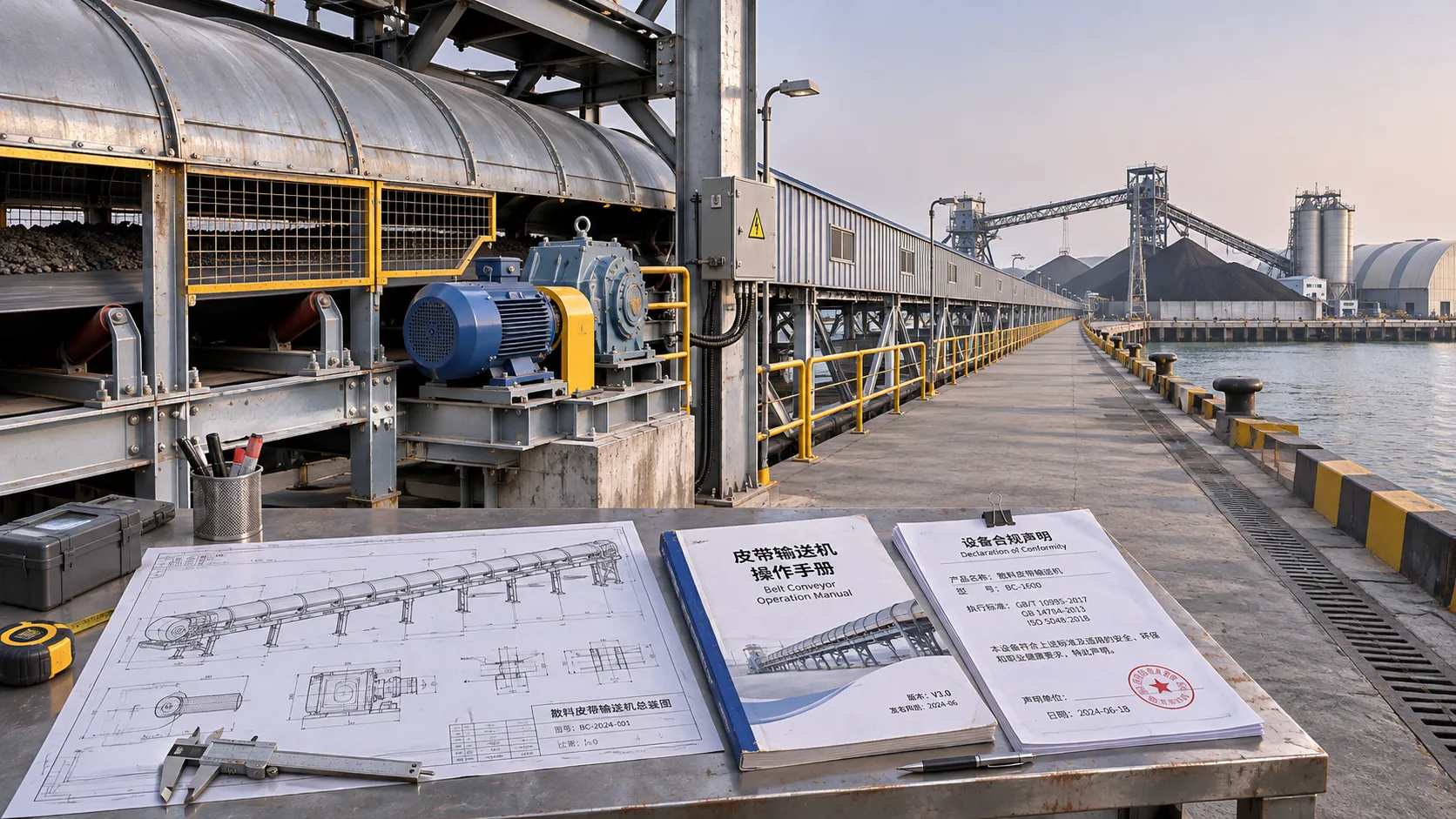
CE Marking for Bulk Material Handling Equipment: What Documents to Check
Bulk material handling CE certified? Discover which declarations, risk assessments and manuals to check before accepting equipment.
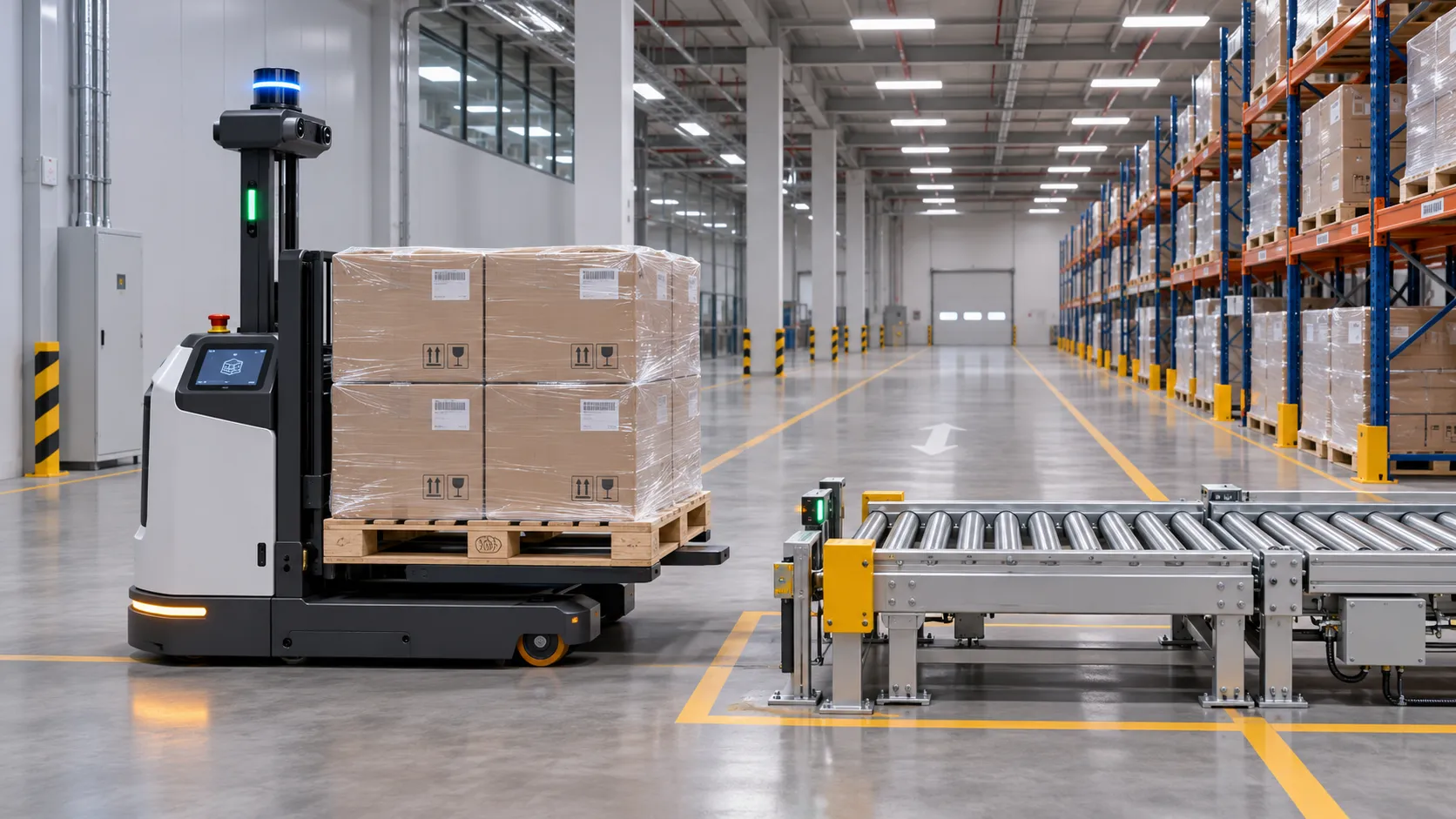
Choosing Smart Automated Cargo Handling Systems for Warehouse Operations
Choose smart automated cargo handling systems with confidence. Compare technologies, capacity, safety, costs, and acceptance tests to improve warehouse flow.
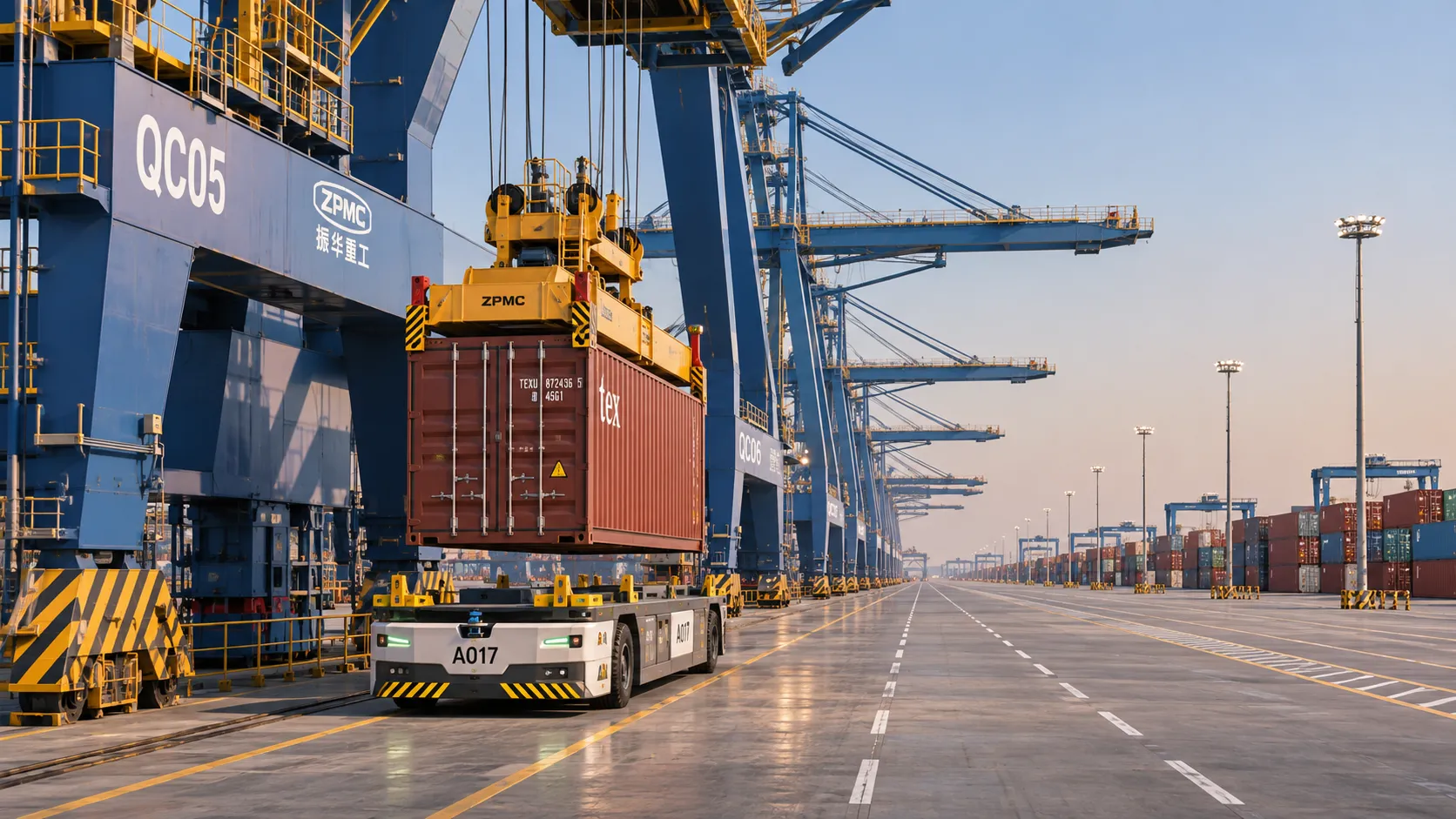
Port Terminal Automation: How Cranes, Vehicles and Control Systems Work Together
Discover how terminal automation technology for ports connects cranes, vehicles and control systems to improve coordination, safety and operational flow.
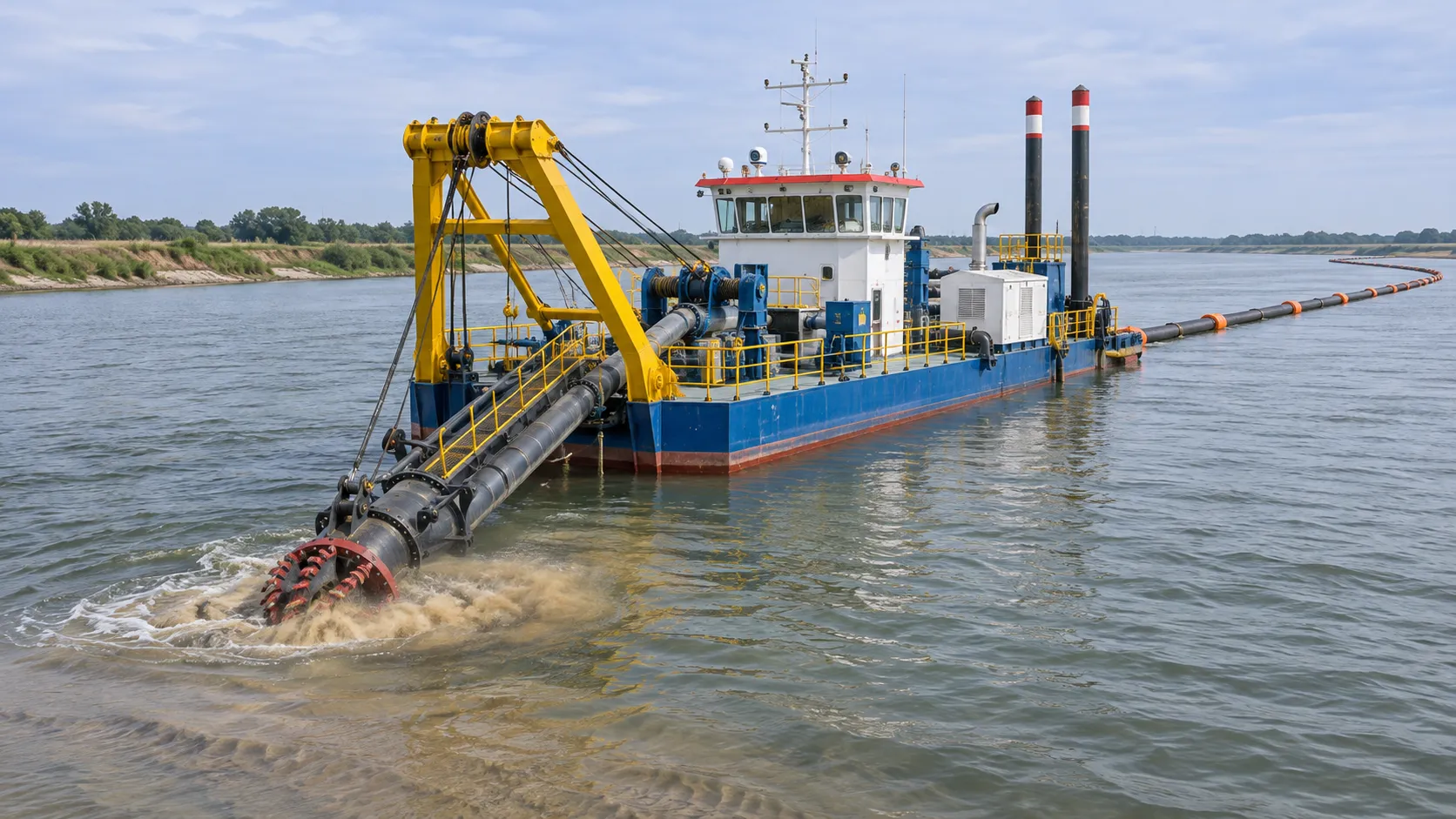
How Soil Conditions Affect Cutter Suction Dredger Performance
Explore the cutter suction dredger range and learn how soil, rock and pipeline conditions affect performance. Compare equipment with confidence.
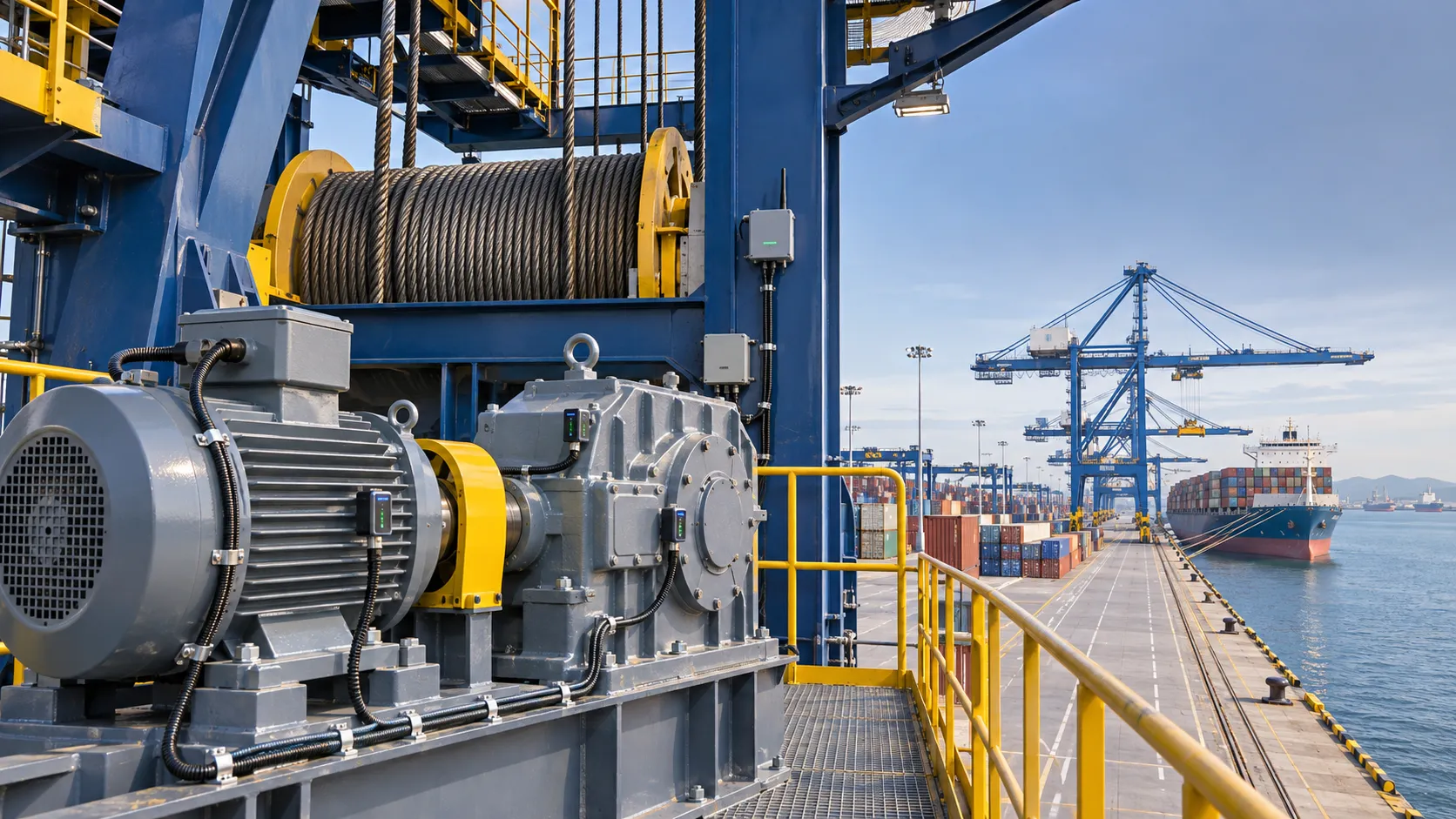
Predictive Maintenance in Smart Ports: Reducing Crane Downtime
Discover how smart port systems predictive maintenance can reduce crane downtime through condition monitoring, actionable alerts, and better terminal planning.
Choosing Marine Logistics Solutions for Container Shipping: Key Criteria
Compare marine logistics solutions for container shipping by route reliability, total cost, visibility, and disruption response. Find the right fit for your cargo.