Related News
- 00
0000-00
Choosing a Terminal Automation Systems Integrator: Key Selection Criteria - 00
0000-00
How to Evaluate a Quay Crane Factory: Capacity, Quality and Delivery - 00
0000-00
How to Evaluate a Bulk Handling Equipment Exporter for Port and Plant Projects - 00
0000-00
How to Evaluate a Yard Mobility Solutions Manufacturer for High-Throughput Sites - 00
0000-00
How to Evaluate a Container Handling Equipment Exporter for Port and Yard Projects
0000-00
Choosing a Terminal Automation Systems Integrator: Key Selection Criteria
When a terminal introduces automated equipment into an operating yard, the difficult work is often at the boundaries: a move planned by the terminal operating system must become a safe, executable instruction for equipment, and the resulting status must return accurately. A weak interface or unclear recovery procedure can interrupt operations even when each individual system performs as specified.
Choose a terminal automation systems integrator on evidence that it can manage those boundaries across the full operating lifecycle. Relevant experience matters, but so do a defensible architecture, explicit safety responsibilities, realistic testing, cybersecurity controls, and support after handover. Compare proposals against the same operating scenarios and require suppliers to identify assumptions and exclusions before scoring them.
Start with the operating boundary, not the equipment list
Before issuing a request for proposals, describe which decisions and activities the integrator must connect. A scope limited to linking a new crane control system to an existing terminal operating system is different from coordinating automated vehicles, yard equipment, access controls, and exception management across an entire terminal. Both can be called integration, but they require different capabilities and contractual interfaces.
Prepare a baseline that includes existing systems, equipment types, planned automation functions, site constraints, and operating procedures. Identify who owns each interface and who can authorize changes. Include third-party suppliers where their software, equipment, or technical information will be needed. A proposal that assumes unrestricted access to proprietary interfaces may look complete while leaving a critical dependency unresolved.
Give bidders a small set of representative workflows to explain. For example, ask how a container move is created, dispatched, confirmed, and reconciled when the reported container position differs from the planned position. Also ask what happens when a vehicle loses communication or an operator needs to enter an automated area. The quality of the response reveals more than a generic architecture diagram.
Check experience against comparable integration risks
Ask for evidence of work involving similar operational complexity, not just a list of terminals or equipment models. Relevant experience might include integrating mixed-vendor equipment, connecting a terminal operating system to equipment control, migrating a live operation, or implementing recovery after interrupted moves. A project need not match every asset on site, but the supplier should explain which parts of its experience transfer and where additional engineering is required.
Examine the proposed team as well as the organization. Identify the system architect, operational technology lead, safety specialists, test lead, and people responsible for each major interface. Ask which roles are employees, which are subcontracted, and who has authority to resolve design conflicts. A strong corporate reference does not establish that the same expertise is available for the proposed work.
Request a sample deliverable with sensitive information removed: an interface specification, test protocol, migration plan, or issue-resolution record. Look for traceability between requirements, design decisions, tests, and unresolved risks. References are more useful when they can discuss the supplier’s handling of changes and problems, subject to the reference customer’s permission.
Inspect the architecture and interface ownership
A credible architecture shows where operational decisions are made and how commands, events, and equipment states flow between systems. It should distinguish the terminal operating system, equipment control or fleet management functions, programmable controllers, safety systems, communications networks, and operator interfaces. Ask the bidder to explain which components it supplies, which are supplied by others, and which remain outside its control.
For every consequential interface, seek a specification covering message content, data ownership, timing assumptions, error handling, and responsibility for changes. The important question is not simply whether two systems can exchange a message. It is whether both interpret the message in the same way throughout an operational sequence.
- Command lifecycle: How are instructions acknowledged, rejected, retried, cancelled, and closed?
- State reconciliation: Which system is authoritative when equipment status and the terminal operating system disagree?
- Failure behavior: What happens to queued tasks and partially completed moves after a connection is lost or restored?
- Change control: Who assesses and tests the effect of an upgrade to either side of an interface?
Open or documented interfaces can reduce dependency, but an “open” label is not enough. Verify what documentation will be delivered, whether interface access requires separate licenses, and whether a replacement supplier could reasonably maintain the integration. Conversely, a proprietary component may be acceptable when its constraints, support terms, and exit options are understood and reflected in the evaluation.
Ask for performance assumptions in context
Throughput and response-time claims should be tied to an agreed workload, operating rules, equipment availability, network conditions, and the interfaces included in the measurement. A dispatch response time, for example, is not the same as the time required to complete a physical container move. Require the bidder to define measurement points and explain which delays belong to external systems.
For communications-dependent functions, ask how latency, coverage gaps, interference, and loss of connectivity are detected and handled. The correct response may be to stop or restrict equipment rather than continue operating. Any performance commitment should be assessed alongside these safety constraints and the actual site design.
Separate operational control from safety responsibility
Automation can change how people and machines share space, but it does not remove the need to define safe states and human intervention. Ask the integrator to describe the proposed safety lifecycle, the interfaces between operational control and safety functions, and the parties responsible for hazard analysis, implementation, validation, and approval.
Probe scenarios that cross supplier boundaries: an emergency stop, unauthorized entry into an automated zone, a sensor fault, and the transfer from automated to manual control. The response should identify what stops, what remains energized where relevant, who is notified, and what conditions must be satisfied before restart. It should also explain how conflicting commands are prevented and how the operator sees the actual equipment state.
Do not accept an assurance that safety is “handled by the equipment supplier” without a corresponding interface and responsibility definition. The equipment supplier may provide a safety function, while the integrator’s routing, access logic, or system configuration can still affect its use. Applicable safety requirements and approvals depend on the site, equipment, and jurisdiction and must be established for the project.
Evaluate cybersecurity as an operating requirement
Request a network and trust-boundary design that includes connections between operational technology, business systems, equipment suppliers, and remote support services. Look for a practical account of network segmentation, access control, privileged accounts, logging, backup, and recovery. The design should show who can connect to each system, for what purpose, and how access can be revoked.
Ask how vulnerabilities and security updates are assessed when equipment cannot be patched immediately. A workable answer includes inventory ownership, notification arrangements, compensating controls, test procedures, and an agreed maintenance window or decision process. Confirm whether remote access requires site authorization and whether supplier activity can be recorded and reviewed.
Recovery deserves the same scrutiny as prevention. Establish which configurations, application data, and system images must be backed up; where copies are kept; and how restoration will be tested. Cybersecurity obligations should extend to subcontractors and third-party components, rather than ending at the integrator’s own software.
Make testing prove the operating scenarios
A demonstration of normal moves is not sufficient acceptance evidence. The test strategy should progress from interface and subsystem checks to integrated workflows, then to site testing under conditions that reflect the agreed operating envelope. Simulation can expose logic errors before equipment is available, but the proposal should identify what must still be verified with real equipment, networks, and operators.
Include both normal and degraded cases in the acceptance plan. Useful tests include duplicate or delayed messages, a lost communication link, an unavailable crane, a stopped vehicle blocking a route, mismatched container status, and recovery after a controlled shutdown. For each case, define the initial state, expected system response, evidence to collect, and the party responsible for correcting a failure.
Acceptance criteria should be measurable and attributable. Define the workload and observation period for operational tests, but do not allow a single headline figure to conceal unresolved safety or data-integrity defects. Agree how defects are classified, which defects prevent acceptance, how retesting works, and whether temporary workarounds are permitted. Where third-party participation is necessary, secure that commitment before the test schedule is treated as firm.
Compare migration plans for a live terminal
Replacing or extending controls in an operating terminal creates risks that are easy to overlook in a greenfield design. Ask each bidder to show the sequence for configuration, data migration, equipment conversion, training, cutover, and return to service. Identify required shutdowns, dependencies on vessel or yard activity, and the decisions that must be made before each stage proceeds.
A useful cutover plan specifies how existing job data and equipment states will be reconciled, not just when software will be switched on. It should define rollback triggers, who can authorize rollback, what data must be preserved, and the point beyond which returning to the previous system would require a separate recovery procedure. Manual fallback may be possible for some functions but unsafe or impractical for others; the bidder should explain those limits.
Training also needs to cover abnormal conditions. Operators, maintainers, and control-room staff should understand alarms, escalation paths, manual intervention, and the checks required before restarting automation. Confirm whether training materials and system documentation will be updated to match the final configuration.
Test the support model and the commercial boundaries
During evaluation, ask for the proposed support organization, contact route, coverage hours, response commitments, escalation process, and responsibilities for third-party faults. Distinguish a response time from a restoration time, and check which commitments depend on network access, spare parts, or another supplier. Define how incidents are prioritized and how recurring issues will be investigated.
Review lifecycle deliverables: as-built architecture, interface specifications, configuration records, software inventories, backup procedures, test results, and maintenance instructions. Establish who owns or can use the relevant documentation and configuration data. Where source code, tools, or licenses are restricted, understand how those restrictions affect upgrades, troubleshooting, and a future change of provider.
Compare commercial proposals on the same scope. Separate engineering, licenses, equipment interfaces, site work, testing, training, support, and anticipated third-party charges. Record exclusions and assumptions beside each price. A lower initial figure may simply omit interface development, travel, validation, or ongoing license costs; it should not receive an advantage until those differences are resolved.
Turn the evidence into a defensible selection
Use mandatory requirements to screen out proposals that cannot meet essential safety, interface, security, or support conditions. Then score the remaining bids against weighted criteria agreed before detailed commercial comparison. Keep technical evidence separate from promises: a documented interface design or a representative test procedure should carry more weight than an unqualified statement of capability.
For each material gap, record its operational consequence, the owner responsible for closure, and whether it must be resolved before contract award or can be managed during design. The preferred integrator is the one whose proposed team, architecture, and delivery obligations make the critical interfaces controllable—not necessarily the bidder with the broadest feature list or the lowest unadjusted price.
Have questions about the global trade trends discussed here, or planning your expansion and supply chain strategy? Leave a message below and let the trade experts at PS-Nexus guide you.
We respect your privacy. Your information is strictly confidential.
Related News

Shipping Rate Analytics for Ports: How to Forecast Cargo Demand
Shipping rate analytics for ports helps you forecast cargo demand, distinguish price signals from capacity shifts, and make smarter terminal investment decisions.
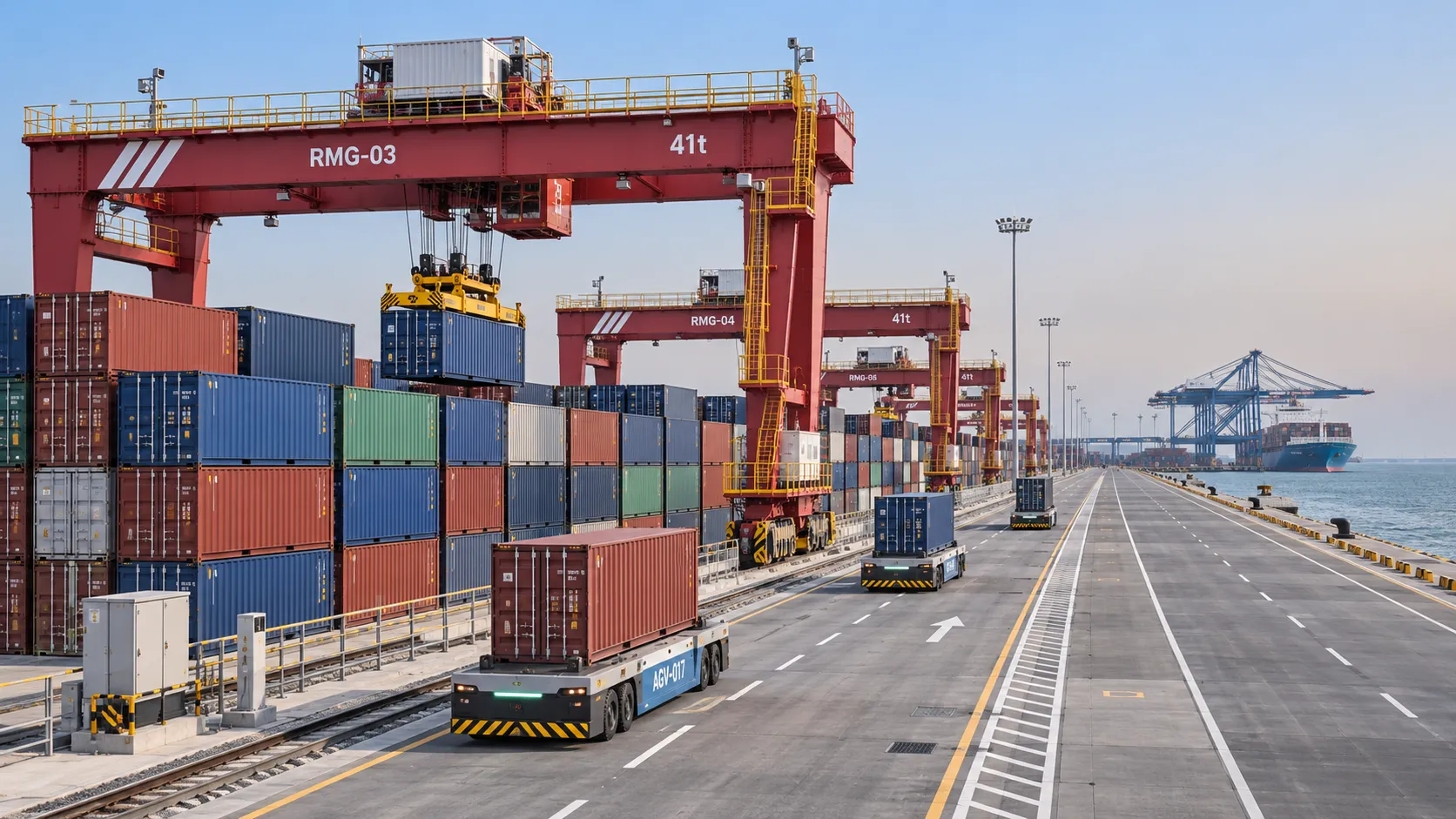
Automated Port Systems Cost: Installation and Operating Expenses
Explore automated port systems cost, from installation and integration to operating expenses. Compare lifecycle costs and make a confident investment decision.

Coastal Economics Standards: How to Value Coastal Ecosystems
Explore coastal economics standards and learn how to value ecosystem services, compare infrastructure options, and make defensible decisions.
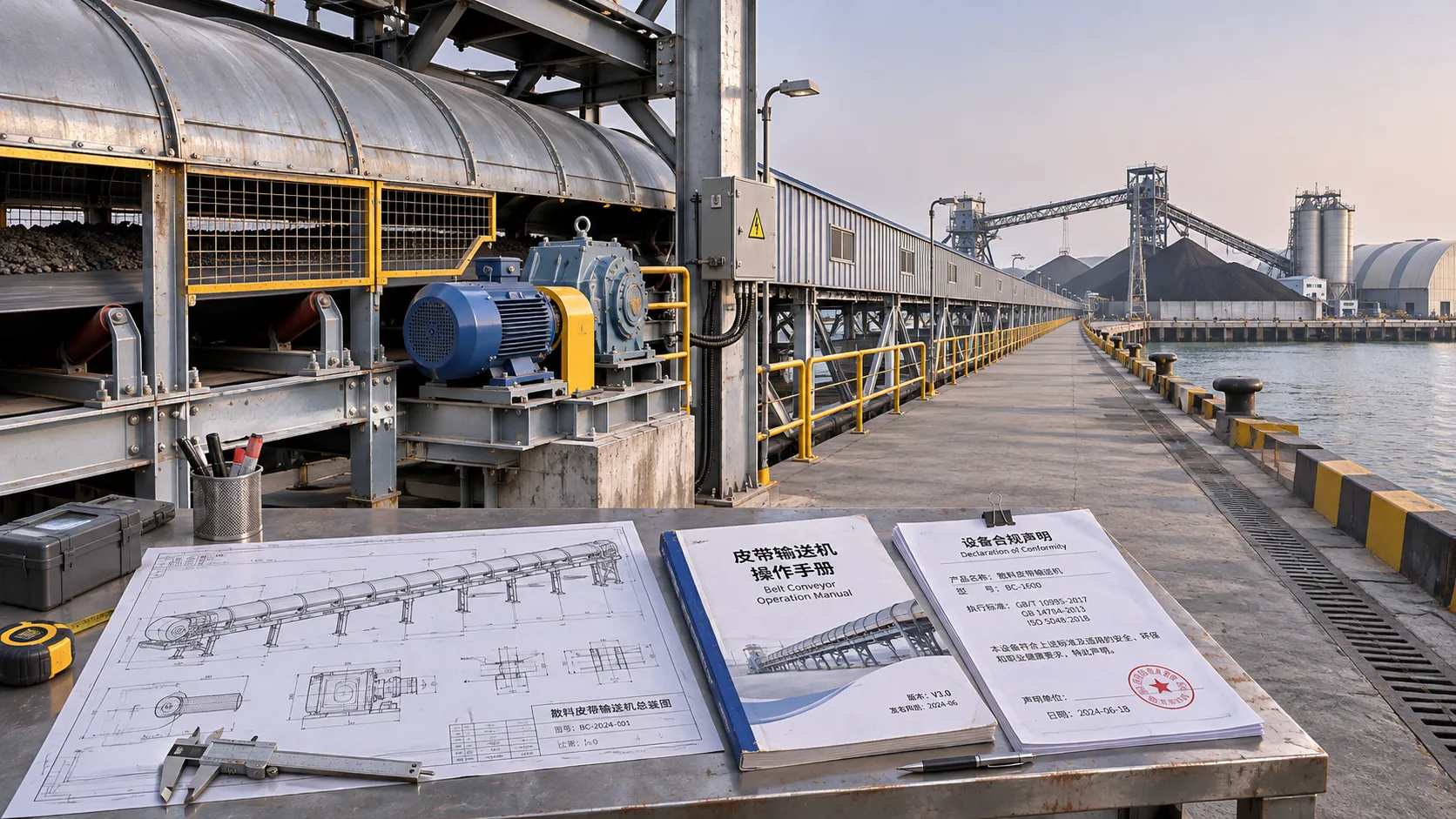
CE Marking for Bulk Material Handling Equipment: What Documents to Check
Bulk material handling CE certified? Discover which declarations, risk assessments and manuals to check before accepting equipment.

Choosing Smart Automated Cargo Handling Systems for Warehouse Operations
Choose smart automated cargo handling systems with confidence. Compare technologies, capacity, safety, costs, and acceptance tests to improve warehouse flow.

Port Terminal Automation: How Cranes, Vehicles and Control Systems Work Together
Discover how terminal automation technology for ports connects cranes, vehicles and control systems to improve coordination, safety and operational flow.
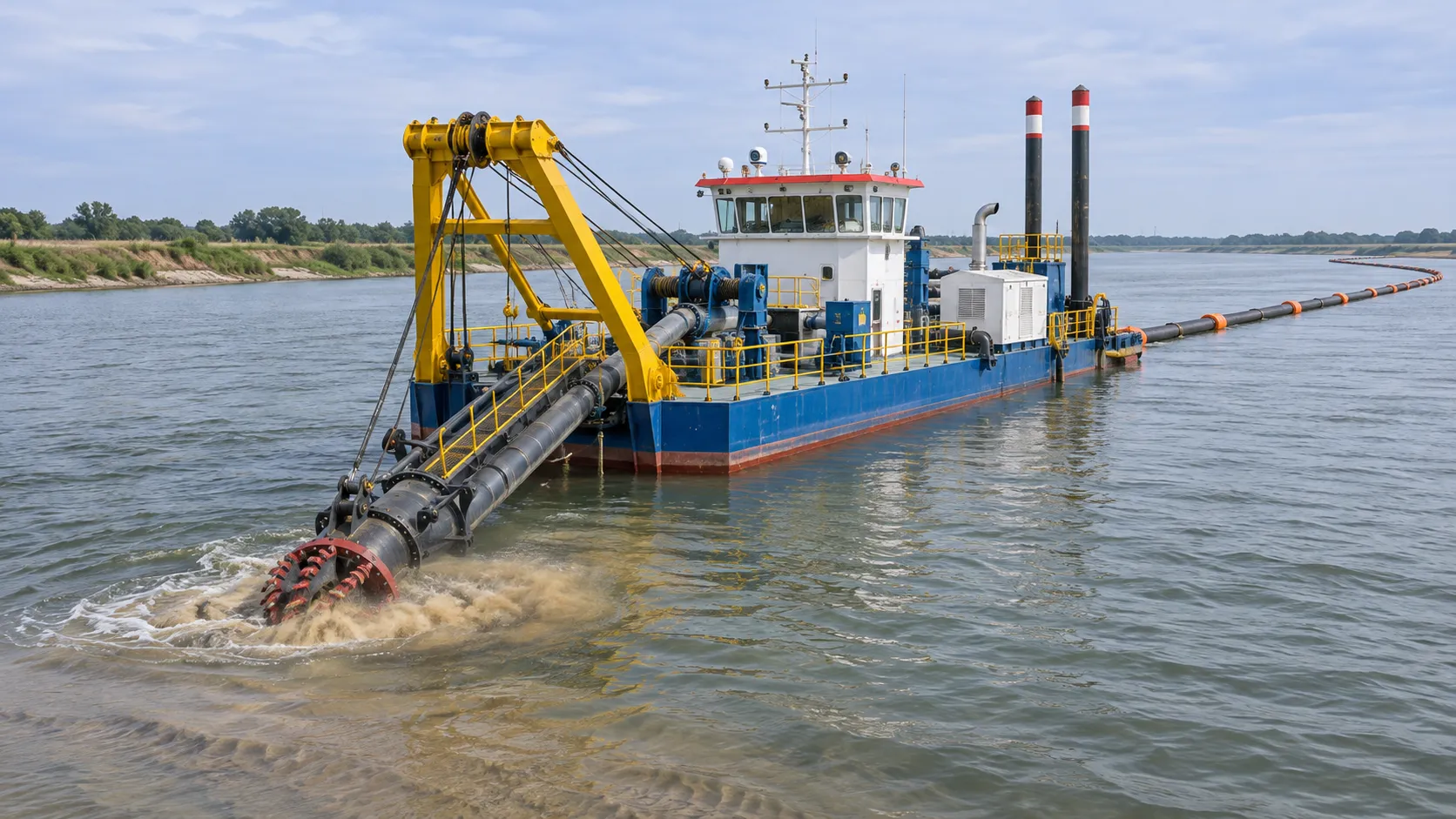
How Soil Conditions Affect Cutter Suction Dredger Performance
Explore the cutter suction dredger range and learn how soil, rock and pipeline conditions affect performance. Compare equipment with confidence.

Predictive Maintenance in Smart Ports: Reducing Crane Downtime
Discover how smart port systems predictive maintenance can reduce crane downtime through condition monitoring, actionable alerts, and better terminal planning.

Choosing Marine Logistics Solutions for Container Shipping: Key Criteria
Compare marine logistics solutions for container shipping by route reliability, total cost, visibility, and disruption response. Find the right fit for your cargo.