Related News
- 00
0000-00
CE Marking for Bulk Material Handling Equipment: What Documents to Check - 00
0000-00
Choosing Smart Automated Cargo Handling Systems for Warehouse Operations - 00
0000-00
Port Terminal Automation: How Cranes, Vehicles and Control Systems Work Together - 00
0000-00
How Soil Conditions Affect Cutter Suction Dredger Performance - 00
0000-00
Predictive Maintenance in Smart Ports: Reducing Crane Downtime
0000-00
How Smart Container Terminal Automation Works: From Cranes to Yard Vehicles
Smart container terminal automation coordinates cranes, yard vehicles, and control systems to move containers with greater operational visibility and consistency. But how do these assets exchange data, execute assignments, and respond to changing conditions across the terminal? The answer lies in the handoffs: between a ship-to-shore crane and a vehicle, between that vehicle and a yard crane, and between the physical move and the software record that confirms it happened. For technical evaluators, those interfaces are often more revealing than the performance specification of any individual machine.
A container move is a chain of decisions
Consider a container being discharged from a vessel. The terminal operating system (TOS) holds information about the vessel plan, container identity, destination and yard inventory. It generates or coordinates work instructions according to the terminal’s operating rules. An equipment control system translates the relevant instructions into executable tasks for cranes or vehicles, while local controllers manage machine motion and interlocks.
The quay crane lifts the container, an assigned vehicle receives it at a transfer point, and a yard crane places it in a designated stack position. Each handoff depends on confirmation: Was the correct container picked up? Is the vehicle in the expected position? Did the spreader release successfully? Only when the relevant events are reported and reconciled can the inventory record reliably reflect the physical state.
That sequence sounds straightforward until an exception occurs. A vehicle may become unavailable, a yard position may be blocked, or the container identity may not match the expected record. A capable system does not merely send the next instruction; it detects the discrepancy, prevents conflicting work and provides a controlled route back to operation.
Where crane automation starts and where people remain
Quay crane automation is rarely an all-or-nothing decision. Certain trolley and hoist movements can be automated, while an operator supervises or controls the more variable ship-side portion. Vessel motion, irregular stowage, obstructions and visibility can complicate automated handling. The actual division of work depends on the crane, vessel mix, sensing arrangement and approved operating concept.
Remote operation changes the interface rather than removing the need for operational judgment. Camera coverage, image quality, control responsiveness and the presentation of alarms all affect an operator’s ability to handle an unusual lift. A low average network delay is not enough to establish suitability: evaluators should also examine variation in delay, packet loss, availability and the machine’s response when the connection deteriorates.
In the yard, automated stacking cranes typically work within a more structured environment. Their control systems must still manage container positioning, stack height, travel limits and conflicts with other equipment. A handoff at the landside truck lane deserves particular attention: the automated zone meets human-driven vehicles and, potentially, people on foot. The design must define when entry is permitted, how the area is verified clear and what happens when the expected sequence is interrupted.
AGVs and autonomous vehicles: movement is only part of the job
Automated guided vehicles (AGVs) and other automated yard vehicles move containers between transfer points. Depending on the design, they may follow defined routes or use more flexible navigation. Positioning can combine technologies such as satellite navigation, sensors, onboard perception and fixed infrastructure; no single arrangement is automatically appropriate for every terminal layout.
The fleet manager has to coordinate more than a shortest path. It assigns vehicles, manages traffic conflicts, accounts for charging or battery exchange where applicable, and tries to keep crane transfer points supplied. A route that looks efficient for one vehicle can create a queue that delays several others. Equally, sending too many vehicles to the quay can congest transfer lanes without increasing crane output.
Ask what happens when a vehicle stops in a shared route. The answer should cover obstacle detection, safe stopping, traffic re-routing, incident notification and recovery authorization. It should also explain how the system distinguishes a temporary communication interruption from a vehicle that has physically stopped. A dispatch screen showing a free route is not proof that the route is safe.
The control architecture: plans, commands and physical truth
A useful way to assess the architecture is to separate business planning from equipment execution. The TOS generally manages terminal inventory and operational work; equipment control or fleet management systems coordinate machine tasks; programmable controllers and onboard systems execute motion and safety functions. The boundaries vary by supplier and project, so the interface specification matters more than the labels on a diagram.
For a transfer instruction, the interface should define the container and equipment identifiers, pickup and delivery locations, task status, timestamps and exception codes. It should also define who owns each state transition. If a completion message is delayed or duplicated, can the receiving system recognize it without creating a second move? If the physical lift succeeds but the confirmation fails, who verifies the container’s location before work resumes?
These are not edge cases to leave until site testing. Interface agreements should cover acknowledgement, retry behavior, time synchronization, message ordering and reconciliation after a restart. They should also identify which system is authoritative for each piece of data. Without that discipline, an apparently minor mismatch between yard inventory and equipment status can stop work across several machines.
Network architecture is similarly practical. Wireless coverage must be assessed around steel structures, stacked containers and moving equipment, not just on an empty site plan. Segment operational technology networks, control remote access and log changes, but make sure security controls do not obstruct a safe recovery. Redundancy is useful only when failover behavior has been tested under realistic operating conditions.
Safety is a system property, not a dispatch feature
A traffic-management application can reduce conflicting assignments, but it should not be treated as the sole safeguard against a hazardous movement. Safety functions need to be designed and validated as part of the machinery and terminal safety architecture. Depending on the hazard, that may involve protective zones, emergency stops, interlocks, speed limitations, detection systems and controlled access procedures.
ISO 12100 provides a general machinery risk-assessment and risk-reduction framework. IEC 61508 addresses functional safety of electrical, electronic and programmable electronic safety-related systems, while ISO 13849-1 concerns safety-related parts of control systems. Their relevance and application depend on the equipment, safety functions and project requirements; citing a standard alone does not establish that a terminal design is safe or compliant. Local legislation and applicable machinery requirements also need verification.
The difficult scenarios are often maintenance and recovery. A technician may need to enter an automated block, isolate energy, retrieve a failed vehicle or inspect a suspended load. The operating concept should make clear how equipment is brought to a safe state, how access is controlled and how the area is checked before automation restarts. A manual override that bypasses normal interlocks without a defined authorization and recovery process is a risk, not a convenience.
Measure the flow, not just the machine
A crane’s rated cycle or a vehicle’s travel speed cannot, on its own, predict terminal throughput. Waiting at a handoff, yard reshuffles, blocked lanes and exception handling can absorb the apparent gain. Compare alternatives using a representative operating mix: vessel call patterns, container sizes, import and export flows, yard occupancy, truck arrivals and equipment availability.
Simulation can expose congestion before construction or software deployment, but its value depends on the assumptions. Check whether it includes equipment failures, manual interventions, travel restrictions and realistic transfer times. A model that assumes every confirmation arrives immediately may be useful for a theoretical capacity limit; it is less useful as evidence of day-to-day performance.
For acceptance testing, agree on definitions before comparing results. Crane productivity, vehicle utilization and system availability can be calculated in different ways. The measurement window, excluded events and treatment of standby time should be explicit. Include recovery time and inventory accuracy alongside production measures: a terminal that moves quickly until the first exception may still be operationally fragile.
A practical evaluation sequence
Start with the terminal’s physical constraints and desired operating concept, then map the interfaces between suppliers. A retrofit may have to accommodate existing crane controls, yard geometry and live operations; a new terminal has more layout freedom but still needs credible integration and commissioning plans. In either case, an apparently attractive automation scope can become expensive to change once transfer points and safety zones are fixed.
Review normal moves and disrupted moves together. Request a traceable demonstration of task creation, equipment assignment, handoff confirmation and inventory update, followed by a failed-message or unavailable-vehicle scenario. Confirm which supplier diagnoses each fault, what data is available to the terminal and whether support staff can access logs without relying on an undocumented workaround.
PS-Nexus follows the connection between heavy terminal machinery, scheduling logic and communications because those elements determine how well an automated port works as a whole. For an individual project, the most useful next step is to turn that connection into an interface and failure-mode review. If the parties cannot agree on what happens when a container move is interrupted, a headline automation specification is not yet a sufficient basis for acceptance.
Have questions about the global trade trends discussed here, or planning your expansion and supply chain strategy? Leave a message below and let the trade experts at PS-Nexus guide you.
We respect your privacy. Your information is strictly confidential.
Related News
Shipping Rate Analytics for Ports: How to Forecast Cargo Demand
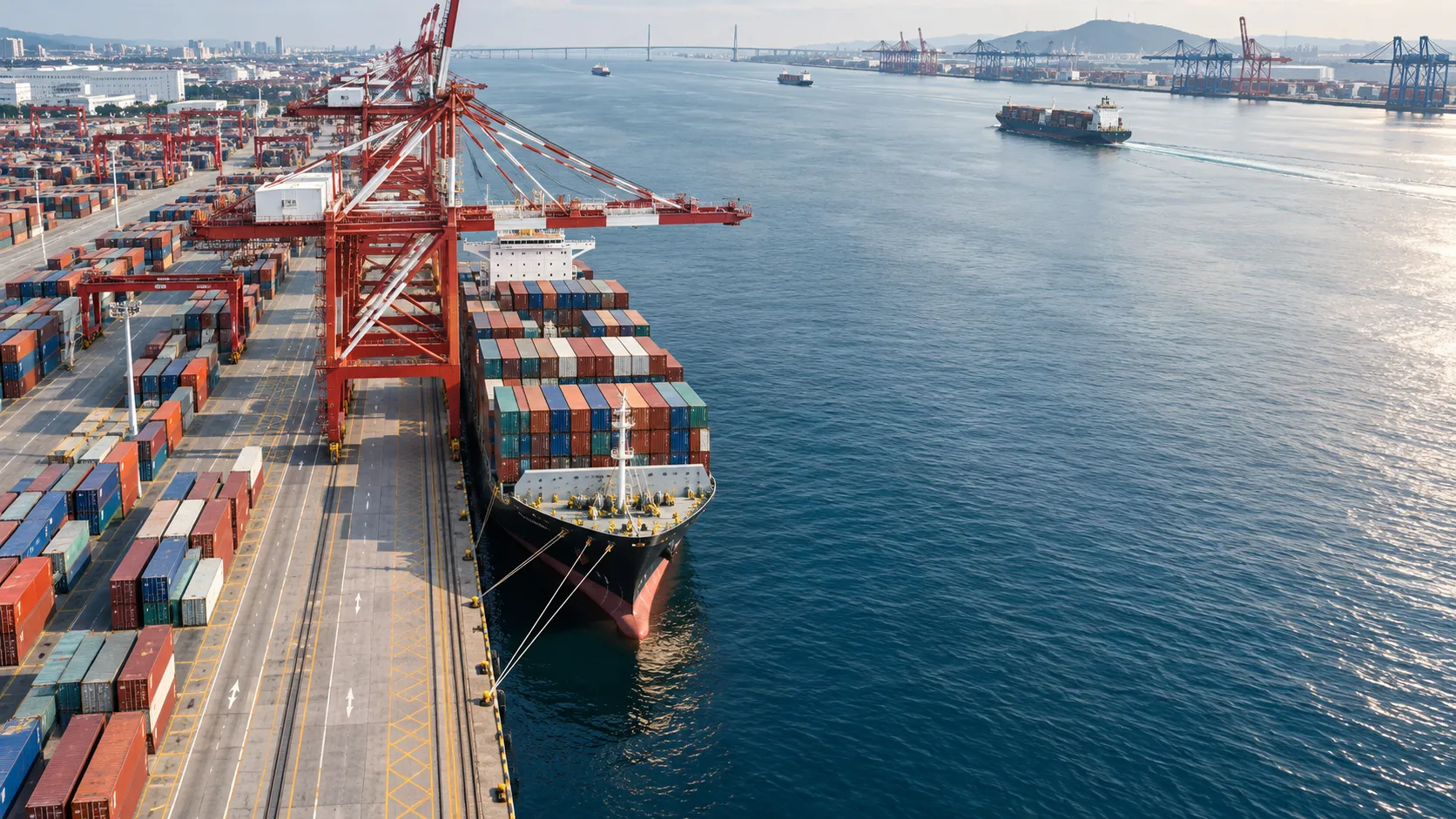
Shipping rate analytics for ports helps you forecast cargo demand, distinguish price signals from capacity shifts, and make smarter terminal investment decisions.
Automated Port Systems Cost: Installation and Operating Expenses
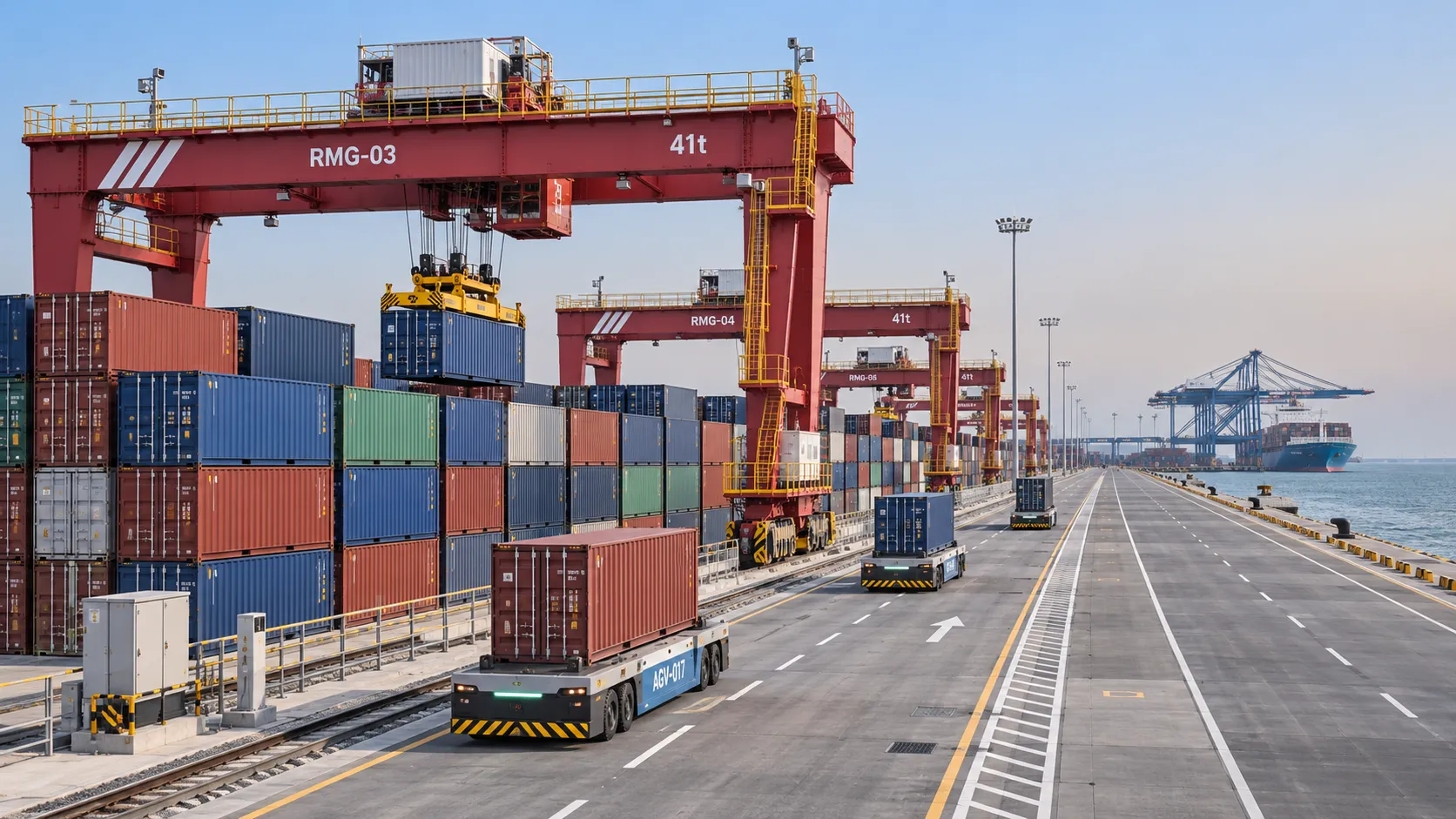
Explore automated port systems cost, from installation and integration to operating expenses. Compare lifecycle costs and make a confident investment decision.

Coastal Economics Standards: How to Value Coastal Ecosystems
Explore coastal economics standards and learn how to value ecosystem services, compare infrastructure options, and make defensible decisions.
CE Marking for Bulk Material Handling Equipment: What Documents to Check
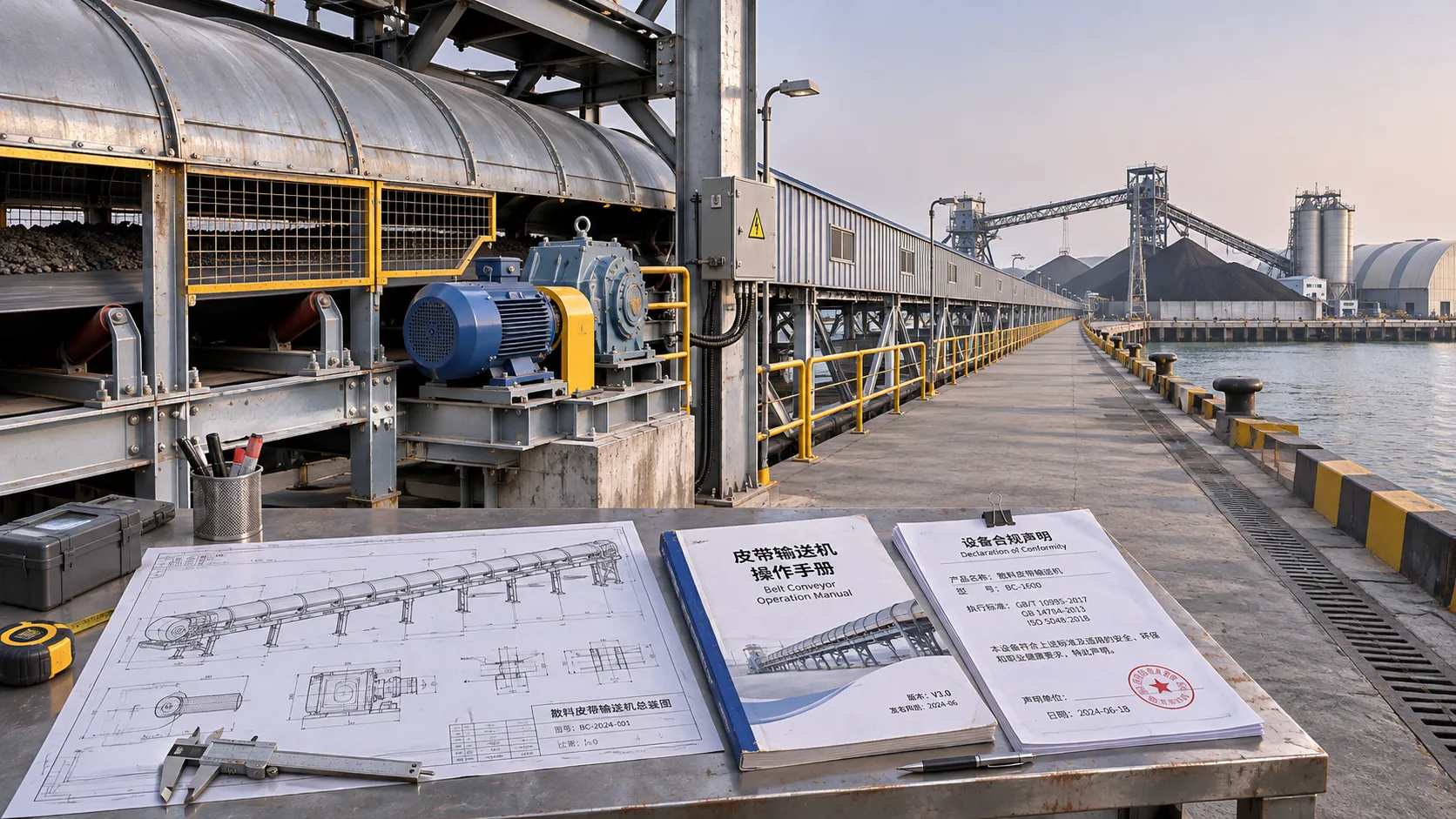
Bulk material handling CE certified? Discover which declarations, risk assessments and manuals to check before accepting equipment.
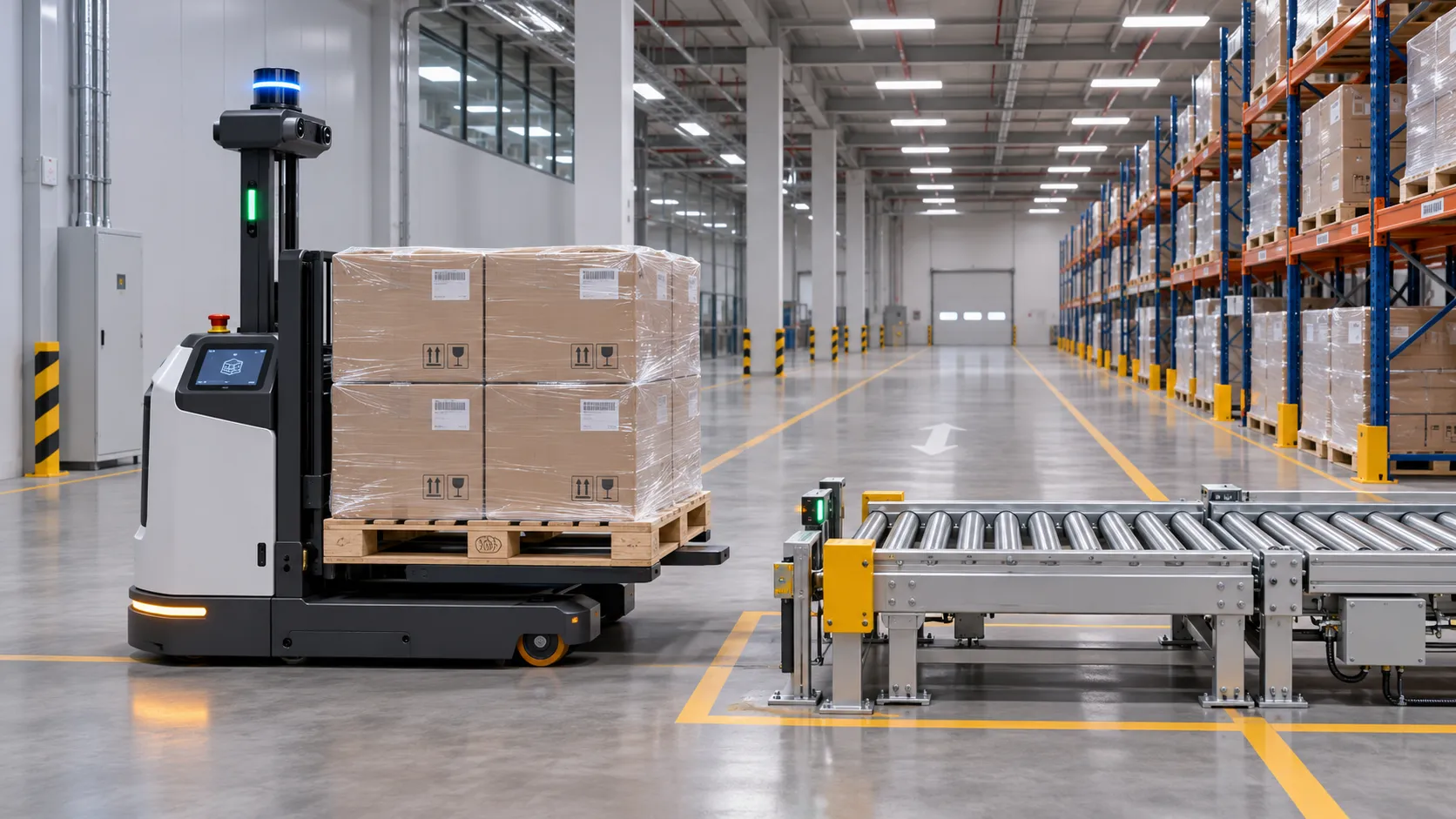
Choosing Smart Automated Cargo Handling Systems for Warehouse Operations
Choose smart automated cargo handling systems with confidence. Compare technologies, capacity, safety, costs, and acceptance tests to improve warehouse flow.
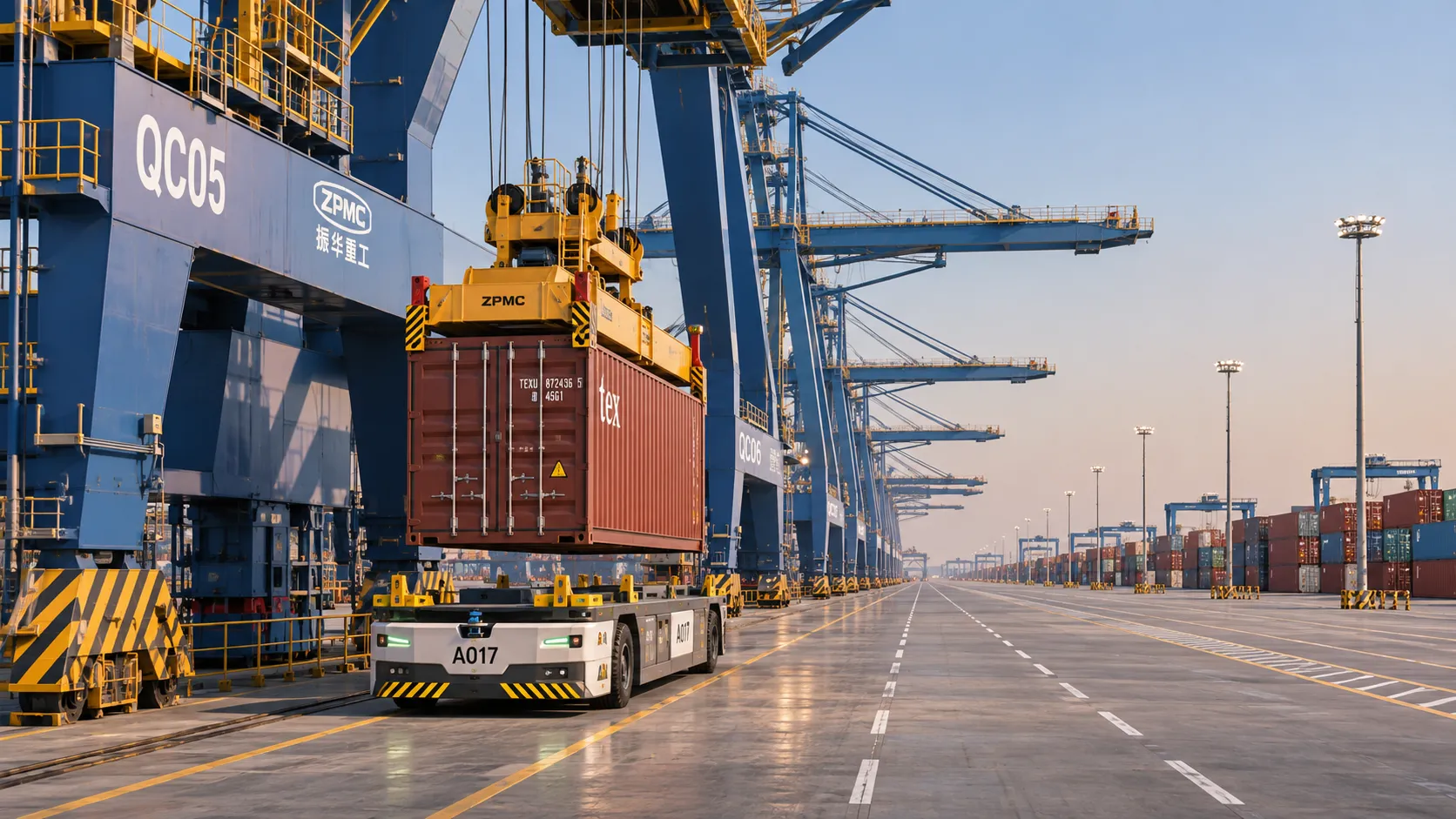
Port Terminal Automation: How Cranes, Vehicles and Control Systems Work Together
Discover how terminal automation technology for ports connects cranes, vehicles and control systems to improve coordination, safety and operational flow.
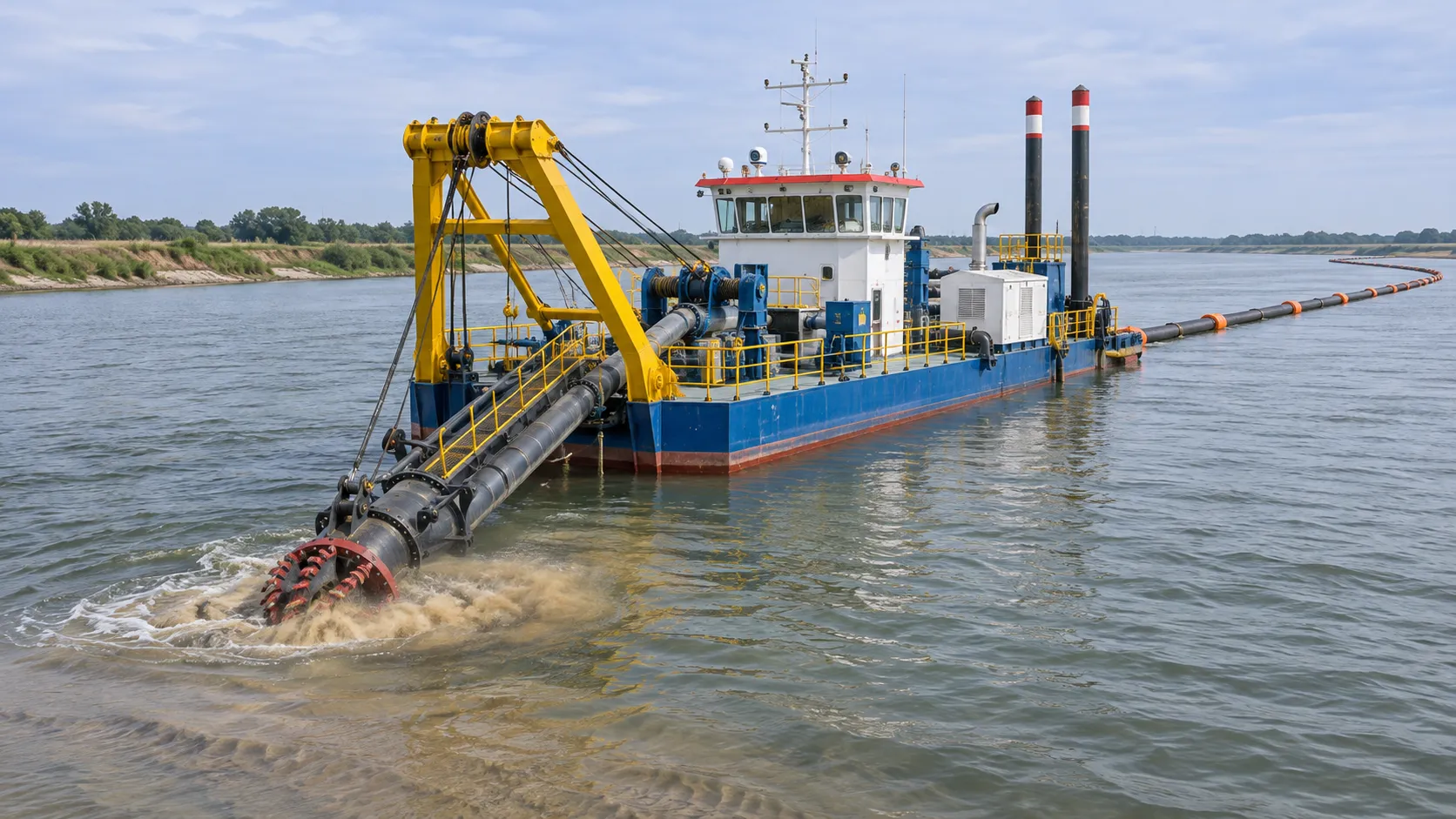
How Soil Conditions Affect Cutter Suction Dredger Performance
Explore the cutter suction dredger range and learn how soil, rock and pipeline conditions affect performance. Compare equipment with confidence.
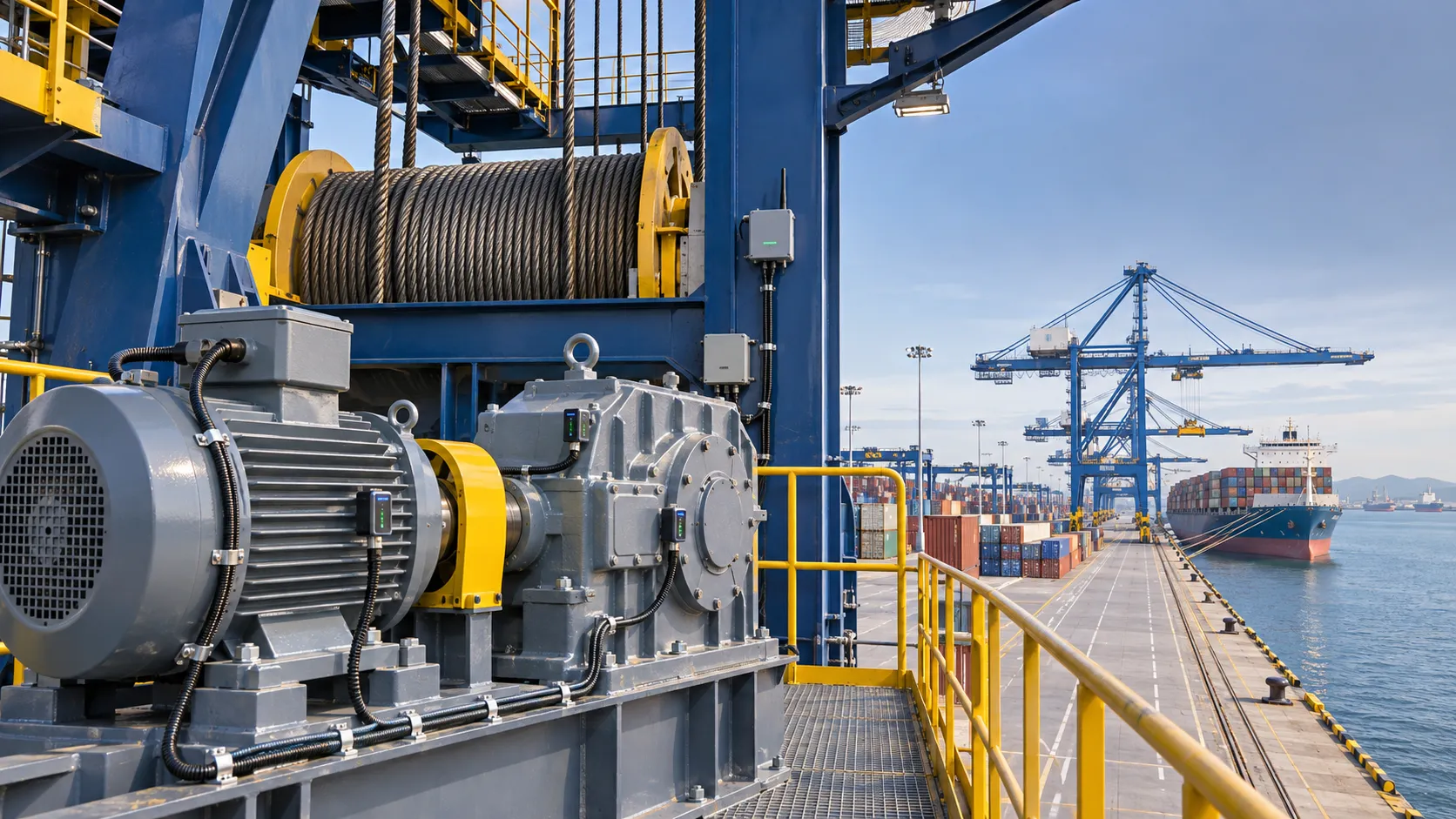
Predictive Maintenance in Smart Ports: Reducing Crane Downtime
Discover how smart port systems predictive maintenance can reduce crane downtime through condition monitoring, actionable alerts, and better terminal planning.
Choosing Marine Logistics Solutions for Container Shipping: Key Criteria
Compare marine logistics solutions for container shipping by route reliability, total cost, visibility, and disruption response. Find the right fit for your cargo.