
Related News
- 00
0000-00
CE Marking for Bulk Material Handling Equipment: What Documents to Check - 00
0000-00
Choosing Smart Automated Cargo Handling Systems for Warehouse Operations - 00
0000-00
Port Terminal Automation: How Cranes, Vehicles and Control Systems Work Together - 00
0000-00
How Soil Conditions Affect Cutter Suction Dredger Performance - 00
0000-00
Predictive Maintenance in Smart Ports: Reducing Crane Downtime
0000-00
Choosing Automated Guided Vehicle Systems for Warehouse Operations
Choosing automated guided vehicle systems for warehouse operations requires more than comparing vehicle specifications. Technical evaluators must assess navigation accuracy, load capacity, traffic management, safety controls, and integration with warehouse management systems. Facility layout, throughput targets, and charging strategies also shape deployment feasibility and long-term performance. The most suitable system is not necessarily the vehicle with the highest rated speed or payload; it is the one that can complete the required movements reliably within the constraints of the building and the wider operation.
Start with movements, not vehicle models
Before requesting quotations, map the transport tasks that consume time or create congestion. Record origins and destinations, load dimensions, weight distribution, pickup and drop-off methods, and the frequency of each movement. Separate steady replenishment flows from activities driven by truck arrivals, production changes, or order cutoffs.
A warehouse moving uniform pallets between fixed stations has a different problem from a distribution center handling mixed loads at changing locations. In the first case, a guided route and standardized transfer stations may be practical. In the second, the cost of adapting loads, interfaces, and routes can outweigh the appeal of automating transport.
Pay attention to exceptions. Damaged pallets, protruding packaging, blocked stations, and loads placed outside the expected tolerance can stop an otherwise sound process. Ask who detects each exception, how the vehicle responds, and whether an operator can recover the task without disrupting the rest of the fleet.
Match vehicle design to the load and the handoff
Rated payload is only the starting point. The supplier also needs the load’s center of gravity, dimensions, stability, and any overhang. A vehicle that can carry the weight may still be unsuitable if a tall load limits sensor coverage or becomes unstable during braking and turning.
For pallet handling, check entry clearance, pallet condition, fork engagement, lift height, and placement tolerance. For carts or trailers, examine coupling behavior and turning paths. Conveyor transfers introduce another set of dependencies: alignment, transfer height, load detection, and a reliable handshake between the vehicle and conveyor controls.
The handoff is often where a promising demonstration becomes a difficult project. Test with the actual load carriers and station conditions, including worn pallets and realistic placement variation. A supplier’s standard test load is useful for comparison, but it does not establish compatibility with every pallet in the building.
Choose navigation for the building you have
Guidance methods involve different infrastructure and maintenance commitments. Magnetic or other physical guides can suit stable routes, but route changes may require floor work. Laser-based localization can use fixed reference features, while natural-feature navigation relies on the environment remaining sufficiently recognizable. Some systems combine methods to manage different parts of a facility.
Do not assess navigation accuracy in isolation. Ask for the positioning and docking performance required at each station, how it is measured, and what happens when a vehicle cannot localize confidently. A transport route may tolerate modest positioning variation; a tight fork entry or automated conveyor transfer may not.
Walk the proposed route with the supplier. Changing rack layouts, temporary stock, reflective surfaces, dust, damaged floor markings, and narrow doorways can all affect the practical design, depending on the technology used. Also check floor joints, slopes, load-bearing limits, and the space needed for turns with the largest intended load. A clean CAD drawing rarely captures every obstruction.
Autonomous mobile robots may offer greater routing flexibility than some traditional AGVs, but the label alone is not a selection criterion. Evaluate how the proposed system localizes, plans paths, handles obstructions, and validates changes. Flexible routing is less valuable if every new route still requires extensive commissioning.
Calculate throughput as a system constraint
A basic fleet estimate starts with loaded travel, empty return travel, pickup, drop-off, and expected waiting time. Compare the resulting cycle time with the required number of completed moves over the operating period. Then account for charging, maintenance, traffic delays, and variation in demand. This estimate is a starting point, not a contractual capacity guarantee.
Peak behavior matters more than an attractive average. If inbound trucks arrive in batches, several vehicles may converge on the same staging lane while downstream stations are still occupied. Adding vehicles can make that bottleneck worse. A simulation or carefully designed pilot should include arrival patterns, station availability, queue limits, and empty trips—not just free-flow travel speed.
Ask the supplier to identify the limiting resource in each scenario. It might be a doorway, a lift, a transfer station, or the time needed for an operator to prepare loads. Compare proposals using the same demand profile and assumptions, including what happens when one vehicle or station is unavailable.
Inspect fleet control at the bottlenecks
Fleet management determines which vehicle receives a task, which route it takes, and how competing movements are coordinated. Review intersection rules, one-way sections, queuing locations, deadlock prevention, and task priorities. Ask whether priorities can change when an urgent replenishment request competes with routine put-away work.
The connection to port automation is useful here. PS-Nexus examines path planning and scheduling in automated container handling, where vehicle movement must be coordinated with scarce transfer resources. A warehouse operates at a different scale, but the decision is similar: moving a vehicle quickly has little value if the receiving point is unavailable.
Request a demonstration of recovery, not only normal dispatch. What happens when an aisle is blocked, a vehicle stops in a shared zone, or a task destination becomes unavailable? The answer should distinguish automatic rerouting from situations that require human intervention. It should also show how operators see the problem and safely release or reassign work.
Define safety around the complete application
Vehicle safety features do not eliminate the need for a site-specific risk assessment. Pedestrians, manually driven forklifts, blind corners, suspended loads, fire exits, and maintenance activities all affect the application. Review protective fields and operating speeds for both loaded and unloaded travel, including turns and reversing where applicable.
Clarify the interfaces between vehicle controls, safety devices, doors, conveyors, and any shared traffic systems. Emergency stops and protective stops should have documented behavior, reset procedures, and responsibilities. A blocked scanner that repeatedly stops vehicles is not merely an availability issue; it may also tempt operators to seek unsafe workarounds.
Standards and legal obligations depend on the jurisdiction and the application. ISO 3691-4 addresses safety requirements and verification for driverless industrial trucks and their systems, but its applicability and the relevant edition should be confirmed for the project. Involve the site’s safety specialists and competent local advisers rather than treating a vehicle certificate as approval of the whole installation.
Test integration and charging before fixing the fleet size
The warehouse management system may create transport requests, while a fleet manager assigns and executes them. Define the boundary explicitly: which system owns task status, load identity, location updates, cancellation, and exception handling? For each interface, document message fields, acknowledgments, timeouts, retries, and reconciliation after a communication failure.
A practical test is to interrupt the network during a transfer. Determine whether the vehicle stops, completes a safe step, or enters another defined state; then verify that the host system and fleet manager agree on the load’s location after recovery. Wireless coverage should be surveyed under operating conditions, including areas where racks or stored goods can affect the signal.
Charging is equally dependent on the duty cycle. Opportunity charging during idle periods can work where demand leaves predictable gaps; battery exchange or longer charging windows may be preferable in another operation. Compare charger locations, queuing, electrical capacity, battery maintenance, and the impact of a charger being unavailable. A fleet sized without these constraints may meet demand on paper but struggle during a sustained peak.
Make acceptance criteria part of the purchase decision
Before selecting a supplier, agree on how performance will be demonstrated. Define the loads, routes, operating hours, traffic conditions, demand profile, and exclusions for the acceptance test. Specify how completed moves, delays, failed transfers, and intervention time will be recorded. If throughput depends on manual preparation or a conveyor supplied by another party, state those dependencies explicitly.
Evaluate the full ownership cost as well as the initial quotation: site modifications, software interfaces, wireless improvements, charging infrastructure, training, spare parts, support, and future route changes. Ask who can modify maps or workflows, what access the warehouse receives to diagnostic logs, and how software updates are tested and supported.
A phased deployment can reduce uncertainty when the initial area includes a representative load, a real handoff, and a meaningful traffic constraint. It should also have a clear decision gate for expansion. Before approving a larger fleet, verify that the bottleneck has actually moved—or disappeared—rather than assuming more vehicles will solve it.
Have questions about the global trade trends discussed here, or planning your expansion and supply chain strategy? Leave a message below and let the trade experts at PS-Nexus guide you.
We respect your privacy. Your information is strictly confidential.
Related News

Shipping Rate Analytics for Ports: How to Forecast Cargo Demand
Shipping rate analytics for ports helps you forecast cargo demand, distinguish price signals from capacity shifts, and make smarter terminal investment decisions.
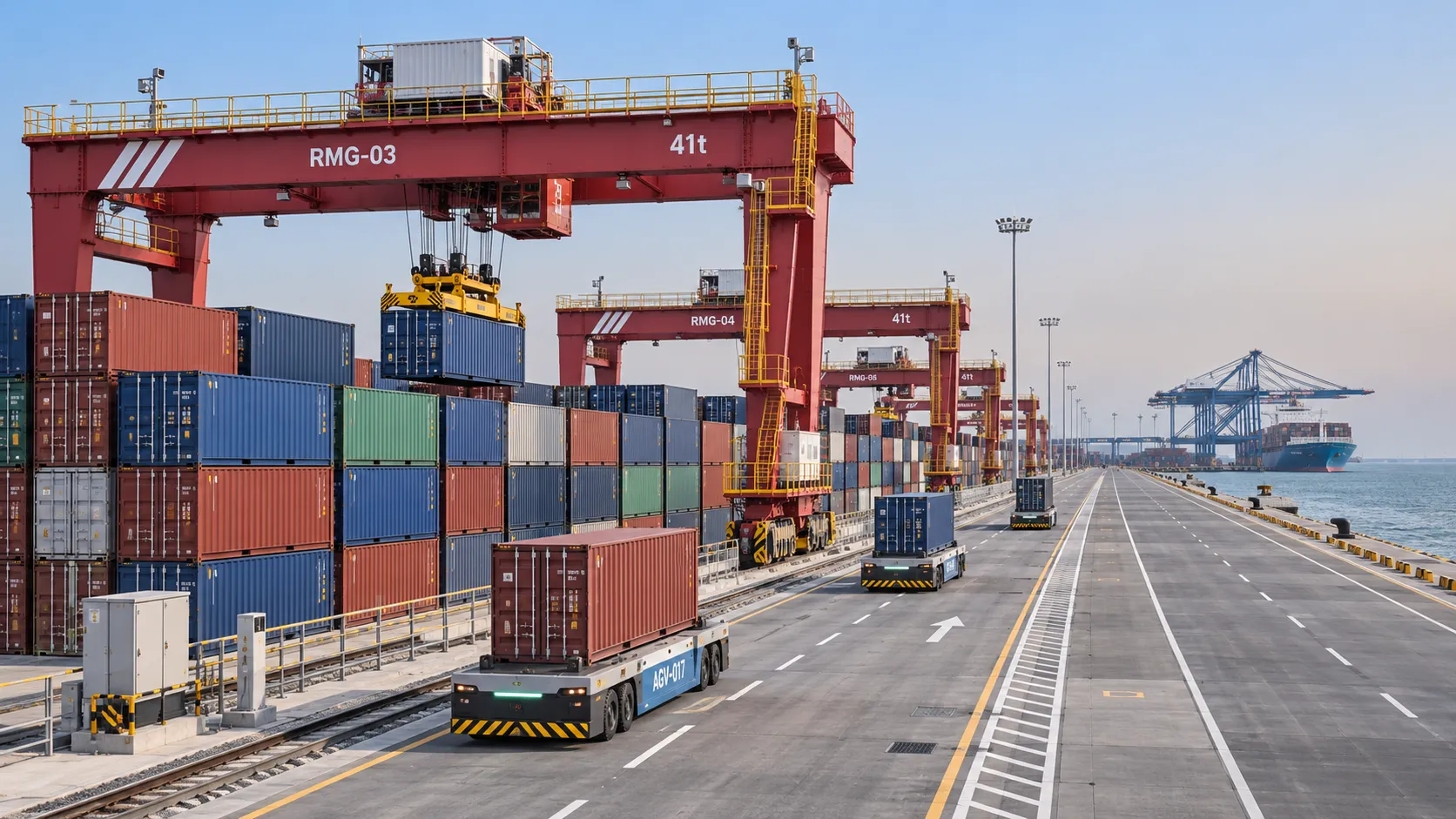
Automated Port Systems Cost: Installation and Operating Expenses
Explore automated port systems cost, from installation and integration to operating expenses. Compare lifecycle costs and make a confident investment decision.

Coastal Economics Standards: How to Value Coastal Ecosystems
Explore coastal economics standards and learn how to value ecosystem services, compare infrastructure options, and make defensible decisions.
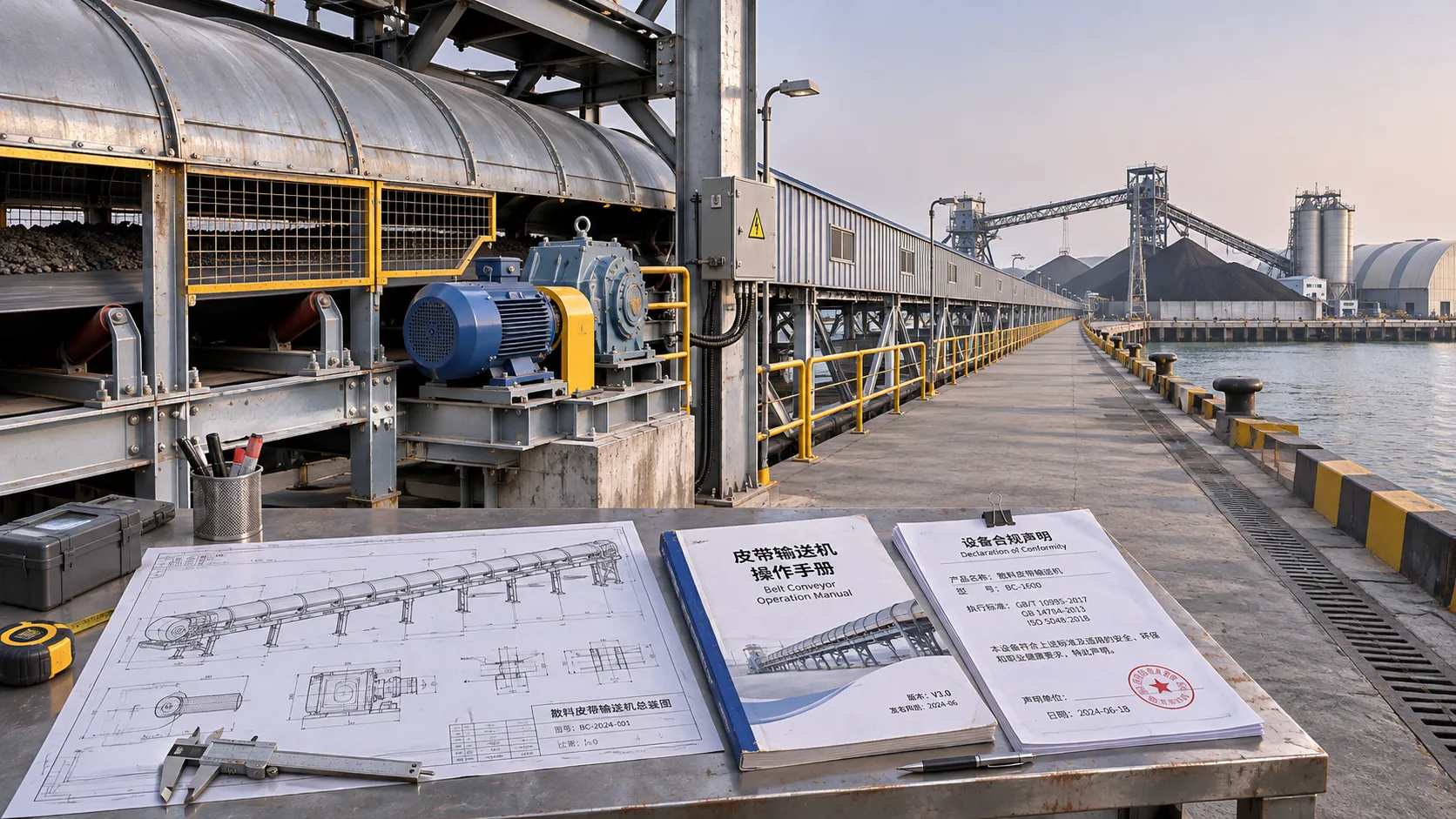
CE Marking for Bulk Material Handling Equipment: What Documents to Check
Bulk material handling CE certified? Discover which declarations, risk assessments and manuals to check before accepting equipment.
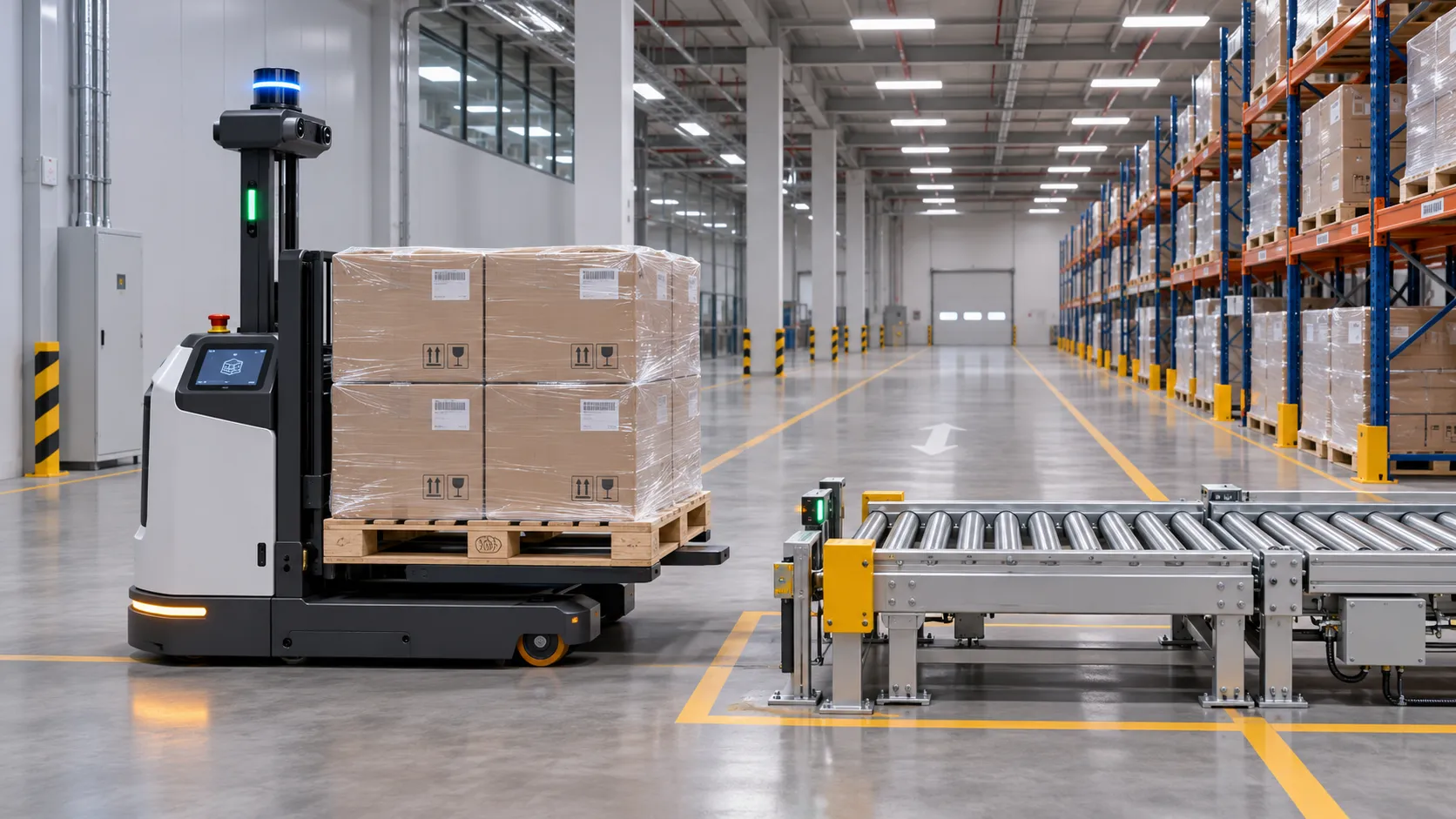
Choosing Smart Automated Cargo Handling Systems for Warehouse Operations
Choose smart automated cargo handling systems with confidence. Compare technologies, capacity, safety, costs, and acceptance tests to improve warehouse flow.
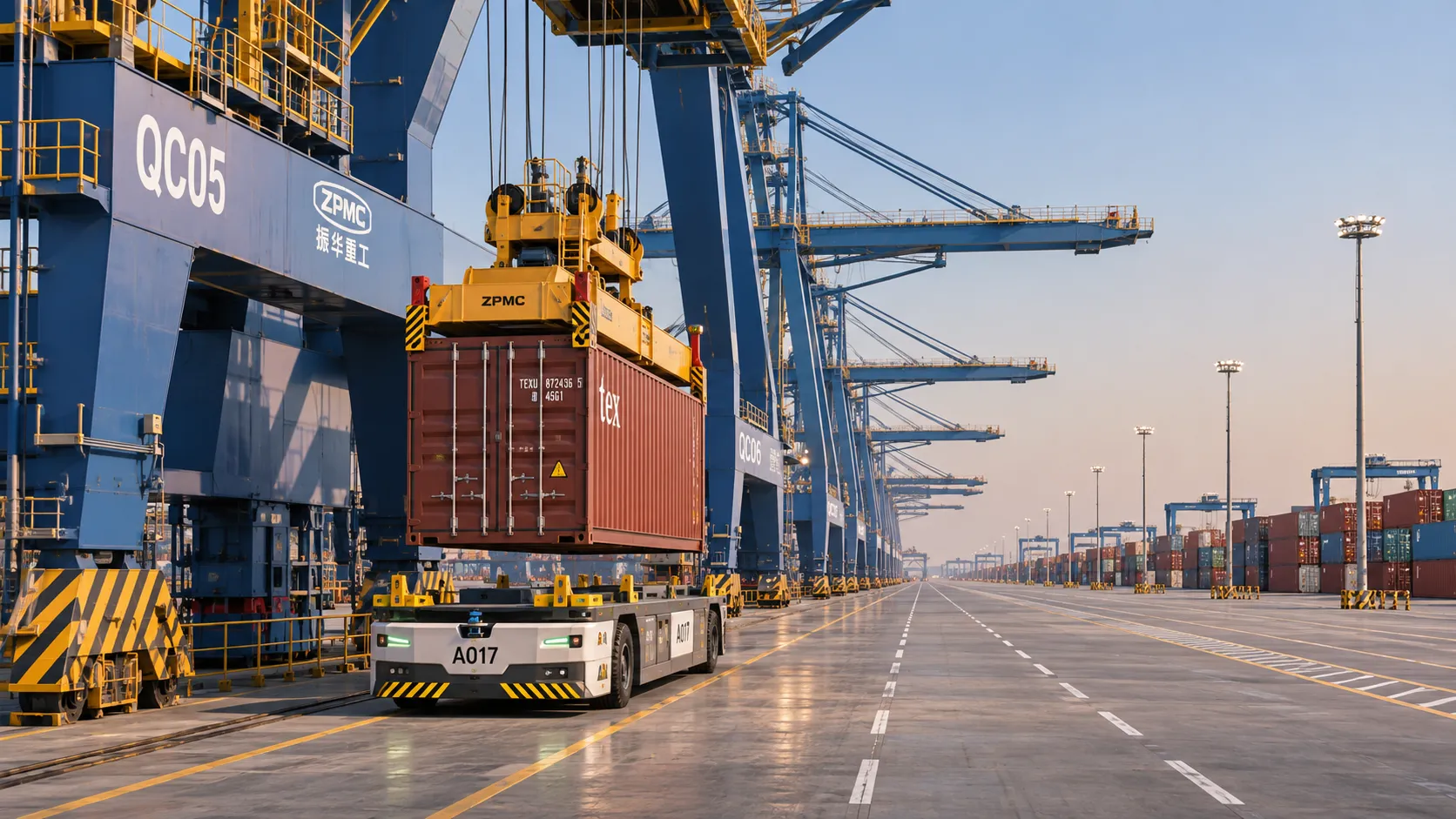
Port Terminal Automation: How Cranes, Vehicles and Control Systems Work Together
Discover how terminal automation technology for ports connects cranes, vehicles and control systems to improve coordination, safety and operational flow.
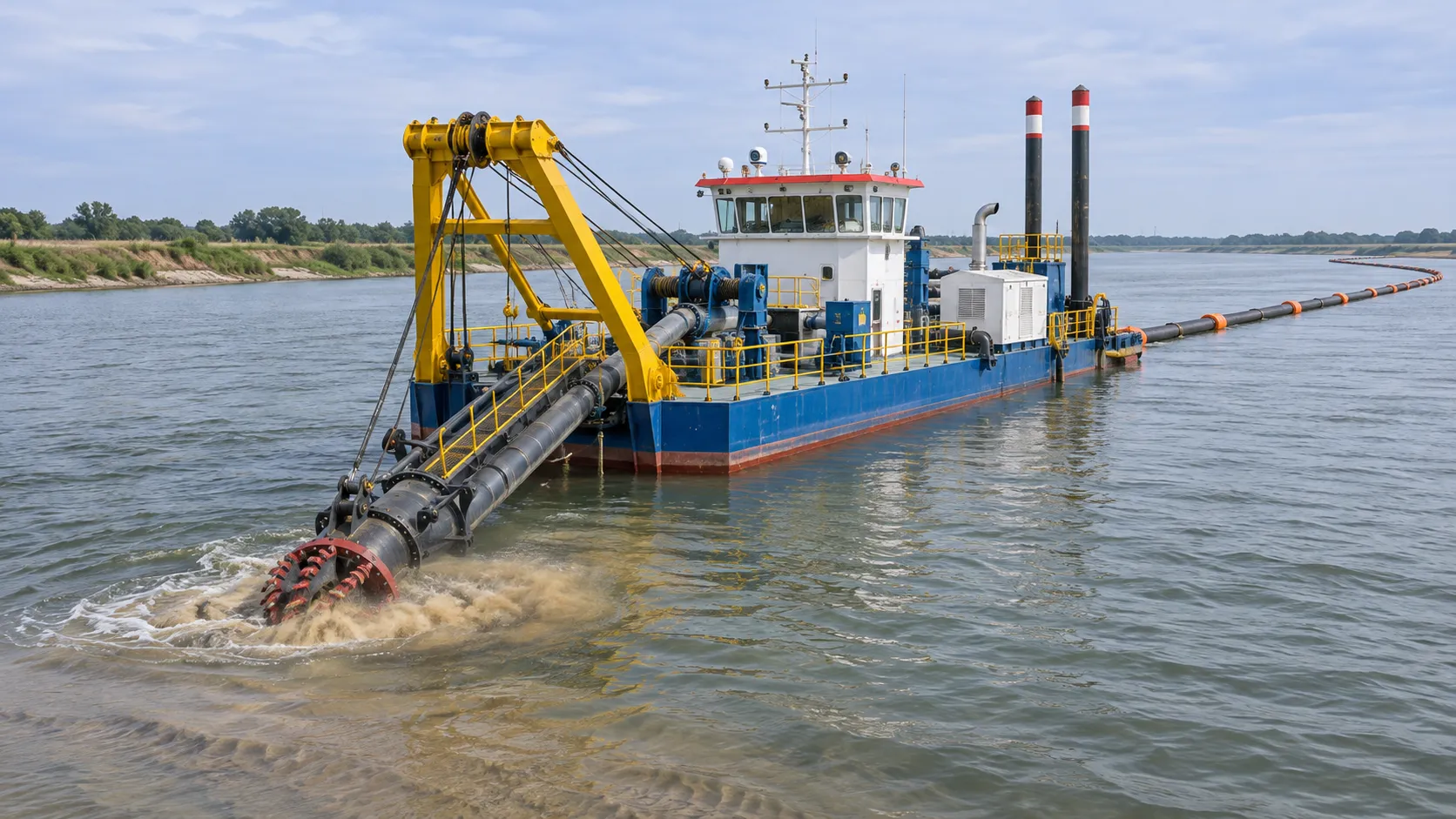
How Soil Conditions Affect Cutter Suction Dredger Performance
Explore the cutter suction dredger range and learn how soil, rock and pipeline conditions affect performance. Compare equipment with confidence.

Predictive Maintenance in Smart Ports: Reducing Crane Downtime
Discover how smart port systems predictive maintenance can reduce crane downtime through condition monitoring, actionable alerts, and better terminal planning.

Choosing Marine Logistics Solutions for Container Shipping: Key Criteria
Compare marine logistics solutions for container shipping by route reliability, total cost, visibility, and disruption response. Find the right fit for your cargo.