Related News
- 00
0000-00
CE Marking for Bulk Material Handling Equipment: What Documents to Check - 00
0000-00
Choosing Smart Automated Cargo Handling Systems for Warehouse Operations - 00
0000-00
Port Terminal Automation: How Cranes, Vehicles and Control Systems Work Together - 00
0000-00
How Soil Conditions Affect Cutter Suction Dredger Performance - 00
0000-00
Predictive Maintenance in Smart Ports: Reducing Crane Downtime
0000-00
Choosing Heavy-Duty Coastal Engineering Equipment for Marine Conditions
Select heavy duty coastal engineering equipment by matching its operating envelope, ground or vessel support, corrosion protection, and maintainability to the conditions at the worksite—not by rated capacity alone. A machine that can lift or excavate the required load in calm conditions may be unsuitable when waves restrict access, soft seabed limits support, or abrasive sediment accelerates wear.
The first decision is therefore whether the proposed equipment can perform the required duty safely within realistic environmental limits. After that, compare alternatives on expected productive time, inspection requirements, and lifecycle cost. A lower purchase price has limited value if the machine must frequently stand down or needs repairs that cannot be performed at the site.
Define the site envelope before comparing machines
Start with the work to be delivered: material type and volume, placement or disposal location, required tolerances, working depth, reach, lift radius, and planned operating hours. Distinguish the maximum demand from the load that will occur repeatedly. A crane may have enough capacity for an occasional lift but still be poorly suited to a repetitive duty cycle; a dredger may reach the required depth but struggle with the material or discharge distance.
Translate site information into conditions that can be checked against manufacturer documentation:
- Water and weather: tidal range, currents, waves, wind, visibility, and the seasonal distribution of conditions during the work window.
- Ground and seabed: soil strength, variability, slopes, obstructions, scour potential, and the quality and age of survey data.
- Access: channel depth, overhead and horizontal clearances, quay bearing capacity, vessel access, and room to assemble or retrieve equipment.
- Materials: grain size, density, debris, contamination where relevant, and the anticipated proportion of hard or cohesive layers.
- Interfaces: available power, fuel, water, communications, disposal routes, lifting accessories, and adjacent operations.
Record both normal operating conditions and the more severe conditions relevant to securing or evacuating equipment. The working limit is not necessarily the survival limit. A floating plant may be able to remain secured on site in conditions in which lifting or dredging has already stopped.
Compare configurations against the actual task
The choice between land-based, floating, and amphibious arrangements often has a greater effect on feasibility than the difference between two models of the same machine. Each transfers loads and accepts environmental exposure differently.
These are screening categories, not universal rules. For example, a cutter suction dredger may handle some compacted materials that are difficult for a suction-only system, but cutter power alone does not establish suitability. Check the material investigation, excavation method, pipeline route, pumping distance, and access for cutter maintenance. Debris or boulders may require a different tool or a separate clearance operation.
Likewise, an amphibious excavator can improve access across soft or shallow areas, but its ground pressure, flotation, stability, attachment limits, and recovery arrangements must be assessed for the particular configuration. Do not assume that equipment described as amphibious can work safely at any water depth or on any soft ground.
Read capacity ratings in their operating context
Lifting and structural loads
For cranes, obtain the load chart for the exact boom, counterweight, outrigger or crawler configuration, and operating mode. Compare the chart at the actual radius and lifting geometry, including hook block, rigging, and other suspended gear where required by the chart. Confirm whether the chart is valid for the proposed support conditions and whether the lift involves a vessel, submerged load, or other condition outside the basic rating assumptions.
Marine lifts introduce motion, dynamic effects, wind exposure, and changing load paths. A suspended component can also experience suction, hydrodynamic forces, or snagging during underwater placement or recovery. These effects require an engineered lift assessment; they should not be treated as covered simply because a static load is below the chart value. Confirm the stop-work limits and who is responsible for monitoring them.
For a shore-based machine, trace the load into the support surface. Outrigger reactions or crawler pressures must be checked against the prepared platform and the underlying ground, including proximity to quay edges, buried services, and slopes. On a barge, the crane and vessel must be assessed as a combined system, including stability and motion throughout the lift.
Dredging duty and material handling
Nominal pump power or hopper volume is not the same as achievable output. Ask how the proposed production estimate accounts for the material, depth, mixture concentration, pipeline losses, vessel movements, and time spent repositioning or discharging. Require the assumptions to be visible so competing estimates can be compared on the same basis.
Check the wear allowance and replacement arrangements for pump casings, impellers, cutting edges, teeth, screens, and pipelines. In abrasive sediment, the limiting factor may be access to replacement parts rather than installed power. For cohesive material, blockage, cutter behavior, and separation or placement requirements may matter more than the nominal flow rate.
Specify corrosion protection by exposure zone
“Marine grade” is not a complete specification. Equipment can have submerged surfaces, a splash zone, sheltered voids, exposed structural steel, electrical enclosures, and components that alternate between wet and dry conditions. Each presents a different corrosion risk and may need a different protection and inspection approach.
Request the proposed coating system, surface preparation, intended service environment, repair procedure, and inspection requirements. For submerged structures or components, establish whether cathodic protection is included and how it will be monitored and maintained. Coatings and cathodic protection must be compatible with the equipment design; their presence does not eliminate the need to inspect damage and manage corrosion.
Pay particular attention to interfaces: fasteners joining dissimilar metals, cable entries, hose fittings, pins, inaccessible crevices, and areas where standing water can collect. Check the sealing and drainage arrangements for electrical cabinets, along with ventilation or condensation control where needed. A high enclosure protection rating is useful only when cable glands, doors, installation, and maintenance preserve that protection.
Corrosion allowance, coating selection, and protection design should be tied to the intended service life and inspection access. A component that can be cleaned and recoated on shore may justify a different arrangement from one that requires dry-docking or underwater intervention.
Account for downtime that the specification sheet misses
Compare machines using a common operating scenario rather than maximum theoretical output. Identify the activities in a work cycle: productive operation, positioning, loading or unloading, transit, tool changes, inspection, and planned maintenance. Then apply the site’s weather and access constraints to each activity. Do not count all sheltered days as productive if the equipment also needs time to reach the work area or restore its setup.
The purpose is not to manufacture a precise forecast from uncertain inputs. It is to expose which assumptions drive the decision. A floating machine may offer better reach but lose working time to wave limits; a shore machine may have a more restricted work area but remain accessible for maintenance. Test both options against the same schedule and document uncertainties separately.
Include mobilization and demobilization in the comparison. Transport dimensions, lifting points, assembly space, dredger draft, permits where applicable, and the availability of support vessels can determine whether an otherwise capable machine can reach the site on time. Confirm what is supplied with the machine and what must be obtained separately, including anchors, pipelines, hoses, spare wear parts, and monitoring equipment.
Make maintainability a selection criterion
Ask for maintenance intervals and task descriptions for the proposed duty, not only a generic service schedule. Identify which tasks can be done afloat or at the workface and which require a quay, lifting appliance, dry-dock, or specialist technician. Check safe access to pumps, filters, slew bearings, hydraulic connections, and electrical panels with the equipment in its anticipated working position.
For remote work, compare the lead time and interchangeability of critical spares against the consequences of failure. A spare pump component is useful only if the crew has the tools, lifting capacity, instructions, and safe isolation arrangements to replace it. Similarly, remote diagnostics can help identify a fault, but their value depends on connectivity, access permissions, data quality, and local repair capability.
Condition monitoring should support a specific decision. Vibration or temperature trends may prompt inspection of a pump or bearing, while hydraulic contamination monitoring can inform maintenance of the fluid system. Agree on who reviews the information, what action follows an alarm, and whether the monitoring remains usable when communications are interrupted.
Close technical gaps before approving the selection
Issue the same site and duty assumptions to each supplier, and require deviations to be identified rather than hidden in general statements of compliance. A technical comparison should separate confirmed performance from estimates and unresolved interfaces. The following evidence is particularly useful:
- Configuration-specific load charts, operating limits, equipment dimensions, and support reactions.
- A production or duty assessment showing material, environmental, cycle-time, and downtime assumptions.
- Corrosion protection details, inspection access, maintenance tasks, and expected replacement strategy for wear components.
- Requirements for utilities, support vessels, positioning, communications, transport, and commissioning.
- Applicable design, lifting, vessel, electrical, and environmental requirements identified for the jurisdiction and scope, with responsibilities for demonstrating conformity.
Resolve discrepancies before treating alternatives as equivalent. If seabed information is insufficient to establish support or anchor performance, more investigation may change the equipment choice. If a lift falls outside published chart conditions, a project-specific engineered assessment is needed. Where wave, current, or material data are uncertain, compare the options against a defensible range and identify the point at which each would have to stop, change method, or require additional support.
Have questions about the global trade trends discussed here, or planning your expansion and supply chain strategy? Leave a message below and let the trade experts at PS-Nexus guide you.
We respect your privacy. Your information is strictly confidential.
Related News
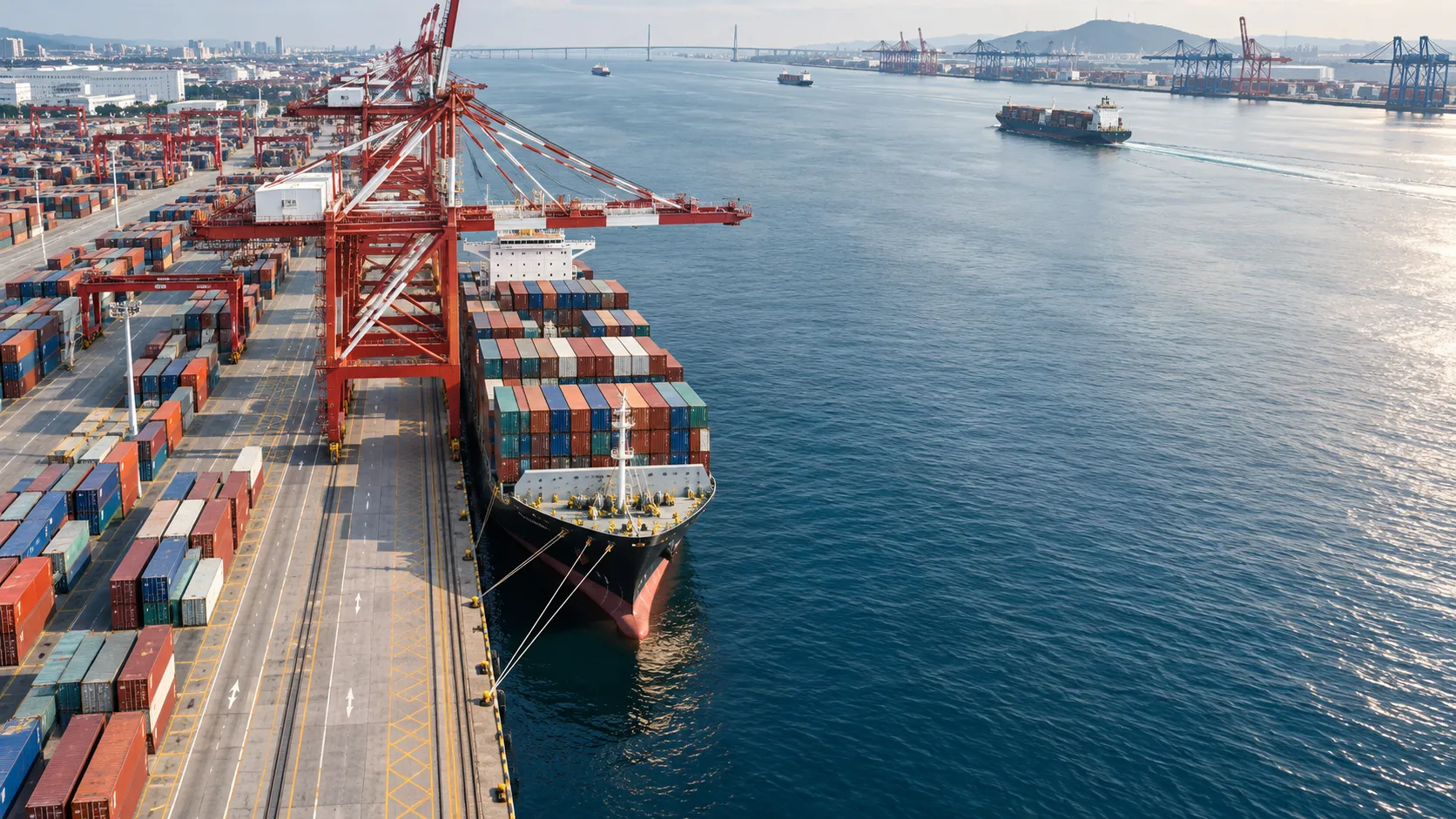
Shipping Rate Analytics for Ports: How to Forecast Cargo Demand
Shipping rate analytics for ports helps you forecast cargo demand, distinguish price signals from capacity shifts, and make smarter terminal investment decisions.
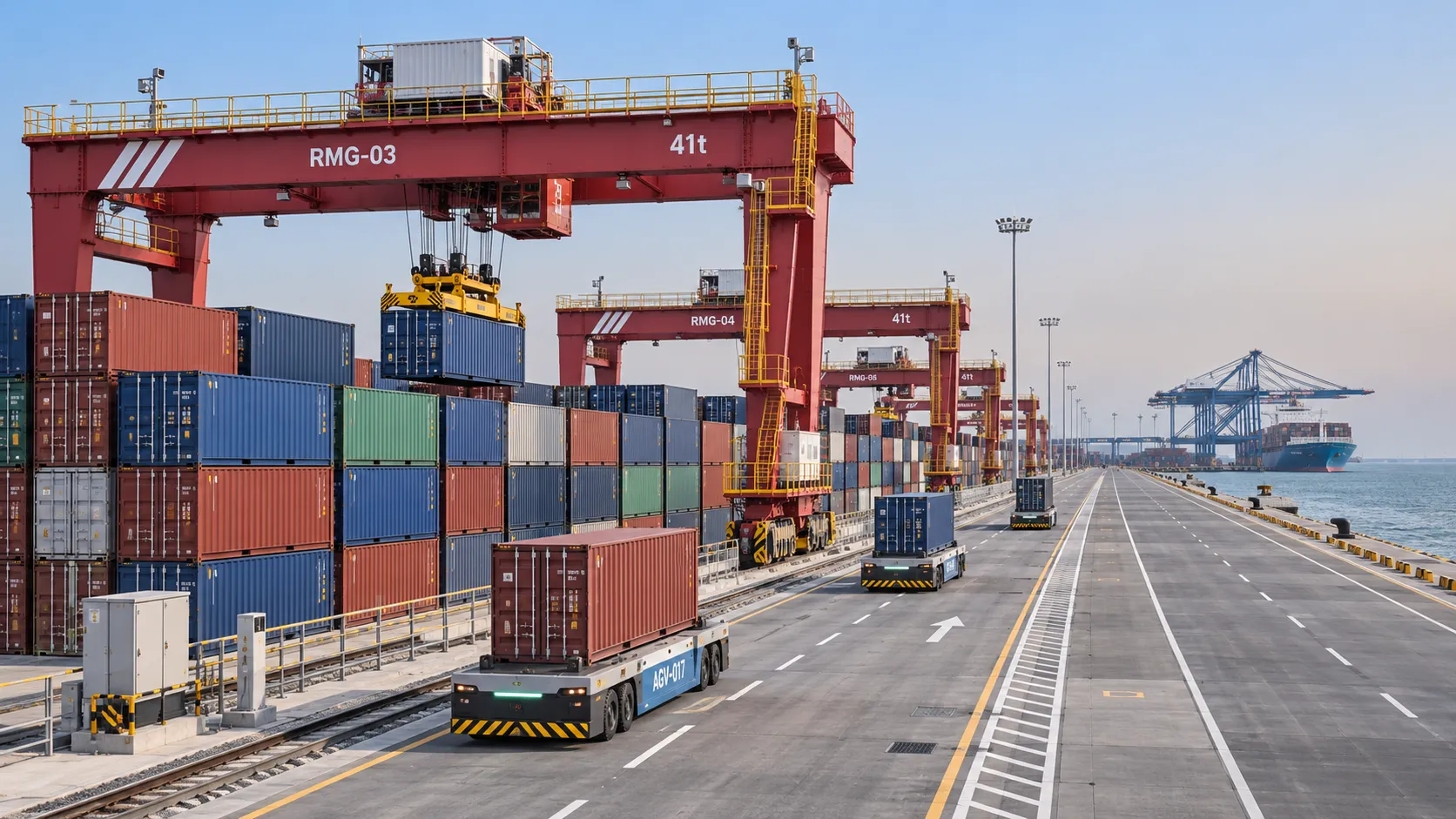
Automated Port Systems Cost: Installation and Operating Expenses
Explore automated port systems cost, from installation and integration to operating expenses. Compare lifecycle costs and make a confident investment decision.
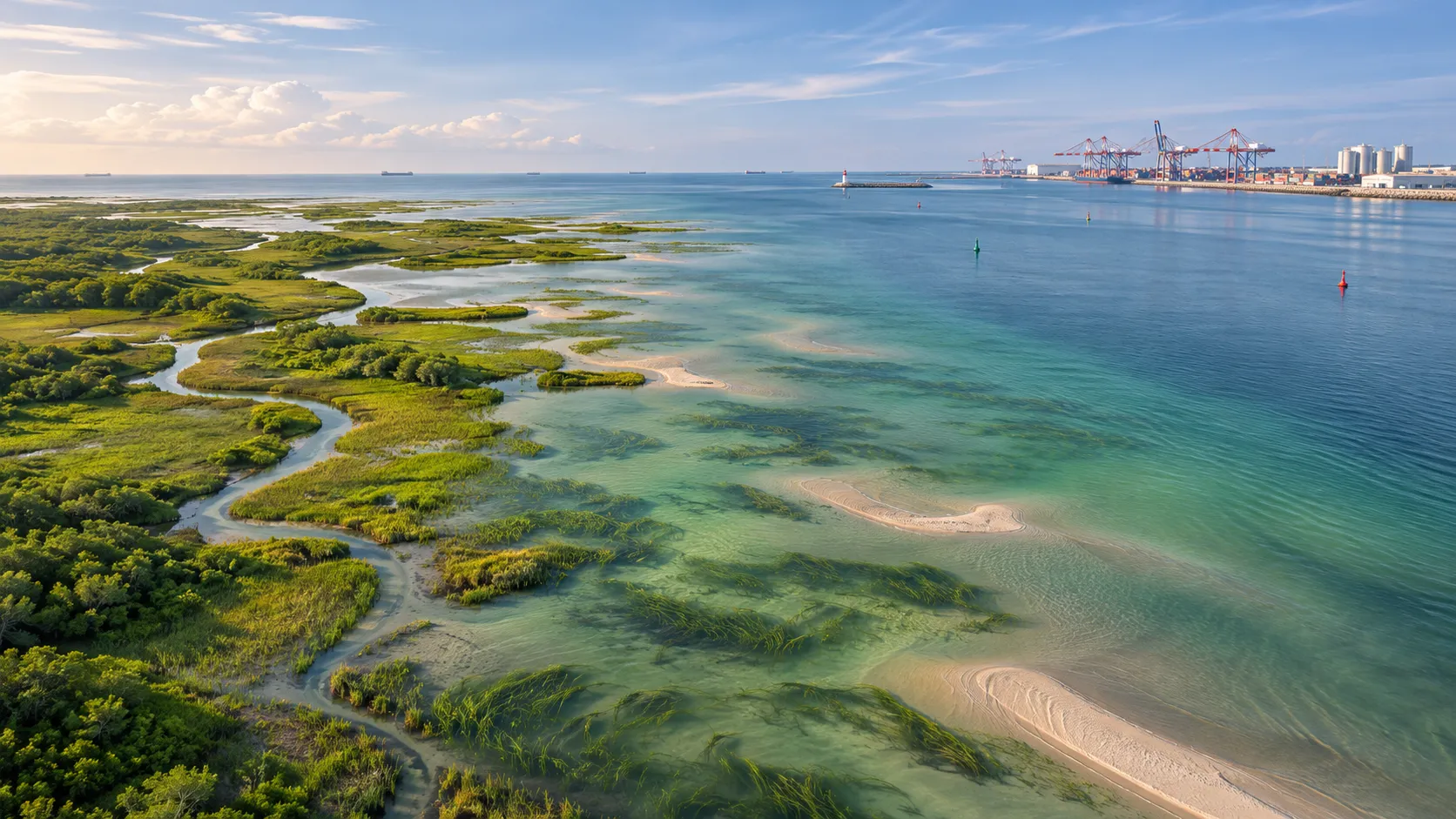
Coastal Economics Standards: How to Value Coastal Ecosystems
Explore coastal economics standards and learn how to value ecosystem services, compare infrastructure options, and make defensible decisions.
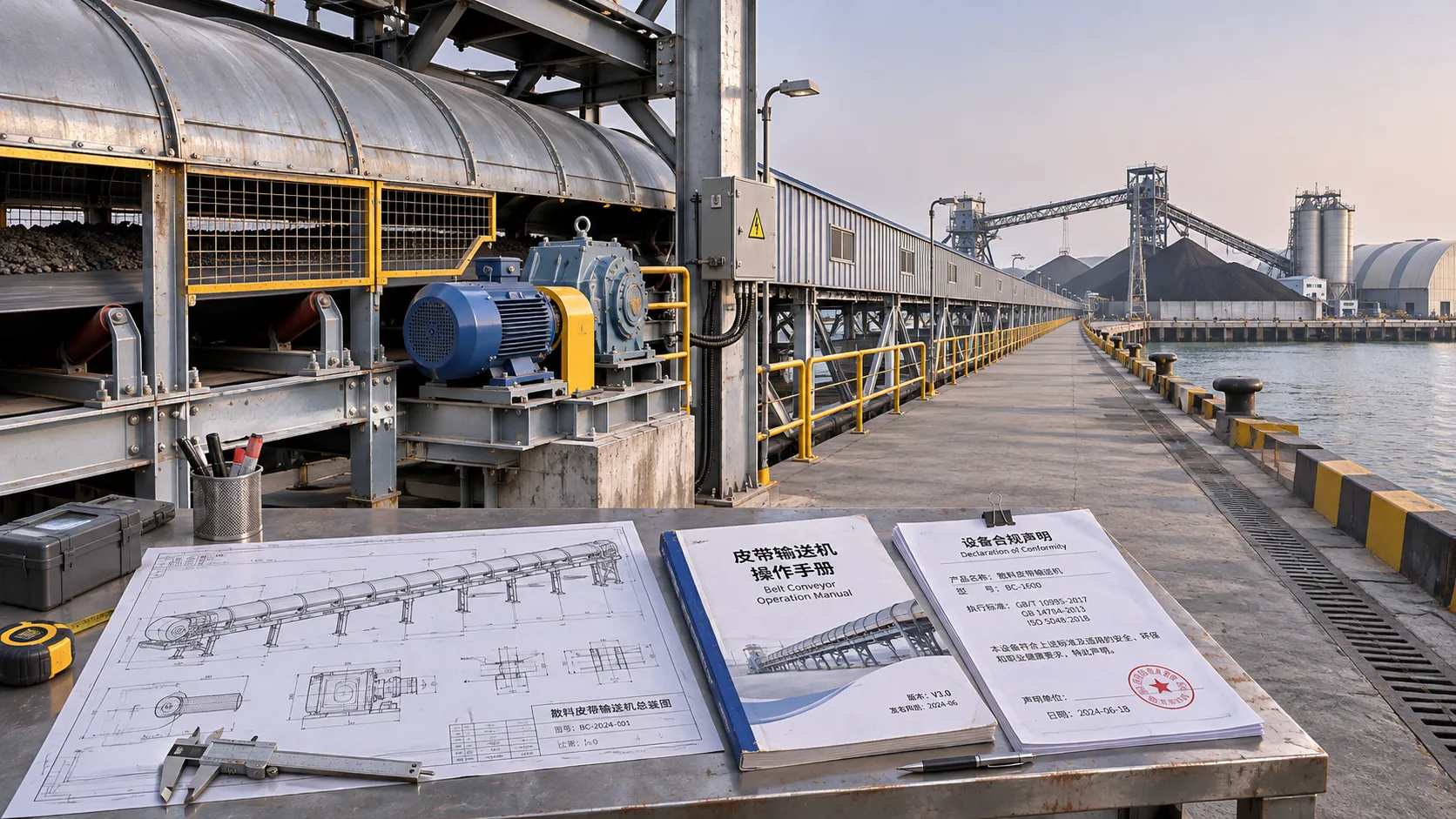
CE Marking for Bulk Material Handling Equipment: What Documents to Check
Bulk material handling CE certified? Discover which declarations, risk assessments and manuals to check before accepting equipment.

Choosing Smart Automated Cargo Handling Systems for Warehouse Operations
Choose smart automated cargo handling systems with confidence. Compare technologies, capacity, safety, costs, and acceptance tests to improve warehouse flow.
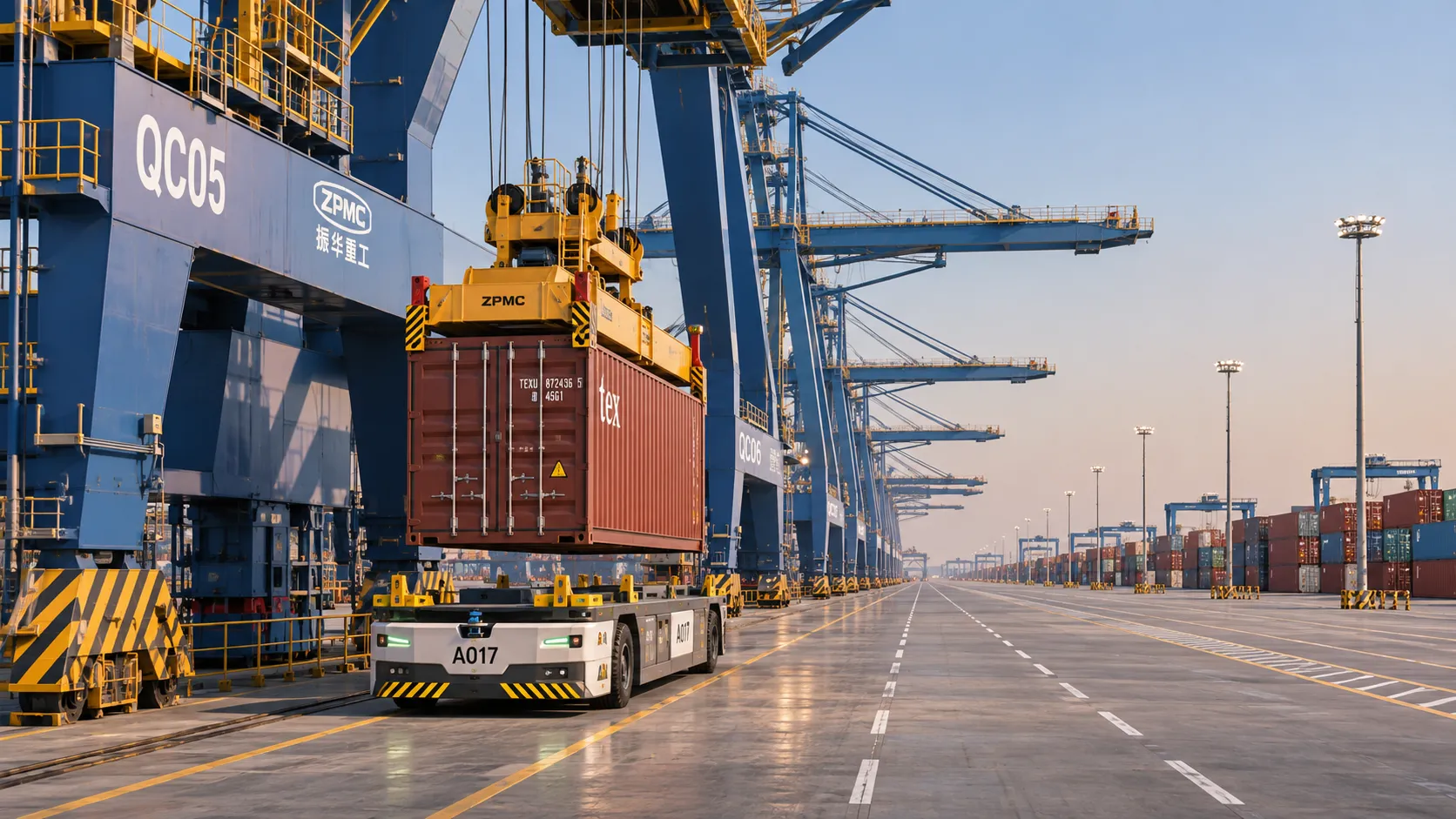
Port Terminal Automation: How Cranes, Vehicles and Control Systems Work Together
Discover how terminal automation technology for ports connects cranes, vehicles and control systems to improve coordination, safety and operational flow.
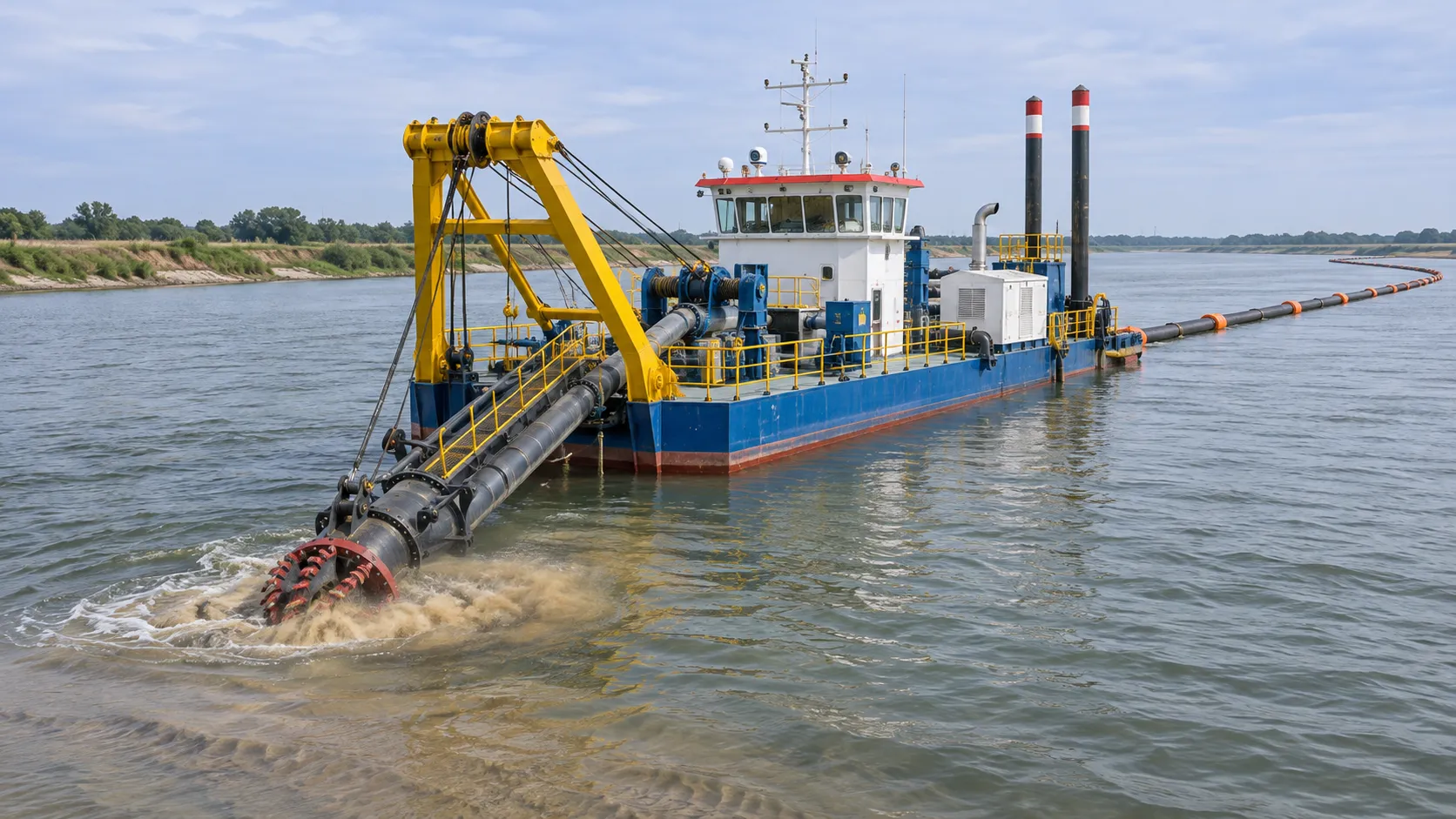
How Soil Conditions Affect Cutter Suction Dredger Performance
Explore the cutter suction dredger range and learn how soil, rock and pipeline conditions affect performance. Compare equipment with confidence.
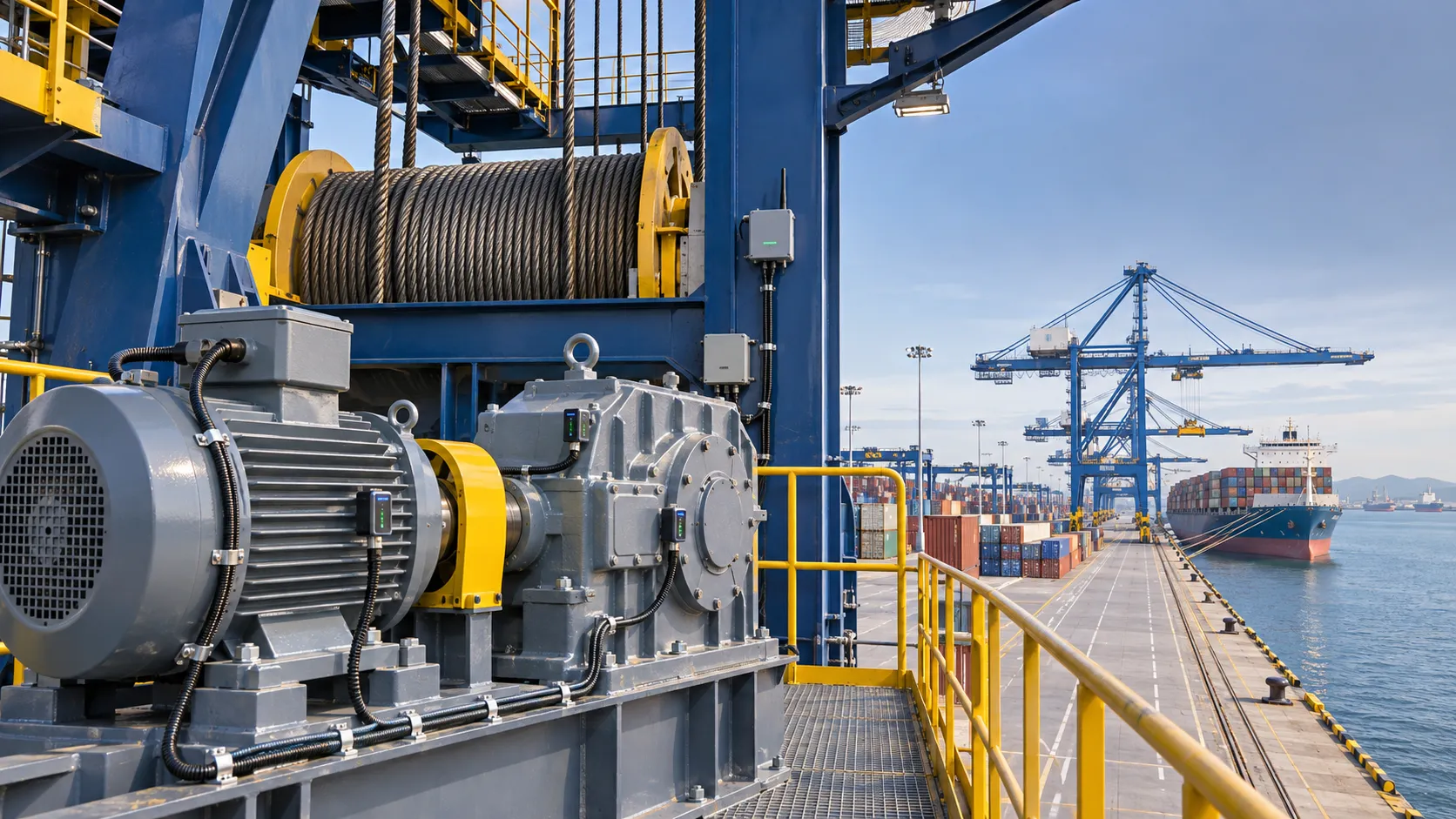
Predictive Maintenance in Smart Ports: Reducing Crane Downtime
Discover how smart port systems predictive maintenance can reduce crane downtime through condition monitoring, actionable alerts, and better terminal planning.
Choosing Marine Logistics Solutions for Container Shipping: Key Criteria
Compare marine logistics solutions for container shipping by route reliability, total cost, visibility, and disruption response. Find the right fit for your cargo.