
Digital Pump Monitoring: Early Warning Signs Worth Tracking
For after-sales maintenance teams, digital pump monitoring is more than a data tool—it is an early warning system that helps detect vibration shifts, pressure instability, temperature spikes, and abnormal energy use before failures escalate. In demanding port and dredging operations, tracking these signals can reduce downtime, improve service response, and protect asset reliability across critical equipment.
Why scenario differences matter in digital pump monitoring
For maintenance professionals, the biggest mistake is treating every pump alarm the same way. A transfer pump in a bulk terminal, a slurry pump on a dredger, and a cooling-water pump inside an automated port system may all generate similar data points, but the business impact of those readings is very different. In one case, a vibration rise may signal bearing fatigue that can wait for a scheduled shutdown. In another, the same shift may point to abrasive wear that could damage the casing in hours.
That is why digital pump monitoring should be judged by application scenario, not by hardware alone. After-sales teams need to know where the pump operates, what fluid it handles, how critical uptime is, how difficult access may be, and what kind of service promise is attached to the asset. In port and marine engineering environments, these differences determine which early warning signs are worth tracking first and which thresholds deserve immediate escalation.
For PS-Nexus readers working around terminal machinery, automation systems, and dredging equipment, the practical question is not whether digital pump monitoring is useful. The real question is where it creates the fastest maintenance value, what signal patterns matter most in each use case, and how service teams can turn raw data into better response decisions.
Common operating scenarios where early warning signals pay off
Digital pump monitoring becomes especially valuable when equipment runs continuously, handles abrasive material, supports automated workflows, or sits in locations where manual inspection is limited. In these environments, warning signs often appear long before a visible failure, but only if the right variables are tracked and interpreted in context.
1. Dredging pumps handling abrasive slurry
In dredging operations, slurry density, particle size, and flow variation create a demanding environment for impellers, liners, seals, and bearings. Here, digital pump monitoring should prioritize vibration trend changes, suction and discharge pressure imbalance, seal temperature, and motor current variation. Small changes can indicate clogging, cavitation, internal wear, or imbalance caused by sediment load shifts. For after-sales maintenance teams, early intervention in this scenario protects not only the pump but also downstream schedule commitments on channel deepening or reclamation work.
2. Port utility and cooling systems in automated terminals
Automated terminals rely on pumps in cooling loops, fire systems, hydraulic support circuits, drainage units, and other auxiliary infrastructure. These pumps may not look as dramatic as dredging gear, but failure can interrupt cranes, electrical rooms, and control equipment. In this scenario, pressure stability, flow consistency, run-time cycles, and energy efficiency become the most useful indicators. Digital pump monitoring helps maintenance teams catch issues like partial blockage, valve malfunction, or declining motor efficiency before they affect broader automated operations.
3. Bulk cargo and transfer systems with intermittent load swings
Bulk handling environments often involve fluctuating duty cycles tied to ship arrival windows, material type, and transfer intensity. Pumps may sit idle, then operate at high demand for short periods. In such a pattern, after-sales teams should watch startup current spikes, repeated thermal stress, pressure recovery time, and abnormal noise signatures. Digital pump monitoring in this scenario supports better maintenance timing because many failures begin during transitions rather than steady-state operation.
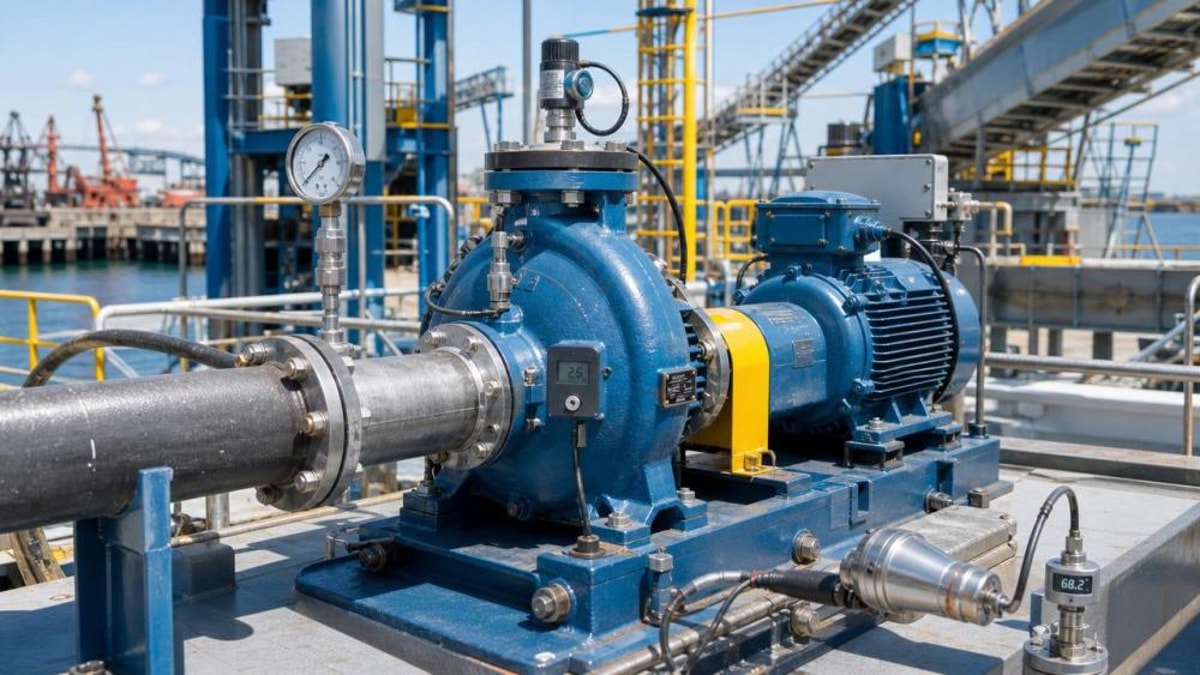
4. Remote or difficult-access pump installations
Some pumps are installed on dredgers, floating platforms, isolated utility zones, or enclosed terminal spaces where routine physical inspection is costly or slow. In these cases, digital pump monitoring delivers value by reducing blind spots. Temperature drift, irregular start-stop behavior, and sustained efficiency loss are often more important than one-time alarm events. Maintenance teams can use remote condition trends to decide whether a field visit is urgent or whether the issue can wait for a planned service window.
Scenario comparison: what after-sales teams should track first
The table below helps maintenance personnel match digital pump monitoring priorities to common operating conditions.
How maintenance priorities change by scenario
Not every pump application needs the same monitoring stack or alarm logic. A good digital pump monitoring strategy begins by ranking consequences. If failure threatens mission-critical dredging output, wear-related indicators should dominate. If failure disrupts automated terminal continuity, stability and energy indicators may be more useful than high-frequency mechanical detail alone.
When uptime risk is the main concern
For pumps supporting continuous cargo movement or essential cooling, after-sales teams should focus on early deviations rather than waiting for severe alarms. Look for slow pressure drift, rising power draw at the same flow level, and increasing start frequency. These patterns often signal deterioration before operators notice performance loss.
When wear and consumable cost are the main concern
In abrasive and sediment-heavy applications, the financial damage often comes from accelerated wear rather than sudden shutdown alone. Digital pump monitoring should be used to detect when hydraulic efficiency falls out of normal range, when vibration grows under stable load, or when temperatures suggest seal stress. This allows teams to replace parts based on condition instead of fixed intervals, improving cost control.
When manpower and access are the main concern
For remote assets, the value of digital pump monitoring lies in decision confidence. Service teams need enough reliable data to distinguish a real degradation trend from a temporary operating disturbance. In these scenarios, event history, trend duration, and correlation between parameters are more useful than single-point alarms. A short vibration spike may not justify dispatch, but vibration plus heat plus pressure fluctuation usually does.
Which warning signs deserve the fastest response
Although thresholds differ by equipment type, several signals consistently matter across marine logistics and industrial pumping systems.
- Rapid vibration growth: often linked to imbalance, bearing damage, looseness, or cavitation.
- Pressure instability: may indicate suction problems, blockage, valve malfunction, or unstable process conditions.
- Temperature spikes: frequently associated with lubrication loss, seal friction, cooling failure, or overload.
- Unexpected energy consumption: can reveal declining efficiency, misalignment with duty point, or internal wear.
- Abnormal runtime patterns: repeated starts, short cycling, or prolonged underload often point to control or process issues.
The practical rule for after-sales teams is to look for combinations, not isolated values. Digital pump monitoring becomes far more reliable when vibration, pressure, temperature, and power are interpreted together. This reduces false alarms and supports more accurate service recommendations to operators.
Scenario-based fit: where digital pump monitoring brings the strongest ROI
Some companies deploy digital pump monitoring because it sounds modern, but the strongest return usually appears in specific operating conditions. The first high-fit category is equipment with expensive downtime, such as dredging pumps or utility pumps tied to automated terminal continuity. The second is equipment exposed to severe wear or unstable loads. The third is equipment spread across remote sites where labor-efficient diagnostics matter.
Lower-fit scenarios can still benefit, but teams should be realistic. A lightly used standby pump with simple service access may not need a complex monitoring architecture. In such cases, selective sensors and trend logging may be more practical than full predictive deployment. Good application judgment matters as much as data quality.
Common misjudgments that weaken monitoring results
One frequent mistake is copying alarm thresholds from one pump family to another without adjusting for duty cycle, fluid characteristics, or installation environment. Another is focusing only on mechanical vibration while ignoring process data such as suction pressure, flow behavior, or energy draw. In many service cases, what looks like a pump fault is actually a system-side issue.
A second misjudgment is assuming that more sensors automatically mean better maintenance decisions. If the service team lacks baseline data or escalation rules, signal volume can create confusion instead of clarity. Digital pump monitoring works best when the monitoring design supports a specific workflow: detect, verify, classify, respond, and document.
A third problem is failing to connect alerts with spare parts strategy. If wear indicators are tracked but seal kits, bearings, or liners are not staged according to risk, early warnings may still end in avoidable downtime. For after-sales maintenance personnel, the best monitoring system is one that improves field action, not just dashboard visibility.
Practical adoption checklist for after-sales maintenance teams
Before expanding digital pump monitoring across port or dredging assets, confirm the following points:
- Identify the operating scenario and define the business consequence of failure.
- Select warning signs that match the scenario, not just the pump model.
- Build baseline data under normal operating conditions.
- Set alarm logic for both acute events and gradual degradation.
- Link alerts to clear maintenance actions, inspection levels, and parts readiness.
- Review trend accuracy regularly to reduce false positives and missed warnings.
FAQ: scenario-based questions about digital pump monitoring
Is digital pump monitoring only useful for large dredging systems?
No. Large dredging systems are a strong application, but digital pump monitoring is also effective in automated terminal utilities, transfer systems, and remote-access pump stations. The key is whether downtime, wear, or service difficulty creates enough operational risk to justify continuous visibility.
What should after-sales teams monitor first if budgets are limited?
Start with the parameters most likely to reveal actionable degradation in your scenario: vibration, pressure, temperature, and power consumption. Then add runtime pattern analysis and process-side context. A focused digital pump monitoring setup often performs better than an oversized system with unclear priorities.
How can teams avoid overreacting to alarms?
Use trend correlation and scenario rules. A single brief anomaly may not require dispatch. However, repeated pressure fluctuation combined with heat rise and energy deviation usually deserves immediate review. Good digital pump monitoring is about disciplined interpretation, not alarm chasing.
Turning monitoring data into smarter service decisions
For after-sales maintenance teams in ports, bulk terminals, and dredging operations, digital pump monitoring is most valuable when it reflects the reality of each operating scenario. A slurry pump, a utility pump, and a remote station pump do not fail in the same way, so they should not be monitored in the same way. When warning signs are matched to actual duty conditions, teams can intervene earlier, plan parts more accurately, and reduce unnecessary service calls.
If you are evaluating digital pump monitoring across your asset base, begin by grouping pumps by scenario, criticality, and access difficulty. Then define which early warning signs are worth tracking for each group. That approach creates a practical path from raw data to reliable maintenance action—and helps protect the performance backbone of modern maritime logistics and coastal engineering.
Related News
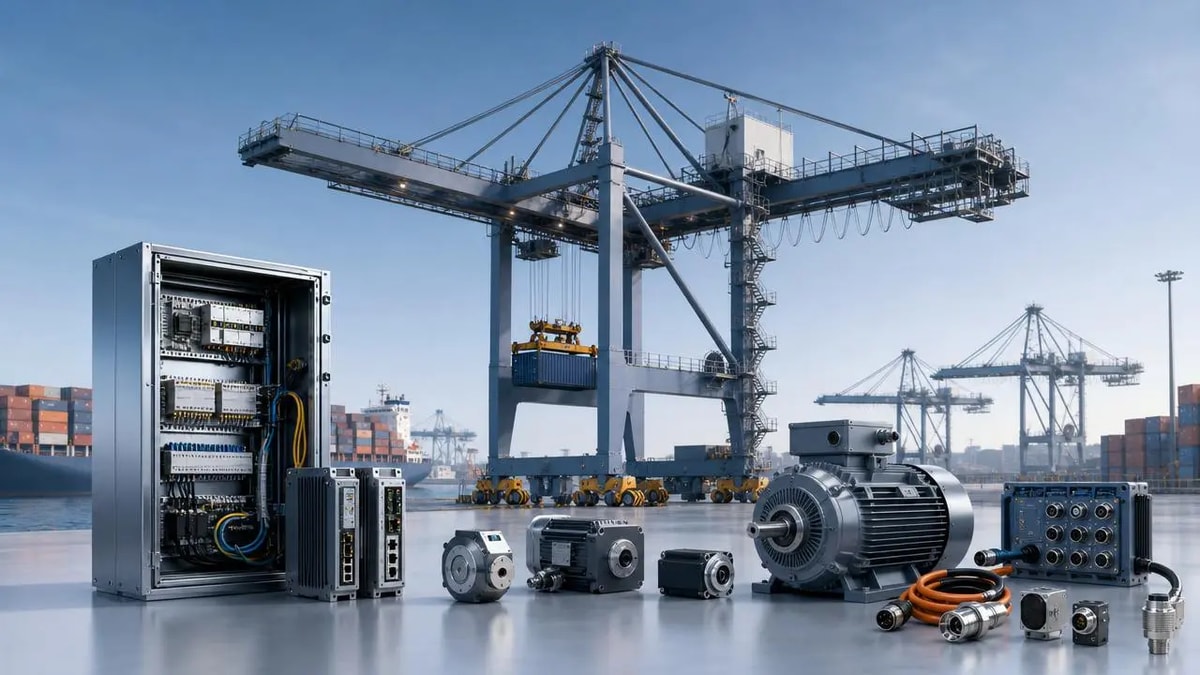
Port Equipment Automation Maintenance Issues You Can Prevent Early
Port equipment automation maintenance starts with early detection. Learn how to catch sensor, drive, PLC, and network issues before they cause costly downtime and delays.

Marine Logistics Technology Suppliers: What Sets Them Apart
Marine logistics technology suppliers stand apart through automation, integration, and lifecycle support. Discover what helps ports and channel partners choose future-ready solutions.
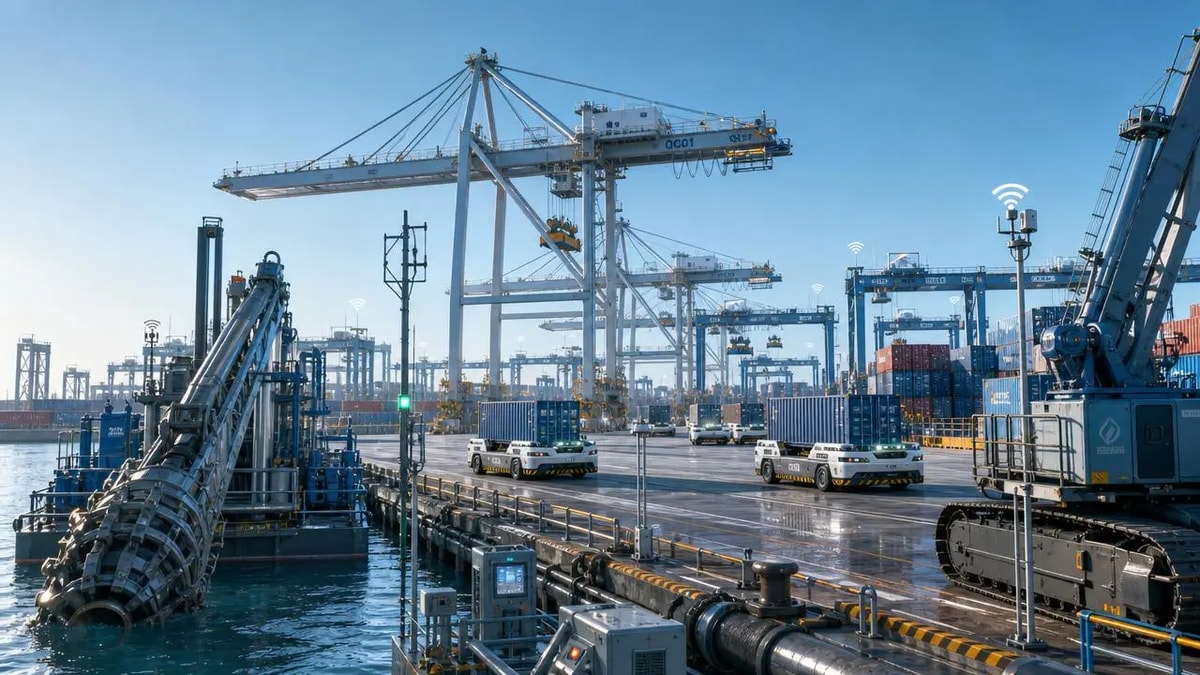
Port Technology Trends Worth Watching Before Your Next Upgrade
Port technology trends shape smarter upgrade decisions. Explore automation, remote crane control, predictive maintenance, and phased investment strategies to reduce risk and improve ROI.
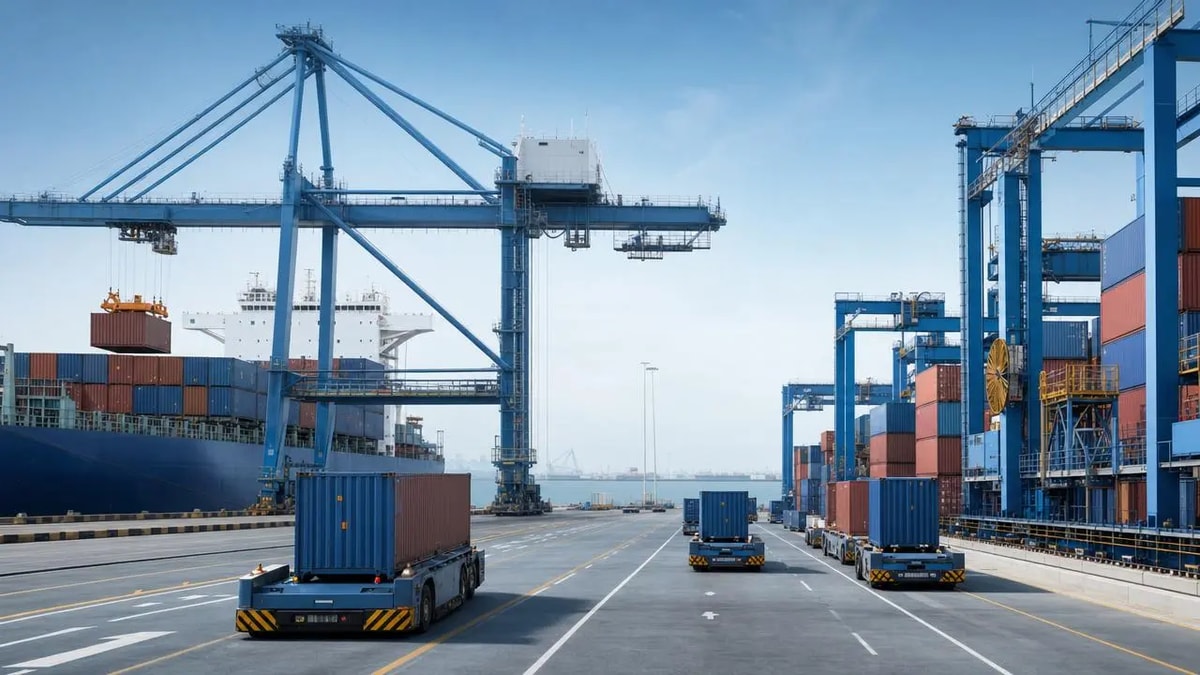
Automated Port Systems: Common Integration Problems to Expect
Automated port systems face real integration hurdles—from legacy equipment and data mismatches to network latency and safety conflicts. Learn what to check before approval.
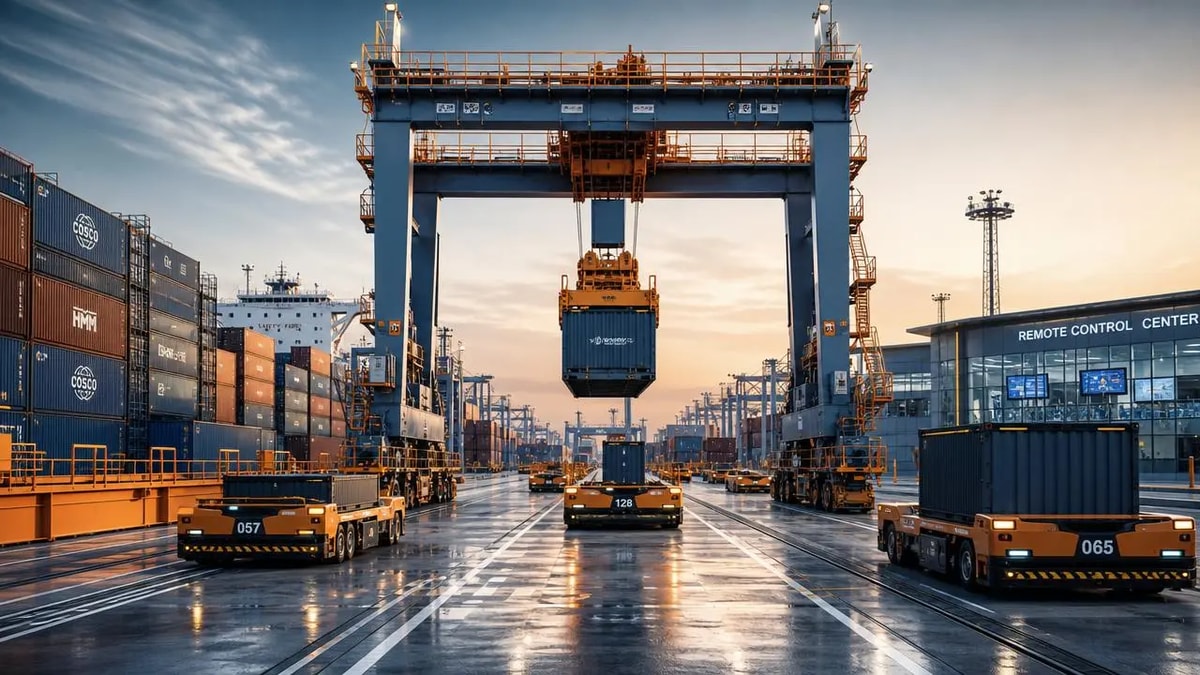
Port Automation Solutions That Reduce Manual Handoffs
Port automation solutions reduce manual handoffs, improve crane, AGV, yard, and control room coordination, and help terminals boost safety, speed, and operational efficiency.
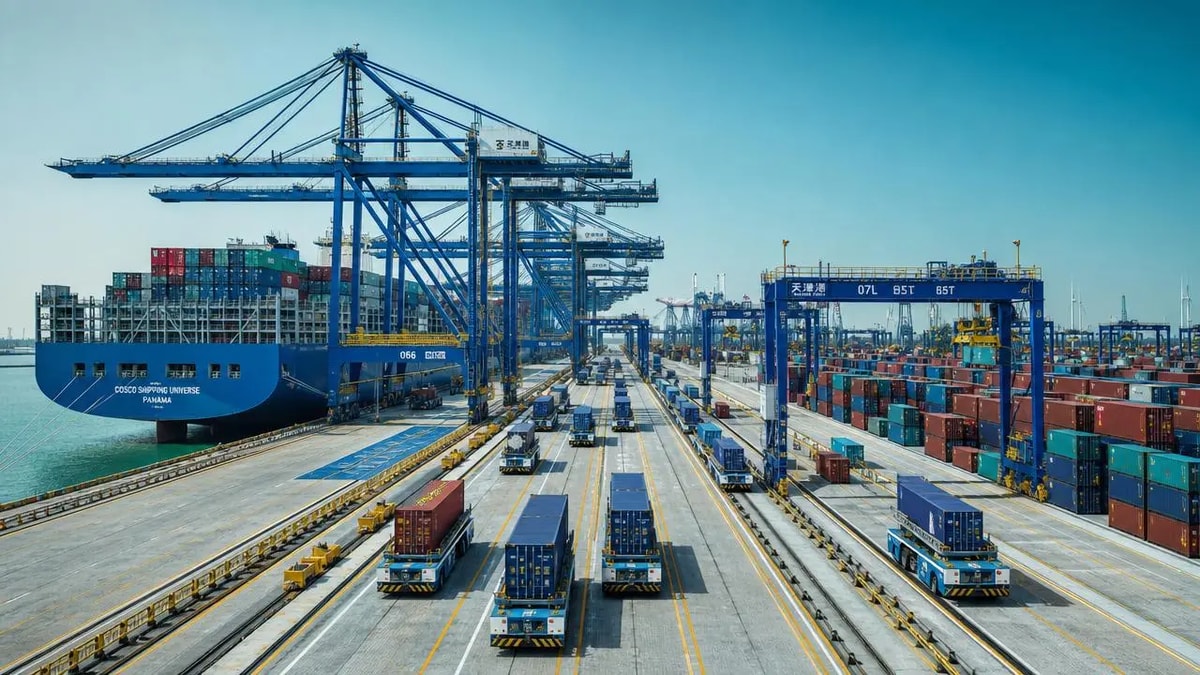
Smart Terminal Technology Trends Changing Port Operations
Smart terminal technology is reshaping port operations with AI, automation, predictive maintenance, and electrification. Discover which trends deliver the best ROI for different terminal scenarios.
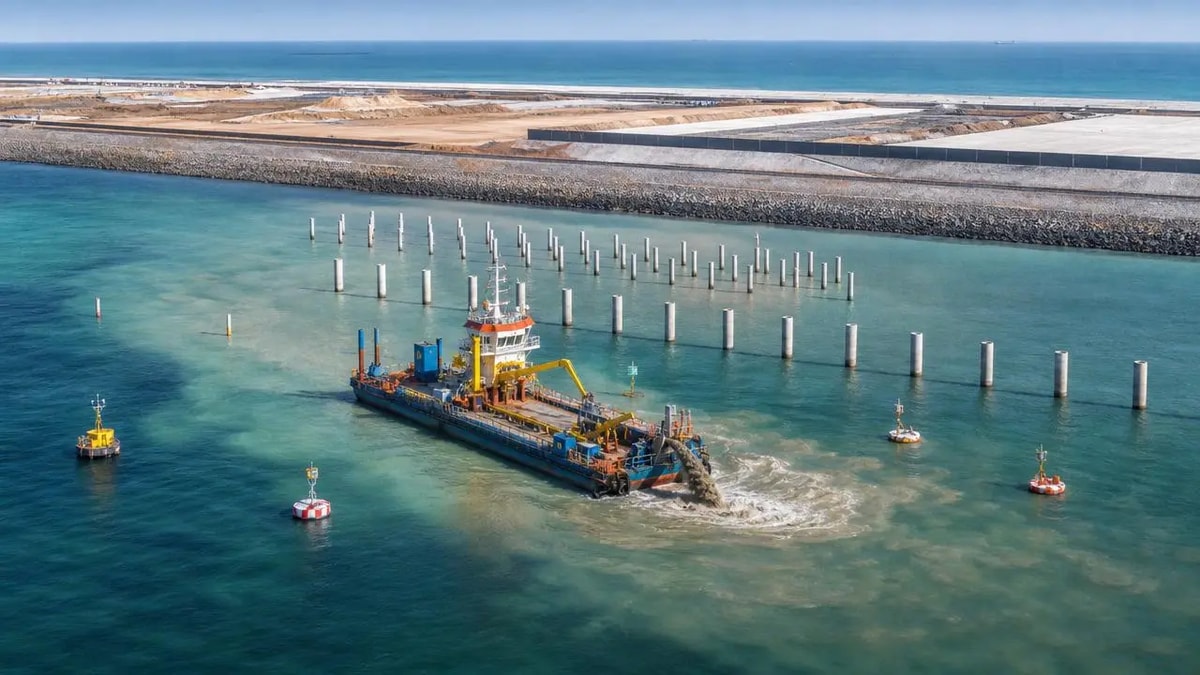
Marine Geotechnic Risks That Can Delay Coastal Projects
Marine geotechnic risks can quietly derail coastal projects with delays, rework, and compliance issues. Learn the warning signs and practical controls to protect schedule, safety, and budget.
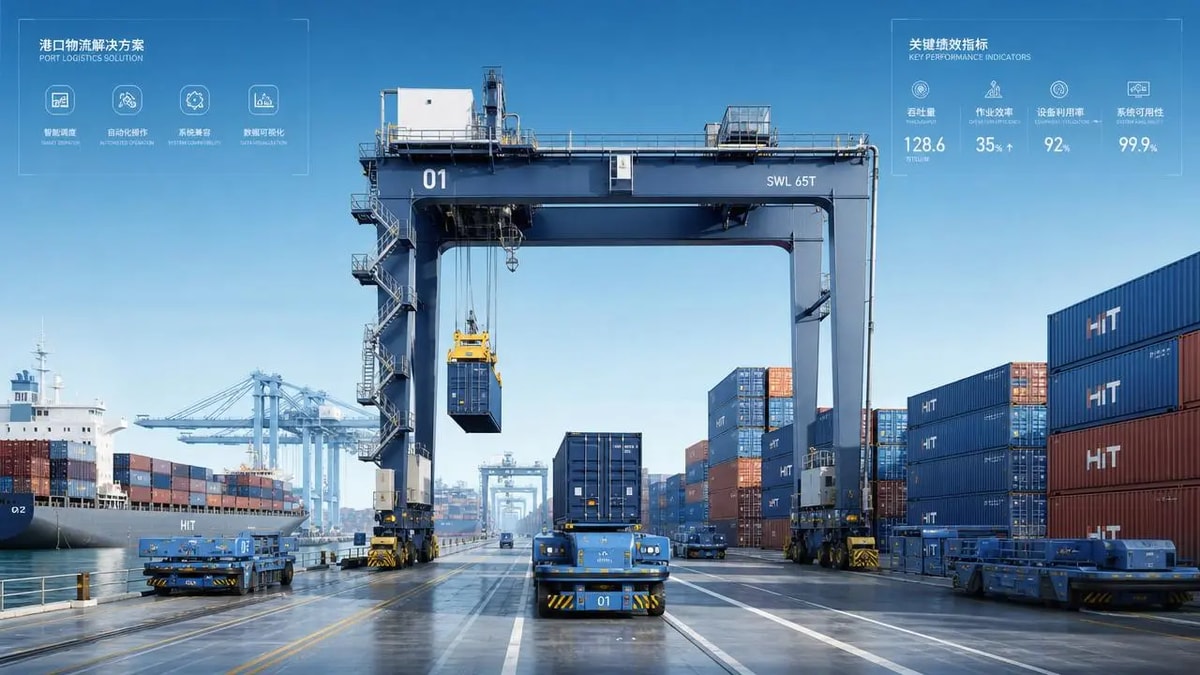
What to Compare Before Choosing Port Logistics Solutions
Port logistics solutions comparison guide: learn what to assess on throughput, compatibility, scalability, lifecycle cost, and automation readiness before choosing the right system.
Port Terminal Equipment Costs Are Shifting in 2026
Port terminal equipment costs are shifting in 2026. Learn how automation, electrification, financing, and compliance reshape TCO, ROI, and smarter terminal investment decisions.