Related News
- 00
0000-00
CE Marking for Bulk Material Handling Equipment: What Documents to Check - 00
0000-00
Choosing Smart Automated Cargo Handling Systems for Warehouse Operations - 00
0000-00
Port Terminal Automation: How Cranes, Vehicles and Control Systems Work Together - 00
0000-00
How Soil Conditions Affect Cutter Suction Dredger Performance - 00
0000-00
Predictive Maintenance in Smart Ports: Reducing Crane Downtime
0000-00
Scalable Automated Port Systems: How to Evaluate Integration and Capacity
Scalable automated port systems must do more than handle today’s container volumes: they must integrate with existing equipment, control platforms, and terminal workflows while accommodating future demand.
For technical evaluators, the challenge is to assess whether system architecture, data exchange, network performance, and operational capacity can support reliable growth without creating costly bottlenecks.
This article outlines the key integration and capacity criteria to examine when comparing automation solutions for modern port terminals.
The central test is whether a proposed system can sustain the required end-to-end operating rate under realistic peaks, equipment failures, and future expansion scenarios.
Start With the Terminal’s Operating Requirements
Define the operating boundary before comparing products. A container terminal typically includes vessel planning, quay cranes, horizontal transport, yard equipment, gates, and connections to external parties.
Record which activities will be automated, remotely operated, or performed manually. Include exception handling, maintenance access, shift changes, and interactions between people and autonomous equipment.
Establish a baseline using observed container moves, vessel arrival patterns, yard occupancy, truck queues, and equipment availability. Separate annual averages from peak-hour and peak-shift conditions.
Then describe future scenarios: larger vessels, additional crane capacity, new yard blocks, higher gate traffic, or a changed import-export mix. Assign each scenario a planning horizon.
For each scenario, specify measurable requirements and acceptance conditions. A useful requirement identifies the workload, operating constraints, required performance, and method used to verify it.
Can the System Integrate With Existing Terminal Operations?
Map every material interface between the terminal operating system, equipment control, automation platforms, gate systems, maintenance applications, and external logistics partners.
For each interface, document its owner, protocol, message format, direction, frequency, latency requirement, and behavior when communications fail. Identify dependencies on vendor-specific components.
Examine how the system represents containers, equipment, positions, work orders, and operational status. Different identifiers or incompatible location models can disrupt dispatch even when messages are exchanged.
Ask vendors to demonstrate a complete transaction: a container move is planned, dispatched, acknowledged, executed, confirmed, and reconciled in the terminal operating system.
Include exceptions in that demonstration. Test a rejected job, an incorrect container identification, a delayed equipment update, and a manual correction after interrupted communications.
Check whether interfaces provide documented versioning, error codes, retry behavior, and audit logs. Confirm who maintains each integration when either connected application is upgraded.
Standards-based interfaces can reduce integration effort, but a protocol name alone does not prove compatibility. Verify supported versions, implemented functions, and site-specific configuration requirements.
For legacy cranes or vehicles, inspect controller capabilities and physical interfaces before committing to automation. Retrofitting sensors, safety components, or control hardware may change the project economics.
Where Will Capacity Become Constrained?
Terminal throughput depends on the interaction of equipment, layout, scheduling, and operating rules. Adding automated vehicles will not solve a bottleneck at quay cranes or yard handover points.
Build a capacity model for each major stage: berth and quay operations, transfer lanes, vehicle routes, yard blocks, gate processing, and rail connections where relevant.
For an initial screening, compare effective hourly capacity across stages using consistent units. Include planned availability, expected interruptions, and the actual mix of container moves.
Suppose quay cranes can sustain 120 container moves per hour, transport can deliver 105, and the yard can process 110. Transport is the initial limiting stage.
That comparison is only a starting point. Travel times, queueing, empty repositioning, and competing work can reduce the effective capacity of the combined operation.
Model vessel exchanges and gate peaks together where they share equipment or yard space. An acceptable daily average can conceal queues that grow throughout a busy shift.
Yard occupancy deserves particular attention because dense stacks can increase rehandles and slow retrieval. Test capacity across the expected occupancy range and container dwell-time distribution.
Define capacity in practical terms: sustained moves per hour, acceptable queue time, service reliability, and recovery time. Specify whether figures include breaks, maintenance, and operational disruptions.
How Should Evaluators Test Scheduling and Control?
Automation software must coordinate work across assets with different constraints. Review how dispatching accounts for crane productivity, vehicle location, charging, yard availability, and job priority.
Request evidence that the scheduler can adapt when a crane stops, a route closes, or a vessel plan changes. Measure both immediate response and recovery to normal throughput.
Examine how the system prevents conflicting commands and manages shared resources such as crossings, transfer points, and charging stations. Ask how deadlocks are detected and resolved.
Review the boundary between the terminal operating system and equipment controls. Responsibilities for job assignment, route planning, execution, and completion reporting should be explicit.
Human intervention should be equally clear. Operators need defined authority to pause equipment, reprioritize work, inspect system decisions, and return assets to service safely.
Ask whether adding a yard block or vehicle fleet requires scheduler redesign, extra licenses, or substantial configuration. Growth should be evaluated across software and operations together.
What Network and Data Performance Is Required?
Classify traffic by operational purpose, including safety functions, equipment control, positioning, video, telemetry, and business messages. Each class has different performance and resilience requirements.
Require vendors to specify latency, jitter, availability, coverage, and capacity assumptions for each relevant function. Distinguish measured end-to-end performance from theoretical network specifications.
Test coverage along actual vehicle routes, under cranes, between container stacks, and at handover points. Container movements and changing stack heights can alter radio conditions.
Assess roaming between access points, interference, network congestion, and recovery after a link failure. Include simultaneous video streams and equipment traffic in representative load tests.
Define equipment behavior when communications degrade or disappear. Depending on the safety design and operating mode, this may involve controlled stopping, restricted operation, or another validated response.
Review time synchronization, data retention, event ordering, and the quality of positioning data. Inconsistent timestamps or stale locations can complicate dispatch, troubleshooting, and incident reconstruction.
Can the Architecture Grow Without a Major Rebuild?
Ask vendors to identify the limits of each component, including dispatch services, databases, interfaces, network infrastructure, and monitoring tools. Request evidence for the proposed configuration.
Evaluate scaling paths separately: more vehicles, additional equipment types, higher transaction rates, more video feeds, and geographically separate operating areas may stress different components.
For software, establish whether capacity is added by increasing server resources, distributing workloads, or deploying additional instances. Identify shared services that could remain bottlenecks.
For physical infrastructure, check power supply, charging capacity, network coverage, maintenance facilities, and available space. A software license cannot compensate for an undersized charging area.
Consider how expansion affects operations during installation and commissioning. A workable plan defines change windows, temporary interfaces, fallback procedures, and the sequence for bringing equipment online.
Obtain a costed expansion scenario that includes equipment, integration, infrastructure, testing, support, and recurring licenses. Compare it with the terminal’s expected growth timetable.
How Resilient and Safe Is the Proposed Design?
Identify single points of failure across control services, communications, positioning, power, and physical transfer areas. Redundant components help only when their dependencies are also understood.
Ask for recovery objectives and evidence from failover tests. Determine what happens to active jobs, equipment positions, and transaction records during switchover and restoration.
Assess degraded operation explicitly: which activities can continue, at what capacity, and under whose authority? Document the conditions for stopping and safely restarting automation.
Review the safety concept for interactions among automated equipment, workers, contractors, and manually operated vehicles. Site-specific risk assessment should cover foreseeable operating and maintenance activities.
Verify how safety functions are implemented and validated, including emergency stops, access control, detection zones, and safe states. Confirm applicable local requirements and relevant standards.
Cybersecurity assessment should cover asset inventories, access control, remote vendor connections, software updates, network segmentation, and incident response across both operational and information technology systems.
Clarify responsibilities for monitoring vulnerabilities and applying patches. Test whether security maintenance can be performed within agreed operational windows and supported equipment configurations.
What Evidence Should Vendors Provide?
Request a reference architecture, interface specifications, capacity assumptions, safety documentation, cybersecurity responsibilities, and a list of third-party dependencies for the proposed deployment.
Ask for comparable operating references, but examine their context: terminal layout, fleet size, container mix, equipment types, and operating hours may differ substantially from yours.
Use simulation where physical trials cannot represent future demand. Validate the model against observed baseline data, then disclose assumptions about equipment availability, travel times, and workload.
Run scenarios for normal peaks, projected growth, a failed crane, blocked routes, communications degradation, and recovery. Compare throughput, queues, utilization, and service delays.
Simulation supports evaluation but does not prove production performance. Combine it with interface tests, network surveys, equipment trials, and staged operational acceptance.
Define acceptance tests before procurement. Specify workload, initial conditions, measurement period, pass criteria, and responsibility for correcting failures or repeating tests.
How Should Technical Teams Compare Total Cost and Risk?
Build a lifecycle cost model covering integration, retrofits, infrastructure, licenses, energy, maintenance, training, cybersecurity, and future upgrades. Include expected downtime during deployment.
Separate vendor estimates from terminal assumptions and apply sensitivity analysis to uncertain items, such as retrofit complexity, fleet availability, and growth in container volumes.
Evaluate supplier dependence by reviewing data ownership, documentation rights, access to logs, spare parts, support commitments, and the practical effort required to replace components.
Use a weighted scorecard only after setting minimum requirements for safety, integration, resilience, and capacity. A strong commercial score should not conceal a critical technical gap.
Record unresolved issues with an owner, verification method, deadline, and cost exposure. This makes assumptions visible before they become contractual disputes or commissioning delays.
Making the Final Assessment
The strongest scalable automated port systems demonstrate coordinated performance across equipment, software, networks, and terminal workflows under both current and projected operating conditions.
Choose a solution when its interfaces are verifiable, its bottlenecks are understood, and its expansion and recovery plans are supported by measurable tests and realistic costs.
Where evidence remains incomplete, make further investigation or a defined acceptance test a procurement condition. That discipline turns a scalability claim into an assessable engineering commitment.
Have questions about the global trade trends discussed here, or planning your expansion and supply chain strategy? Leave a message below and let the trade experts at PS-Nexus guide you.
We respect your privacy. Your information is strictly confidential.
Related News
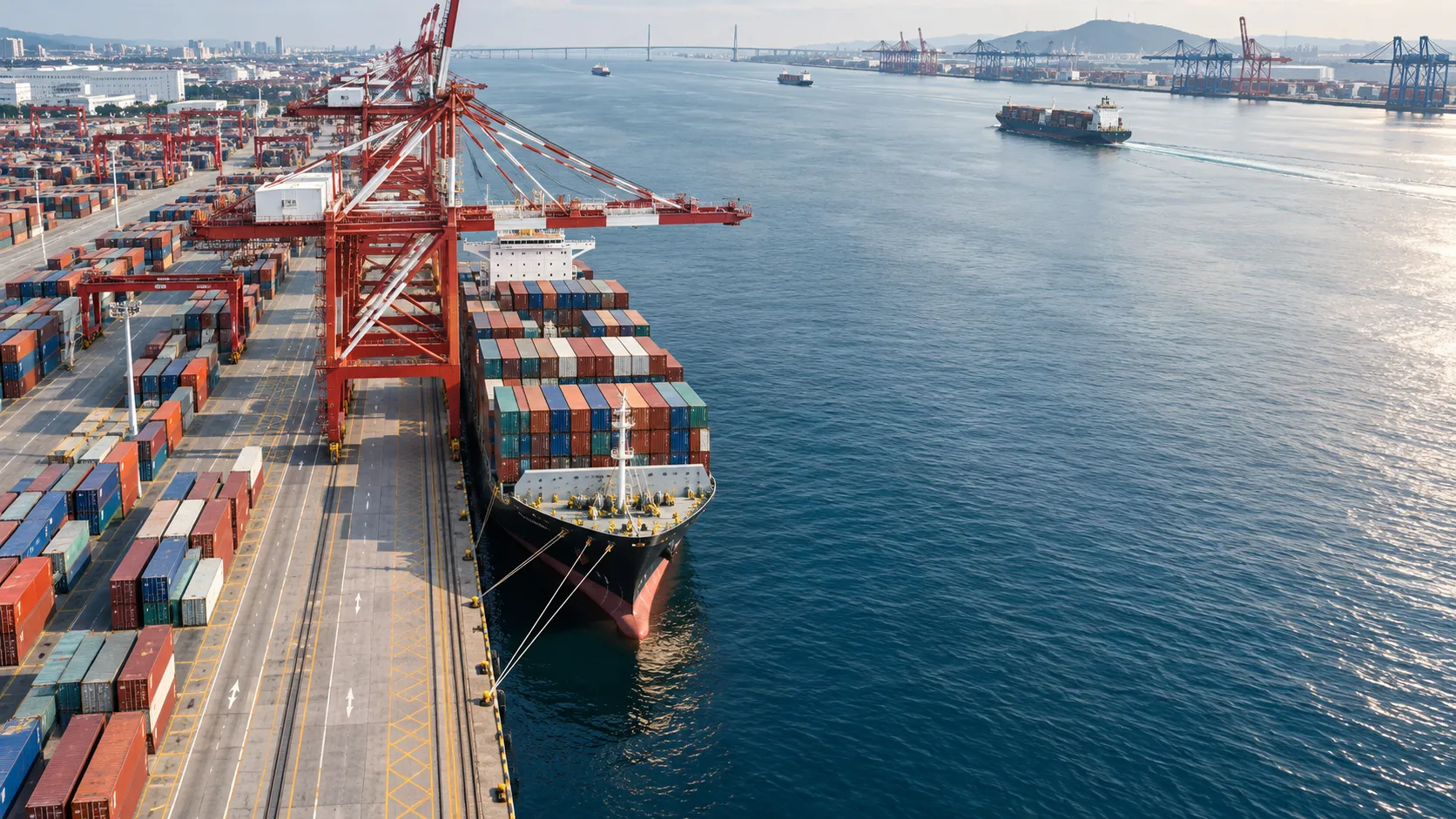
Shipping Rate Analytics for Ports: How to Forecast Cargo Demand
Shipping rate analytics for ports helps you forecast cargo demand, distinguish price signals from capacity shifts, and make smarter terminal investment decisions.
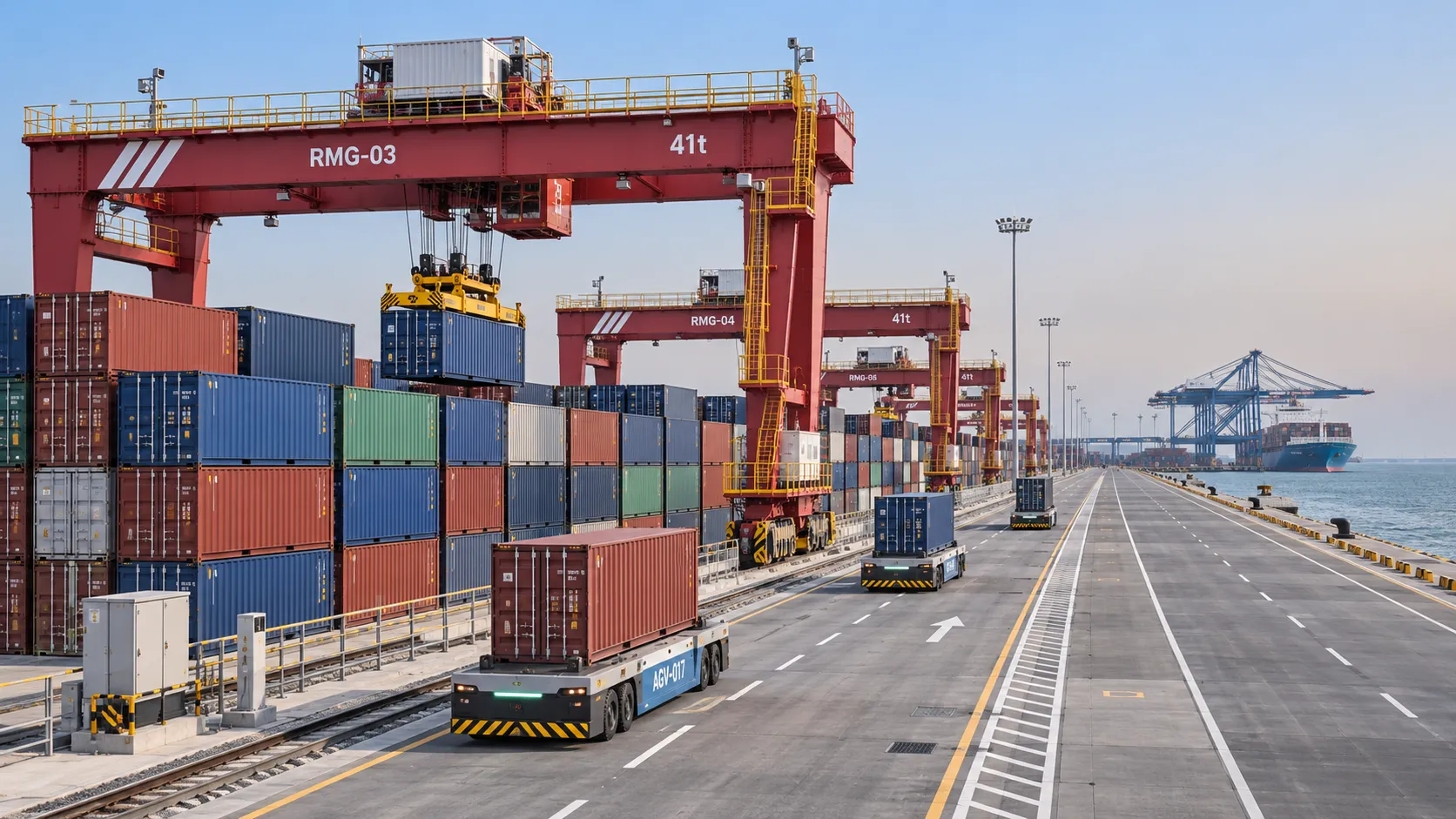
Automated Port Systems Cost: Installation and Operating Expenses
Explore automated port systems cost, from installation and integration to operating expenses. Compare lifecycle costs and make a confident investment decision.

Coastal Economics Standards: How to Value Coastal Ecosystems
Explore coastal economics standards and learn how to value ecosystem services, compare infrastructure options, and make defensible decisions.
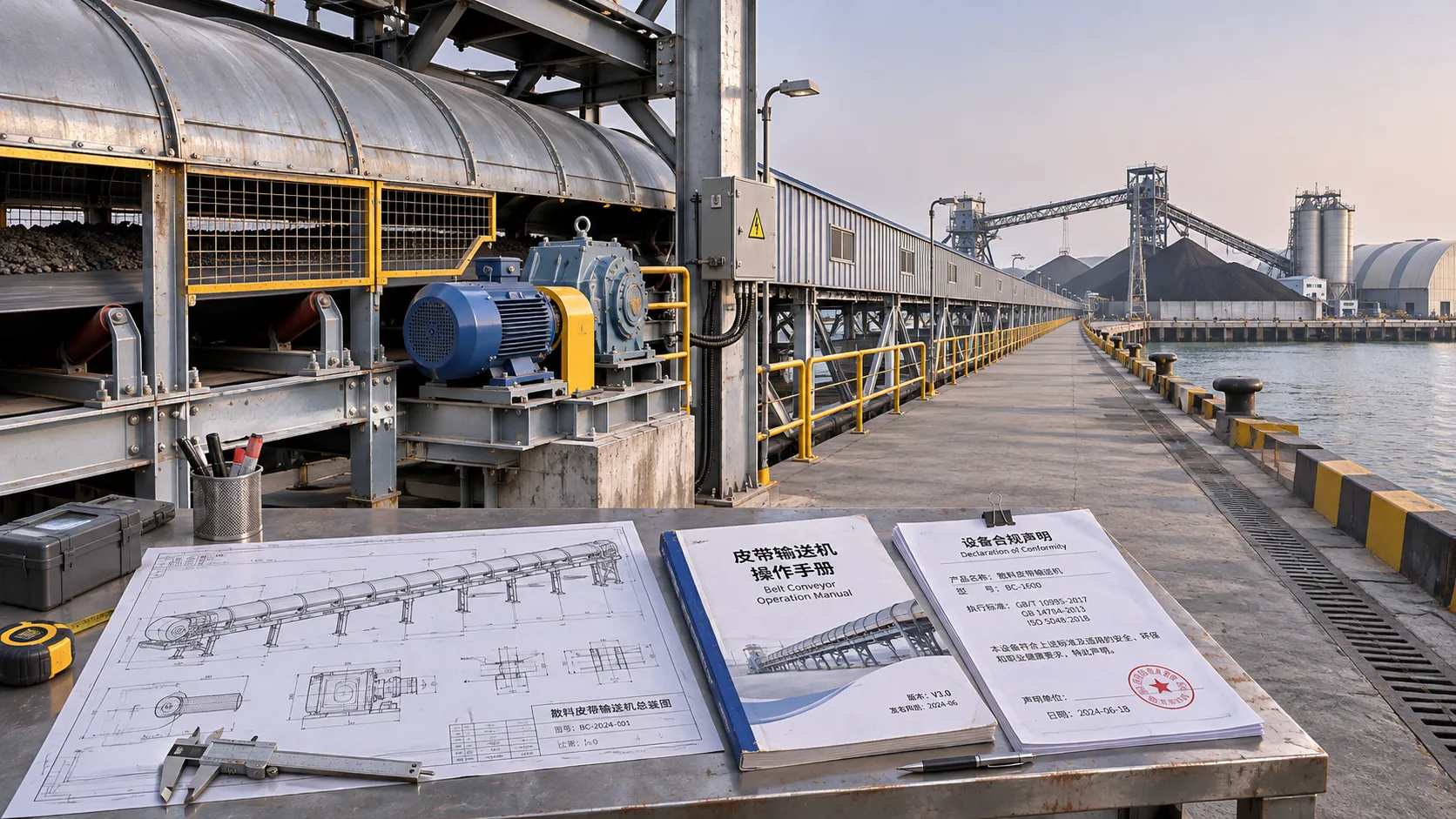
CE Marking for Bulk Material Handling Equipment: What Documents to Check
Bulk material handling CE certified? Discover which declarations, risk assessments and manuals to check before accepting equipment.
Choosing Smart Automated Cargo Handling Systems for Warehouse Operations
Choose smart automated cargo handling systems with confidence. Compare technologies, capacity, safety, costs, and acceptance tests to improve warehouse flow.
Port Terminal Automation: How Cranes, Vehicles and Control Systems Work Together
Discover how terminal automation technology for ports connects cranes, vehicles and control systems to improve coordination, safety and operational flow.
How Soil Conditions Affect Cutter Suction Dredger Performance
Explore the cutter suction dredger range and learn how soil, rock and pipeline conditions affect performance. Compare equipment with confidence.
Predictive Maintenance in Smart Ports: Reducing Crane Downtime
Discover how smart port systems predictive maintenance can reduce crane downtime through condition monitoring, actionable alerts, and better terminal planning.

Choosing Marine Logistics Solutions for Container Shipping: Key Criteria
Compare marine logistics solutions for container shipping by route reliability, total cost, visibility, and disruption response. Find the right fit for your cargo.