Related News
- 00
0000-00
How to Specify a Quay Crane for Container Terminals by Vessel Size and Throughput? - 00
0000-00
Which Bulk Handling Equipment Suits High-Moisture Cargo? - 00
0000-00
Terminal Automation Technologies That Raise Container Throughput Without Yard Disruption - 00
0000-00
Planning Offshore Dredging Operations: Key Risks, Methods, and Project Controls - 00
0000-00
Where Do Automated Guided Vehicles Deliver the Fastest Warehouse Gains in the Middle East?
Port Infrastructure Intelligence: Data Priorities for Capacity and Resilience Planning
Port expansion decisions rarely fail because a project team lacks ambition. They fail because the team is forced to make long-life infrastructure choices with short-life information: last year’s berth utilization, a one-off traffic forecast, a crane specification disconnected from yard reality, or a dredging survey that does not reflect sediment behavior after the next storm season.
For project managers and engineering leads, port infrastructure intelligence is the discipline of bringing those disconnected signals together before they become expensive constraints. It connects physical assets, operational behavior, marine conditions, commercial demand, and external risk into a planning view that supports both capacity growth and operational resilience.
This matters because a port is not simply a collection of berths, cranes, roads, and warehouses. It is a living interface between vessels, cargo owners, terminal operators, inland networks, labor, energy systems, and the coastal environment. Adding quay length or buying larger handling equipment may improve one part of the system while shifting congestion, cost, or risk somewhere else. Good intelligence helps project teams see those shifts early.
Capacity is a system question, not a berth-length question
When throughput pressure rises, the instinct is understandable: extend the quay, deepen the channel, acquire additional ship-to-shore cranes, or increase yard density. Each may be necessary. Yet none is automatically the right first investment.
A terminal can have spare crane capacity but still suffer vessel delays because container dwell time is too high. A newly deepened approach channel may accommodate larger vessels, while inadequate turning-basin geometry or tug availability limits actual call size. An automated stacking crane project may raise theoretical storage density but underperform if gate appointment data, transport dispatch rules, and exception handling are not redesigned around it.
The most useful planning question is therefore not, “What asset do we need?” It is, “Where does the end-to-end flow lose time, space, reliability, or decision quality?” Port infrastructure intelligence gives project teams a way to answer that question with evidence rather than assumptions.
Begin with the operational bottleneck, then trace its causes
For container terminals, capacity analysis should connect berth productivity, crane availability, yard occupancy, rehandles, truck turn times, rail interface performance, gate peaks, and empty-container movement. Looking at average values alone can be misleading. A terminal may appear comfortable on monthly averages but repeatedly enter gridlock during vessel bunching, customs holds, weather interruptions, or export cut-off periods.
Bulk and energy terminals require a different lens. Conveyor availability, stockpile geometry, reclaim rates, shiploader performance, dust-control constraints, wagon cycle time, and product segregation rules can matter more than nominal berth capacity. In dredging-supported ports, channel depth is only one variable; under-keel clearance policy, siltation rate, disposal strategy, survey frequency, and dredger availability determine whether design depth remains operationally meaningful.
Project leaders should map the flow in the direction cargo actually travels, including decision points and handoffs. This often reveals that the visible bottleneck is only the symptom. A slow gate may originate in poor pre-arrival data. A congested yard may be driven by unbalanced import release patterns. A delayed vessel may reflect maintenance planning, not insufficient crane count.
The data priorities that deserve a place in the investment brief
Not every available data stream belongs in a board-level investment case. The priority is data that changes a decision: what to build, what to sequence, what to protect, and what assumptions must be tested before capital is committed.
1. Demand data with operational texture
Forecasts based only on annual tonnage or TEU growth are too blunt for terminal design. Project teams need to understand vessel call patterns, peak-week arrivals, exchange moves per call, cargo mix, transshipment ratios, seasonal behavior, and the likely range of vessel sizes. A modest rise in annual volume can create a major capacity problem if calls become more concentrated or if exchanges per vessel increase.
Commercial intelligence should also distinguish between committed demand, probable demand, and aspirational demand. New trade lanes, industrial developments, energy transitions, and changes in shipping alliances can all alter a port’s role. The objective is not to predict every commercial shift perfectly; it is to identify which scenarios would materially change the infrastructure decision.
2. Asset condition and productive availability
Rated capacity is not productive capacity. A quay crane’s nameplate performance says little about its contribution when breakdown patterns, spare-parts lead times, operator availability, wind restrictions, or control-system faults are ignored.
For heavy terminal equipment, intelligence should capture downtime by cause, mean time to repair, maintenance backlog, energy use, load cycles, and the frequency of operational workarounds. Similar principles apply to conveyor lines, stacker-reclaimers, mobile harbor cranes, pumps, dredging equipment, and shore-power systems. This information helps teams decide whether to replace, refurbish, duplicate critical systems, or redesign maintenance access before expanding the terminal footprint.
It is particularly valuable during automation programs. Automated guided vehicles, remote-controlled cranes, optical character recognition gates, and terminal operating systems do not create resilience merely by being deployed. Their real value depends on communication latency, software integration, recovery procedures, cybersecurity controls, and the quality of human intervention during exceptions.
3. Yard, landside, and hinterland movement data
Many port projects are designed from the waterfront inward, even though their most persistent constraints sit beyond the quay. Yard occupancy by block, dwell-time distribution, container accessibility, truck arrival profiles, rail service reliability, road congestion, and warehouse release behavior should be evaluated as one connected movement system.
A project manager considering higher-density storage should ask practical questions: Will the new layout increase rehandles? Can the gate process absorb peak release periods? Does the rail interface have enough buffer capacity? Are empty containers consuming strategic slots? What happens when a major inland corridor is disrupted for three days?
These questions turn a static layout exercise into resilience planning. They also help prevent a common mistake: investing heavily in marine-side capacity while congestion migrates to gates, roads, or inland depots.
4. Marine, geotechnical, and dredging intelligence
For coastal and estuarine ports, marine conditions are not background data. They are central to availability, safety, maintenance cost, and expansion feasibility. Bathymetric surveys, sediment characteristics, tidal windows, wave climate, current patterns, berth pocket behavior, slope stability, and disposal constraints should inform both design and lifecycle planning.
Dredging decisions become stronger when teams combine survey data with digital pump monitoring, cutter or draghead performance, fuel consumption, sediment transport behavior, and environmental operating limits. This makes it easier to compare alternatives such as deepening, maintenance dredging optimization, berth reconfiguration, or vessel scheduling changes.
One important caution: treating a single hydrographic survey as a permanent truth can lead to false confidence. Channels and berth pockets evolve. Resilience depends on understanding the rate and pattern of change, especially where extreme weather, river discharge, or coastal works affect sedimentation.
5. Climate, energy, and continuity risks
Resilience is often reduced to storm protection, but disruption arrives through many channels: heat stress on equipment, power quality issues, flooding, wind closures, cyber incidents, labor constraints, fuel interruptions, and failures at neighboring logistics nodes.
Port infrastructure intelligence should define the operational threshold for each relevant hazard. At what wind speed do crane operations slow or stop? Which substations have no practical redundancy? How long can reefer operations continue under a power outage? Which access roads become unavailable during flooding? What equipment is dependent on a single supplier or communication link?
These answers should shape engineering choices early. A backup power system, elevated electrical room, protected communications route, additional maintenance berth, or alternate gate process may appear secondary during concept design. During a disruption, it can be the difference between reduced service and terminal paralysis.
From data collection to a decision-ready planning model
More dashboards do not necessarily produce better projects. Project teams need a controlled process that turns data into decisions, with clear ownership and shared definitions. If “yard utilization” means average ground-slot occupancy to one department and occupied stack footprint to another, the investment model will become contested before it becomes useful.
A practical planning model usually combines four views:
- Baseline performance: How the terminal, channel, and landside network perform today under normal and peak conditions.
- Constraint map: The physical, procedural, digital, environmental, and commercial constraints that limit future performance.
- Scenario testing: A small number of credible demand, disruption, technology, and vessel-call scenarios.
- Intervention pathways: Options that can be phased, such as process improvement, equipment renewal, automation, civil works, dredging, or full expansion.
The value lies in comparing options under the same assumptions. A new berth should not be assessed only by added linear quay capacity. It should be assessed against the yard capacity it requires, the power it consumes, the dredging it triggers, the equipment availability it depends on, and the recovery performance it offers during disruptions.
A useful way to sequence capital decisions
Large port investments have long approval cycles and even longer operating lives. That makes sequencing as important as selection. Rather than framing the choice as “do nothing” versus “build everything,” teams can create staged decision gates.
Early actions may focus on data quality, preventive maintenance, berth-window coordination, gate appointment discipline, and operational simulation. The next phase may include equipment modernization, power and network upgrades, or targeted yard redesign. Major civil works, channel deepening, automation architecture, and additional berth development can then be triggered when demand and performance indicators reach defined thresholds.
This approach does not mean delaying necessary expansion. It means protecting the project from premature scale, while preserving a credible route to act quickly when the evidence is clear. It also gives stakeholders a more transparent explanation of why one investment must precede another.
Common planning errors worth avoiding
Designing for averages. Ports are stressed by peaks, bunching, and exceptions. Average annual throughput is useful for context, but it does not describe the operating day that creates delay, demurrage exposure, and customer frustration.
Separating engineering from operations. Civil, mechanical, digital, and operational teams often work with different timelines and datasets. Their decisions should converge before design freeze, not after commissioning.
Assuming automation eliminates variability. Automation can improve consistency and safety, but it introduces dependencies on software logic, sensors, connectivity, master data, and recovery playbooks.
Treating resilience as a compliance appendix. Climate adaptation, cybersecurity, redundancy, and emergency operating modes should be evaluated alongside throughput and cost—not added after the core design has been selected.
Building a more confident project brief
For project managers, the aim is not to create a perfect digital twin of every port activity before taking action. It is to establish a sufficiently trusted evidence base for the decisions that carry the greatest technical and financial consequence.
That requires asking disciplined questions: Which constraints are proven, and which are assumed? Which data sources are current enough to support design? Which uncertainty could materially change the preferred option? What operational behavior must change for the investment to deliver its intended value? And how will the terminal respond when conditions fall outside the forecast?
PS-Nexus follows these questions across terminal equipment, container-handling automation, bulk systems, dredging engineering, and the wider logistics network. For infrastructure teams, the most relevant intelligence is not simply the latest equipment announcement or shipping headline. It is the connection between equipment behavior, control logic, marine conditions, and trade patterns that determines whether a project will remain useful through its full operating life.
In that sense, port infrastructure intelligence is not an extra reporting layer. It is a planning capability: one that helps leaders invest in capacity without creating new bottlenecks, and build resilience without waiting for the next disruption to reveal what the port should have known all along.
Related News
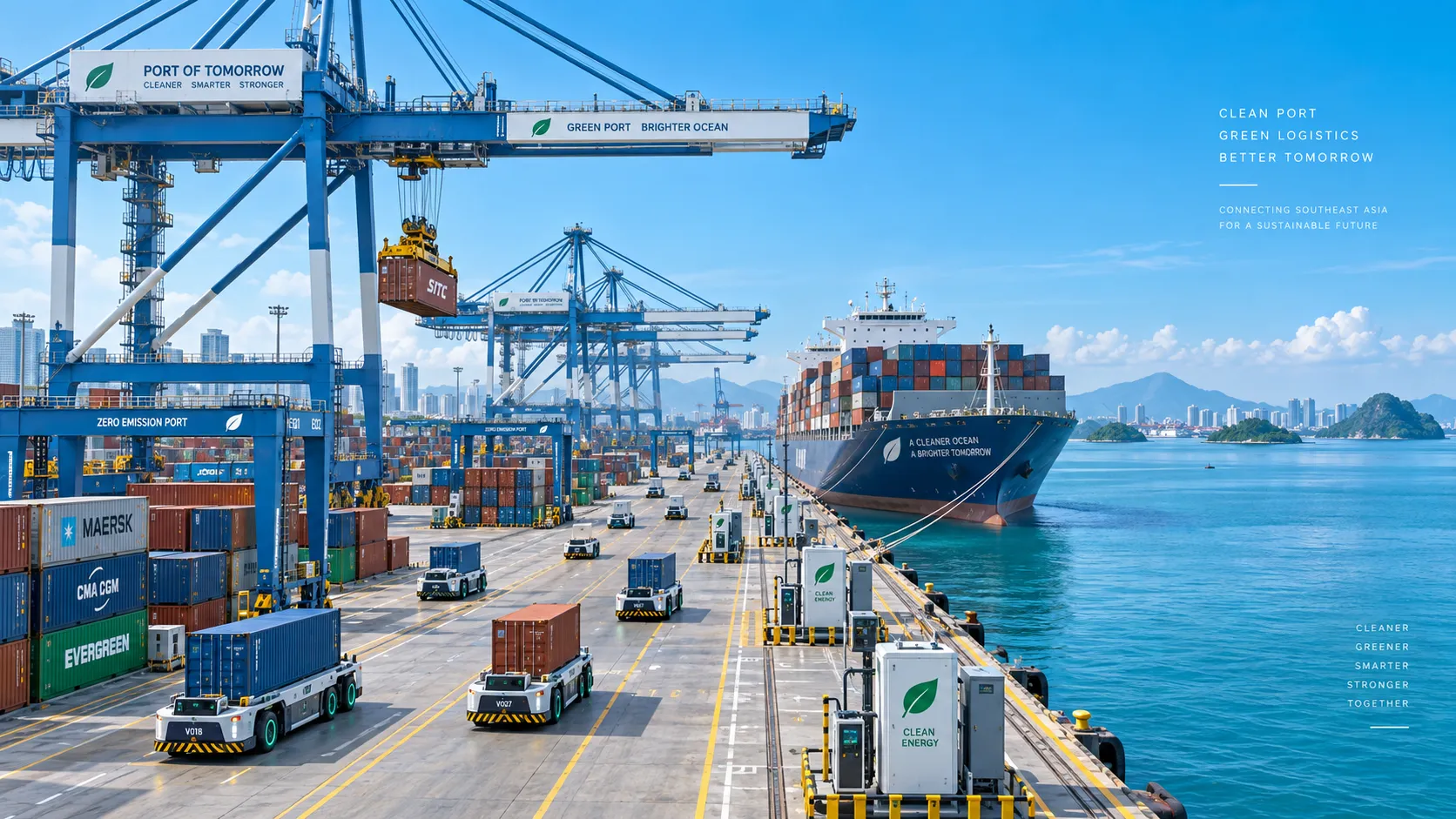
Smart Port Systems in Southeast Asia: Investment Priorities and Adoption Barriers
Smart port systems Southeast Asia: discover investment priorities, adoption barriers, and practical steps to build resilient, connected, high-performing terminals.
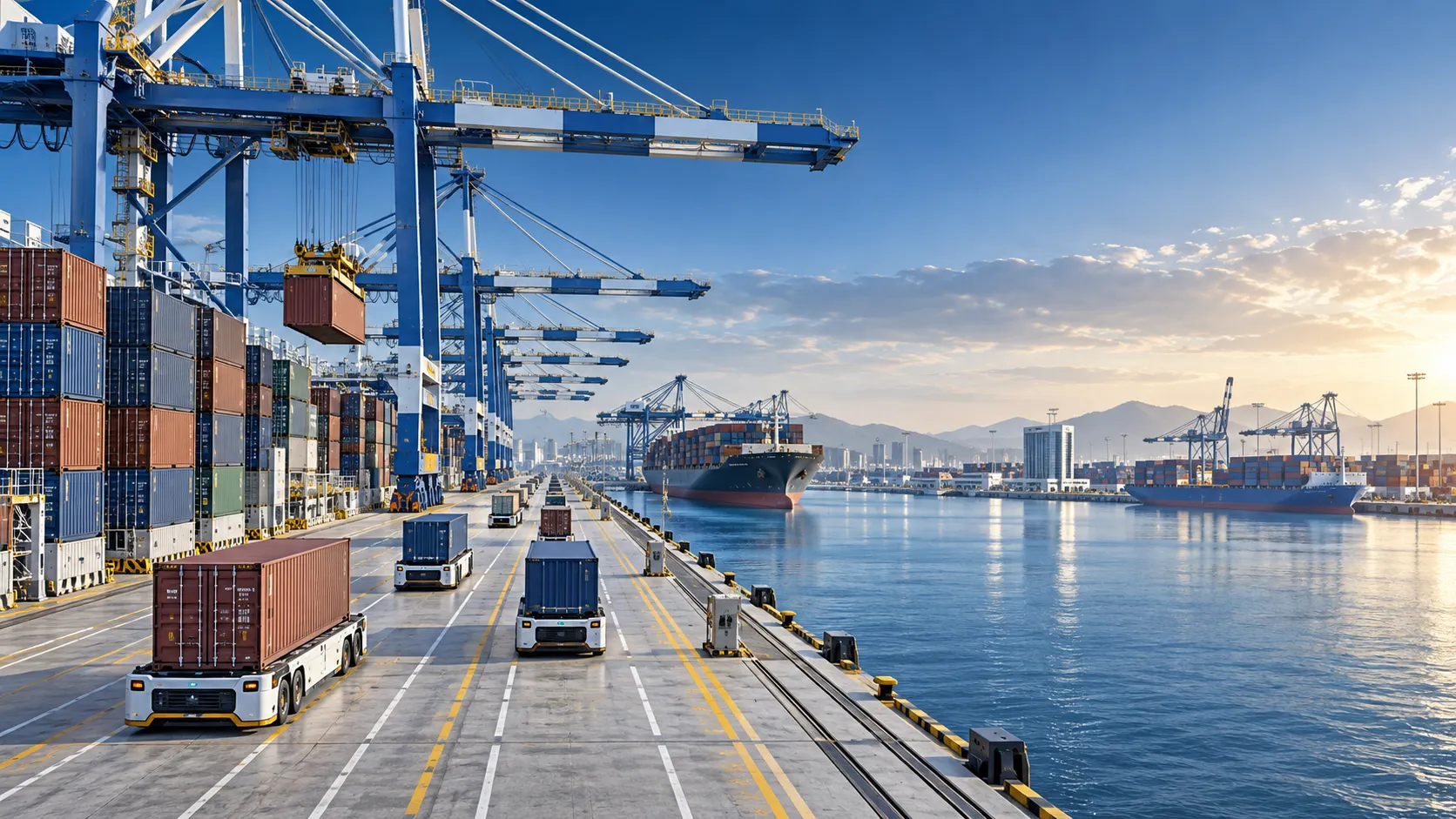
How to Evaluate Terminal Efficiency Solution Suppliers for High-Throughput Operations
Choose a terminal efficiency solutions supplier with confidence. Explore proven criteria for throughput, integration, lifecycle cost, safety, and reliable delivery.
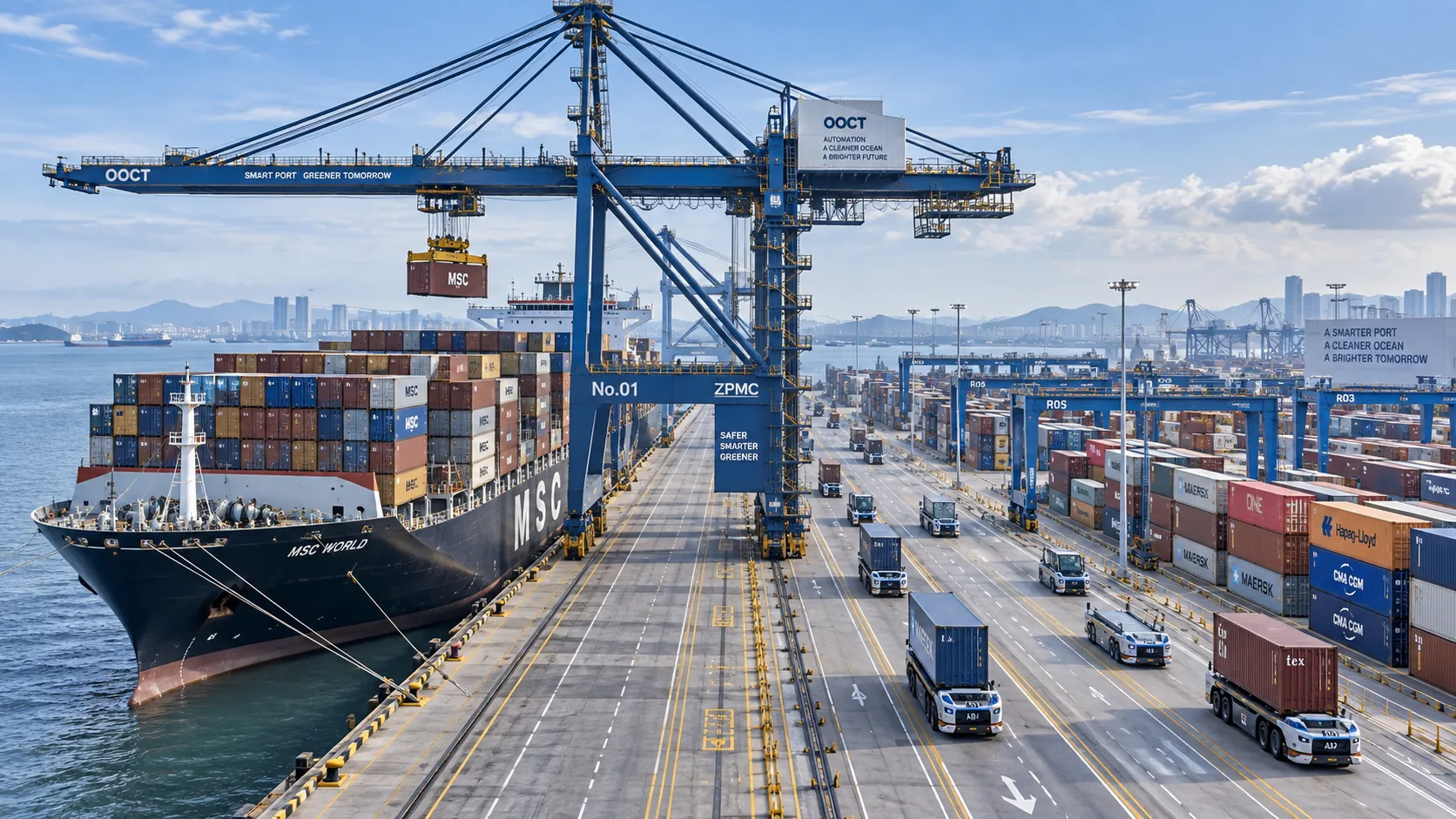
How to Specify a Quay Crane for Container Terminals by Vessel Size and Throughput?
Quay crane for container terminals: learn how to match outreach, lift height, capacity, automation, and cycle performance to vessel size and throughput goals.
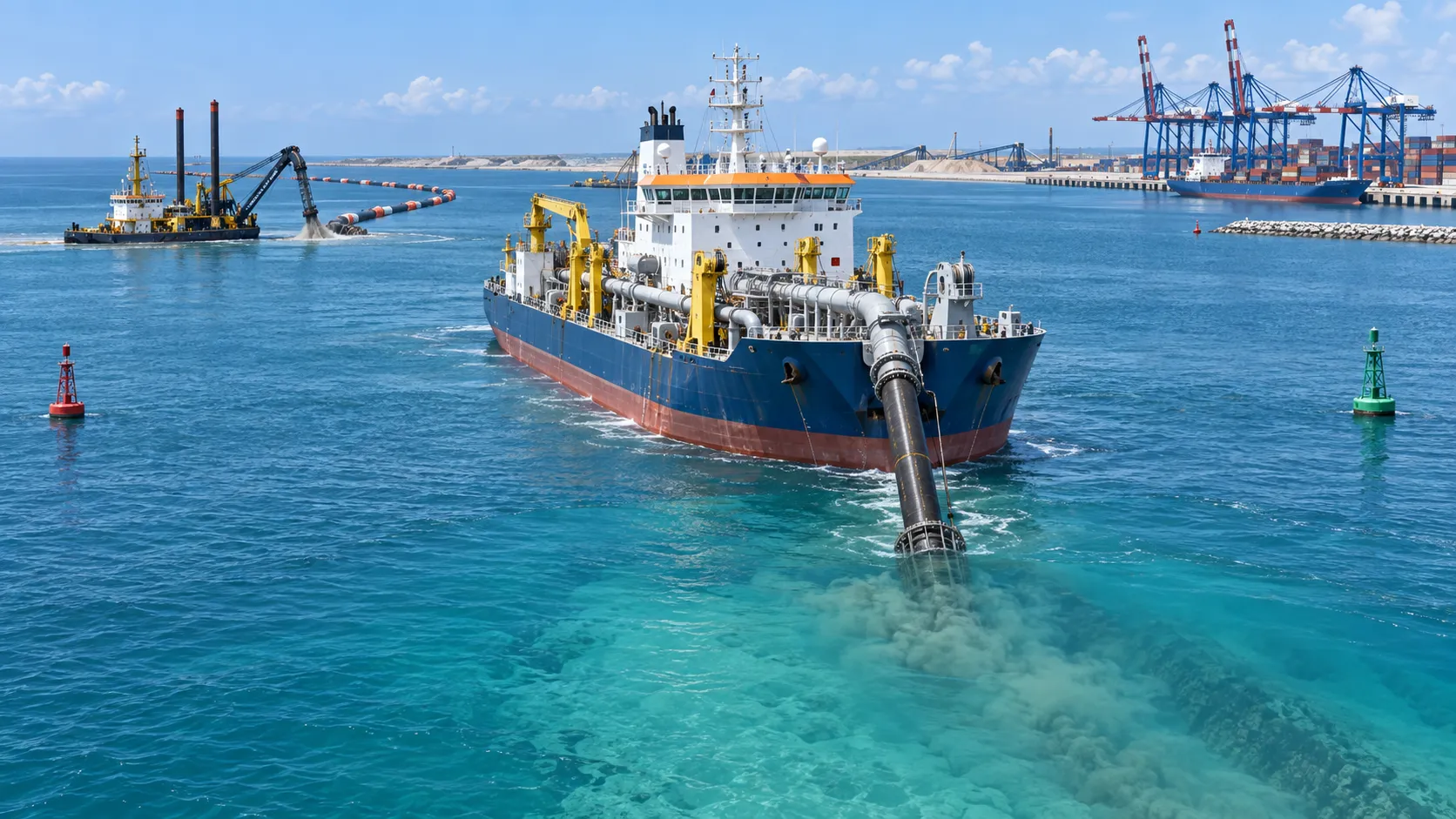
What Dredging Equipment Is Needed for Channel Deepening?
What dredging equipment is needed for channel deepening? Explore dredgers, pipelines, survey tools, and planning strategies for safer, more efficient port access.
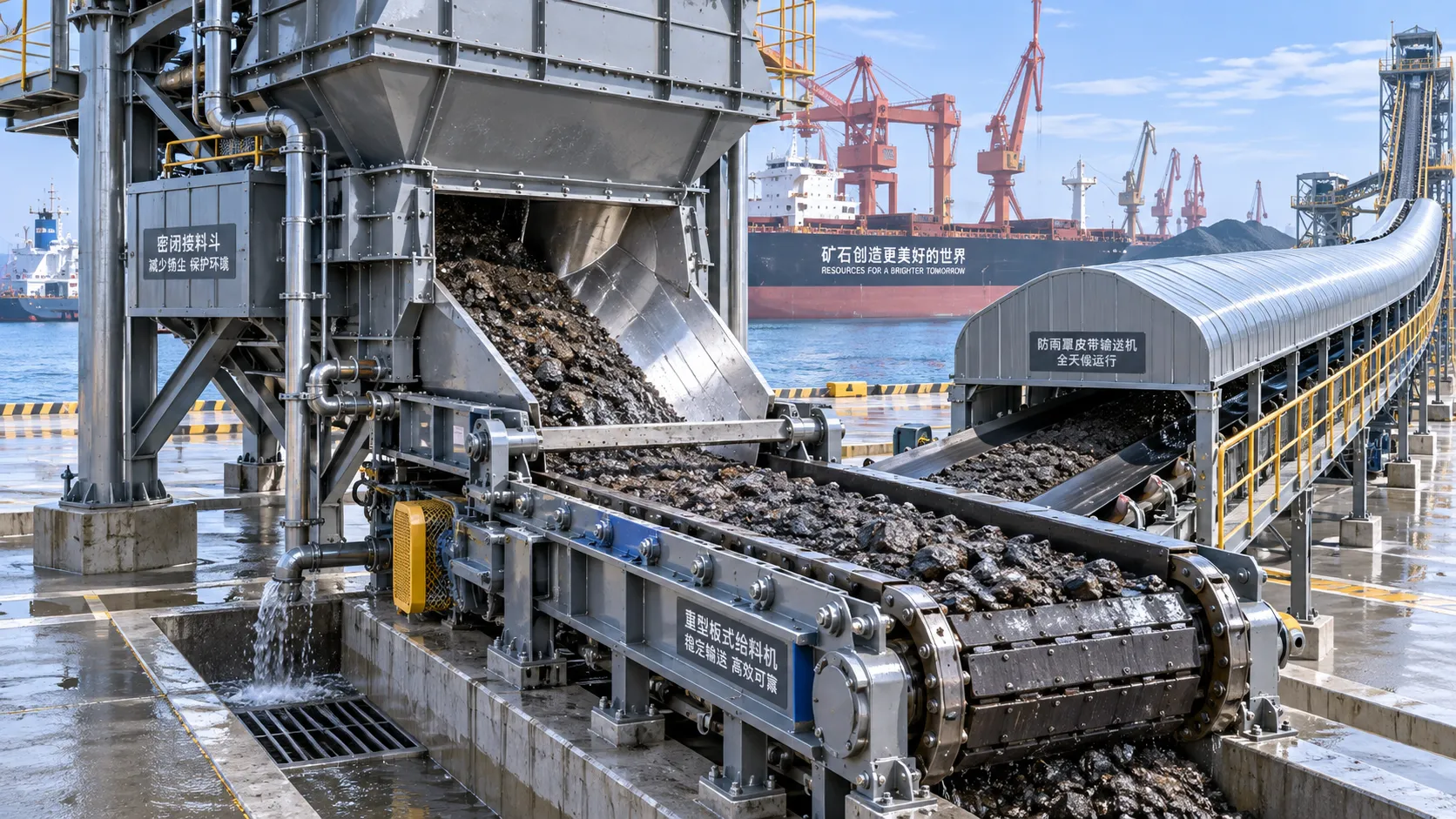
Which Bulk Handling Equipment Suits High-Moisture Cargo?
Which bulk handling equipment suits high-moisture cargo? Compare belt, apron, screw, drag, and slurry systems for reliable flow, less carryback, and higher terminal uptime.
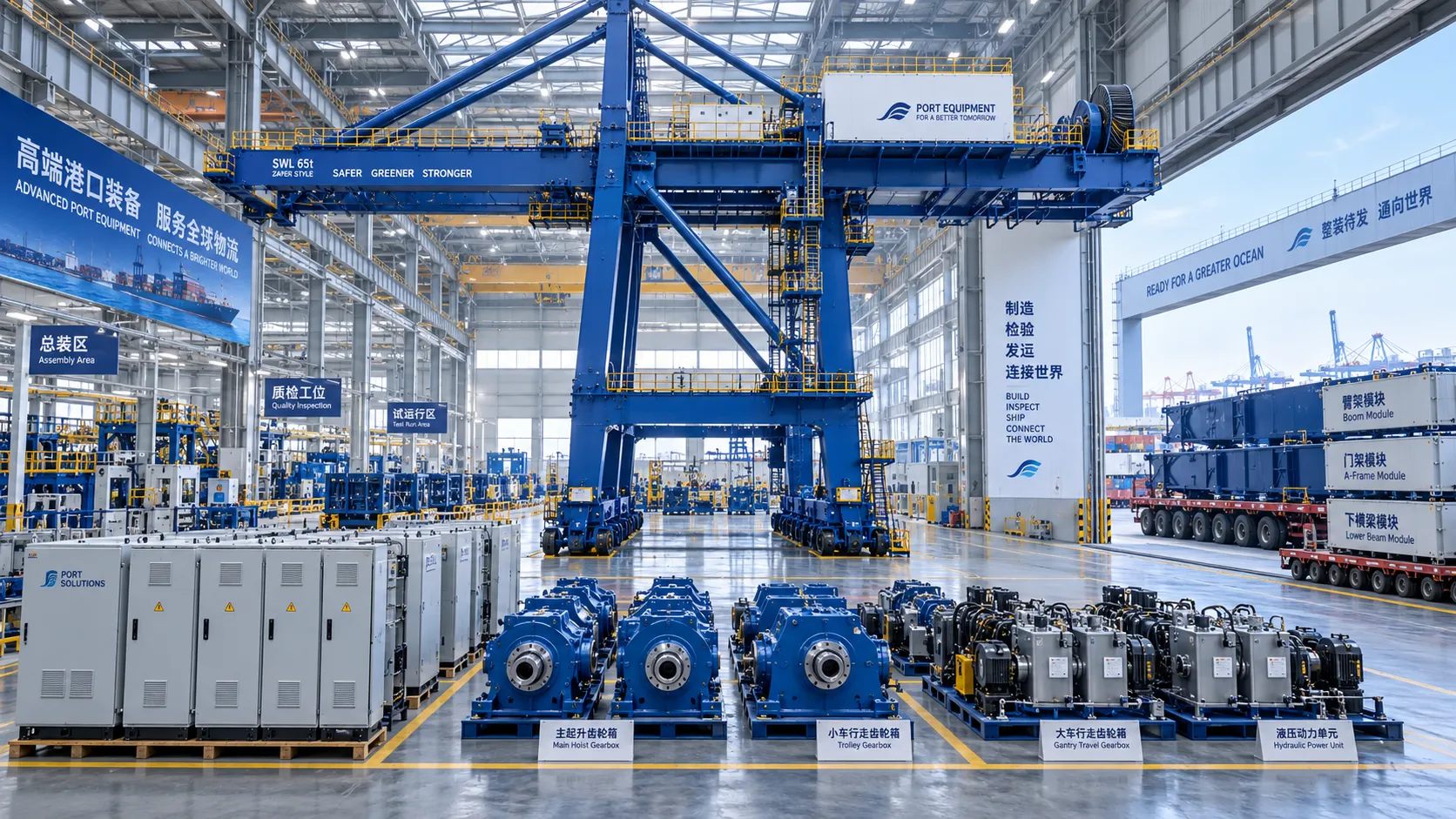
How Can Port Equipment Lead-Time Risk Be Managed?
How can port equipment lead-time risk be managed? Explore practical strategies to control critical paths, suppliers, transport, site readiness, and commissioning delays.
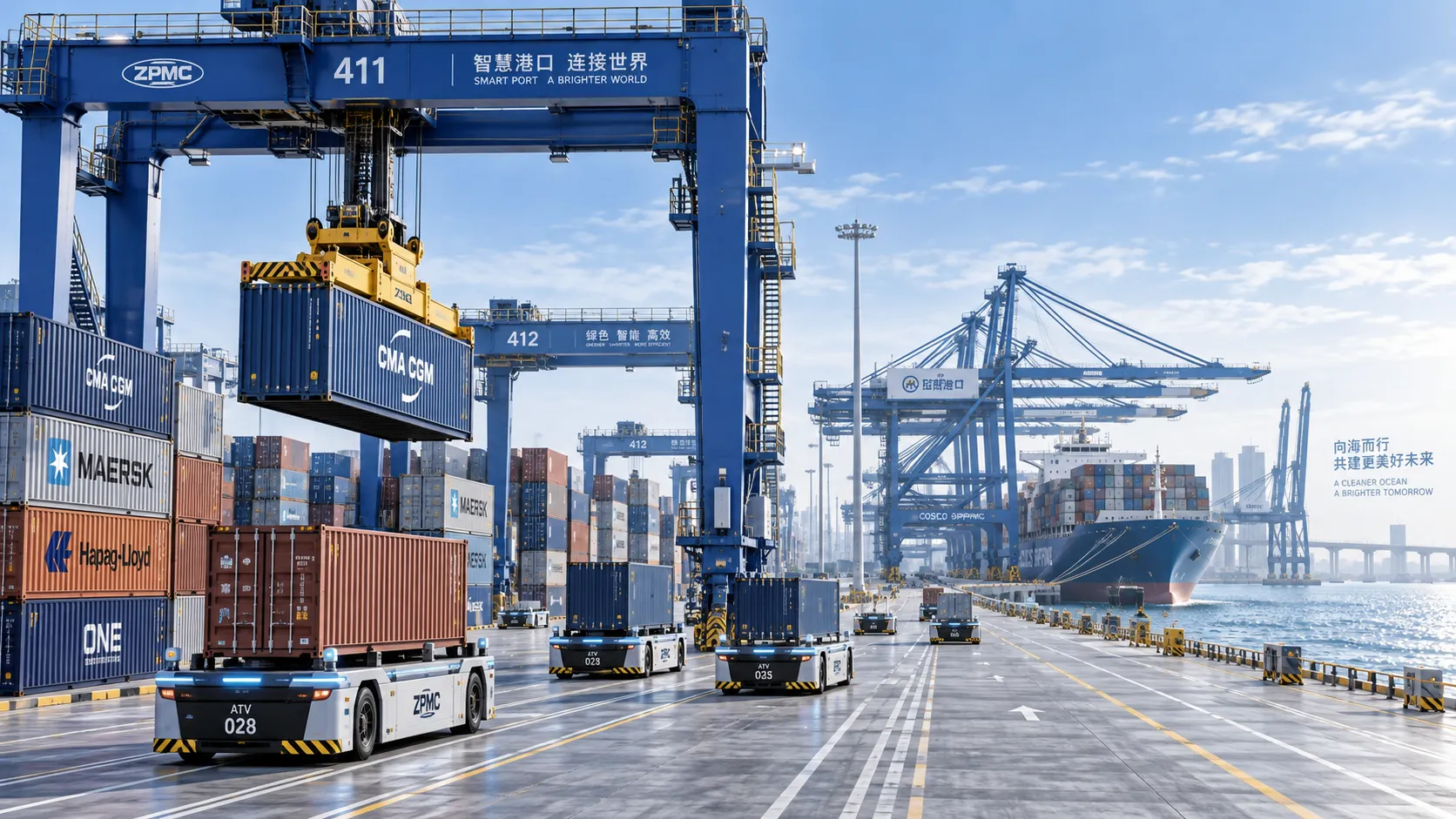
Terminal Automation Technologies That Raise Container Throughput Without Yard Disruption
Terminal automation technology that increases container throughput without disrupting yard flow. Explore smarter integration, resilient workflows, and phased deployment strategies.
Middle East Port Automation: Key Market Drivers, Projects, and Investment Risks
Port automation systems Middle East: explore market drivers, flagship projects, integration challenges, and investment risks shaping smarter, resilient terminals.
Planning Offshore Dredging Operations: Key Risks, Methods, and Project Controls
Offshore dredging operations demand smart planning. Explore key risks, proven methods, environmental controls, and project strategies for reliable delivery.