Related News
- 00
0000-00
How to Specify a Quay Crane for Container Terminals by Vessel Size and Throughput? - 00
0000-00
Which Bulk Handling Equipment Suits High-Moisture Cargo? - 00
0000-00
Terminal Automation Technologies That Raise Container Throughput Without Yard Disruption - 00
0000-00
Planning Offshore Dredging Operations: Key Risks, Methods, and Project Controls - 00
0000-00
Where Do Automated Guided Vehicles Deliver the Fastest Warehouse Gains in the Middle East?
How to Evaluate Automated Cargo Handling Systems for High-Throughput Terminals
Selection should begin with the terminal's actual cargo flow, not with a preferred machine type. Automated cargo handling systems perform as a connected operating environment: quay-side transfer, horizontal transport, yard storage, gate exchange, maintenance access, control logic, communications, and exception handling all affect the final result. A high nominal cycle rate from an individual crane, automated guided vehicle, shuttle carrier, or stacking crane has limited value when containers wait at a handoff point, the yard cannot absorb peaks, or the terminal operating system cannot issue reliable work instructions.
For a high-throughput terminal, the practical evaluation question is whether the proposed system can sustain the required flow during realistic vessel exchanges, mixed container profiles, equipment outages, weather constraints, and landside variability. The answer should be developed from operational models and engineering evidence rather than brochure capacities.
Start with the operating envelope
Define the terminal conditions that the automated cargo handling systems must serve before comparing technologies. Separate average demand from the peak conditions that determine congestion, berth delay, and yard instability. Vessel size, crane intensity, berth windows, container dwell time, rail activity, gate appointment patterns, reefer density, hazardous cargo segregation, empty-container volumes, and transshipment ratios can materially change the equipment mix.
A useful operating envelope describes both the expected and disruptive states of the terminal. It should include simultaneous vessel calls, uneven import-export imbalances, late stow-plan changes, blocked stacks, maintenance windows, and temporary loss of a traffic zone or charging area. If the concept only works under balanced and uninterrupted flow, its design capacity may not translate into dependable terminal throughput.
Container characteristics also require attention. ISO dimensions alone are insufficient. The equipment and control rules may need to accommodate high-cube units, reefers, out-of-gauge cargo, damaged containers, non-standard twist-lock conditions, overweight boxes, and containers requiring inspection. Exceptions should not be treated as rare administrative details. They often determine where manual intervention stations, inspection lanes, buffer slots, and recovery procedures must be placed.
Evaluate flow as a system of constrained interfaces
Map each handoff from vessel discharge to yard placement and from yard retrieval to vessel loading. For each interface, establish the responsible equipment, expected cycle time, permissible queue length, confirmation signal, and recovery action when the receiving resource is unavailable. Typical interfaces include quay crane to transport vehicle, transport vehicle to automated stacking crane, stack to rail transfer, stack to truck lane, and maintenance release to fleet-control logic.
Capacity should be tested at these interfaces rather than calculated only as the sum of individual machine moves. A fleet may have enough vehicles on paper, yet lose productive time when vehicles arrive in groups at a transfer point with limited buffer lanes. Similarly, adding yard cranes may not improve output if the traffic-management system cannot reserve clear routes or if stack configuration creates excessive reshuffles.
Simulation models should be auditable. Inputs, dispatch rules, equipment availability assumptions, travel speeds, acceleration limits, safety separations, charging behavior, and dwell-time distributions should be visible. A model that cannot be interrogated can conceal optimistic routing, simplified congestion, or unavailable buffer space. Sensitivity tests are often more informative than a single throughput result: alter vessel workload concentration, reduce available fleet size, close a yard block, or introduce delayed work instructions and observe where queues form.
Match equipment architecture to the site
There is no universally superior automation architecture. The right configuration depends on footprint, soil and pavement condition, quay layout, existing infrastructure, traffic separation requirements, expected expansion direction, and tolerance for phased construction. Automated stacking crane blocks can offer high storage density and controlled interfaces, but their performance depends on block geometry, transfer-lane design, rail alignment, and access for maintenance. Vehicle-based yards may provide more layout flexibility, while placing greater demands on traffic control, route availability, and energy management.
Assess the physical works as carefully as the mobile equipment. Rail foundations, wheel loads, pavement bearing capacity, embedded guidance devices, charging stations, cable routing, drainage, corrosion protection, lighting, and communications enclosures may become critical-path items. In coastal environments, exposed steelwork, electrical cabinets, sensors, connectors, and cable glands should be specified for salt-laden air, humidity, wind-driven rain, and temperature cycling appropriate to the site. Material selection and coating systems should be aligned with inspectable maintenance intervals rather than assumed to remain intact indefinitely.
For battery-electric fleets, energy analysis must reflect working duty, not nominal battery capacity. Travel distance, payload, acceleration, ambient temperature, auxiliary loads, battery aging, charging losses, charger availability, and queueing at charging locations affect fleet availability. Opportunity charging may reduce battery size, but it can create operational dependence on specific lanes or stations. Battery exchange can shorten downtime in some layouts, while adding handling equipment, spare battery inventory, safety controls, and space requirements.
Examine control integration before committing to hardware
Terminal automation relies on clear ownership of decisions. The terminal operating system typically manages vessel, yard, gate, and inventory work; equipment-control layers translate work orders into executable moves; fleet management allocates vehicles and routes; machine controllers enforce local motion and safety logic. The boundaries between these layers need explicit definition. Ambiguous ownership leads to duplicate commands, stalled handoffs, inconsistent container status, and difficult fault diagnosis.
Interface specifications should cover message fields, event timing, acknowledgements, retries, error codes, sequencing, and behavior during loss of connectivity. It is important to establish whether a movement is considered complete when a container reaches a physical transfer point, when lifting is confirmed, when identification is validated, or when the receiving system accepts custody. These definitions influence inventory accuracy and recovery after interrupted moves.
Integration testing should use representative work sequences: discharge to stack, loading retrieval, restows, truck pickup, rail transfer, empty handling, reefer moves, inspection diversion, and manual exception recovery. Test records should show not only successful transactions but also delayed acknowledgements, duplicate messages, mismatched container identifiers, unavailable equipment, and restart behavior after a system outage. Cybersecurity controls require the same practical scrutiny, including network segmentation, privileged access, patching responsibility, remote support controls, logs, and a defined process for approving software changes.
Measure availability in operational terms
Availability claims should be broken down by subsystem and by failure consequence. A short interruption to a single vehicle may be tolerable; loss of a route-control server, block controller, wireless zone, power feeder, or positioning reference can affect a much wider portion of the terminal. Request a failure-mode and effects analysis that identifies detection method, immediate safe state, automatic recovery behavior, manual recovery steps, spare parts, and estimated restoration dependencies.
Redundancy deserves careful qualification. Two servers do not provide meaningful resilience if both depend on the same power supply, network switch, cooling system, configuration database, or physical room. Likewise, additional vehicles do not preserve capacity when all available routes converge at one blocked transfer lane. The evaluation should identify shared dependencies and test the system under credible single-point failures.
- Review mean repair conditions alongside failure frequency. Access restrictions, lifting requirements, confined service areas, software diagnostics, and part lead times can extend a minor repair into a prolonged operational loss.
- Confirm whether key components can be isolated while adjacent equipment continues working. This matters for crane rails, charging infrastructure, communications zones, and conveyor interfaces.
- Require a controlled degraded-mode concept. It should state which functions remain available, which safety restrictions apply, how work is prioritized, and how normal operations are restored without corrupting inventory records.
Safety design must include abnormal work
Automated zones require more than separation fences and emergency-stop devices. The design must account for people entering a restricted area for inspection, cleaning, recovery, cargo securing, maintenance, fire response, and abnormal container handling. Access authorization, lockout procedures, machine safe states, location awareness, warning devices, and restart controls need to work together. A simple emergency stop may halt a machine, but it does not automatically establish that an entire travel corridor is safe for entry.
Review sightlines, crossing points, refuge areas, lighting, drainage covers, pedestrian gates, and the physical distinction between automated and conventional traffic. In mixed-operation phases, temporary barriers and revised route rules can be as important as the final permanent layout. Safety validation should include misaligned containers, dropped communications, obscured sensors, unexpected obstacles, blocked emergency routes, and equipment that stops in a location where it impedes other movements.
Plan procurement around demonstrable obligations
Technical specifications should distinguish guaranteed operating conditions from design aspirations. Define the cargo mix, environmental limits, terminal interfaces, availability measurement method, accepted downtime categories, data ownership, and scope boundaries for civil, electrical, control, and communications works. Without this clarity, integration gaps can emerge late in delivery, especially where multiple contractors supply machines, software, power systems, and site infrastructure.
Factory testing can verify fabricated equipment, control cabinets, sensors, and software functions before shipment. Site acceptance should then prove installation quality, travel clearances, positioning accuracy, communications coverage, safety interlocks, energy supply, and integrated workflows under agreed test scenarios. Acceptance criteria should include repeatability and recovery, not just a demonstration of isolated moves.
Transport and installation planning should address oversize components, lifting studies, quay access, storage conditions, rail installation tolerances, cable-pulling routes, commissioning power, and protection of completed work from ongoing civil construction. Sequencing mistakes can damage cables, restrict crane access, or force temporary operating arrangements that remain in place longer than intended.
Compare lifecycle cost with operational exposure
Capital cost is only one part of the decision. A lifecycle comparison should include civil modifications, power distribution, substations, charging or battery infrastructure, communications, software licenses, interface development, spares, specialist tools, inspection equipment, preventive maintenance labor, remote support, periodic upgrades, and end-of-life replacement assumptions. The analysis should show which costs are fixed, which scale with volume, and which depend on proprietary components or software access.
Pay close attention to contractual treatment of software updates and operational data. Control algorithms, equipment logs, diagnostics, and performance records are needed to investigate recurring delays and improve dispatch rules over time. Restrictions on data access or change authority can create long-term dependency that is not obvious in an initial equipment comparison.
A robust selection leaves room for controlled expansion. Additional yard blocks, fleet vehicles, crane modules, charging capacity, communications coverage, and computing resources should be evaluated as future increments, including the point at which an existing bottleneck must be redesigned rather than merely enlarged. The preferred system is the one whose capacity, resilience, and control behavior remain understandable as the terminal changes.
Related News
Smart Port Systems in Southeast Asia: Investment Priorities and Adoption Barriers
Smart port systems Southeast Asia: discover investment priorities, adoption barriers, and practical steps to build resilient, connected, high-performing terminals.
How to Evaluate Terminal Efficiency Solution Suppliers for High-Throughput Operations
Choose a terminal efficiency solutions supplier with confidence. Explore proven criteria for throughput, integration, lifecycle cost, safety, and reliable delivery.
How to Specify a Quay Crane for Container Terminals by Vessel Size and Throughput?
Quay crane for container terminals: learn how to match outreach, lift height, capacity, automation, and cycle performance to vessel size and throughput goals.
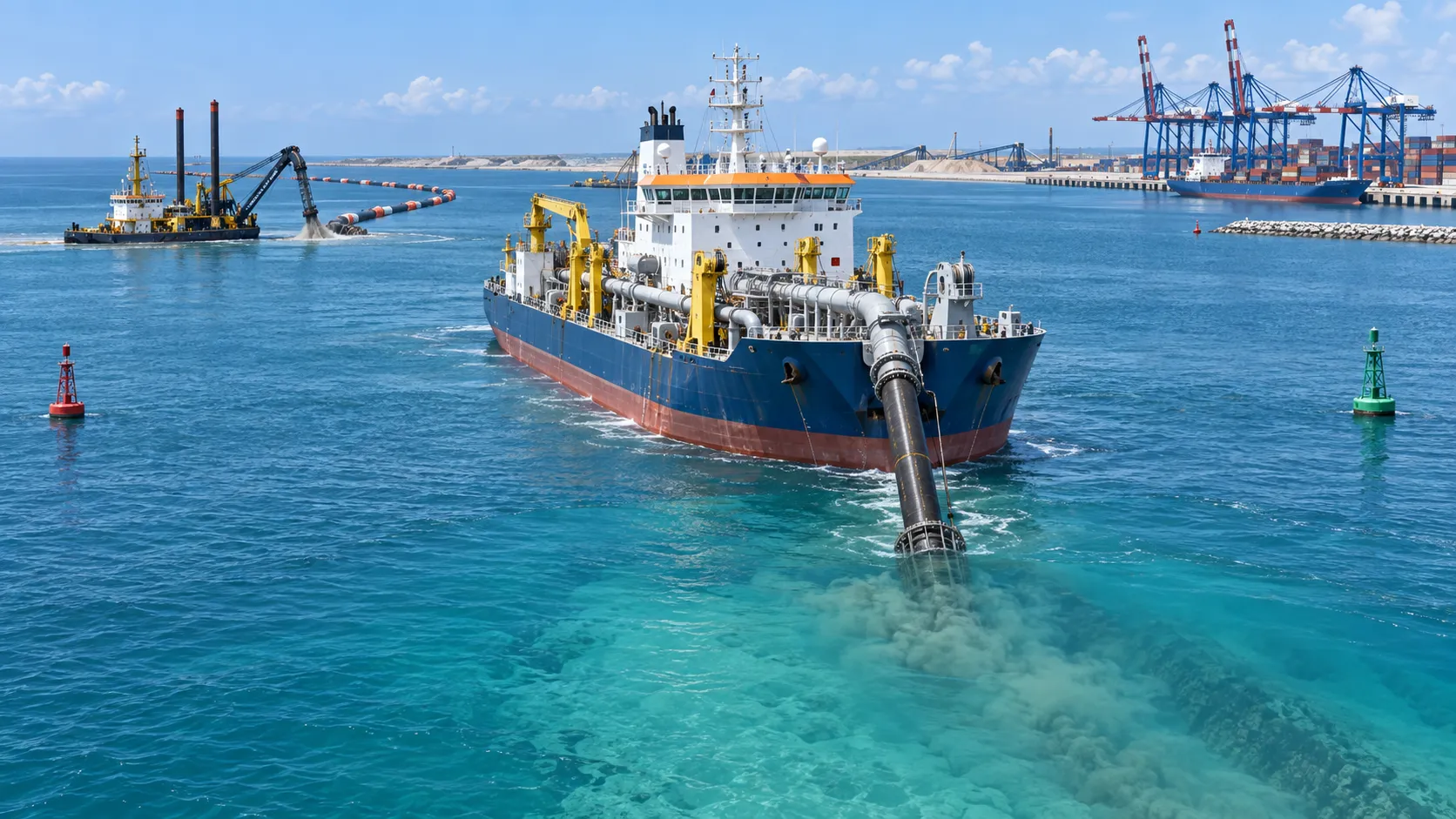
What Dredging Equipment Is Needed for Channel Deepening?
What dredging equipment is needed for channel deepening? Explore dredgers, pipelines, survey tools, and planning strategies for safer, more efficient port access.
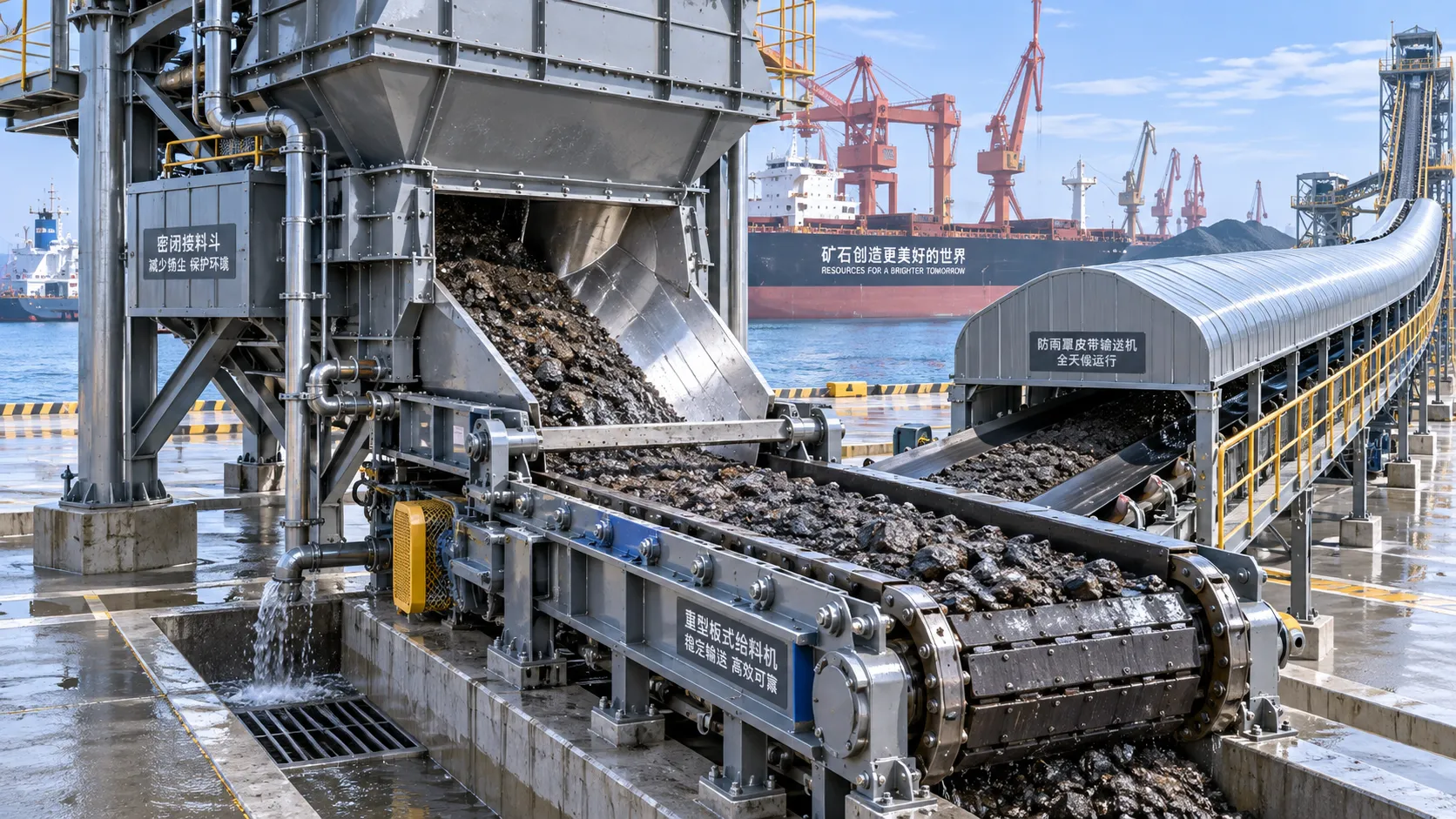
Which Bulk Handling Equipment Suits High-Moisture Cargo?
Which bulk handling equipment suits high-moisture cargo? Compare belt, apron, screw, drag, and slurry systems for reliable flow, less carryback, and higher terminal uptime.
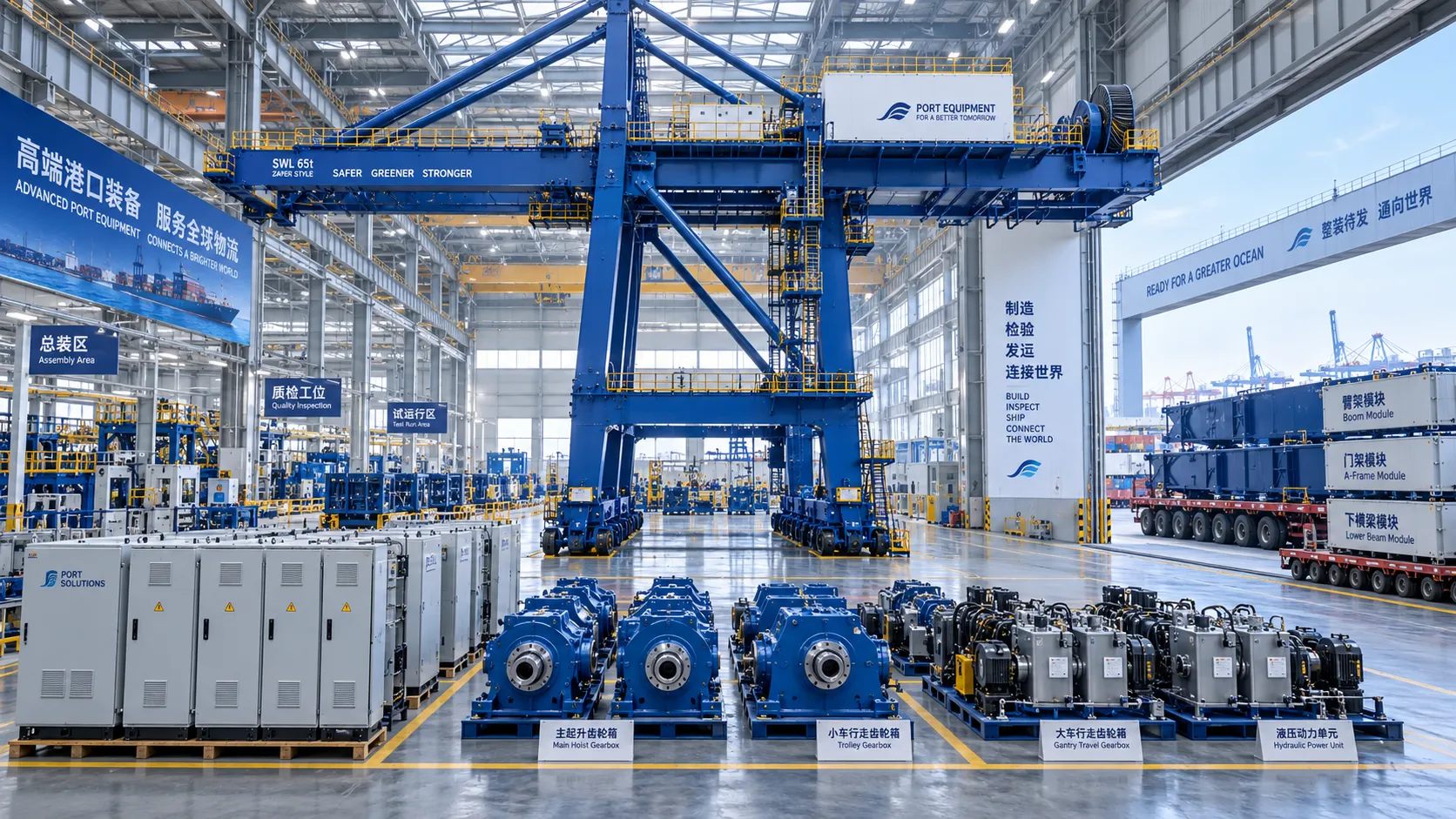
How Can Port Equipment Lead-Time Risk Be Managed?
How can port equipment lead-time risk be managed? Explore practical strategies to control critical paths, suppliers, transport, site readiness, and commissioning delays.
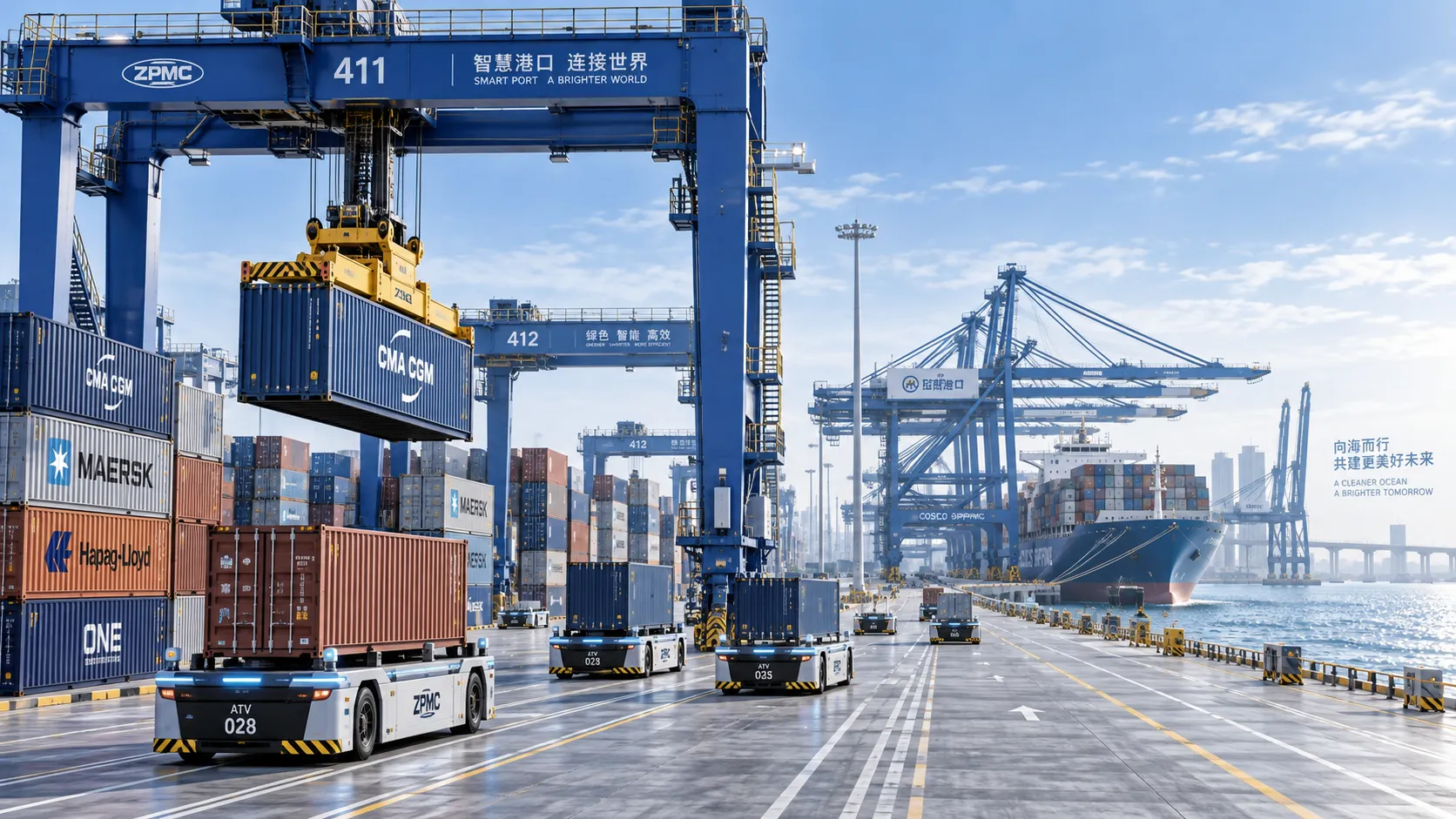
Terminal Automation Technologies That Raise Container Throughput Without Yard Disruption
Terminal automation technology that increases container throughput without disrupting yard flow. Explore smarter integration, resilient workflows, and phased deployment strategies.
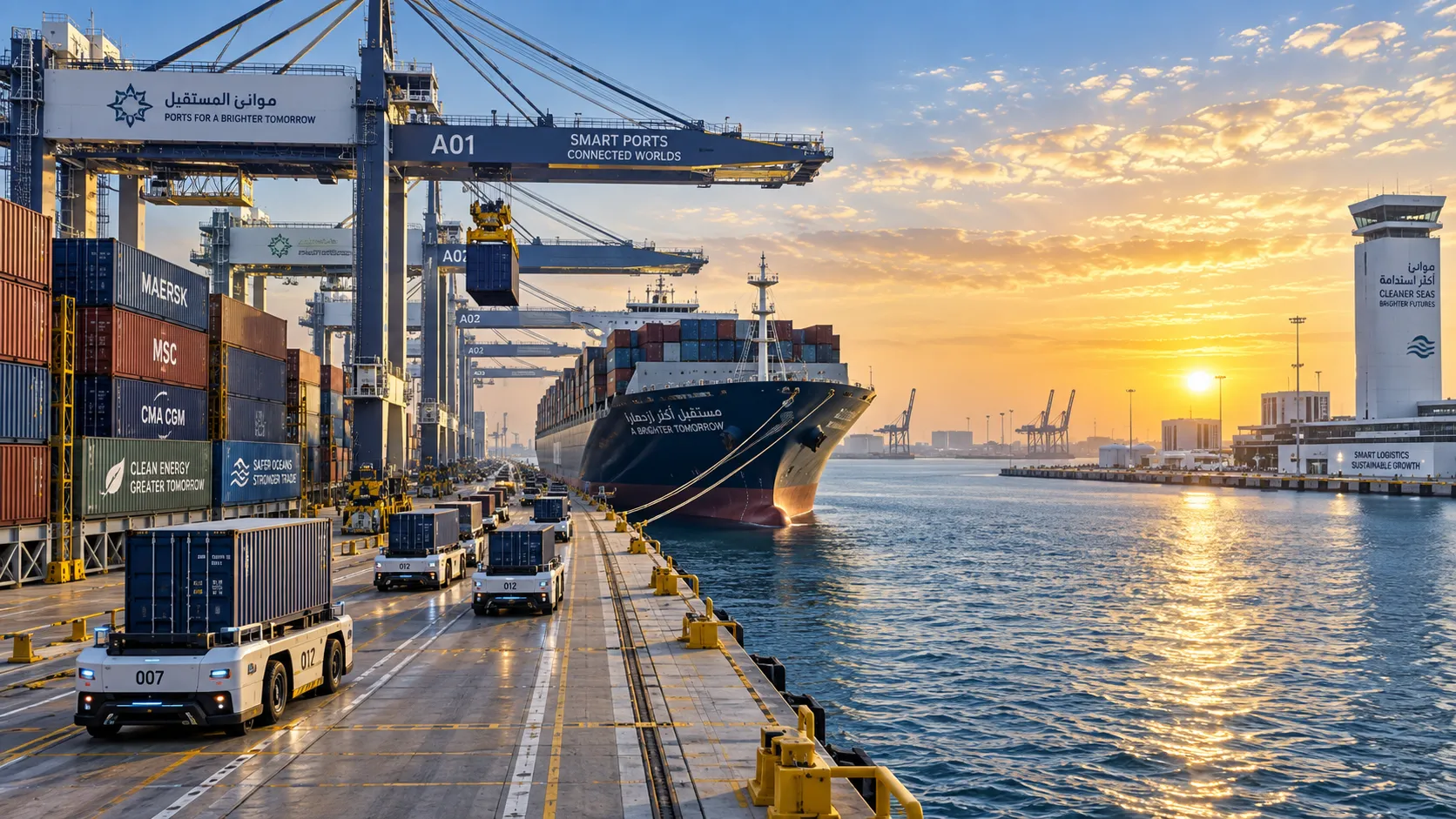
Middle East Port Automation: Key Market Drivers, Projects, and Investment Risks
Port automation systems Middle East: explore market drivers, flagship projects, integration challenges, and investment risks shaping smarter, resilient terminals.
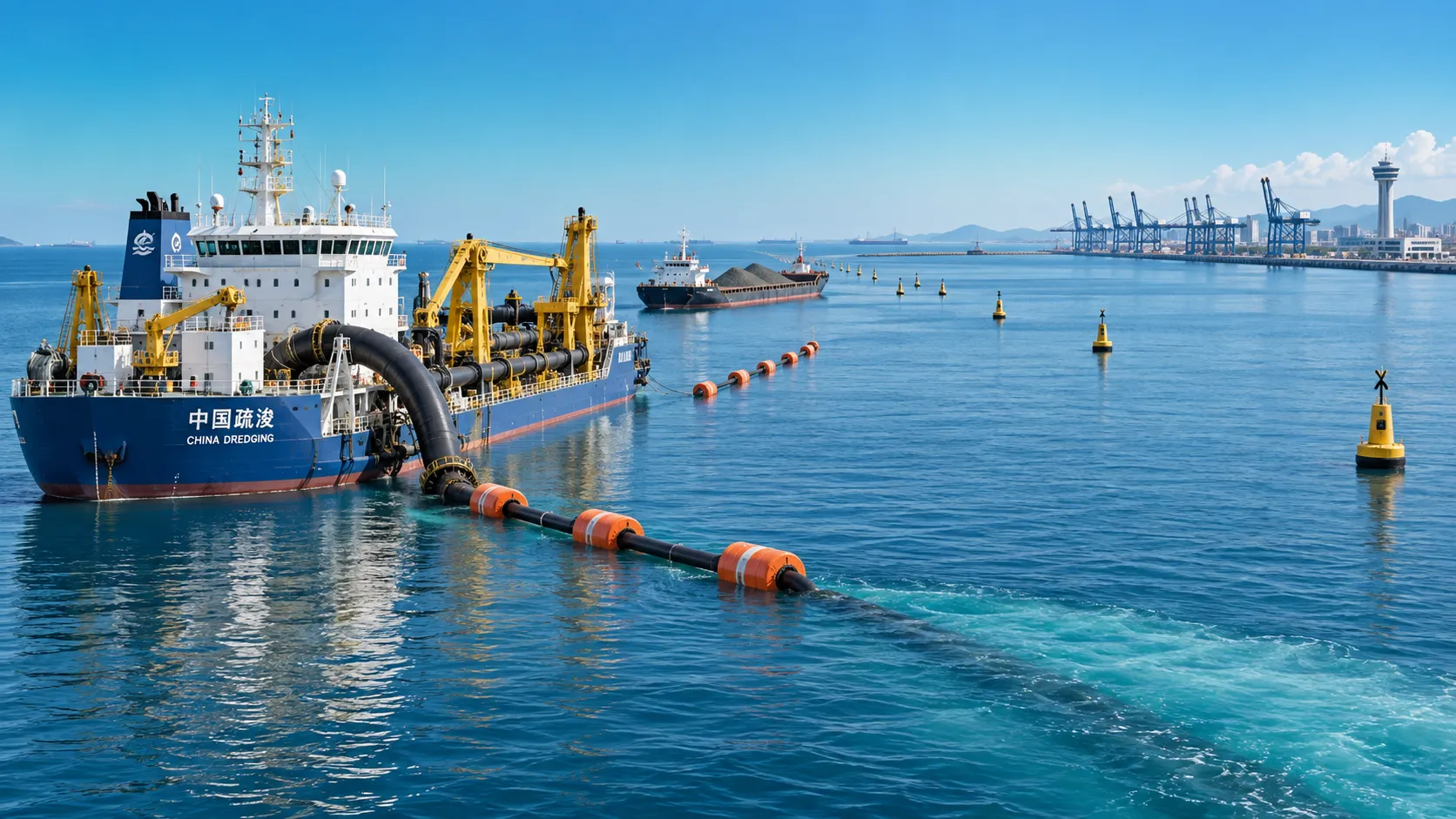
Planning Offshore Dredging Operations: Key Risks, Methods, and Project Controls
Offshore dredging operations demand smart planning. Explore key risks, proven methods, environmental controls, and project strategies for reliable delivery.