Related News
- 00
0000-00
Marine Engineering Solutions for Dredging in Ports: Key Design Factors - 00
0000-00
What Data Does a Smart Port Control Architecture Need to Operate? - 00
0000-00
CE-Marked Quay Cranes: How to Verify Compliance Documents - 00
0000-00
Port Automation Systems in Latin America: Choosing the Right Solution - 00
0000-00
Scalable Automated Port Systems: Planning for Terminal Capacity Growth
0000-00
How to Scale Port Automation Without Disrupting Container Terminal Operations
Scaling automation in a working container terminal requires a deployment plan that keeps cargo moving while equipment, software, and operating procedures change. Making port automation solutions scalable starts with a practical rule: each expansion phase must fit within the terminal’s available operating capacity and have a tested recovery path.
That means defining acceptable service levels, isolating construction and commissioning areas, and proving how automated equipment interacts with existing operations before increasing its workload. A successful pilot demonstrates more than reliable machine movements. It shows that the terminal can absorb delays, equipment faults, and unexpected container conditions without losing control of the wider operation.
Start with the capacity you can afford to take out of service
Before selecting an automated yard block or vehicle fleet, map the operating capacity that deployment will temporarily remove. Construction access, electrical work, communications installation, testing lanes, and exclusion zones can all reduce usable terminal space.
The impact extends beyond the installation footprint. Closing one yard block may increase travel distances elsewhere, concentrate truck traffic at fewer transfer points, or force additional container reshuffles. A project that appears manageable by area can still create a serious bottleneck at a shared intersection.
Establish a baseline that captures berth activity, yard occupancy, truck turnaround, equipment availability, and container dwell patterns. Include busy periods and irregular conditions. Average throughput alone can hide the congestion that determines whether a phased deployment is workable.
Use that baseline to define a minimum operating envelope: the capacity, access routes, staffing, and recovery resources needed to maintain an agreed service level during each phase. If a deployment stage falls below that envelope, reduce its scope, change its timing, or provide temporary capacity before proceeding.
This also helps identify the right starting point. If congestion is driven mainly by poor container positioning, adding automated vehicles may simply move queues faster toward the same blocked transfer area. Address the constraint that limits overall flow.
Choose a first deployment with clear operational boundaries
A useful pilot has enough complexity to test real operations while remaining contained enough to recover safely. One yard block, a defined horizontal transport route, or a limited set of crane moves may provide a suitable boundary.
Select the area by examining its interfaces. A block with controlled access and a clear transfer procedure can be easier to commission than a smaller area crossed frequently by external trucks, maintenance vehicles, and pedestrians.
Several entry points can work, depending on the existing terminal:
- Remote operation of selected cranes: useful when reducing personnel exposure is a priority, provided visibility, communications, control authority, and recovery procedures are addressed. Remote control still depends on operator judgment and should not be treated as full automation.
- Automation within a defined yard block: suitable where access can be controlled and container handovers can occur at designated transfer points.
- Automated horizontal transport: suitable where routes, intersections, charging arrangements, and interactions with other traffic can be managed consistently.
- Planning and dispatch improvements: useful when unreliable inventory data or scheduling decisions are limiting performance before physical automation begins.
Give the pilot explicit operating limits: eligible move types, permitted traffic, environmental conditions, staffing, and workload. Expand those limits deliberately as evidence accumulates. Otherwise, routine operational pressure can turn a controlled trial into an unplanned terminal-wide dependency.
Make TOS integration reliable before increasing equipment numbers
The terminal operating system, or TOS, coordinates work across the terminal. Equipment control systems translate assigned work into machine actions. Fleet management systems may allocate vehicles and manage routes. Expansion becomes difficult when these layers disagree about job status, container identity, or equipment availability.
Define who owns each operational decision. The TOS may release a transport task, a fleet manager may select a vehicle, and an equipment controller may execute the movement. Safety functions must remain within the validated safety architecture. Document where responsibilities change and what confirmation is required at each handover.
The interface specification should cover incomplete and abnormal transactions as carefully as successful moves:
- What happens if a job acknowledgement is delayed or lost?
- How are duplicate instructions detected and handled?
- Which system resolves a mismatch between the expected container and the observed container?
- How is a cancelled job handled after a vehicle has started moving?
- How are physical container positions reconciled with system records after an interruption?
These details matter because adding machines increases the number of simultaneous transactions and opportunities for conflicting updates. An interface that works during light testing may struggle when several systems retry messages or recover together.
Test integrations with recorded operating data and a representative simulation environment before live commissioning. Include delayed messages, unavailable equipment, blocked transfer points, and job cancellations. Simulation can expose scheduling and interface problems, although it cannot replace site testing of physical behavior and safety functions.
Design mixed operations around controlled handovers
During a brownfield transition, automated and manually operated equipment often need to coexist. The main design challenge is managing where their operating rules meet.
A designated transfer point needs clear rules for entry permission, vehicle positioning, load status, and departure authorization. Operators must know when control passes between systems and which indication confirms that a movement is permitted.
Physical separation can simplify risk control where the layout allows it. Where routes must intersect, the crossing arrangement needs an engineered traffic-control and safety approach. Painted lines and general driver awareness cannot substitute for measures required by the site risk assessment.
Plan exception access in equal detail. Maintenance teams may need to enter an automated zone, recover a disabled vehicle, or inspect a container that cannot be handled normally. Define how the area is secured, how affected equipment is isolated, who authorizes access, and how operations resume afterward.
Manual fallback also needs a realistic capacity assessment. Staff, equipment, access routes, and inventory records must support it. In some failures, the safest recovery is to suspend work within one zone while maintaining service elsewhere. Attempting immediate manual operation inside a disrupted automated area may introduce additional hazards and confusion.
Build infrastructure for the next phase
Scalable port automation depends on infrastructure that can accommodate expansion without repeated disruption. Power distribution, network coverage, cable routes, equipment rooms, and charging locations deserve attention before the pilot layout becomes fixed.
For automated guided vehicles or other battery-powered equipment, fleet size and charging strategy must be planned together. Charging queues, unavailable chargers, and travel to charging locations can reduce the fleet available for cargo moves. Evaluate charging demand against actual duty cycles and peak operating needs.
Communications design should follow the requirements of each function. Remote crane operation, vehicle coordination, monitoring, and maintenance access have different demands. Evaluate coverage, delay, service continuity, and recovery behavior under realistic terminal conditions, including changing container stacks and equipment movement.
Cybersecurity belongs in the deployment design. Separate networks according to operational need, control supplier access, and establish recovery procedures for compromised or unavailable systems. A connection introduced for commissioning can become a permanent dependency unless its ownership and access conditions are defined.
Provide spare infrastructure capacity where future expansion would otherwise require disruptive civil works. Size that provision against a credible expansion plan so that early investment supports identifiable needs.
Use performance gates that measure the whole terminal
A pilot should advance when it meets agreed operating criteria. Equipment acceptance is one part of that decision. Terminal acceptance also needs evidence that surrounding operations remain stable.
Set thresholds using the terminal’s baseline, contractual commitments, and risk assessment. Generic productivity targets are less useful than criteria tied to the operation being protected.
Look beyond moves per hour. Track queue formation, intervention frequency, unresolved inventory discrepancies, recovery time, and workload transferred to other areas. An automated block can appear productive while causing trucks to wait outside its boundary or increasing manual corrections in the control room.
Evaluate results across representative vessel exchanges, yard conditions, and shift changes. A short period of smooth operation provides limited evidence if difficult moves were diverted elsewhere throughout the trial.
Rehearse cutover and recovery as operational procedures
Cutover needs a shared runbook covering operations, engineering, IT, maintenance, suppliers, and safety responsibilities. Name the person authorized to pause commissioning and the person responsible for restoring service. Establish the trigger conditions before schedule pressure makes those decisions harder.
Before live work begins, reconcile container inventory, verify equipment states, confirm access restrictions, and check that pending jobs can be traced. Define which software versions and configuration settings belong to the approved release.
Then rehearse credible failures: a vehicle stopping on a shared route, a crane becoming unavailable during transfer, a network interruption, or an incorrect container record. The exercise should demonstrate who detects the problem, who makes the decision, and how cargo flow is protected.
Rollback must account for physical changes. Restoring an earlier software version does not reverse container moves already completed. Recovery may require stopping affected jobs, checking equipment positions, reconciling records, and issuing new work instructions. Define a point beyond which controlled recovery is more practical than returning to the previous operating mode.
Schedule cutover when sufficient support and recovery capacity are available. A quieter operating window helps only if the people needed to resolve problems are present.
Expand by repeating a proven operating unit
After the pilot passes its gates, capture a repeatable package: interface definitions, configuration rules, safety arrangements, training materials, maintenance requirements, and acceptance evidence. This becomes the basis for the next block, route, or equipment group.
Check each expansion for changed constraints. Additional vehicles may overload an intersection; another automated block may shift congestion toward quay transfers; greater remote-control activity may increase demand on operators and communications infrastructure. Repeatability reduces engineering effort, but every phase still needs a terminal-level capacity review.
Supplier selection should support that progression. Ask how licenses, interfaces, diagnostic access, spare parts, and support arrangements change as the system grows. Clarify responsibility for faults spanning several suppliers, and ensure operating data can be accessed for troubleshooting and performance analysis.
Before authorizing the next phase, require a clear answer to one practical question: if this expansion underperforms during a busy vessel exchange, how will the terminal maintain its agreed service level? A credible answer identifies available capacity, decision authority, recovery actions, and evidence from rehearsals. That is the foundation for expanding automation with controlled disruption.
Related News
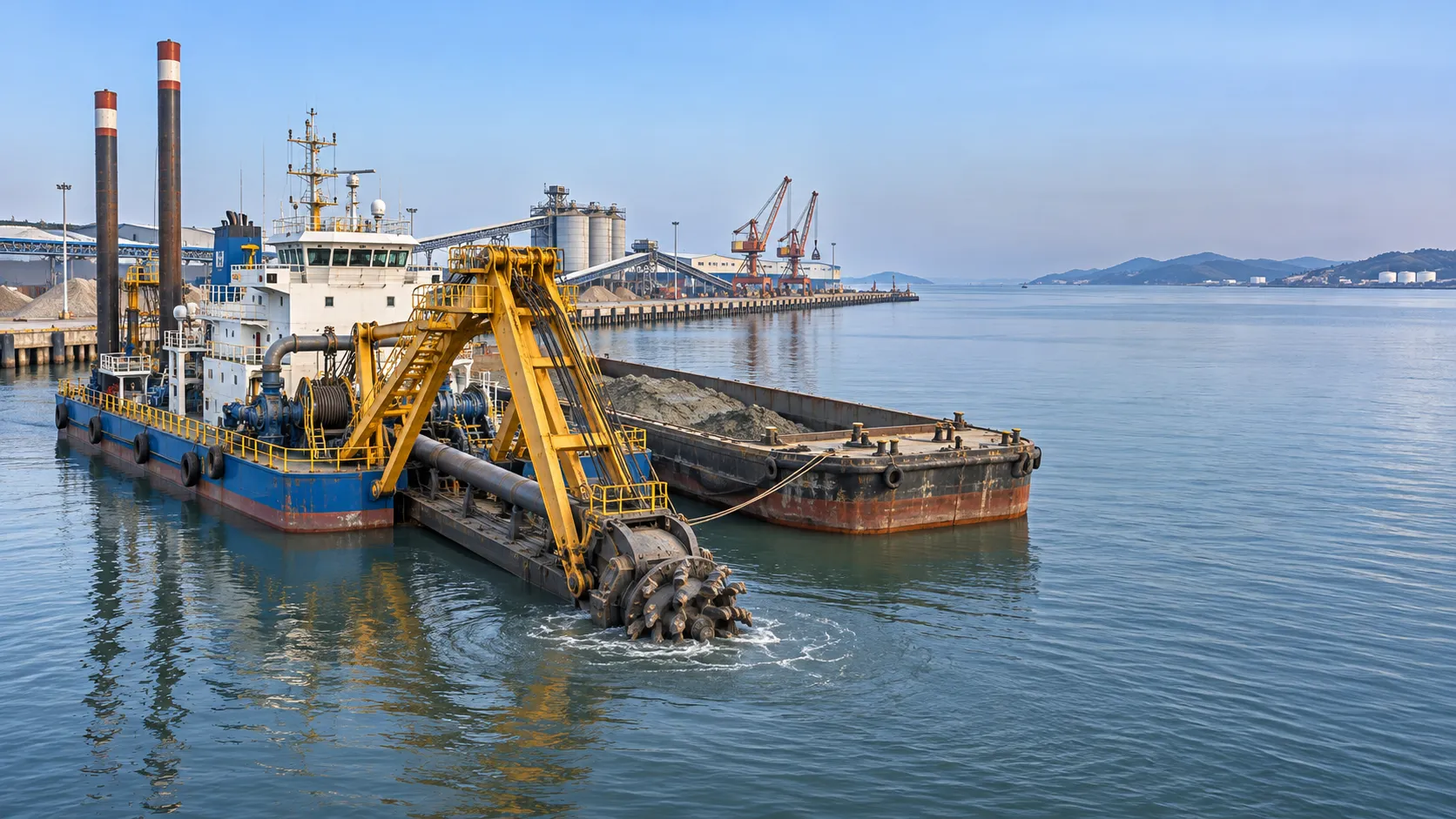
Marine Engineering Solutions for Dredging in Ports: Key Design Factors
Explore marine engineering solutions for dredging ports, from equipment selection and sediment management to safe navigation and survey verification.
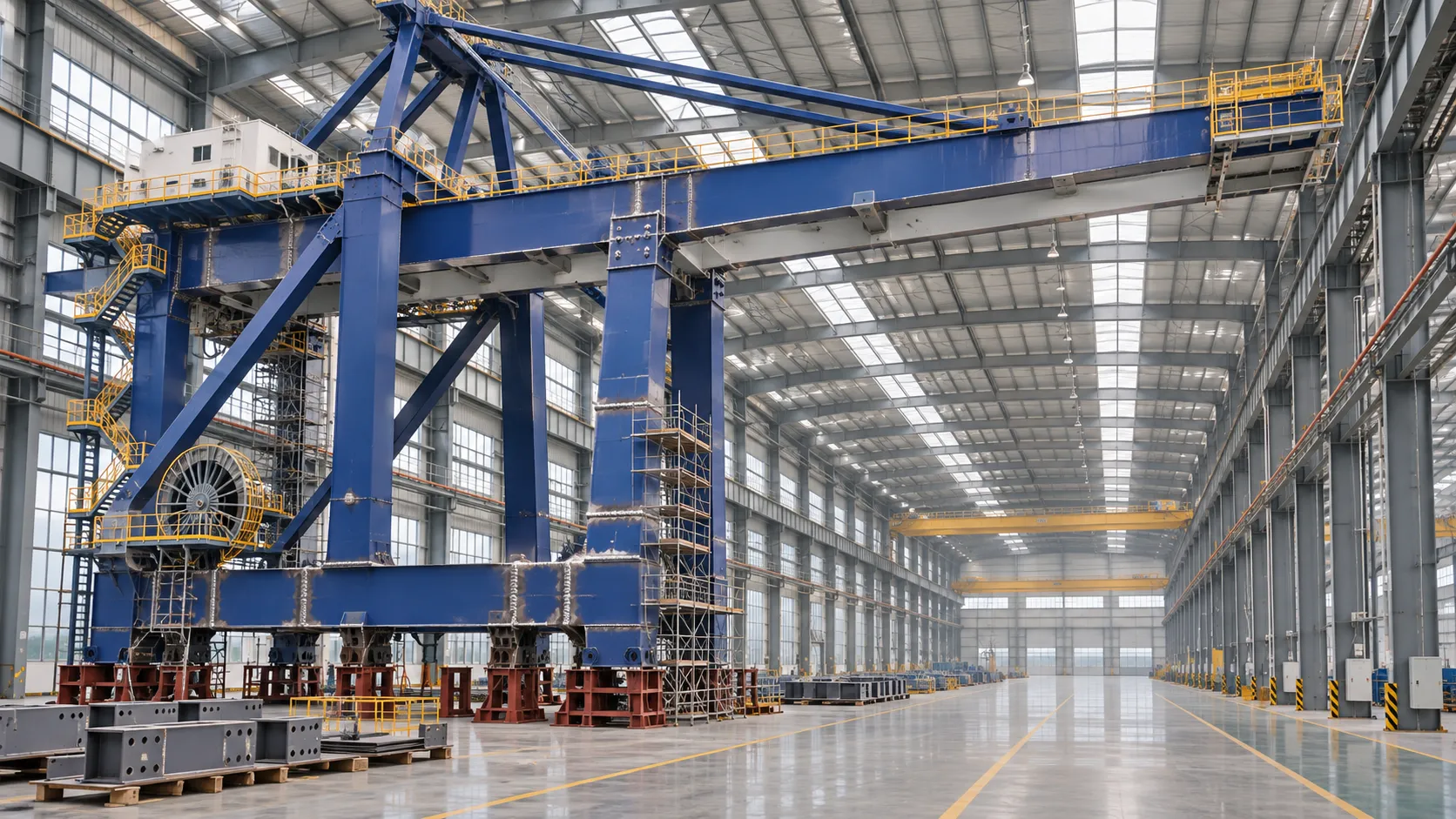
How to Evaluate a Quay Crane Factory: Capacity, Quality and Delivery
Evaluate a quay crane factory with confidence. Learn how to verify production capacity, quality controls, delivery plans, and lifecycle costs before you commit.
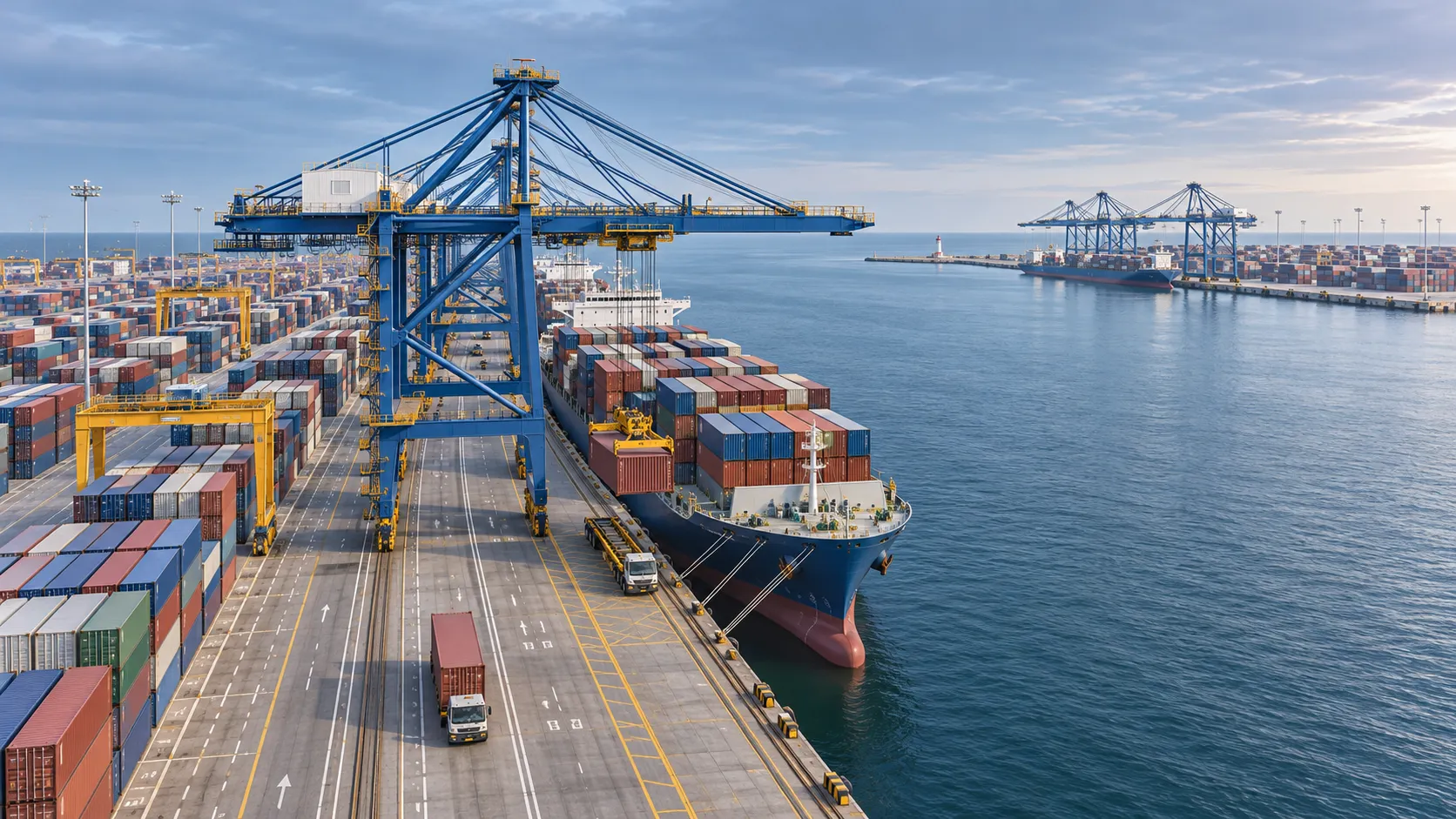
What Data Does a Smart Port Control Architecture Need to Operate?
What data is needed for a smart port control architecture? Discover the essential operational feeds, integration requirements and safety checks.
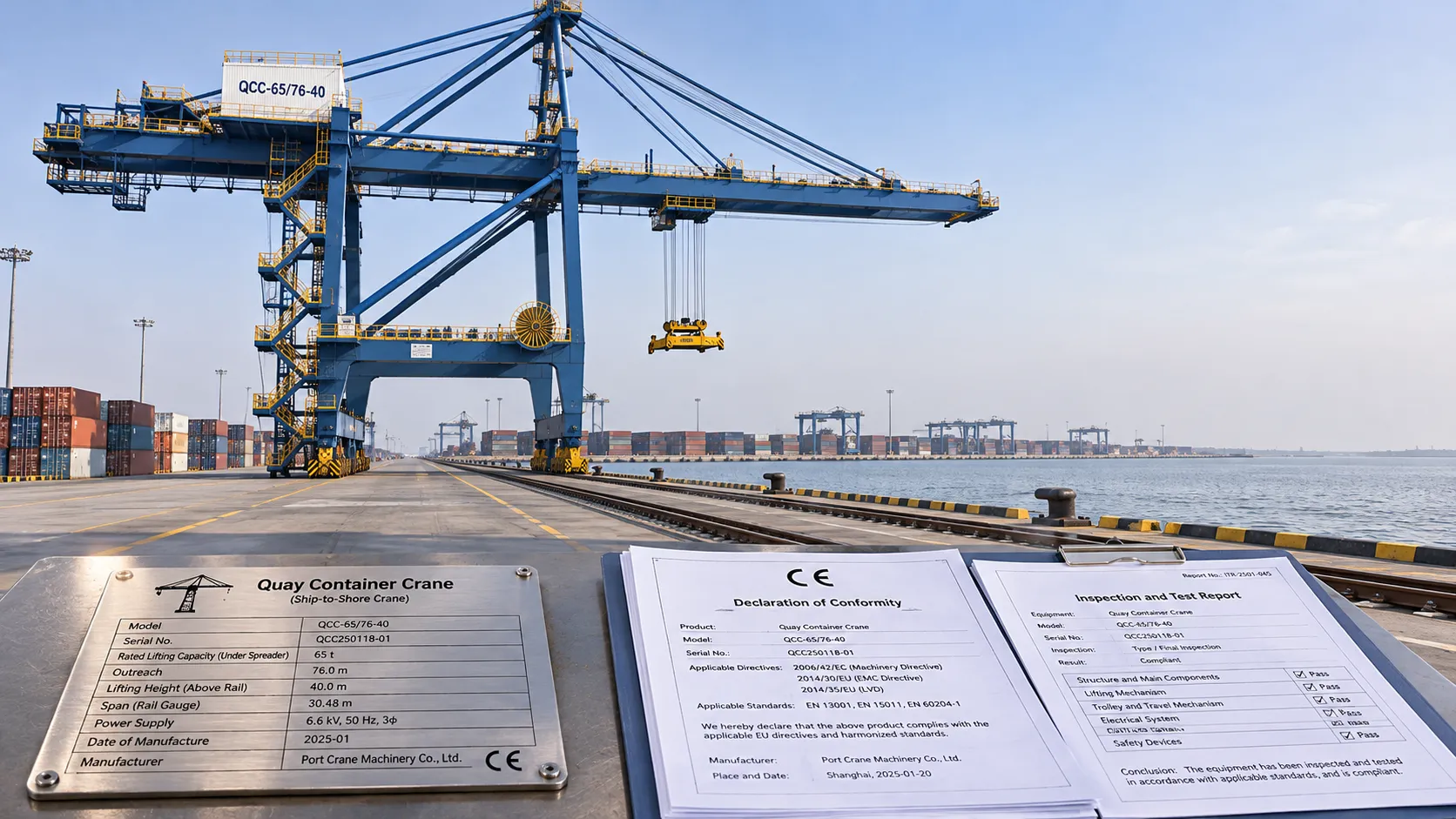
CE-Marked Quay Cranes: How to Verify Compliance Documents
Quay crane CE certified? Learn how to verify declarations, risk assessments and test records for the complete machine before acceptance.
Port Automation Systems in Latin America: Choosing the Right Solution
Explore port automation systems Latin America terminals can use to reduce congestion, assess integration risks, and choose the right solution with confidence.

Scalable Automated Port Systems: Planning for Terminal Capacity Growth
Discover how scalable automated port systems support phased terminal growth, reduce bottlenecks and guide smarter capacity investments.
Europe's Coastal Economies: Key Industries, Jobs and Climate Risks
Explore coastal economics in Europe: discover key industries and jobs, the climate risks they face, and how coastal communities can adapt.

Bulk Cargo Handling Equipment for Ports: Choosing by Cargo and Capacity
Choose bulk cargo handling equipment for ports with confidence. Compare cargo types, realistic throughput, equipment options, and lifecycle costs.
What Affects Container Terminal Efficiency in Southeast Asia?
Discover what affects terminal efficiency in Southeast Asia, from berth planning and yard congestion to inland access, and learn how to assess performance.