Related News
- 00
0000-00
How to Specify a Quay Crane for Container Terminals by Vessel Size and Throughput? - 00
0000-00
Which Bulk Handling Equipment Suits High-Moisture Cargo? - 00
0000-00
Terminal Automation Technologies That Raise Container Throughput Without Yard Disruption - 00
0000-00
Planning Offshore Dredging Operations: Key Risks, Methods, and Project Controls - 00
0000-00
Where Do Automated Guided Vehicles Deliver the Fastest Warehouse Gains in the Middle East?
How to Evaluate Intelligent AGV Systems for High-Throughput Warehouse Operations
How to Evaluate Intelligent AGV Systems for High-Throughput Warehouse Operations
For project managers responsible for high-throughput warehouse operations, selecting intelligent AGV systems is no longer only an equipment decision. It is a decision about flow reliability, labor resilience, system recoverability, and the ability to add capacity without repeatedly rebuilding the facility around new constraints.
This matters especially in container logistics, port-adjacent warehouses, bulk-material transfer areas, and distribution centers where inbound and outbound peaks are not evenly distributed across the day. A fleet can look productive during a controlled demonstration and still underperform when it encounters blocked aisles, mixed vehicle traffic, delayed crane cycles, imperfect pallets, changing shift patterns, or a warehouse management system that releases work in the wrong sequence.
The practical question is not, “Which AGV has the best specifications?” It is, “Can this system keep material moving through our real operating conditions, including the difficult hours?” A sound evaluation starts with the flow, then tests whether the vehicles, software, infrastructure, and support model can protect that flow.
Start with the bottleneck, not the vehicle brochure
High-throughput operations rarely fail because a single AGV is too slow on an empty route. They fail because the system creates queueing at transfer points. A conveyor discharge station may hold units for a few extra minutes. A reach truck may occupy a shared lane. An automated storage system may release batches rather than individual jobs. At a container-support operation, the handoff between a yard process and an indoor consolidation area may become the actual limit.
Before comparing suppliers, map the material journey in operational detail. Include pickup, travel, waiting, loading, unloading, scanning, exception handling, battery charging, and return travel. The “productive” movement is only one part of the cycle. A system designed around travel speed but not station dwell time often creates a costly queue of waiting vehicles.
Project teams should define throughput in the same language used by the operation. Depending on the site, that could mean pallet moves per hour, containers transferred per shift, tonnes delivered to a processing point, order lines supported, or the number of vehicle handoffs completed within a vessel or truck turnaround window. The unit of measure matters less than agreeing on it early and using it consistently in every design review.
It is also worth separating average demand from peak demand. Average flow may be useful for annual budget planning, but peak windows determine fleet size, buffer requirements, and the tolerance for downtime. A warehouse that is quiet for much of the day but experiences intense dispatch waves should not be designed around the daily average.
Evaluate the whole operating envelope
Intelligent AGV systems are often discussed as if “intelligent” simply means autonomous navigation. Navigation is important, but it is only one layer. A high-throughput deployment needs robust vehicle behavior, fleet-level traffic control, integration logic, safety controls, and a recovery process when something does not go as planned.
Ask suppliers to demonstrate how the system behaves in conditions close to the intended site. This should include loaded and unloaded travel, narrow or congested zones, intersections, mixed pedestrian areas where permitted, damaged or misaligned loads, temporary obstructions, and jobs that are cancelled or reprioritized mid-cycle. A clean showroom route says very little about the operational envelope.
For port-linked and heavy logistics facilities, the environment deserves special attention. Floor quality, drainage, dust, salt exposure, tire contamination, lighting changes near dock doors, radio interference, and temperature swings can all influence availability. An AGV that performs well on a smooth, dry indoor floor may need a different configuration for a cross-dock connected to a container yard or bulk-handling transfer station. The required payload is only one part of the application; floor loading, gradient, turning radius, and load stability may be equally decisive.
Do not accept vague claims that a vehicle can handle “varied loads.” Clarify the actual load interfaces: pallet dimensions, overhang, tote quality, stillage geometry, container support frames, forks, rollers, or lifting tables. Variation in load condition is a common source of exceptions. If pallets arrive with broken boards, inconsistent openings, stretch-wrap tails, or shifted goods, the handling method and detection logic need to account for it.
Fleet orchestration is where throughput is won or lost
A fleet manager should do more than assign the nearest idle vehicle to the next job. In a busy warehouse, that simple rule can create unnecessary crossing traffic, charge-related interruptions, and congestion around high-demand stations. The fleet-control layer should understand task priority, vehicle state, battery condition, route availability, station capacity, and the consequences of sending one vehicle ahead of another.
This is particularly relevant when the AGV fleet interacts with cranes, conveyors, sortation equipment, automated storage systems, or manual material-handling zones. The control logic must synchronize physical handoffs. If a vehicle arrives before a station is ready, it may block a lane. If it arrives too late, the downstream machine waits. Neither problem is solved by adding vehicles indefinitely.
Request a clear explanation of traffic-management rules. How are intersections reserved? What happens when two vehicles need the same route segment? Can the system dynamically reroute around a blocked area without destabilizing the rest of the fleet? Are no-go zones, temporary routes, and speed restrictions manageable by trained site personnel, or does every change require vendor intervention?
Simulation can be useful at this stage, but it should be treated as a design tool rather than a guarantee. Its assumptions need scrutiny. If the model assumes every pickup station is always ready, every load is perfect, and every vehicle charges without delay, the output will naturally look optimistic. A credible simulation includes variation, bottleneck behavior, maintenance assumptions, and realistic exception rates drawn from the site’s own operating history where available.
Integration is not a technical footnote
Many AGV projects become difficult after the vehicles have already been selected, because integration was treated as a later workstream. In reality, interface design determines whether the fleet receives useful work, confirms completed work accurately, and reports problems quickly enough for operators to respond.
The AGV system may need to exchange information with a WMS, warehouse control system, manufacturing execution system, terminal operating system, ERP platform, conveyor PLCs, access-control systems, or a charging-management platform. In maritime logistics, the connection may extend to container identification, yard planning, quay-side timing, or gate operations. The relevant question is not merely whether an interface exists, but who owns its design, testing, cybersecurity controls, and long-term maintenance.
A project manager should insist on a practical interface matrix before final selection. It should identify each data exchange, the trigger, required acknowledgement, failure behavior, responsible party, and test method. For example, if a load is not confirmed at a drop-off point, does the vehicle wait, retry, notify an operator, or release the job incorrectly? Those details determine whether an exception remains local or spreads through the operation.
Wireless network design also belongs in the core scope. Reliable roaming, coverage in critical transfer zones, capacity during peak fleet activity, segmentation, and recovery after network interruptions should be reviewed jointly by operations, OT, IT, and the supplier. Ports and large industrial sites may have particularly complex radio environments. A low-latency control architecture can be valuable, but only if the site infrastructure and operational procedures support it.
Look beyond nominal battery life
Energy strategy has a direct effect on fleet availability. The right approach may involve opportunity charging, scheduled charging, battery exchange, or a combination. There is no universally superior choice. The decision depends on traffic pattern, allowable dwell time, charging locations, electrical capacity, maintenance capability, and the consequences of a vehicle leaving service during a peak period.
What matters is the fleet-level result. A vendor may quote an attractive operating duration for one vehicle under nominal conditions, yet the real operation may require vehicles to travel loaded on gradients, wait in queues with systems active, or make repeated lifting cycles. Ask how charging decisions are incorporated into task allocation and whether the fleet manager protects critical zones from a cluster of low-battery vehicles.
Charging infrastructure needs space, safety controls, maintenance access, and a recovery plan. In a constrained warehouse, placing chargers in convenient empty corners can later interfere with pedestrian circulation, emergency routes, staging areas, or expansion plans. Treat charger locations as flow assets, not utility equipment.
Safety needs to work during abnormal conditions
A safe autonomous operation is not created by adding sensors alone. It depends on risk assessment, layout design, speed zoning, visibility, training, traffic rules, emergency procedures, and an honest understanding of how people actually move through the site. The safest route on a drawing may become problematic if operators use it as a shortcut between work areas.
Review the proposed safety concept with supervisors, maintenance teams, forklift drivers, and shift operators—not only with automation engineers. They will identify places where pallets are temporarily staged, doors are routinely left open, or manual interventions occur during busy periods. These are often the locations that determine whether a safety design is workable.
The vendor should be able to explain applicable safety requirements for the jurisdiction and intended use, while the project team remains responsible for ensuring the final installation matches local regulations and site rules. A useful question is what happens after an emergency stop, obstacle detection event, localization issue, or manual recovery. If every minor stoppage requires a specialist, the operation may lose confidence in the system quickly.
Assess serviceability before committing to a fleet
High-throughput operations cannot afford a maintenance model built around long remote troubleshooting sessions and uncertain spare-part lead times. The most sophisticated vehicle is still a physical asset with wheels, drive components, sensors, lifting mechanisms, batteries, and consumable parts. Ask which faults can be diagnosed by the site team, which require remote support, and which require an on-site visit.
The support plan should address local service coverage, spare-part strategy, software update procedures, access to diagnostic logs, escalation pathways, and responsibilities during system integration. It should also distinguish between restoring an individual vehicle and restoring fleet performance. A fleet can remain technically “available” while throughput drops because several vehicles are restricted or a recurring fault creates operational hesitation.
This is where reference discussions can be more revealing than presentation slides. Speak with operations that resemble your own in shift profile, load type, environmental conditions, and integration complexity. Ask what happened in the first months after go-live, what exceptions occurred most often, and what they would change in the original design. Generic references from a simpler application provide limited reassurance.
Use acceptance criteria that reflect live operations
A well-run procurement process converts expectations into measurable acceptance criteria. These should cover more than a successful demonstration. Consider throughput during defined operating scenarios, task completion accuracy, response to blocked routes, charging behavior, integration transactions, recovery time after faults, reporting quality, and performance during peak demand.
The wording matters. “System supports required throughput” is open to argument. A stronger requirement defines the process conditions, the measurement boundary, the excluded conditions, and the evidence needed for acceptance. It should also state what happens if upstream equipment, warehouse data, or site readiness delays testing. Clear boundaries protect both the buyer and the supplier from disputes created by ambiguous scope.
Phased deployment is often the sensible choice when operations cannot tolerate a disruptive cutover. Begin with a stable route family or a defined process cell, validate the physical and digital handoffs, then expand. However, a pilot should still be designed to test the risks that matter at scale. A small fleet running in an uncongested area will not validate fleet orchestration in a peak-period network.
Make the decision in the context of the wider logistics system
For organizations operating across ports, terminals, warehouses, and coastal industrial networks, AGVs should be evaluated as one part of a larger control environment. The strongest designs connect physical equipment with the scheduling logic that governs cranes, transfer nodes, storage capacity, and transport arrivals. That perspective is central to the work examined by PS-Nexus: heavy mechanical capability and algorithmic coordination must be assessed together rather than as separate procurement categories.
An AGV fleet may improve one warehouse process while exposing a constraint in another part of the chain. Faster indoor transfer can overwhelm staging space. Better container handling may reveal a gate scheduling problem. More reliable replenishment may uncover inadequate data discipline in the WMS. These are not arguments against automation. They are reminders that automation makes hidden constraints more visible.
The best intelligent AGV systems are not necessarily those with the longest feature list. They are the systems that fit the material flow, recover predictably from everyday disruption, integrate cleanly with surrounding controls, and remain supportable after the implementation team has left. If a proposed solution cannot explain its behavior at the bottleneck, during the peak, and after an exception, it is not ready for a high-throughput operation.
Related News
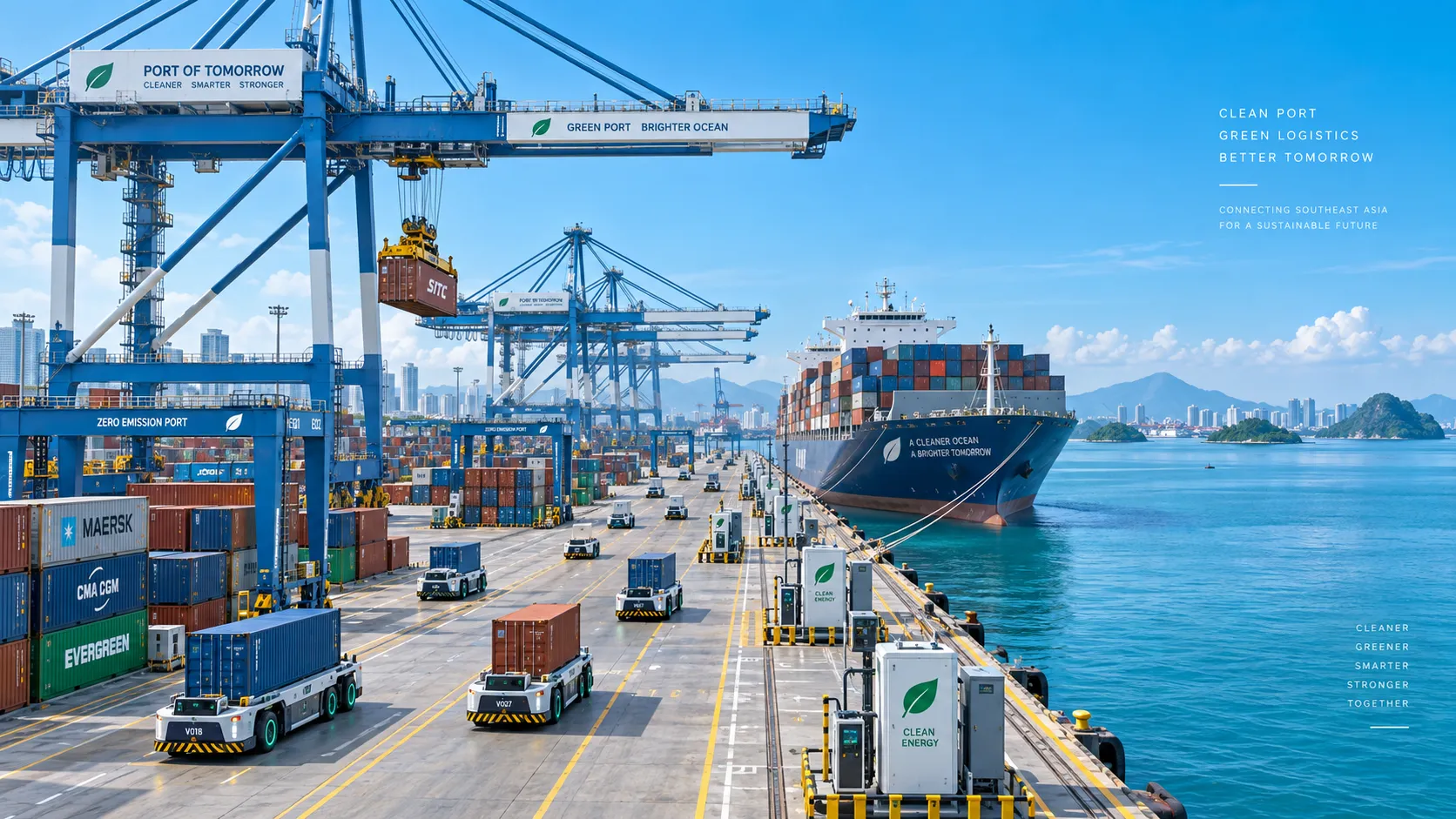
Smart Port Systems in Southeast Asia: Investment Priorities and Adoption Barriers
Smart port systems Southeast Asia: discover investment priorities, adoption barriers, and practical steps to build resilient, connected, high-performing terminals.

How to Evaluate Terminal Efficiency Solution Suppliers for High-Throughput Operations
Choose a terminal efficiency solutions supplier with confidence. Explore proven criteria for throughput, integration, lifecycle cost, safety, and reliable delivery.
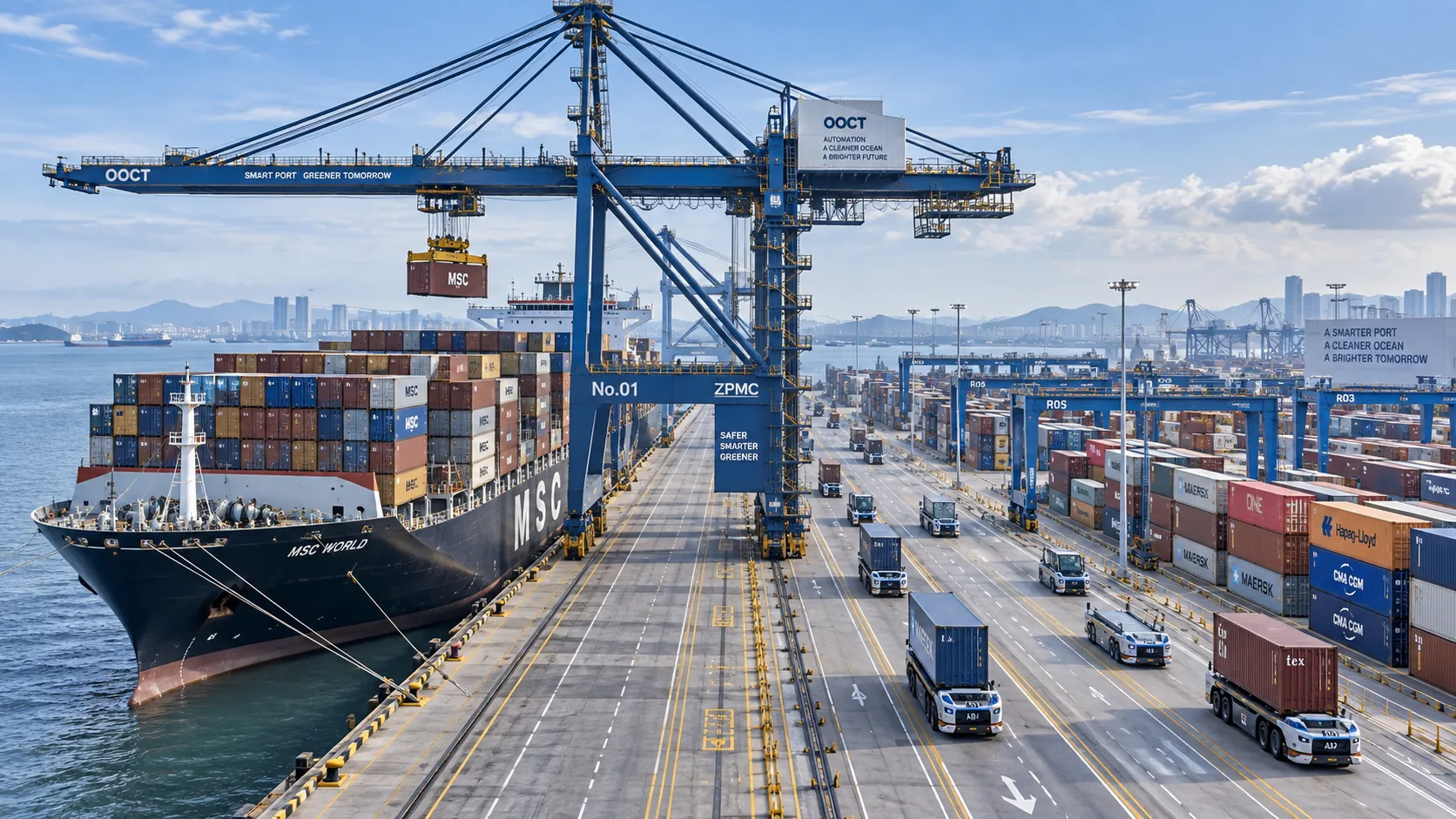
How to Specify a Quay Crane for Container Terminals by Vessel Size and Throughput?
Quay crane for container terminals: learn how to match outreach, lift height, capacity, automation, and cycle performance to vessel size and throughput goals.
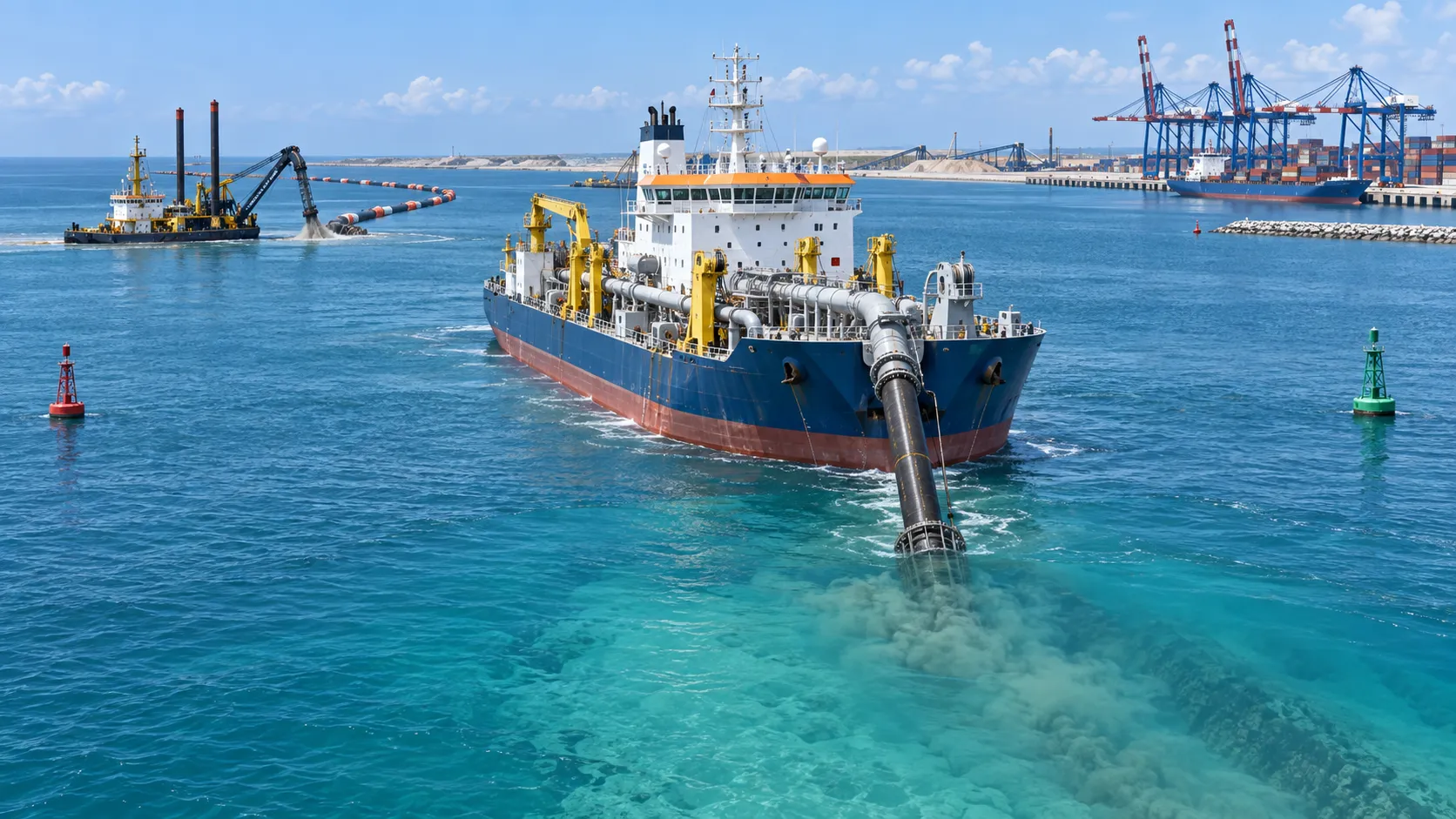
What Dredging Equipment Is Needed for Channel Deepening?
What dredging equipment is needed for channel deepening? Explore dredgers, pipelines, survey tools, and planning strategies for safer, more efficient port access.
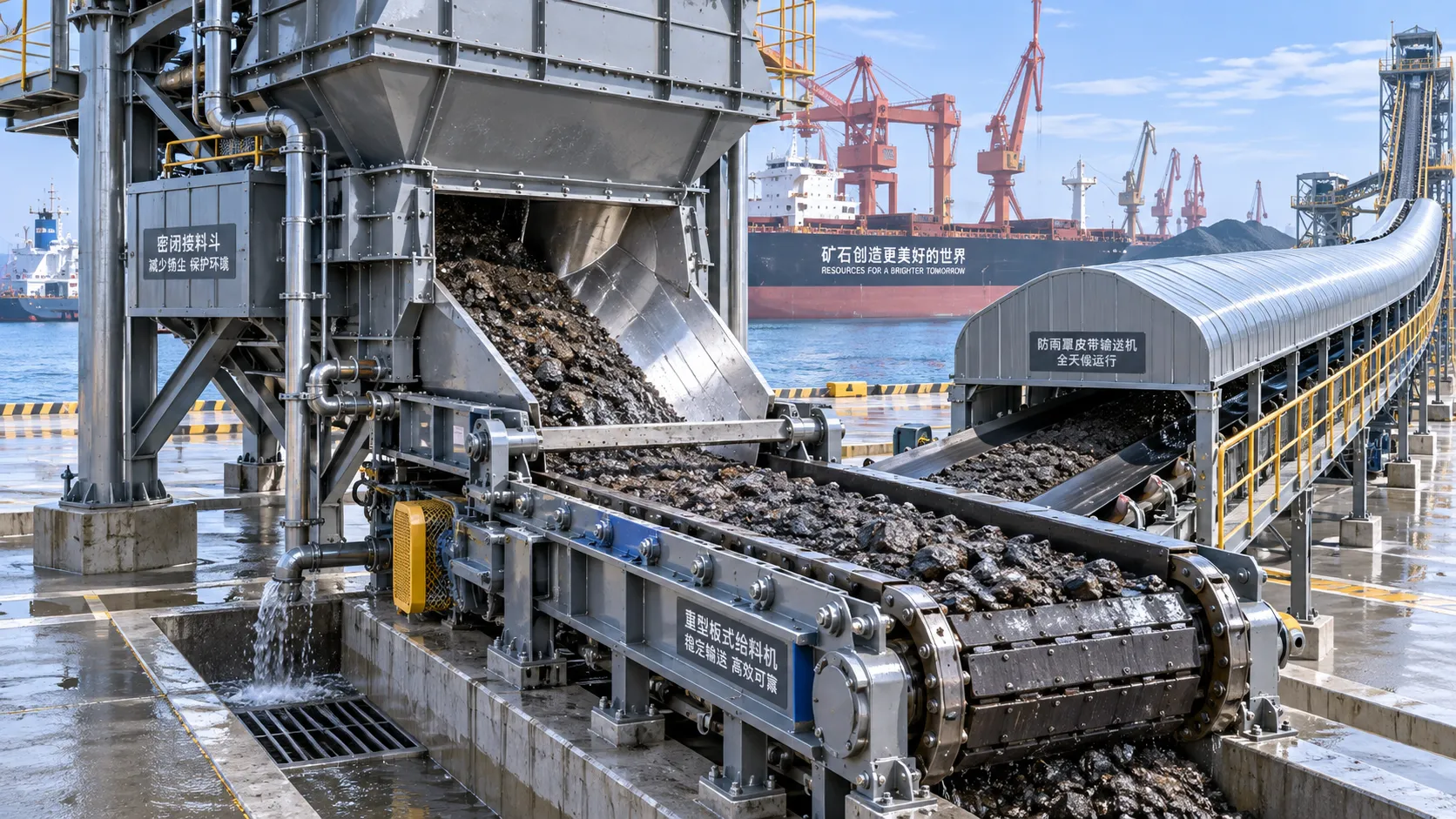
Which Bulk Handling Equipment Suits High-Moisture Cargo?
Which bulk handling equipment suits high-moisture cargo? Compare belt, apron, screw, drag, and slurry systems for reliable flow, less carryback, and higher terminal uptime.
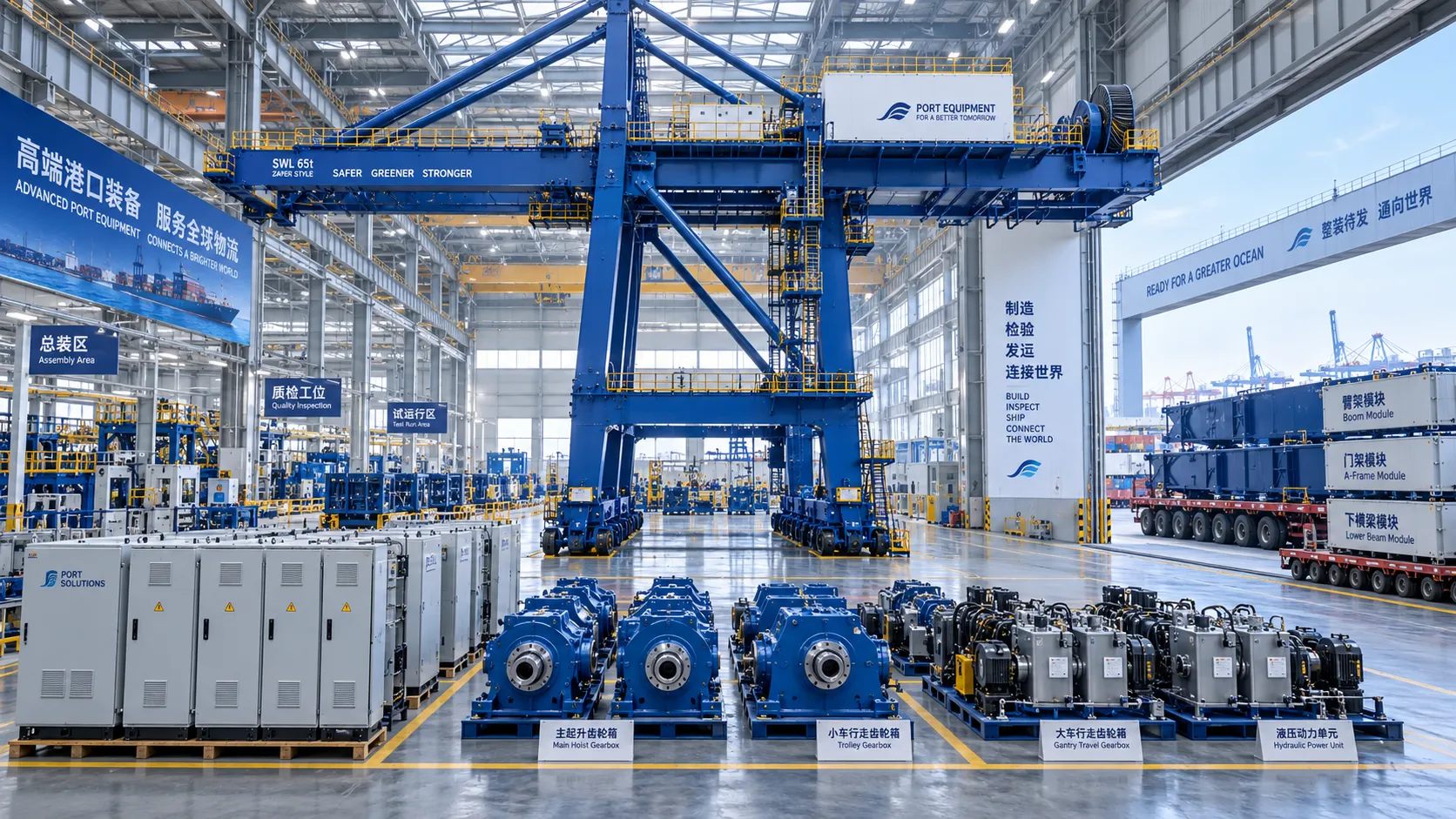
How Can Port Equipment Lead-Time Risk Be Managed?
How can port equipment lead-time risk be managed? Explore practical strategies to control critical paths, suppliers, transport, site readiness, and commissioning delays.
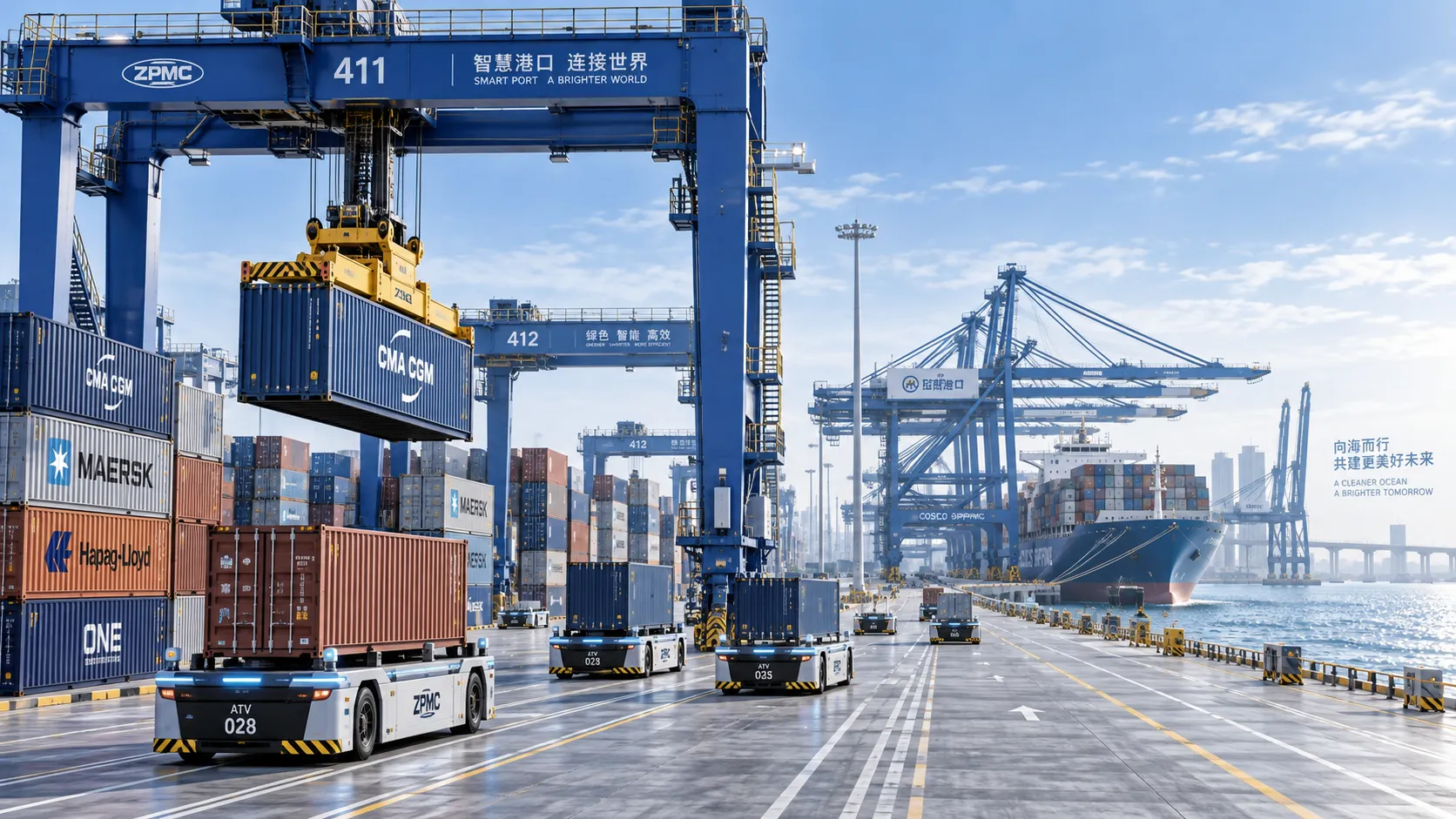
Terminal Automation Technologies That Raise Container Throughput Without Yard Disruption
Terminal automation technology that increases container throughput without disrupting yard flow. Explore smarter integration, resilient workflows, and phased deployment strategies.
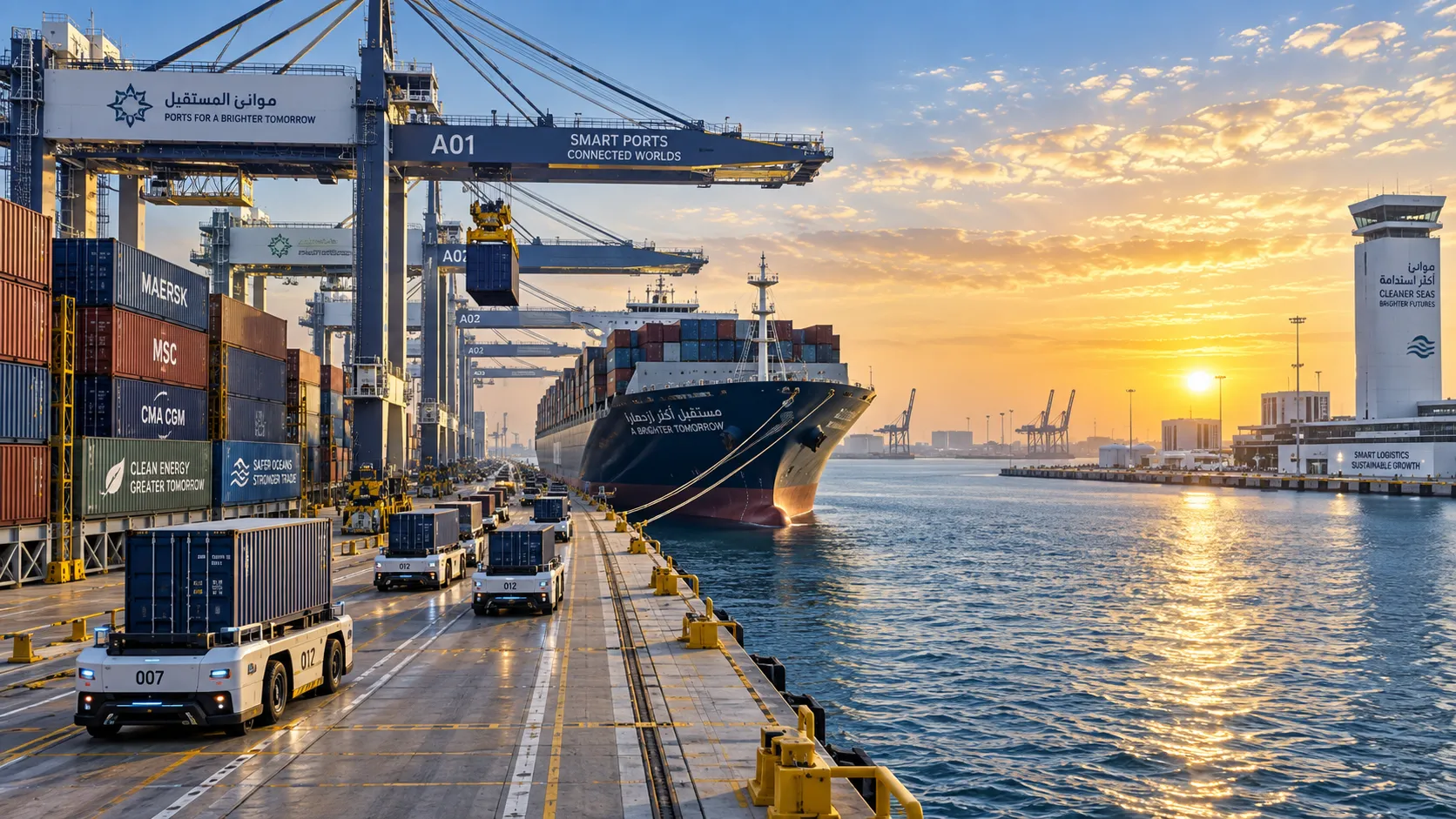
Middle East Port Automation: Key Market Drivers, Projects, and Investment Risks
Port automation systems Middle East: explore market drivers, flagship projects, integration challenges, and investment risks shaping smarter, resilient terminals.
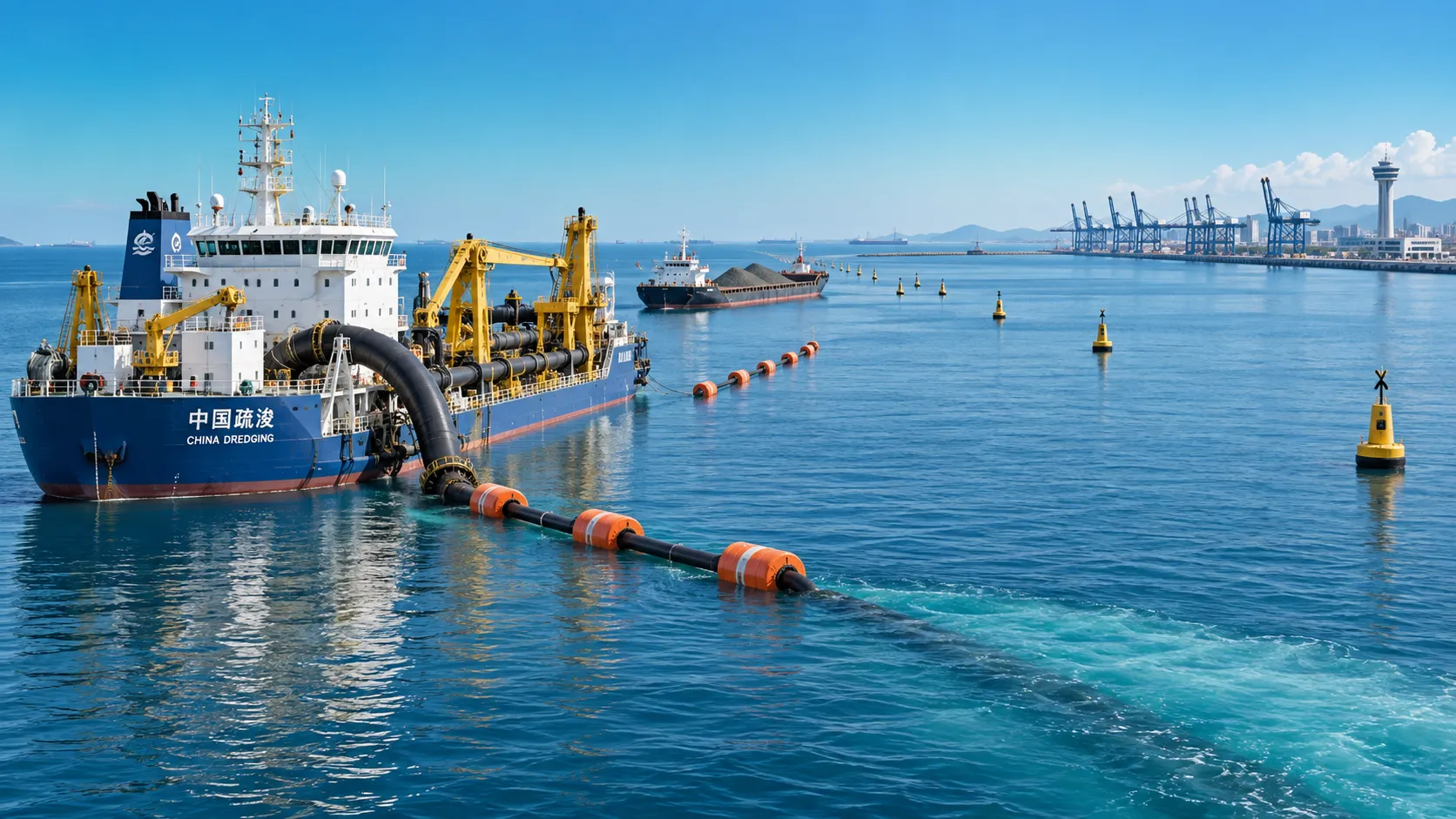
Planning Offshore Dredging Operations: Key Risks, Methods, and Project Controls
Offshore dredging operations demand smart planning. Explore key risks, proven methods, environmental controls, and project strategies for reliable delivery.