Related News
- 00
0000-00
How to Specify a Quay Crane for Container Terminals by Vessel Size and Throughput? - 00
0000-00
Which Bulk Handling Equipment Suits High-Moisture Cargo? - 00
0000-00
Terminal Automation Technologies That Raise Container Throughput Without Yard Disruption - 00
0000-00
Planning Offshore Dredging Operations: Key Risks, Methods, and Project Controls - 00
0000-00
Where Do Automated Guided Vehicles Deliver the Fastest Warehouse Gains in the Middle East?
Selecting Heavy-Duty Bulk Handling Equipment for Abrasive, High-Tonnage Operations
Selecting Heavy-Duty Bulk Handling Equipment for Abrasive, High-Tonnage Operations
Selecting bulk handling equipment heavy duty operations can rely on is a critical project decision when abrasive materials, high tonnage, and demanding duty cycles threaten uptime and lifecycle costs.
For project managers, the right configuration must balance capacity, wear resistance, automation compatibility, maintenance access, and site-specific logistics across the terminal's expected operating life.
The central decision is not simply choosing the largest conveyor, feeder, or ship unloader available. It is selecting a system whose weakest component matches actual material behavior.
Projects fail when nominal throughput becomes the only selection criterion. Abrasion, impact, moisture, dust, loading variability, and maintenance constraints usually determine real availability and operating cost.
Start With the Operating Case, Not the Equipment Catalogue
Before comparing suppliers, define the operating case in measurable terms. Project teams need a reliable baseline for material properties, peak flow demand, annual tonnage, and duty cycle.
A heavy-duty bulk handling system should be specified around worst credible operating conditions rather than average daily production figures. Average values rarely reveal actual wear or blockage risks.
Document the bulk material's particle size distribution, bulk density, moisture content, temperature, angle of repose, abrasiveness, cohesiveness, and tendency to segregate or compact during storage.
For ores, coal, clinker, aggregates, mineral sands, fertilizers, and biomass, laboratory data alone may be insufficient. Site samples and handling trials can expose behavior missed in datasheets.
Material abrasiveness deserves special attention because it affects liners, belts, chutes, transfer points, idlers, screw flights, buckets, and feeder surfaces throughout the complete handling route.
Define expected operating hours, starts per hour, continuous running periods, seasonal peaks, vessel turnaround targets, and planned maintenance windows. These factors establish the required duty classification.
Project managers should also identify future throughput phases early. Designing only for current tonnage can create expensive constraints when stockyard, berth, rail, or plant capacity expands.
A scalable layout may include spare conveyor galleries, reserve drive capacity, structural allowances, automated controls interfaces, or designated tie-in points for another feeder, stacker, or transfer tower.
Calculate Capacity for Real Throughput, Not Nameplate Tonnage
Nameplate capacity is useful for initial comparison, but it does not guarantee delivered terminal throughput. Real output depends on loading consistency, chute performance, equipment availability, and downstream constraints.
Specify rated capacity, design capacity, surge capacity, and guaranteed average throughput separately. Each value should include the operating assumptions used to calculate it and acceptable tolerances.
For high-tonnage operations, a modest design margin can protect vessel schedules during variable material conditions. However, excessive oversizing may increase capital cost, energy use, and maintenance burden.
Capacity calculations should examine the complete system. A high-capacity belt conveyor cannot compensate for an undersized hopper outlet, restricted transfer chute, or poorly controlled reclaim feeder.
Consider how material enters the system. Free-fall loading, truck tipping, railcar discharge, grab unloading, and ship unloading generate different impact loads and flow patterns.
Peak loading events may require engineered buffer capacity. Hoppers, bins, transfer chutes, and surge piles should absorb irregular upstream supply without overloading downstream equipment.
Use discrete-event simulation when vessel schedules, multiple stockpiles, reclaim routes, rail deliveries, and processing plant demand interact. It reveals bottlenecks that individual equipment calculations cannot show.
For project approval, translate throughput into business outcomes. The relevant question is often how equipment availability affects berth occupancy, demurrage exposure, inventory reliability, and customer commitments.
Design Wear Protection Around Impact Zones and Transfer Points
In abrasive applications, transfer points are frequently the highest-maintenance locations. Their design has more influence on availability than the conveyor's headline specifications or motor rating.
Material velocity should be controlled before it reaches the receiving belt. High-speed impact increases belt damage, dust generation, liner wear, spillage, and structural vibration.
Well-designed chutes guide material into the belt direction and centerline. Poorly designed chutes allow turbulence, uneven belt loading, excessive skirt pressure, and premature idler failure.
Specify wear liners according to the local wear mechanism. Impact zones may need resilient rubber-backed steel, while sliding abrasion areas can require ceramic, chromium carbide, or hardened alloy liners.
There is no universal liner material. The correct choice depends on particle hardness, particle shape, impact energy, operating temperature, moisture, and whether contamination from liner wear is acceptable.
Request supplier drawings that identify replaceable wear components, expected service intervals, fixing methods, access clearances, and replacement weights. Maintenance practicality should be evaluated before procurement.
For severe applications, design sacrificial protection into chutes, feed boxes, and hopper bottoms. Replacing planned modules is generally less disruptive than repairing primary structural steel.
Dust containment must be integrated with wear design. Open chutes and unstable material flow increase environmental risk while also accelerating wear in seals, covers, and moving components.
Choose Conveyors, Feeders, and Unloaders by Material Behavior
Different equipment types solve different handling problems. The best bulk handling equipment heavy duty projects require depends on material behavior, route geometry, loading method, and operational flexibility.
Belt conveyors remain efficient for long, continuous routes and high capacities. Their design must account for belt strength, cover grade, loading impact, tracking, cleaning, and transfer performance.
For highly abrasive material, heavier belt covers may extend service life, but they also change pulley diameter requirements, bending behavior, drive power, and replacement cost.
Apron feeders are often appropriate below crushers, hoppers, or railcar unloading stations where heavy lumps, impact loading, and controlled extraction exceed the practical range of conventional belt feeders.
Rotary plow feeders and reclaim feeders can support controlled stockpile recovery. Their selection should consider reclaim depth, material compaction, particle degradation, and the required blending accuracy.
Screw conveyors work well in enclosed, shorter-distance applications, but abrasive bulk solids can rapidly wear flights, troughs, and bearings. Inspection access and replaceable components are essential.
Bucket elevators can provide vertical lift in compact footprints. However, abrasive materials demand careful attention to bucket material, chain or belt selection, boot design, and alignment monitoring.
Ship unloaders, continuous unloaders, and grab crane systems should be assessed through vessel turnaround requirements, cargo range, berth restrictions, energy consumption, dust control, and operator dependency.
Make Reliability and Maintainability Contract Requirements
Reliability cannot be added after commissioning. It must be embedded in the specification, equipment architecture, spare parts strategy, and acceptance testing requirements from the earliest project stage.
Ask suppliers to state design life assumptions for major components, including belts, idlers, bearings, gearboxes, liners, drives, hydraulic systems, and structural elements.
Availability targets should distinguish between planned maintenance, corrective maintenance, operational delays, and external interruptions. Otherwise, vendors may present optimistic reliability figures that are difficult to verify.
Critical components should be accessible without major dismantling. A maintenance task that requires removing guards, lifting structures, or shutting adjacent conveyors can turn a small issue into downtime.
Evaluate maintenance access during design reviews using realistic tasks. Teams should confirm how technicians will inspect, isolate, clean, lift, replace, and restart each high-wear component.
Specify condition monitoring where it produces actionable information. Belt misalignment switches, bearing temperature sensors, vibration monitoring, speed detection, and chute blockage sensors can prevent major failures.
Monitoring systems should connect to a clear response process. More sensors do not improve reliability unless alarm priorities, ownership, escalation procedures, and maintenance work orders are defined.
Develop a critical spares list before final handover. Long-lead items such as drive assemblies, specialty bearings, gearboxes, hydraulic pumps, and belt sections require planned inventory decisions.
Assess Automation, Controls, and Safety as One System
Automation compatibility is increasingly important in bulk terminals, particularly where labor availability, vessel turnaround pressure, energy management, and safety performance influence operating economics.
Equipment controls should support stable material flow rather than merely start and stop machinery. Variable-speed drives, feeder control, level sensing, and sequence logic can reduce surges and spillage.
For automated terminals, provide interoperable control interfaces, reliable field instrumentation, and clear data ownership rules. Equipment that cannot communicate effectively becomes a constraint on optimization.
Control systems need to manage abnormal conditions safely. Blockages, belt slip, overloads, emergency stops, fire alarms, and sensor failures require documented cause-and-effect logic.
Safety design should prioritize eliminating exposure before relying on procedures. Guarding, safe access, lockout points, pull-wire switches, fall protection, and remote inspection capabilities reduce operational risk.
Dust, noise, and fugitive material are not secondary environmental issues. They affect permit compliance, worker safety, neighbor relations, equipment reliability, and housekeeping labor requirements.
When comparing automation proposals, ask how operators will recover from exceptions. A system may be highly automated during normal operation but difficult to restart after a blockage or sensor fault.
Factory acceptance testing should include control logic, interlocks, alarm handling, communications, and simulated failure conditions. Commissioning is too late to discover fundamental integration gaps.
Compare Lifecycle Cost, Not Purchase Price Alone
Capital cost remains important, but a low initial price can conceal higher expenditures for wear parts, power consumption, labor, cleaning, shutdowns, and emergency repairs.
Project managers should compare total cost of ownership over a defined period, commonly ten to twenty years. Use consistent assumptions for throughput, energy cost, utilization, and maintenance labor.
Include expected replacement intervals for belts, liners, idlers, chains, buckets, bearings, filters, seals, and other consumables. Abrasive duty can change these costs substantially.
Downtime should be valued according to the site. At a vessel berth, one failed transfer point may trigger demurrage, disrupt berth planning, and reduce confidence among cargo owners.
Energy efficiency should be measured across normal operating loads, not only full-load motor efficiency. Variable-speed control and reduced idle running may offer significant operating savings.
Compare supplier warranties carefully. A broad warranty is less valuable if exclusions remove coverage for abrasive wear, improper feed conditions, operator error, or normal maintenance requirements.
Commercial evaluation should also include supplier service capability, local technical support, spare parts lead time, documented references, and experience with comparable materials and throughput levels.
A supplier with proven heavy-duty installations may offer a higher initial price but reduce execution risk through validated designs, realistic maintenance assumptions, and faster troubleshooting support.
Build a Procurement Package That Limits Project Risk
A strong procurement package converts operational needs into enforceable technical and commercial requirements. It prevents critical decisions from being left to assumptions during detailed engineering.
Include a material handling design basis, process flow diagrams, layout constraints, environmental conditions, performance guarantees, utility requirements, control interfaces, and applicable safety standards.
Require suppliers to identify exclusions, deviations, operating limitations, and client-provided information. Hidden assumptions often become costly variation claims after equipment delivery or site installation.
Technical bid evaluation should use weighted criteria rather than price alone. Capacity confidence, wear design, maintainability, automation readiness, energy demand, schedule, and service support all matter.
Ask bidders for reference cases with similar material abrasiveness, capacity, duty cycle, climate, and operating environment. Generic references are less valuable than genuinely comparable installations.
During clarification meetings, challenge suppliers on failure modes. Ask what wears first, what blocks most often, what requires specialized tools, and which operating practices protect equipment life.
Performance guarantees should define test methods, material conditions, throughput windows, availability calculations, power measurement, and remedies. Ambiguous guarantees are difficult to enforce during commissioning.
Plan site acceptance testing before placing the purchase order. Establish who provides material, labor, test instruments, operating personnel, safety approvals, and the schedule needed for realistic trials.
Use a Structured Decision Process Before Final Selection
Project teams make better equipment decisions when engineering, operations, maintenance, safety, procurement, and finance review the same evidence before awarding a contract.
Create a decision matrix that separates mandatory requirements from preferred features. Mandatory items may include capacity, safety compliance, material suitability, physical fit, and guaranteed availability.
Preferred features may include lower energy use, easier liner changes, superior digital connectivity, local service resources, lower noise, or future expansion flexibility.
Conduct a design-risk workshop for the preferred solution. Review material flow, interfaces, civil tolerances, weather exposure, power supply, controls integration, and access constraints.
Where uncertainty remains high, consider physical testing, pilot trials, supplier demonstrations, or independent design review. Early evidence is cheaper than correcting a failed handling system.
Do not treat equipment selection as a one-time purchasing event. It is a long-term operational decision that shapes terminal productivity, maintenance workloads, safety performance, and expansion options.
Conclusion: Select for Stable Operations Over the Full Asset Life
For abrasive, high-tonnage applications, the best heavy-duty bulk handling equipment is rarely the lowest-priced or highest-rated option on a supplier comparison sheet.
It is the system that matches actual material behavior, delivers verified throughput, protects high-wear zones, supports maintainable operations, and integrates with terminal controls and safety requirements.
Project managers should prioritize whole-system performance over isolated equipment specifications. Capacity, wear protection, availability, maintainability, automation, and lifecycle cost must be evaluated together.
A disciplined selection process creates more predictable commissioning, fewer early failures, stronger commercial outcomes, and a bulk terminal capable of supporting growth without compromising operational resilience.
Related News
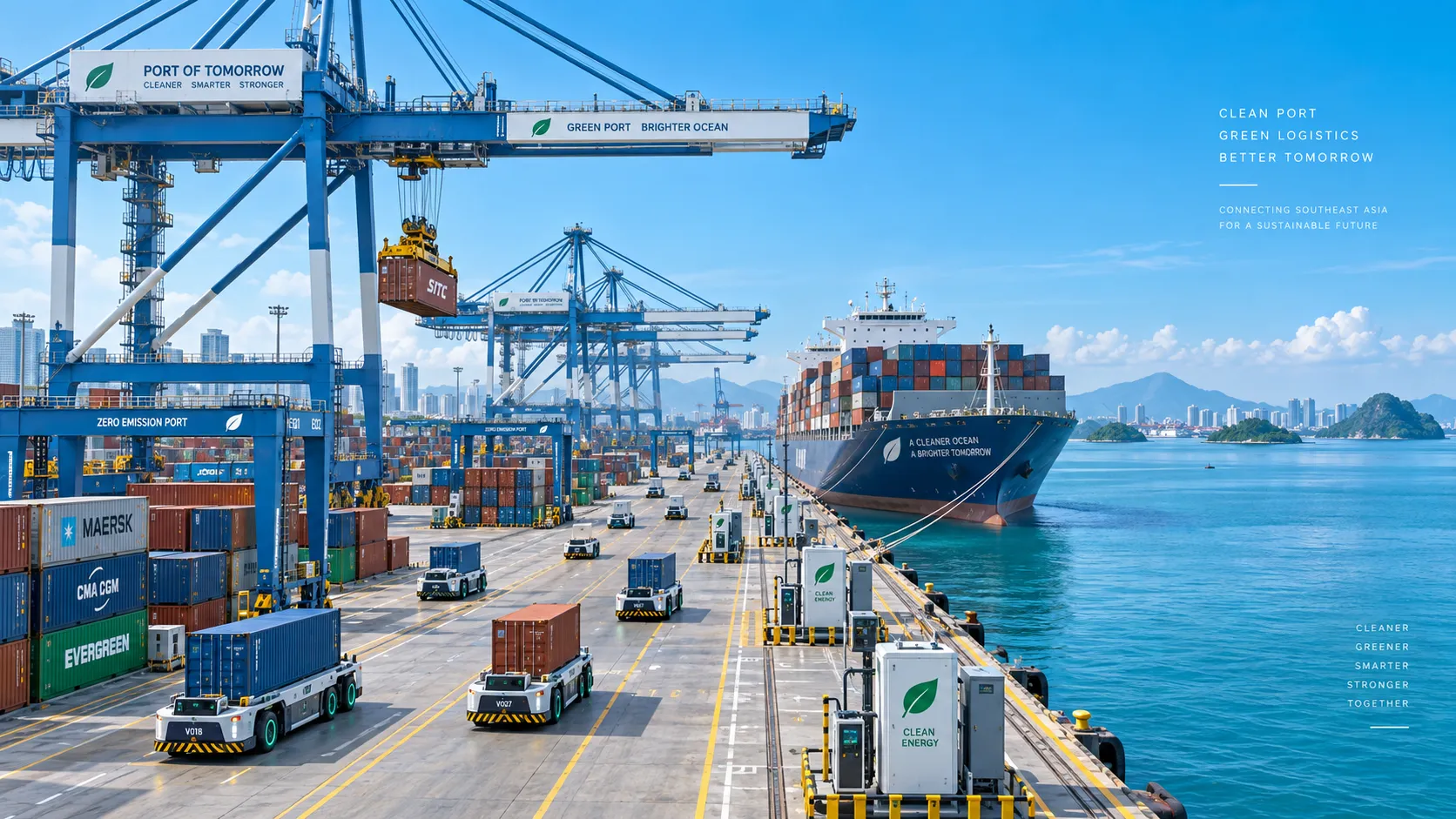
Smart Port Systems in Southeast Asia: Investment Priorities and Adoption Barriers
Smart port systems Southeast Asia: discover investment priorities, adoption barriers, and practical steps to build resilient, connected, high-performing terminals.

How to Evaluate Terminal Efficiency Solution Suppliers for High-Throughput Operations
Choose a terminal efficiency solutions supplier with confidence. Explore proven criteria for throughput, integration, lifecycle cost, safety, and reliable delivery.
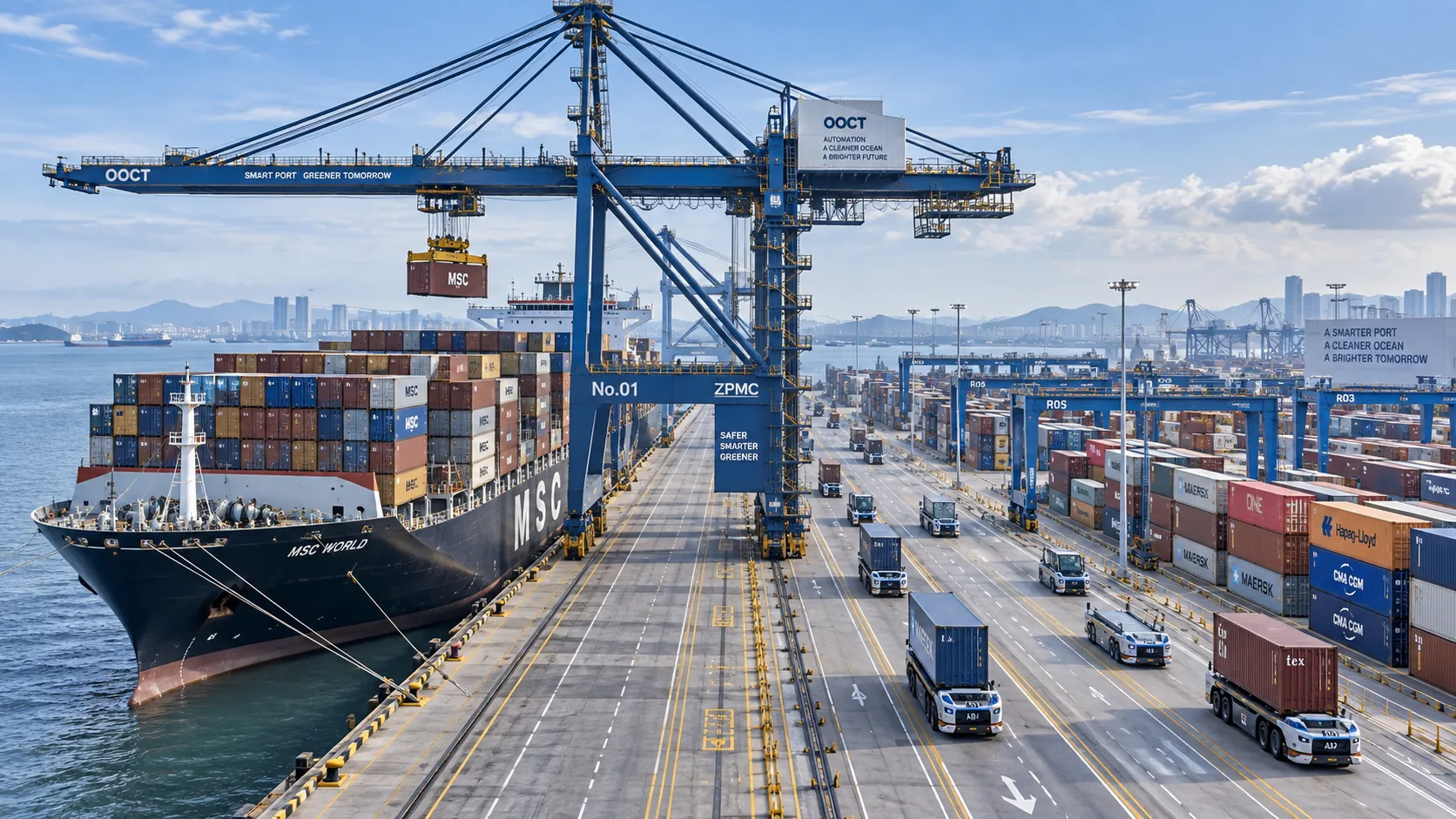
How to Specify a Quay Crane for Container Terminals by Vessel Size and Throughput?
Quay crane for container terminals: learn how to match outreach, lift height, capacity, automation, and cycle performance to vessel size and throughput goals.
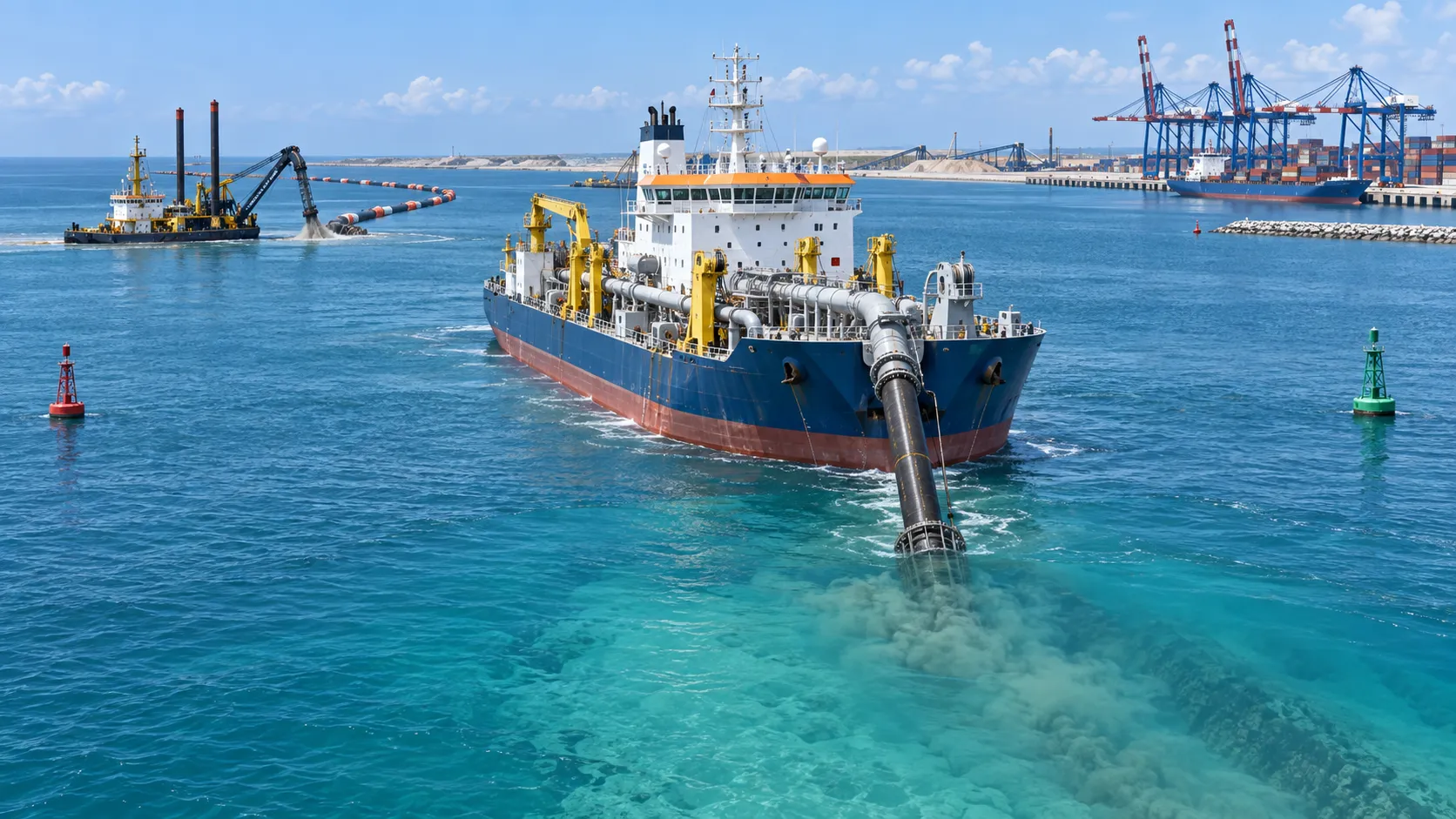
What Dredging Equipment Is Needed for Channel Deepening?
What dredging equipment is needed for channel deepening? Explore dredgers, pipelines, survey tools, and planning strategies for safer, more efficient port access.
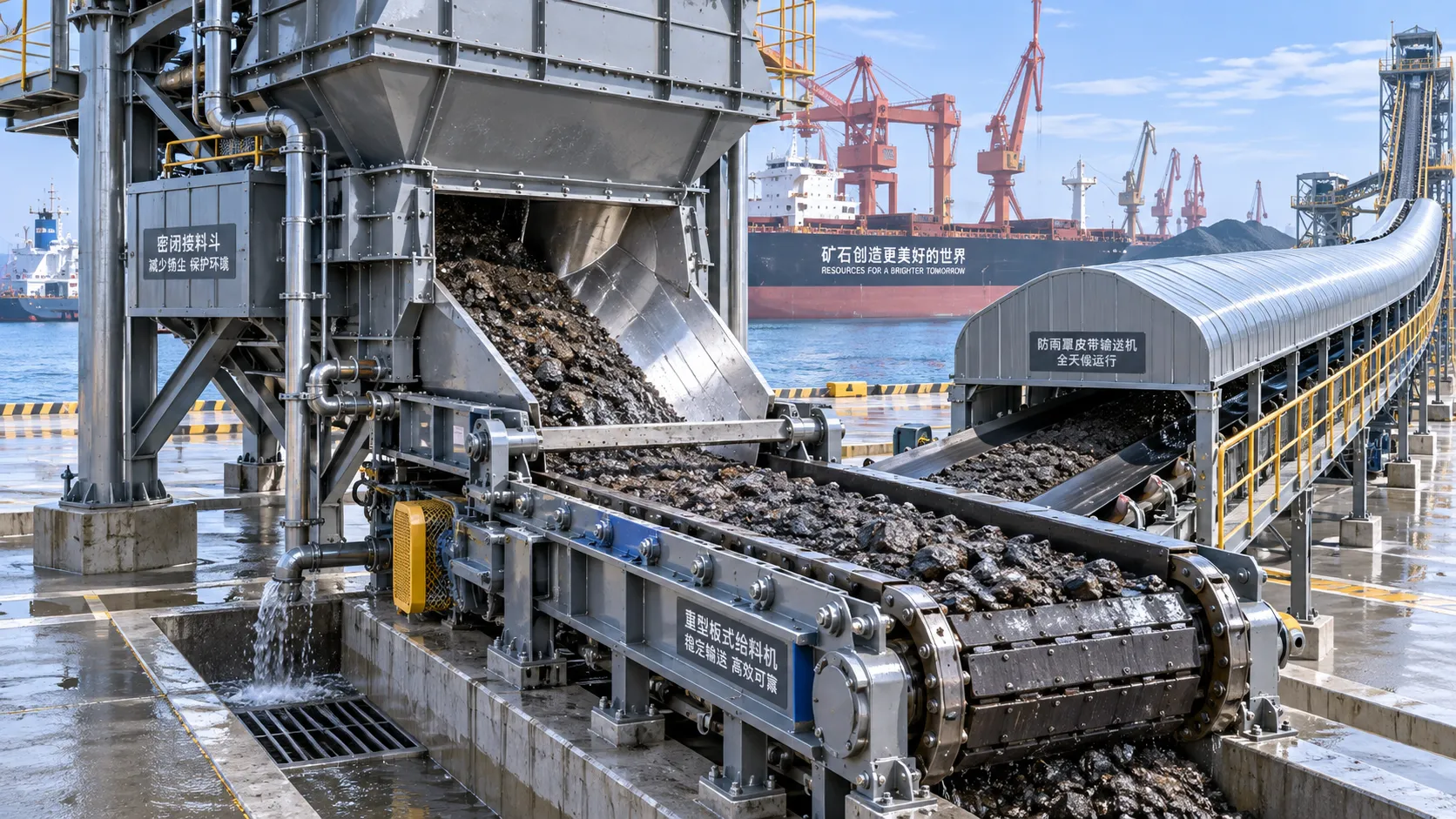
Which Bulk Handling Equipment Suits High-Moisture Cargo?
Which bulk handling equipment suits high-moisture cargo? Compare belt, apron, screw, drag, and slurry systems for reliable flow, less carryback, and higher terminal uptime.
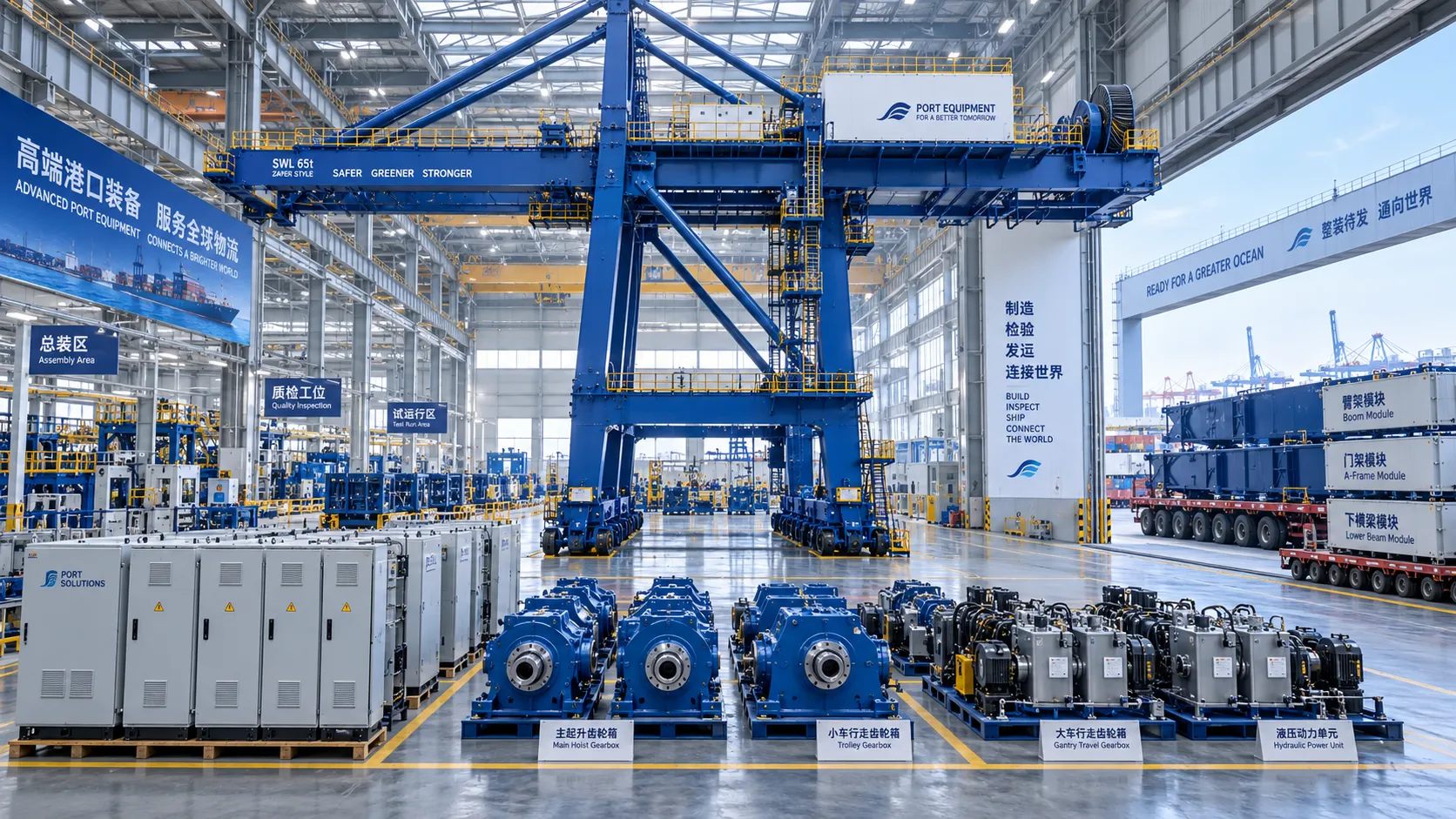
How Can Port Equipment Lead-Time Risk Be Managed?
How can port equipment lead-time risk be managed? Explore practical strategies to control critical paths, suppliers, transport, site readiness, and commissioning delays.
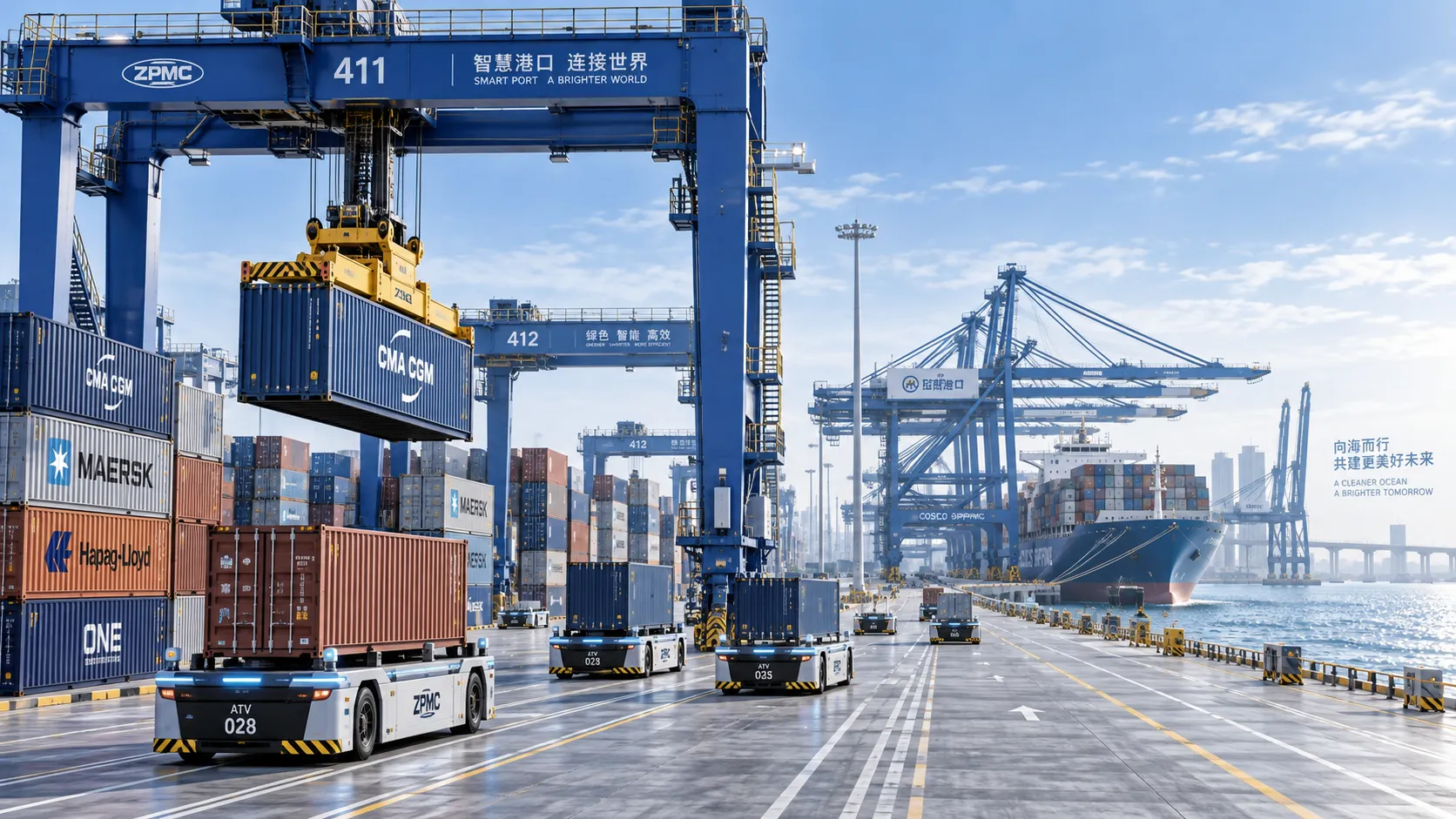
Terminal Automation Technologies That Raise Container Throughput Without Yard Disruption
Terminal automation technology that increases container throughput without disrupting yard flow. Explore smarter integration, resilient workflows, and phased deployment strategies.

Middle East Port Automation: Key Market Drivers, Projects, and Investment Risks
Port automation systems Middle East: explore market drivers, flagship projects, integration challenges, and investment risks shaping smarter, resilient terminals.
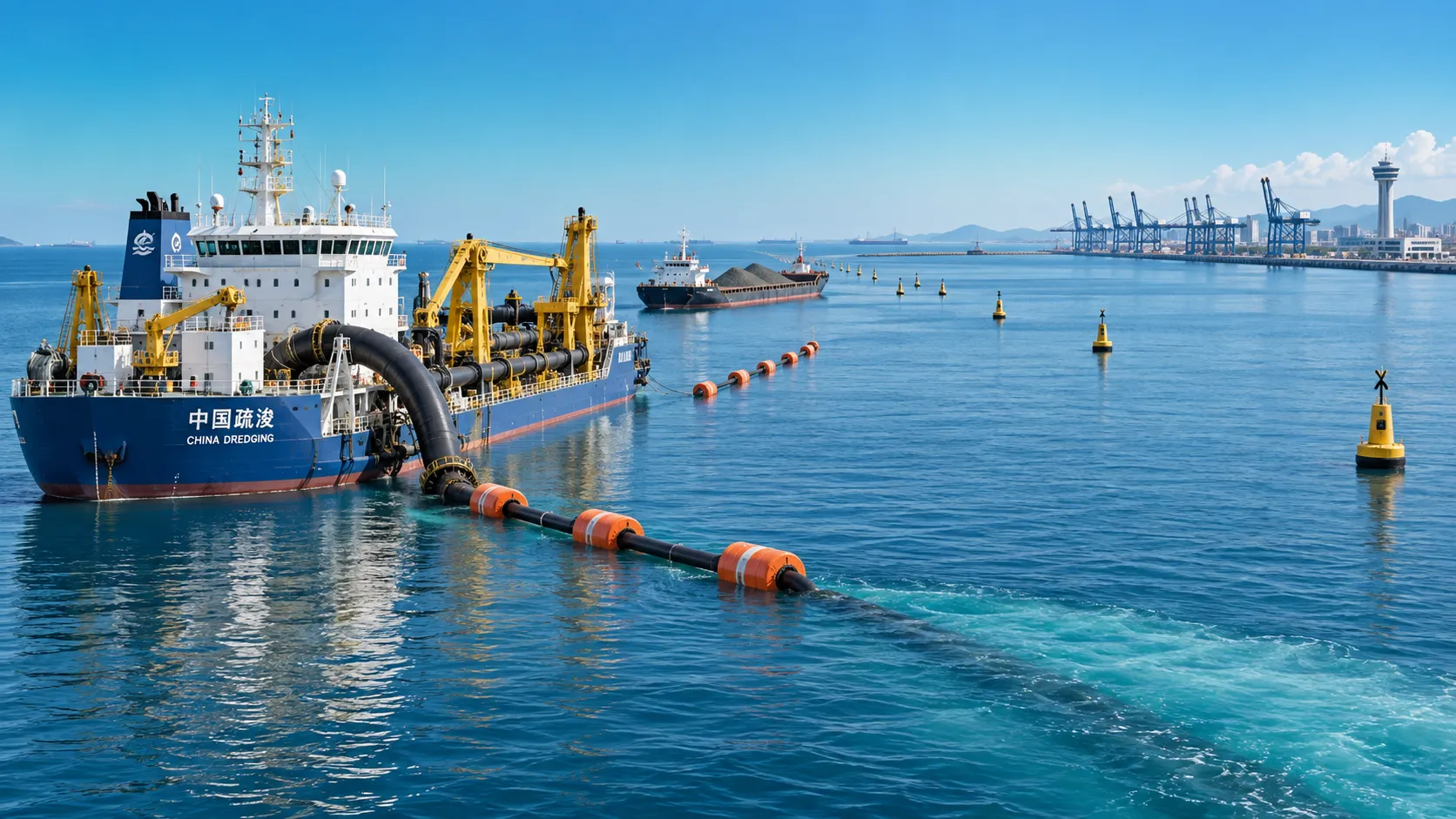
Planning Offshore Dredging Operations: Key Risks, Methods, and Project Controls
Offshore dredging operations demand smart planning. Explore key risks, proven methods, environmental controls, and project strategies for reliable delivery.